Ansitz Steinbock


Michelin Plate · Star Wine List
Our verdict
A medieval castle in the small South Tyrolean village of Villandro houses two distinct dining formats: Stain, a traditional Tyrolean stube with à la carte regional cooking, and La Lumosa, a four-table room offering a five- or six-course contemporary tasting menu. Michelin Plate recognition in both 2024 and 2025 marks it as a serious address in a region where Alpine ingredient sourcing sets the terms of the conversation.

Pearl is the En Primeur Club membership app, where members save venues, book tables and use the concierge.
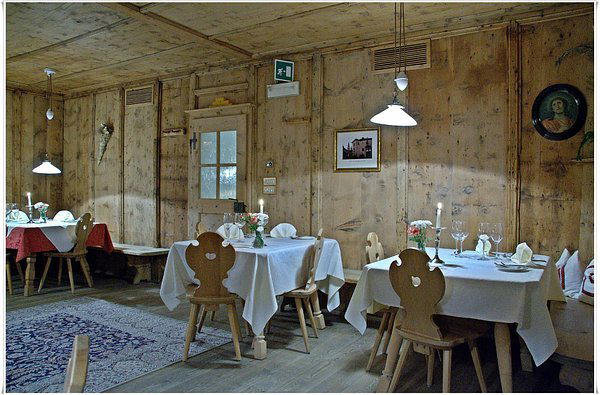
A Castle in the Dolomites, and What Grows Around It
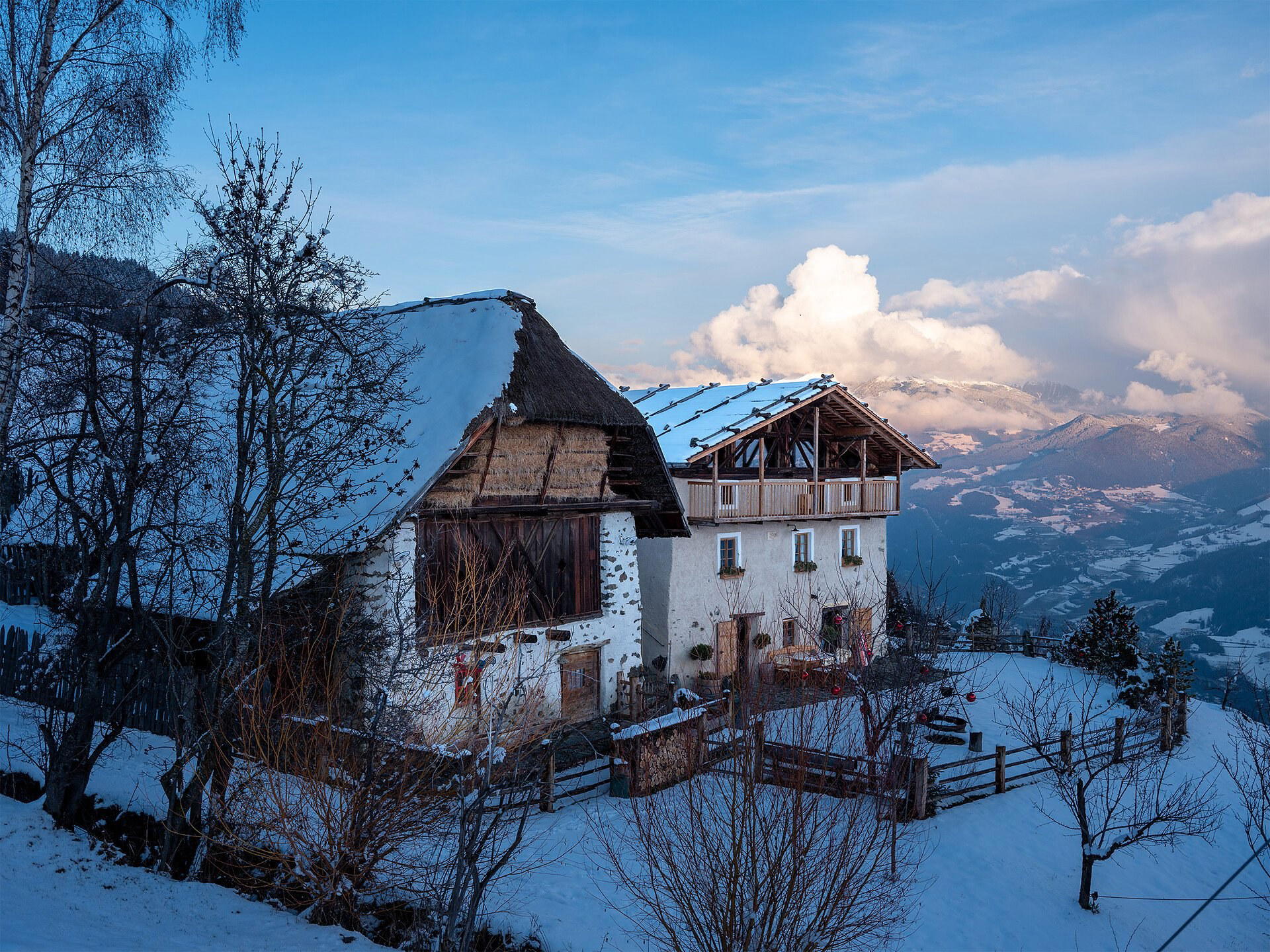
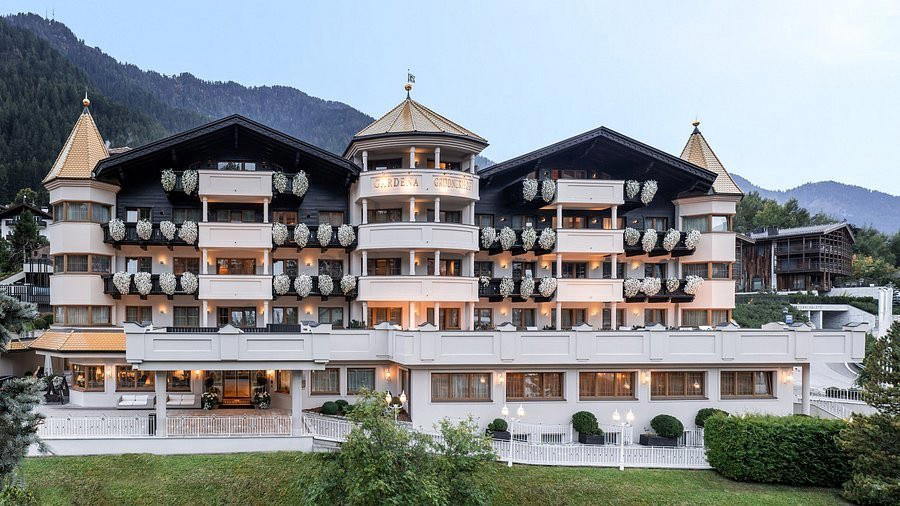
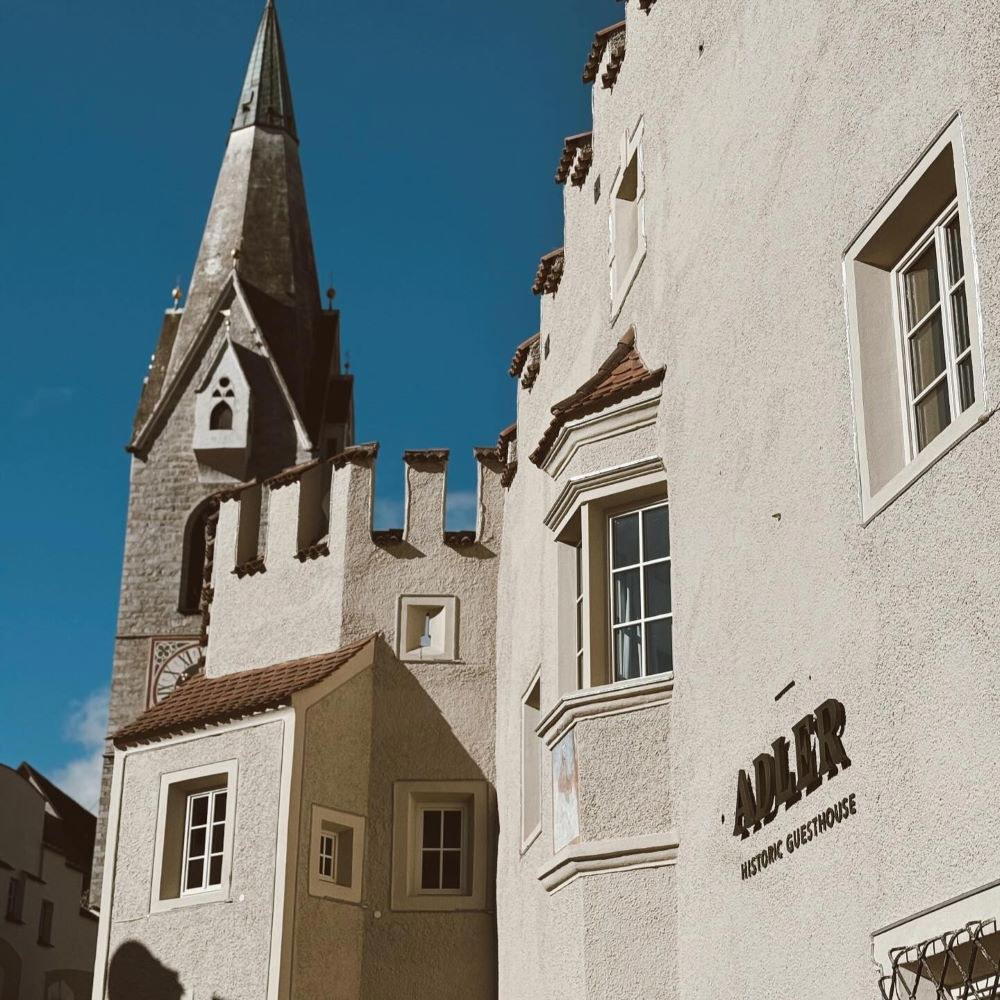
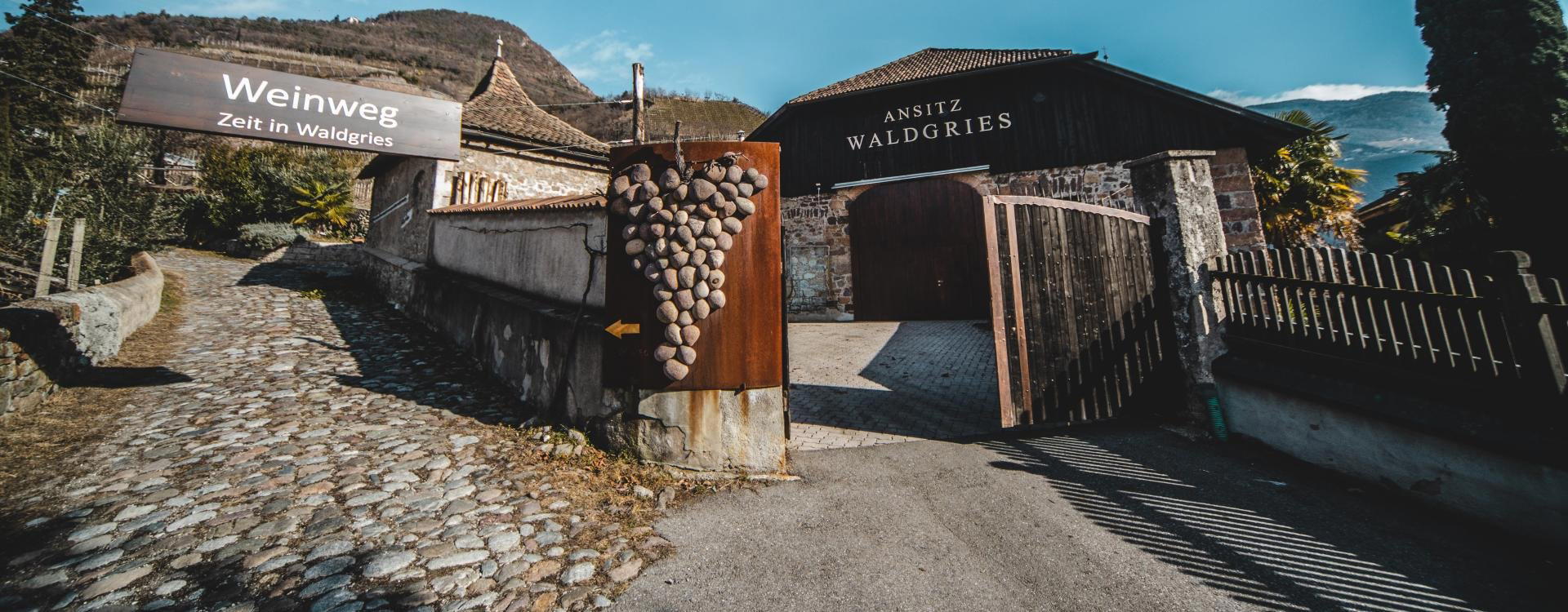
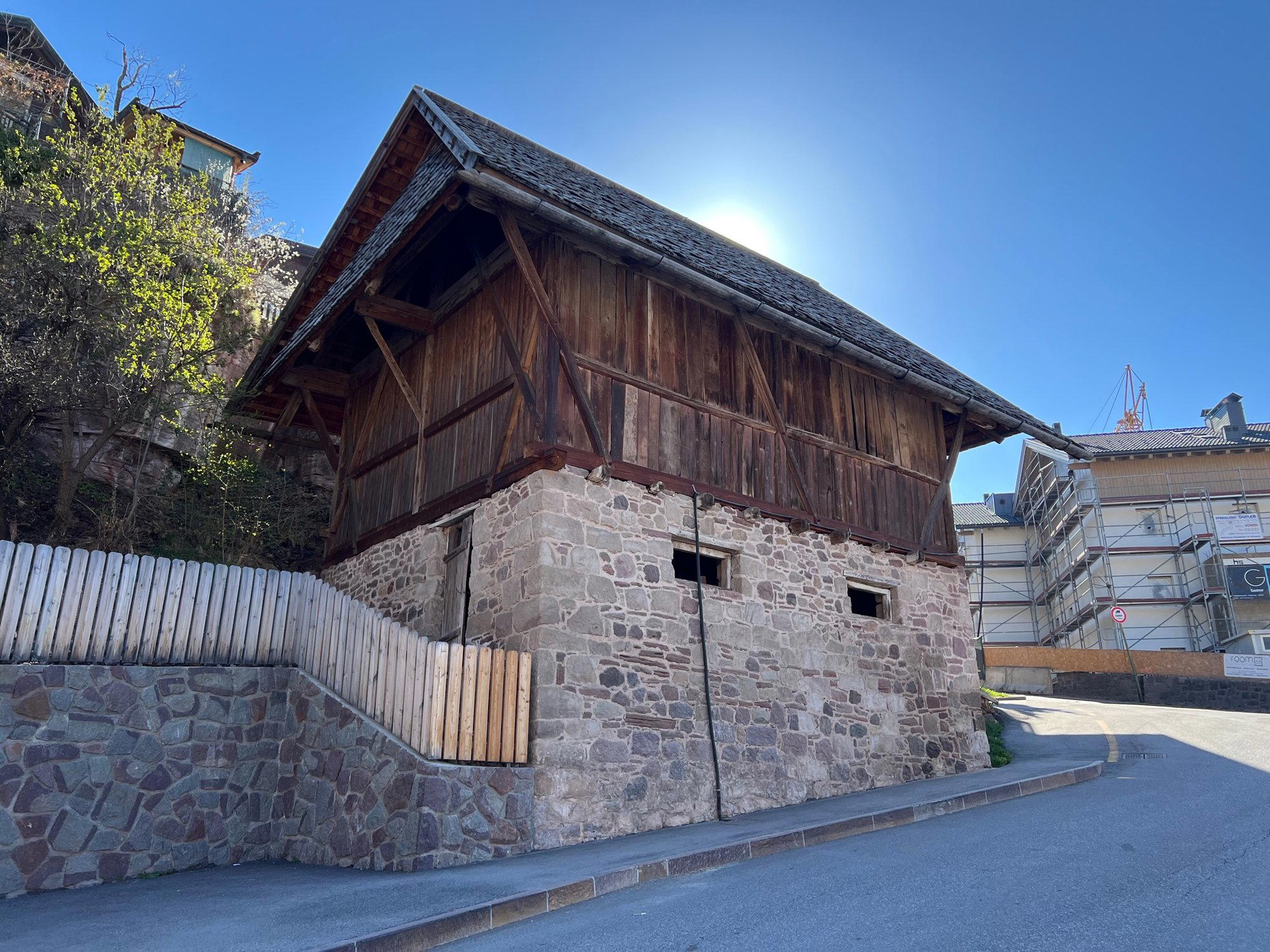
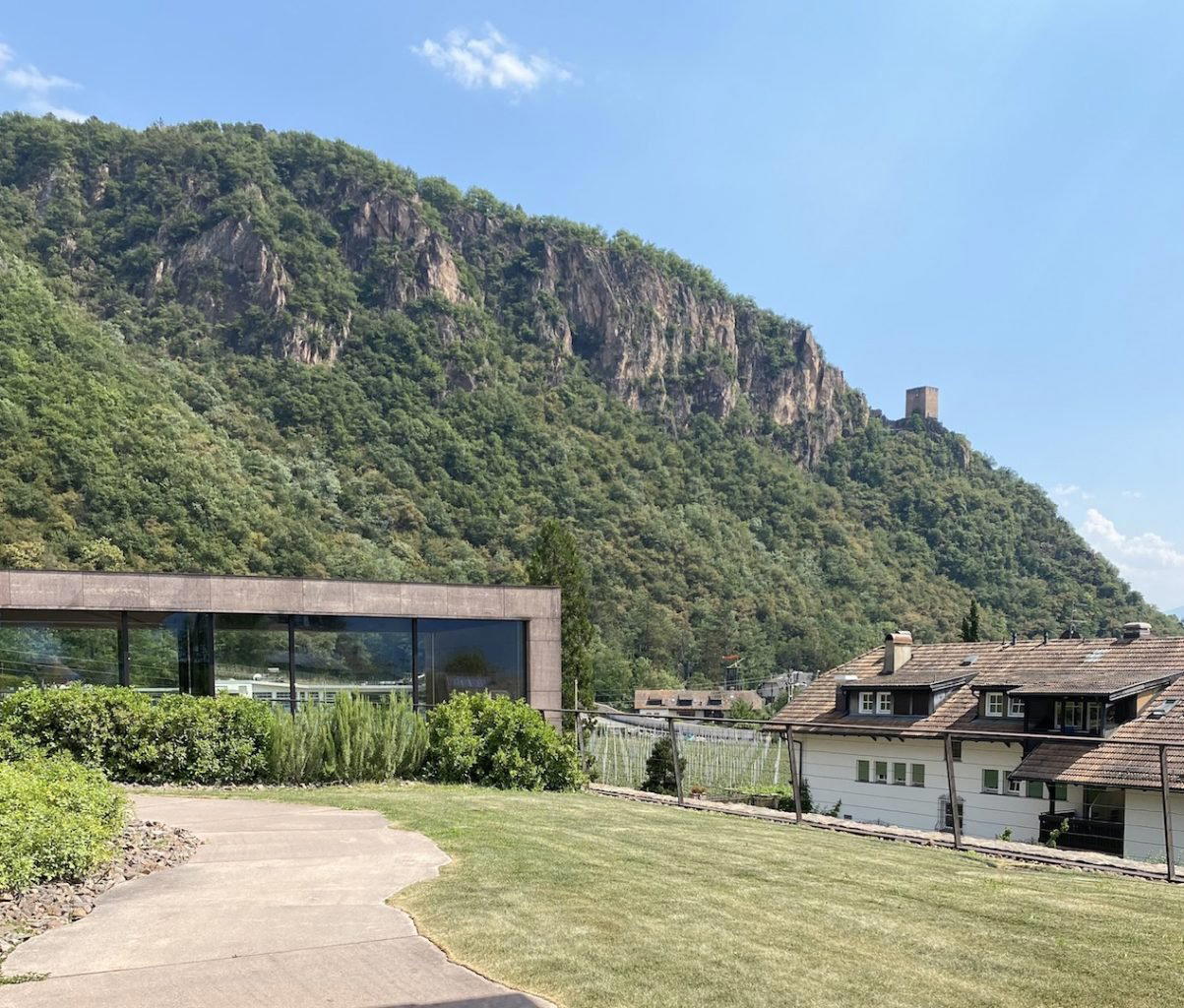
Arriving at Ansitz Steinbock means arriving at the center of Villandro itself. The building is not a converted farmhouse on the edge of town but a castle in the literal sense, anchoring a small South Tyrolean village that sits at altitude in the Isarco Valley. The stone architecture sets an immediate register: this is a place shaped by centuries of Alpine land use, and the kitchen has chosen to work with that inheritance rather than around it. In a region where the sourcing conversation is as serious as anywhere in Italy, that choice carries weight.
South Tyrol operates in a culinary register that the rest of Italy rarely matches for hyper-local specificity. The combination of Alpine pasture, cool-climate orchards, and a long tradition of curing and fermenting means the ingredient base available to kitchens here is genuinely different from what a chef in Milan or Rome is working with. Producers in the Isarco Valley supply apple varieties, smoked meats, and cheeses that don't travel widely, which gives any kitchen that uses them a territorial distinctiveness that sourcing from broader supply chains cannot replicate. The most compelling restaurants in this part of the Dolomites, from the Atelier Moessmer Norbert Niederkofler in Brunico at the top of the regional hierarchy to smaller addresses like Ansitz Steinbock, share that orientation toward place as the primary ingredient logic.
Two Rooms, Two Different Conversations
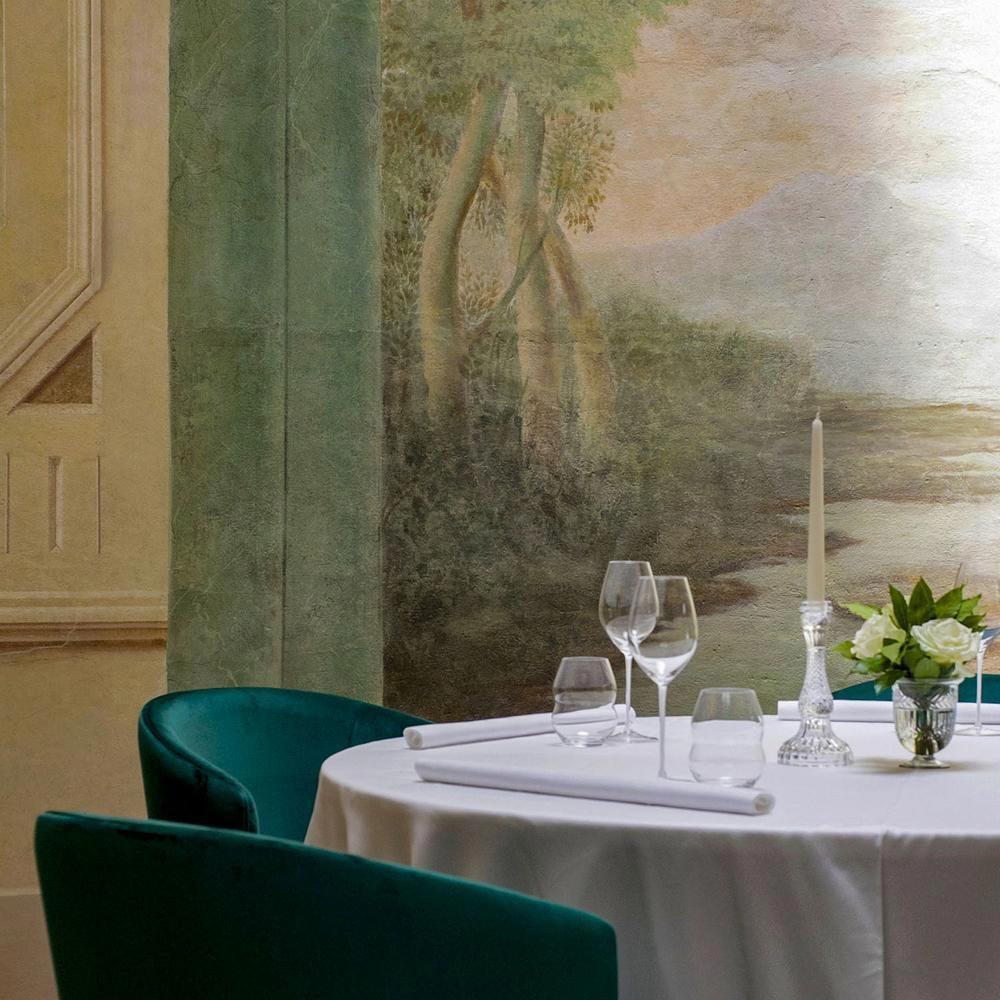
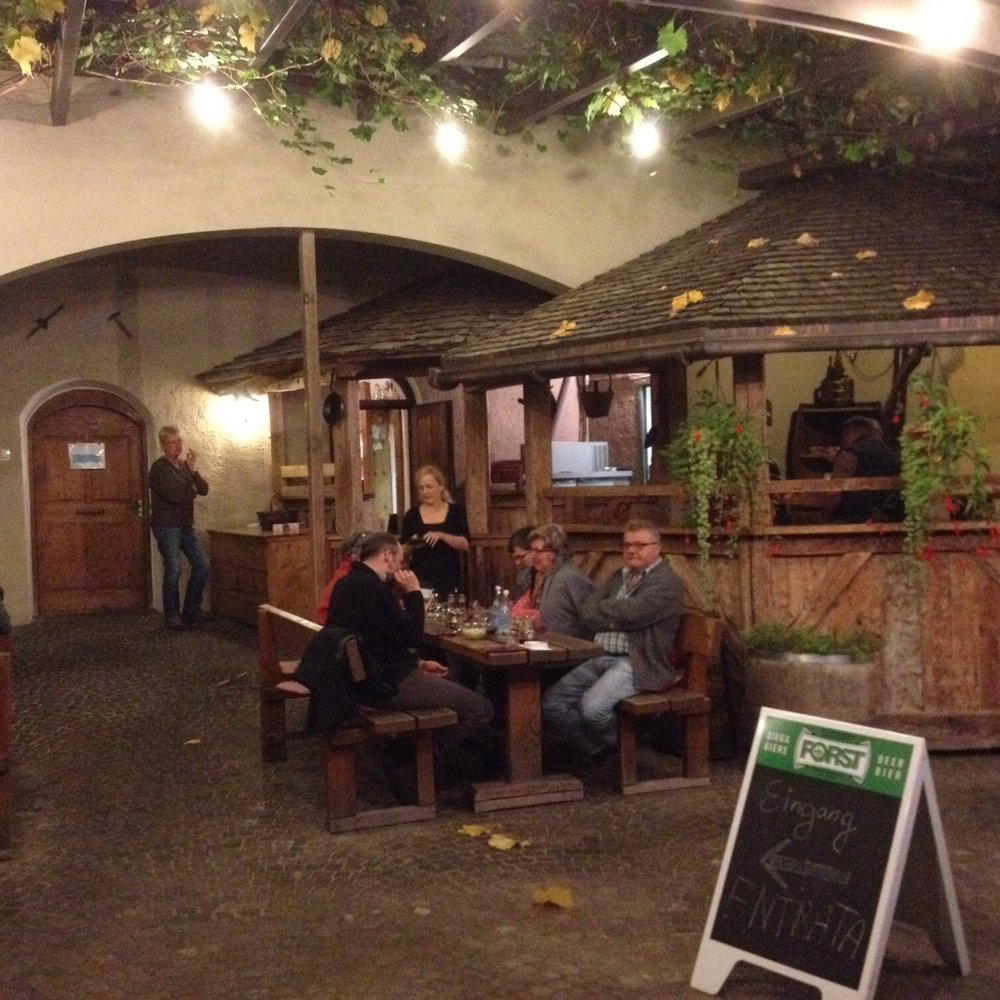
The structural decision at Ansitz Steinbock is worth understanding before you book. The property runs two separate dining formats under the same roof, and they are genuinely distinct rather than cosmetically different. Stain is the Tyrolean stube: wood-panelled, unhurried, and built around an à la carte menu that stays close to regional tradition. In warmer months, service moves outside. This format is the more accessible of the two in tone and price positioning, though the €€€ tier applies across the property.
La Lumosa operates on a different logic entirely. Four tables, a tasting menu configurable at five or six courses, and a contemporary approach that reflects the arrival of a young chef who has pushed the kitchen's ambitions noticeably forward. The room is deliberately small, which puts it in a category where the cooking has to hold the room rather than the atmosphere doing the heavy lifting. Four-table formats at this price tier in the Italian Alps sit in a specific competitive niche: they compete less with large hotel dining rooms and more with addresses like Casa Perbellini 12 Apostoli in Verona or Reale in Castel di Sangro in terms of what the format is trying to achieve, even if the scale and star recognition differ significantly.
Ingredient Sourcing as Editorial Position
The à la carte menu at Stain functions as a record of what the surrounding valley produces. Tyrolean cuisine carries a Central European inflection that sets it apart from both northern Italian and Austrian cooking, despite borrowing from both. Speck, knödel, and aged mountain cheeses appear not as nostalgic gestures but as load-bearing ingredients that reflect how food preservation and Alpine animal husbandry actually shaped the region's diet. Kitchens in South Tyrol that take this tradition seriously tend to work with producers by name, sourcing from specific farms and dairies at altitudes that affect flavor in measurable ways.
La Lumosa's contemporary tasting menu represents a different use of the same ingredient logic. Modern creative cooking in the Dolomites tends to treat regional sourcing not as a constraint but as the creative premise: what can you do with an ingredient that is only available here, at this altitude, in this season? The five- or six-course structure at La Lumosa suggests a kitchen building a coherent argument across a meal rather than assembling dishes. The wine program, with a sommelier whose credentials are part of the property's documented identity, is positioned to track that argument course by course. South Tyrol produces some of Italy's most interesting cool-climate whites, and a sommelier-led pairing in this setting should move between the region's Alto Adige DOC wines and a broader Italian and European selection. For comparable wine-forward creative tasting experiences at the top of the Italian scale, Enoteca Pinchiorri in Florence and Osteria Francescana in Modena represent the outer reference points, though they operate at a different level of international recognition.
Where Ansitz Steinbock Sits in the Italian Creative Scene
Michelin Plate recognition in 2024 and 2025 places Ansitz Steinbock in the tier of restaurants that the Guide considers worth noting but has not yet awarded stars. In the Italian context, that puts it in a large and competitive group that includes serious kitchens working at the €€€ price point across the country. The Plate designation does not carry the weight of a star, but consecutive recognition signals consistency rather than a single strong year. For reference, the starred tier in creative Italian cooking at the leading end runs from addresses like Le Calandre in Rubano, Piazza Duomo in Alba, and Enrico Bartolini in Milan downward. Ansitz Steinbock operates below that tier in formal recognition but within the same broader movement: Italian creative cooking that treats local sourcing as the primary design constraint.
The twelve suites in the castle make an overnight stay the logical format for La Lumosa in particular. A six-course tasting menu with wine pairings in a four-table room, followed by a night in the building, is a structurally different proposition from driving in from Bolzano or Bressanone. The property's position in our full Villandro hotels guide reflects that dual identity. For those exploring the broader Villandro area, our full Villandro restaurants guide, bars guide, wineries guide, and experiences guide cover what else the village offers.
Planning Your Visit
La Lumosa's four-table format means availability is the primary constraint, and booking ahead is advisable regardless of season. Stain offers more flexibility, particularly for groups or those arriving without a reservation in slower periods. The property sits in the center of Villandro, which is a small village, so arrival by car is the practical approach from Bolzano, roughly 20 kilometers to the north along the Isarco Valley. The outdoor terrace at Stain runs through the warmer months, typically late spring through early autumn, which changes the character of that dining format meaningfully.
For regional comparison and wider Italian creative dining context, Dal Pescatore in Runate, Uliassi in Senigallia, Quattro Passi in Marina del Cantone, and the Paris-based creative programs at Alléno Paris au Pavillon Ledoyen and Arpège represent the broader frame against which contemporary tasting menus are now being judged internationally.
Frequently asked questions
What does dinner at Ansitz Steinbock typically cost?
Pricing at Ansitz Steinbock is listed as €€€.
What's the address for Ansitz Steinbock?
Ansitz Steinbock is located at Vicolo Franz von Defregger, 14, 39040 Villandro BZ, Italy, Villandro.
Side-by-Side Snapshot
| Venue | Cuisine | Price | Awards | Notes |
|---|---|---|---|---|
| Ansitz SteinbockThis venue (the venue you are viewing) | Modern Creative South Tyrolean | Not listed | Michelin Plate · Star Wine List | Not listed |
| Atelier Moessmer Norbert Niederkofler | Modern Alpine Fine Dining | $300–500 | 3 Michelin Stars · World's 50 Best #20 | Italian, Creative |
| Dal Pescatore | Classic Italian Fine Dining | $200–300 | 3 Michelin Stars · World's 50 Best #38 | Italian, Italian Contemporary |
| Enoteca Pinchiorri | Contemporary Italian Fine Dining | $200–300 | 3 Michelin Stars · World's 50 Best #32 | Italian - French, Italian Contemporary |
| Enrico Bartolini | Modern Italian Fine Dining | $300–500 | 3 Michelin Stars · World's 50 Best #85 | Creative |
| Osteria Francescana | Avant-Garde Italian Contemporary | $300–500 | 3 Michelin Stars · World's 50 Best #1 | Progressive Italian, Creative |
Recognition history
Dated appearances from independent guides and award organizations, with the underlying list record or original source where available.
Michelin Plate
Michelin
Star Wine List
Star Wine List
Full recognition history (4 entries)
Michelin Plate
Michelin
Michelin Plate
Michelin
Continue exploring
More in Villanders
Restaurants in Villanders
All restaurants in Villanders →
Bars in Villanders
Browse all →

Ansitz Steinbock
The wine
- Wine program
- Deep wine list
- Extensive wine list
Details
- Cozy
- Elegant
- Rustic
- Intimate
- Scenic
- Date Night
- Special Occasion
- Celebration
- Terrace
- Historic Building
- Wine Cellar
- Panoramic View
- Extensive Wine List
- Local Sourcing
- Mountain
- Garden
- Tasting Menu
- A La Carte
- Vegetarian Friendly
- Vegan Options
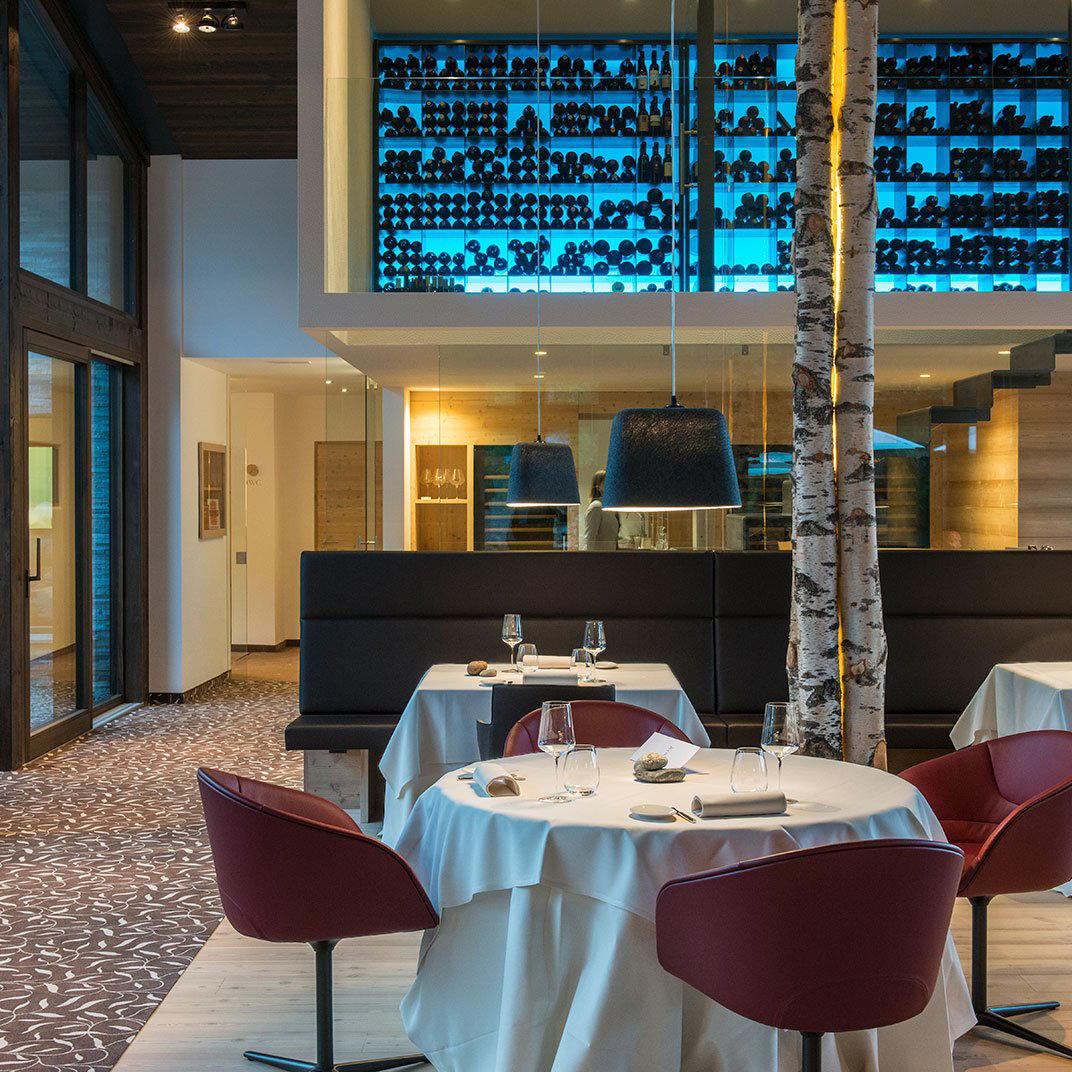
Chic, intimate, and cozy stube with raw noble materials like oak and spruce wood, warm and timeless decor, enhanced by mountain views.