Cantina A. Martinelli 1860

Cantina A. Martinelli 1860 belongs to the older, smaller side of Mezzocorona wine culture: family-run, cellar-led, and closely tied to Teroldego Rotaliano DOC. The draw is not spectacle but place, with a 19th-century cellar built into Dolomites rock, guided tastings, and a portfolio that keeps regional reds at the center while leaving room for Chardonnay, Lagrein, rosé, and sparkling wines.
Pearl is the En Primeur Club membership app — saves, bookings, and concierge access live there. Same editors, same standards.
- Address
- Mezzocorona, Alto Adige, Italien
 Saves & bookings on Pearl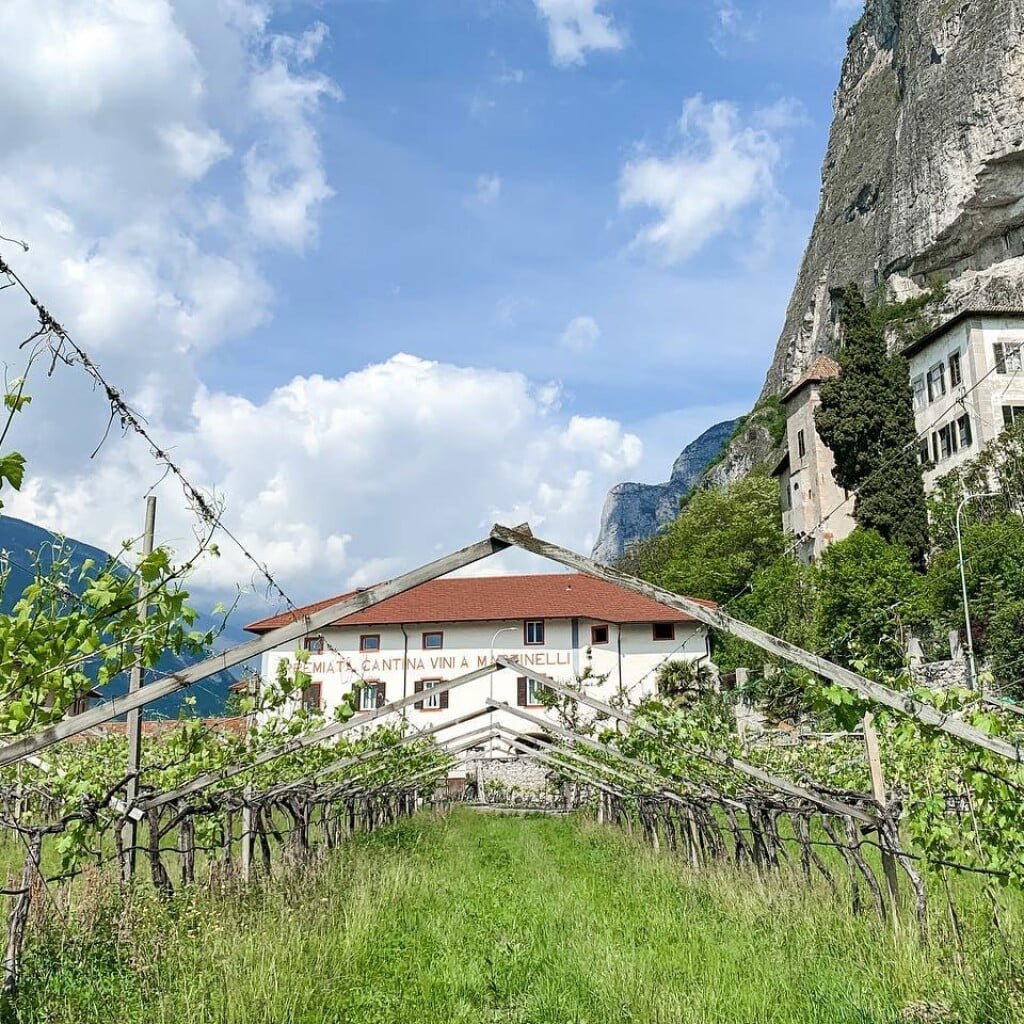
Approaching wine in Mezzocorona means reading the valley before reading the label. The Dolomites press close, vineyards sit on the Piana Rotaliana’s alluvial plain, and the local argument is rarely about grand architecture. It is about Teroldego: the dark-skinned Trentino grape that finds one of its clearest identities here, where soil, mountain air, and cellar temperature matter as much as branding.
Cantina A. Martinelli 1860 fits that tradition with unusual directness. The house dates to 1860, works from a small historic cellar built into rock below an old castle, and keeps its production language close to the region: Teroldego Rotaliano, Chardonnay, Lagrein, red blends, rosé, sparkling, and white wines. Its Teroldego Rotaliano Classico DOC has earned 92 points from Falstaff, a useful outside marker in a valley where many serious bottles remain more local than global in reputation.
Rock, Teroldego, and the Piana Rotaliana grammar
Teroldego is not a neutral grape in Trentino. In the Piana Rotaliana, it carries a regional weight similar to how certain Alpine valleys are read through one defining variety rather than a broad international mix. The appeal is structural: red wines shaped by mountain-adjacent conditions, local soils, and a long habit of matching grape to place rather than forcing a fashionable style onto the valley.
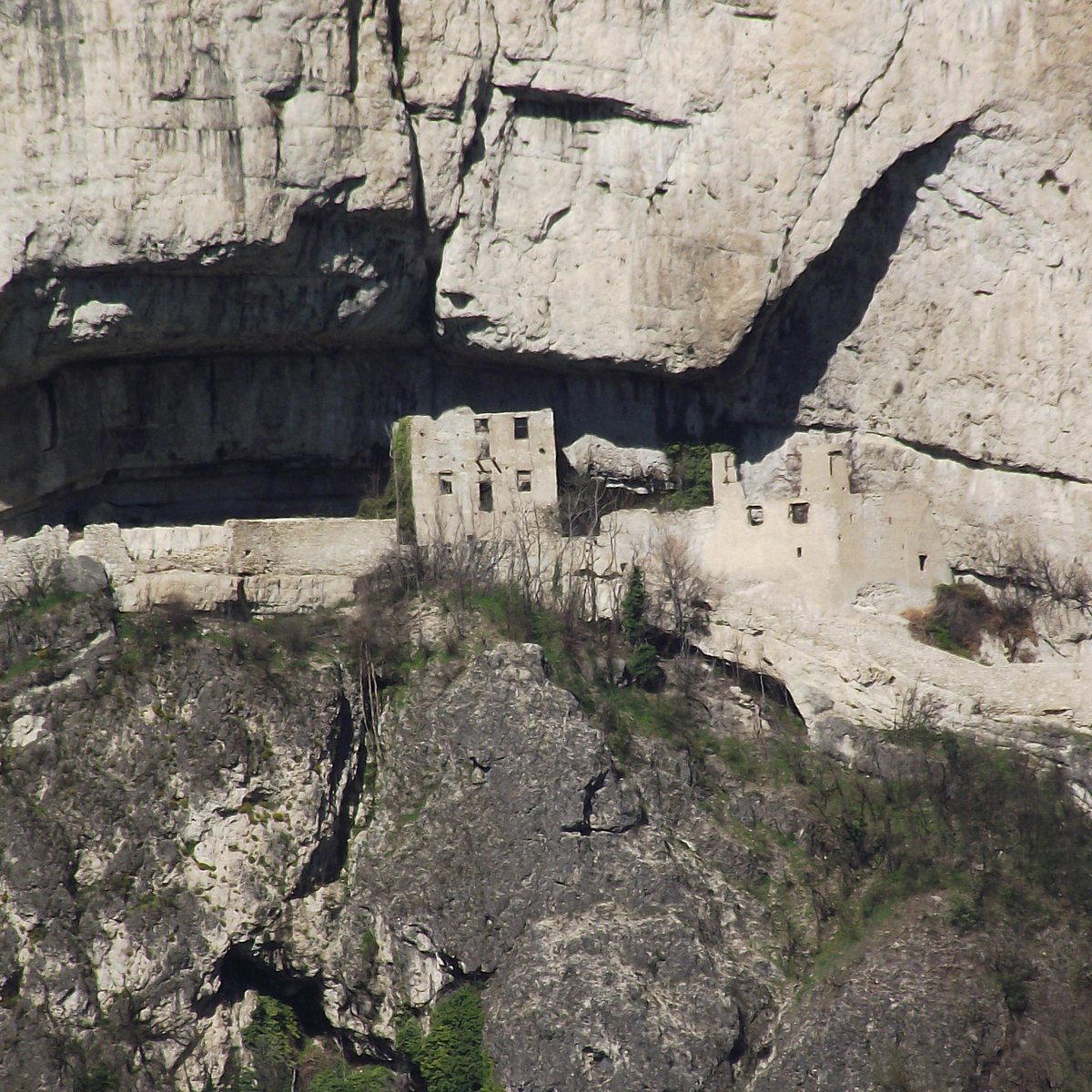
The cellar setting at Cantina A. Martinelli 1860 matters because it is not decorative context. Rock formations naturally regulate temperature, giving the site a practical relationship with aging and storage. That is the kind of detail that separates a regional tasting from a generic cellar stop: the landscape is not only seen through a window, it influences the conditions in which the wine is handled.
The production stance is small-scale and family-operated, with low-intervention methods, sustainable sourcing language, and hand-harvested fruit attached to the house identity. Those terms are now common across wine tourism, but here they read less as lifestyle signaling than as a fit with a compact cellar working in a historically agricultural zone. The result is a visit oriented toward explanation: why Teroldego belongs here, how the rock and plain shape the cellar conversation, and where regional varieties sit beside the better-known international grapes.
A tasting format built for education, not performance
Hospitality model is intimate rather than theatrical. Guided tastings, cellar tours, vineyard walks, and private bookings put the emphasis on context, with Italian and English listed for tours. The expected rhythm runs 60 to 90 minutes, enough time to move beyond a quick pour but not so long that the format becomes a formal seminar. Conversational noise levels and casual dress underline the point: this is a cellar visit with substance, not a staged luxury ritual.
Portfolio gives the tasting a useful spread. Teroldego Rotaliano DOC anchors the conversation, while Chardonnay, Lagrein, red blends, rosé, sparkling, and other white wines show how a Trentino producer can speak both in regional dialect and in more familiar European wine categories. The house also identifies a natural production philosophy and a focus on still red, still white, still rosé, and sparkling styles, which makes the tasting more varied than a single-variety stop.
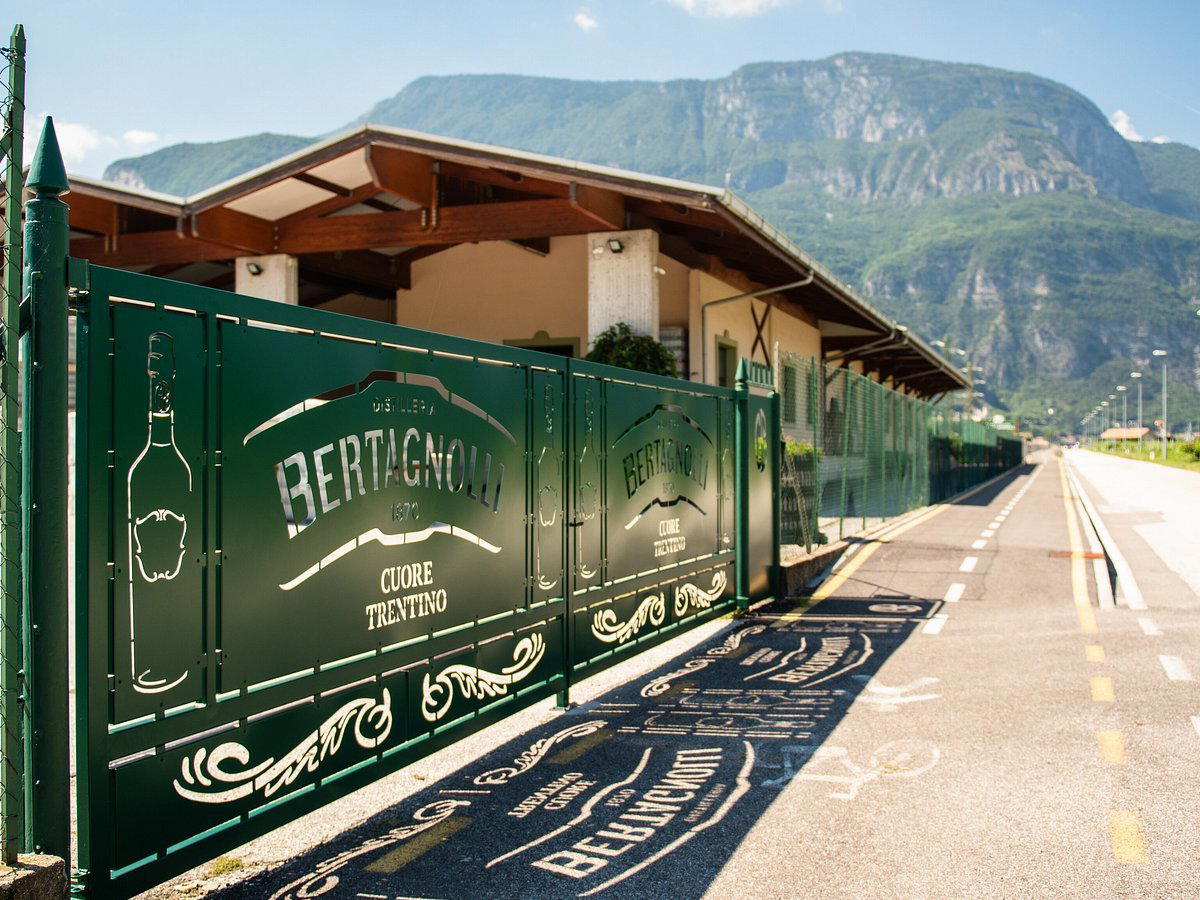
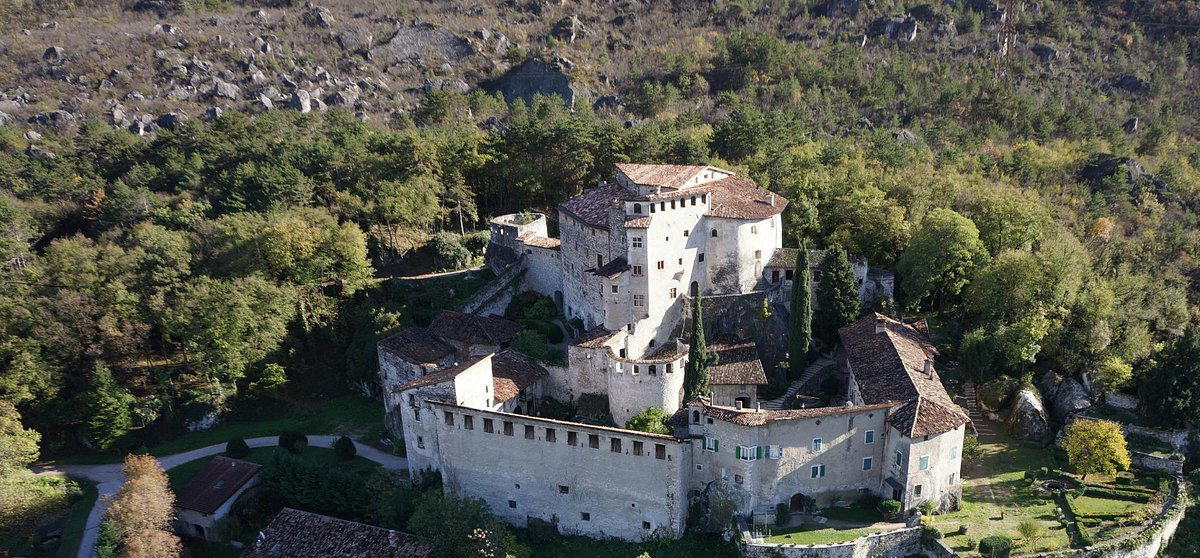
Food pairing is not the defining feature here, so the stronger reason to go is wine education. The better lens is terroir: how a family cellar founded in the 19th century works inside a valley known for one native red grape, and how that history translates into a current tasting. Visitors looking for a broader Mezzocorona wine day can place it alongside the area’s wider cellar map through Our full Mezzocorona wineries guide, while nearby regional names such as Castel Firmian, Castel Pietra, Distilleria Bertagnolli, Dorigati, and Feudo Arancio help frame the town as more than a single-cellar stop.
How to place it within a Mezzocorona itinerary
Mezzocorona rewards travelers who treat wine as part of the town’s daily geography rather than an isolated activity. A cellar visit here pairs naturally with slower planning around meals, bars, hotels, and experiences rather than a rushed tasting crawl. For that wider structure, use Our full Mezzocorona restaurants guide, Our full Mezzocorona hotels guide, Our full Mezzocorona bars guide, and Our full Mezzocorona experiences guide.
The visit is strongest for travelers who want a compact, place-specific reading of Trentino wine: small cellar, mountain and vineyard views, a historic building, and a format suited to couples, solo travelers, and groups interested in regional viticulture. It is less suited to anyone chasing a large hospitality complex or a tasting built around elaborate food service. In a region where Teroldego can be misunderstood as merely a local curiosity, Cantina A. Martinelli 1860 gives the grape a clear frame: old family cellar, Piana Rotaliana setting, and enough external recognition to justify close attention.
For readers comparing wine travel beyond Trentino, the contrast is instructive. Producers such as 3GP SRL in Treviso, 47 Anno Domini in Trebaseleghe, A Mano Wine in Noci, »der Steiner« Hans Steiner in Podersdorf am See, and & Handwein in Mannheim show how differently European cellar culture can express itself by region. Mezzocorona’s version is narrower, more geological, and more tied to one red grape than many broader wine routes. That focus is the reason to pay attention.
Recognition history
Dated appearances from independent guides and award organizations, with the underlying list record or original source where available.
Falstaff Winery - Listed
Falstaff
Continue exploring
More in Mezzocorona

At a Glance
- Scenic
- Cozy
- Rustic
- Intimate
- Wine Education
- Group Outing
- Romantic Getaway
- Solo Exploration
- Special Occasion
- Historic Building
- Estate Grounds
- Vineyard Tour
- Private Tasting
- Panoramic View
- Sustainable
- Mountain
- Vineyard
- Teroldego Rotaliano DOC
- Teroldego Rotaliano
- Chardonnay
- Lagrein
- Red Blends
- Still Red
- Still White
- Still Rosé
- Sparkling
- Guided Tasting
- Cellar Tour
- Vineyard Walk
- Private Booking
Historic, family-run Dolomites winery with a cozy, rustic cellar and intimate tasting spaces set against rock formations and vineyards, often described as relaxed and authentic by visitors.