Animal
Animal sits on Reforma in Mexico City, a corridor where corporate dining, hotel restaurants, and polished international rooms meet the capital’s ingredient-driven cooking culture. With little public detail around chef, awards, pricing, or format, the useful read is contextual: go for the Reforma setting and the city’s broader produce-and-protein fluency rather than expecting a documented tasting-menu temple.
Pearl is the En Primeur Club membership app — saves, bookings, and concierge access live there. Same editors, same standards.
- Address
- Av. P.º de la Reforma 439-Planta Baja, Cuauhtémoc, 06500 Ciudad de México, CDMX, Mexico
- Phone
- +52 55 7963 6774
- Website
- costeno.com
- Directions
- Get directions
 Saves & bookings on Pearl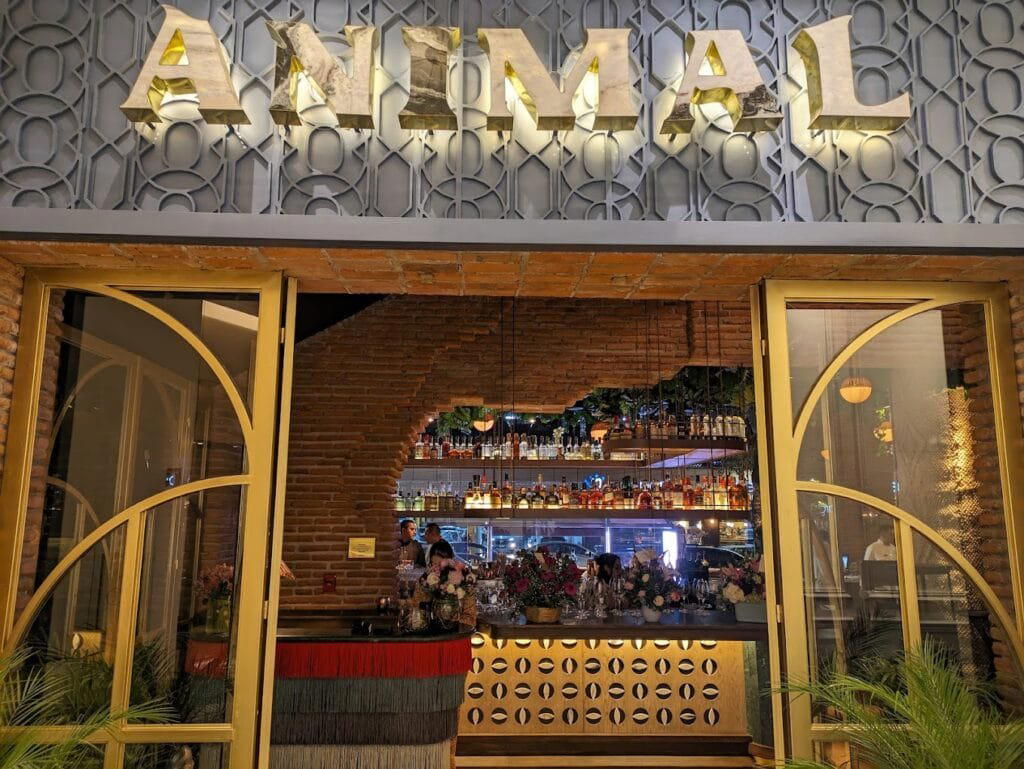
Mexico City changes the temperature of a restaurant before a plate arrives. The city is broad, formal in places, heavily trafficked, and shaped by hotels, offices, apartments, and visitors moving between very different dining rhythms. Animal belongs to that polished Mexico City register: a composed room shaped by business meals, visitors, and diners who want the capital’s confidence without the informality of a market counter.
That setting matters because Mexico City’s restaurant culture is not one scene. It splits between chef-led menus, neighborhood fondas, seafood rooms, counters, comfort addresses, and high-design restaurants built for late dinners. Animal sits at the more formal end of that map. Comparison rooms such as The Glass House Café, Diana Restaurant, Tatsugoro, La Table Krug, and Terraza Santino all point to the same city logic: international in feel and useful for diners who want a controlled room rather than a roaming night across several neighborhoods.
Mexico City dining rewards produce literacy, not menu theatre
The sharper way to read a restaurant in this part of the city is through sourcing. Mexico City has an advantage few capitals can match: morning access to major wholesale scale, weekend visibility from regional producers, seafood routes from both coasts, and a deep vegetable vocabulary drawn from Mexican cooking. Corn, chile, herbs, squash, beans, citrus, tropical fruit, and pasture-raised proteins do not need narrative dressing when a kitchen knows what to do with them.
Animal’s public profile does not provide a named chef, precise cuisine category, price range, or named signature dishes, so the editorial judgment should stay disciplined. The reason to place it on a serious dining map is setting and category, not invented detail. Polished Mexico City restaurants compete less on bohemian discovery and more on execution: sourcing has to carry a room that may serve locals at lunch, travelers at dinner, and groups looking for a confident table in the city.
That makes it a different proposition from the capital’s smaller, more personal formats. A compact counter can build an evening around a single specialist; a neighborhood dining room can let seasonal produce drive a loose, conversational menu; a more polished address has to hold scale, pace, and consistency. When ingredient sourcing is the lens, the question is not whether the cooking performs Mexico City identity loudly. The question is whether the kitchen lets the city’s raw material, especially vegetables, seafood, and grilled proteins, stay legible inside a composed room.
Where it fits among Mexico City's polished tables
Mexico City has become crowded with restaurants that look international before they taste local. The stronger examples avoid generic luxury cues and use Mexican supply chains with restraint: herbs with acidity rather than garnish, corn as structure rather than decoration, seafood treated cleanly, and sauces that show regional technique without turning the plate into a lesson. That is the competitive standard for any polished dining room asking to be taken seriously by travelers who already know the city eats well beyond obvious visitor routes.
In that frame, Animal is best understood as a Mexico City option rather than a destination defined by a long public dossier. The limited public detail changes expectations. Diners comparing it with more documented rooms should weigh convenience, room style, and the appeal of a Mexico City setting alongside any critical hierarchy. That is not a dismissal; it is the practical distinction between a restaurant chosen for a specific night’s logistics and one chosen because a fuller public record makes the case in advance.
For wider planning, Mexico City rewards clustering by mood. Casual tables, specialist counters, hotel dining rooms, and more formal restaurants answer different briefs from Animal’s polished city format. Other dining in Mexico City can be useful for slower neighborhood evenings, while Animal makes more sense when the plan calls for a composed room and efficient routing. The broader view is in our full Mexico City restaurants guide, with adjacent planning covered by our full Mexico City hotels guide, our full Mexico City bars guide, our full Mexico City wineries guide, and our full Mexico City experiences guide.
How to use it in a Mexico itinerary
Animal works strongest as a Mexico City meal when the evening needs to stay efficient: a Mexico City base, a business dinner, or a night when crossing town for a smaller specialist room feels like the wrong use of time. Its city position gives it logistical value even without public detail on price or booking format.
Travelers building a wider Mexico dining itinerary should separate Mexico City choices from resort and coastal dining. Unnamed restaurants in beach destinations, resort zones, and smaller towns operate in different travel contexts, where pacing, access, and destination logistics shape the meal. For international contrast, narrow-format dining in other global cities can show how specialization reads differently from Mexico City’s wide ingredient base.
The editorial call is simple: choose Animal when Mexico City is the right geography and a polished, ingredient-aware dinner is the brief. For a night driven by a fuller public dossier, named chef credentials, or a specific tasting format, compare more heavily before committing the evening.
Continue exploring
More in Mexico City
Restaurants in Mexico City
Browse all →
Bars in Mexico City
Browse all →
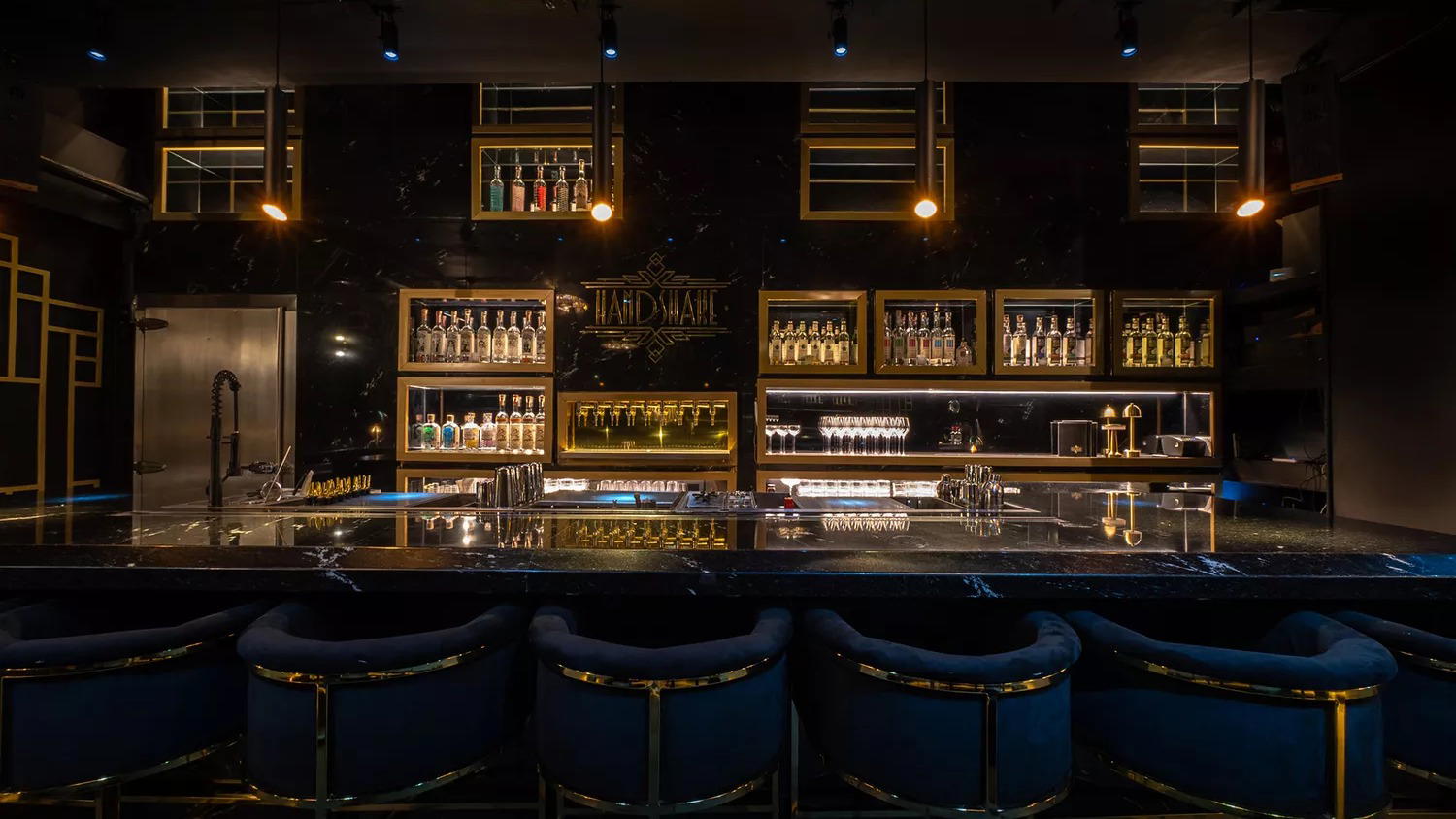
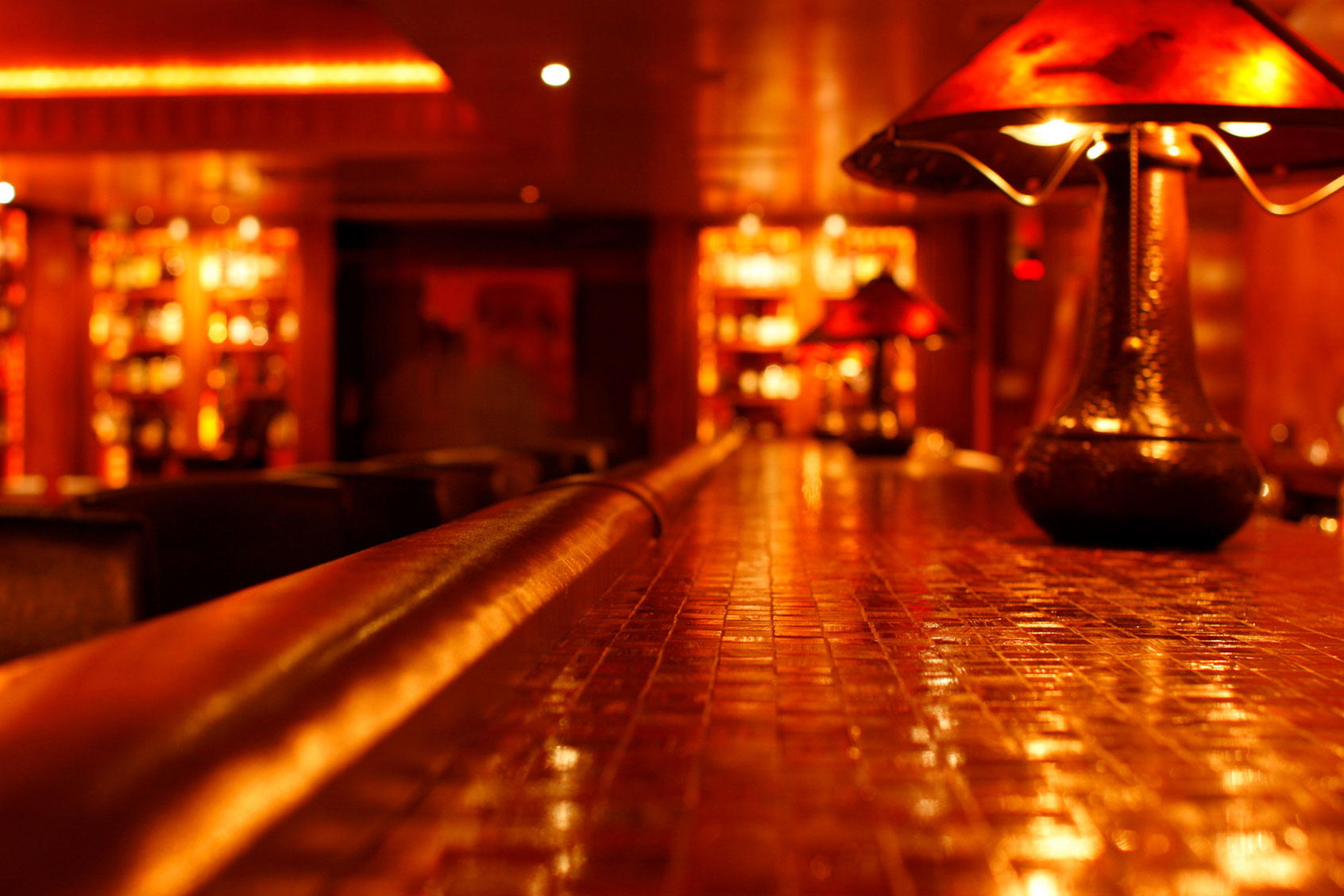
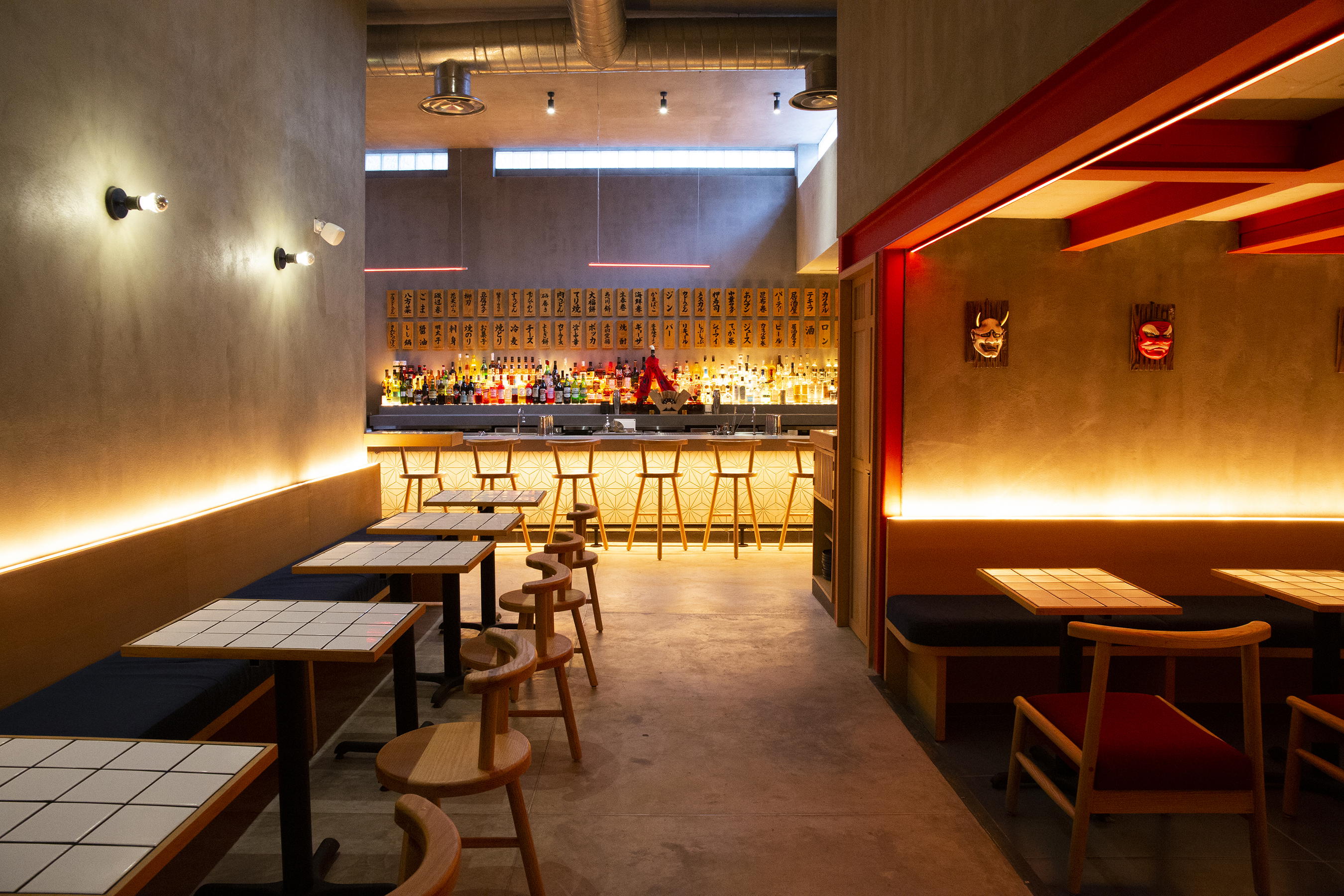
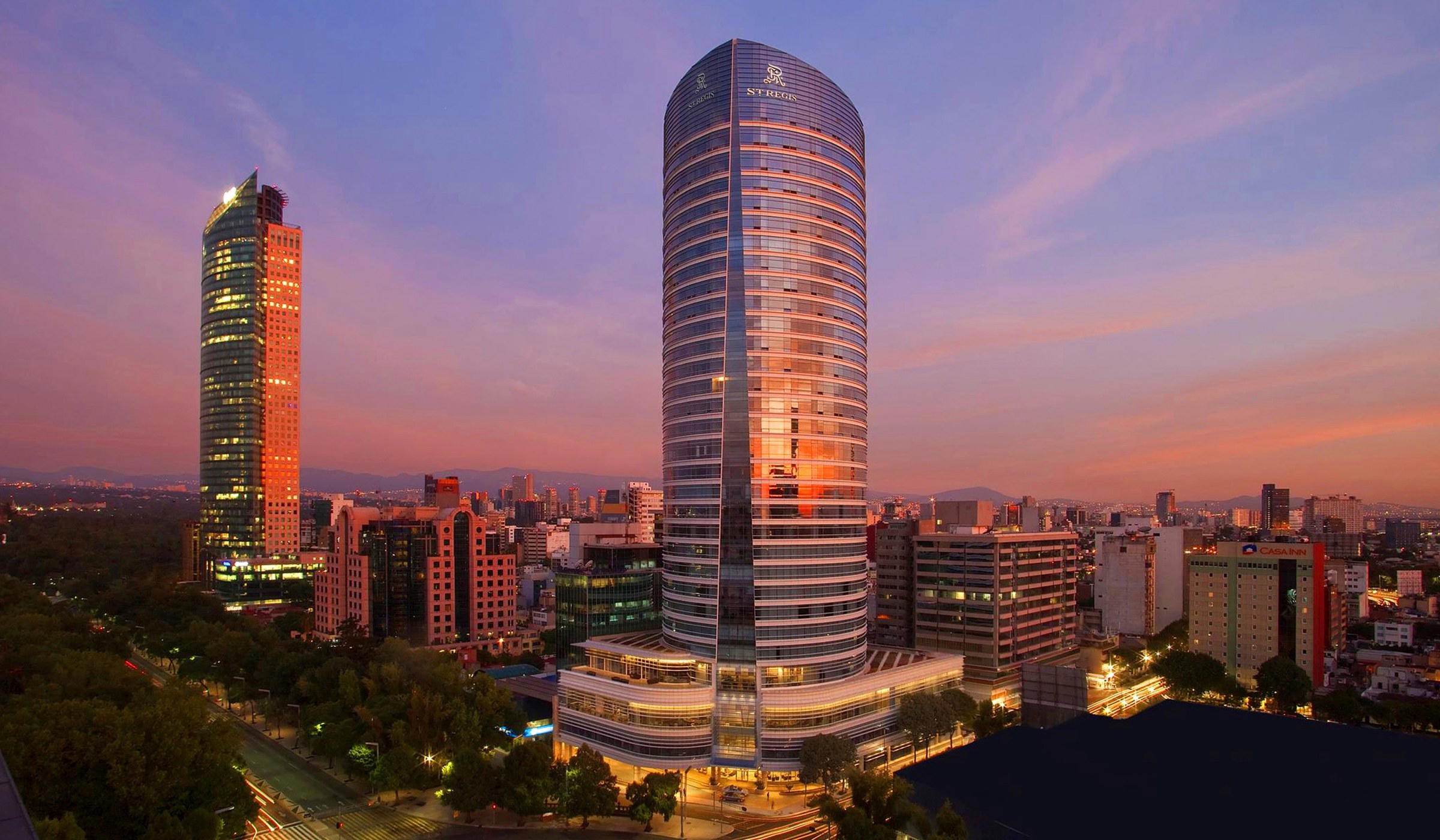

At a Glance
- Lively
- Trendy
- Energetic
- Modern
- Cozy
- Date Night
- Group Dining
- Casual Hangout
- Late Night
- After Work
- Celebration
- Open Kitchen
- Private Dining
- Design Destination
- Standalone
- Craft Cocktails
- Extensive Wine List
- Farm To Table
- Street Scene
Casual-elegant and dimly lit with a jungle-inspired, ‘taste of the wild’ design, upbeat music and DJs creating a high-energy, social atmosphere rather than a quiet, formal setting.
Know Before You Go
- Reservations
- Recommended
- Dress code
- Smart casual
- Getting there
- Av. P.º de la Reforma 439-Planta Baja, Cuauhtémoc, 06500 Ciudad de México, CDMX, Mexico