Our verdict
Animal sits in Lisbon’s central dining corridor, where contemporary restaurants increasingly read Portuguese produce through a looser, more international lens. The useful way to judge it is not by ceremony or awards, but by how it fits a city moving between seafood tradition, petiscos culture, hotel dining, and chef-led creative rooms.

Pearl is the En Primeur Club membership app, where members save venues, book tables and use the concierge.
The menu
What to order
- Sushi selection
- Ceviche
- Tuna tartar
- Aged meat dishes
Animal belongs to Lisbon, where the city changes pace quickly and restaurants serve both residents and visitors moving through the capital. In that setting, Animal enters a dining conversation shaped less by a single cuisine label than by Lisbon’s current appetite for market-aware cooking, informal formats, and rooms that can stretch from lunch into late evening without adopting the stiffness of a tasting-menu temple.
The stronger lens here is sourcing rather than spectacle. Lisbon’s restaurant culture has long been built on fish, market vegetables, pork cookery, tinned seafood, olive oil, rice, beans, and Atlantic seasonality. Contemporary rooms now reinterpret those foundations with lighter plating, cross-border references, and a looser idea of what Portuguese dining can look like. That shift places the restaurant closer to the city’s modern dining tier than to more formal or chef-led destination dining rooms elsewhere in Lisbon.
Lisbon produce, read through a contemporary city-room format
The central question for this category of Lisbon restaurant is how much of Portugal remains visible once the room becomes more cosmopolitan. Traditional restaurants such as Solar dos Presuntos anchor their authority in recognisable Portuguese abundance, while other polished city addresses tend to frame Lisbon through a cleaner, international dining grammar. Animal sits in the middle ground: useful for readers who want the city’s ingredient base without committing to either old-school portions or a long-form creative menu.
That middle tier matters because Lisbon has become a testing ground for restaurants that treat local supply as the starting point rather than the full identity. Atlantic fish, shellfish, seasonal greens, cured pork, cheeses, bread, and olive oil give the city a deep pantry, but the newer generation often edits those references into smaller plates, shareable sequencing, and menus that feel less bound to regional orthodoxy. The result is not a rejection of Portuguese cooking. It is a sign that Lisbon’s dining rooms are increasingly confident enough to treat tradition as material, not museum script.
For travellers comparing options, this is where the category distinction matters. Some Lisbon dining rooms belong to a more formal, chef-brand conversation; others point toward the petiscos register; Omakase Wa, by contrast, represents Lisbon’s appetite for imported counter formats. Animal is better understood as a Lisbon restaurant for an à la carte-style decision set: produce, mood, location, and flexibility carry more weight than ceremony.
The useful comparison is city function
Lisbon’s restaurant map now splits into several overlapping routes. The city gathers polished hotels, terrace dining, design-conscious rooms, all-day social gravity, and a denser after-dark rhythm. A restaurant within that broader urban mix benefits from foot traffic that is neither purely tourist nor purely local, and that changes the expectation: the room has to work for lunch, pre-theatre pacing, late dinner, and a mixed table that may not want the same level of formality.
That flexibility is a meaningful signal in a city where dining decisions are often logistical as much as culinary. A heavy seafood institution can be the right move for a long group lunch; a tasting counter can dominate an evening; a rooftop such as Lumi Rooftop belongs to a more view-led category. Animal’s position is different: it suits the diner looking for Lisbon’s contemporary middle, where the cooking can nod to the market without requiring a lesson in regional taxonomy.
This is also where ingredient sourcing becomes practical rather than decorative. Portugal’s restaurant identity is strongest when produce is allowed to remain legible, especially in a capital where seafood, vegetables, pork, and wine culture are not luxuries grafted onto the city but part of its everyday grammar. The more persuasive modern Lisbon restaurants understand that restraint can be as telling as abundance. A menu does not need to announce itself as heritage cooking to reveal where it is cooking from.
How to place it within a Lisbon itinerary
Readers building a dining plan should treat this as one piece of a broader Lisbon puzzle. Pair it with a more traditional Portuguese meal, a creative counter, and at least one bar-led evening to understand how the city’s hospitality scene is currently dividing itself. For wider planning, use Our full Lisbon restaurants guide alongside Our full Lisbon bars guide, Our full Lisbon hotels guide, Our full Lisbon wineries guide, and Our full Lisbon experiences guide.
The broader Portuguese circuit gives useful perspective. Other Portuguese cities and regions lean naturally toward wine-country dining, inland cooking, and coastal seafood in ways that clarify how much Lisbon compresses different national references into a capital-city format. Those contrasts make Animal easier to read: it is not trying to represent every Portuguese register at once, but to occupy a flexible city-room role within Lisbon itself.
International comparisons can sharpen the point, but only to a limit. Focused formats travel across cities, and Lisbon is no exception. The capital’s strength lies elsewhere: in restaurants that absorb outside influence while staying grounded in Portuguese supply. Animal belongs to that conversation, and its appeal is clearest when read as part of the city’s evolving dining mix rather than as a standalone trophy booking.
Frequently asked questions
Is Animal open every day?
Check directly with Animal for the latest opening days and service hours before planning a visit.
What's the address for Animal?
Animal is located in Lisbon.
What do critics highlight about Animal?
The strongest editorial point is its role as a flexible Lisbon city-room. It fits a useful place in the city’s dining rotation, especially for readers looking for a contemporary restaurant that can work across different moments of the day.
What if I have allergies at Animal?
With no menu details published here, the safest approach is to flag allergies before ordering and confirm the day’s dishes in person. Contacting the restaurant ahead of time is also sensible for serious dietary requirements.
Is Animal a family-friendly restaurant?
Animal may be workable for mixed-age groups, particularly earlier in the day. Its Lisbon location also keeps it easy to slot into a city plan.
What should I expect atmosphere-wise at Animal?
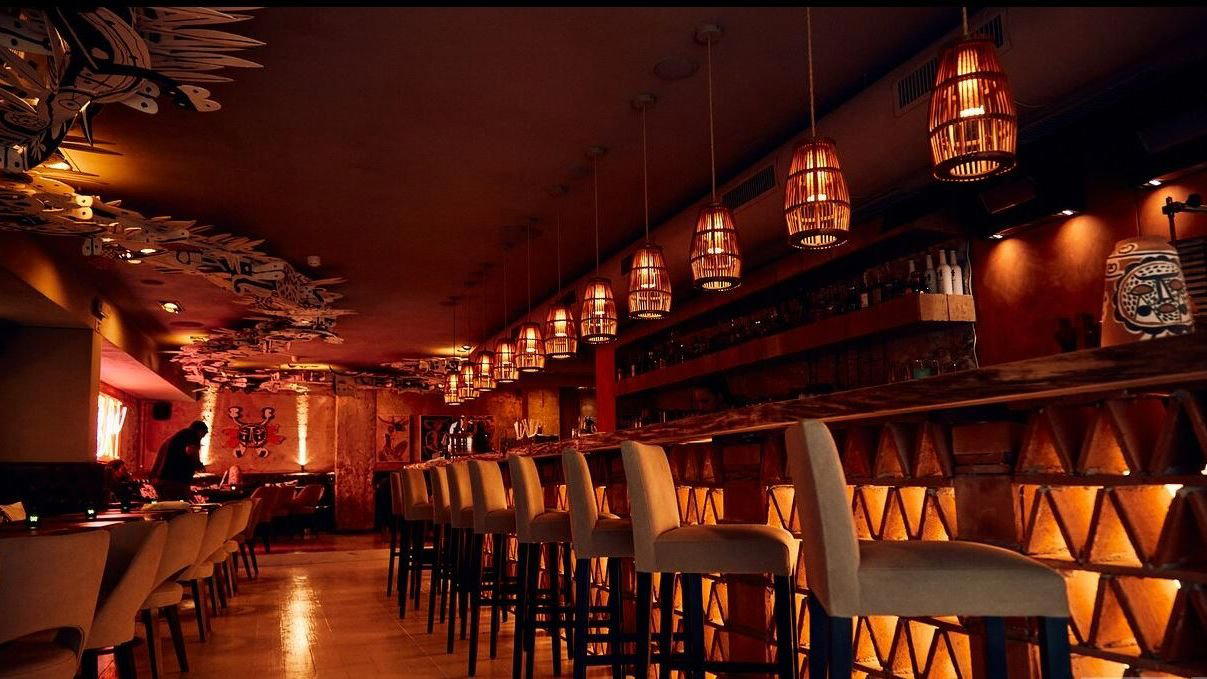
Expect a Lisbon city-room rather than a formal destination dining room. It reads as a flexible place for lunch, dinner, or a later stop, depending on the restaurant’s current service schedule.
A Quick Peer Check
Side-by-side context: comparable cuisine and price.
| Venue | Cuisine | Price | Awards |
|---|---|---|---|
| AnimalThis venue (the venue you are viewing) | Crossover fusion restaurant & bar with sushi and aged meats | $30–50 | Not listed |
| Omakase Wa | Japanese Omakase Sushi | $100–150 | Michelin Plate |
| Matiz Lisboa Restaurant | Contemporary Portuguese Cuisine | $50–100 | Not listed |
| Solar dos Presuntos | Traditional Portuguese | $50–100 | Star Wine List |
| Café Príncipe Real | Portuguese & Mediterranean with international influences | $30–50 | Not listed |
| Lumi Rooftop | Contemporary Portuguese | Not listed | Not listed |
Continue exploring
More in Lisbon
Restaurants in Lisbon
All restaurants in Lisbon →
Bars in Lisbon
All bars in Lisbon →

Details
- Trendy
- Modern
- Lively
- Cozy
- Intimate
- Date Night
- Casual Hangout
- After Work
- Group Dining
- Special Occasion
- Design Destination
- Hotel Restaurant
- Craft Cocktails
- Beer Program
- Local Sourcing
- A La Carte
- Small Plates
- Craft Cocktails
- Wine
- Beer
- Vegetarian Friendly
- Vegan Options
Current opening hours
- Monday
- 12:30 PM–12 AM
- Tuesday
- 12:30 PM–12 AM
- Wednesday
- 12:30 PM–12 AM
- Thursday
- 12:30 PM–12 AM
- Friday
- 12:30 PM–12 AM
- Saturday
- 12:30 PM–12 AM
- Sunday
- 12:30 PM–12 AM
Hours can change for holidays and private events. Hours as of .
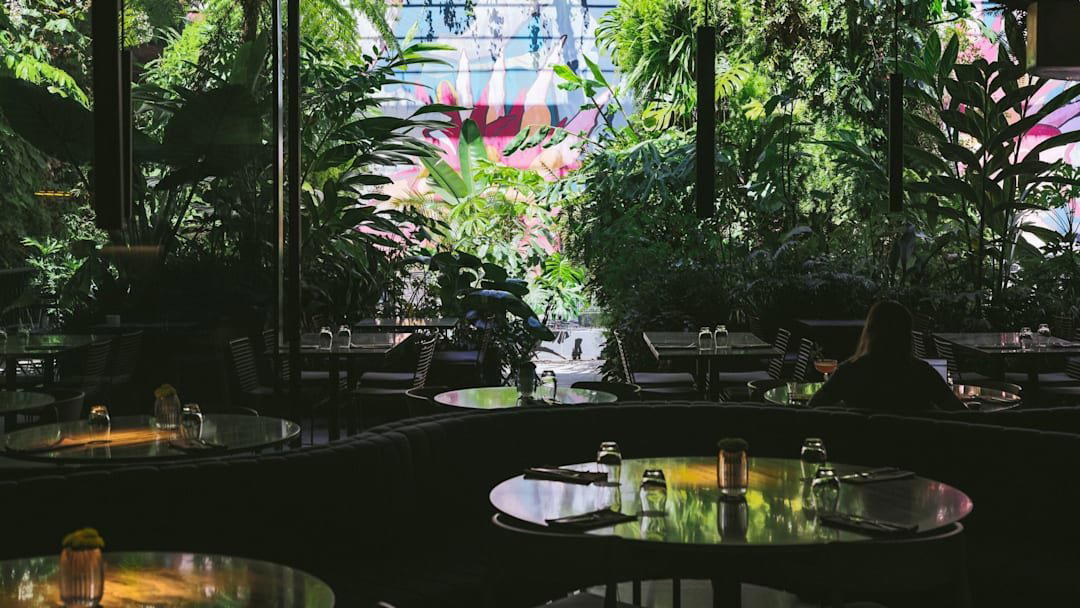
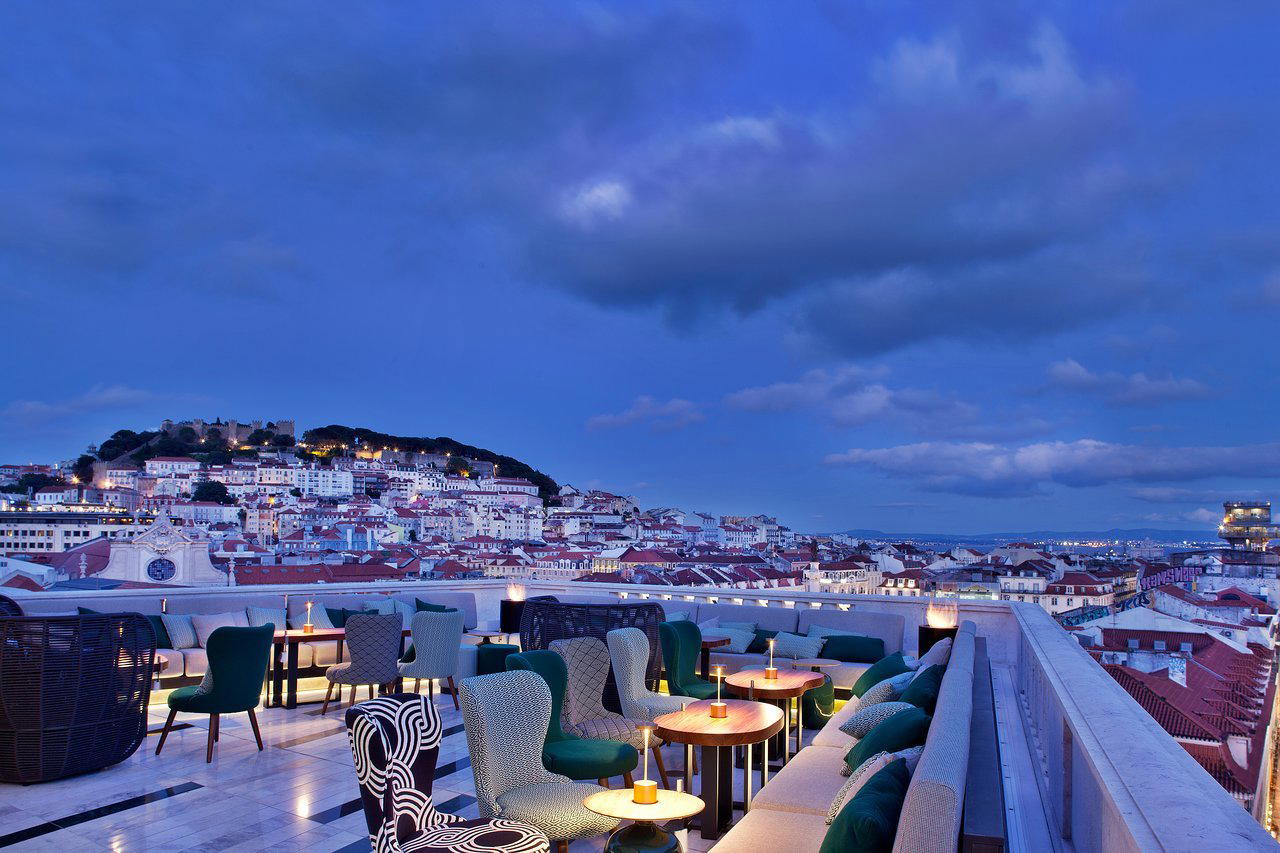
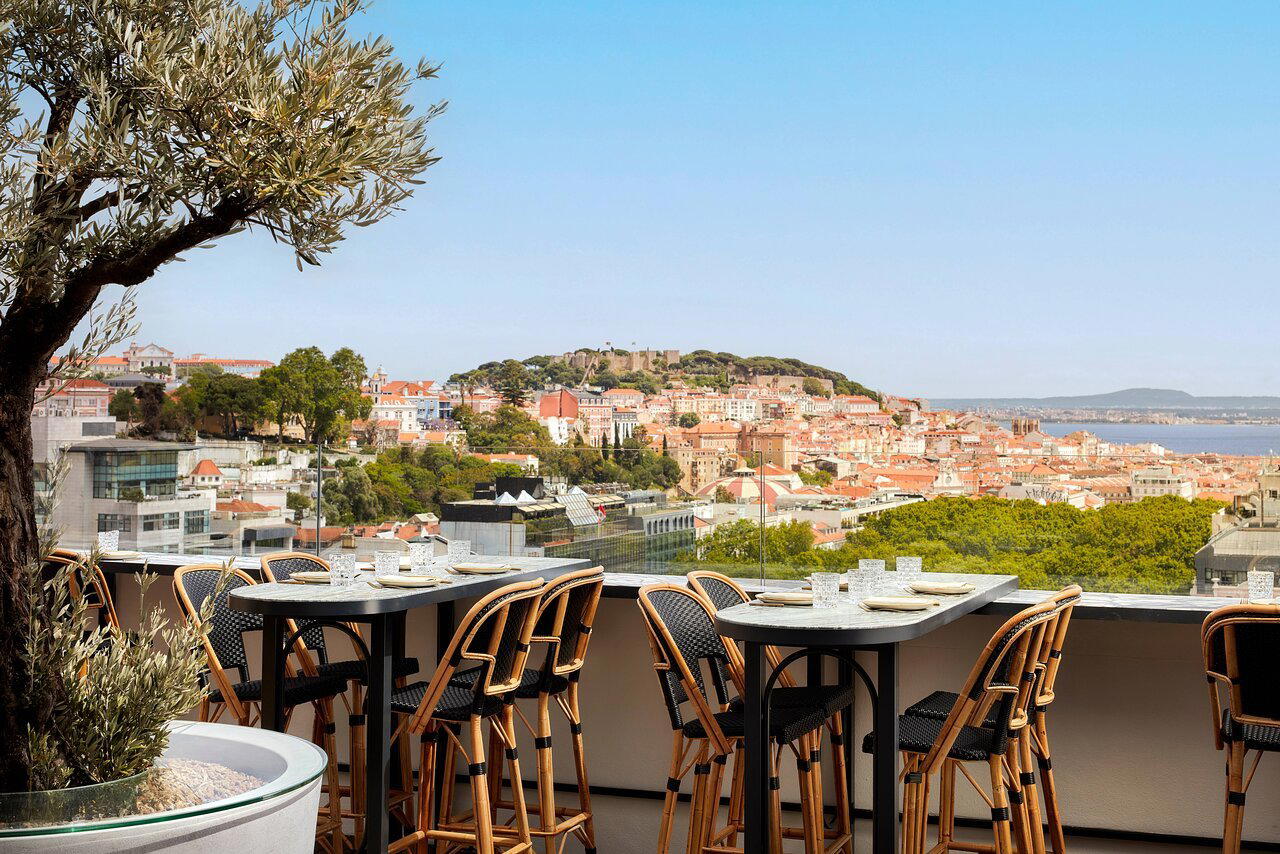
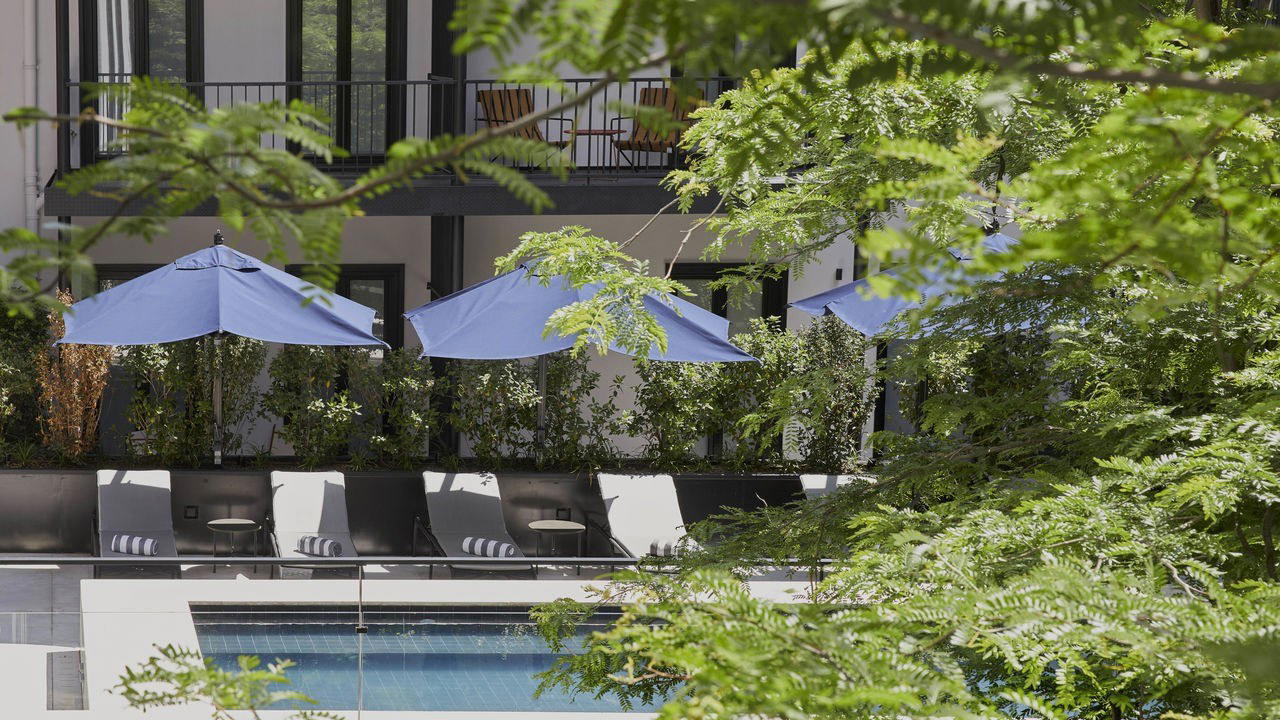
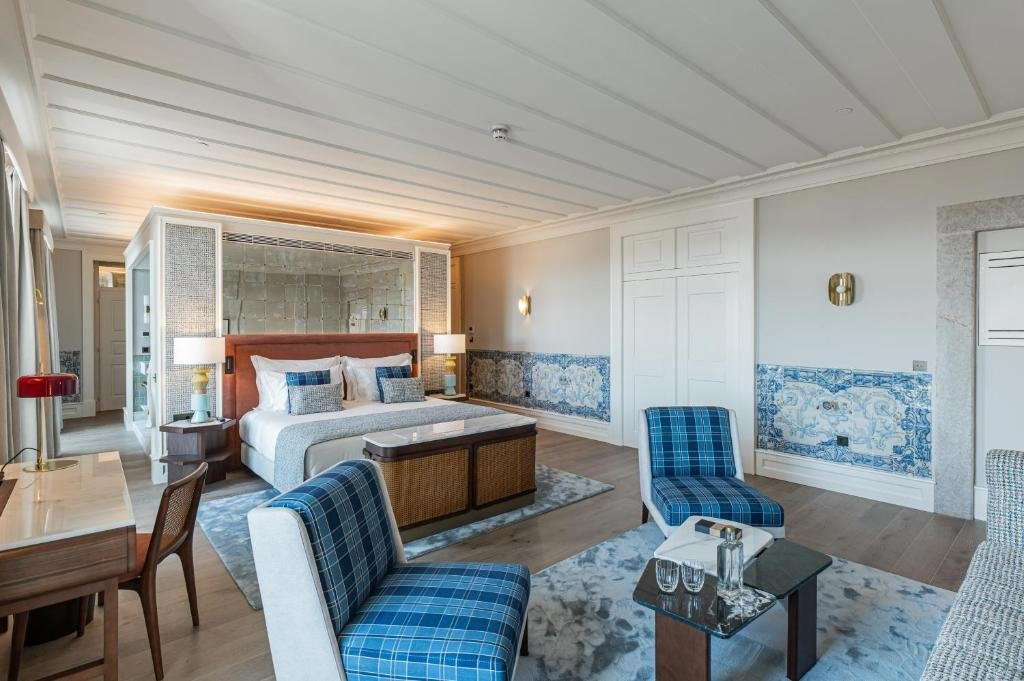
Intensely green and jungle‑inspired interiors with modern design, low to medium lighting, and a lively bar energy that still feels intimate and cozy for dinner.