
Michelin Plate
Our verdict
A ten-seat omakase counter in Príncipe Real offering Edomae-technique sushi through two nightly seatings. Chef Ashik Yonjan, alongside Danilo Moreira and Suman Suddhakar, builds menus around Portuguese seasonal fish supplemented by Japanese imports, with June and July marking peak variety and availability.

Pearl is the En Primeur Club membership app, where members save venues, book tables and use the concierge.
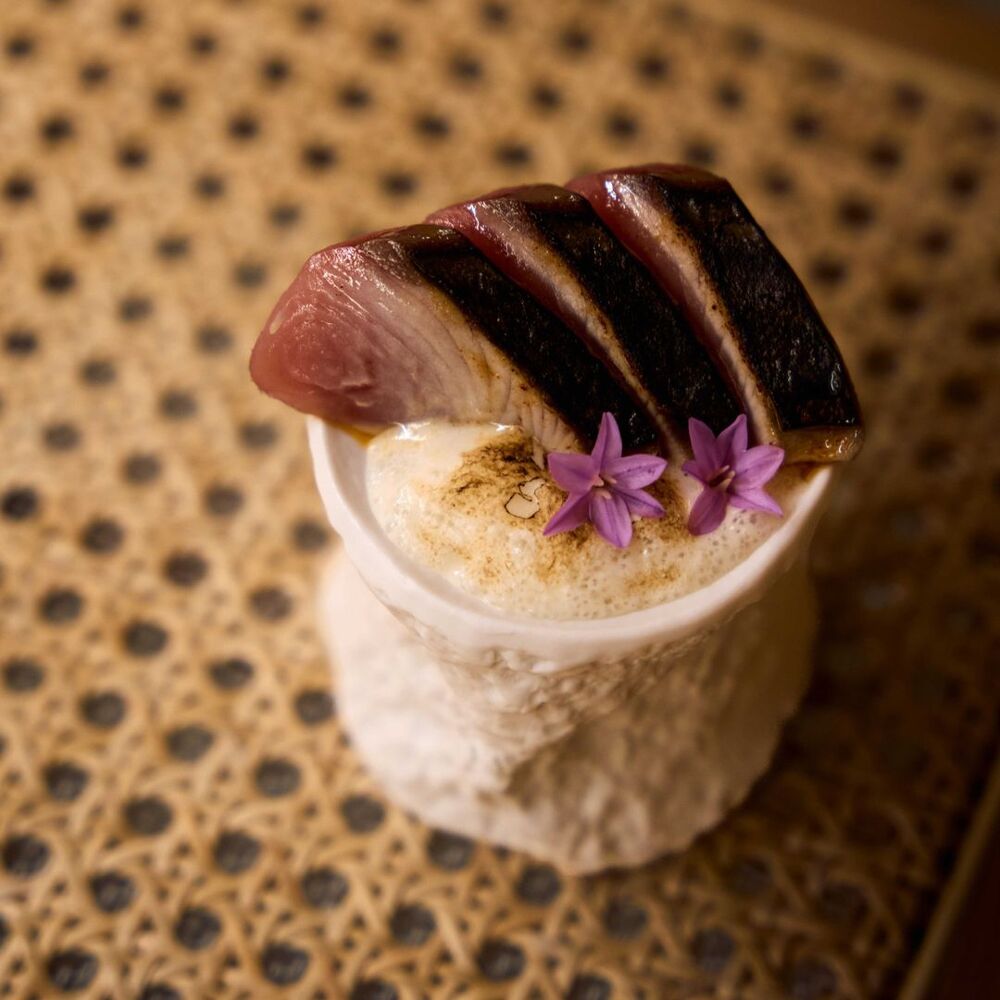
Behind a discreet facade on Travessa do Fala-Só, a wood-lined counter seating exactly ten diners operates as one of Lisbon's handful of dedicated omakase formats. The room is minimal, ceiling to floor in pale timber, no decoration beyond the counter itself, which places every guest within arm's reach of the three sushi chefs working the pass. Two seatings run each evening, and everyone at the counter receives the same progression of courses at the same time. Punctuality matters; the format collapses if seats arrive staggered.
Chef Ashik Yonjan leads the counter, supported by Danilo Moreira and Suman Suddhakar. The approach follows Edomae technique, aging, curing, and marinating fish to concentrate flavour rather than serving everything spanking-fresh. That discipline requires planning and consistency of supply, which is where Lisbon's Atlantic coastline and Japan's export channels intersect. The menu shifts constantly according to what's landed at Docapesca or arrived on ice from Tokyo. In summer, particularly June and July, the variety of local fish peaks, and the counter leans harder into Portuguese waters. Outside those months, Japanese imports fill gaps and add species unavailable in the Atlantic.
What Arrives on the Counter
Omakase Wa operates within the Edomae framework, meaning rice temperature, vinegar seasoning, and fish treatment follow the Tokyo school rather than freestyle improvisation. The progression typically opens with lighter, leaner fish, often local seabream or mackerel, before moving through richer cuts and aged tuna. Shellfish appears mid-sequence, and the final pieces lean toward fattier fish or tamago. The exact lineup depends on the day's market and the chef's ageing schedule, but the structure remains consistent across seatings.
Sourcing splits between Portuguese auctions and Japanese air freight. Local species, carabineiro, red mullet, turbot, John Dory, arrive from the Algarve and Peniche. Japanese imports cover bluefin tuna, sea urchin, and occasionally kuruma ebi when local prawns don't meet the counter's standards. The chef has stated publicly that June and July offer the widest selection and highest quality of Portuguese fish, which suggests that winter and spring menus rely more heavily on imported stock. That dual-channel sourcing is common among European omakase counters; 100 Maneiras and 2Monkeys also blend Portuguese ingredients with international technique, though neither operates in the omakase format.
Portion size follows Tokyo counter norms, small enough to finish in two bites, weighted toward rice at the base. The rice itself is seasoned with red vinegar, which gives a darker colour and sharper tang than white-vinegar shari. Fish arrives at body temperature or slightly warmer, depending on the cut and its fat content. The progression runs roughly ninety minutes, though timing varies with the number of courses and the pace of the group.
The Omakase Format in Lisbon
Lisbon has fewer than five restaurants operating a true omakase-only model, no à la carte, no choice beyond dietary restrictions. Omakase Wa sits inside that subset, alongside 138 Liberdade, which also runs a counter-only format with a similar seat count. The discipline required to sustain two seatings nightly at a ten-seat counter is tighter than running a thirty-cover dining room with flexible arrival times; ingredient planning, prep schedules, and service choreography all hinge on everyone arriving on time and finishing within the same window.
That format skews toward diners who want to watch technique and ask questions rather than those seeking background ambiance or conversation privacy. The counter is conversational if you lean into it, silent if you prefer to observe. There's no middle ground, you're either engaged with the chefs or visibly tuning them out, and both are fine, but the proximity makes neutrality impossible.
Príncipe Real, where the restaurant sits, has become Lisbon's densest cluster of wine bars and chef-forward concepts. 2 à Esquina and 50 seconds from Martin Berasategui both operate within walking distance, as do several natural wine spots and cocktail bars. For post-dinner drinks, Lisbon's bar scene concentrates in Bairro Alto and Cais do Sodré, both a fifteen-minute walk downhill. If you're combining the omakase with a full evening, factor in that the two-seating structure means you'll finish by 22:30 at the latest, leaving time for a second stop.
Reservations book through direct contact, there's no online booking widget visible on third-party platforms. The counter fills weeks ahead during summer; off-season availability loosens slightly but rarely opens same-week. If you're planning a Lisbon trip around specific dining reservations, this belongs in the first round of outreach, not the last. For a broader view of Lisbon's dining options across price tiers and formats, the full restaurant guide offers comparative context.
Omakase Wa delivers what its format promises: Edomae technique applied to a rotating mix of Portuguese and Japanese fish, served in a stripped-down counter environment where the food and the chefs' hands are the only focal points. It's a narrow, disciplined proposition, and it works because it doesn't try to be anything else.
Frequently asked questions
Is Omakase Wa a family-friendly restaurant?
The 10-seat counter format and synchronized service make Omakase Wa impractical for young children. Two nightly seatings require all guests to arrive on time and move through the meal together, leaving no flexibility for early departures or menu changes.
What's the overall feel of Omakase Wa?
The space is minimalist and wood-paneled, designed around a single counter for ten diners. Chef Ashik Yonjan and his two sushi chefs work directly in front of guests, creating a focused, craft-driven atmosphere without conversational distractions.
What kind of recognition has Omakase Wa received?
Omakase Wa has received recognition including: Por trás de uma pequena e discreta fachada, descobre-se um autêntico espaço japonês. Aqui, o chef Ashik Yonjan, auxiliado por outros dois sushi man, Danilo Moreira e Suman Suddhakar, apresentam uma proposta omakase com técnicas Edomae, atra….
What's Omakase Wa's location?
Omakase Wa is located at Tv. do Fala-Só 15B, Lisbon, Lisboa, 1250-096, PRT, Lisbon.
Do I need a reservation for Omakase Wa?
Yes. Omakase Wa seats only ten diners per service and operates two fixed seatings each evening. Arriving late disrupts synchronized service for the entire counter, so punctuality is required.
What's the standout thing about Omakase Wa?
Omakase Wa applies Edomae technique, Tokyo-school rice vinegar seasoning, temperature control, and fish aging, in Lisbon, supplemented by fish flown in from Japan. Chef Ashik Yonjan prefers June and July when Portuguese coastal variety peaks.
Comparison Snapshot
Comparable venues by cuisine and price in the same metro.
| Venue | Cuisine | Price | Awards |
|---|---|---|---|
| Omakase WaThis venue (the venue you are viewing) | Japanese Omakase Sushi | $100–150 | Michelin Plate |
| Animal | Crossover fusion restaurant & bar with sushi and aged meats | $30–50 | Not listed |
| Lumi Rooftop | Contemporary Portuguese | Not listed | Not listed |
| Gandaia Club | Contemporary Portuguese with creative twists | $50–100 | Not listed |
| Café Príncipe Real | Portuguese & Mediterranean with international influences | $30–50 | Not listed |
| 100 Maneiras | Modern Fusion Tasting Menu | $150–200 | Michelin Plate · Falstaff Bar - 94 Falstaff Points |
Recognition history
Dated appearances from independent guides and award organizations, with the underlying list record or original source where available.
Michelin Plate
Michelin
Continue exploring
More in Lisbon
Restaurants in Lisbon
All restaurants in Lisbon →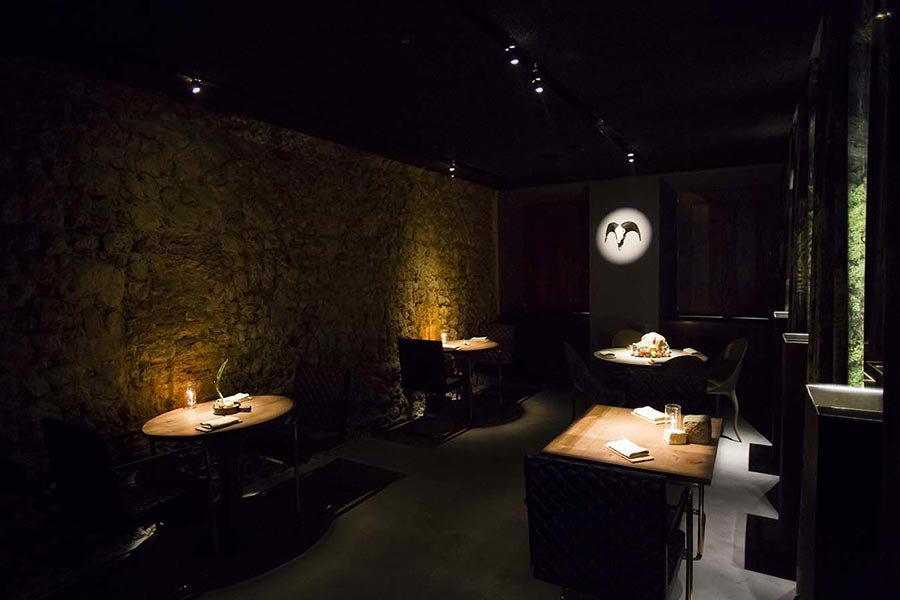
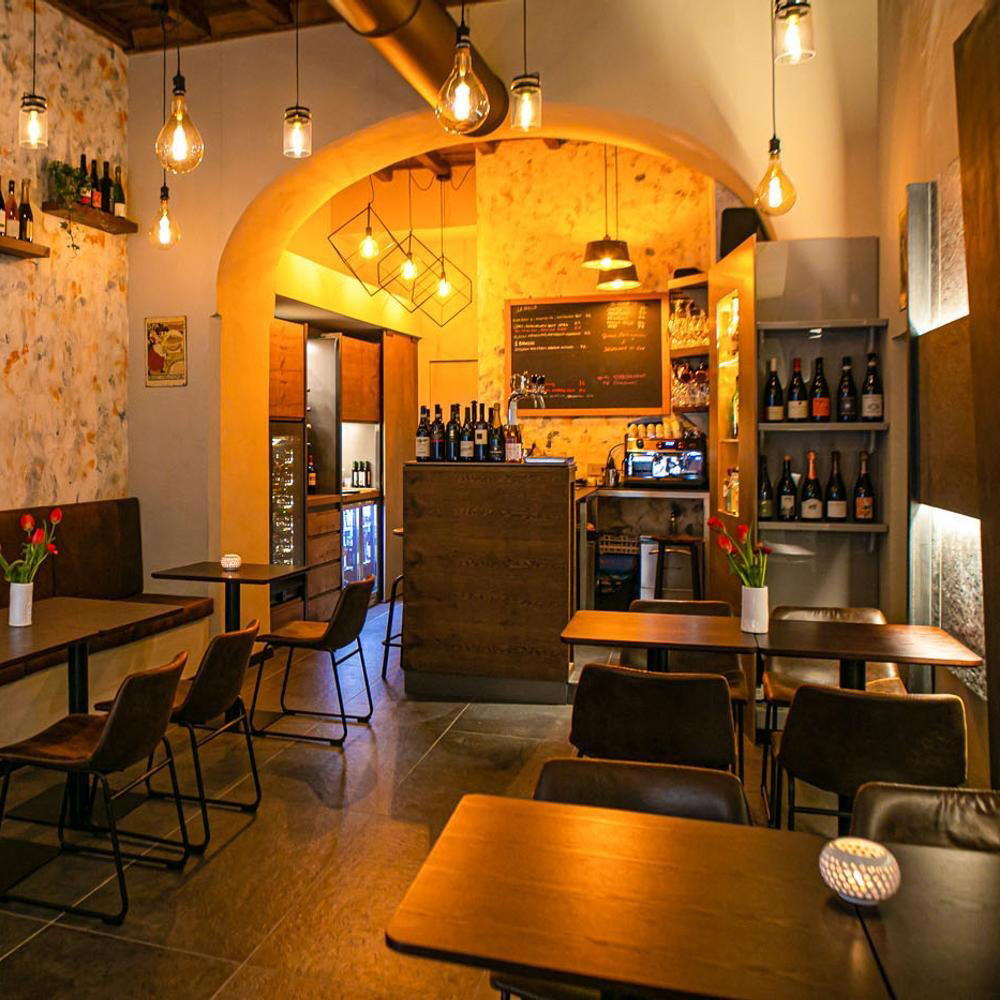
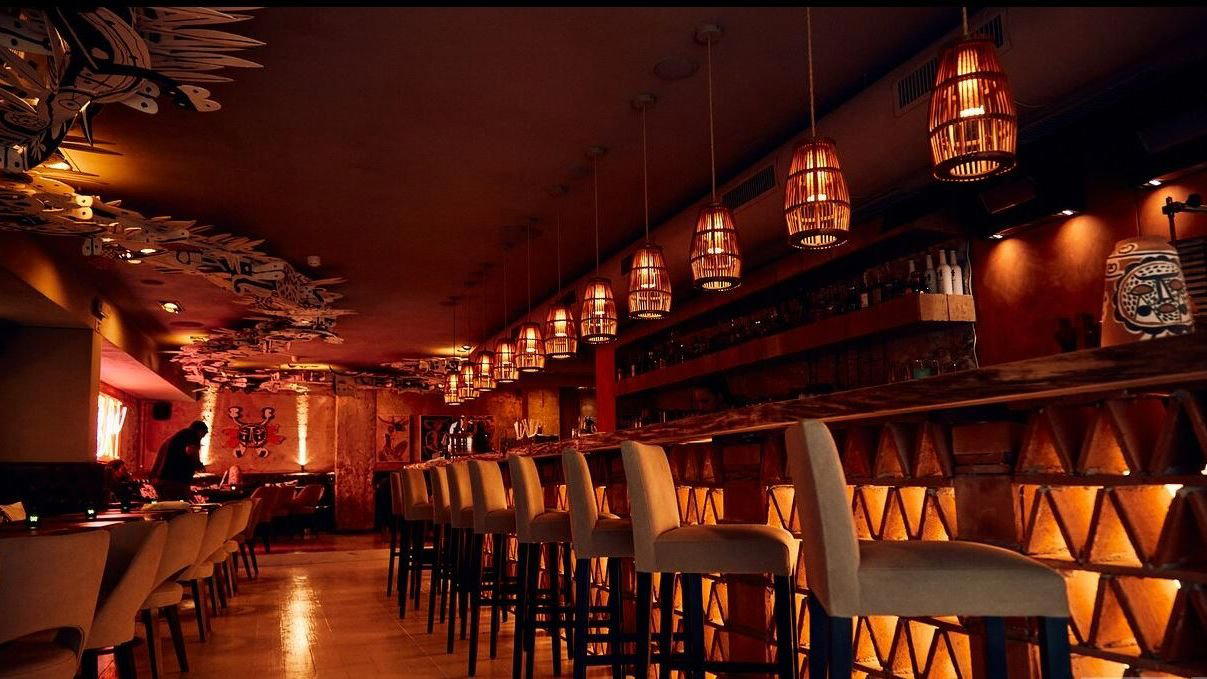
Bars in Lisbon
All bars in Lisbon →

Details
- Intimate
- Quiet
- Sophisticated
- Elegant
- Modern
- Date Night
- Celebration
- Special Occasion
- Solo
- Chefs Counter
- Design Destination
- Standalone
- Sake Program
- Sommelier Led
- Local Sourcing
- Street Scene
- Omakase
- Tasting Menu
- Counter Dining
- Prix Fixe
- Sake
- Pescatarian Friendly
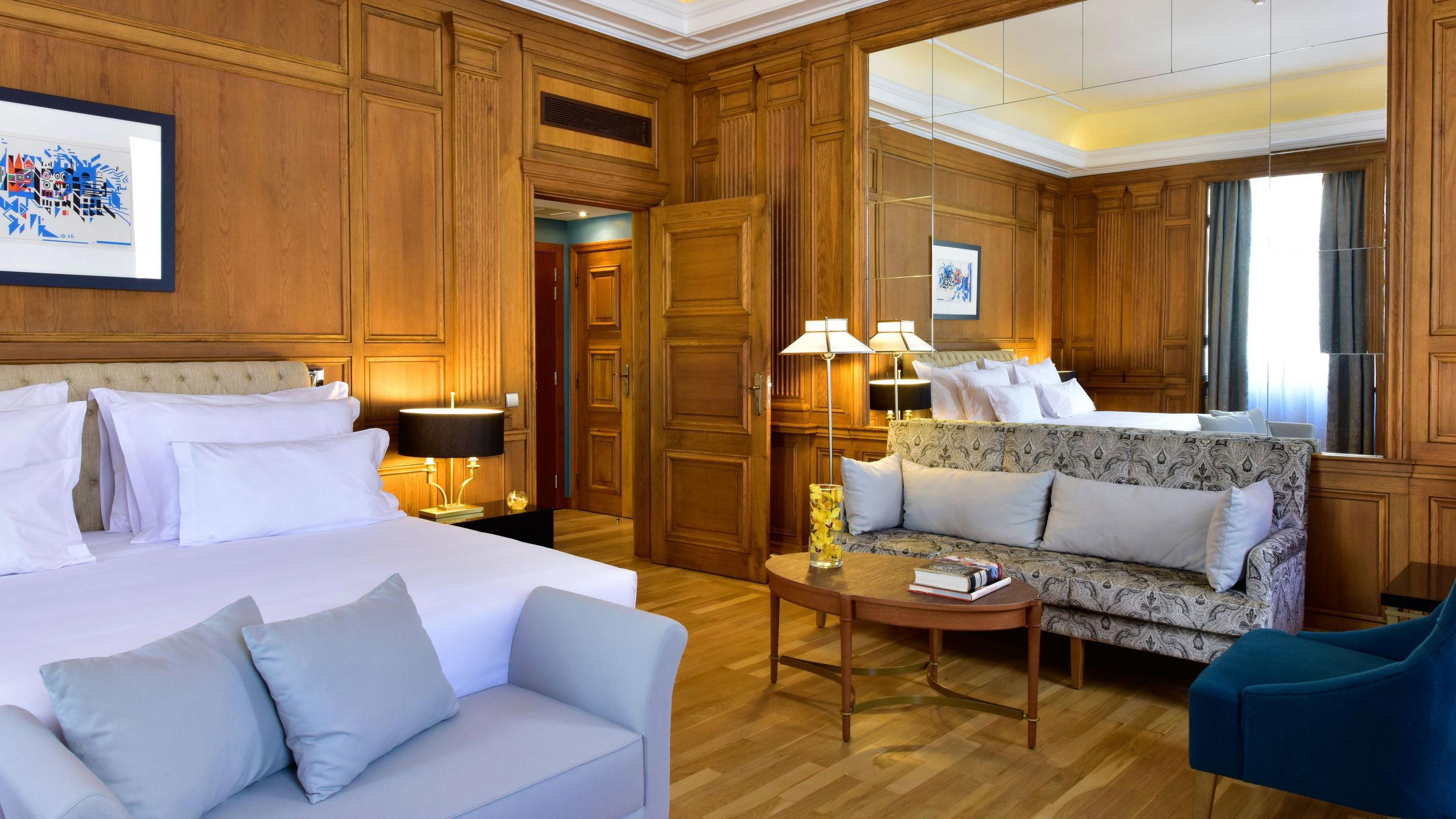
Soft light, warm wood, stone, and bronze create a calm, hidden, highly focused atmosphere centered on attentive sushi dining.