Anasa
Our verdict
Anasa brings locally inspired cuisine into Shura Island’s emerging resort dining scene, where the sharper question is not luxury but provenance. With no public award or chef platform defining the narrative, the useful lens is sourcing: how Saudi coastal, desert, and regional food references translate for a high-end Red Sea audience.

Pearl is the En Primeur Club membership app — saves, bookings, and concierge access live there. Same editors, same standards.
- Address
- Shura Island, Saudi Arabia
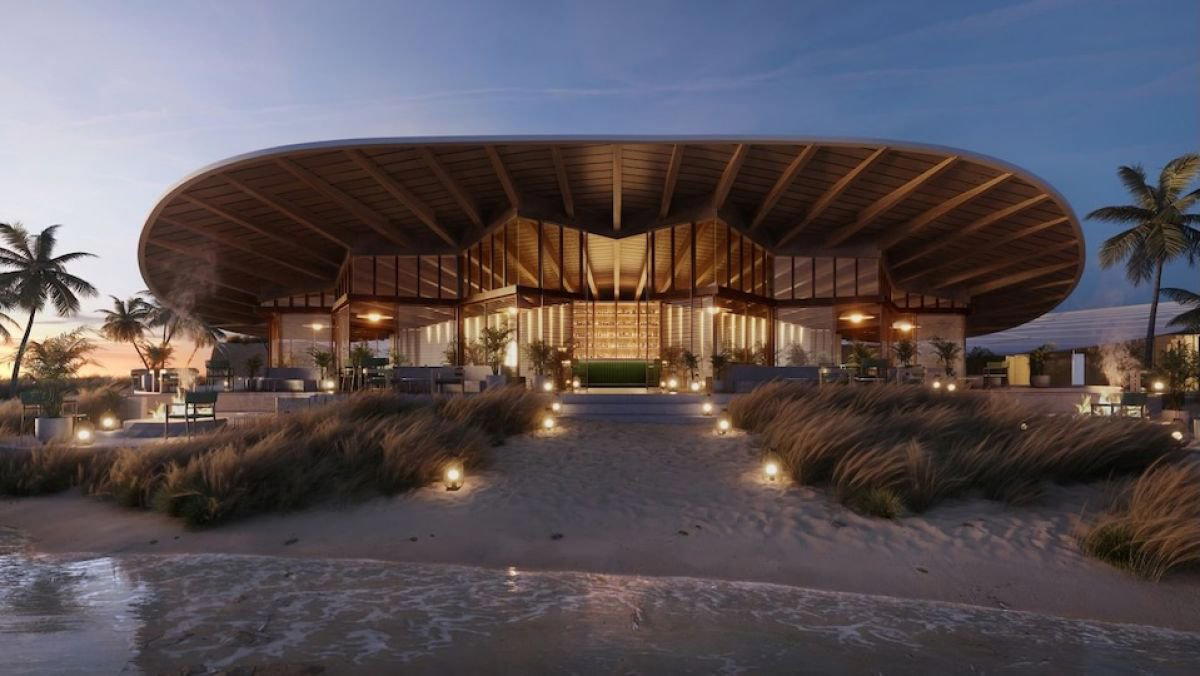
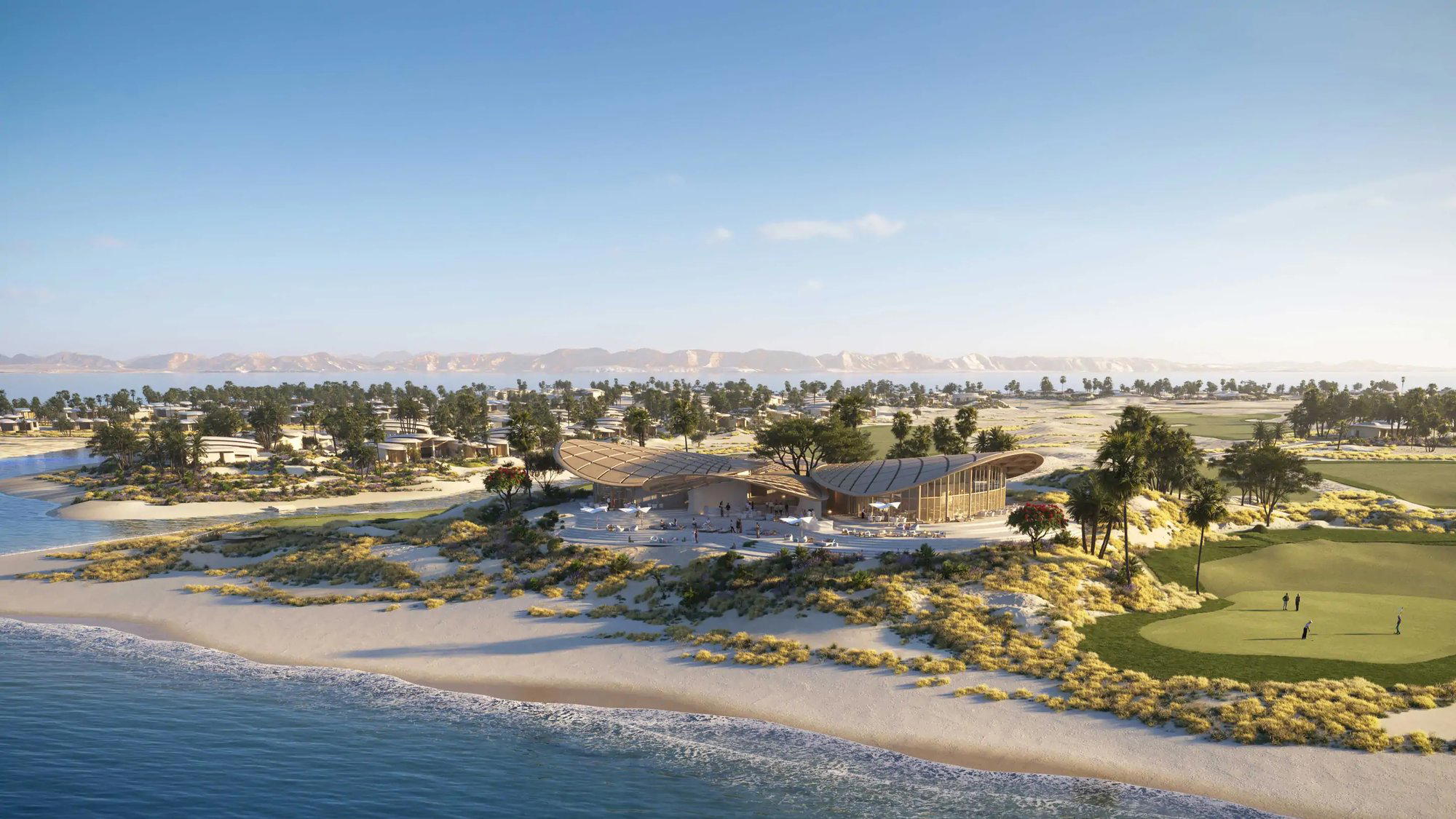
On Shura Island, the first impression is not a dining room but a geography: Red Sea light, resort architecture, and the sense of a destination being built around controlled access rather than street-level discovery. In that setting, Anasa matters because locally inspired cuisine has to work harder than imported luxury formats. The food has to explain where it is without turning Saudi references and regional cues into decorative shorthand.
Local sourcing is the point, not the garnish
Saudi Arabia’s high-end restaurant scene is changing in two directions at once. Major city markets have absorbed international brands, chef-led dining rooms, and hotel restaurants at pace; the Red Sea projects are asking a different question, which is how a resort can feel rooted when the guest may arrive with little context for local foodways. Anasa sits inside that question. Its stated lane is locally inspired cuisine, a broad phrase, but on Shura Island it carries real editorial weight: regional reference points, ingredient choices, and the logic of hospitality all become part of the guest’s reading of place.
The stronger version of this category avoids costume. It does not need to announce authenticity in every sentence, and it does not need to mimic a heritage restaurant. The better benchmark is restraint: local reference points used with clarity, resort polish kept in check, and ingredients allowed to signal Saudi identity without being over-explained. That is the standard Anasa will be judged against, especially as Shura Island develops a fuller dining circuit.
Anasa has already been recognized in Condé Nast Traveler’s 2026 Hot List of the best new beach resorts, giving the restaurant a clearer place in the new Red Sea conversation. Public details such as pricing and seat count remain limited, so the more useful reading is still format-led. With Basma Elkhereiji attached and locally inspired cuisine as the lane, the question is whether the kitchen treats regional context as the structure of the meal rather than the final accent.
Shura Island is building a resort dining language
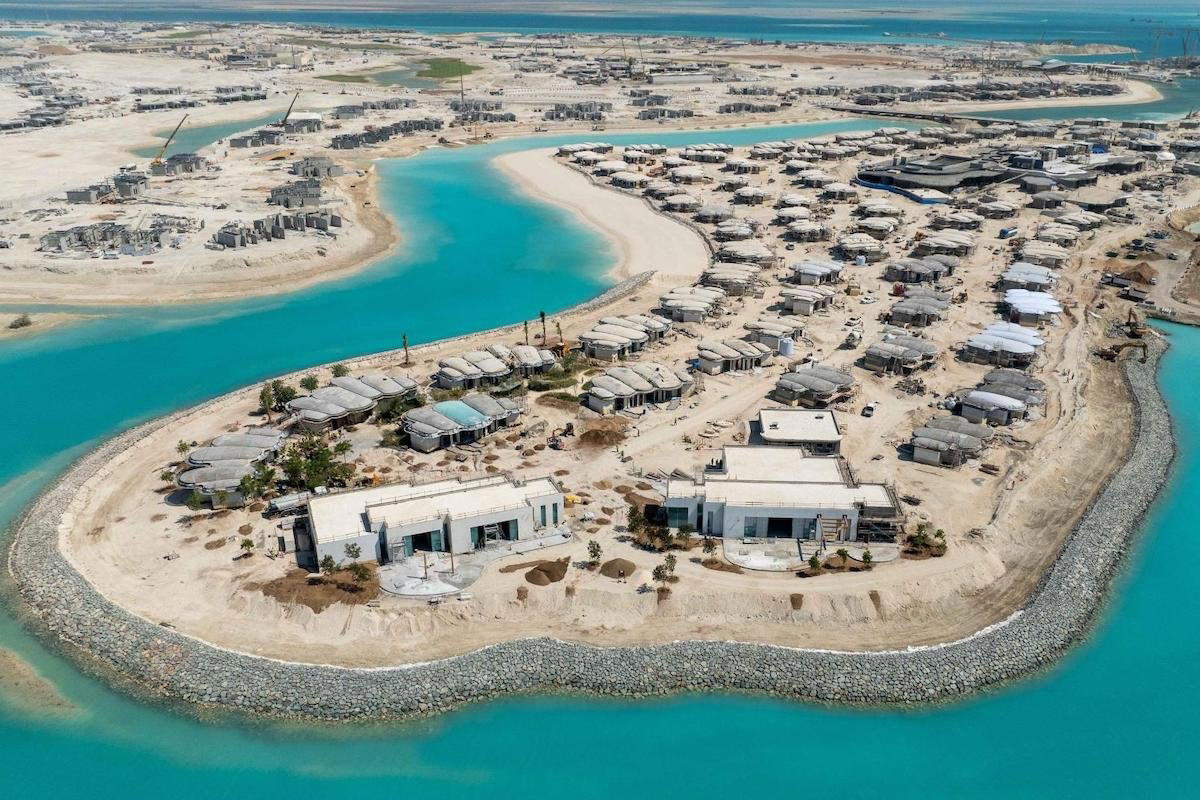
Shura Island is not a conventional city dining market. Its restaurants are being read through the expectations of Red Sea travel: long-stay resort guests, controlled itineraries, and dining rooms that need to serve both international comfort and a sense of Saudi place. That makes local inspiration a strategic choice, not a decorative one. Guests can find imported formats and urban Saudi restaurants elsewhere in the country; on an island resort, the sharper value comes from food that could not be detached from its setting and still mean the same thing.
Readers mapping the wider Saudi table should treat Anasa as one point in a broader national conversation. Across the country, dining contexts range from city restaurants and casual formats to heritage settings, hotel dining, coastal kitchens, and resort rooms with very different audiences. Those references underline the point: Saudi dining is not a single cuisine style, and resort restaurants need to be precise about which regional story they are telling.
How to read Anasa before the island matures
The sensible approach is to view Anasa as a place-led restaurant in an early-stage luxury destination. That means expectations should be set around setting, ingredient logic, and the way the kitchen translates Saudi references for resort dining, rather than around imported brand recognition alone. If the meal gives local context the central role, the restaurant earns its place in Shura Island’s dining mix. If it treats locality as mood, the concept becomes less convincing.
For adjacent planning, start with our full Shura Island restaurants guide, then widen the map through our full Shura Island hotels guide, our full Shura Island bars guide, our full Shura Island wineries guide, and our full Shura Island experiences guide. Nearby dining context on the island is best read generically for now, as other Shura Island dining rooms continue to take shape. For readers comparing how restaurant ideas travel outside their original settings, the same principle applies across resort and city markets: when food leaves its first context, technique and sourcing decide whether the idea holds.
Frequently asked questions
Is Anasa child-friendly?
Anasa sits in Shura Island, Saudi Arabia, which points to a resort setting rather than a formal city dining room. Those details are not published. Check the venue's official channels for the latest details.
What kind of setting is Anasa?
Anasa is a restaurant serving locally inspired cuisine in Shura Island, Saudi Arabia. That places it in the resort dining category, where the focus is on regional context and place-led cooking.
What's the cuisine at Anasa?
Anasa serves locally inspired cuisine.
How far ahead should I plan for Anasa?
Those details are not published. In a Shura Island resort context, it is sensible to plan early, especially around peak travel periods. Check the venue's official channels for the latest details.
What's the signature at Anasa?
No signature dish is listed for Anasa. The clearest cue is the cuisine type itself: locally inspired cuisine in Shura Island, which suggests a menu shaped by regional context rather than a single named dish.
Is Anasa good for vegetarians?
The venue is listed as serving locally inspired cuisine. Because no menu is provided, vegetarian diners should check the venue's official channels for current options.
Comparable Venues Nearby
Comparable venues nearby, for context on price, style, and recognition.
| Venue | Cuisine | Price | Notes |
|---|---|---|---|
| AnasaThis venue — the venue you are viewing | Modern Greek coastal restaurant and bar | Not listed | Not listed |
| LPM | French Mediterranean | $50–100 | Al Olaya |
| Bistro & Co. | Chinese Seafood Bistro | Not listed | Al Rabih |
| TOKYO | Authentic Japanese Fusion | $100–150 | Al Woroud |
| Tokyo (طوكيو) | Authentic Japanese Fusion | $100–150 | As Sulimaniyah |
| PORTERHOUSE | Modern Steakhouse | $50–100 | العليا |
Continue exploring
More in Shura Island
Restaurants in Shura Island
Browse all →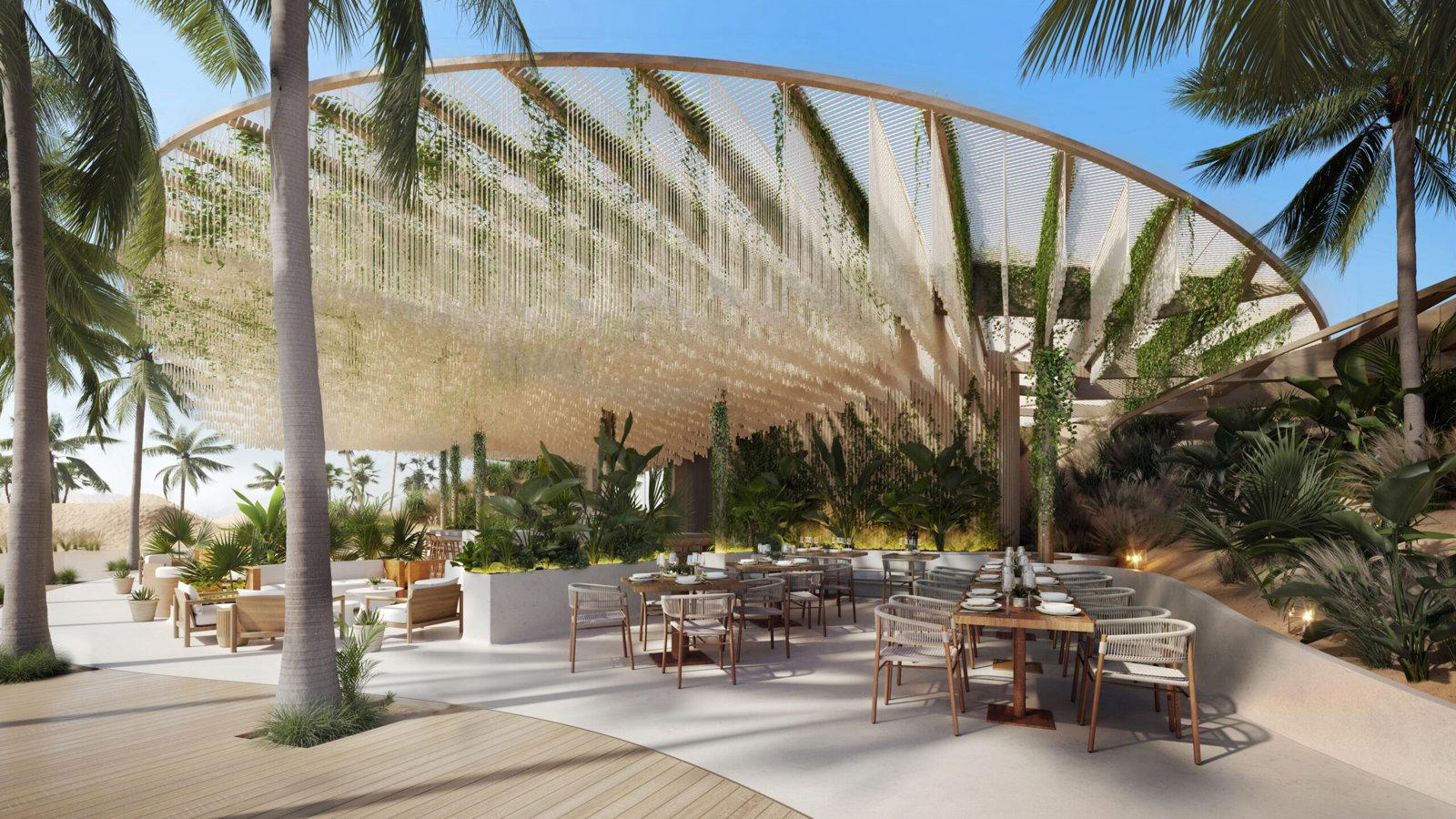
Bars in Shura Island
Browse all →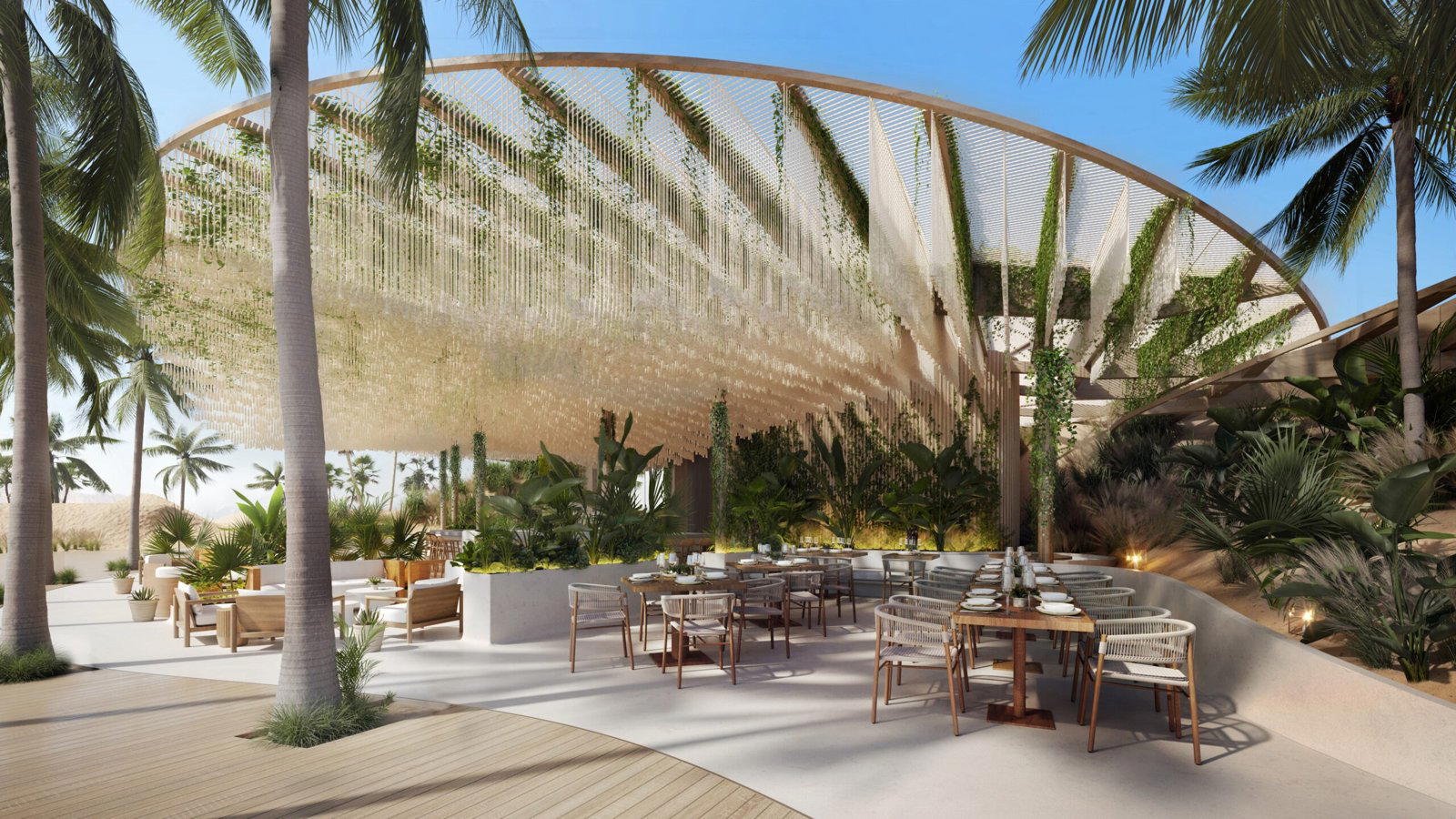
Details
- Modern
- Elegant
- Scenic
- Sophisticated
- Romantic
- Date Night
- Group Dining
- Celebration
- Special Occasion
- Late Night
- Private Event
- Waterfront
- Design Destination
- Hotel Restaurant
- Terrace
- Craft Cocktails
- Zero Proof
- Local Sourcing
- Sustainable Seafood
- Waterfront
- A La Carte
- Small Plates
- Family Style
- Cocktails
- Wine
- Non Alcoholic Cocktails
- Pescatarian Friendly
- Halal
- Vegetarian Friendly
Designed in parallel with The Red Sea EDITION’s quiet, restrained architecture, Anãsa offers a refined, coastal atmosphere that unfolds from golden-hour drinks into a leisurely night of fire-led sharing plates, music, dessert, shisha, and lingering conversation, emphasizing warmth, belonging, and understated luxury.