Amico Bio
Our verdict
On a quiet medieval lane in Smithfield, Amico Bio occupies a sliver of EC1 that most visitors miss entirely. The restaurant has built a following among the neighbourhood's market workers, architects, and after-work regulars on the strength of its organic Italian cooking, a format that remains relatively rare in a city where plant-forward dining more often tilts toward the contemporary than the classically Roman.

The menu
What to order
- Bruschetta al pomodoro
- Frittelle di farro
- Gnocchi di patate con melanzane e mozzarella
- Pistachio gelato
A Lane, a Ritual, and the Patience of Organic Italian Cooking
Cloth Fair is the kind of street that rewards the visitor who walks past the Smithfield meat market rather than away from it. The lane survives from before the Great Fire, narrow enough that the upper floors of the buildings lean into conversation with each other, and the address at number 44 sits inside that compressed, historically dense EC1 where the City bleeds into Clerkenwell. Arriving here, even by day, carries the specific quality of stepping outside the usual tempo of central London. That context matters for understanding what Amico Bio is and how a meal there tends to unfold.
The organic Italian tradition has always understood that the ritual of eating is inseparable from the sourcing of ingredients. Where much of London's plant-forward dining since the early 2010s has framed organic produce as a technical or aesthetic statement, the Italian precedent is simpler and older: you cook what the season permits, you do not overcomplicate it, and you give the table enough time to register what they are eating. Amico Bio operates within that tradition, and the pacing of a meal here reflects it. Courses arrive without urgency. The rhythm is closer to a Roman osteria than to the timed progression of a tasting menu counter.
Smithfield and the Company It Keeps
It is worth placing Amico Bio inside the broader map of London dining to understand its position accurately. Dinner by Heston Blumenthal, with two stars, occupies a similar postcode logic. Amico Bio does not compete in that bracket or that geography. It occupies the quieter, more resident-facing EC1 territory where the measure of a restaurant is repetition of custom rather than occasion-dining pilgrimages.
That distinction is not a concession. London has a documented habit of rewarding proximity to spectacle over consistency of craft, and the organic Italian category here has never attracted the critical infrastructure that similar cooking receives in cities like Rome, Bologna, or even Paris.
The Ritual of the Meal
Organic Italian cooking at its most considered follows a structure that the Italian dining tradition has codified across centuries: antipasti that function as genuine prelude rather than filler, a pasta course that is treated as central rather than transitional, and a secondi that does not need to overreach because the earlier courses have already done the work. The meal at Amico Bio follows that architecture. The virtue of eating this way, particularly at a restaurant that draws from certified organic supply, is that the sourcing becomes legible in the food itself rather than as a marketing annotation on the menu.
The setting reinforces the pacing. Cloth Fair is not a street that encourages rushing, and the room at number 44 has the proportions of a neighbourhood restaurant rather than a destination venue. That scale creates a particular kind of table dynamic: conversations stay at their natural register, the staff can move at a measured pace, and the meal functions as an event with its own internal time rather than as a service slot being managed toward the next turn. For a city that increasingly defaults to fast-casual or high-tasting-menu formats, that middle register is worth seeking out.
Organic Credentials and What They Mean in Practice
The term organic carries different weight depending on context. In London's restaurant sector, it has been applied loosely enough that it has lost some of its signal value. The organic Italian tradition, particularly as it developed in central Italy during the 1990s and 2000s, applies stricter standards: certified supply chains, seasonal menus that shift with agricultural reality rather than with trend cycles, and a kitchen discipline that treats the ingredient as the design constraint rather than as a variable to be corrected with technique. Amico Bio's positioning in this tradition places it in a smaller, more specific category than the broader plant-forward dining movement that has expanded across London over the past decade.
For the reader planning a visit, the practical implication is that the menu reflects what is available rather than what is perpetually on offer. That is a feature rather than a limitation, and it rewards the visitor who arrives without fixed expectations about specific dishes.
Planning a Visit to Cloth Fair
Smithfield is accessible from Barbican Underground station on the Circle, Hammersmith and City, and Metropolitan lines, with Cloth Fair a short walk to the west of the station. Farringdon station, served additionally by the Elizabeth line, provides a second approach from the south side of the market. The neighbourhood is a working area during market hours and shifts tone considerably by mid-morning, making Amico Bio a natural fit for the lunch trade that Smithfield has supported for generations. EC1 restaurants at this price point and format tend to fill through the week rather than operating on the weekend-heavy pattern of destination dining areas, so mid-week visits often represent the more considered choice. Given the restaurant's following in the immediate neighbourhood, booking ahead is the sensible approach, particularly for lunch.
For those building a wider London itinerary, the full London restaurants guide maps the city's dining across all price tiers and neighbourhoods. The London hotels guide, London bars guide, London wineries guide, and London experiences guide cover the broader picture. For those extending beyond the capital, the comparison point for considered, ingredient-led British cooking in a destination format shifts to places like The Fat Duck in Bray, L'Enclume in Cartmel, Moor Hall in Aughton, Gidleigh Park in Chagford, Hand and Flowers in Marlow, and hide and fox in Saltwood. For those whose reference points extend to international fine dining, Le Bernardin in New York City and Atomix in New York City represent the upper tier of produce-led tasting formats in a comparable metropolitan context.
Frequently asked questions
What is Amico Bio known for?
What should I order at Amico Bio?
Should I book Amico Bio in advance?
Is Amico Bio suitable for guests with dietary restrictions beyond vegetarian eating?
How It Stacks Up
| Venue | Cuisine | Price | Awards | Notes |
|---|---|---|---|---|
| Amico BioThis venue (the venue you are viewing) | Italian Vegetarian & Vegan | Not listed | Not listed | Not listed |
| The Ledbury | Modern British Fine Dining | $300–500 | 3 Michelin Stars · World's 50 Best #83 | Modern European, Modern Cuisine |
| Sketch, The Lecture Room and Library | Modern French Fine Dining | $200–300 | 3 Michelin Stars · World's 50 Best #18 | Modern French |
| CORE by Clare Smyth | Modern British Fine Dining | $150–200 | 3 Michelin Stars · World's 50 Best #97 | Modern British |
| Restaurant Gordon Ramsay | French Fine Dining | $200–300 | 3 Michelin Stars · World's 50 Best #13 | Contemporary European, French |
| Dinner by Heston Blumenthal | Historic British Fine Dining | $200–300 | 2 Michelin Stars · World's 50 Best #45 | Modern British, Traditional British |
Continue exploring
More in London
Restaurants in London
All restaurants in London →
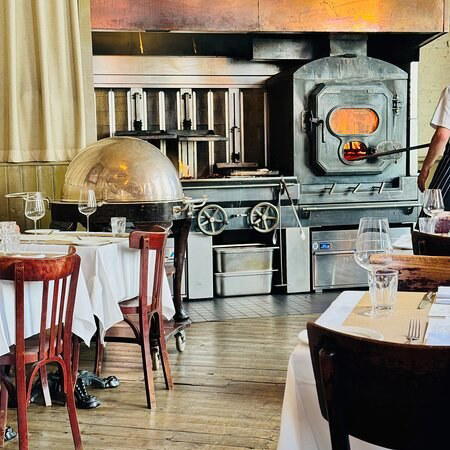
Bars in London
All bars in London →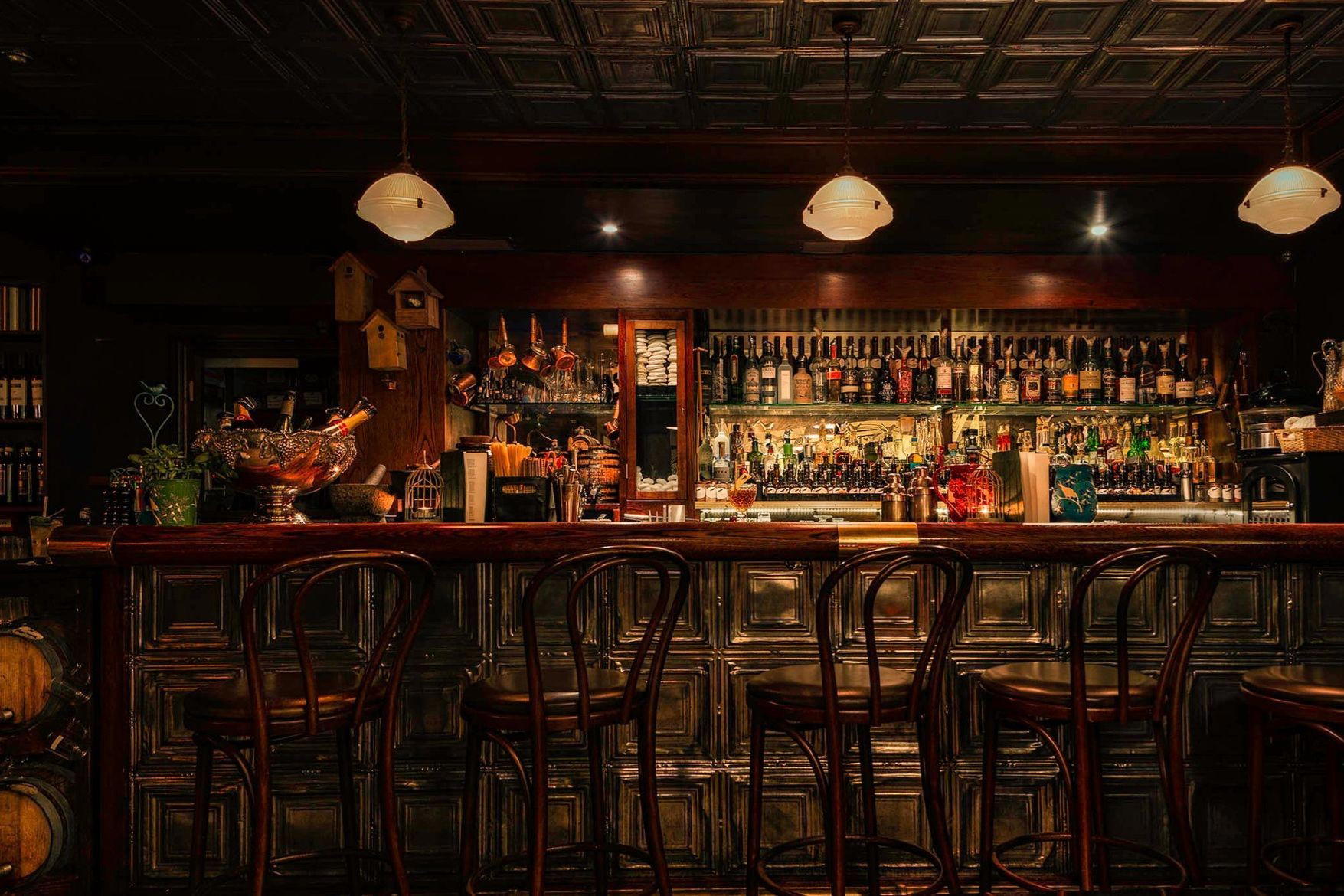
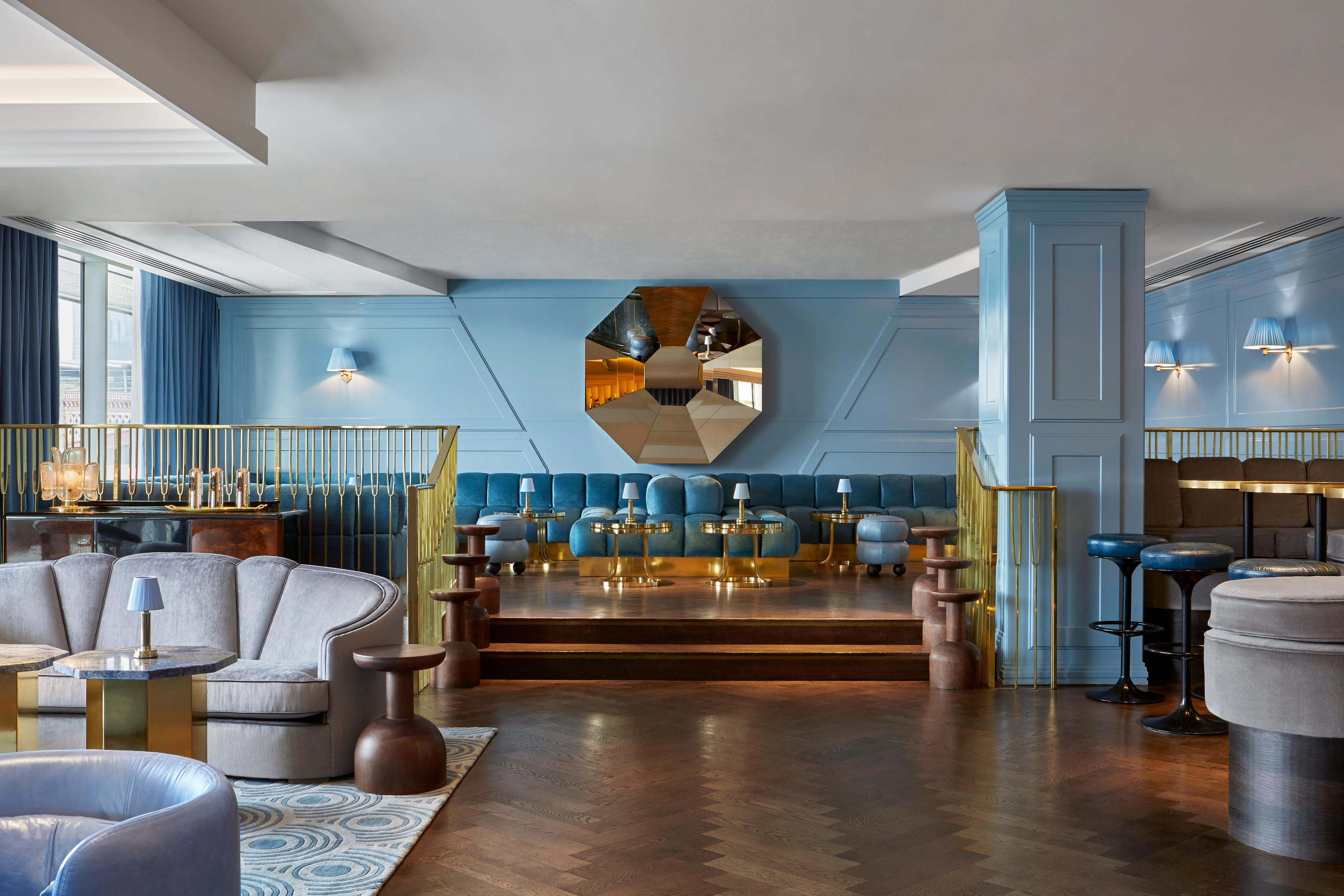
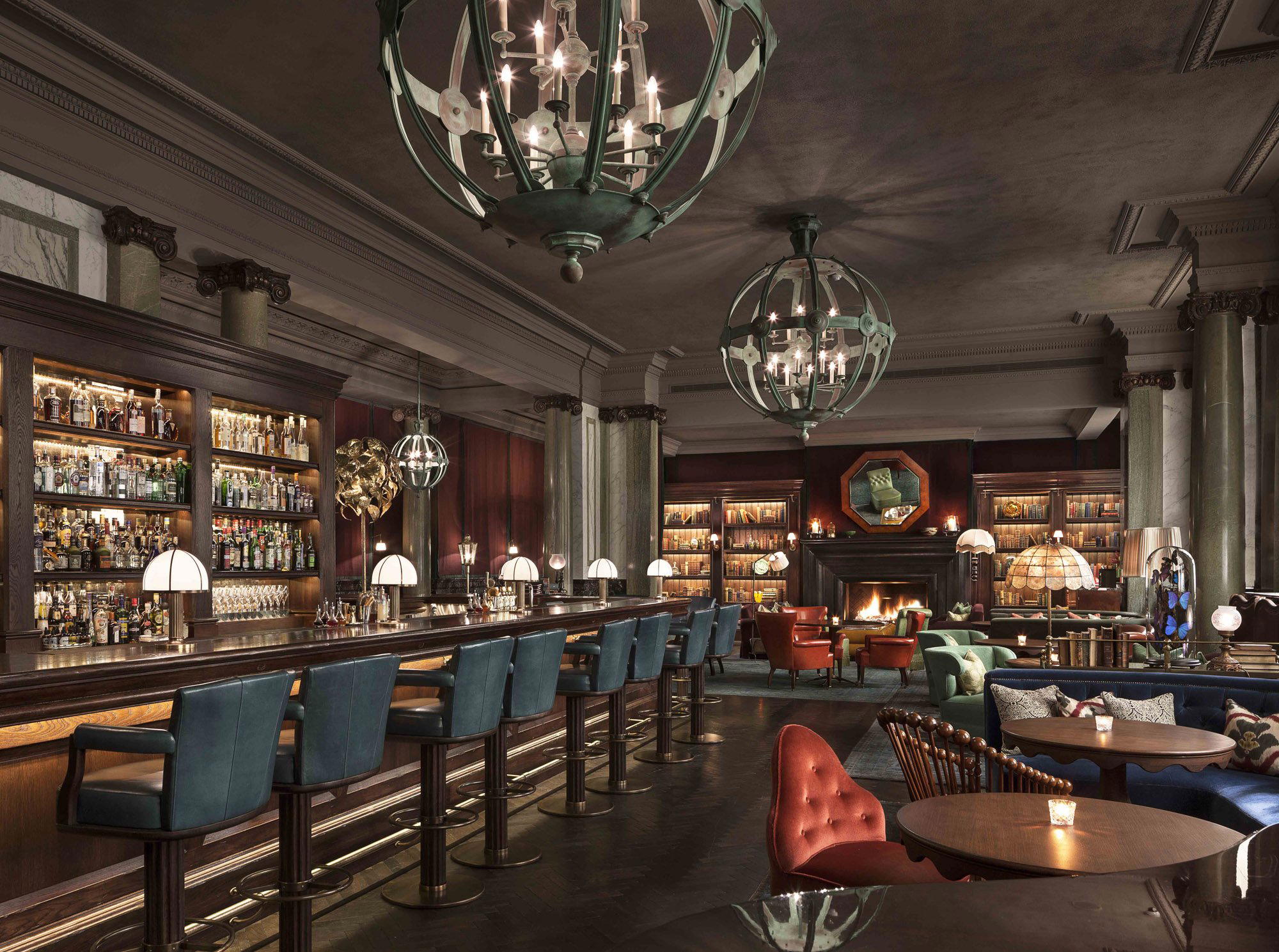



Details
- Cozy
- Rustic
- Elegant
- Intimate
- Date Night
- Casual Hangout
- Group Dining
- Standalone
- Farm To Table
- Organic
- Local Sourcing
- A La Carte
- Herbal Liqueurs
- Vegetarian Friendly
- Vegan Options
- Gluten Free Options
- Organic Focus
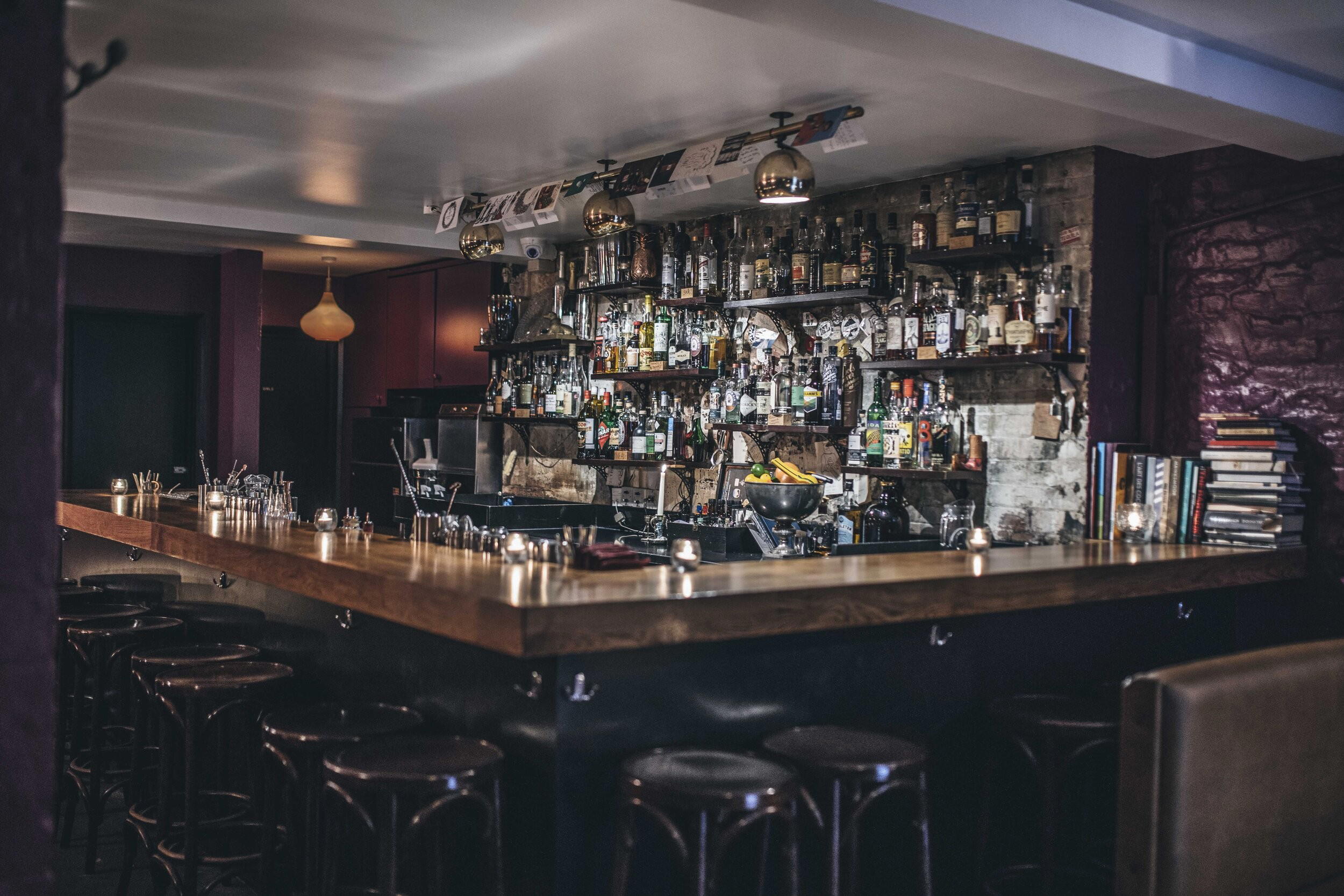
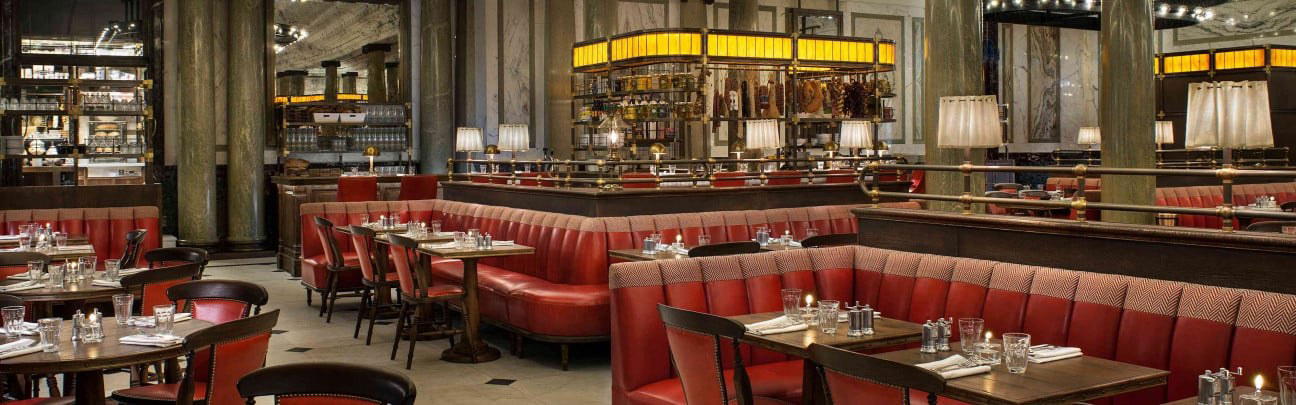
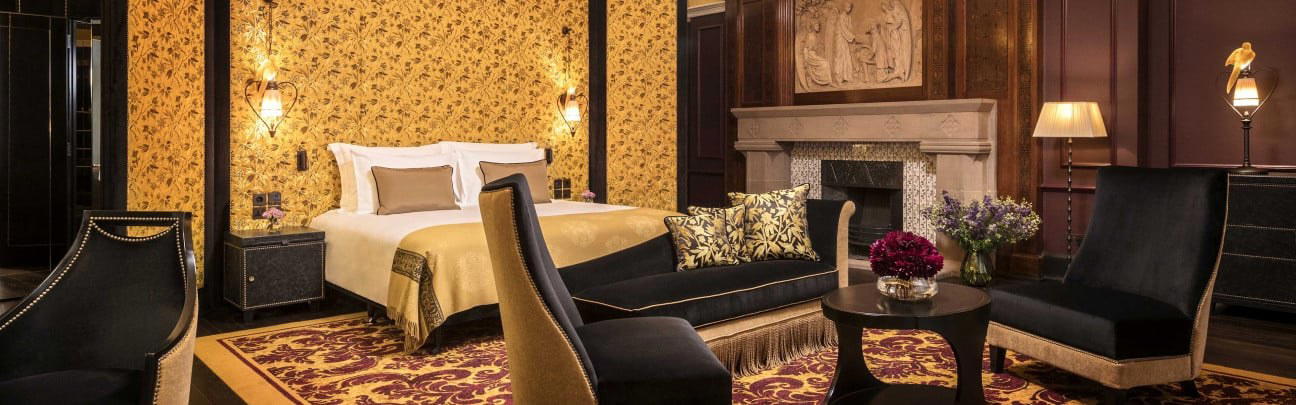
Warm and welcoming with cosy Italian rustic elegance; features dark wood furnishings, a large Leonardo da Vinci sketch on the back wall, modern art prints, and arty paper table mats describing the restaurant's philosophy.