

A Michelin one-starred French contemporary restaurant on the third floor of 18 Chater Road, Central, Ami runs tasting menus alongside a full all-day à la carte, anchored by produce-driven French technique and a forest-themed interior. Ranked #426 on the 2025 Opinionated About Dining Asia list, it occupies a mid-tier price point ($$$) that sits below the $$$$ ceiling of Central's top French houses, with kitchen sessions running Monday through Saturday from midday to midnight.
Pearl is the En Primeur Club membership app — saves, bookings, and concierge access live there. Same editors, same standards.
- Address
- Shop 302, 3rd Floor, 18 Chater Rd, Central, Hong Kong
- Phone
- +852 3185 8396
- Website
- ami-woodear.hk
- Directions
- Get directions
 Saves & bookings on Pearl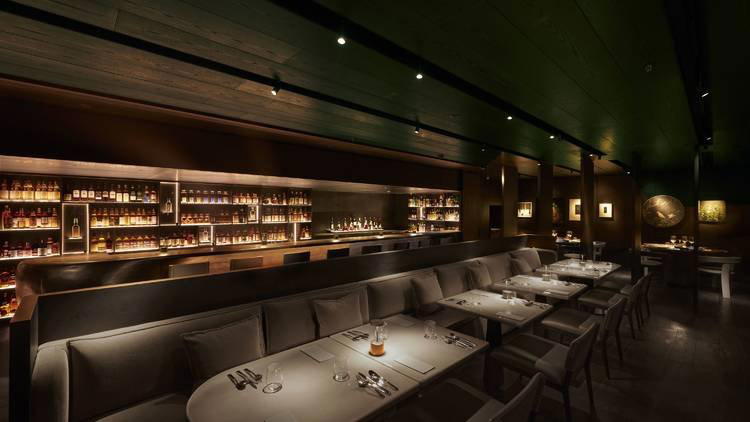
French technique, casual register: how Ami fits Central's fine dining spectrum
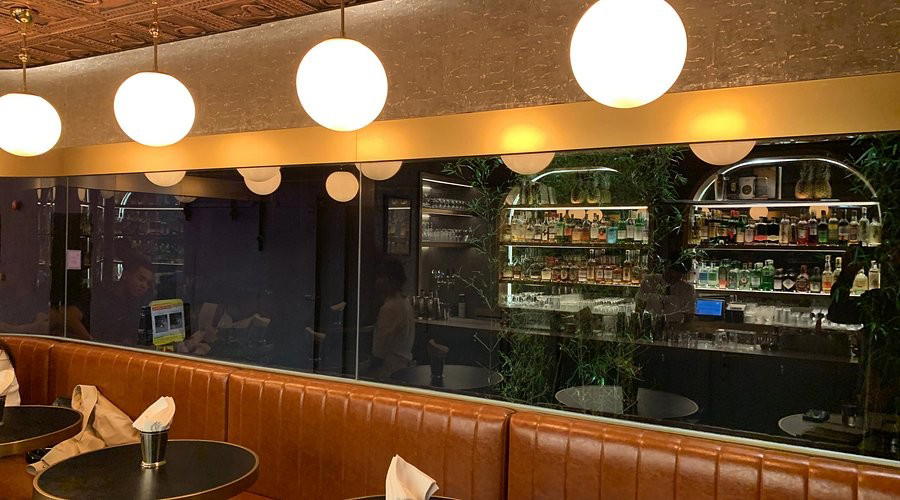
Central Hong Kong has long run two parallel tracks in French fine dining. On one side sit the grand-format rooms, Caprice at the Four Seasons, Amber at Landmark Mandarin, where the price point reaches $$$$ and the formality follows. On the other, a smaller cohort of one-star addresses has carved out a more relaxed register without abandoning classical technique. Ami is a one-Michelin-star restaurant in Central, Hong Kong, at about $130 per person. Ami, on the third floor of 18 Chater Road, belongs firmly to the second group. The room is dressed around a forest theme, materials and details that gesture at nature without veering into the literal, and the atmosphere reads as genuinely casual in the way that Central French restaurants often only claim to be. What distinguishes Ami's position in this tier is not the décor but the menu architecture: a full tasting menu runs alongside all-day à la carte, bar snacks, and dishes designed for sharing. That range of formats at a single Michelin-starred address is relatively uncommon in the neighbourhood and signals a deliberate decision to hold accessibility at the centre of the offer.
A produce-first kitchen in a city of imported luxury
Hong Kong's French contemporary scene is shaped by a fundamental tension: the city imports almost everything, yet its leading tables have spent the past decade pushing harder on sourcing transparency and produce provenance. The broader movement, visible across Feuille and other farm-to-table-inflected addresses in the city, reflects a shift in how French kitchens here argue their value. At Ami, that argument rests on the executive chef's approach to raw material selection, the kitchen's sourcing emphasis is consistently cited as a defining characteristic, with the priority placed on finding produce of genuine quality before the cooking begins. Traditional French sauces are then applied with what the restaurant's own recognition describes as meticulous craftsmanship. This is a classical hierarchy: produce first, technique second, but technique rendered with precision rather than improvisation. The approach places Ami in a different philosophical position from the hybridised Japanese-French kitchens that have become prominent in Hong Kong's top tier, restaurants like Ta Vie, which fuses the two traditions at the $$$$ level, and keeps it closer to the Gallic orthodoxy that L'Envol and Cristal Room by Anne-Sophie Pic represent at higher price points.
The menu's dual structure and what it tells you about the kitchen's confidence
The co-existence of tasting menus and a full all-day à la carte at a one-star address is worth pausing on. Most kitchens at this recognition level either commit fully to the tasting menu format, concentrating the kitchen's energy into a single evolving sequence, or pull back to à la carte alone and forgo the tasting format entirely. Running both simultaneously requires a kitchen with enough depth to execute a structured progression of dishes for tasting menu guests while also fielding individual orders across a menu that spans Gallic staples, sharing plates, and bar snacks. The fact that Ami does this from midday to midnight, six days a week (Monday through Saturday, opening at 11:30 AM on Saturdays, closed Sundays), adds a further operational dimension that distinguishes it from the shorter-service tasting-menu houses. For the diner, this structure means flexibility is genuinely available: you can arrive at lunch for a single dish and a glass, or spend an evening working through a full sequence. few one-star rooms in Central offer that range without qualification.
Among the dishes that appear consistently in Ami's recognition profile are a hand-chopped Wagyu beef tartare, a yellow chicken preparation, and a seafood vol-au-vent. The vol-au-vent is a particularly legible signal about the kitchen's orientation: the dish is a classical French pastry case that fell largely out of fashion in the 1990s and has been slowly rehabilitated by classicist kitchens willing to execute it at a high technical level. Its presence on an active menu in 2024 and 2025 suggests a kitchen that is not chasing contemporary trends but is instead finding renewed meaning in disciplined classical forms.
Where Ami sits relative to its comparable set
The $$$ price point at one Michelin star puts Ami in a defined competitive bracket in Hong Kong. The city's three-star French rooms, Caprice being the clearest reference, operate at $$$$ and carry corresponding expectations around service formality, sommelier depth, and room specification. Plaisance by Mauro Colagreco occupies a different tier again, backed by a global chef name. Ami's comparable set is more accurately the cluster of one-star addresses where the cooking is serious but the room does not demand ceremony. Andō in Central is a useful comparator: also one star, also $$$, but working within a Latin American-European fusion framework rather than classical French. The Opinionated About Dining ranking, #426 in Asia for 2025, places Ami within the wider regional conversation, though it is a list that rewards a different critical sensibility than Michelin and should be read as a complementary rather than parallel data point.
Across the wider French contemporary category in Asia, the reference points shift considerably by city. Odette in Singapore operates at the summit of that market's French tier, while addresses like Chef's Table in Bangkok and Saint Pierre in Singapore show how the category adapts across Southeast Asian contexts. Within the Macau-Hong Kong corridor, Robuchon au Dôme and Alain Ducasse at Morpheus anchor the leading of French formality, while European reference points like L'Atelier Robuchon in Geneva, Bagatelle in Trier, and 1890 by Gordon Ramsay in London illustrate how the French contemporary format travels and adapts globally. Ami's position within all of this is clear: it is a technically grounded, classically oriented one-star room that has chosen accessibility and format breadth over ceremony and exclusivity.
Planning a visit
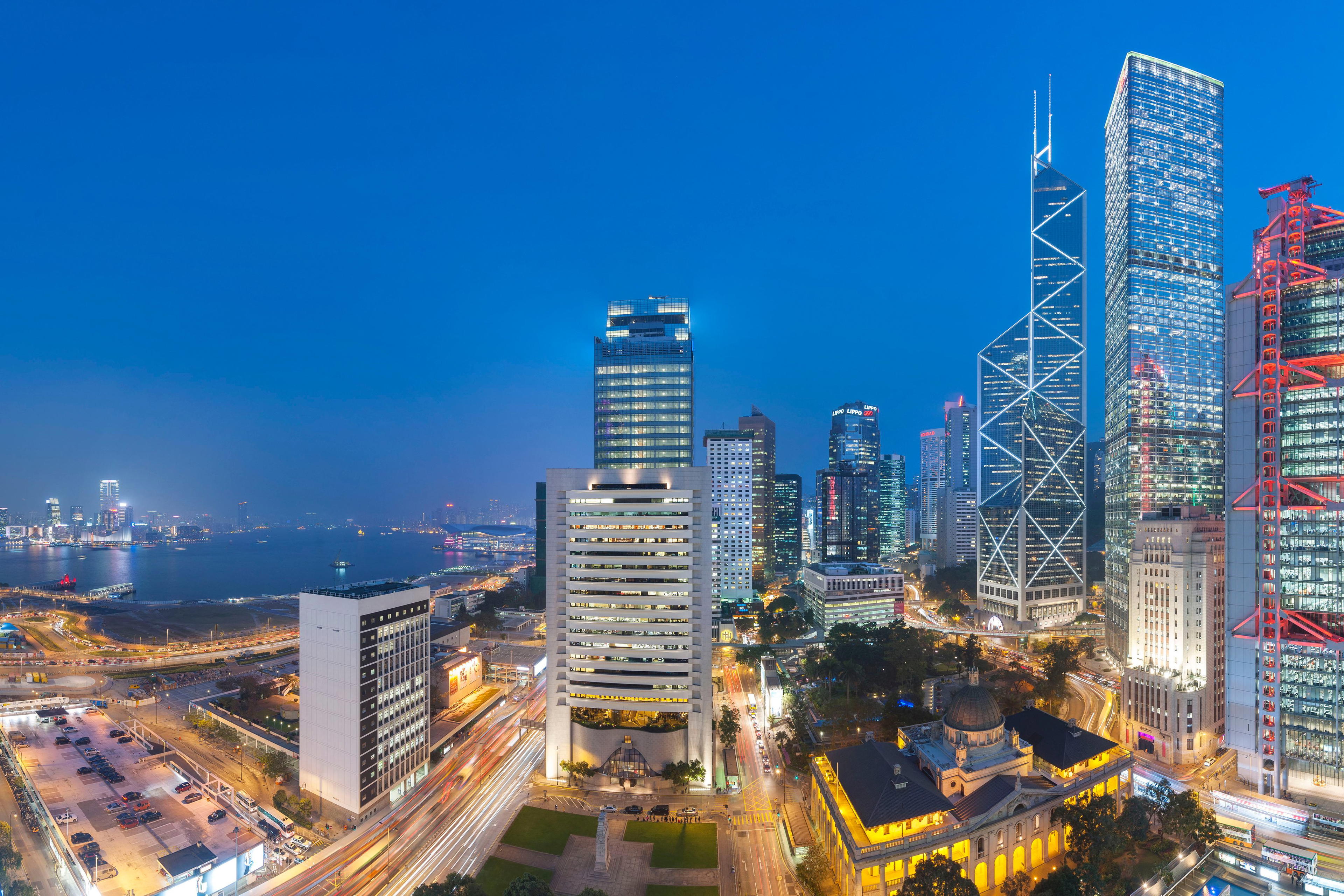
Ami sits on the third floor of 18 Chater Road in Central, a building that places it within easy reach of the MTR's Central station and the Chater Road corridor that connects many of the neighbourhood's premium dining addresses. The kitchen runs Monday through Sunday from noon to midnight. The all-day format means lunch and dinner both represent viable entry points, and the bar snack and sharing dish options make a shorter visit entirely feasible without committing to a full tasting sequence. The $130 price point positions Ami below the $$$$ ceiling of Central's grandest French rooms, making it the more accessible option for diners who want one-star French technique without the full ceremonial commitment. Reservations are essential.
- Seafood Vol-au-Vent
- Hand-Cut Wagyu Beef Tartare
- Yellow Chicken with Morels
- Cévennes Onion with Black Truffle
- Pressed Duck
- Baked Alaska
Budget and Context
Comparable venues nearby, for context on price, style, and recognition.
| Venue | Cuisine | Price | Awards | Notes |
|---|---|---|---|---|
| AmiThis venue — the venue you are viewing | Central, Modern French Fine Bistronomie | $$$$ | Michelin 1 Star | Not listed |
| Cristal Room by Anne-Sophie Pic | Not listed | $$$$ | Michelin 1 Star | Central, Modern French Fine Dining with Asian Influences |
| Imperial Treasure Fine Chinese Cuisine - Hong Kong | Not listed | $$$$ | Michelin 1 Star | Yau Tsim Mong South, Fine Cantonese Cuisine |
| Godenya | Not listed | $$$$ | Michelin 1 Star | Central, Seasonal Japanese Kappo with Sake Pairing |
| Roganic | Wan Chai, Modern British Farm-to-Table | $$$$ | Michelin 1 Star | Not listed |
| Mora 摩 | Not listed | $$$$ | Michelin 1 Star | Central, Modern French-Chinese Soy-Focused |
Recognition history
Dated appearances from independent guides and award organizations, with the underlying list record or original source where available.
Michelin 1 Star
Michelin
Michelin 1 Star
Michelin
Opinionated About Dining Top Restaurants in Asia Ranked #426
Opinionated About Dining
Michelin 1 Star
Michelin
Continue exploring
More in Hong Kong
More from Chef Nicolas Boutin
Browse all →
Restaurants in Hong Kong
Browse all →
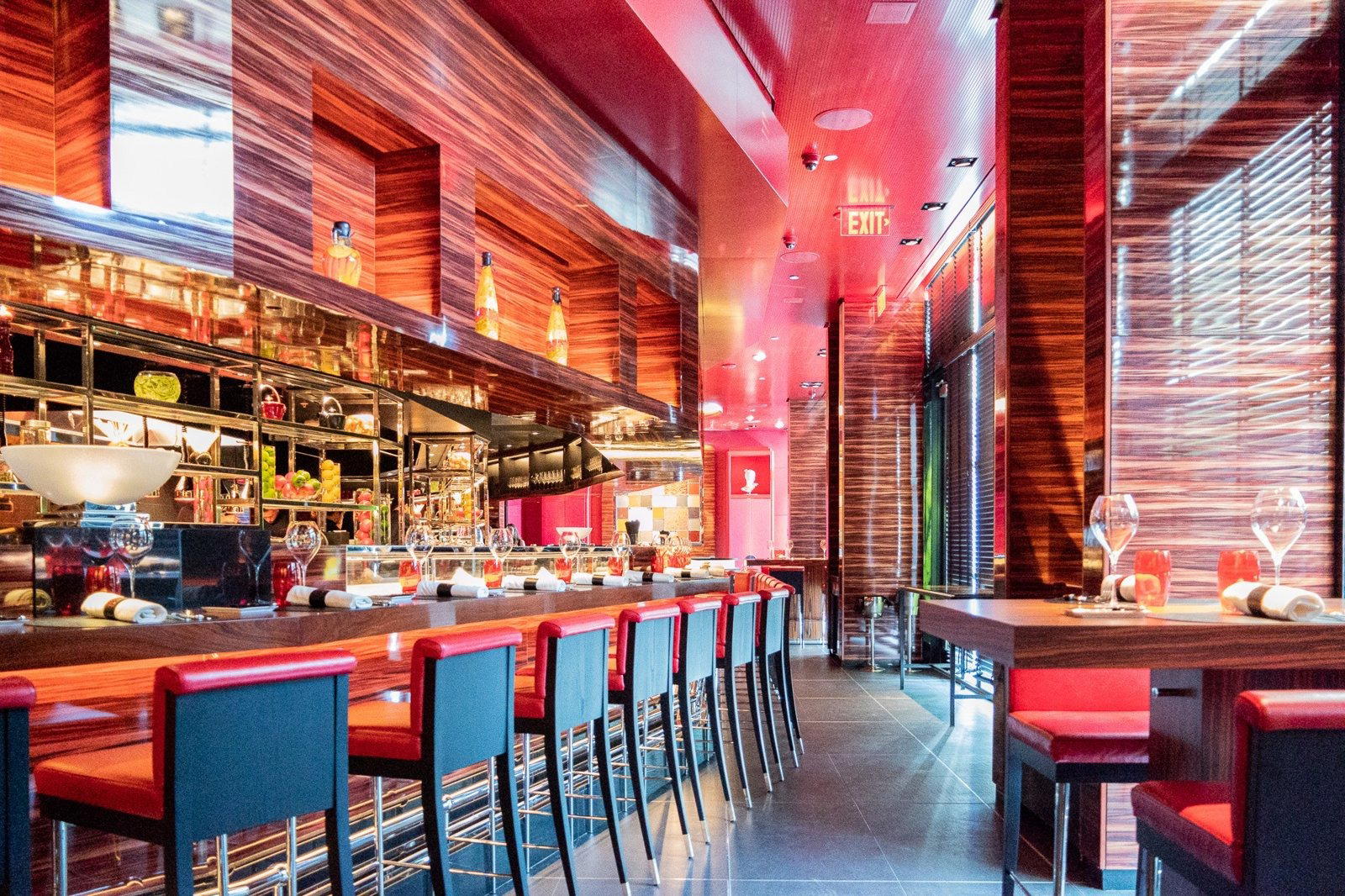
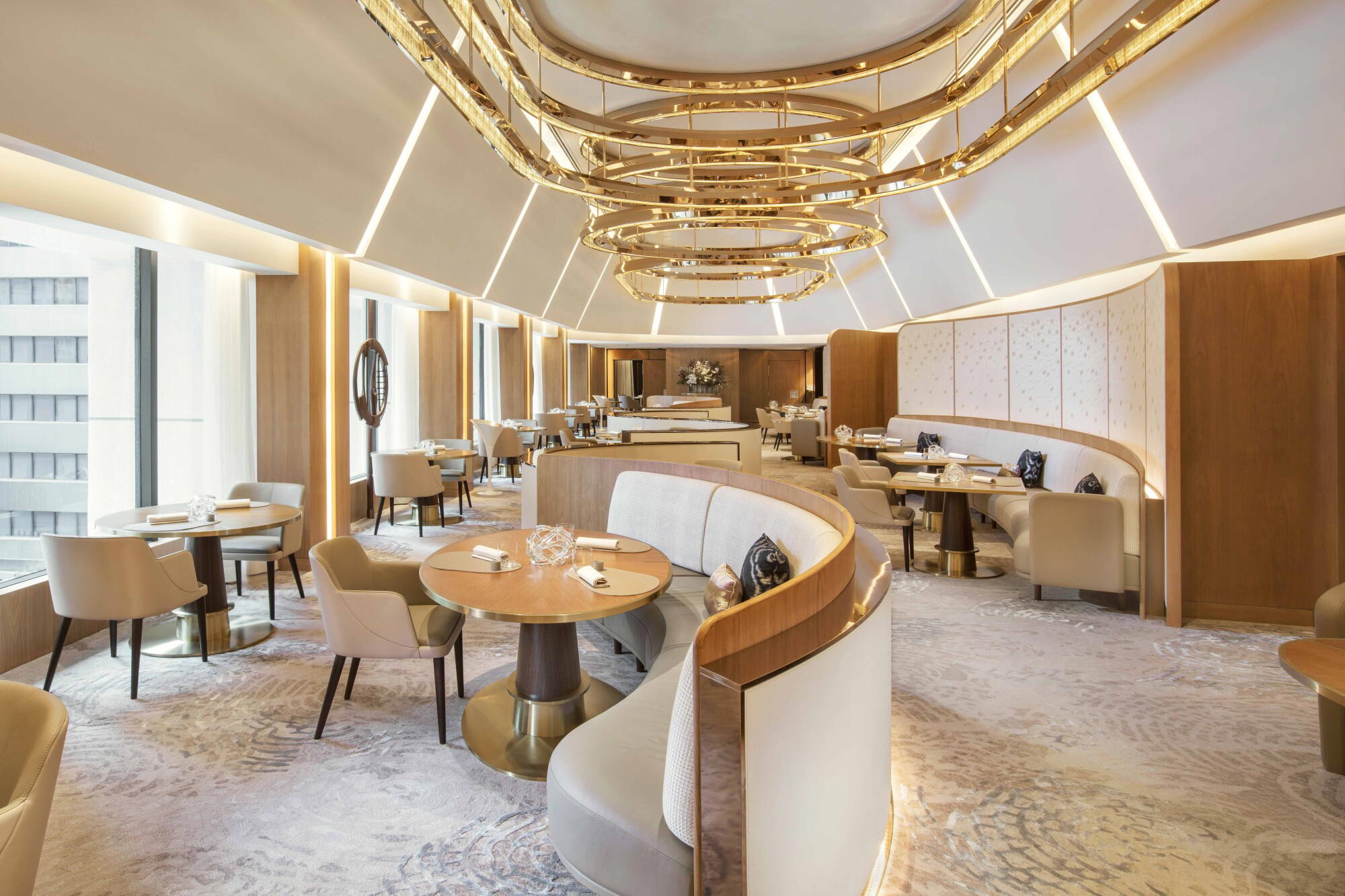
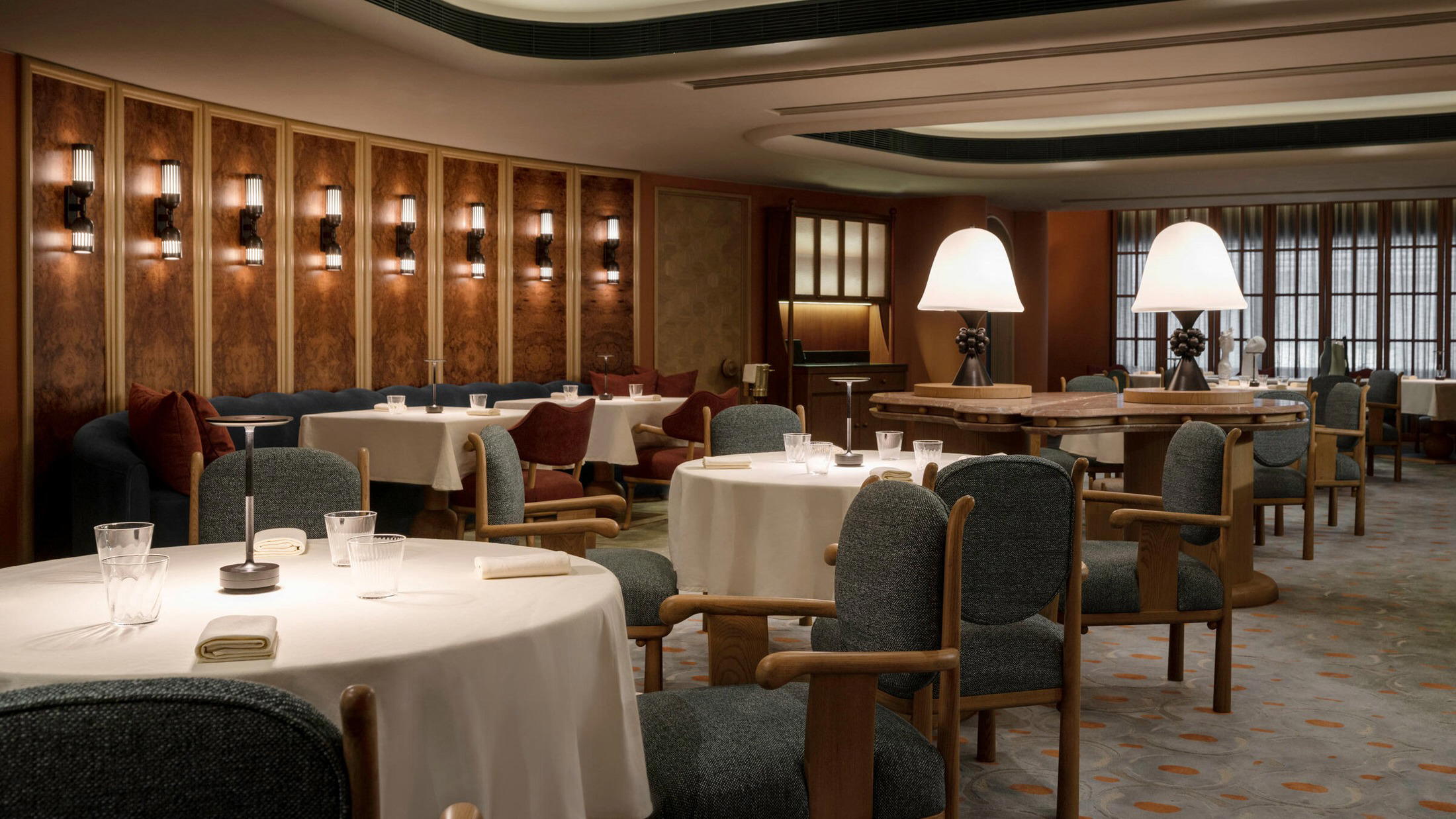
Bars in Hong Kong
Browse all →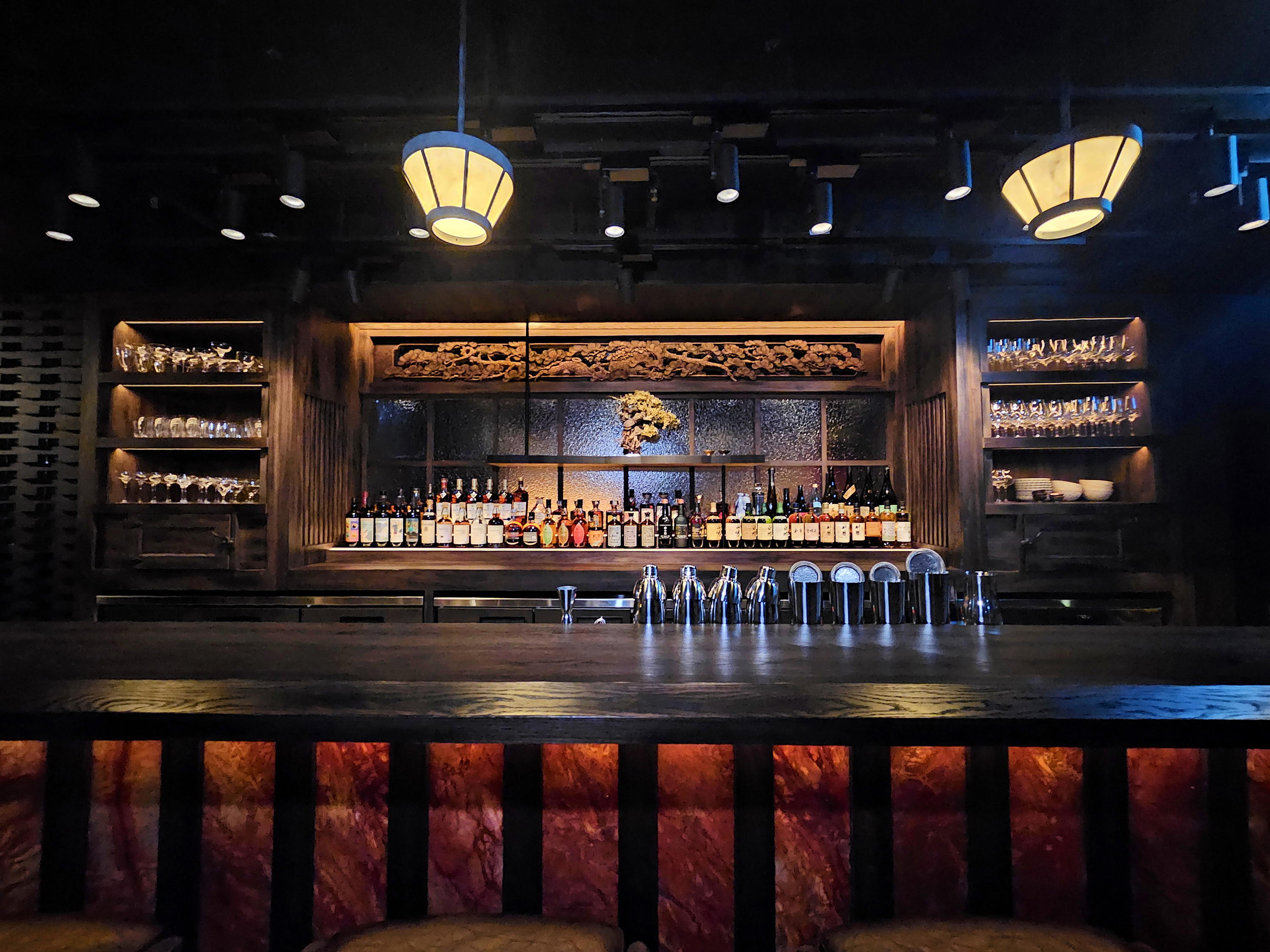
At a Glance
- Elegant
- Sophisticated
- Intimate
- Romantic
- Modern
- Date Night
- Special Occasion
- Celebration
- Business Dinner
- Open Kitchen
- Private Dining
- Design Destination
- Sommelier Led
- Craft Cocktails
- Local Sourcing
Current opening hours
- Monday
- 12 PM–12 AM
- Tuesday
- 12 PM–12 AM
- Wednesday
- 12 PM–12 AM
- Thursday
- 12 PM–12 AM
- Friday
- 12 PM–12 AM
- Saturday
- 12 PM–12 AM
- Sunday
- 12 PM–12 AM
Hours can change for holidays and private events. Last verified .
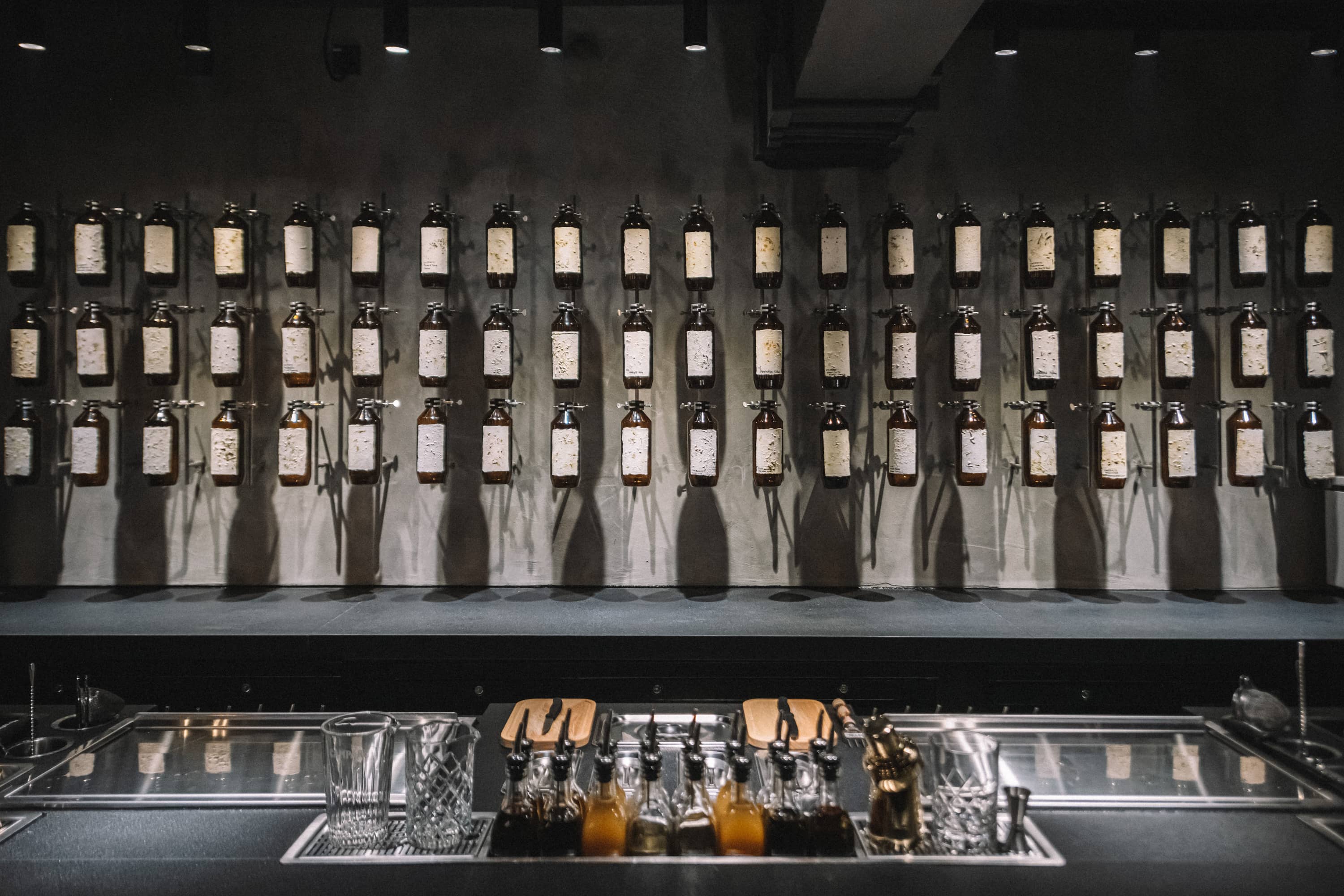
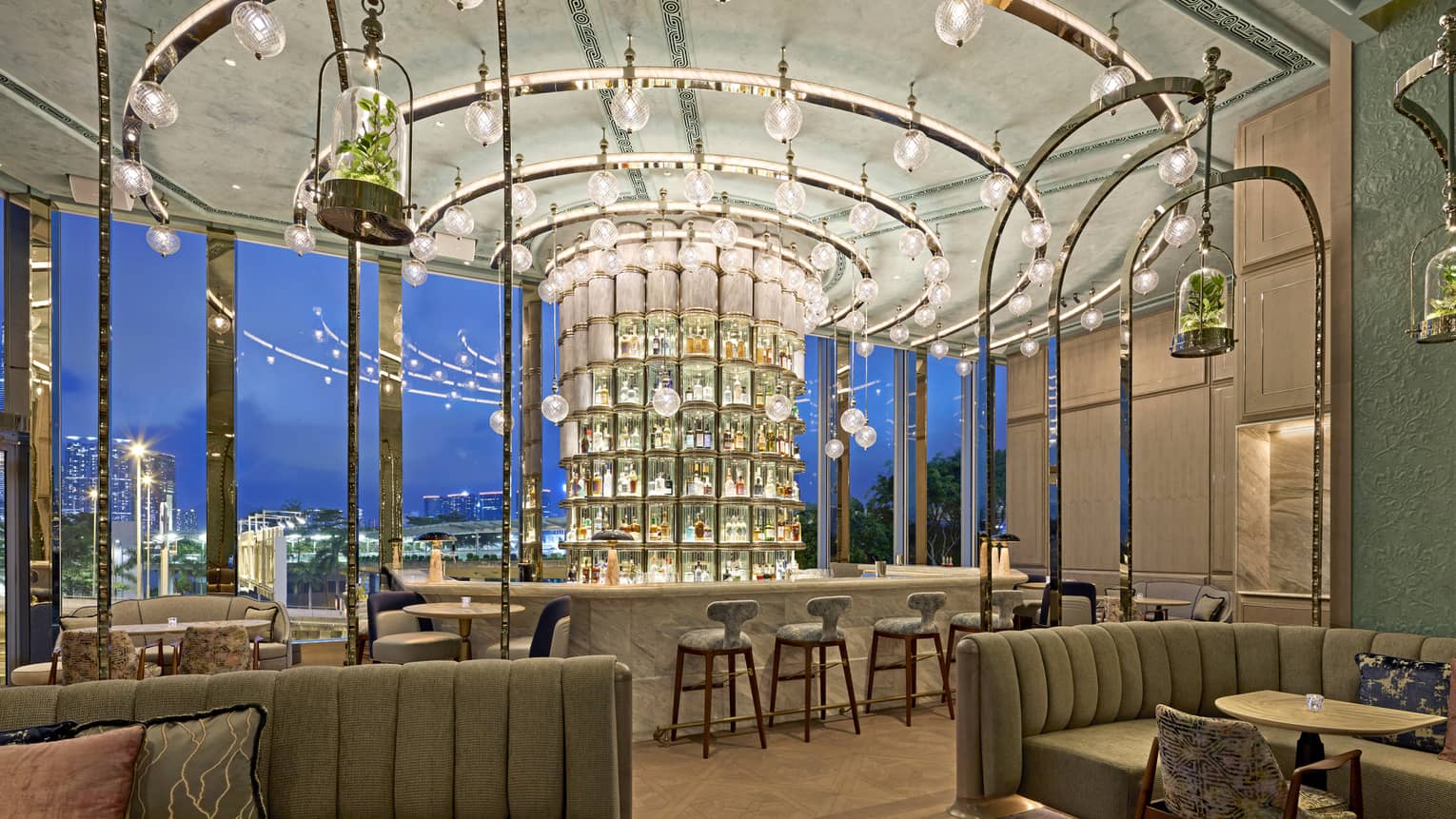
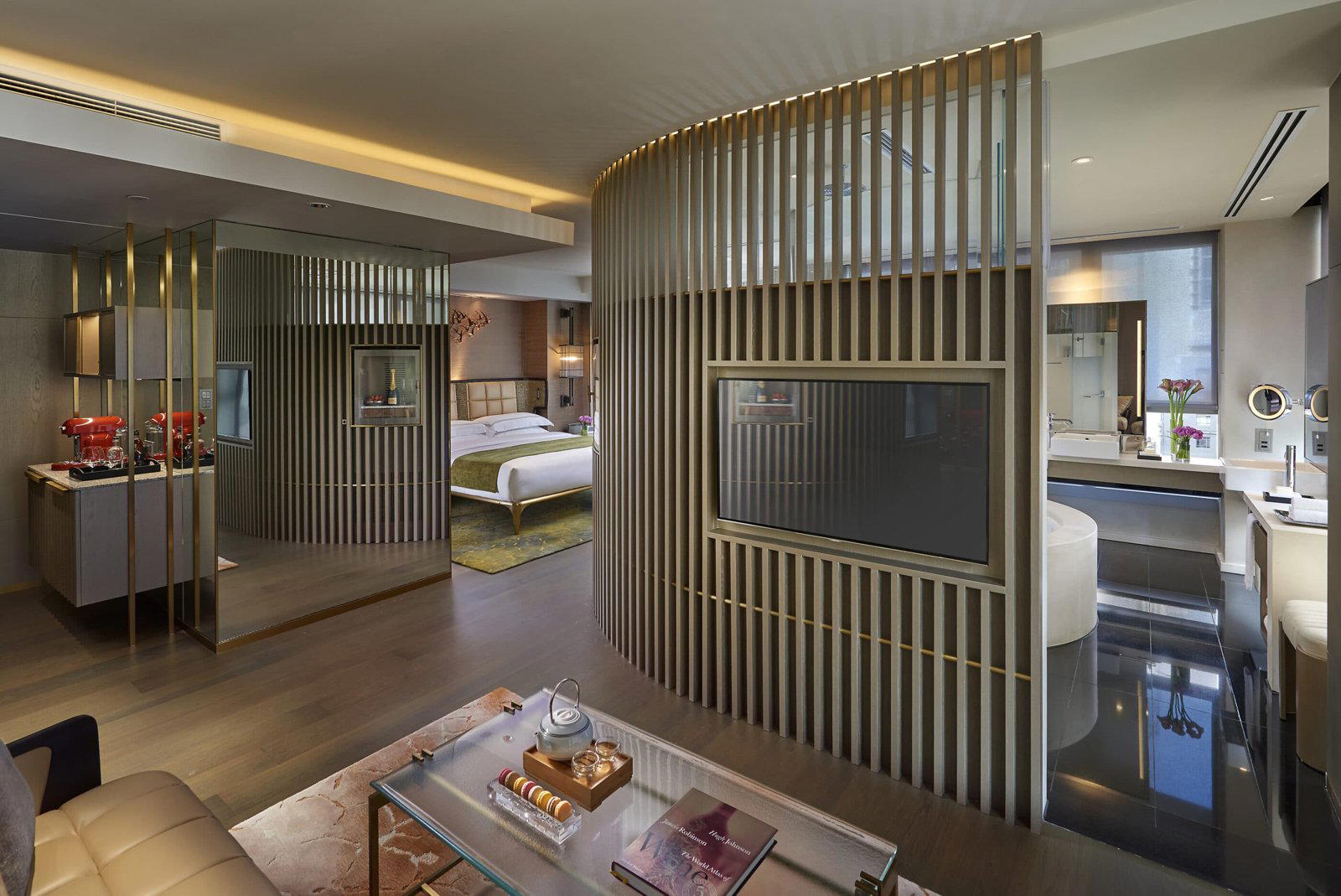
Forest-themed fine dining space with elegant, sophisticated décor designed by Yabu Pushelberg; intimate yet relaxed atmosphere with low ceilings that can create ambient noise; combines fine dining formality with casual conviviality.