American Bistro American Restaurant Miami Beach
Positioned on the Ocean Drive strip at 626, American Bistro sits inside one of Miami Beach's most photographed corridors, where Art Deco facades and open-air dining have defined the neighbourhood's character for decades. The restaurant occupies the casual-American tier of a street that has shifted considerably in format and ambition since its 1980s heyday, offering a reference point for how this stretch continues to evolve.
Pearl is the En Primeur Club membership app — saves, bookings, and concierge access live there. Same editors, same standards.
- Address
- 626 Ocean Dr, Miami Beach, FL 33139
- Phone
- +13054132465
- Website
- americanbistromiamibeach.com
- Directions
- Get directions
 Saves & bookings on Pearl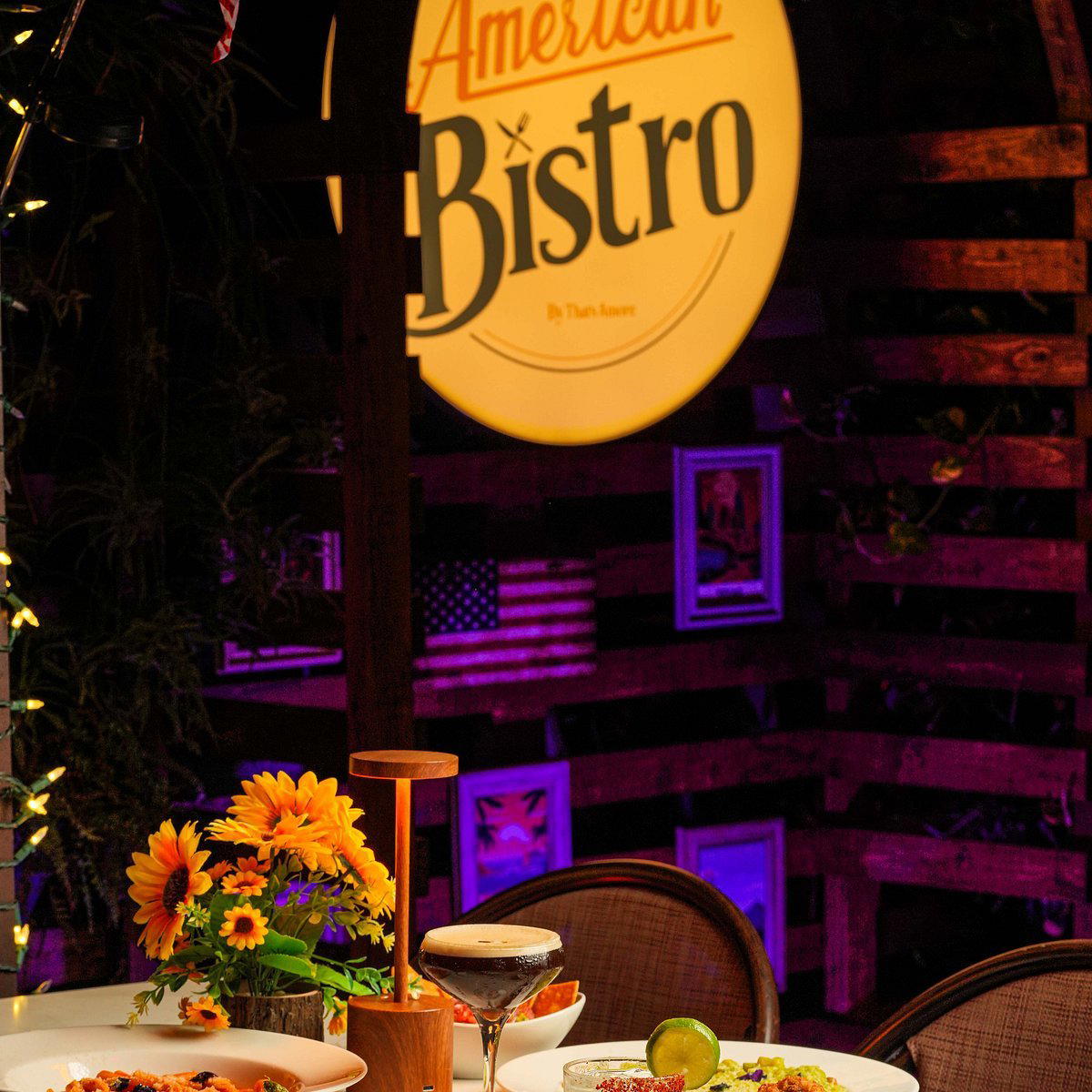
Ocean Drive and the Long Arc of American Dining in Miami Beach
Ocean Drive has never been a static address. The strip running along the eastern edge of South Beach has cycled through several identities since the Art Deco preservation movement of the 1980s transformed what was a faded, largely overlooked neighbourhood into among the more photographed urban corridors in the United States. The dining formats that populate it today, ranging from open-air terrace operations serving tourists to more locally-oriented rooms tucked behind the neon, reflect a decades-long negotiation between spectacle and substance. American Bistro, at 626 Ocean Dr, sits inside that negotiation.
The broader American bistro category has itself undergone significant revision over the past twenty years. What once meant checked tablecloths and a laminated menu of burgers, Caesar salads, and ribeyes has, in cities with serious food cultures, migrated toward something more considered: sourcing transparency, seasonal rotation, regional American ingredients treated with the same editorial seriousness that European bistro cooking long applied to its own. That shift has played out unevenly across the country. Restaurants like Blue Hill at Stone Barns in Tarrytown or Single Thread Farm in Healdsburg represent one end of that spectrum, where the American bistro concept becomes a vehicle for hyper-local, farm-integrated cooking at a fine-dining price point. At the other end, the category remains a broad, accessible format, particularly in high-footfall tourist corridors where volume and visibility matter more than menu evolution.
What the Address Tells You
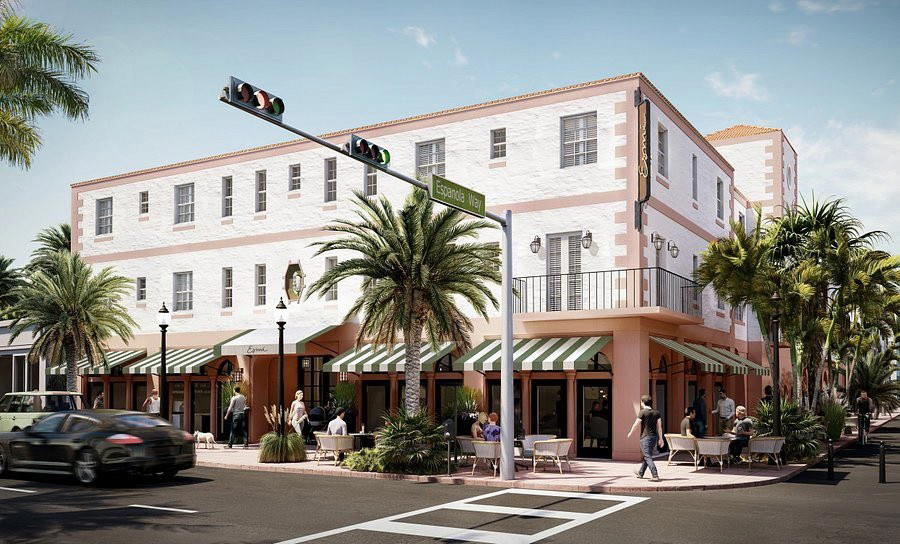
626 Ocean Dr places American Bistro squarely in the South Beach section of Miami Beach, within walking distance of the Art Deco Historic District's most densely concentrated blocks. This stretch of Ocean Drive functions as a kind of outdoor dining theatre: the seating is meant to be seen from the street, the street is meant to be seen from the seating, and the whole arrangement has been the case since the early 1990s when the area first attracted national attention. Nearby, the 11th Street Diner represents a different strand of the neighbourhood's food history, its Pullman railcar structure preserved as a diner format that predates the tourist boom. A Fish Called Avalon, also on Ocean Drive, operates in the seafood-forward register that this coastal setting makes intuitive.
The American bistro format on a street like Ocean Drive faces a particular tension. The location delivers foot traffic that most restaurants would find difficult to generate on their own, but it also sets certain expectations around accessibility, pace, and price that can work against the kind of slow-burn meal that the bistro format, at its most considered, rewards. How individual operators on this strip manage that tension has varied considerably over the years, and the restaurants that have lasted have generally found ways to deliver both legibility for the tourist arriving without a reservation and enough consistency for the repeat local diner.
The American Bistro in the Context of Miami's Wider Dining Shift
Miami Beach's dining scene has matured substantially since the mid-2000s, when it was still largely understood through the lens of hotel restaurants and celebrity-chef outposts arriving from New York or Las Vegas. The city now generates its own culinary momentum. Spots like Alma Cubana reflect the deeper integration of Cuban and Caribbean culinary traditions into the Miami Beach offering, while A La Folie and a'Riva show the appetite for European formats that still runs strong in this part of the city. Against that spread, the straightforwardly American bistro sits as a category anchor, the format that visitors from outside Florida often default to when they want something familiar, and that locals measure against a much longer list of alternatives.
Nationally, the pressure on mid-range American bistro dining has been significant. Formats that once felt stable, the neighbourhood American restaurant with a predictable menu and consistent covers, have been disrupted from above by the expansion of tasting-menu culture (see Smyth in Chicago or Atomix in New York City for what that end of the spectrum looks like in practice) and from below by the casualisation of dining, particularly since 2020. The restaurants that have held ground in this middle tier tend to be the ones that identified a specific version of American cooking they could execute with consistency, rather than trying to approximate a full-service fine-dining experience at a mid-market price.
How to Approach a Meal Here
For visitors to the Ocean Drive corridor, the practical reality is that this block operates on a different rhythm from the quieter, more residential streets to the west. Reservations on busy evenings and during the winter season, when Miami Beach draws significant domestic and international travel, are worth securing in advance. The street peaks in the early evening as daylight gives the terrace settings their leading light, and again late at night when the after-dinner crowd from elsewhere in South Beach circulates through. Arriving in the early afternoon or at off-peak hours in the shoulder season gives a different experience of the street and the restaurants on it.
Credentials Lens
Comparable venues nearby, for context on price, style, and recognition.
| Venue | Cuisine | Price | Notes |
|---|---|---|---|
| American Bistro American Restaurant Miami BeachThis venue — the venue you are viewing | Modern American Bistro | $$ | Not listed |
| Oliver's Bistro | American Bistro with Eclectic Influences | $$ | South Beach |
| Burgermeister - South Beach | American Craft Burgers | $$ | South Beach |
| Cafe Bernie | American Seafood | $$ | City Center |
| Silverlake Bistro | New American Bistro | $$ | Normandy Isles |
| Cafe Americano | Contemporary American with Latin Twist | $$ | South Beach |
Continue exploring
More in Miami Beach
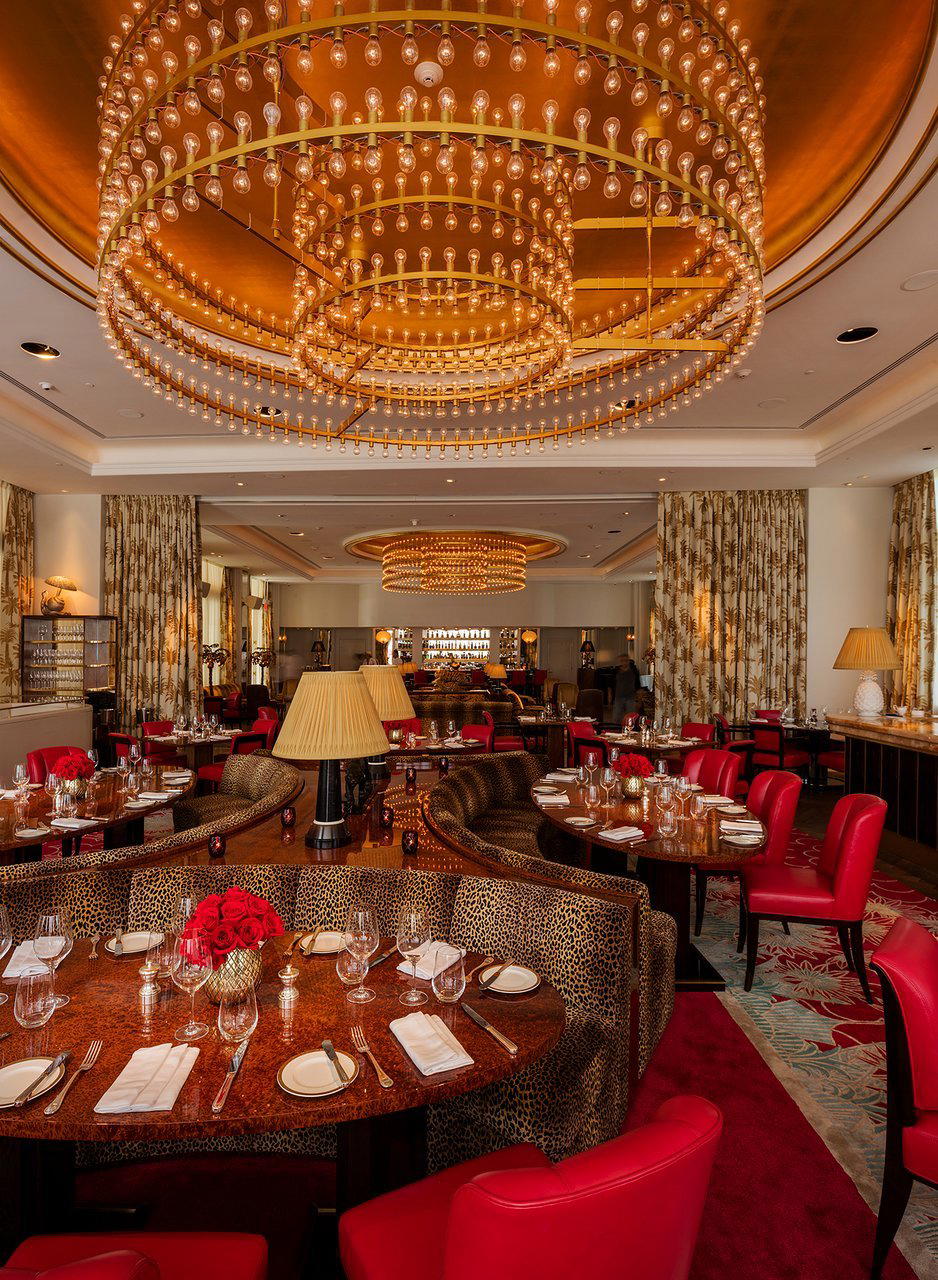
Restaurants in Miami Beach
Browse all →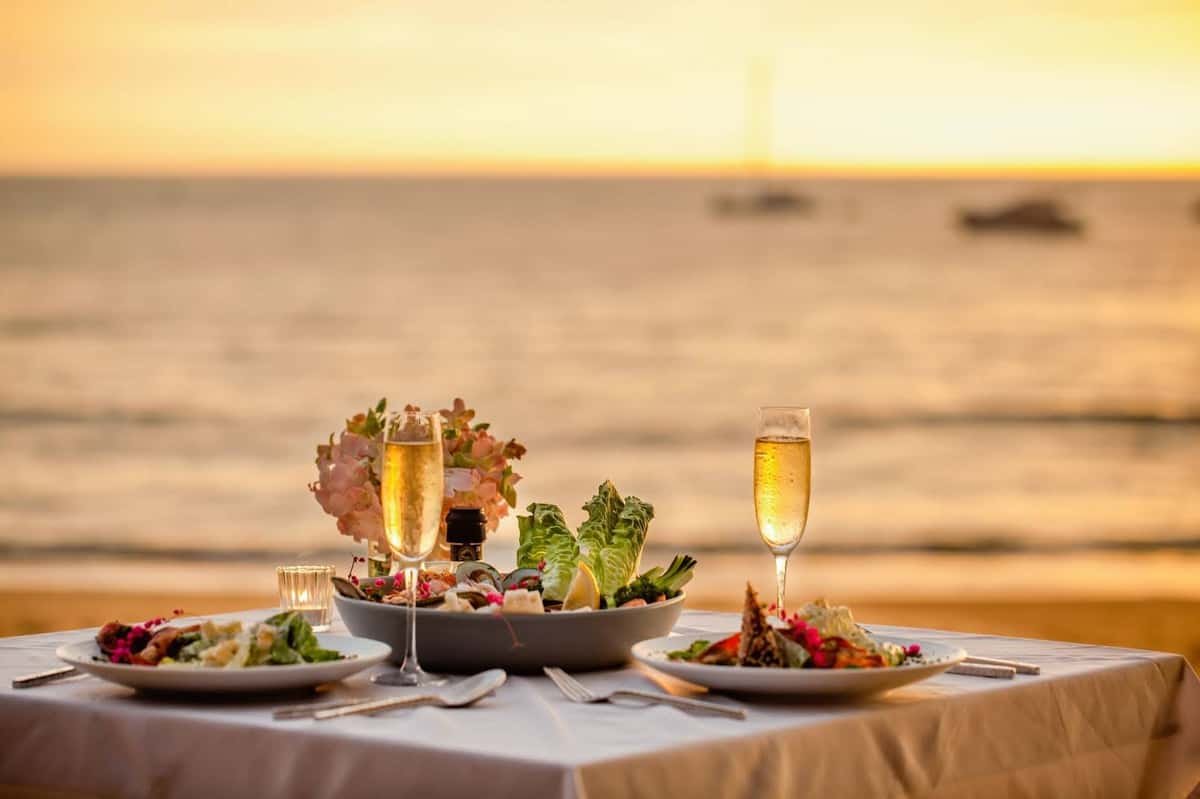
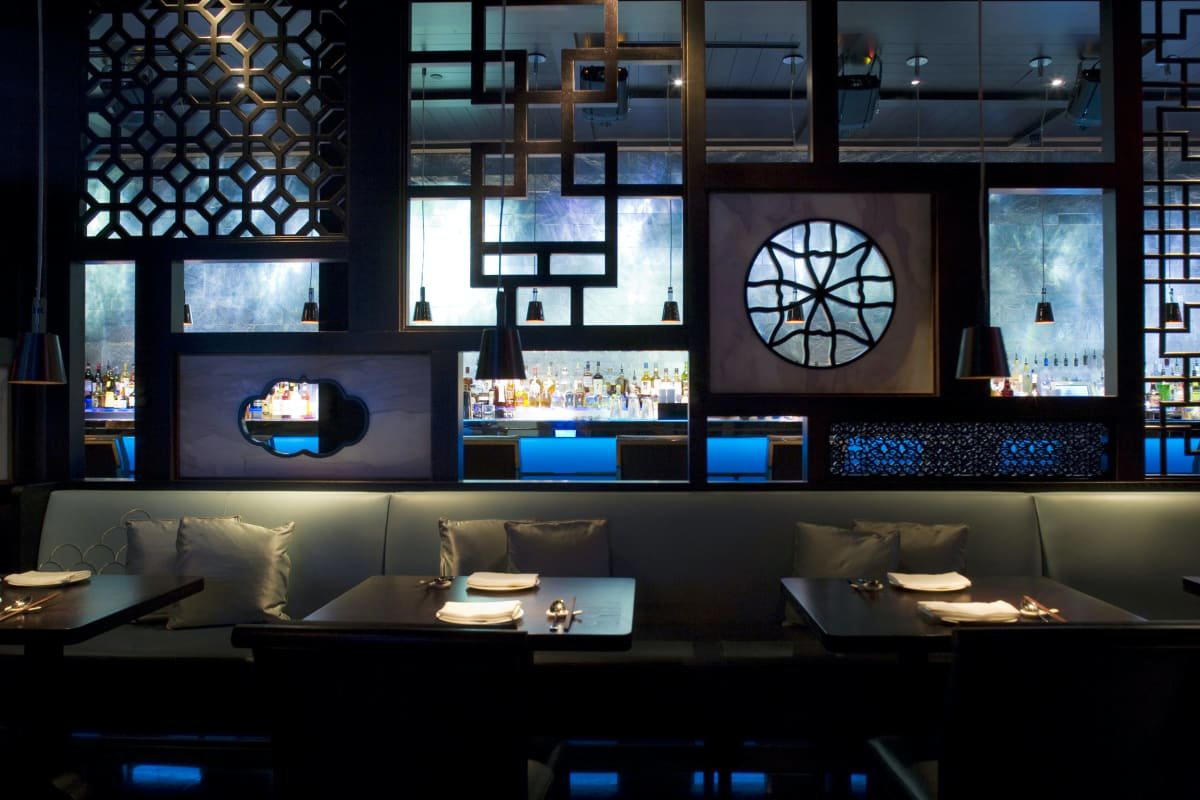
Bars in Miami Beach
Browse all →
At a Glance
- Lively
- Scenic
- Energetic
- Date Night
- Casual Hangout
- Group Dining
- Brunch
- Late Night
- Waterfront
- Terrace
- Craft Cocktails
- Beer Program
- Local Sourcing
- Waterfront
Current opening hours
- Monday
- 11 AM–12 AM
- Tuesday
- 11 AM–12 AM
- Wednesday
- 11 AM–12 AM
- Thursday
- 11 AM–12 AM
- Friday
- 8 AM–12 AM
- Saturday
- 8 AM–12 AM
- Sunday
- 8 AM–12 AM
Hours can change for holidays and private events. Last verified .
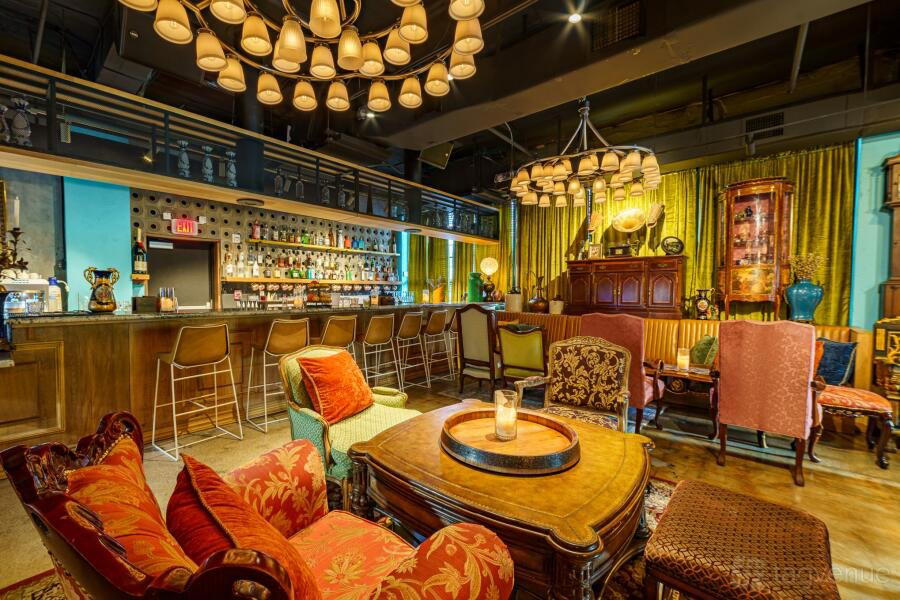
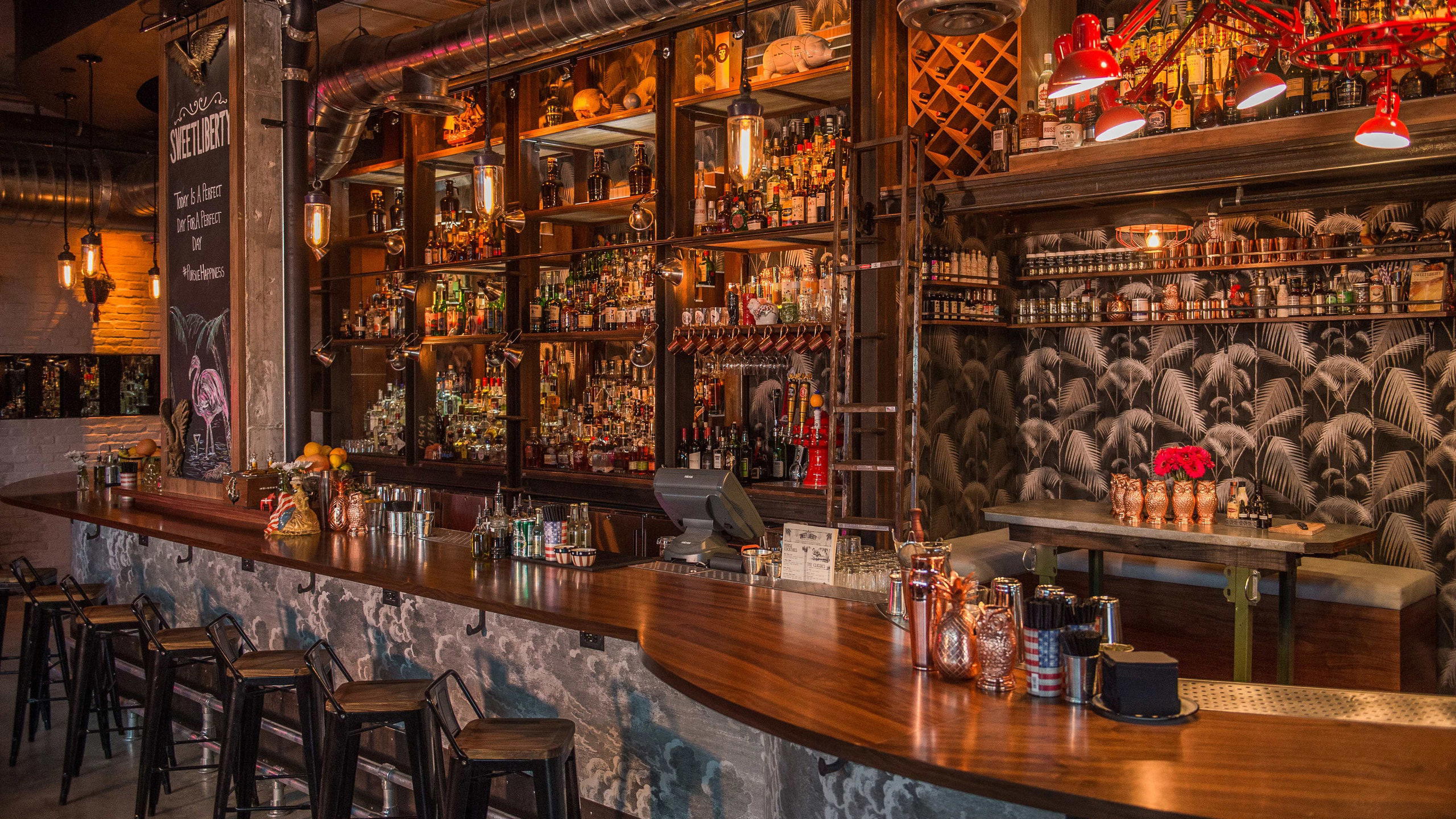
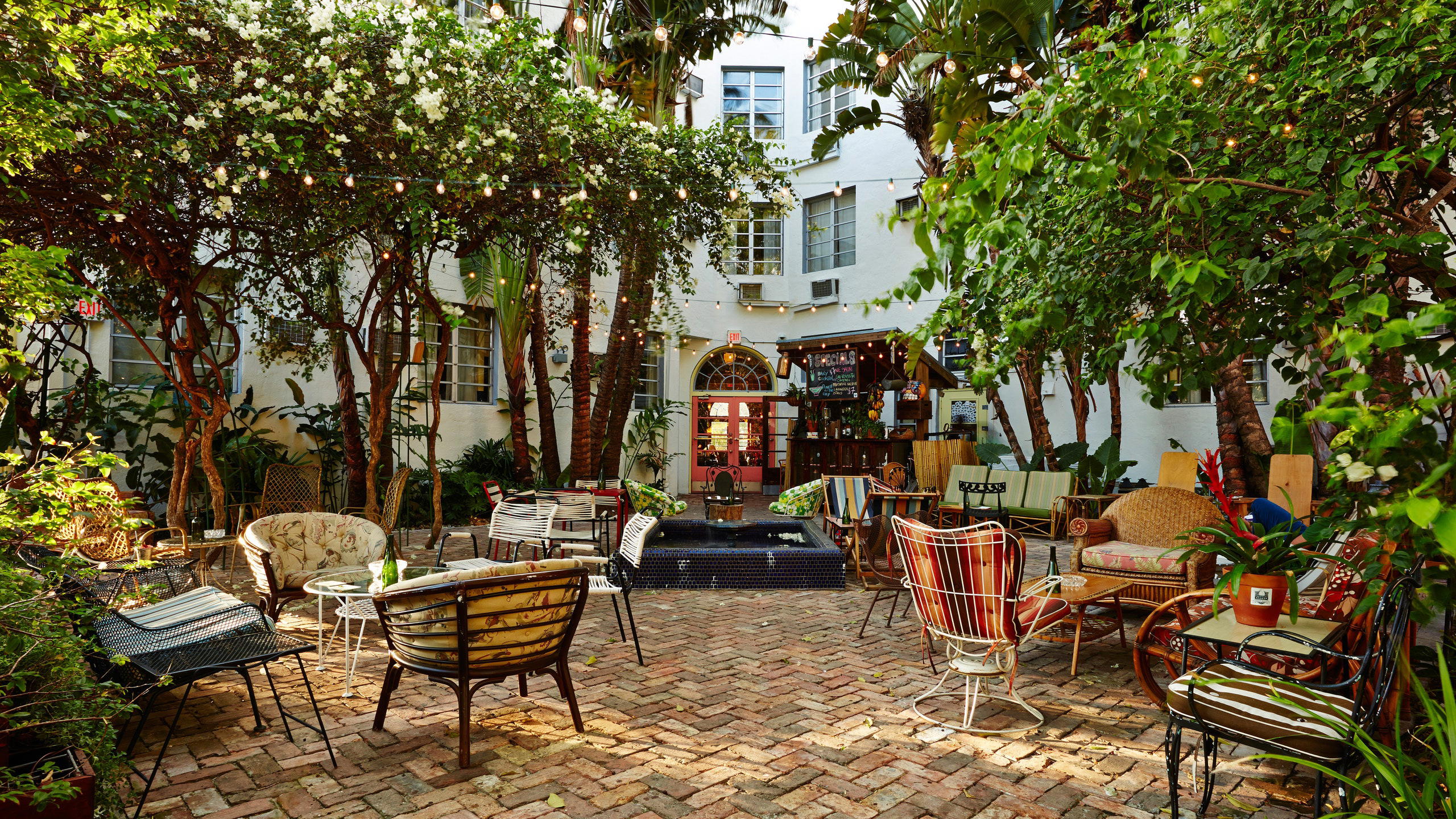
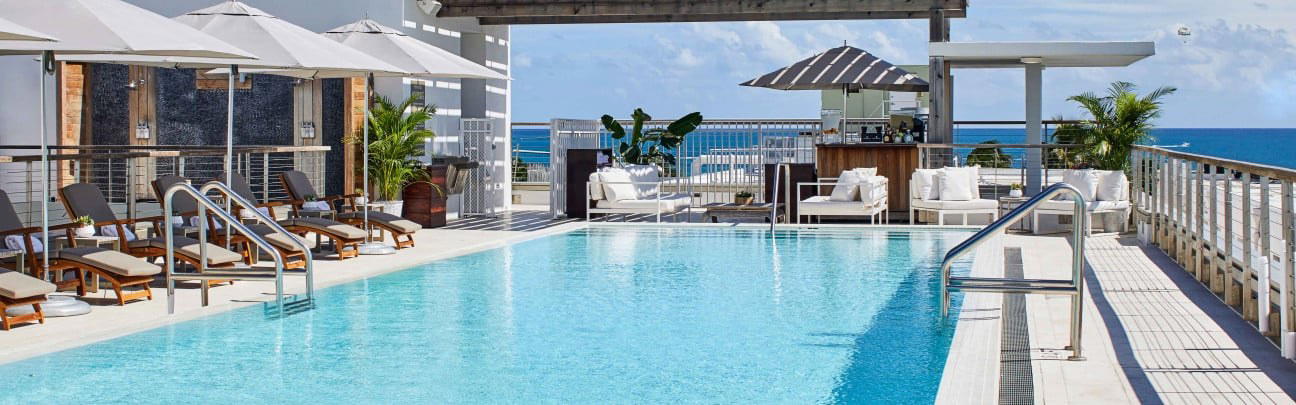
Bright and inviting with oceanfront views, lively music, and a cosmopolitan South Beach energy; some guests note loud music during peak hours.