Amazonia Nikkei
Our verdict
Amazonia Nikkei on Main Street in Miami Lakes brings together the ingredient logic of Amazonian South America and the precision of Japanese culinary tradition. The address sits within a walkable stretch of Miami Lakes dining, where Latin and international influences overlap. For visitors tracking where the Nikkei movement has reached beyond coastal dining capitals, this address is a data point worth noting.

Pearl is the En Primeur Club membership app — saves, bookings, and concierge access live there. Same editors, same standards.
- Address
- 6704 Main St, Miami Lakes, FL 33014
- Phone
- (305) 323-0573
- Hours
- Mon–Thu 12–10 PMFri–Sat 12–11 PMSun 12–10 PM
- Website
- amazonianikkei.com
- Directions
- Get directions
- Booking
- Book on OpenTable
The menu
What to order
- Ishiyaki Wagyu
- Braised Short Rib
- Pekin Duck Amazonia Style
- Nigiri Spicy Ebi
Main Street in Miami Lakes does not announce itself with the same volume as Brickell or Wynwood, which is precisely why certain addresses there reward attention. The block around 6704 draws a local crowd that moves between Latin American and international options without much ceremony. Amazonia Nikkei occupies that stretch as a representative of a culinary tradition with a specific and traceable history: the Nikkei fusion of Japanese and South American, particularly Peruvian and Amazonian, cooking techniques and ingredients.
The Tradition Behind the Name
Nikkei cuisine emerged from the Japanese diaspora communities that settled across South America from the late nineteenth century onward, most densely in Peru and Brazil. The result was not a blending in the aesthetic sense but a structural reconfiguration: Japanese knife discipline and preservation techniques applied to Amazonian biodiversity, Peruvian acidity, and Andean starches. The culinary exchange ran both ways. Peruvian ceviche picked up Japanese precision in the cut and the cure, while Japanese miso and soy found their way into Amazonian broths. By the time restaurants in Lima and São Paulo began formalizing the tradition in the 1990s and 2000s, Nikkei had a recognizable grammar even if individual kitchens interpreted it differently.
That grammar is ingredient-driven at its core. Amazonian sourcing matters because the region contains species, from aji amarillo to camu camu, that do not exist in meaningful commercial supply chains outside South America. The question any Nikkei kitchen outside Peru or Brazil has to answer is how it sources those inputs. That answer shapes the menu more than any individual technique.
Miami Lakes as a Setting
Miami Lakes is a planned community northwest of Miami proper, incorporated in the 1960s and built around a Main Street retail and dining corridor that functions as the town center. The dining scene there reflects the broader demographics of Miami-Dade County: heavily Latin American, with Cuban, Colombian, Argentine, and Venezuelan influences present across the restaurant mix. El Churrascaso Grill - Miami Lakes and El Novillo represent the Argentine and Latin grill tradition on that corridor, while Korner67 occupies a different register. See our full Miami Lakes restaurants guide for a broader map of the area.
Within that context, a Nikkei address is less anomalous than it might appear. South Florida has a substantial Brazilian and Peruvian population, and the ingredient logic of Amazonian cooking is not entirely foreign to a region where plantains, yuca, and tropical citrus appear regularly. The audience for Nikkei cooking in Miami-Dade does not need to be educated from scratch on South American produce in the way that a similar restaurant might in, say, Denver or Minneapolis.
Ingredient Sourcing and Why It Defines the Category
The editorial argument for paying attention to any Nikkei restaurant outside its home geography comes down to supply chain honesty. The tradition depends on ingredients that are not interchangeable. Aji amarillo, the yellow pepper central to Peruvian cooking, has a flavor profile that dried or paste substitutes approximate but do not replicate. Leche de tigre, the citrus-forward curing liquid at the center of Nikkei ceviche, requires the right acidity balance. Amazonian fish species, when available, carry flavor and texture profiles distinct from the Atlantic or Pacific alternatives more commonly found in South Florida markets.
Kitchens that commit to sourcing these inputs, through specialty importers, Latin American wholesale networks in Miami-Dade, or direct relationships with Florida growers who cultivate South American varieties, produce a categorically different product than those working with approximations. Miami's geography gives it a structural advantage here: the city is a logistics hub for Latin American trade, and specialty ingredient importers serving the restaurant industry are more accessible in South Florida than in most American markets.
That sourcing context places Amazonia Nikkei within a Miami dining ecosystem that, at its more serious end, has access to ingredient quality its peer restaurants in less connected American cities do not. This is not a claim about any specific supplier relationship; it is a structural observation about what the Miami market makes possible for kitchens committed to the tradition.
The Broader Nikkei Conversation in the United States
The Nikkei format has reached American dining capitals through different routes. In New York, where sourcing networks are deep, restaurants have been able to approximate the ingredient fidelity of Lima-based kitchens more closely. In Los Angeles, proximity to Pacific ingredients and a large Japanese-American community gave the tradition a different but plausible foothold. Miami's version is rooted in its Latin American connectivity rather than Pacific access, which makes the Amazonian emphasis more legible here than it would be elsewhere.
For comparison points on ingredient-driven sourcing at the higher end of the American spectrum, Blue Hill at Stone Barns in Tarrytown and Single Thread Farm in Healdsburg represent the farm-to-table model taken to its structural limit. Smyth in Chicago and The Wolf's Tailor in Denver operate in a similar register for their respective cities. The Nikkei tradition applies a different sourcing logic rooted in geographic and cultural specificity rather than farm proximity, but the underlying editorial question is the same: where does the food come from, and does that provenance shape what arrives on the plate.
Other recognized addresses in the American fine dining conversation, from Le Bernardin in New York City and The French Laundry in Napa to Providence in Los Angeles and Addison in San Diego, share the ingredient-sourcing discipline even when their culinary traditions differ entirely. The same standard applies when assessing any serious Nikkei kitchen. Lazy Bear in San Francisco, Emeril's in New Orleans, The Inn at Little Washington, Frasca Food and Wine in Boulder, Atomix in New York City, and Atelier Moessmer Norbert Niederkofler in Brunico all demonstrate that sourcing specificity is a cross-cultural commitment, not a regional specialty.
Planning a Visit
Amazonia Nikkei is located at 6704 Main St, Miami Lakes, FL 33014, in the heart of the Main Street corridor. Miami Lakes is accessible from Miami proper via the Palmetto Expressway (SR-826), with the Main Street area direct to reach by car. Street and lot parking are generally available along the corridor. Given the specificity of the Nikkei format and the relatively compact Miami Lakes dining scene, arriving with some knowledge of the tradition will sharpen the experience.
Frequently asked questions
What part of town is Amazonia Nikkei in?
Amazonia Nikkei is located at 6704 Main St, Miami Lakes, FL 33014, Miami Lakes.
What makes Amazonia Nikkei different from other Japanese or Peruvian restaurants in the Miami area?
Amazonia Nikkei operates in the Nikkei category, a cuisine that sits at the intersection of Japanese diaspora cooking and South American — primarily Peruvian — ingredients and technique. This is a distinct format from either standalone sushi restaurants or traditional Peruvian kitchens, and Miami Lakes at 6704 Main St is an atypical address for it: most Nikkei outposts in the United States have opened in high-density urban cores like New York or Los Angeles. That positioning in a planned suburban corridor northwest of Miami gives the restaurant a neighbourhood character uncommon in this cuisine category.
What dish is Amazonia Nikkei famous for?
Amazonia Nikkei's menu reflects the Nikkei tradition, where Japanese technique meets South American ingredients — a pairing most associated with Peru's coastal cooking. The restaurant is located in Miami Lakes at 6704 Main St, though specific signature dishes are best confirmed directly with the venue, as the menu evolves with sourcing availability. Nikkei kitchens in this category typically build their identity around ceviches, tiraditos, and nigiri-adjacent preparations that sit at the intersection of both traditions.
Is Amazonia Nikkei reservation-only?
Reservation and walk-in policies for Amazonia Nikkei have not been publicly documented at this time. The restaurant sits within the Main Street corridor of Miami Lakes, a community dining strip that generally supports both formats. Contacting the venue directly at 6704 Main St, Miami Lakes, FL 33014 is the most reliable way to confirm current booking requirements.
What do critics highlight about Amazonia Nikkei?
What draws attention to venues in this category more broadly is sourcing integrity: Nikkei cooking outside Peru and Japan lives or dies by whether the kitchen can access the right fish, citrus, and fermented components. Amazonia Nikkei's presence in Miami Lakes positions it within a metro area with meaningful access to South Florida's diverse ingredient supply networks.
Comparable Spots, Quickly
| Venue | Cuisine | Price |
|---|---|---|
| Amazonia NikkeiThis venue — the venue you are viewing | Nikkei Fusion (Japanese-Peruvian) | $50–100 |
| El Churrascaso Grill - Miami Lakes | Brazilian-Latin Grill | $20–30 |
| El Novillo | Authentic Nicaraguan Steakhouse | $30–50 |
| Korner67 | Global Fusion Tapas | Not listed |
Continue exploring
More in Miami Lakes
Restaurants in Miami Lakes
Browse all →
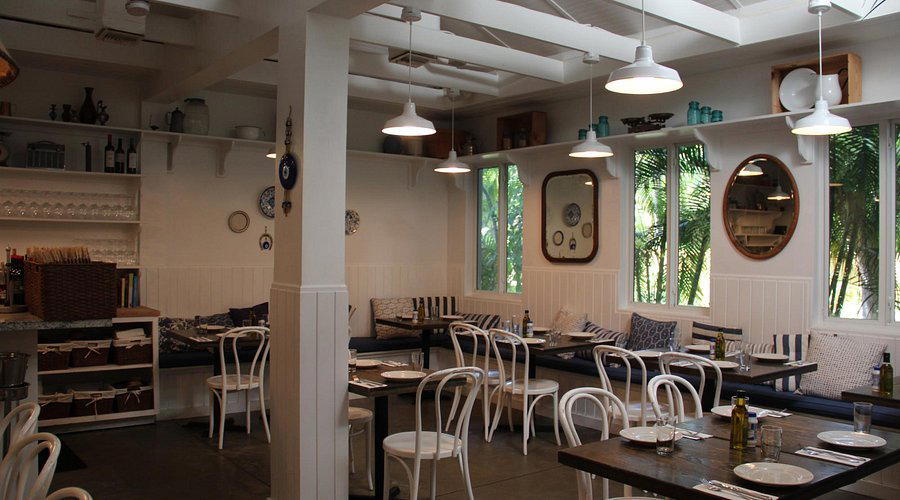
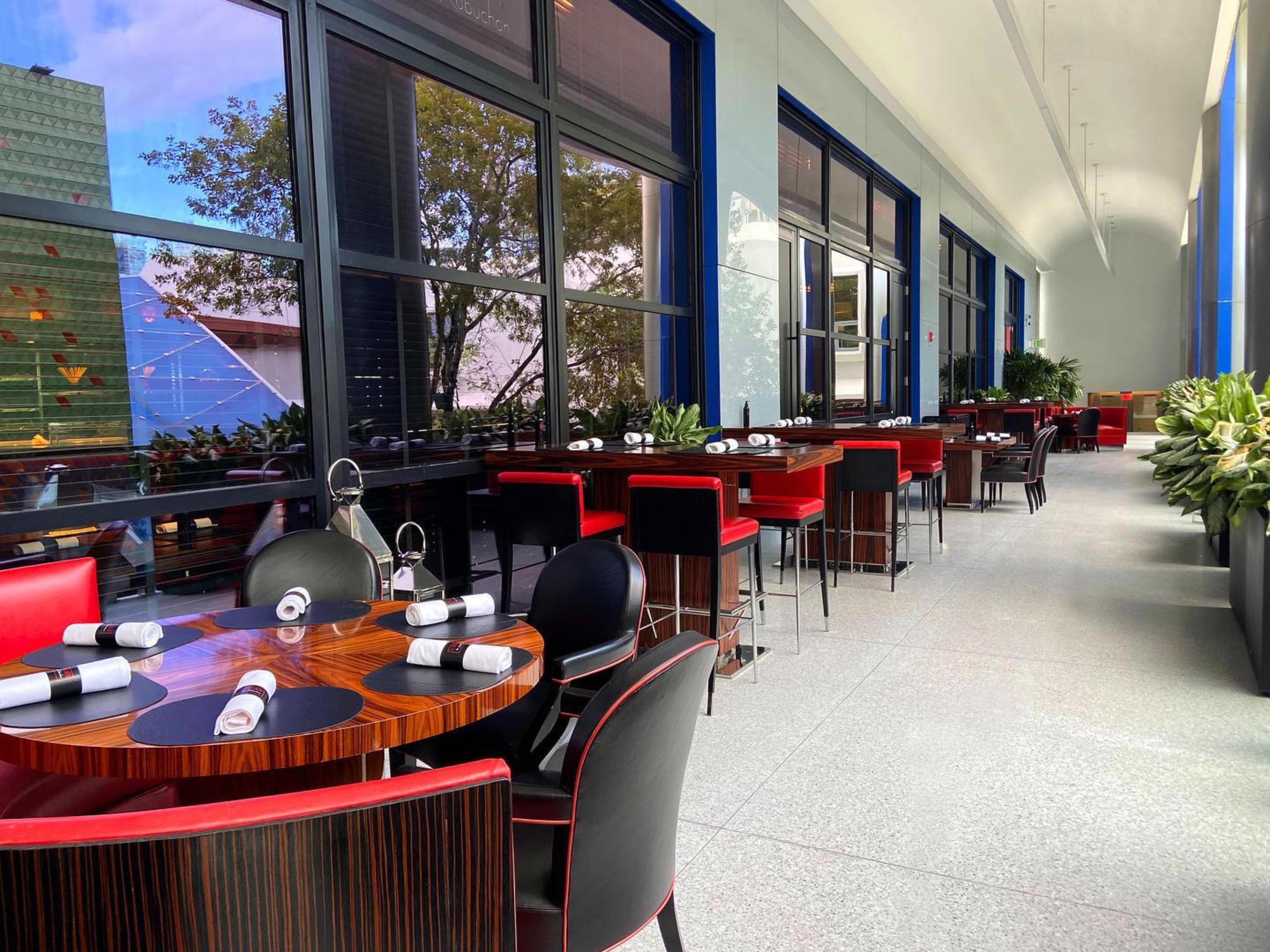
Bars in Miami Lakes
Browse all →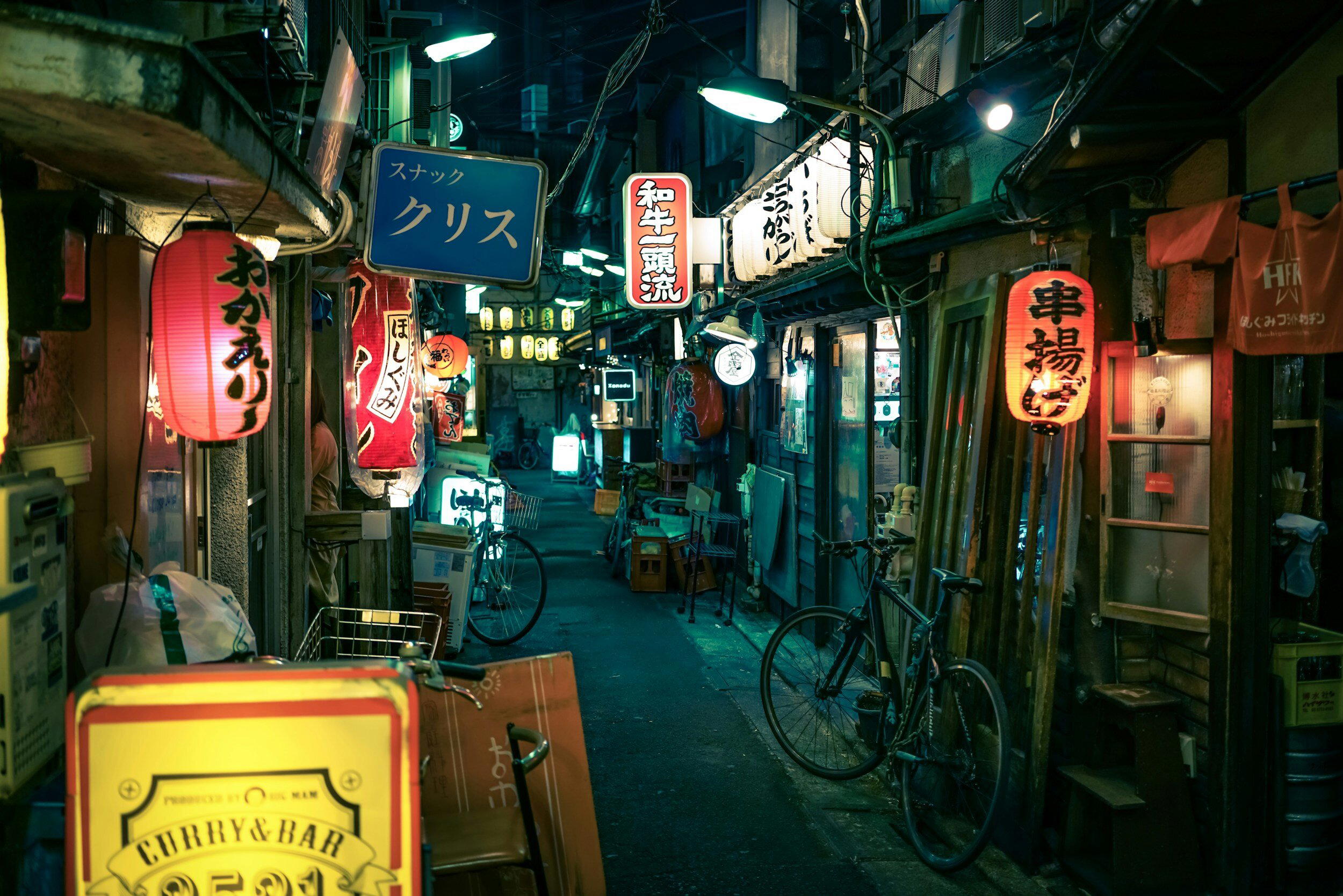
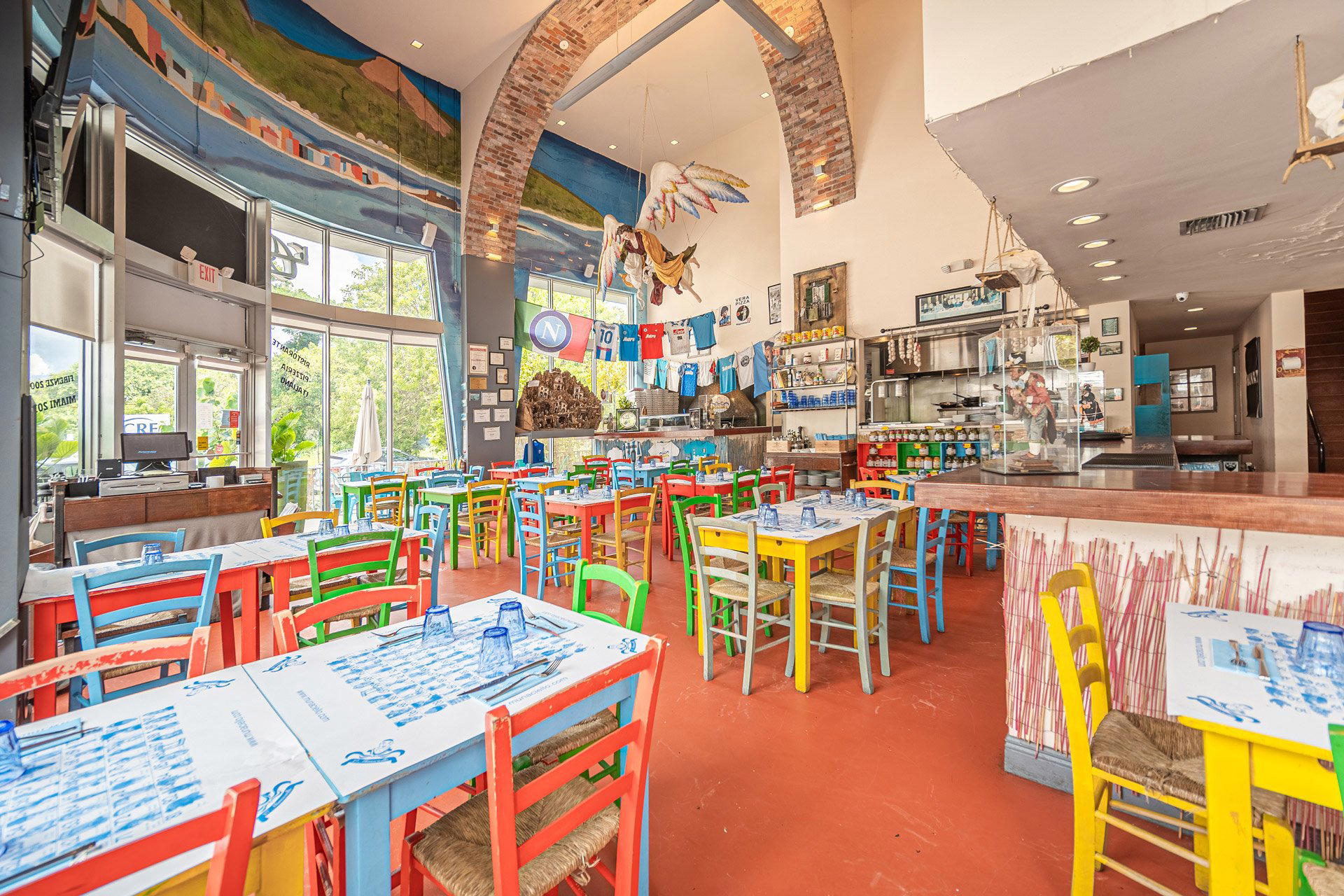
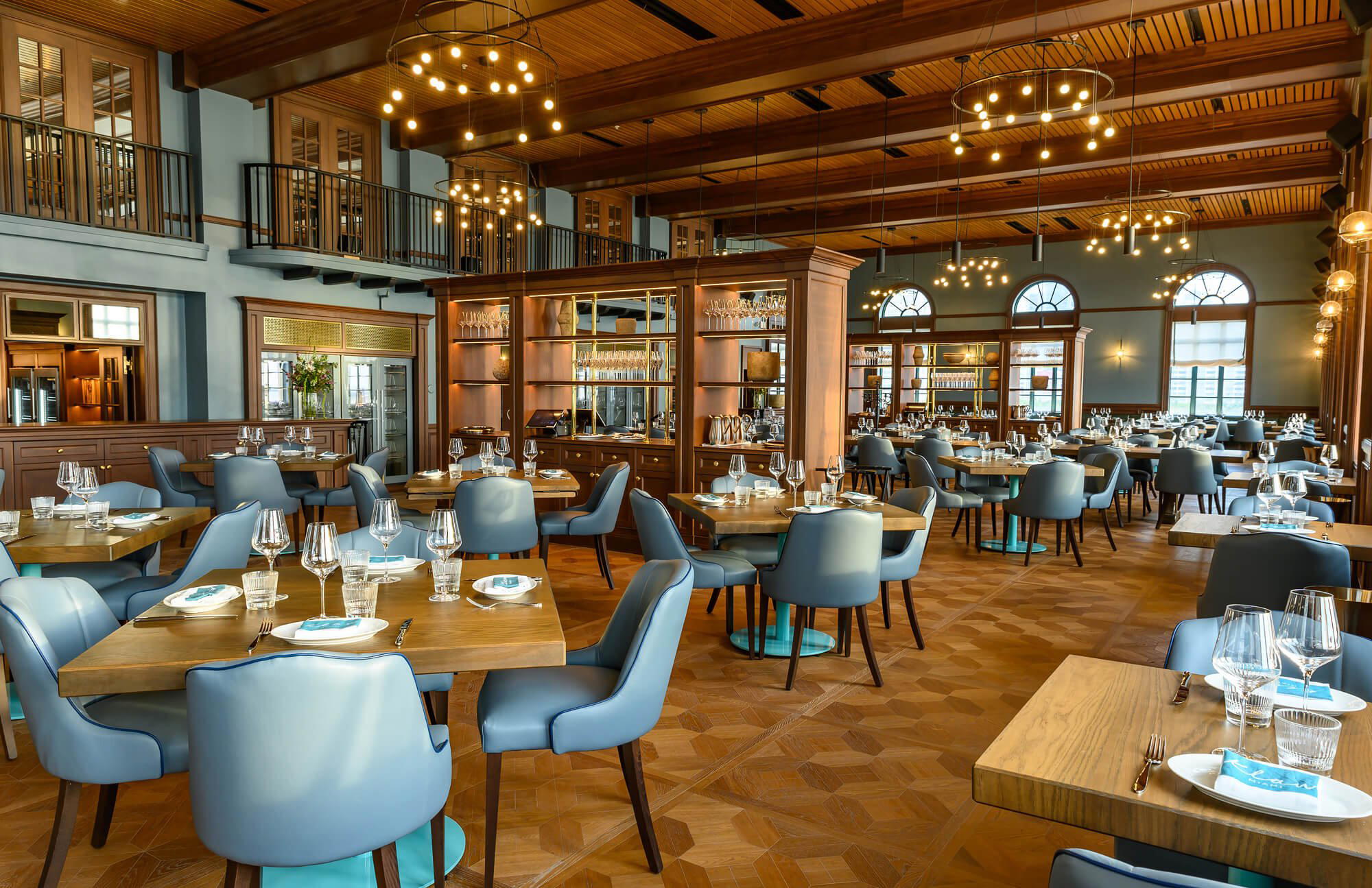
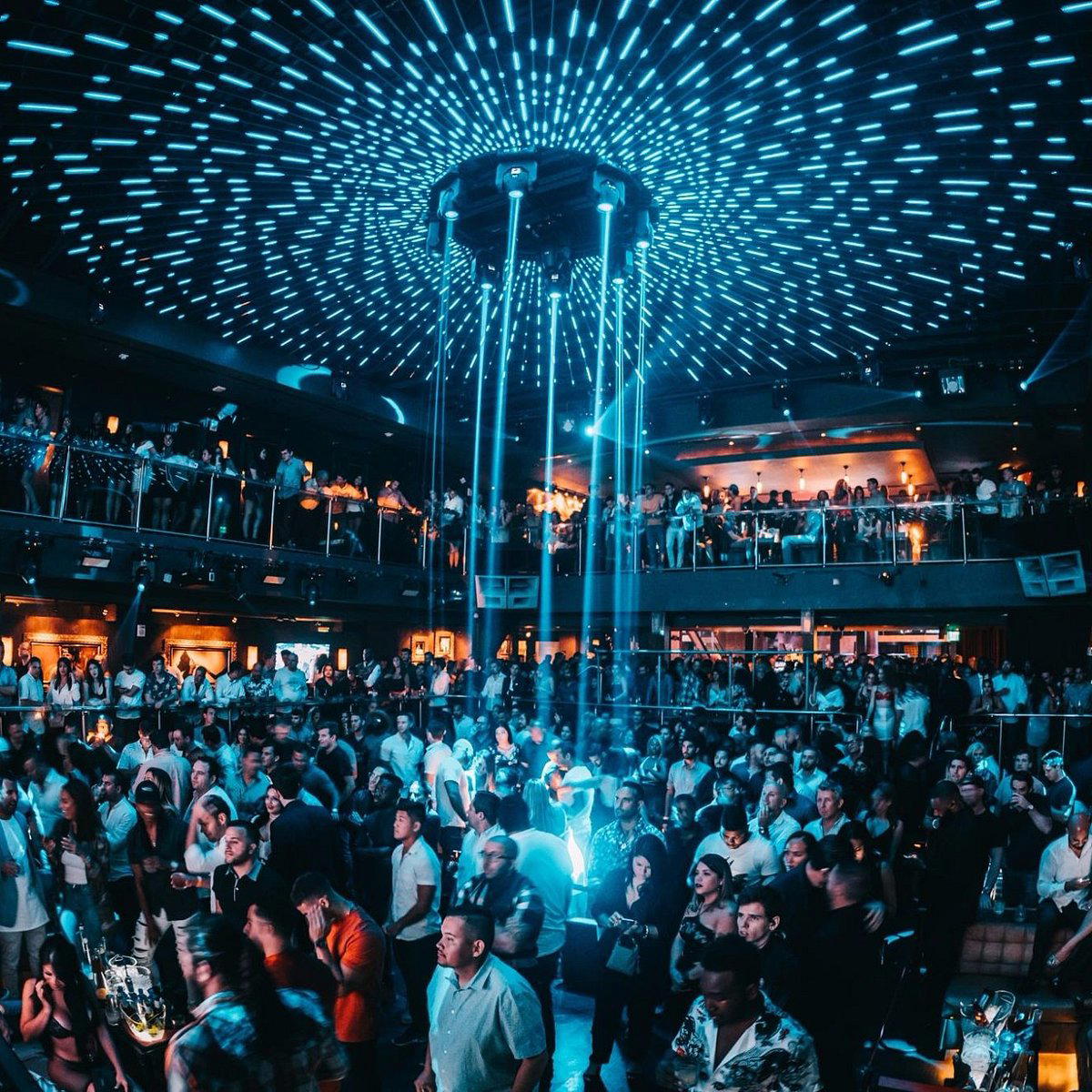
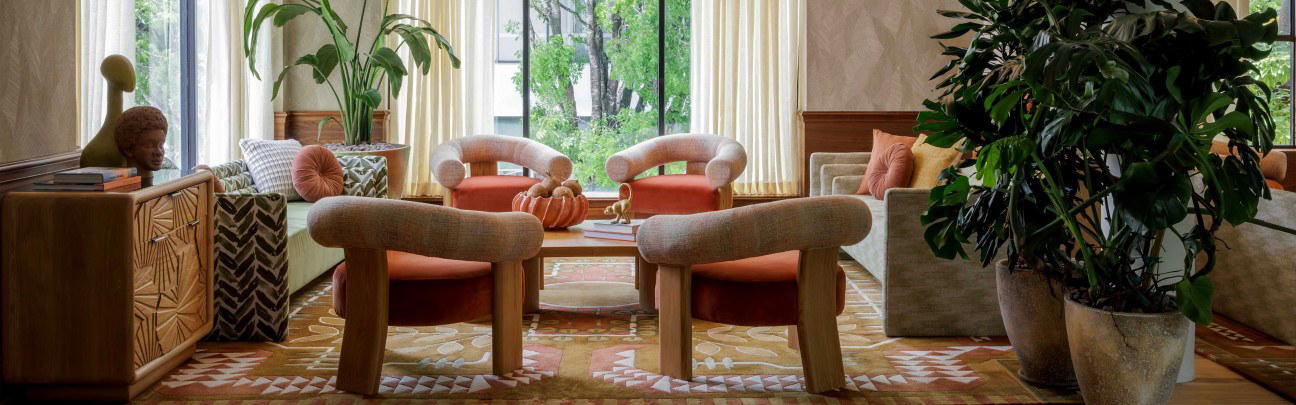
Amazonia Nikkei
The wine
- Wine program
- Curated wine list
- Sake program
- Craft cocktails
Details
- Modern
- Trendy
- Sophisticated
- Date Night
- Group Dining
- Special Occasion
- Open Kitchen
- Sake Program
- Craft Cocktails
- A La Carte
- Small Plates
- Sake Program
- Cocktails
Current opening hours
- Monday
- 12–10 PM
- Tuesday
- 12–10 PM
- Wednesday
- 12–10 PM
- Thursday
- 12–10 PM
- Friday
- 12–11 PM
- Saturday
- 12–11 PM
- Sunday
- 12–10 PM
Hours can change for holidays and private events. Last verified .
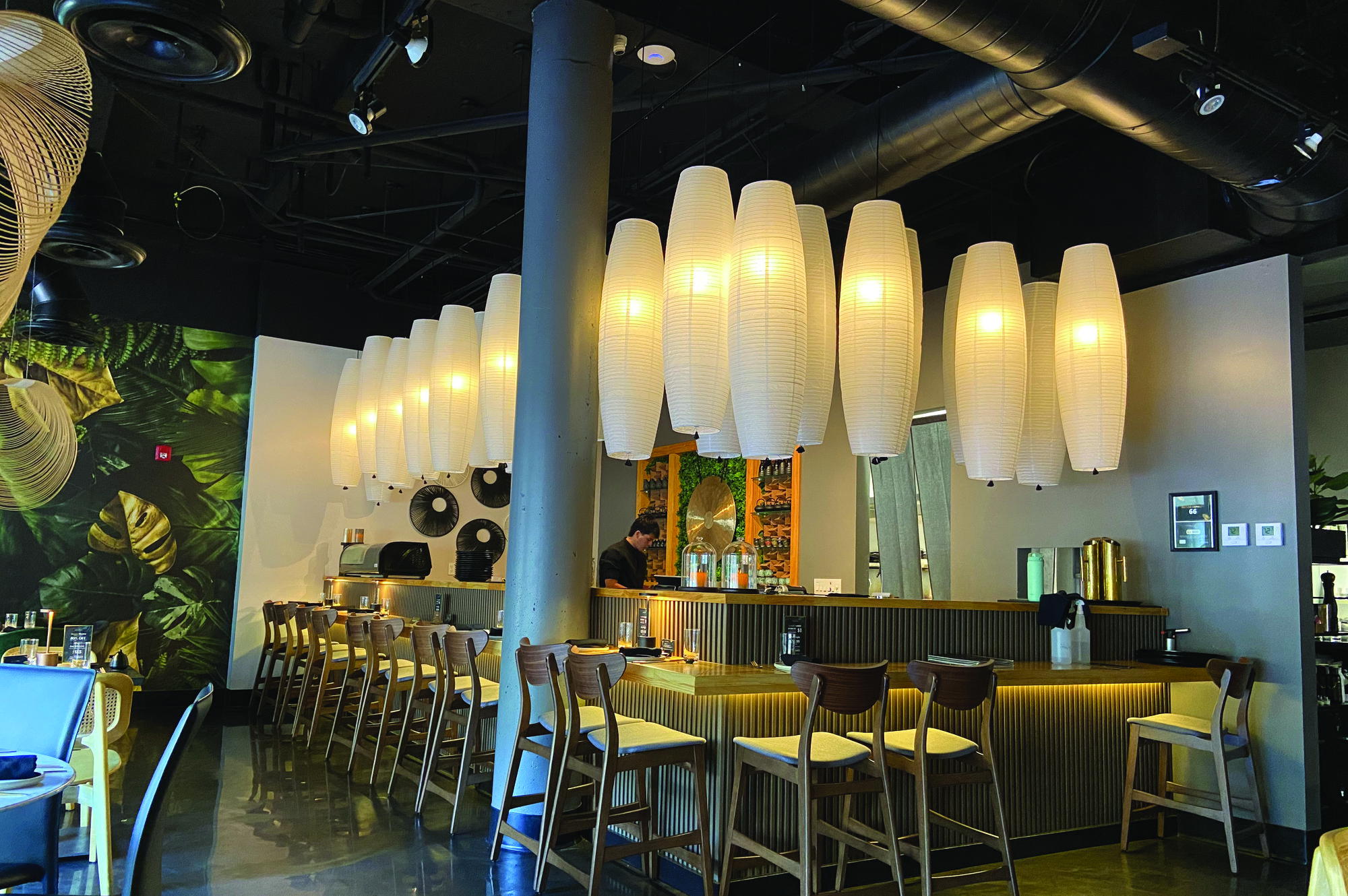
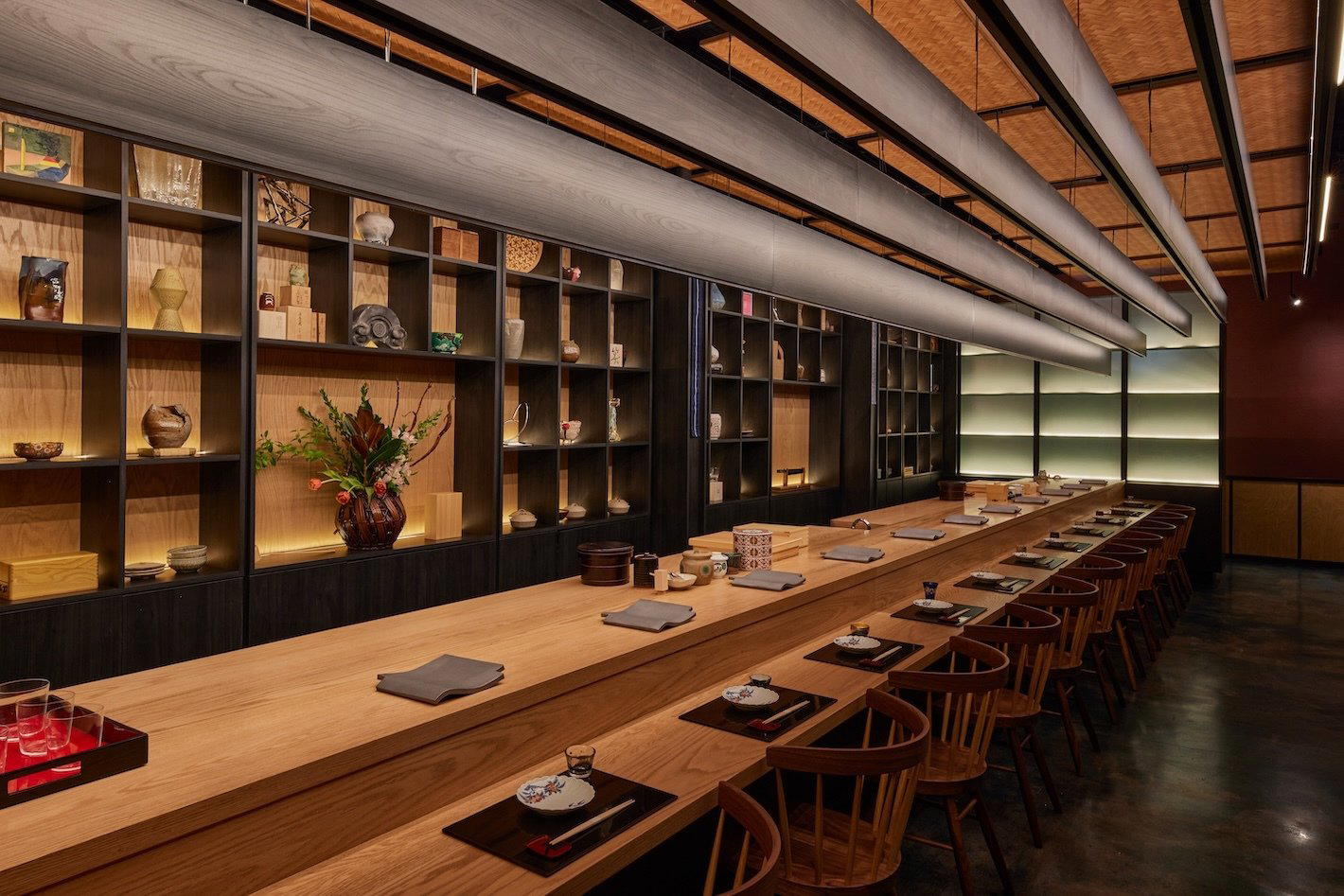
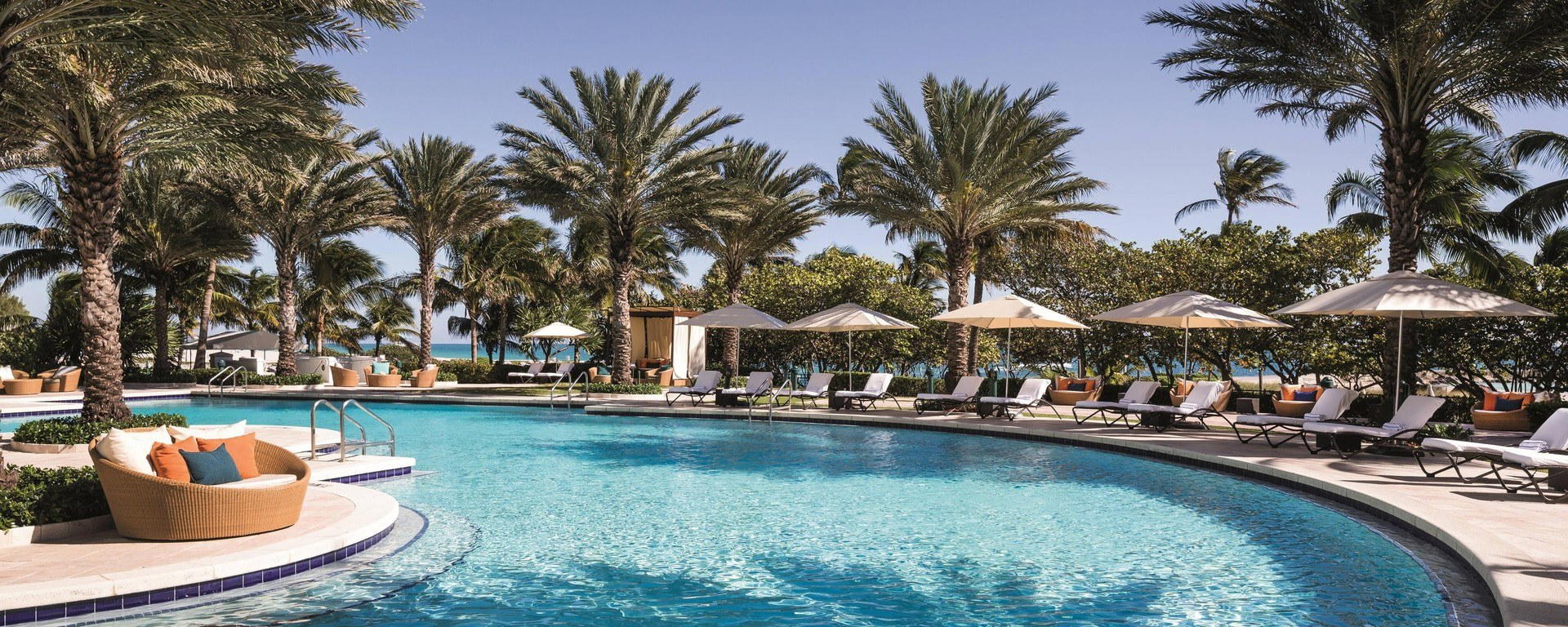
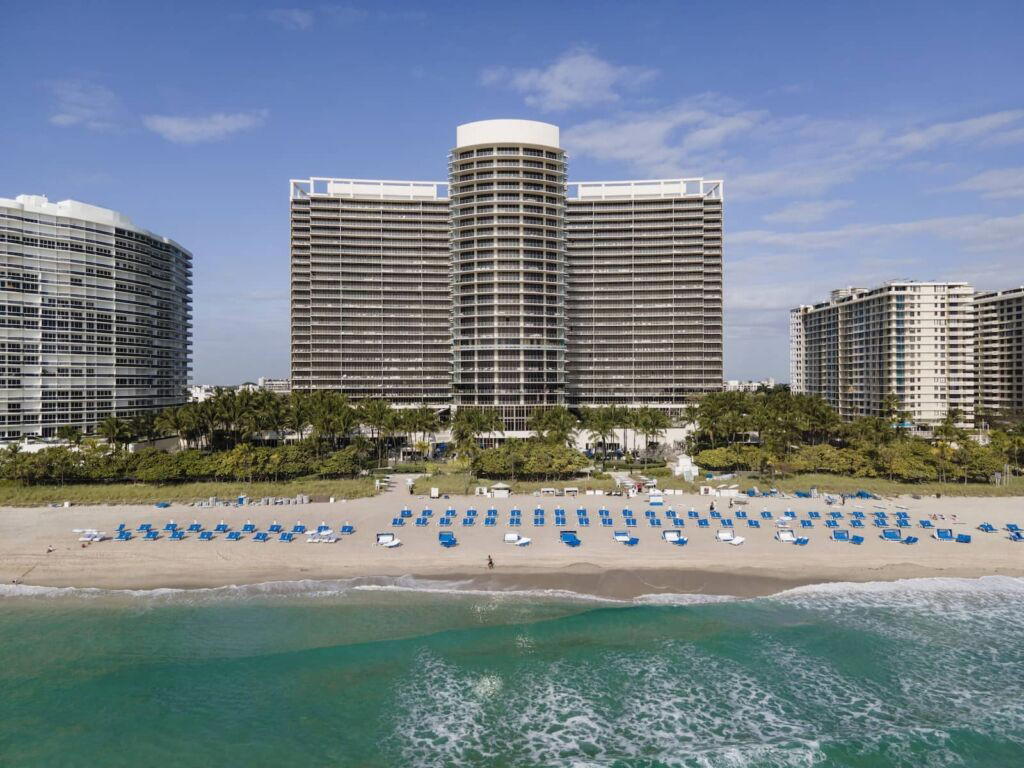
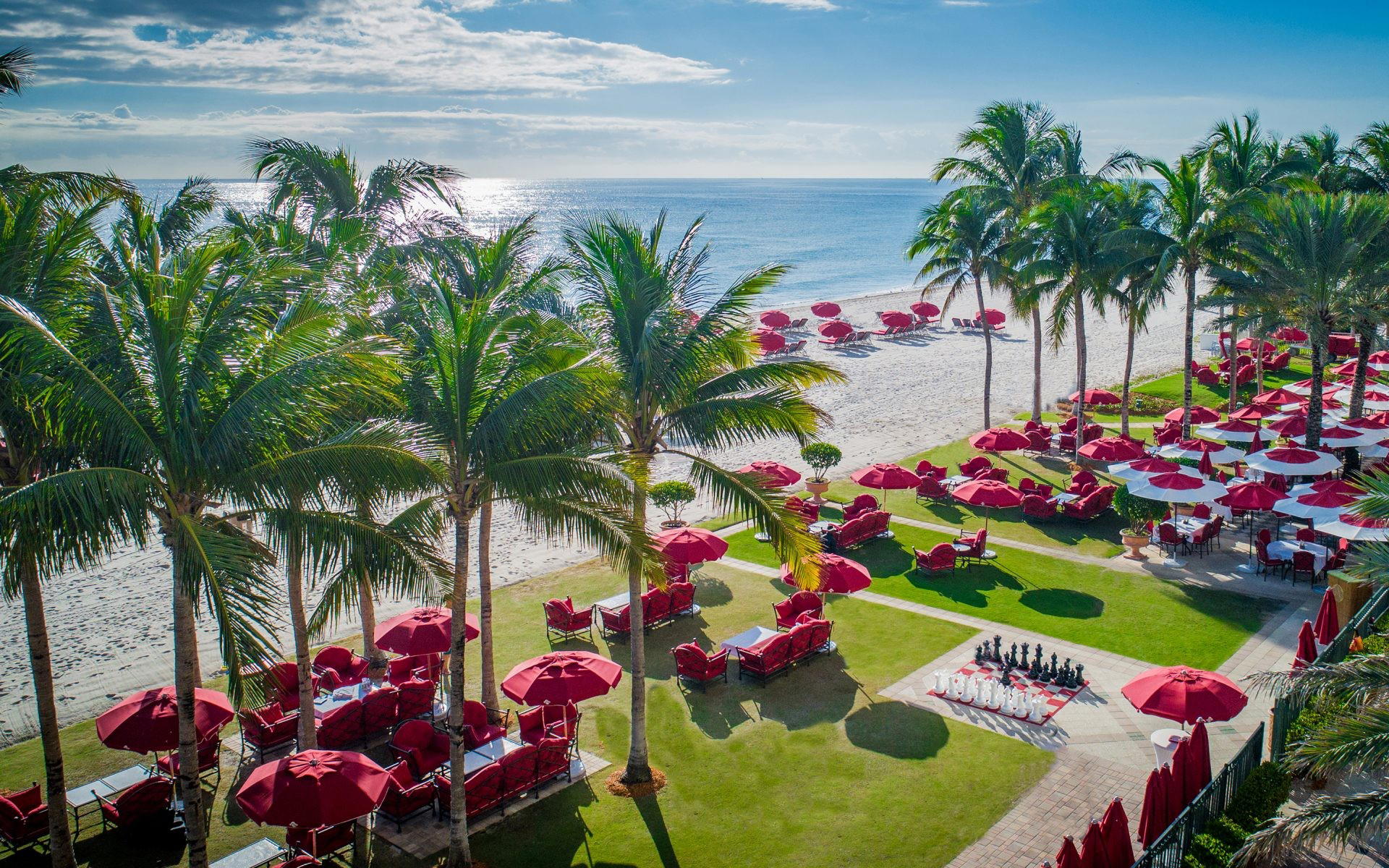
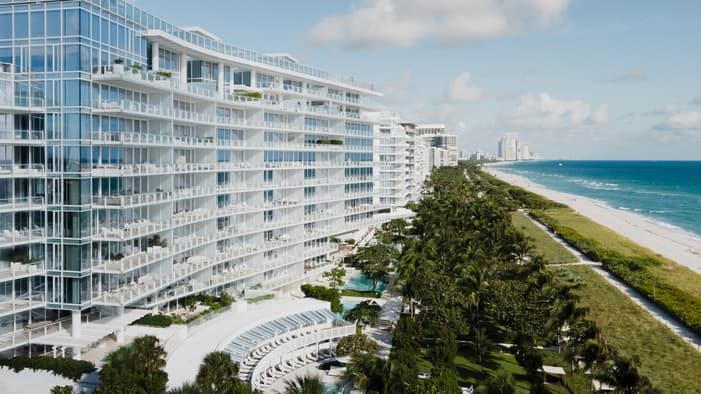
Fusion atmosphere blending Peruvian Amazon jungle elements with Japanese cultural details, created by internationally recognized architects.