Amarsar
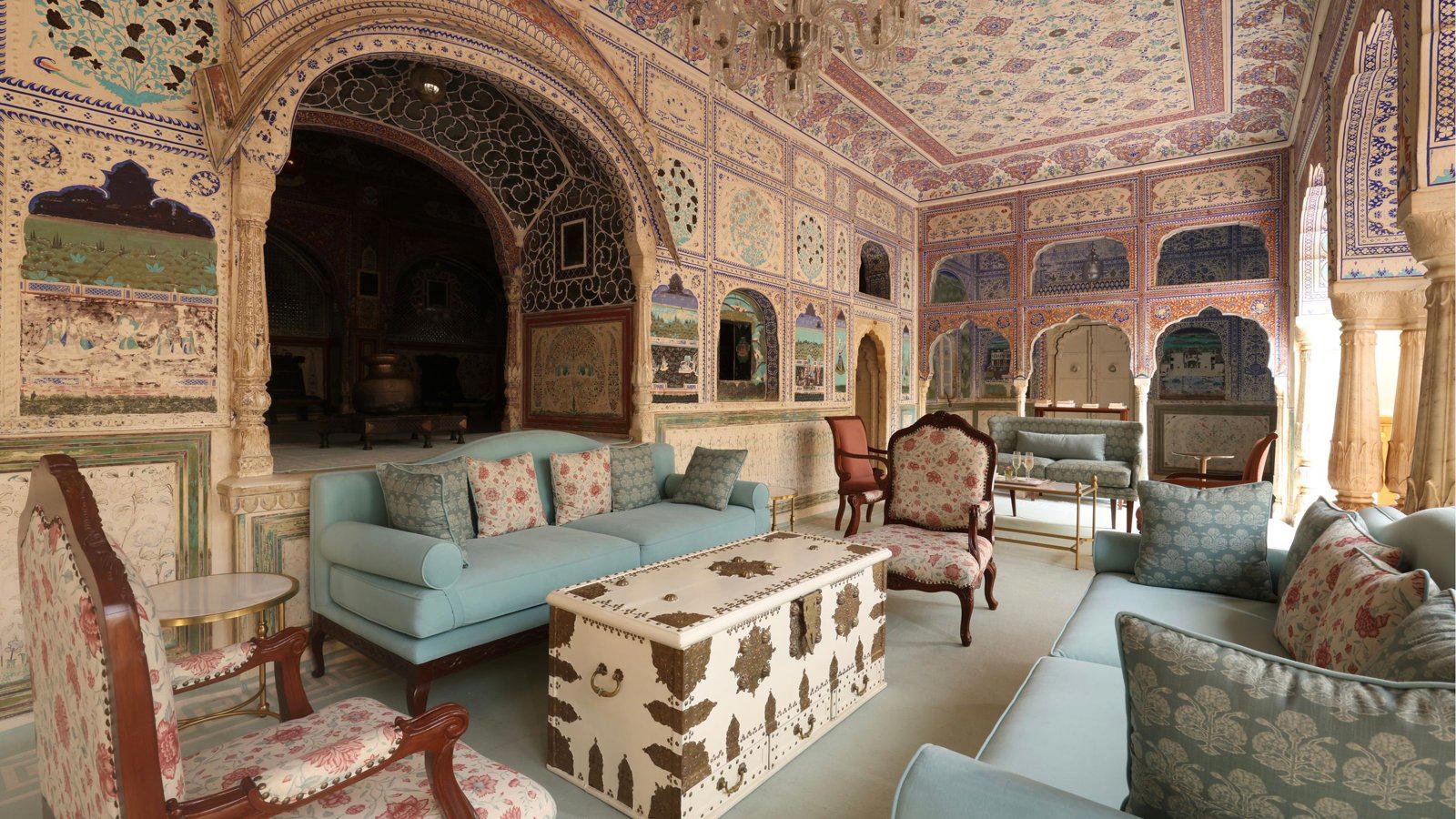
Amarsar belongs to Rajasthan’s palace-dining register, where setting and regional sourcing carry as much weight as the menu format. In Bishangarh, outside Manoharpur, the former royal living quarters give the meal a heritage frame rather than a city-restaurant rhythm, making it a useful reference point for travellers reading Rajasthan through grain, spice, dairy, and architecture.
Pearl is the En Primeur Club membership app — saves, bookings, and concierge access live there. Same editors, same standards.
- Address
- Manoharpur - Bishangarh Link Rd, off Nh-8, At, Bishangarh, Rajasthan 303104, India
- Phone
- +91 1422 276 500
- Website
- hyatt.com
- Directions
- Get directions
 Saves & bookings on Pearl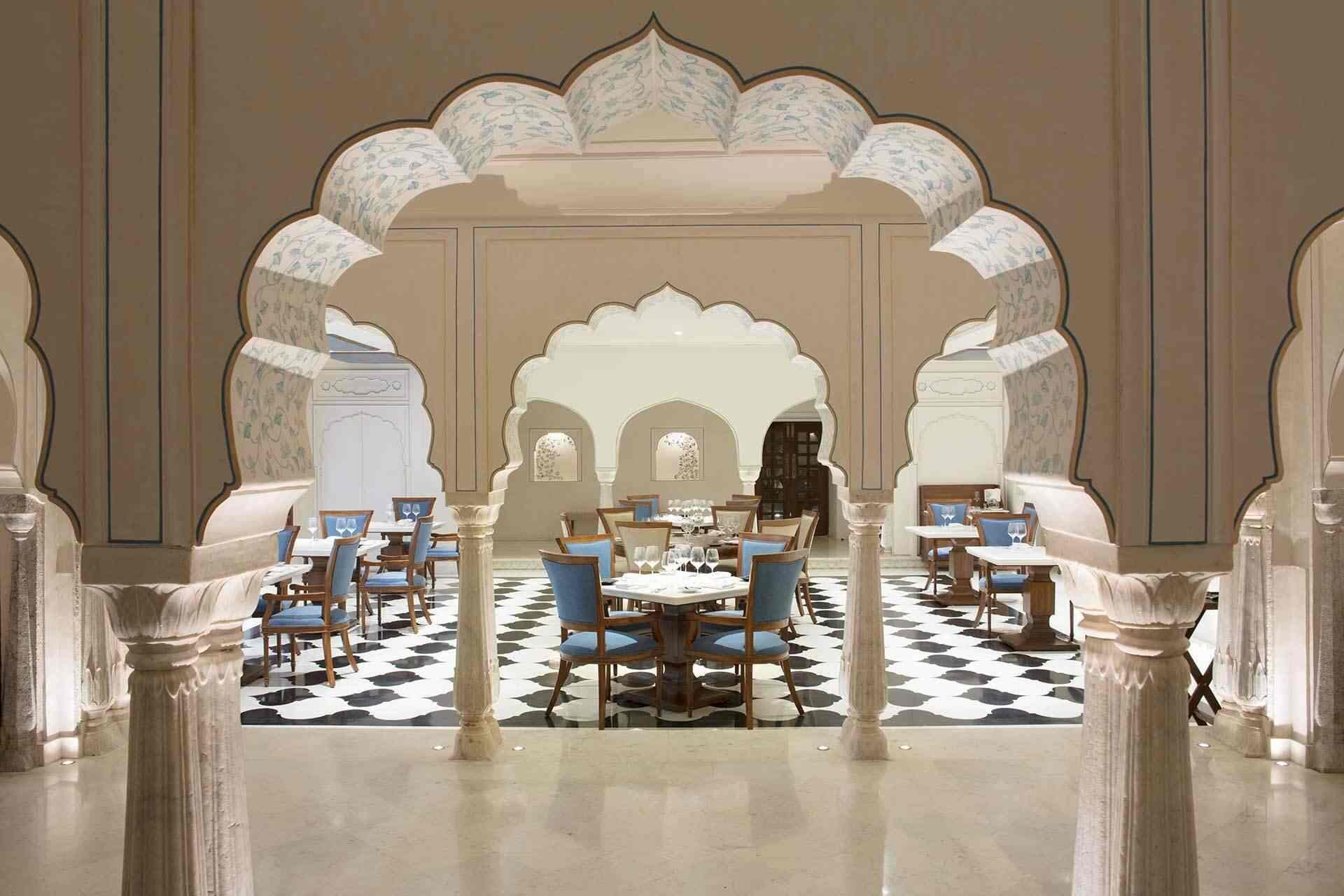
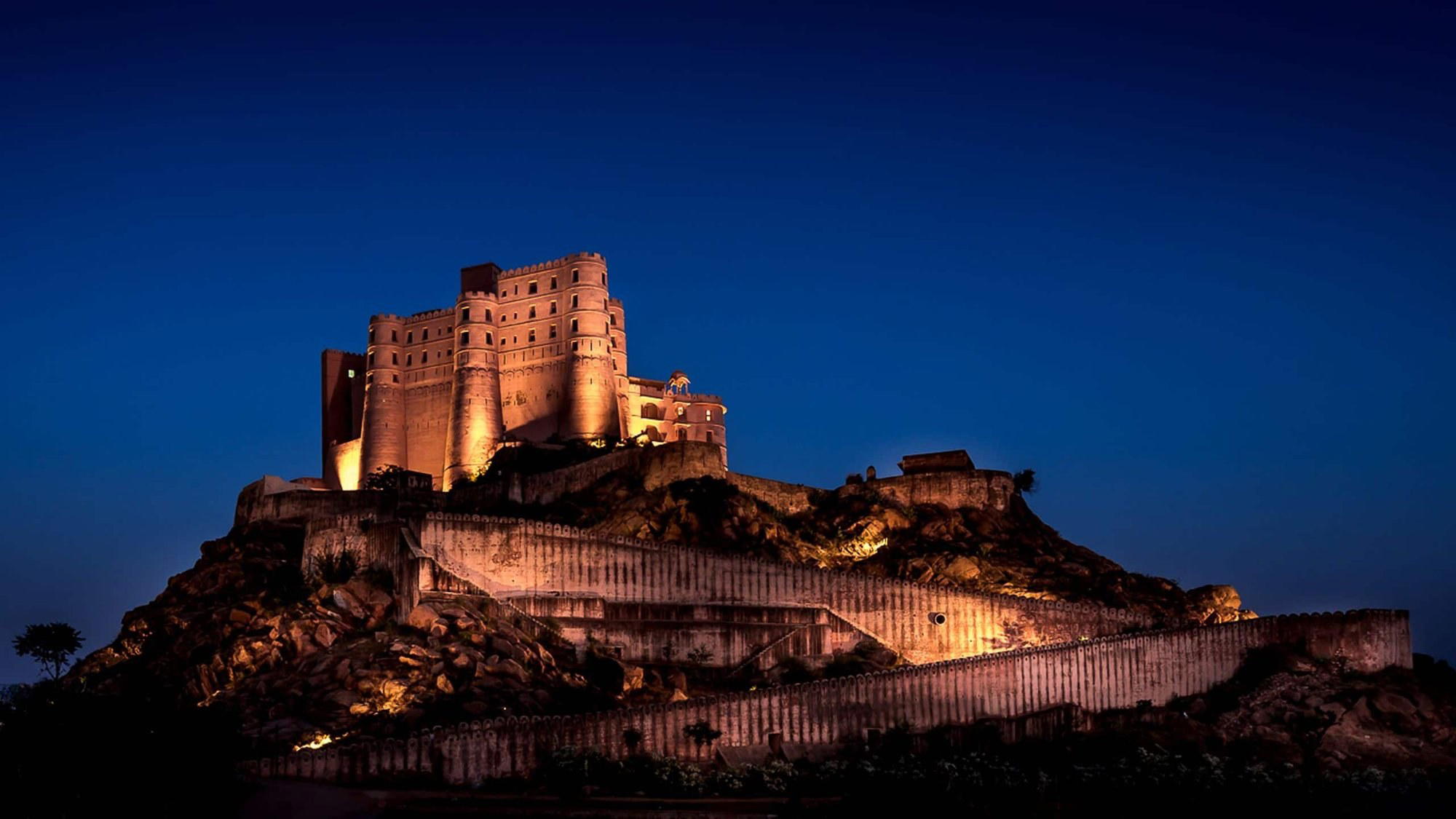
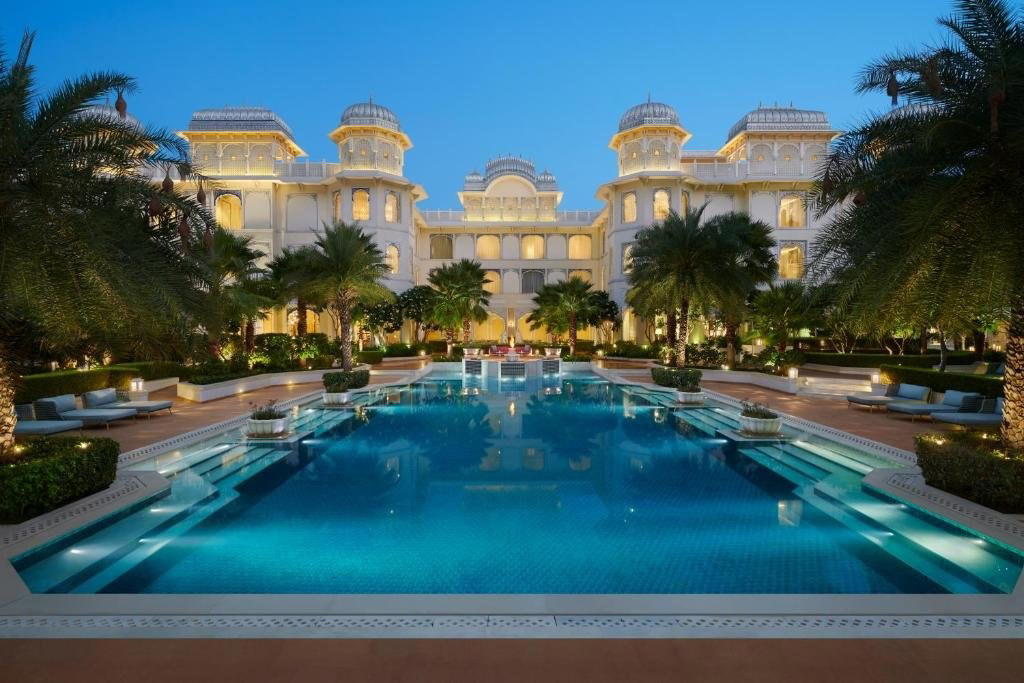
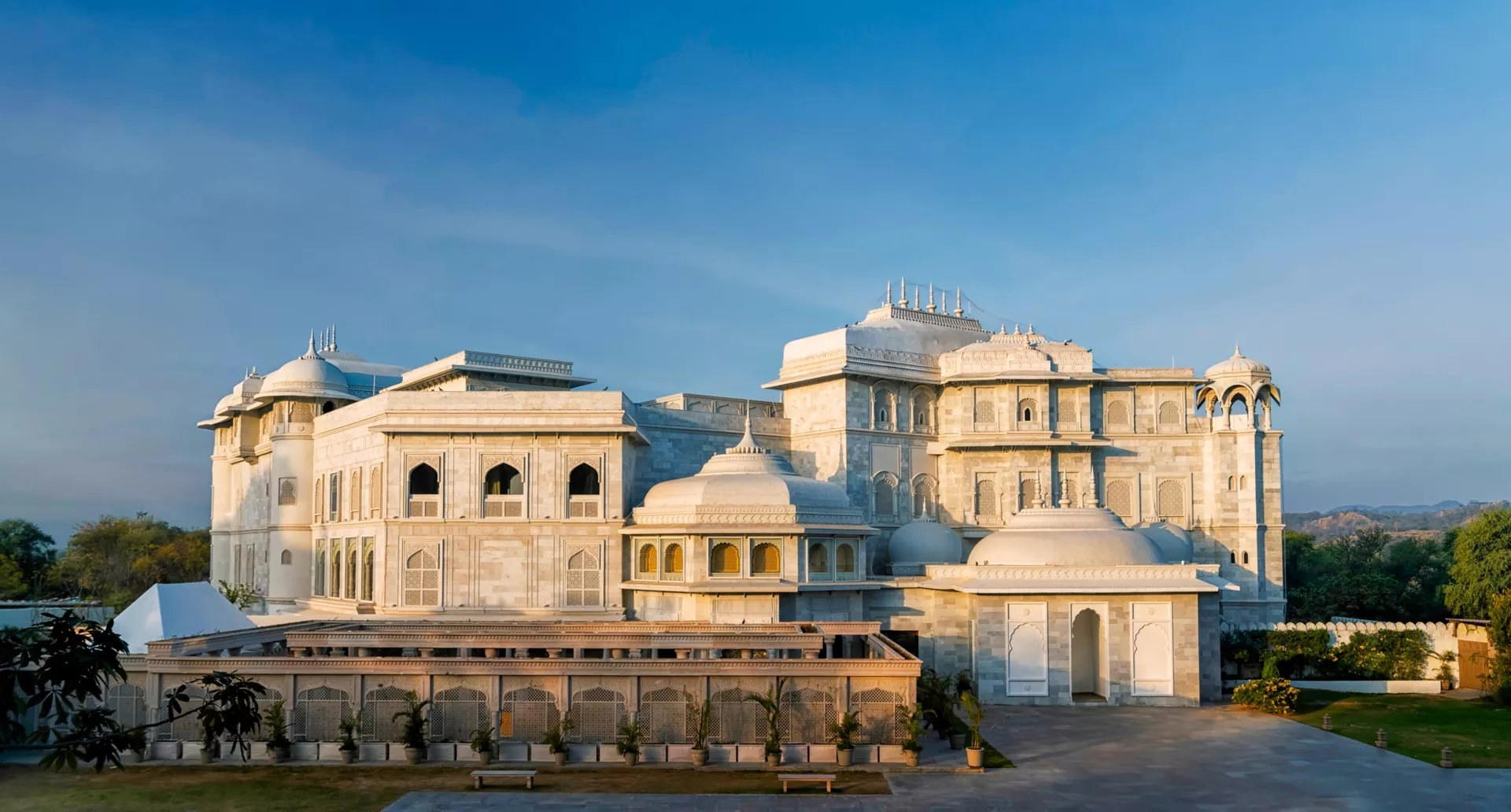
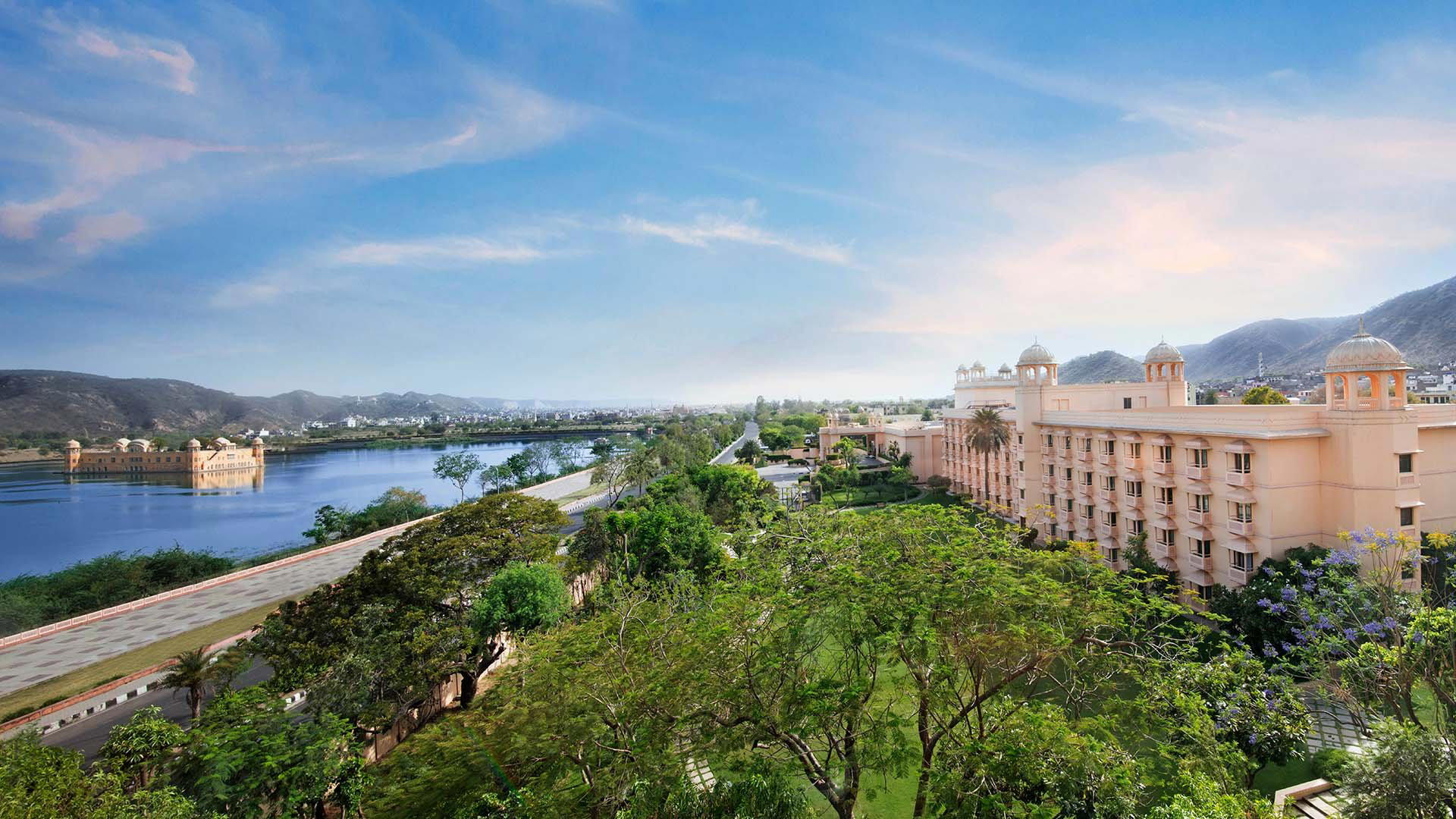
Approaching Bishangarh, the dining context changes before the first plate arrives. The road leaves the highway rhythm for a harder Rajasthani register of stone, dry air, and fort-country scale. Amarsar occupies former royal living quarters off the Manoharpur–Bishangarh Link Road, a detail that matters because Rajasthan’s strongest dining rooms often work through place as much as recipe: courtyards, thick walls, measured service, and food shaped by heat, scarcity, preservation, and hospitality.
That heritage frame puts the restaurant closer to palace and fort dining than to a metropolitan tasting-menu room. In Manoharpur, where the dining map is compact, comparisons with Haveli and Nazaara are useful less for ranking than for orientation: this is a destination meal tied to a specific property setting, not a neighbourhood table built around turnover. Travellers planning the area should read it alongside Our full Manoharpur restaurants guide, while the broader trip often depends just as much on where to sleep, drink, and spend the day, covered in Our full Manoharpur hotels guide, Our full Manoharpur bars guide, Our full Manoharpur wineries guide, and Our full Manoharpur experiences guide.
Rajasthan's larder is the real subject here
The ingredient story in this part of India begins with constraint. Rajasthan’s cooking traditions were formed by arid weather, long travel routes, royal kitchens, pastoral communities, and the practical value of food that could survive without abundant water. Dried legumes, gram flour, millet, clarified butter, preserved vegetables, yogurt, and assertive spice mixes are not rustic decoration; they are the logic of the cuisine. A serious regional table in this setting is judged by how clearly it understands that logic rather than by how many luxury cues it can add.
That is why the former royal quarters matter editorially. Palace dining in Rajasthan can drift into costume if the kitchen treats heritage as ornament. The stronger version uses the setting to explain why certain ingredients recur and why texture, fat, and spice are calibrated differently from coastal or urban North Indian cooking. Manoharpur’s location also changes expectations: this is not Delhi’s broad, multi-regional restaurant grammar, where a single room may move from kebabs to coastal curry to pan-Asian comfort. It sits inside Rajasthan’s narrower but deeper field, where local grains, dairy, and preserved flavours should carry the argument.
For wider Indian context, the contrast is useful. 1135 AD in Jaipur belongs to a more visible royal-dining circuit, while 360° in New Delhi reflects the capital’s hotel-restaurant breadth. Regional identity reads differently again at 6 Ballygunge Place in Kolkata, Aaharam in Thanjavur, and Adaa at Falaknuma Palace in Hyderabad. Those comparisons underline the point: India’s serious heritage restaurants are not interchangeable. Each one is strongest when it lets region, climate, and courtly memory set the boundaries.
A fort-country meal, not a city-room performance
Amarsar’s useful distinction is its scale of experience. The address places it at Bishangarh rather than inside Manoharpur’s daily dining circuit, which makes the meal part of a destination rhythm. That usually suits travellers who want dinner to extend the day’s sense of place: architecture, terrain, and regional food moving together. It is a weaker fit for anyone looking for a quick city stop, late-night flexibility, or a restaurant whose public identity is built around awards, named chef culture, or a widely published signature dish.
The absence of a public awards trail should not be misread as irrelevance. In Rajasthan, some of the more instructive meals are attached to forts, palaces, and restored residences, where the trust signal is format and setting rather than international guide recognition. The critical question is whether the kitchen treats local sourcing as structure. Millet should not appear as a token rural reference; dairy, pulses, and spice should show why this region developed a cuisine of density and endurance. When that happens, the room teaches more about Rajasthan than a generic luxury menu could.
Travellers building an India dining itinerary can use Amarsar as a counterweight to larger-city formats. 5868 Restaurant in Gandhinagar, Aaleeshan in Bengaluru, and Aanch in Dehradun sit in different urban or regional conversations, while ಸà³à²µà³à²¨à³à²¤à³ ಹà³à²µà³à²¨à³ à²à³à²à³ ಠà²à²à²¡à²¿ in Chitradurga shows how local listings can be far more casual and specific. Even international links such as Jōdo Saké Bar in Los Angeles and Onigiri Time in Pasadena make the contrast plain: ingredient identity changes completely when the organizing culture shifts from Rajasthani aridity to Japanese drinking or rice-snack traditions.
How to read the experience before committing a night
The sensible editorial position is to treat this as a setting-led regional meal. The case for going is strongest when Bishangarh is already part of the itinerary, or when the traveller values architecture and provenance alongside dinner. The case is weaker for diners seeking a transparent chef résumé, published price ladder, formal guide awards, or a tightly documented tasting format. That distinction matters in Rajasthan, where atmosphere can be powerful but does not automatically guarantee culinary seriousness.
For Manoharpur, Amarsar gives the local restaurant map a heritage anchor. Its address in former royal living quarters is the concrete trust signal; the broader culinary value depends on how well the meal expresses the region’s pantry rather than how loudly the room announces luxury. Read it as part of the fort-country grammar of Rajasthan: measured, place-bound, and at its strongest when the food remembers why this landscape cooks the way it does.
Comparison Snapshot
Comparable venues by cuisine and price in the same metro.
| Venue | Cuisine |
|---|---|
| Amarsar | This venue |
Continue exploring
More in Manoharpur
Restaurants in Manoharpur
Browse all →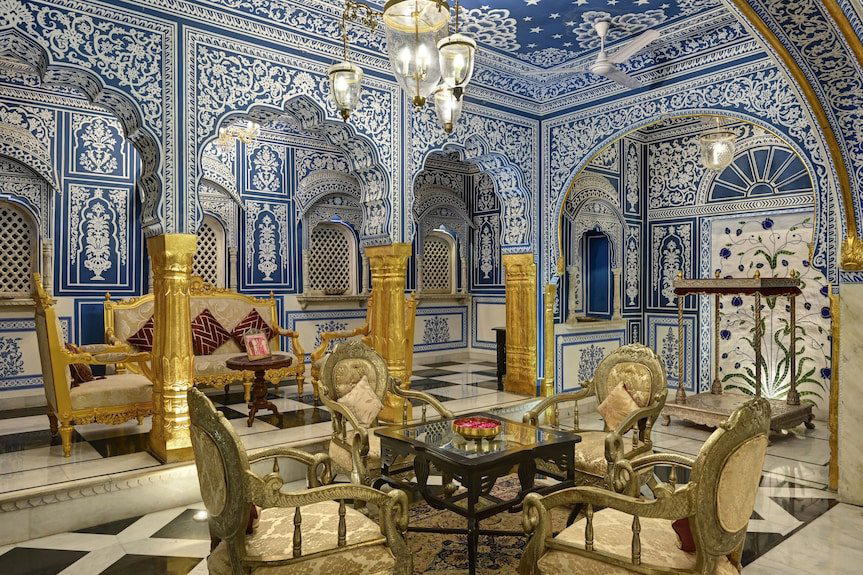
Bars in Manoharpur
Browse all →

At a Glance
- Elegant
- Romantic
- Scenic
- Classic
- Sophisticated
- Date Night
- Family
- Group Dining
- Special Occasion
- Celebration
- Hotel Restaurant
- Historic Building
- Design Destination
- Panoramic View
- Beer Program
- Local Sourcing
- Farm To Table
- Mountain
- Garden
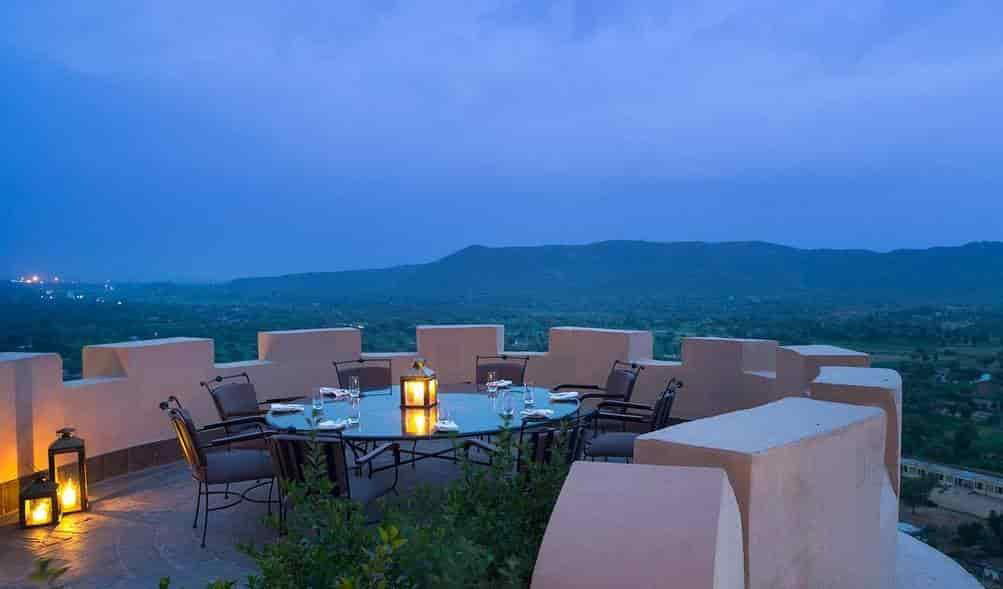
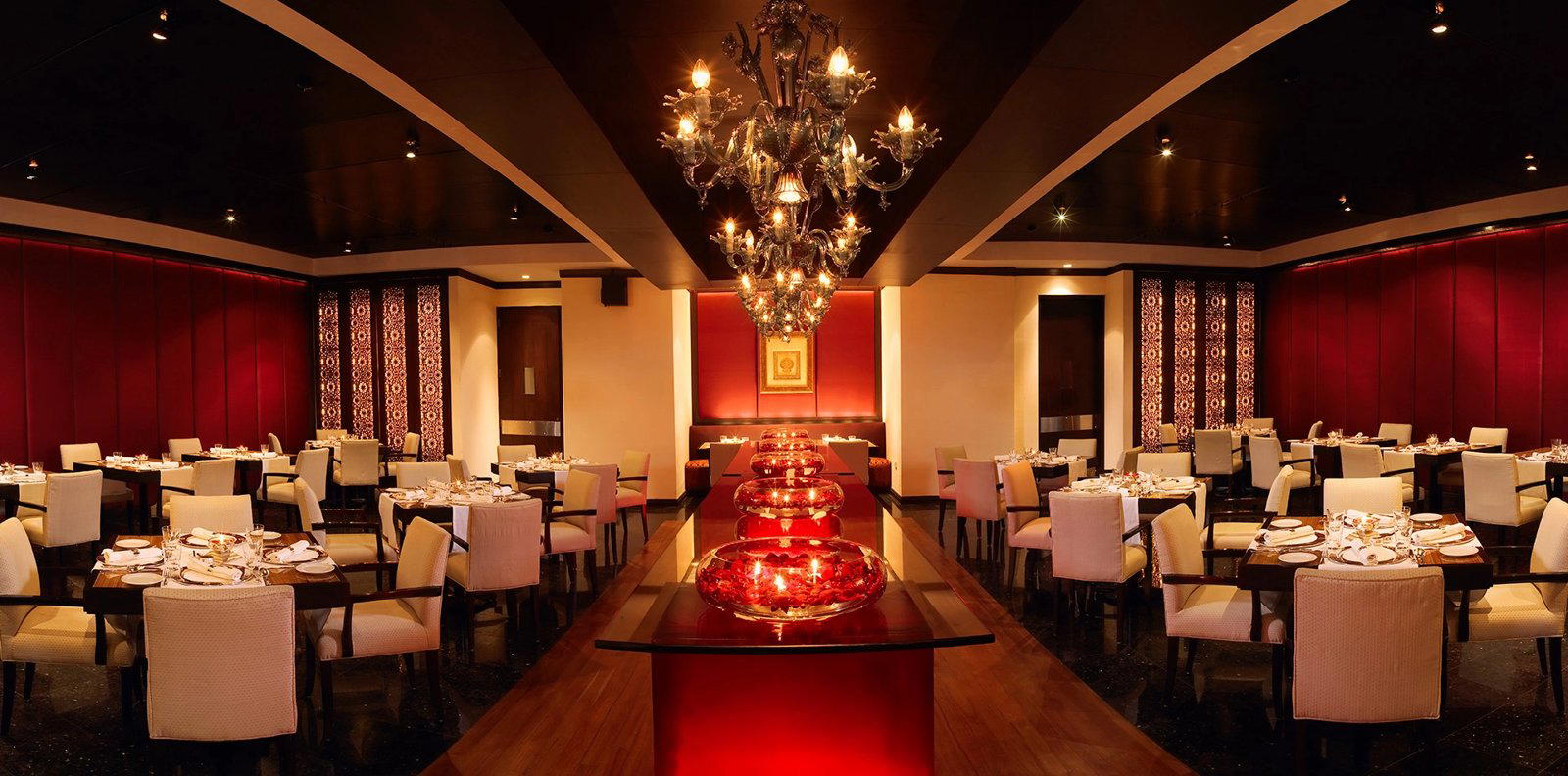
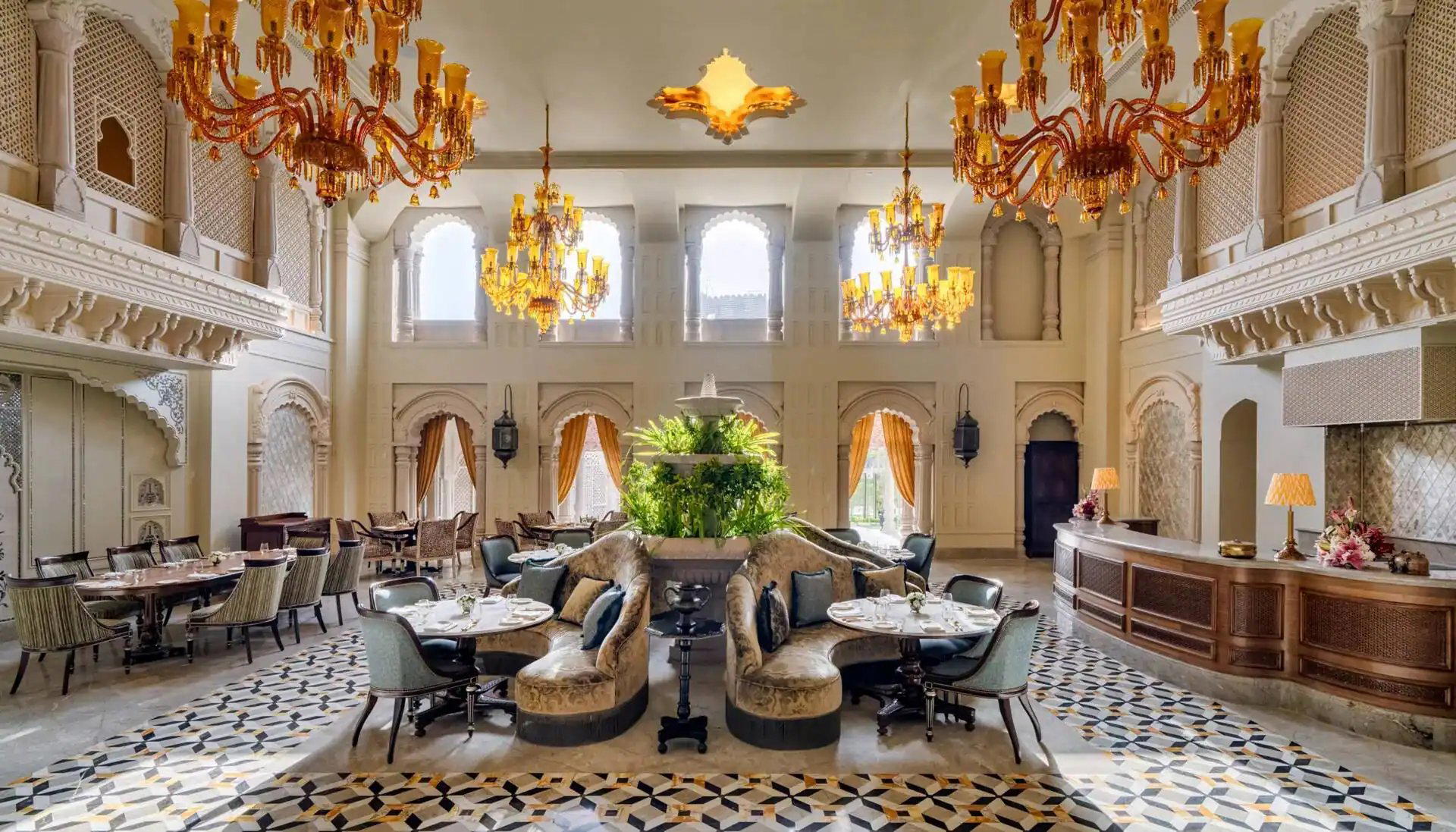
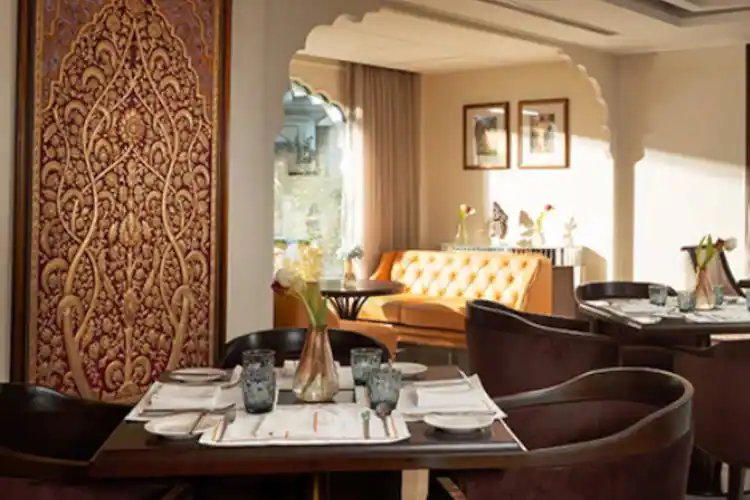
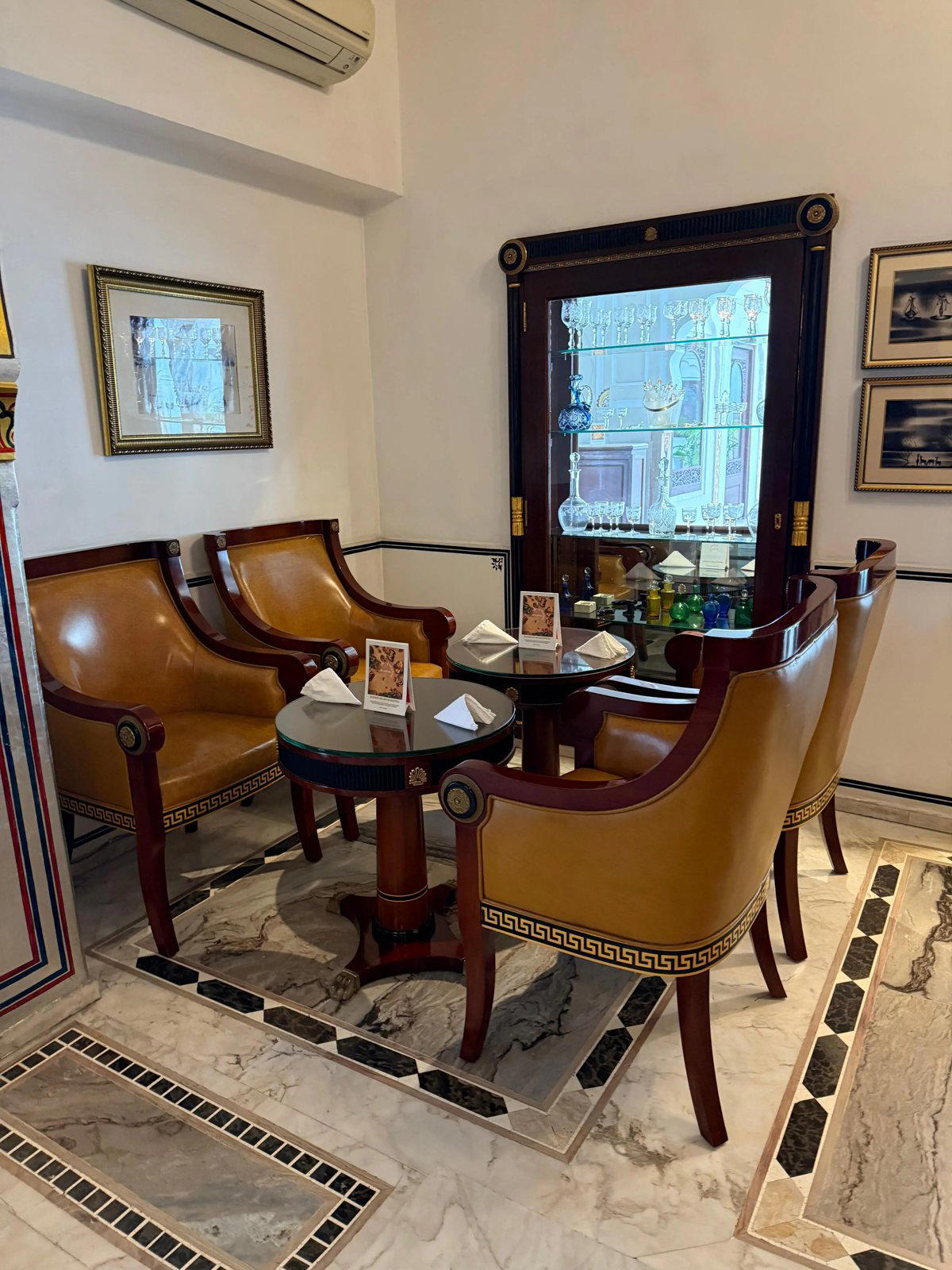
Upscale yet relaxed hotel-restaurant atmosphere with elegant décor in restored royal living quarters, soft lighting, and a refined but family‑friendly feel that fits the luxury fort setting.