ALTO
ALTO brings live-fire South American cooking into Los Angeles’ broader tasting-menu conversation, where smoke, heat, and regional technique matter as much as luxury signals. With no public awards or chef-led mythology to lean on, the draw is category clarity: a fire-driven South American restaurant in a city increasingly fluent in global fine-dining formats.
Pearl is the En Primeur Club membership app — saves, bookings, and concierge access live there. Same editors, same standards.
- Address
- Los Angeles, United States
- Website
- alto.la
- Directions
- Get directions
 Saves & bookings on Pearl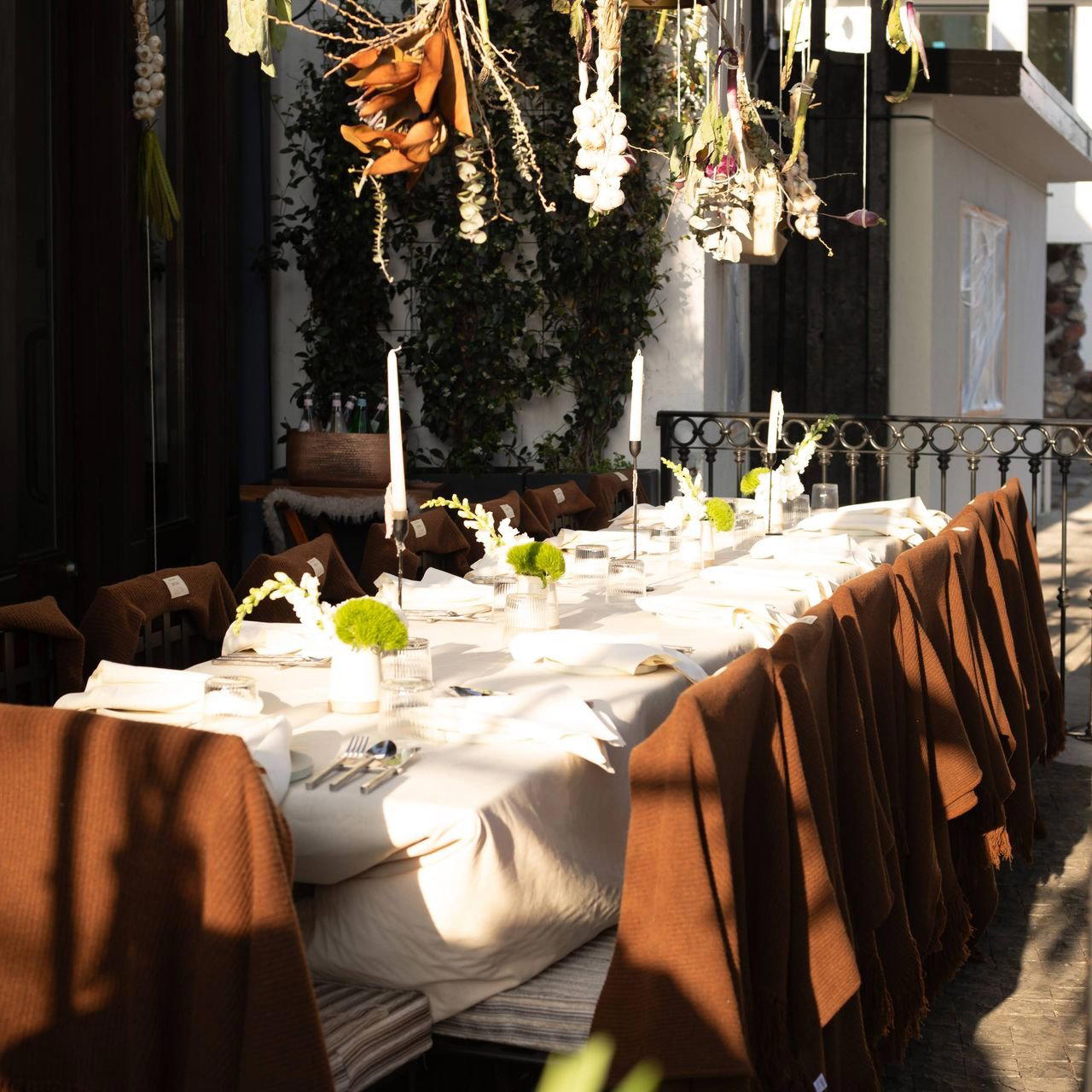
Smoke changes the register of a dining room before a menu does. In Los Angeles, where open kitchens and counter formats have trained diners to watch technique as part of the evening, live fire carries a particular authority: visible heat, direct timing, and little room for disguise. ALTO belongs to that strand of the city’s dining culture, using live-fire South American cooking as its anchor rather than treating flame as a decorative flourish.
The American tasting-menu movement has spent the past decade borrowing structure from Europe and Japan while widening its pantry: fermentation, masa work, preservation, seafood discipline. South American cooking fits that evolution because it can be both elemental and technical. Grilling traditions from Argentina and Uruguay give chefs a language of embers, fat, acidity, herbs, and char. The appeal is not just spectacle. Fire changes texture and sequencing, pushing a meal toward rhythm: smoke, brightness, meat or seafood, grain, vegetable, sauce, rest.
Live fire gives South American technique a clear Los Angeles frame
Los Angeles is suited to this kind of restaurant because the city’s dining public already understands regional specificity. A meal can move across minimal, modern, coastal, and ingredient-led formats without requiring a single fixed definition of fine dining. That context helps explain why a live-fire South American restaurant can read as part of the city’s serious dining conversation rather than a theme built around a grill.
ALTO’s category matters more than any unsupported claim about rarity. Live-fire South American cooking occupies a different lane from other Los Angeles dining rooms built around seafood, skyline settings, New American structure, or Japanese precision. The distinction is not simply cuisine. It is the way heat becomes the organizing principle of the meal, with smoke and sear doing work that sauce, plating, or luxury ingredients often perform elsewhere.
That makes the format a useful lens on Los Angeles in 2026. The city’s stronger restaurant culture is no longer limited to white-tablecloth tasting rooms or casual neighborhood counters. It now includes places that borrow fine-dining pacing while keeping a more direct relationship to flame, spice, and regional technique. The result can feel less formal than a classic dégustation and more intentional than a grill restaurant built around volume.
The appeal sits in format, not chef mythology
ALTO does have public recognition to consider: it was highlighted by MICHELIN as a live-fire restaurant focused on Argentinian and Uruguayan flavors from chef-owners Juana Castellanos Lagemann and Esteban Bohorquez. Even so, the critical read should stay with the format. A large part of contemporary American dining has become overdependent on personality-driven narratives, where the backstory arrives before the cooking. A South American live-fire room asks for a different measure: how clearly the kitchen treats heat as technique, how tightly the meal is paced, and whether the cuisine’s regional references remain legible without turning into a survey course.
For diners comparing categories across Los Angeles, ALTO is better understood alongside the city’s expanding range of focused restaurants than through a generic fine-dining ladder. The same trip might include casual counters, pizzeria cooking, sake-led drinking, or other tightly edited Los Angeles formats. Those are not direct peers; they show the city’s range. In that spread, a live-fire South American restaurant carries a more specific editorial question: whether Los Angeles’ appetite for global formats can support fire cooking as a serious, structured experience.
The answer depends on expectations. Diners looking only for trophy credentials, published tasting-menu prices, or rankings will have fewer public signals to weigh. Diners interested in the current movement toward technique-led, globally informed American dining will find the premise easier to read, especially with MICHELIN attention already placing ALTO in the California conversation. In a city where the meal can be casual, luxurious, regional, experimental, or all four across a single weekend, ALTO’s useful role is to place South American fire cooking inside that broader map.
How to place it within a Los Angeles dining trip
Because some practical details are not publicly listed here, planning should be conservative: confirm current service format, menu structure, accessibility needs, and allergy handling before committing an evening. That matters in Los Angeles, where traffic and city spread can turn a restaurant choice into an itinerary decision. The smarter approach is to cluster meals by area and energy level rather than stacking ambitious dinners back to back.
For wider planning, use our full Los Angeles restaurants guide for dining context, then pair it with our full Los Angeles bars guide, our full Los Angeles hotels guide, our full Los Angeles experiences guide, and our full Los Angeles wineries guide. Broader travel research can also look beyond the city in general terms, since focused formats read differently from one market to another. ALTO’s place in that wider map is as a Los Angeles expression of live-fire South American cooking rather than as a generic grill room.
Comparable Venues Nearby
Comparable venues nearby, for context on price, style, and recognition.
| Venue | Cuisine | Price | Notes |
|---|---|---|---|
| ALTOThis venue — the venue you are viewing | Modern Argentine & Uruguayan Live-Fire Steakhouse | $$$$ | Not listed |
| Peppone Restaurant | Classic Northern Italian | $$$$ | Brentwood |
| Noma L.A. | New Nordic Fine Dining | $$$$ | Silver Lake |
| Corridor 109 | Modern Japanese Seafood Tasting | $$$$ | Larchmont |
| Catch LA | Modern Seafood and Sushi | $$$$ | Norma Triangle |
| LA Cha Cha Cha | Modern Mexican Rooftop | $$$ | Arts District |
Continue exploring
More in Los Angeles
Restaurants in Los Angeles
Browse all →
Bars in Los Angeles
Browse all →
Hotels in Los Angeles
Browse all →
Wineries in Los Angeles
Browse all →
At a Glance
- Elegant
- Trendy
- Sophisticated
- Lively
- Date Night
- Business Dinner
- Group Dining
- Celebration
- Special Occasion
- After Work
- Chefs Counter
- Rooftop
- Design Destination
- Hotel Restaurant
- Standalone
- Craft Cocktails
- Extensive Wine List
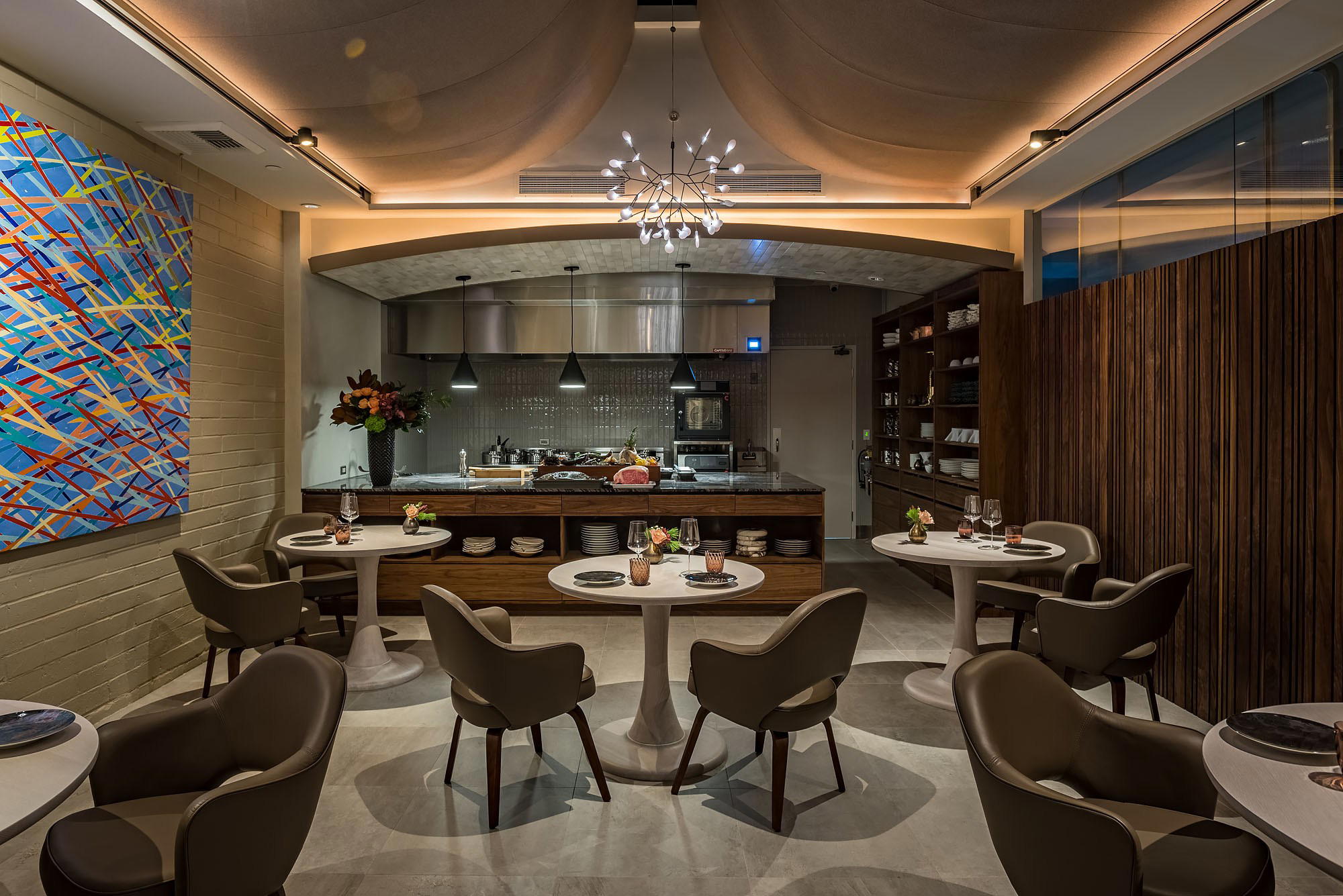
Ritzy, modern South American steakhouse feel with a dramatic open-fire grill, dim and polished lighting, and a buzzy, upscale atmosphere suited more to dates and celebrations than casual family dinners.
Know Before You Go
- Reservations
- Recommended
- Dress code
- Smart casual