Google: 4.6 · 1,270 reviews
Alpenrose Vail

Alpenrose Vail sits within Vail Village's pedestrian core, pairing American Alpine cooking with the kind of mountain-lodge warmth that defines the resort's dining character. Under chef Peter Haller, it holds a Pearl Recommended Restaurant designation for 2025 and carries a 4.6 Google rating across more than 1,100 reviews. The kitchen draws on alpine-rooted sourcing sensibilities that suit the elevation and the season.
 Discover on Pearl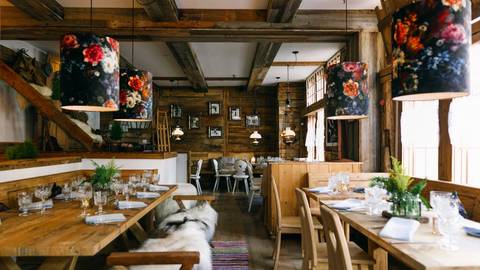
Where the Mountain Comes to the Table
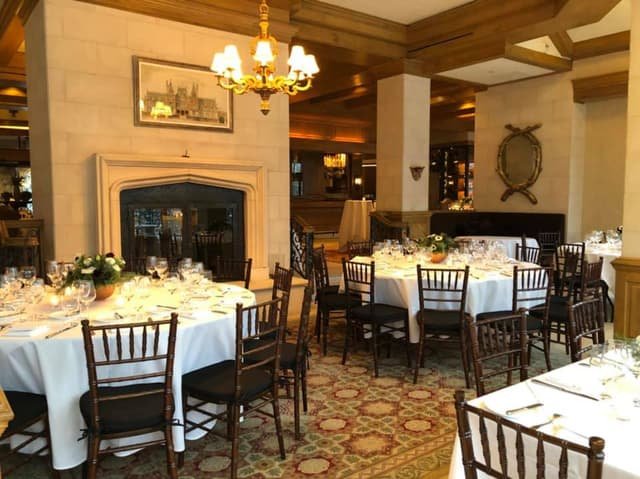
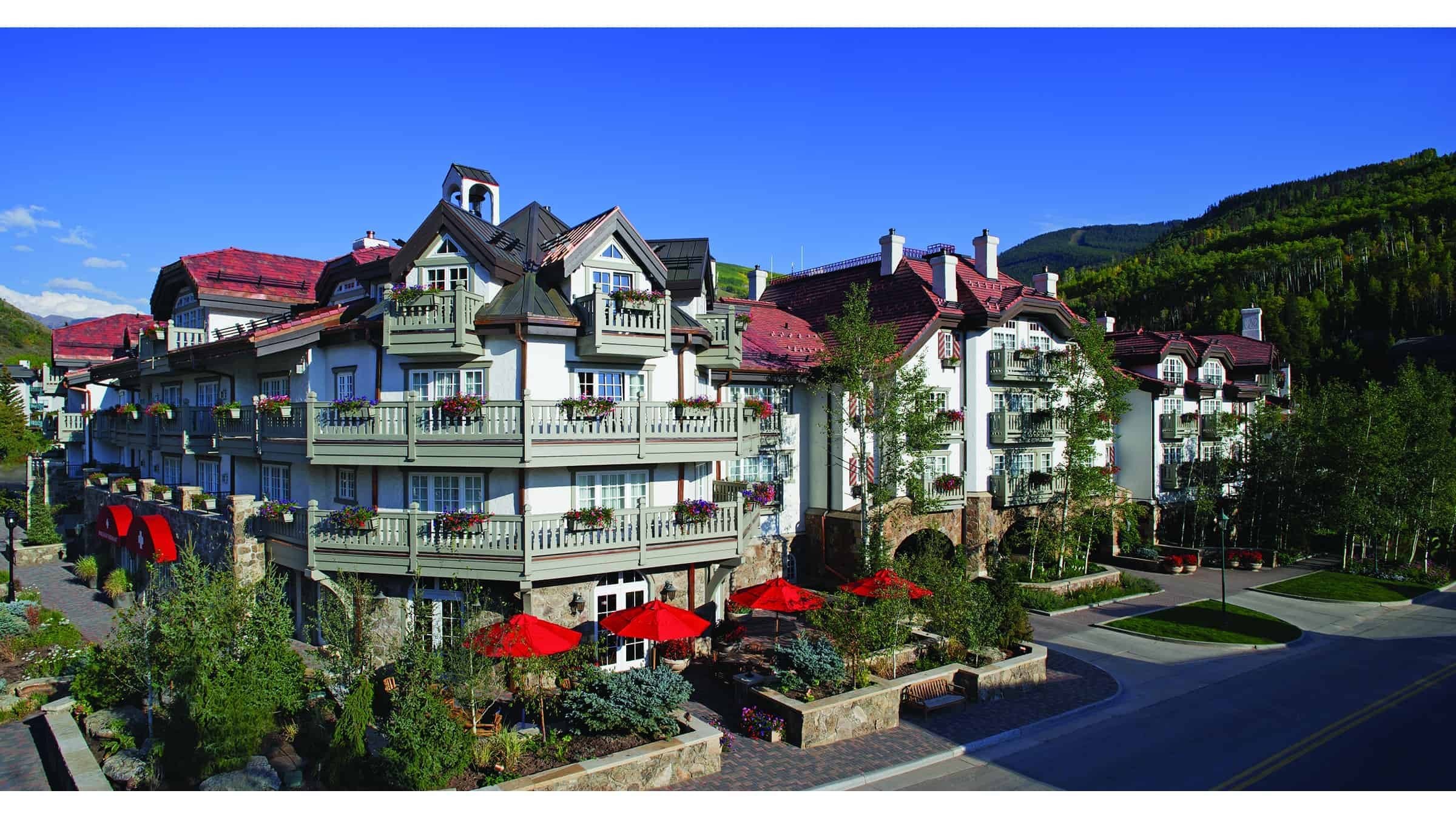
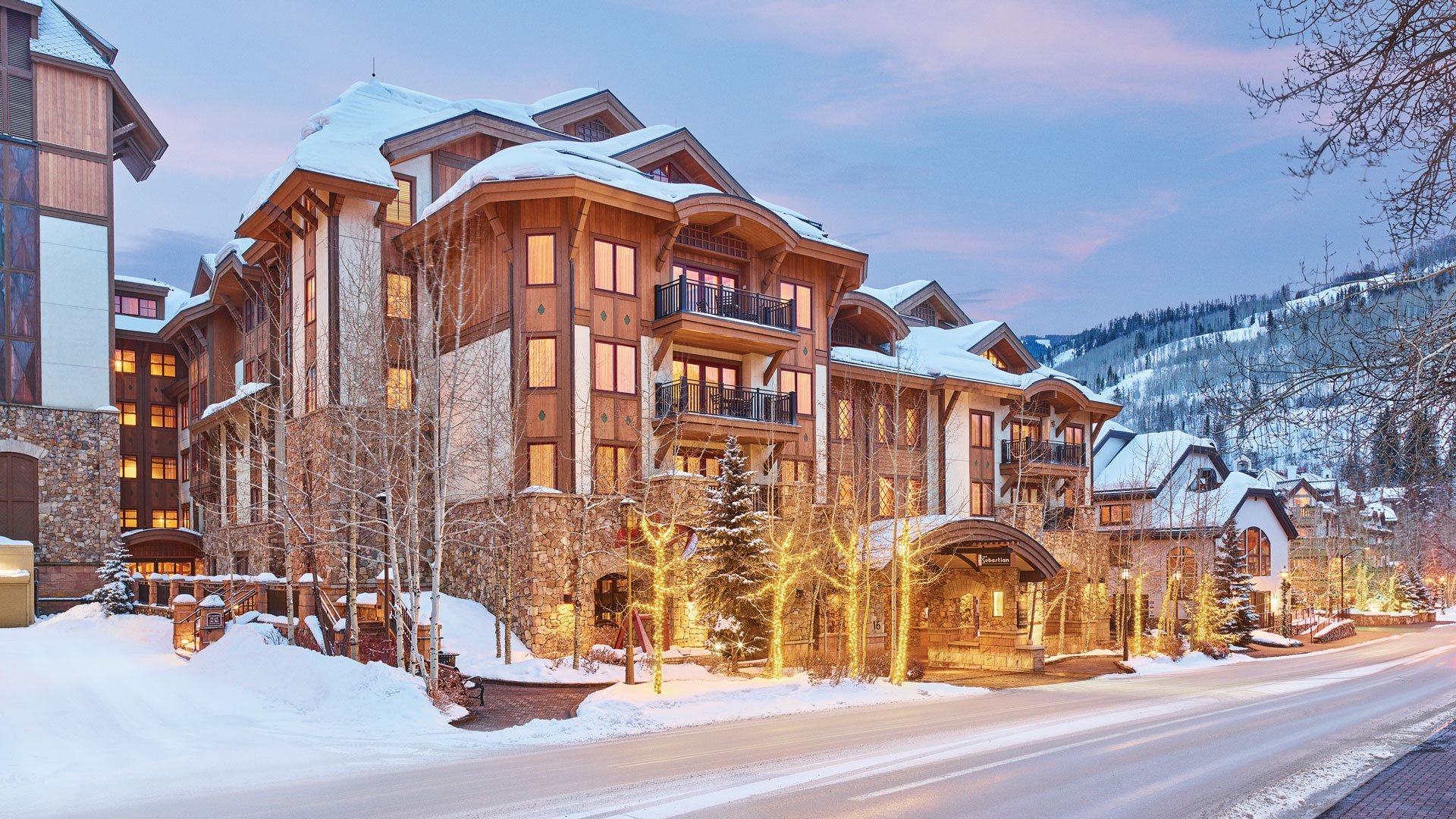
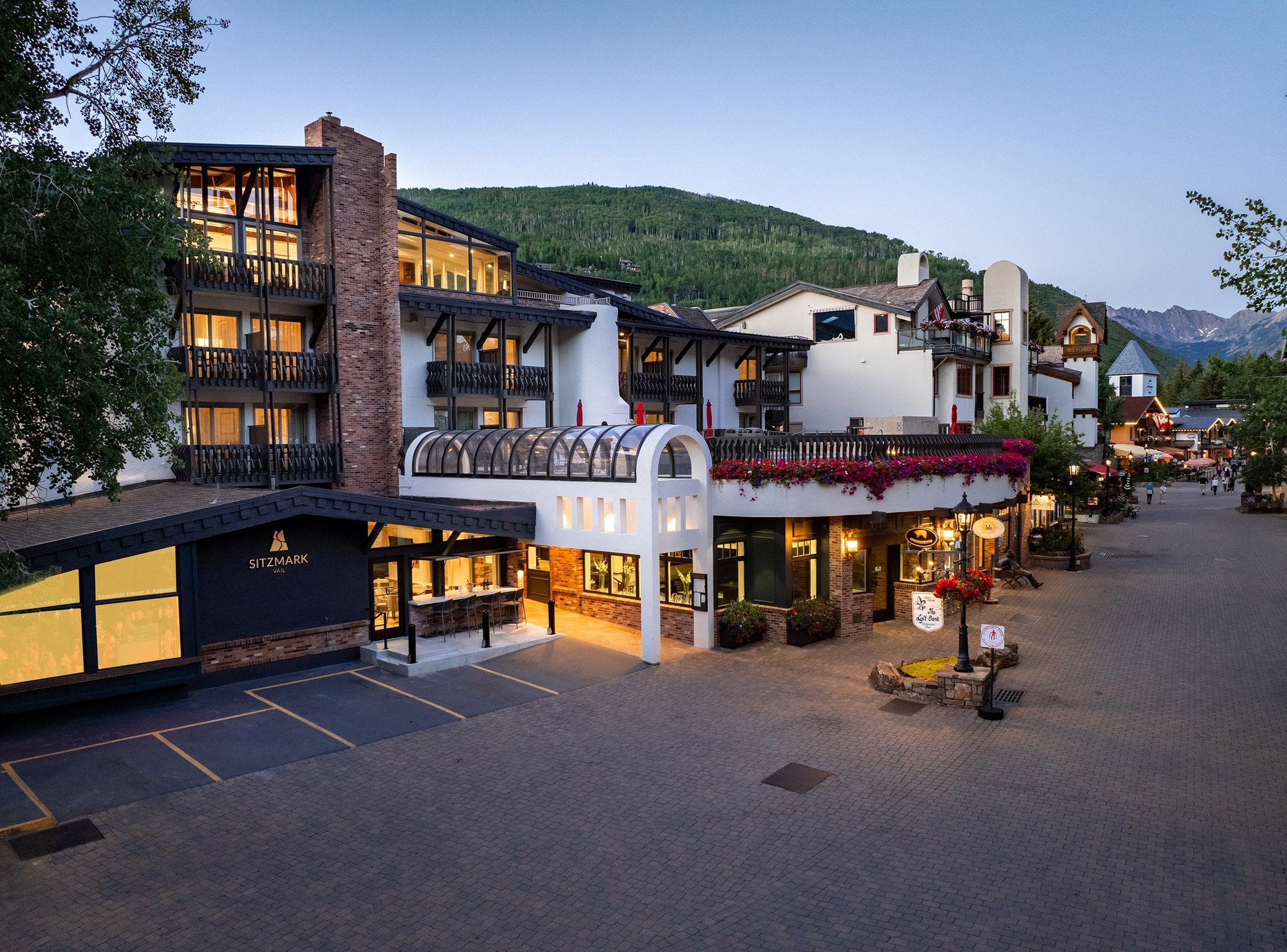
Vail Village operates on a particular logic: no cars, narrow pedestrian lanes, and an architectural vocabulary borrowed from the Tyrolean Alps. At street level along East Meadow Drive, that setting shapes how a restaurant feels before a single dish arrives. The alpine chalet aesthetic that defines so much of the Village's built environment is not incidental to Alpenrose Vail's identity — it is the frame through which its American Alpine cooking makes sense. Stone, timber, and the kind of warmth that a high-altitude winter demands are the first things a guest registers, and the kitchen's seasonal orientation follows naturally from that physical context.
Mountain resort dining in the American West has evolved significantly over the past two decades. The early model — hearty après-ski food with undiscriminating sourcing , has given way, at the better end of the market, to kitchens that take local and regional supply chains seriously. That shift mirrors what happened in urban farm-to-table dining, but at altitude it carries additional weight: Colorado's short growing season and the logistical demands of a resort environment make thoughtful sourcing a more deliberate choice than it might be in, say, Denver or Boulder. The restaurants in Vail that have sustained credibility over time tend to be those that have committed to that kind of sourcing discipline rather than defaulting to generic resort-hotel fare.
American Alpine as a Culinary Category
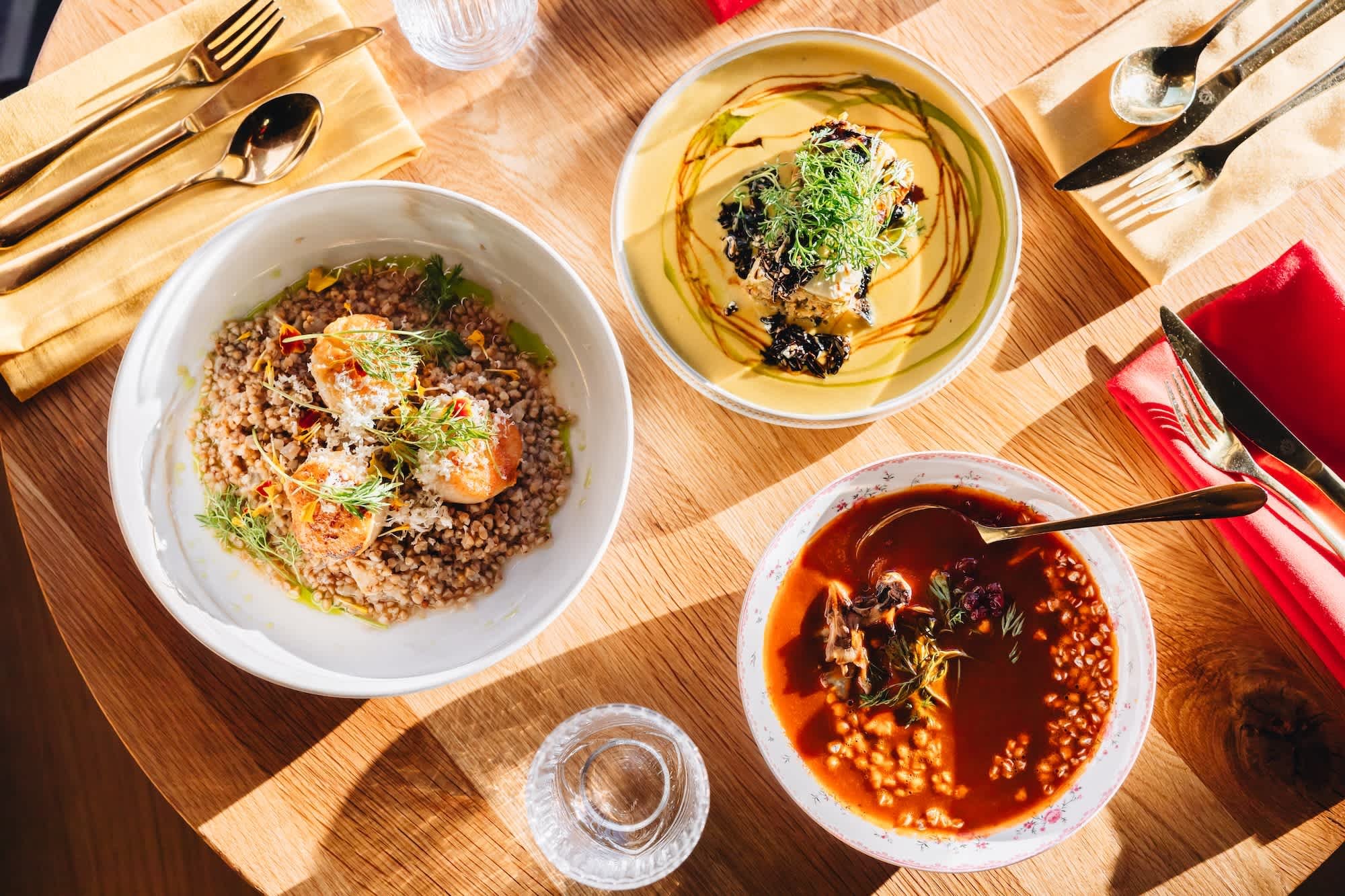
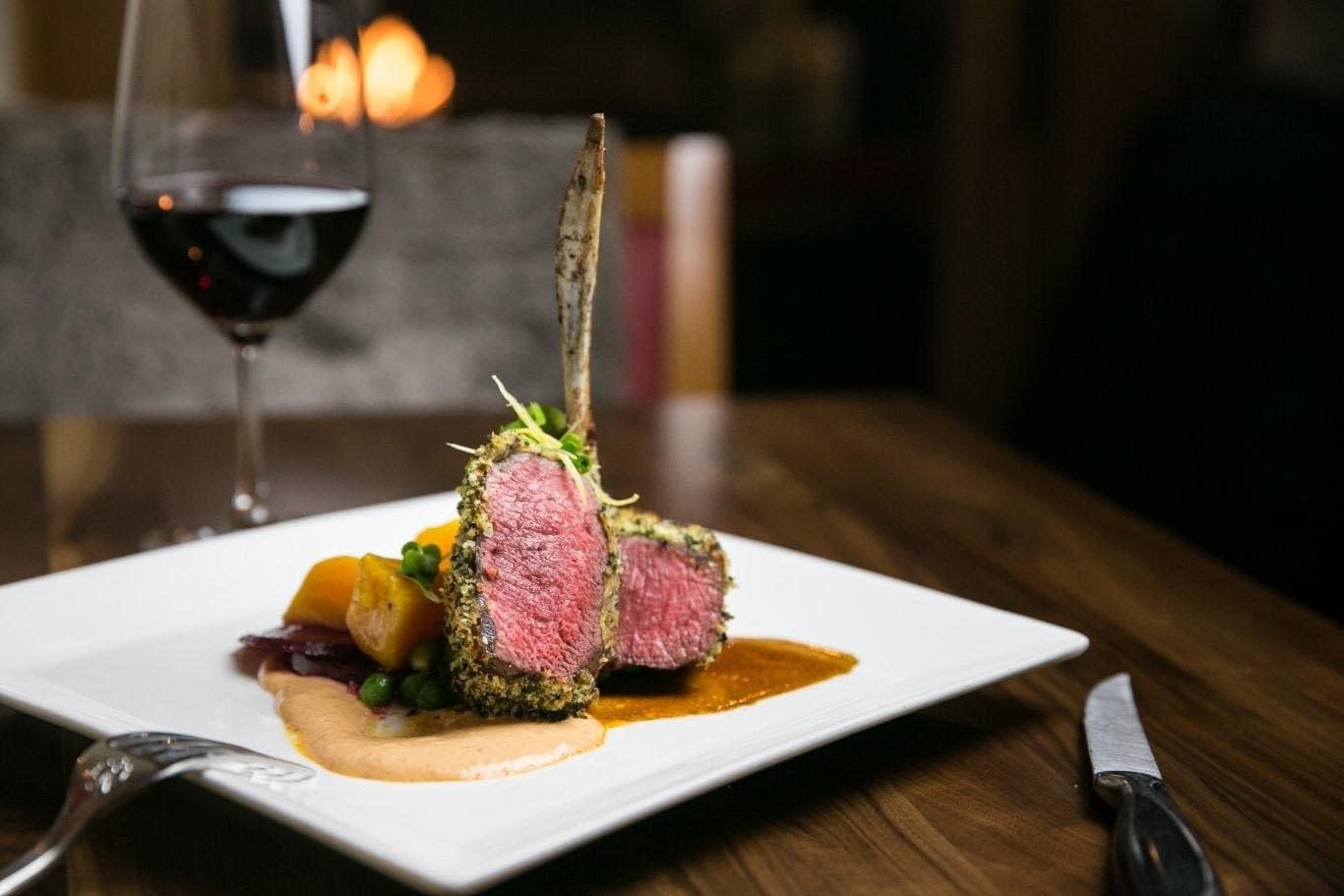
The designation "American Alpine" is more specific than it might first appear. It situates a kitchen within a culinary tradition that draws simultaneously on European mountain cooking , the Austrian and Swiss influences visible throughout Vail's architecture and culture , and on American regional produce. That dual inheritance shapes menus in ways that generic "American" or "contemporary" labels do not capture. Charcuterie sensibilities borrowed from central European tradition sit alongside Colorado-sourced proteins; root vegetable preparations that would be at home in an Austrian gasthaus get reframed with regional ingredients.
Chef Peter Haller leads the kitchen at Alpenrose, and his presence anchors the program within that tradition. The American Alpine framing only holds when there is culinary intelligence behind it, and Haller's work here has earned the restaurant a Pearl Recommended Restaurant designation for 2025 , an external validation that places it within a recognized tier of American dining. With a Google rating of 4.6 across more than 1,110 reviews, the consistency that peer recognition signals is also borne out in the volume of guest responses, which is a meaningful data point in a resort town where seasonal visitor turnover makes sustained ratings harder to maintain.
For context on where farm-to-table discipline has been taken to its furthest expression in the United States, kitchens like Blue Hill at Stone Barns in Tarrytown and Single Thread Farm in Healdsburg represent the category's most committed tier , properties where the farm is literally integrated into the dining operation. Alpenrose operates within a different set of constraints, but the farm-to-table lineage it draws on connects it to that broader American movement, which also produced kitchens like Lazy Bear in San Francisco and influenced the sourcing standards now expected across serious American dining, from Le Bernardin in New York City to Providence in Los Angeles.
Alpenrose Within Vail's Dining Tier
Vail's restaurant market divides roughly into three brackets. At the leading sit destination-format kitchens drawing on international reputations or resort-hotel infrastructure. In the middle are establishments with genuine culinary identity and consistent execution , the kind that locals return to and informed visitors seek out by name. Below that is the volume-driven après-ski and walk-in casual trade. Alpenrose occupies the second tier, which in a resort of Vail's standing is where the most interesting dining tends to happen: less performative than the top tier, more culinarily serious than the bottom.
Its peers on East Meadow Drive and throughout the Village include Sweet Basil, which operates at the upper end of the fusion category with a $$$$ price point, and Osaki's, which anchors the Japanese segment at $$$. Matsuhisa Vail occupies a different register entirely, drawing on Nobu Matsuhisa's international network. Within that peer set, Alpenrose's American Alpine positioning is genuinely distinct , it is not competing for the same guest as the Japanese kitchens, and its culinary framing is more place-specific than Sweet Basil's broader fusion approach.
The comparison extends outward to benchmark American kitchens that have shaped what serious regional cooking means in this country: The French Laundry in Napa, Alinea in Chicago, Atomix in New York City, and Emeril's in New Orleans each represent different facets of American dining ambition. Alpenrose does not position against that tier, but it draws on the same broader shift in American dining culture toward sourcing transparency and regional identity that those kitchens helped establish.
Seasonal Logic and the Alpine Calendar
Vail's culinary calendar follows the mountain's rhythm more directly than most American dining destinations. The primary winter season runs from late November through early April, with December and January representing peak demand across all restaurant categories. A second shoulder season in summer , roughly late June through Labor Day , attracts a different visitor profile, one often more interested in hiking, cycling, and the outdoor arts programming that fills the Village calendar. A kitchen oriented around American Alpine cooking and seasonal sourcing has a natural fit with both calendars: winter favors hearty, warming preparations with preserved and root-heavy components; summer opens the supply chain to Colorado's high-altitude agricultural producers.
Booking during peak ski season, particularly over holiday weeks, warrants advance planning. Vail's compressed Village geography means that the restaurants guests actually want are often the hardest to reach on short notice, and the combination of resort visitors and a loyal local base creates consistent pressure on reservations at the mid-tier and above.
Planning Your Visit
Alpenrose Vail is located at 100 East Meadow Drive, Suite 25, within walking distance of the Vail Village gondola base and the main pedestrian shopping corridor. The Village's car-free layout means arrival is on foot from parking structures or hotel drops , a ten-minute walk from the Vail parking garage on a flat surface, or a shorter transit connection from outlying areas. For those building a broader Vail itinerary, EP Club's full Vail restaurants guide maps the complete dining picture, while the Vail hotels guide, bars guide, wineries guide, and experiences guide round out the full resort picture.
At-a-Glance Comparison
A fast peer set for context, pulled from similar venues in our database.
| Venue | Cuisine | Price | Awards | Notes |
|---|---|---|---|---|
| Alpenrose Vail | American Alpine | Pearl Recommended Restaurant (2025) | This venue | |
| Osaki's | Japanese | $$$ | Japanese, $$$ | |
| Sweet Basil | Fusion | $$$$ | Fusion, $$$$ | |
| Matsuhisa Vail |
At a Glance
- Cozy
- Rustic
- Romantic
- Lively
- Date Night
- Family
- Group Dining
- Celebration
- Private Dining
- Craft Cocktails
- Street Scene
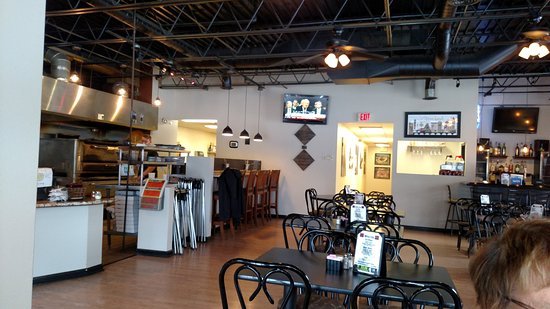
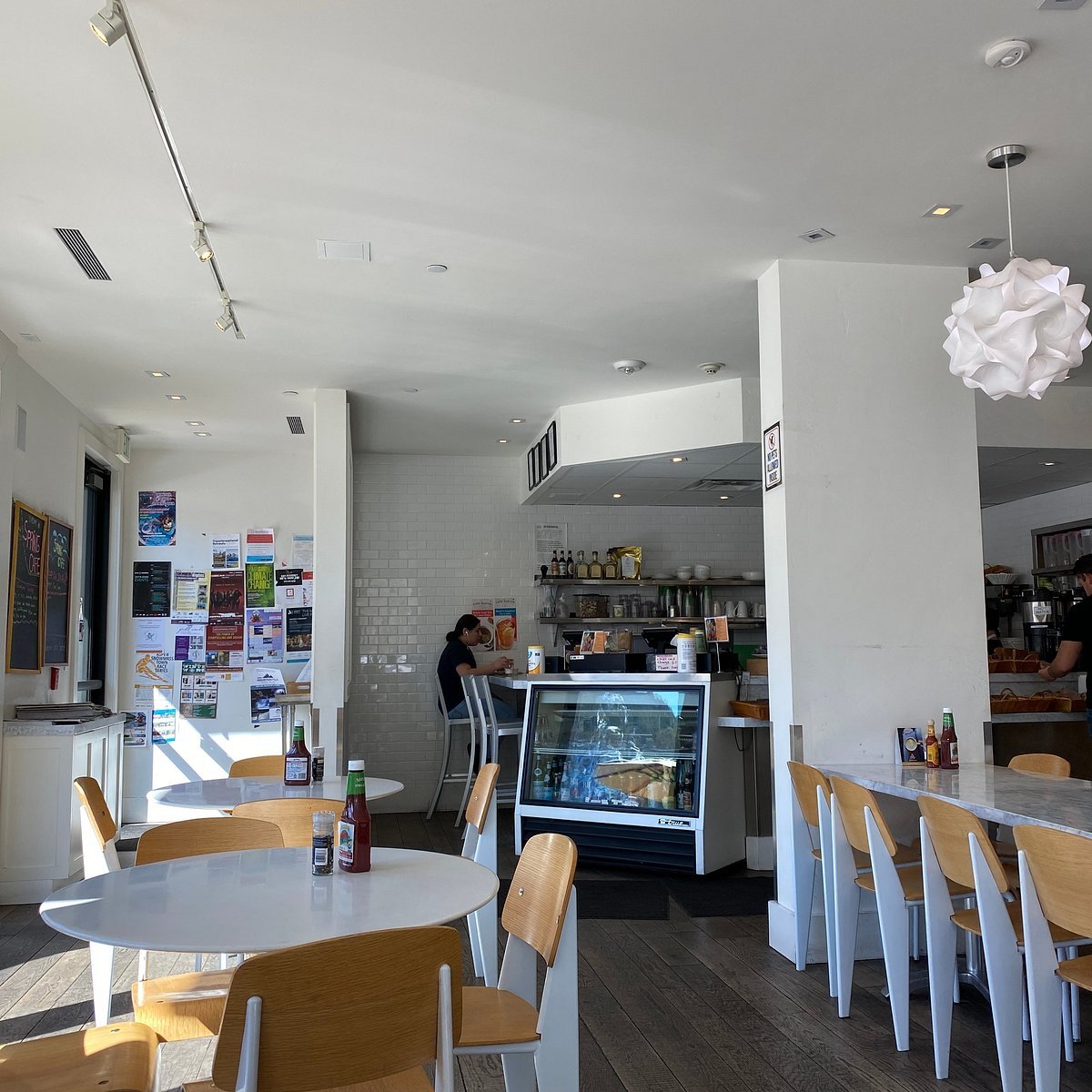
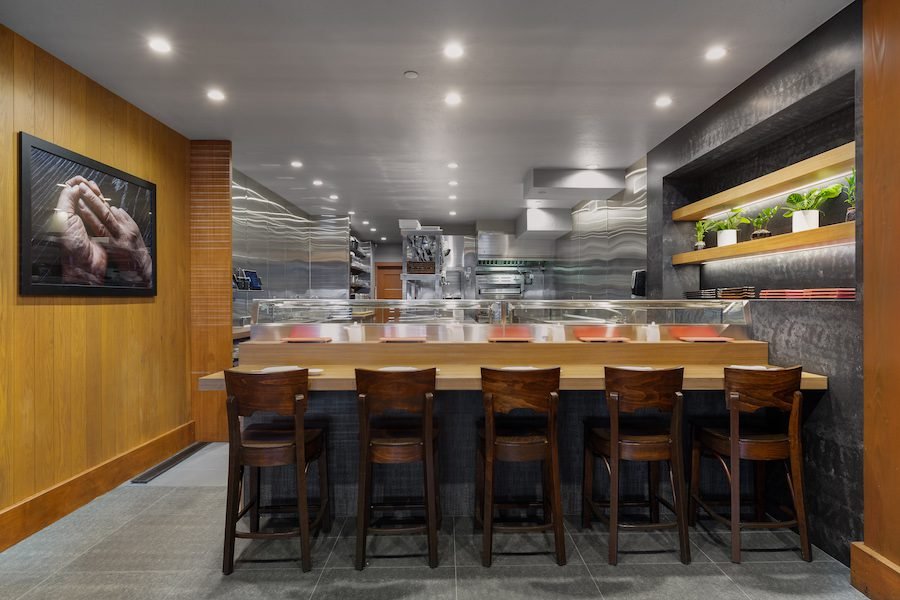
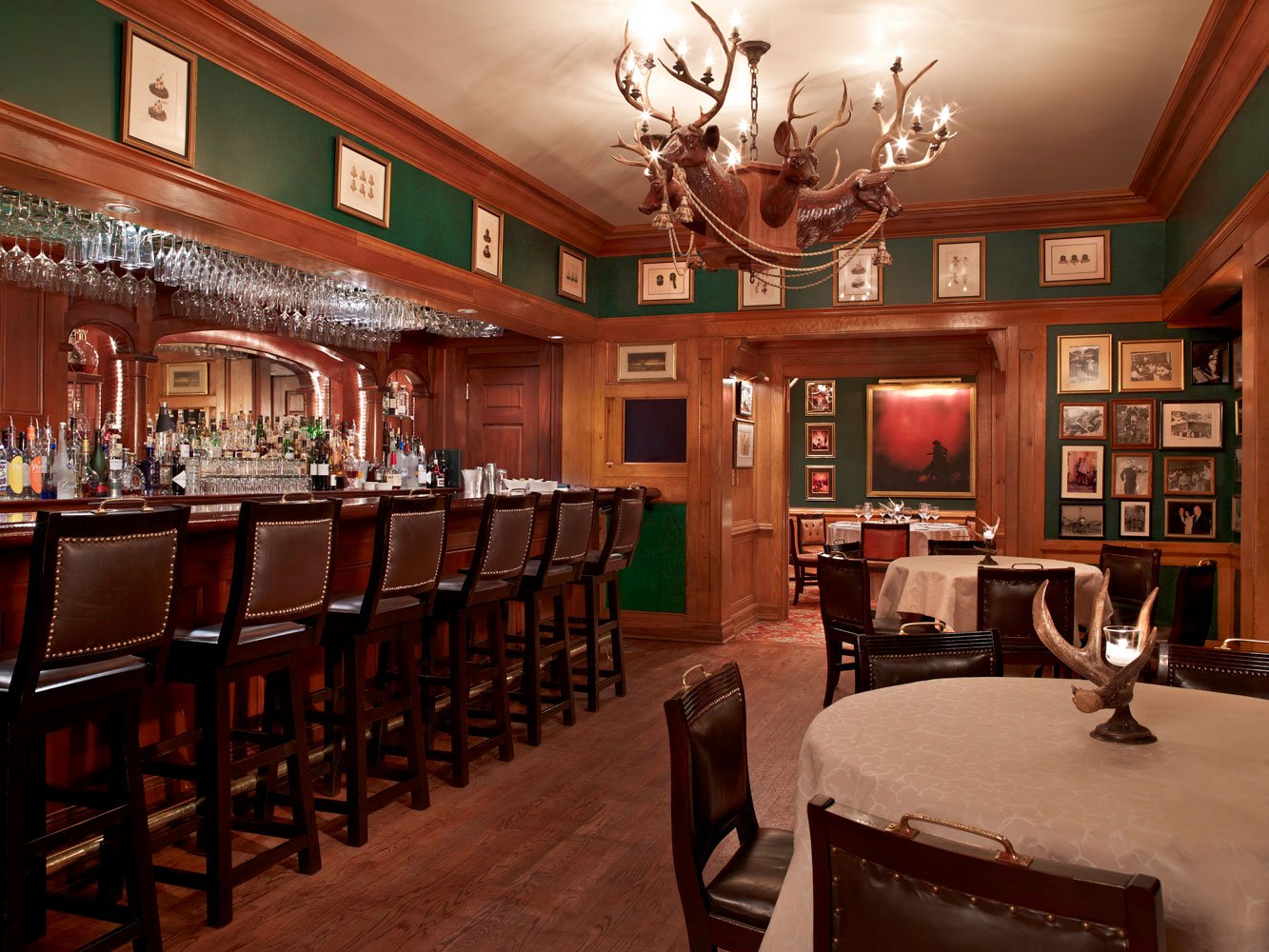
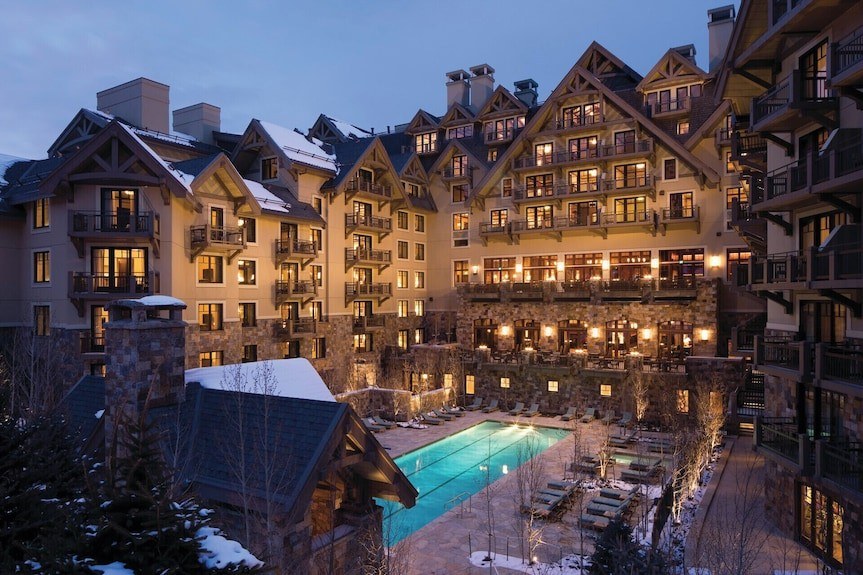
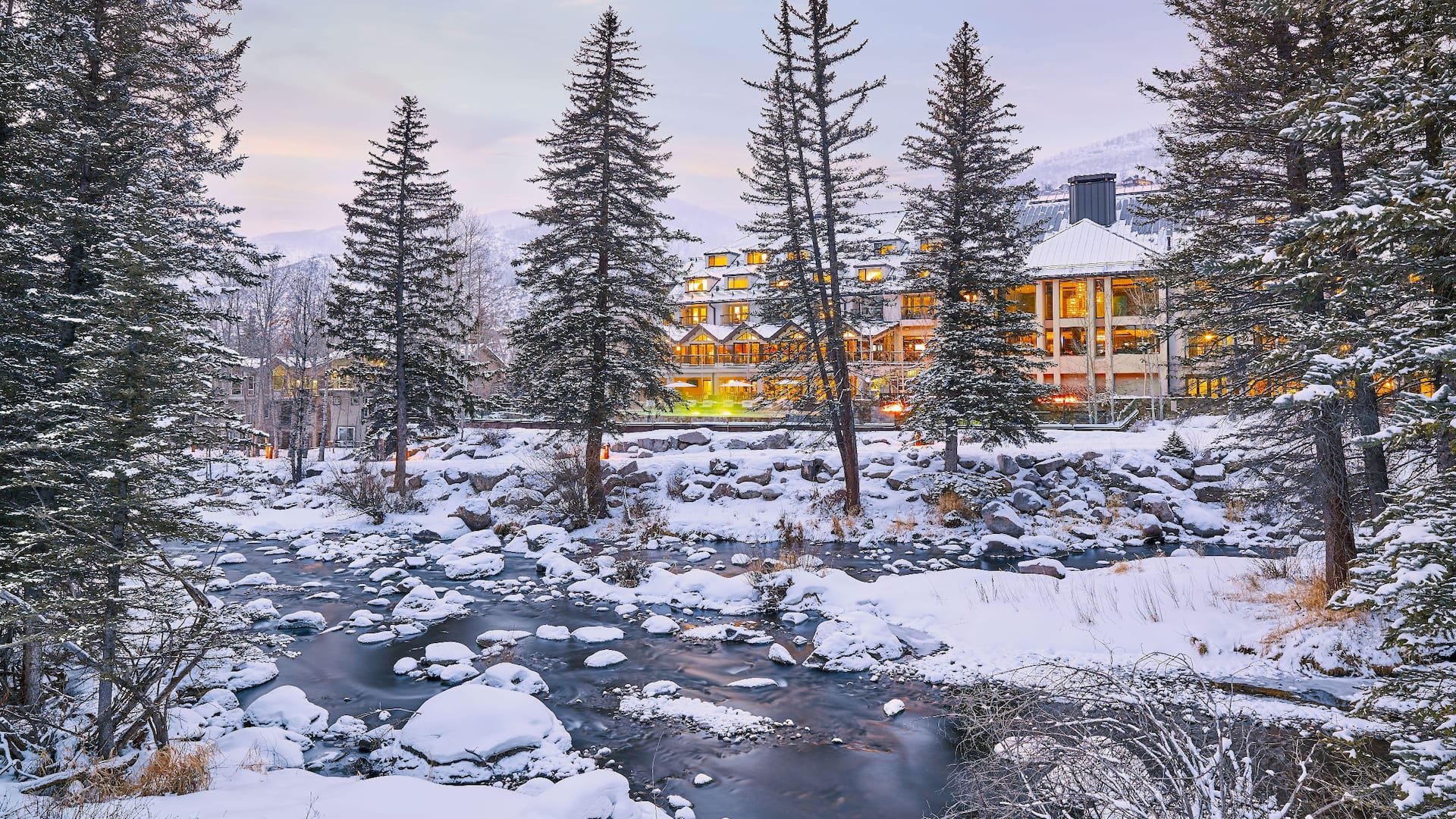
Cozy Bavarian chalet atmosphere with wood accents, warm lighting, and festive Alpine decor.