Allred's Restaurant
Perched at the summit of the Telluride gondola in San Sophia Station, Allred's occupies one of the more genuinely dramatic dining positions in the American Mountain West. The kitchen works with ingredients shaped by high-altitude seasonality and the logistical realities of a remote resort town, making sourcing decisions as much a part of the experience as the view across the San Juan Mountains.
Pearl is the En Primeur Club membership app — saves, bookings, and concierge access live there. Same editors, same standards.
- Address
- San Sophia Station, Telluride, CO 81435
- Phone
- +1 970 728 7474
- Website
- tellurideskiresort.com
- Directions
- Get directions
 Saves & bookings on Pearl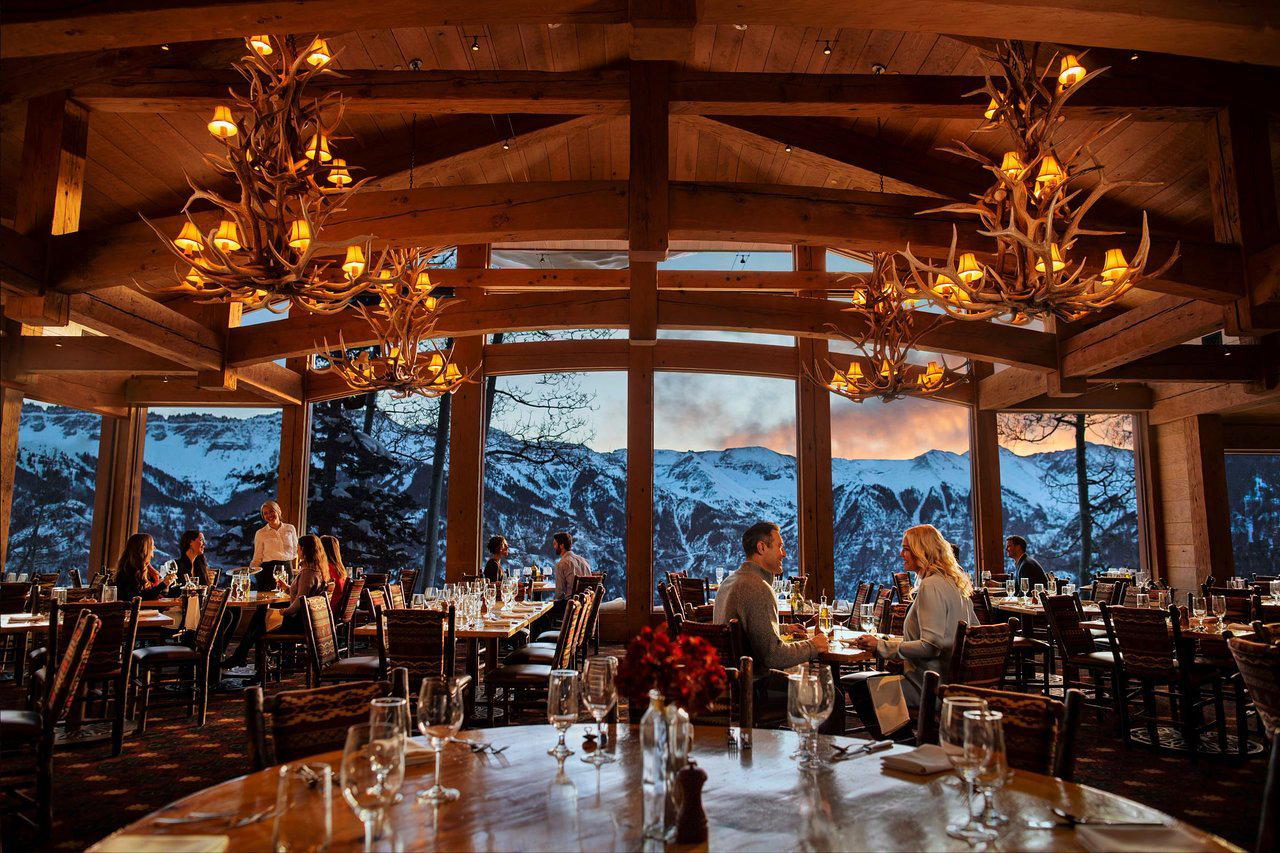
Arrival at 10,500 Feet
Most restaurants require you to walk through a door. Allred's, positioned at San Sophia Station on the gondola line connecting Telluride to Mountain Village, requires a gondola ride. The ascent itself reframes the meal before the first course arrives: the valley floor drops away, the San Juan Mountains expand in every direction, and by the time the cabin docks at the station, the elevation has already done its atmospheric work. At roughly 10,500 feet, this is one of the highest-altitude serious dining rooms in the contiguous United States, a fact that shapes everything from how wine reads on the palate to how the kitchen must think about its supply chain.
The setting places Allred's in a distinct category among American destination restaurants. Where rooms like Blue Hill at Stone Barns in Tarrytown derive their sense of place from working farmland or Single Thread Farm in Healdsburg from a proprietor-owned farm system, Allred's draws its identity from geography of a different order: extreme altitude, seasonal road and weather conditions, and a resort economy that concentrates serious diners into a narrow winter and summer window. That context is not incidental to the food. It is the food's operating condition.
The Sourcing Argument at High Altitude
Remote mountain dining in the American West presents an ingredient sourcing problem that lower-altitude restaurants rarely confront with the same intensity. Telluride sits at the end of a box canyon in southwestern Colorado, and Mountain Village sits above it. Both the geography and the elevation impose real constraints on what arrives fresh, when, and at what cost. The kitchens that take this seriously, rather than defaulting to the same distributor catalog that supplies a Denver hotel, end up building menus that read as genuine responses to place.
Colorado's broader agricultural identity runs toward ranching and grain, with the Western Slope producing stone fruit and the San Luis Valley supplying potatoes and quinoa at commercial scale. A kitchen at Allred's elevation, sourcing with intention, is drawing from that regional network while acknowledging the logistical reality that the last miles into Telluride are among the more complicated in the state. This is the kind of constraint that, when treated honestly, produces more interesting cooking than an open urban supply line ever could. It is worth comparing to what Smyth in Chicago does with Midwest sourcing, or how Oyster Oyster in Washington, D.C. builds its entire format around ingredient provenance and regenerative supply chains. In each case, where the food comes from is inseparable from what the food is.
High altitude also changes how ingredients perform. Proteins cook differently. Reductions behave differently. The palate itself shifts slightly under lower atmospheric pressure, making acidity and tannin register with different weight than at sea level. A kitchen that ignores this is producing technically inconsistent food. One that accounts for it is, in effect, cooking to a site-specific brief that no urban restaurant can replicate.
Where Allred's Sits in the Colorado Fine Dining Picture
Colorado's fine dining scene has consolidated around Denver and Boulder, with properties like Frasca Food and Wine in Boulder and The Wolf's Tailor in Denver representing the state's strongest urban concentration of serious cooking. Resort dining occupies a different tier, one that has historically traded on scenery over substance but has been gradually corrected by a cohort of properties willing to invest in genuine kitchen programs.
Allred's position is structurally unusual: it is not a hotel restaurant, not a standalone city dining room, and not a farm-to-table concept in the sense that term has been diluted by overuse. It is a destination restaurant in a literal sense, accessible only by gondola, serving a clientele that skews toward the upper end of Telluride's already high-spending visitor base. That combination of access friction and refined price expectation places it in a comparable set closer to mountain fine dining in Park City or Aspen than to a conventional Colorado restaurant comparison. Internationally, the format has some resonance with Atelier Moessmer Norbert Niederkofler in Brunico, where mountain geography is not backdrop but central to the cooking's logic.
For readers building a broader picture of American fine dining with strong regional identity, the comparison set extends further: Bacchanalia in Atlanta uses sourcing from its own farm, Addison in San Diego draws from Southern California's year-round agricultural depth, and Providence in Los Angeles anchors its identity in sustainable seafood procurement. Each illustrates a different model for how geography shapes what a serious kitchen can credibly claim. See our full Mountain Village restaurants guide for how Allred's fits into the local dining picture more specifically.
Planning a Visit
Allred's is reached via the free Telluride-Mountain Village gondola, which makes the physical logistics simpler than they might sound: the gondola runs on a regular schedule and connects the two towns efficiently. The complication is seasonal. Visitors timing a dinner here should account for gondola hours relative to the dining window, and should confirm operational status given the restaurant's reliance on the gondola system running in the evening. Given the remoteness and the nature of the clientele, advance reservations during peak season are the practical default, not an option.
At-a-Glance Comparison
Comparable venues nearby, for context on price, style, and recognition.
| Venue | Cuisine | Price | Notes |
|---|---|---|---|
| Allred's RestaurantThis venue — the venue you are viewing | Contemporary American Fine Dining | $$$$ | Not listed |
| The New Tunnel Supper Club | Seasonal Tasting Menu Speakeasy | $$$$ | Telluride |
| June Gap Market and Café | Sustainable Market Café | $$ | Belleview Station |
| Gwyn's High Alpine | American On-Mountain Dining | $$$ | Snowmass Village |
| 7908 Aspen | Contemporary American Supper Club | $$$ | Aspen Flyover 1/4 Section Grid |
Continue exploring
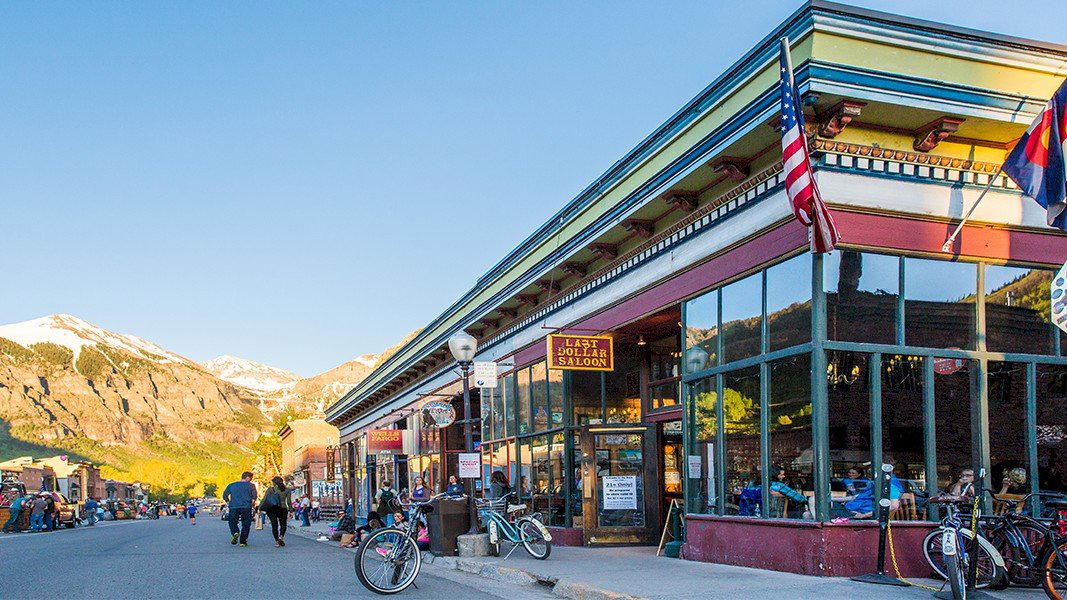
More in Mountain Village
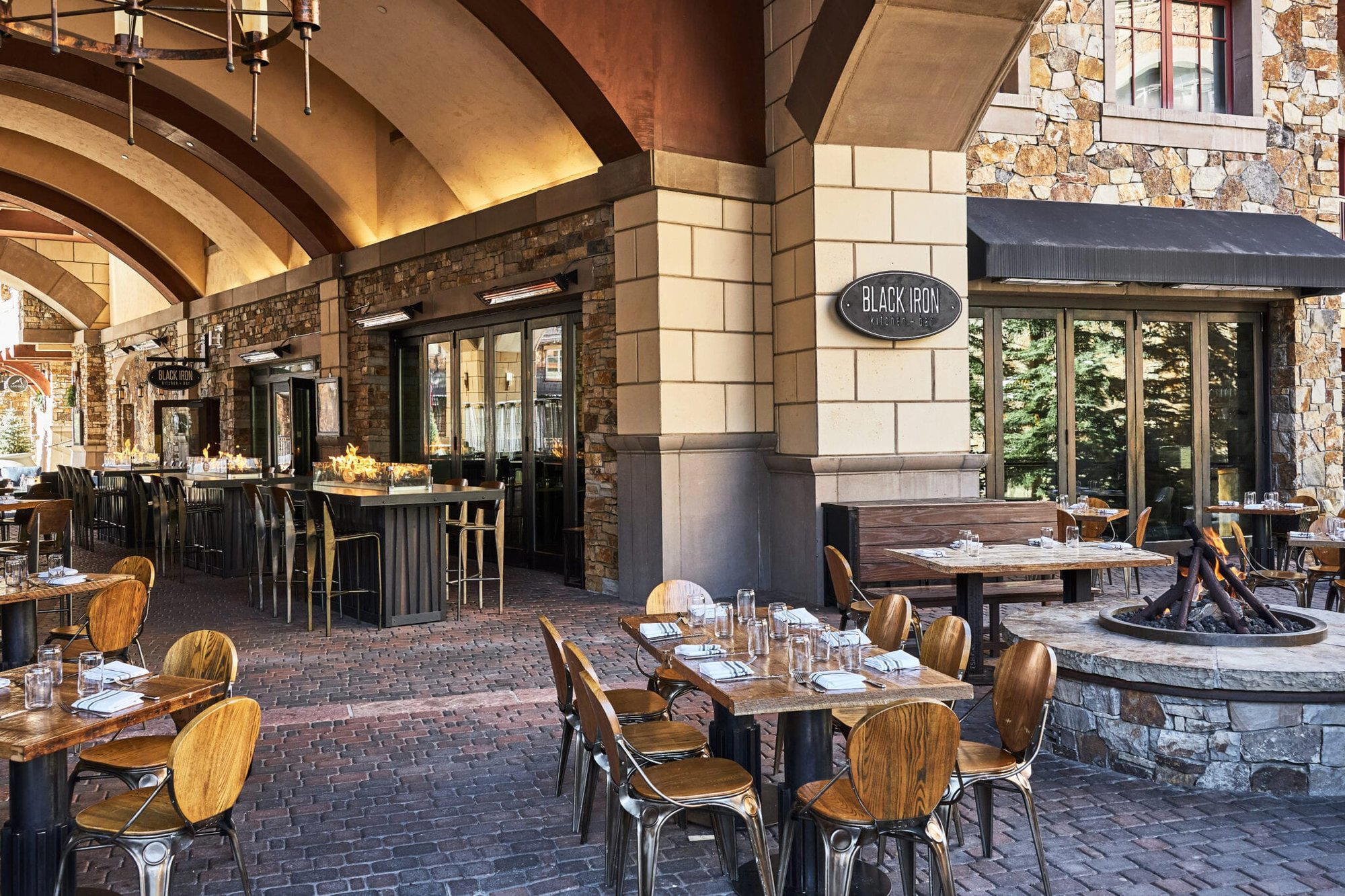
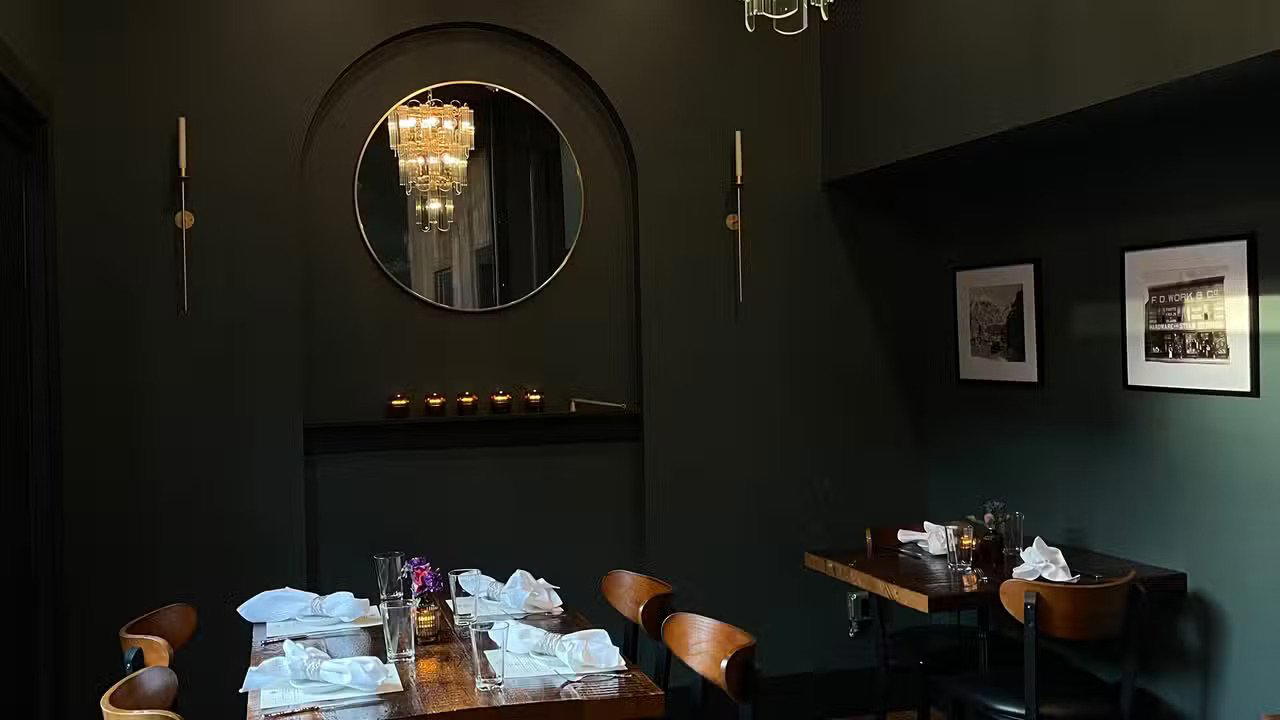
Restaurants in Mountain Village
Browse all →
Bars in Mountain Village
Browse all →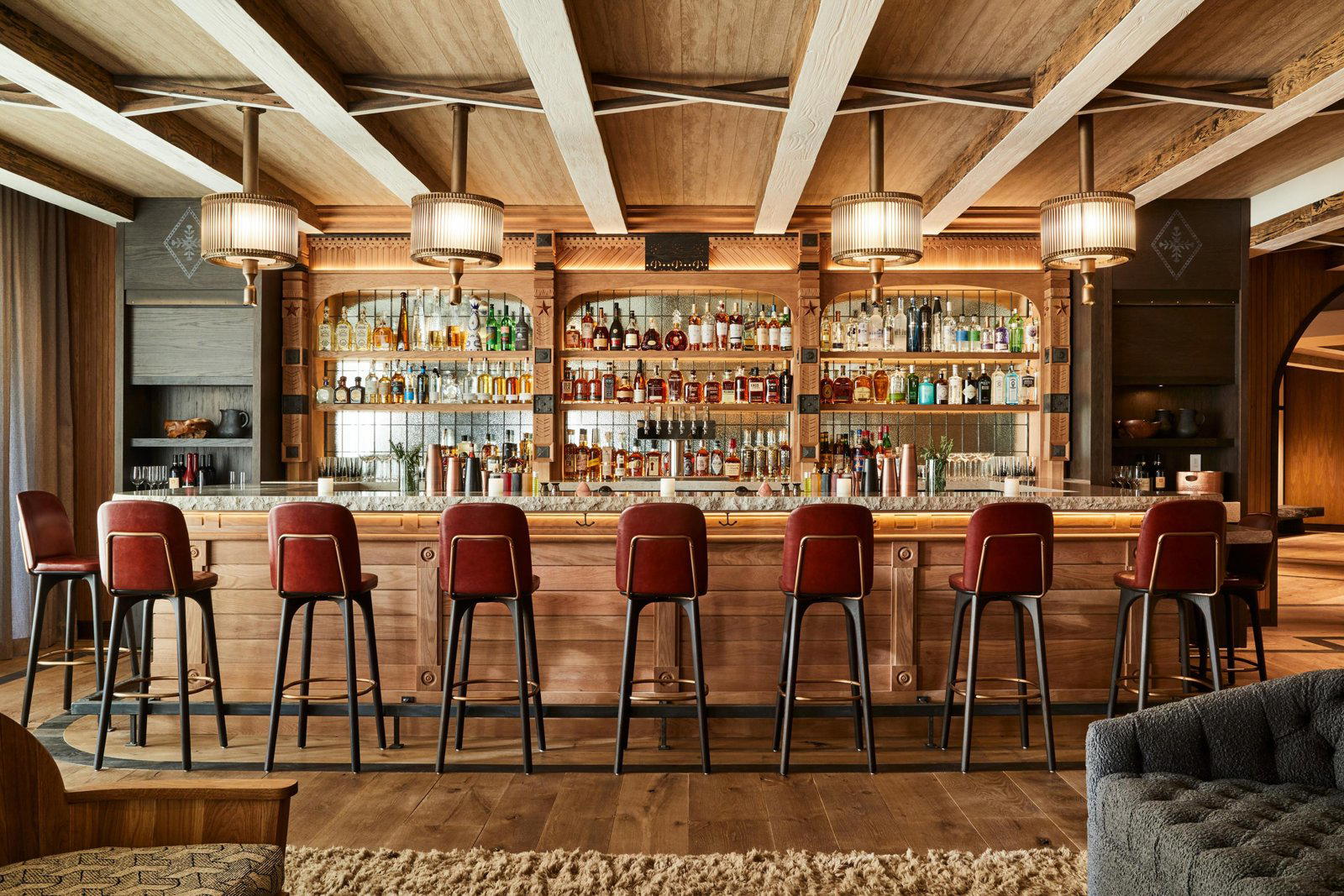

At a Glance
- Elegant
- Rustic
- Scenic
- Sophisticated
- Special Occasion
- Date Night
- Celebration
- Panoramic View
- Hotel Restaurant
- Extensive Wine List
- Craft Cocktails
- Local Sourcing
- Organic
- Mountain
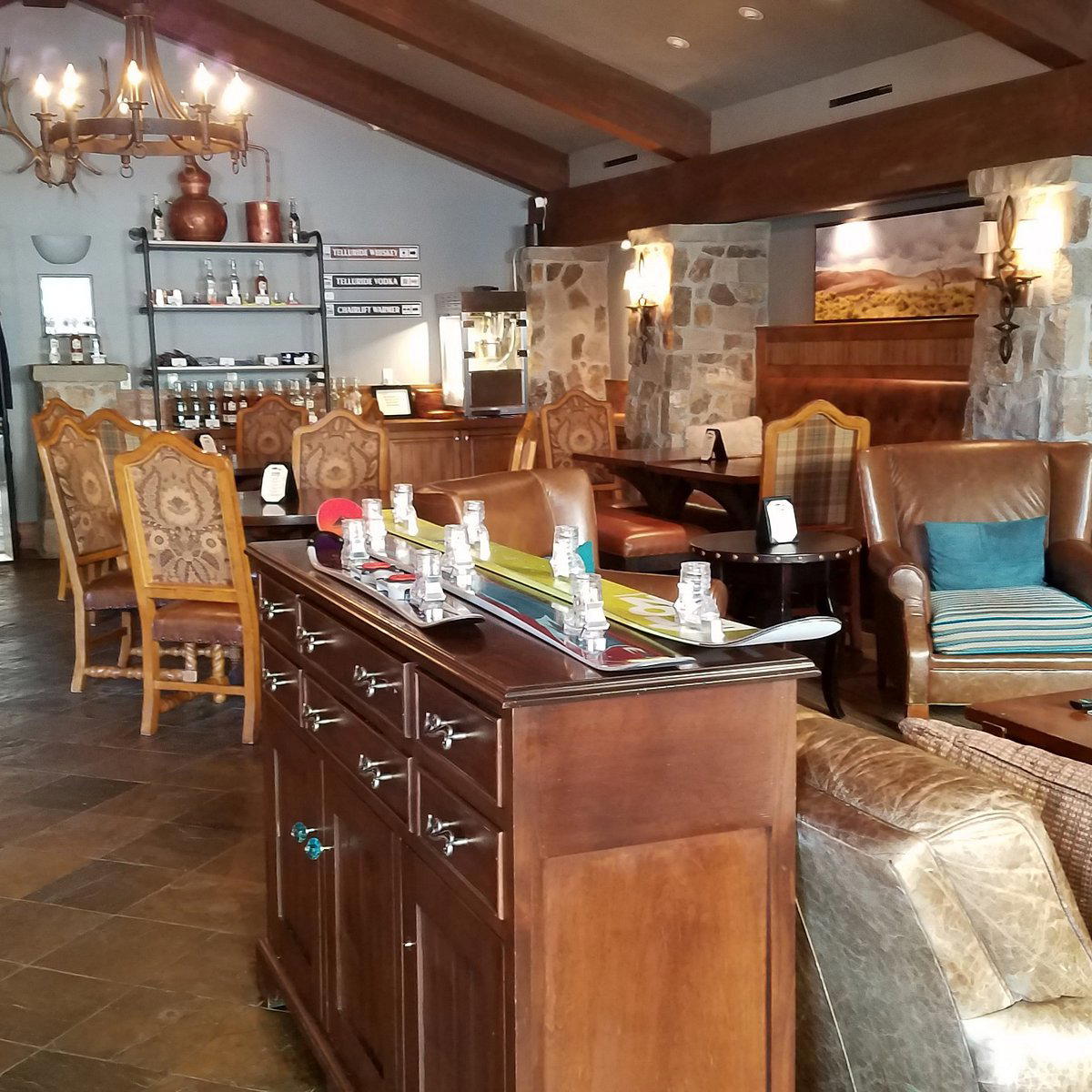
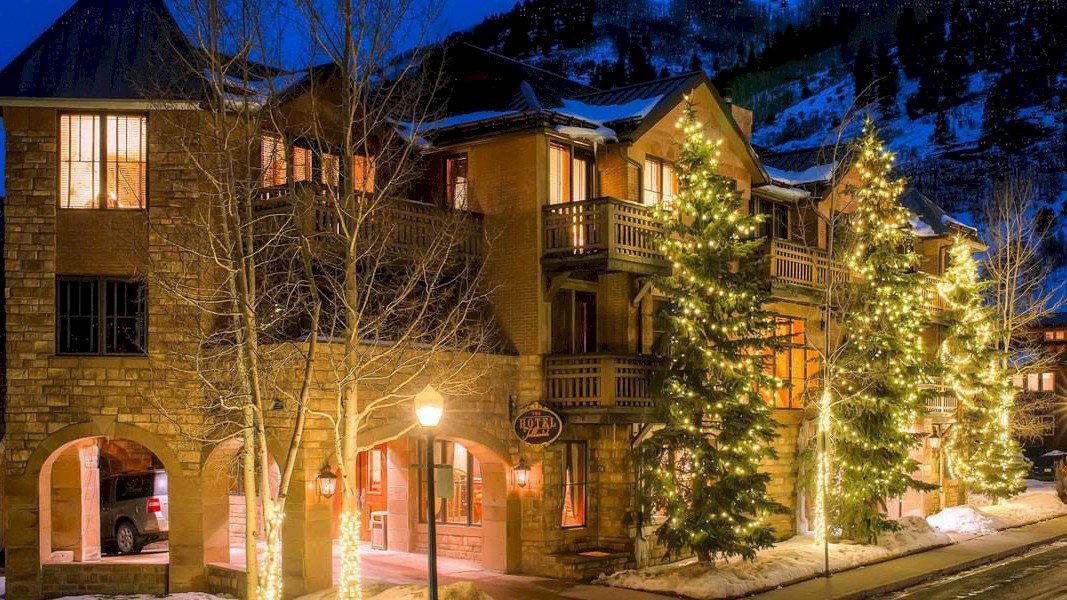
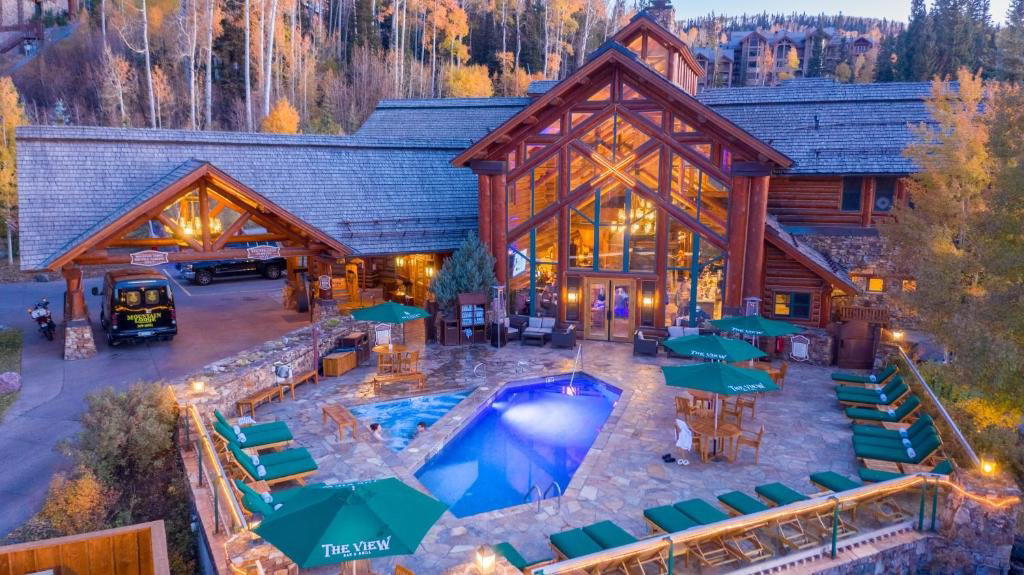
Elegant rustic ambiance with wood-beamed interior and floor-to-ceiling windows.