The Hotel Telluride
The Hotel Telluride sits at 199 Cornet Lane in one of Colorado's most storied mountain towns, where Victorian-era mining history and modern alpine hospitality share the same elevation. The property occupies a position in Telluride's mid-tier independent lodging set, distinct from the large-footprint resort brands and closer in character to the town's architectural vernacular than to purpose-built ski complexes.
Pearl is the En Primeur Club membership app — saves, bookings, and concierge access live there. Same editors, same standards.
- Address
- 199 N Cornet Street, Telluride, CO 81435
- Phone
- +1 970 369 1188
- Website
- thehoteltelluride.com
- Directions
- Get directions
 Saves & bookings on Pearl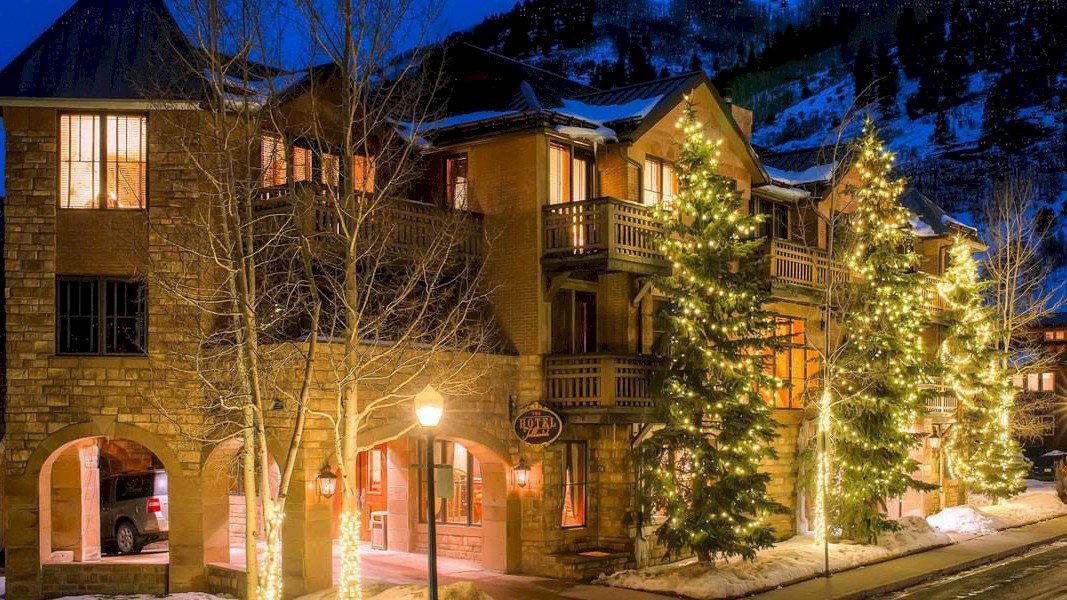
A Mining Town That Never Forgot How to Build
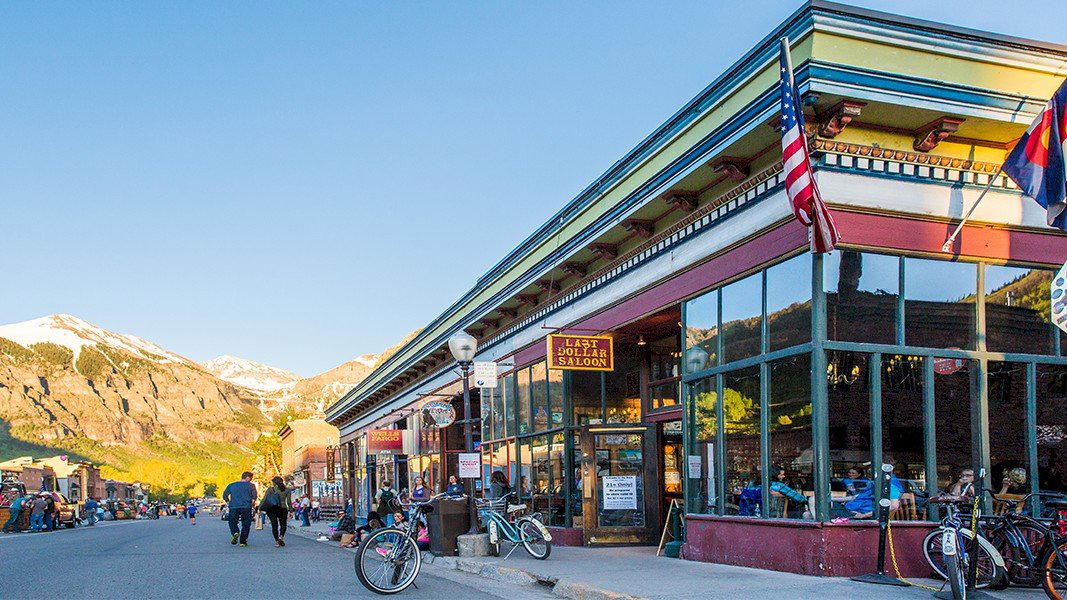
Telluride did not become a ski destination and then acquire a sense of place. The sense of place was always there, forged in the 1870s and 1880s when silver and gold money built a canyon-floor town of brick storefronts, Victorian hotels, and saloon facades that the surrounding cliffs made naturally theatrical. The ski resort arrived later, grafted onto a settlement that already had architectural bones and a street grid with actual history. That sequence matters when you are choosing where to stay, because it separates properties that belong to the town from properties that were simply built near it.
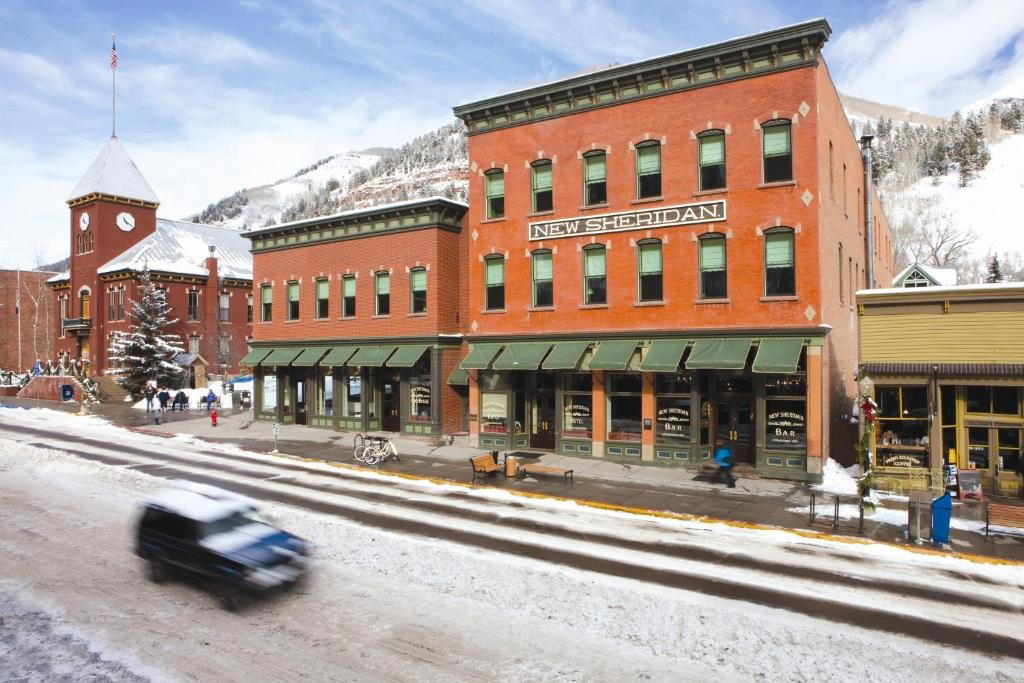
The Hotel Telluride, addressed at 199 Cornet Lane, sits in the former category. The building's position in Telluride's lodging map places it among independently operated properties that engage with the town's material history rather than standing apart from it in a purpose-built resort enclave. That puts it in a different competitive conversation than properties like the Madeline Hotel and Residences, Auberge Resorts Collection, which operates under a major branded umbrella with a correspondingly larger infrastructure, or Lumière with Inspirato, which angles toward private-residence formats. The Hotel Telluride functions more like the New Sheridan Hotel, a property whose connection to the town's nineteenth-century timeline is part of the stay itself.
The Physical Environment: Elevation and Enclosure
Arriving in Telluride requires a decision before you ever reach the hotel. The town sits in a box canyon at roughly 8,750 feet, accessible by a single highway or by the Telluride Regional Airport, one of the more demanding commercial approaches in the American West. That geographic enclosure is the first thing you feel: the canyon walls rise sharply on three sides, and the town's main street runs perpendicular to the mountains rather than toward them, giving the built environment a coherence that resort towns without a pre-ski history rarely achieve.
At that altitude, the light behaves differently than at sea level. Late afternoon in late autumn or early spring, when the canyon walls catch the last direct sun while the valley floor moves into shadow, produces a quality of illumination that photographers and painters have been documenting since the mining era. Guests arriving from lower elevations should allow at least twenty-four hours before any significant physical activity; the canyon's beauty is considerable but the altitude adjustment is non-negotiable. This makes the hotel's position within walking distance of town an asset, because the early acclimatization days are leading spent at an easy pace on flat ground rather than reaching for gondola access immediately.
Where The Hotel Telluride Sits in the Local Set
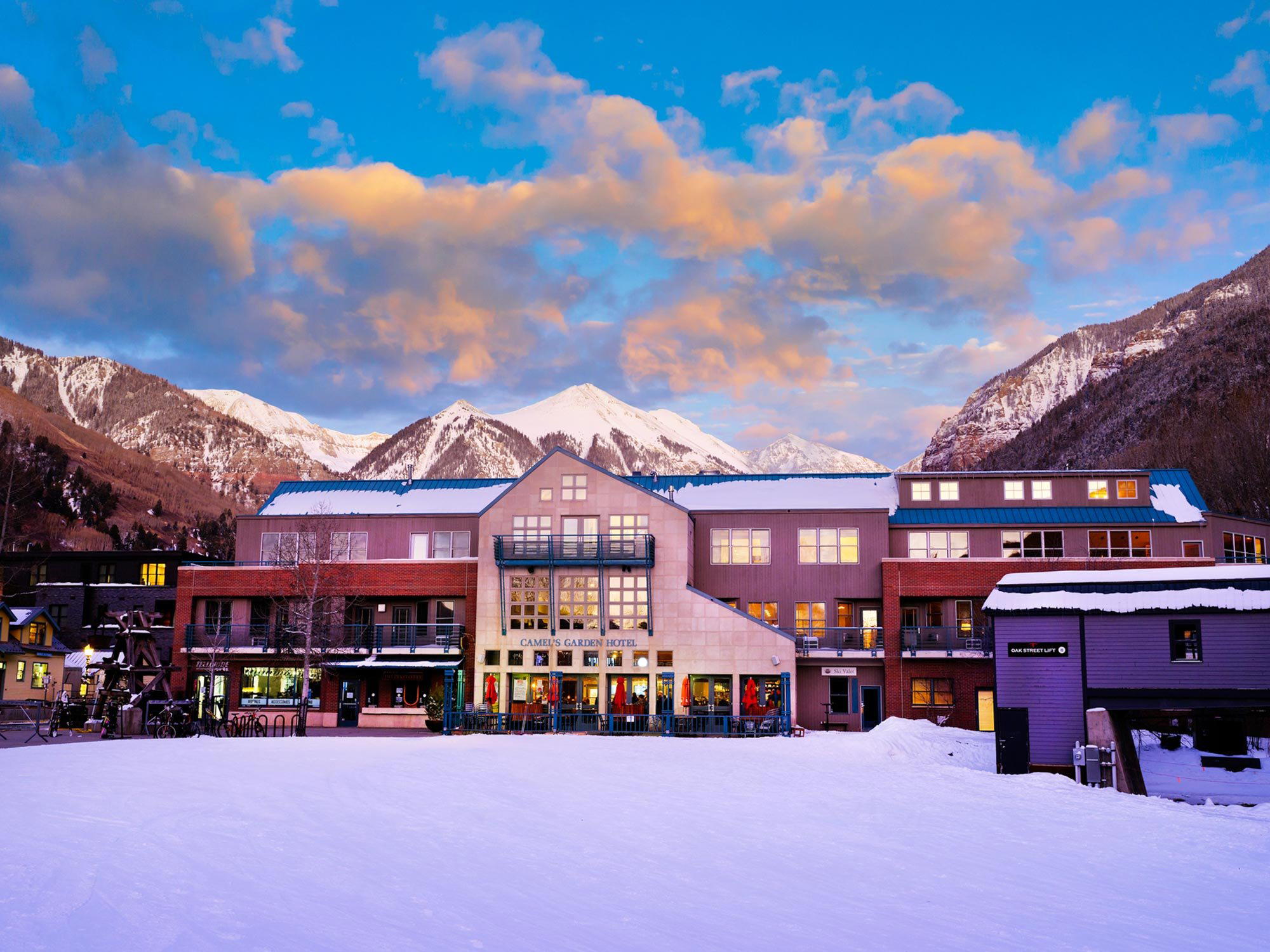
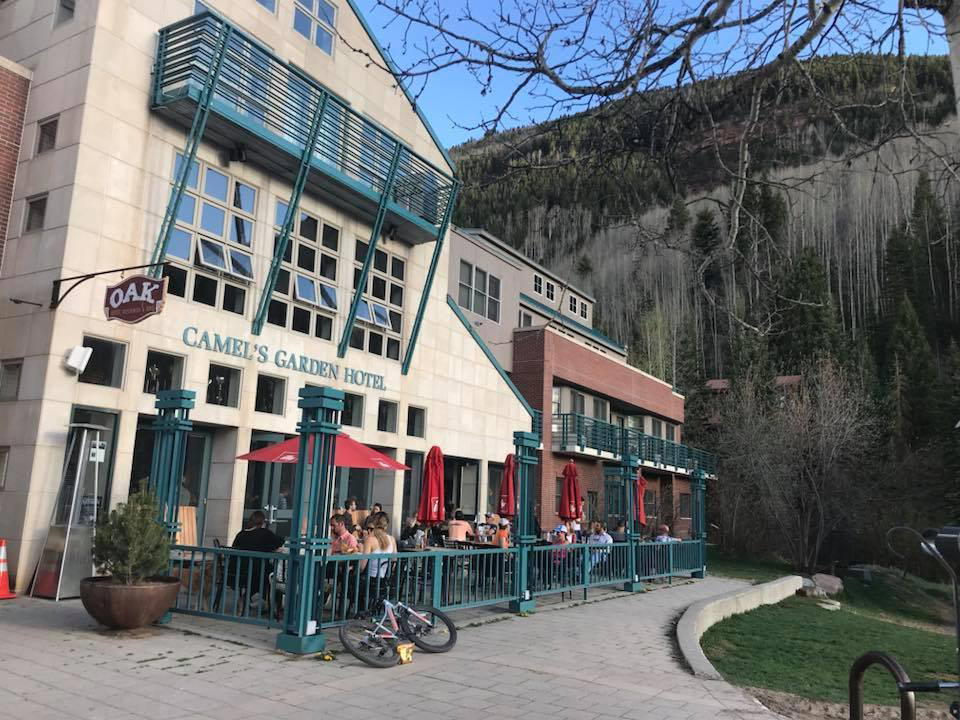
Telluride's accommodation market has stratified in ways that mirror broader patterns in American mountain resort towns: a handful of branded, high-capacity properties at one end; a cluster of smaller, independently operated hotels with historical connections to the town at the other; and a substantial vacation-rental layer in between. The Hotel Telluride occupies the independent middle, comparable in orientation to the Inn at Lost Creek and distinct from the condo-hotel hybrid model represented by Camel's Garden Hotel and Condominiums.
That independent positioning has implications for what a stay actually feels like. Branded mountain resorts in Colorado, including comparable properties in Aspen, Vail, and Steamboat Springs, tend to deliver consistent service formats across a standardized room typology. Smaller independent hotels in towns like Telluride operate closer to the town's own rhythms: festival calendars, local event programming, and the particular social texture of a community where the year-round population numbers in the hundreds rather than tens of thousands. For travelers whose reference points include properties like Troutbeck in Amenia or Chicago Athletic Association in Chicago, both of which operate inside historically significant buildings with strong local identities, the Hotel Telluride will feel familiar in its ambitions even if different in its mountain context.
Heritage in a Town That Takes Its History Seriously
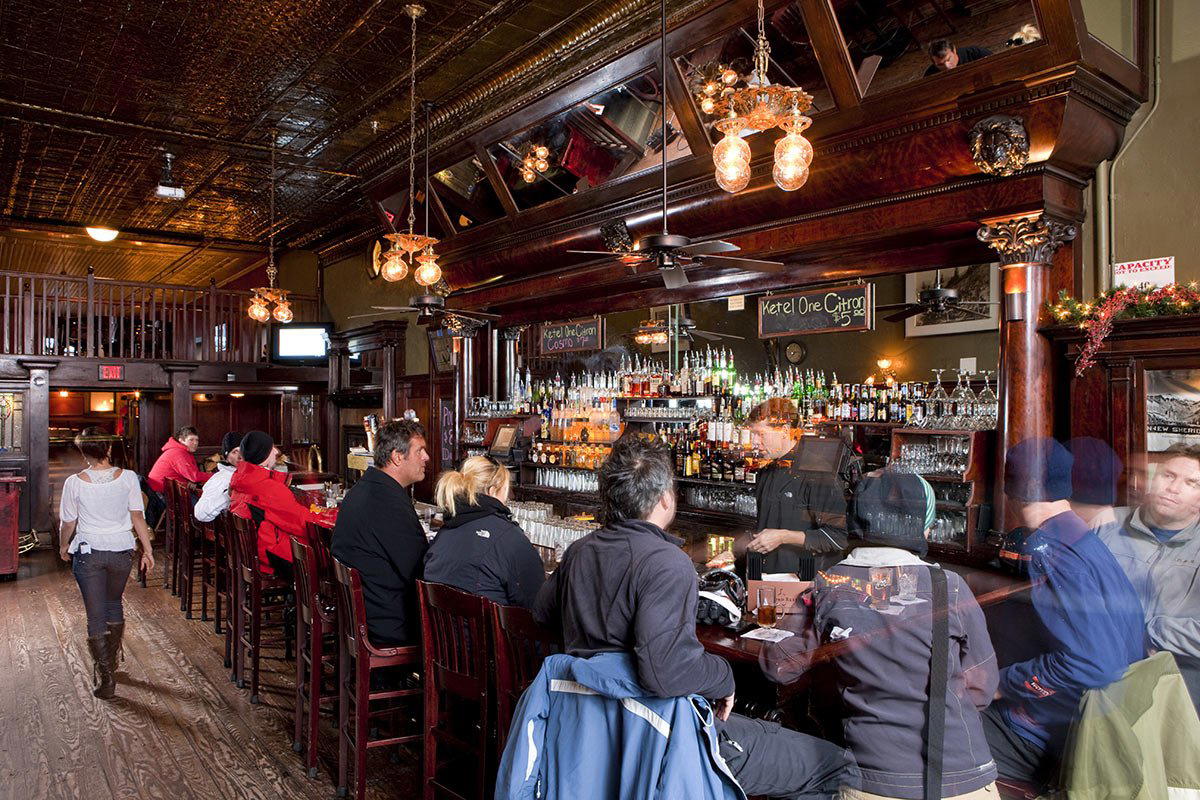
Telluride's National Historic Landmark designation, which covers the entire historic district, is not decorative. It imposes genuine constraints on what can be built and altered, which means the streetscape visible from the Hotel Telluride's Cornet Lane address has maintained a material continuity with the late-Victorian period that is unusual for a resort town. The New Sheridan Historic Bar, a few blocks away on Colorado Avenue, has been serving the town since 1895 and functions as something of a civic institution; the fact that it survives and operates actively gives a sense of how seriously Telluride has maintained its historical fabric.
For a property like the Hotel Telluride, that designation creates a context in which heritage credentials matter to guests in a way that would not apply in a purpose-built ski resort. The building's story is part of the product. Visitors who are drawn to historically grounded mountain properties, the kind who might also consider Badrutt's Palace Hotel in St. Moritz for the Alpine equivalent, or Raffles Boston for a comparable urban heritage format, will recognize the register in which the Hotel Telluride is operating.
Seasonal Rhythms and When to Go
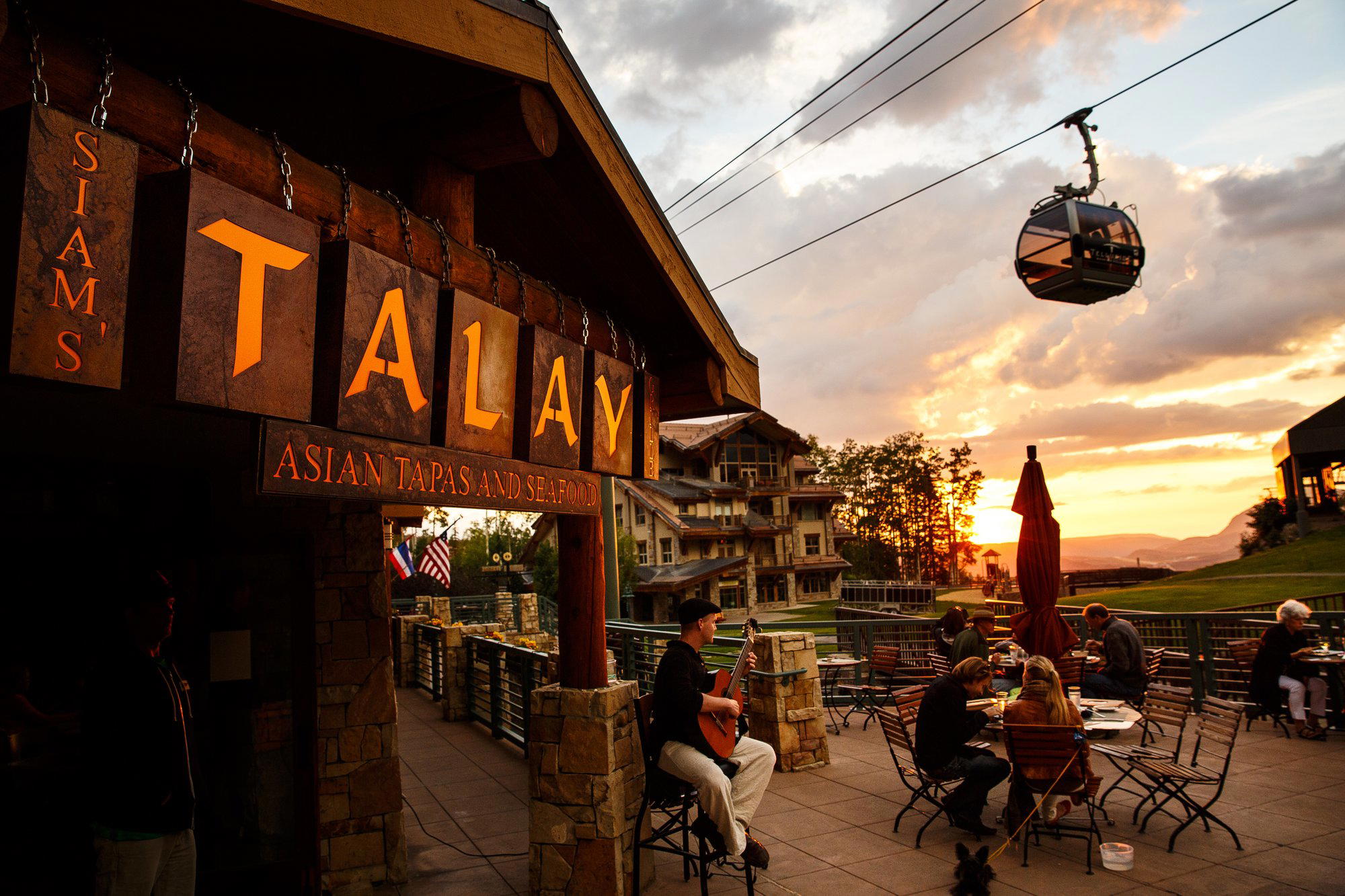
Telluride operates on two peak seasons with a shoulder in between. Winter, from mid-December through late March, draws skiers to what many mountain-sports specialists consider the most scenically dramatic ski terrain in Colorado. The ski area sits above the town proper, accessed by gondola from the main street, with a separate Mountain Village at the leading that functions as a second small settlement. Summer, from late June through early September, brings the festival season that has made Telluride's cultural calendar as significant as its ski terrain: the Telluride Film Festival in late August and early September, the Bluegrass Festival in June, and a calendar of smaller events that keeps occupancy high through the warm months.
Spring and autumn represent different value propositions. The mud-season weeks between ski close and festival season open are when the town is quietest and prices soften across the lodging market. Guests who want to experience the canyon scenery without peak-season crowds and without the altitude barrier of heavy snow conditions will find late September through mid-October, when aspen color peaks on the surrounding slopes, to be among the most atmospherically rewarding windows for a visit. Booking well ahead remains advisable for any festival-adjacent dates; the town's limited accommodation inventory means that popular event weekends sell out across all property tiers simultaneously.
For planning a full Telluride stay, including dining options beyond the hotel, see our full Telluride restaurants guide. Travelers comparing independent mountain hotel formats across the American West might also consider Sage Lodge in Pray, Post Ranch Inn in Big Sur, or Amangiri in Canyon Point for properties with comparable commitments to place and landscape.
Practical Notes
The Hotel Telluride is located at 199 Cornet Lane, Telluride, Colorado 81435. Telluride is reachable by direct flights into Telluride Regional Airport on a limited schedule, or via Montrose Regional Airport approximately 65 miles north, which carries more frequent service. Driving from Denver takes approximately six hours in clear conditions; mountain passes including Lizard Head Pass on US-145 add weather-dependent variables in winter months. Given the town's limited accommodation inventory relative to peak-season demand, reservations made well in advance of festival dates, ski holidays, and the Thanksgiving and Christmas periods are strongly advised.
Similar Picks
| Venue | Cuisine |
|---|---|
| The Hotel TellurideThis venue — the venue you are viewing | This venue |

At a Glance
- Rustic
- Cozy
- Elegant
- Scenic
- Romantic Getaway
- Family Vacation
- Weekend Escape
- Panoramic View
- Wi Fi
- Fitness Center
- Room Service
- Concierge
- Laundry Service
- Mountain
- Wi Fi
- Fitness Center
- Room Service
- Concierge
- Laundry Service
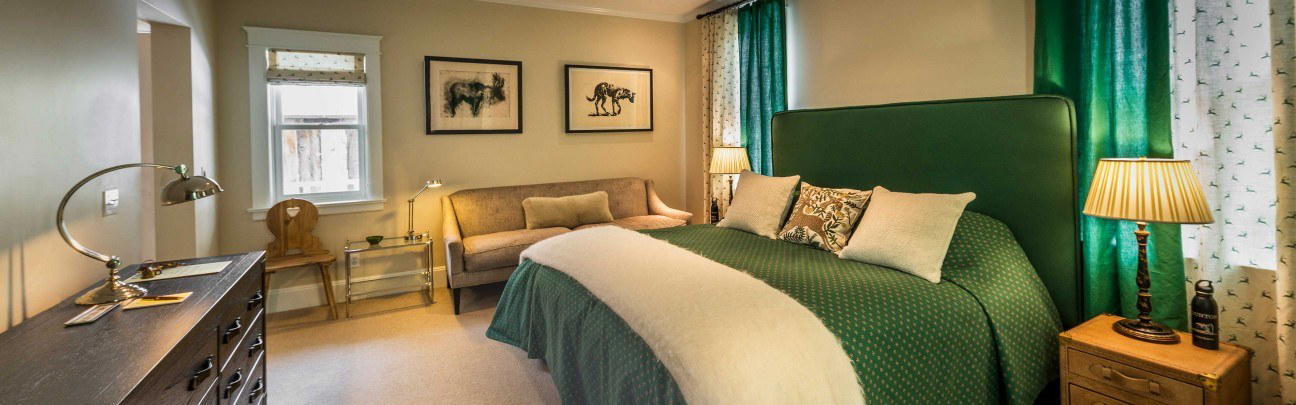
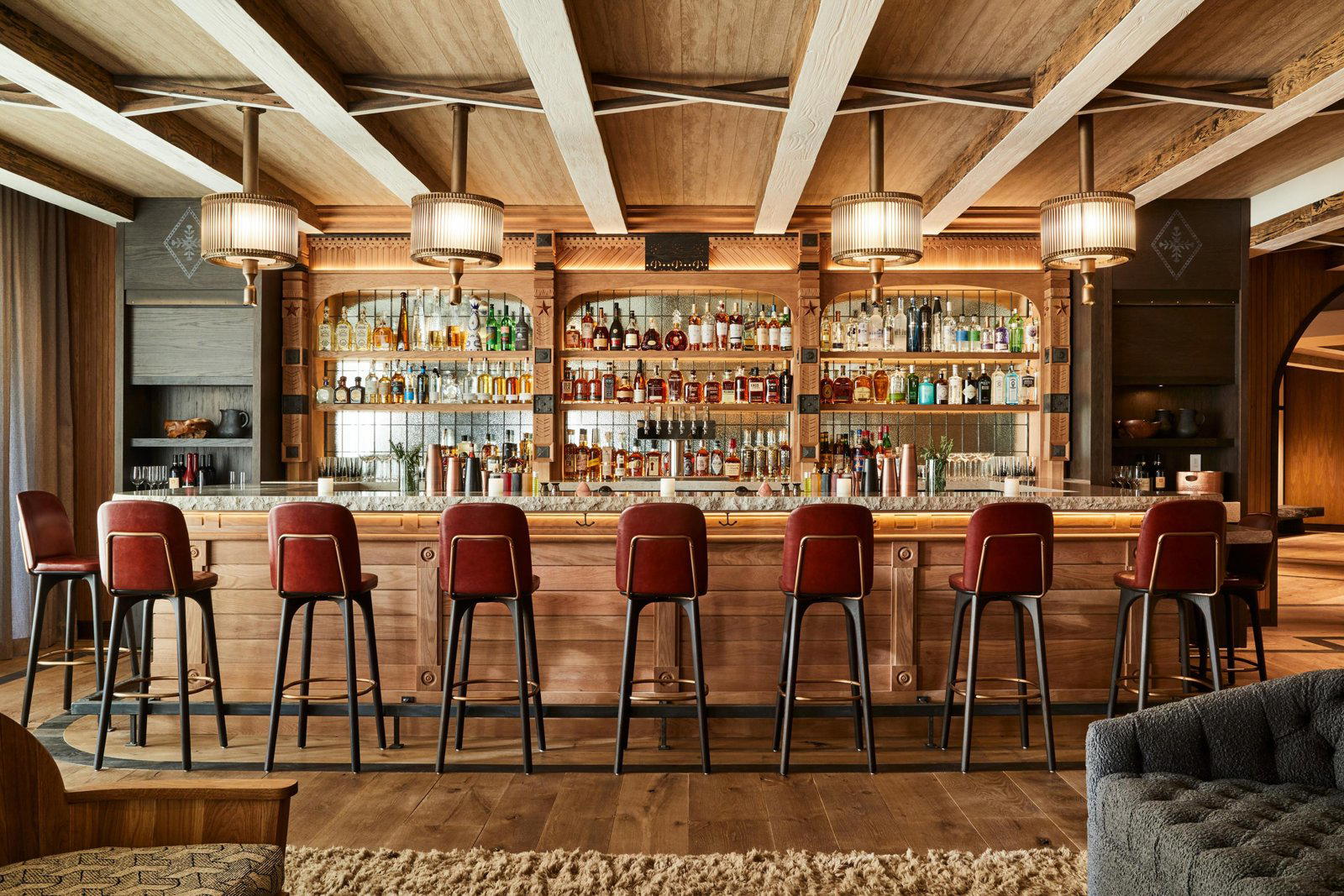
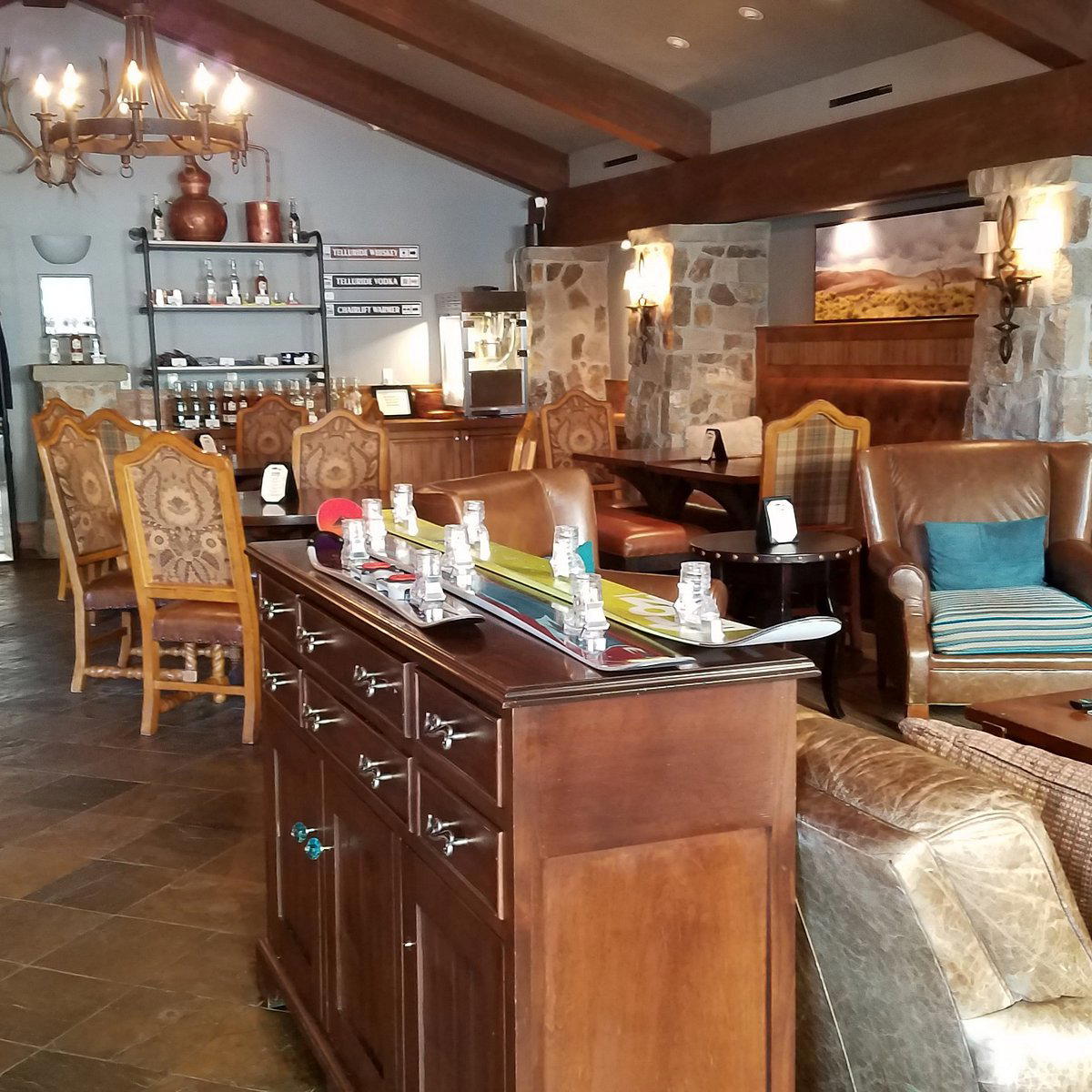
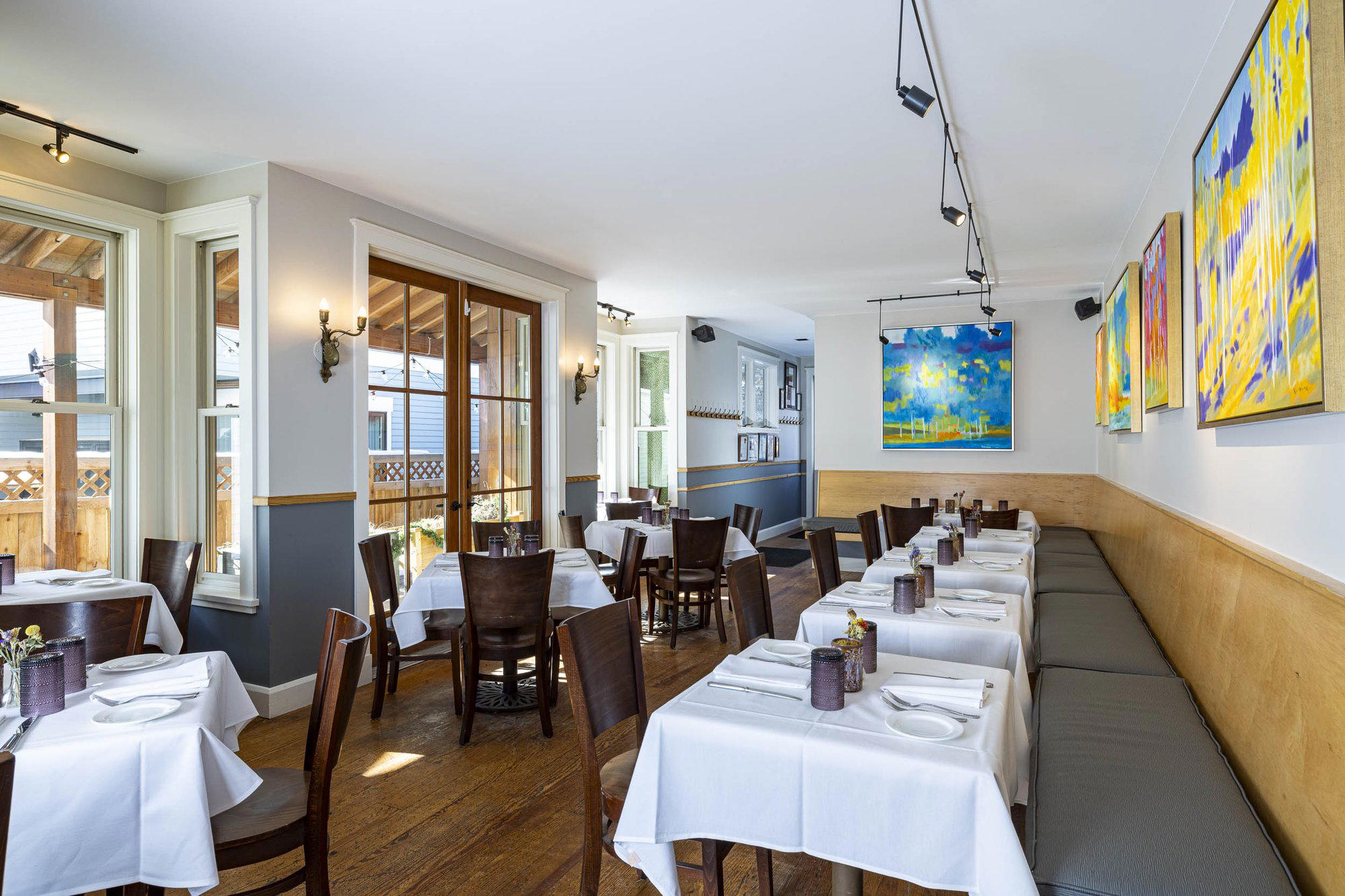
Cozy mountain lodge atmosphere with roaring lobby fireplaces, warm rustic decor, and relaxed après-ski vibes.
Know Before You Go
- Getting there
- 199 N Cornet Street, Telluride, CO 81435