Google: 4.6 · 456 reviews

On First Circle in Jabal Amman, Alee translates the domestic cooking of Jordan into a structured restaurant format. Chef Ali Ghzawi's reference point is the family kitchen, and his menu channels the everyday recipes of that tradition into a more considered dining setting. The address places it alongside several of Amman's more serious independent tables.
 Discover on Pearl
Pearl is the En Primeur Club membership app — saves, bookings, and concierge access live there. Same editors, same standards.
First Circle, Jabal Amman: A District That Rewards Attention
The streets that radiate from First Circle in Jabal Amman have accumulated, over the past decade, a concentration of restaurants that take Jordanian food seriously. The neighbourhood's stone-fronted buildings and residential scale give it a different character from the newer commercial corridors further west. Dining here tends to feel embedded in the city rather than imposed on it, and the kitchens that have settled in this part of Amman often draw on domestic cooking traditions that larger, more tourist-facing operations tend to sand smooth. Alee, at Building 44 on Othman Ben Affan Street, occupies this context directly.
The Domestic Tradition as a Culinary Reference Point
Across the Arab world, the most instructive food has rarely come from professional kitchens first. It has come from home kitchens, from mothers and grandmothers managing large households with ingredients that were seasonal, affordable, and deeply familiar. Jordanian cooking sits squarely in this tradition: dishes built from lamb, lentils, freekeh, and yoghurt; flavours shaped by dried lime, sumac, and long-cooked alliums; techniques passed laterally through families rather than codified in culinary schools. The challenge for any restaurant drawing on this inheritance is what to preserve and what to transform. Strip the technique and you lose the intelligence. Dress it too formally and you lose the point.
Alee's stated reference is explicit on this question. Chef Ali Ghzawi's cooking begins with his mother's kitchen, and the menu is built from the everyday recipes of that household, reframed as a restaurant experience. This is not an unusual claim in contemporary dining — the domestic-to-restaurant translation has become a common narrative internationally, from the Korean-American tables that shaped New York's serious dining tier (see Atomix in New York City for how that lineage can be pushed into high-formality territory) to the French chefs who invoke grandmothers while cooking in three-Michelin-star rooms like Alléno Paris au Pavillon Ledoyen. What matters is whether the execution holds the claim honestly.
What This Format Represents in Amman's Dining Scene
Amman's restaurant scene has developed along two parallel tracks. One is the upscale Levantine tradition, represented by places like Fakhreldin and Sufra, which serve the region's meze and grilled meat canon in settings calibrated for special occasions and visiting guests. The other is a younger, more personal register: smaller operations where a single chef or operator is working through a specific culinary argument rather than running a crowd-pleasing institution. Dara Dining by Sara Aqel represents one version of this second track; Alee appears to represent another.
The distinction matters for how you approach the booking. A restaurant in the institutional Levantine category is forgiving of timing, group size, and expectation management. A chef-led table where the food is personal and the format is tighter requires more planning and, in return, tends to offer something more specific. Alee's First Circle address puts it in the part of the city where this second type of operation is most likely to be found.
For those building a broader picture of what Amman's food and drink scene offers, Shams El Balad adds a farm-to-table dimension to this same neighbourhood, while the bar programme at our full Amman bars guide covers the city's drinking culture separately. 13C Bar in the Back is worth noting for those who want to combine dinner with a serious cocktail stop. Our full Amman restaurants guide maps the wider scene.
The Broader Argument for Memory-Driven Cooking
The phenomenon of chefs cooking through personal memory is not new, but it has gathered weight in the past decade as a counterpoint to the technique-first dining that peaked globally around 2010. Where that generation of restaurants, including places like Alinea in Chicago, pursued transformation as the primary value, a subsequent wave has prioritised recognition: food that connects the diner to something already known, rather than asking them to process something new. In a Middle Eastern context, this argument is particularly loaded because the domestic tradition is so intact and so recent. Jordanian grandmothers are not a distant historical reference; they are often still cooking. A chef working in this space is not reconstructing an archive but interpreting a living practice, which raises both the stakes and the interest level.
The cuisines that handle this most convincingly tend to be those where the domestic canon is genuinely complex: where the spice combinations require judgement, where the slow-cooked dishes require time management that most home cooks no longer have, and where the ingredients are tied to specific seasons or producers. Jordanian cooking qualifies on several of these counts. Mansaf, the national dish, is a logistical undertaking involving jameed (dried fermented yoghurt), lamb, and rice that most urban households now eat at restaurants rather than prepare themselves. A kitchen that takes that kind of dish seriously is making a different claim than one serving smoothed-out meze to a tourist demographic.
Planning Your Visit
Alee is located at Building 44, Othman Ben Affan Street, First Circle, Jabal Amman. The First Circle area is accessible by taxi from central Amman and sits within walking distance of several other restaurants and bars that make it a reasonable base for an evening's eating. Because no booking method, phone number, or website is currently listed in available records, confirming a reservation in advance is advisable through whichever channel you can verify locally or through a concierge at your hotel — for accommodation options, our full Amman hotels guide covers the range of properties across the city. Jabal Amman restaurants in this category tend to be small, meaning walk-in availability on busy evenings is not guaranteed. Arriving with a confirmed booking is the more reliable approach.
No dress code, pricing, or hours data is currently confirmed in the record, so checking directly before visiting is worth the effort. For those extending into the broader city, our full Amman experiences guide and our full Amman wineries guide cover the non-restaurant dimension of what the city offers.
Internationally, the comparison set for this type of cooking sits closer to the personal-memory register of somewhere like Lazy Bear in San Francisco or the chef-driven intimacy of Emeril's in New Orleans in its earlier phase than to the formal European tradition represented by Le Bernardin in New York City or Alain Ducasse at Louis XV in Monte Carlo. The frame here is intimacy and specificity, not ceremony. That is the right expectation to carry through the door on Othman Ben Affan Street.
A Pricing-First Comparison
A quick look at comparable venues, using the data we have on file.
| Venue | Price | Awards | Notes |
|---|---|---|---|
| Alee | Chef Ali Ghzawis story begins in his mothers home with a deep love for her cooki… | This venue | |
| Dara Dining by Sara Aqel | World's 50 Best | ||
| Fakhreldin | World's 50 Best | ||
| Sufra | World's 50 Best | ||
| 13C Bar in the Back | World's 50 Best | ||
| Shams El Balad | World's 50 Best |
At a Glance
- Elegant
- Scenic
- Modern
- Sophisticated
- Date Night
- Special Occasion
- Celebration
- Panoramic View
- Open Kitchen
- Standalone
- Terrace
- Beer Program
- Local Sourcing
- Skyline
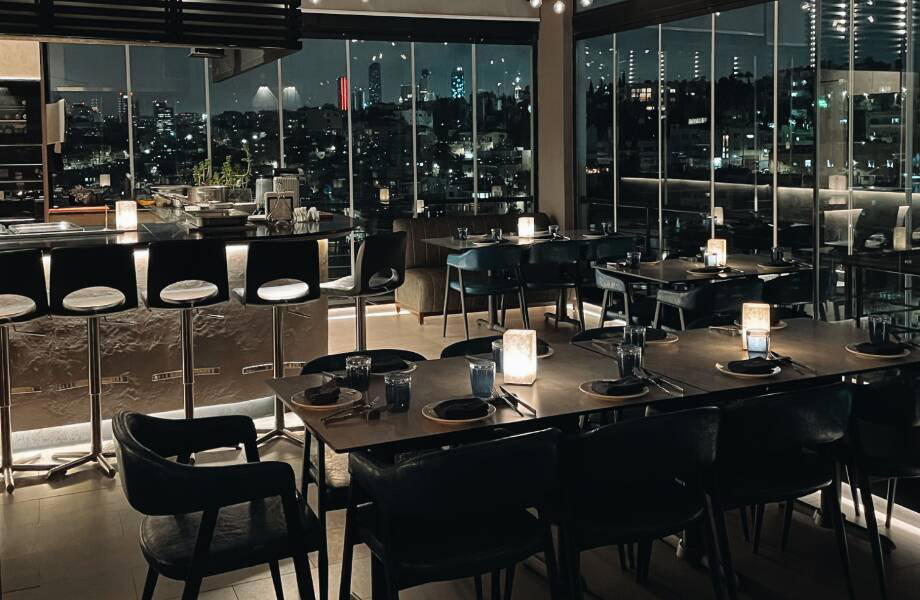
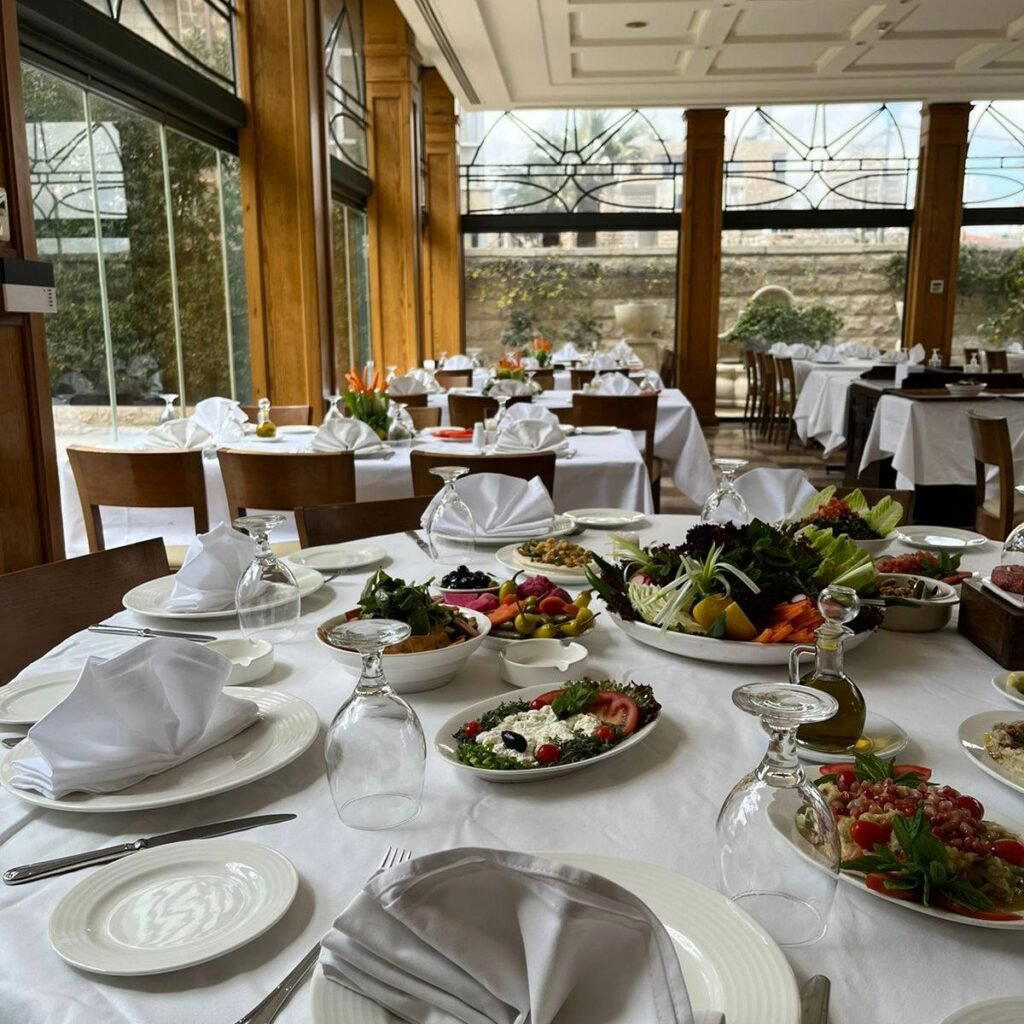
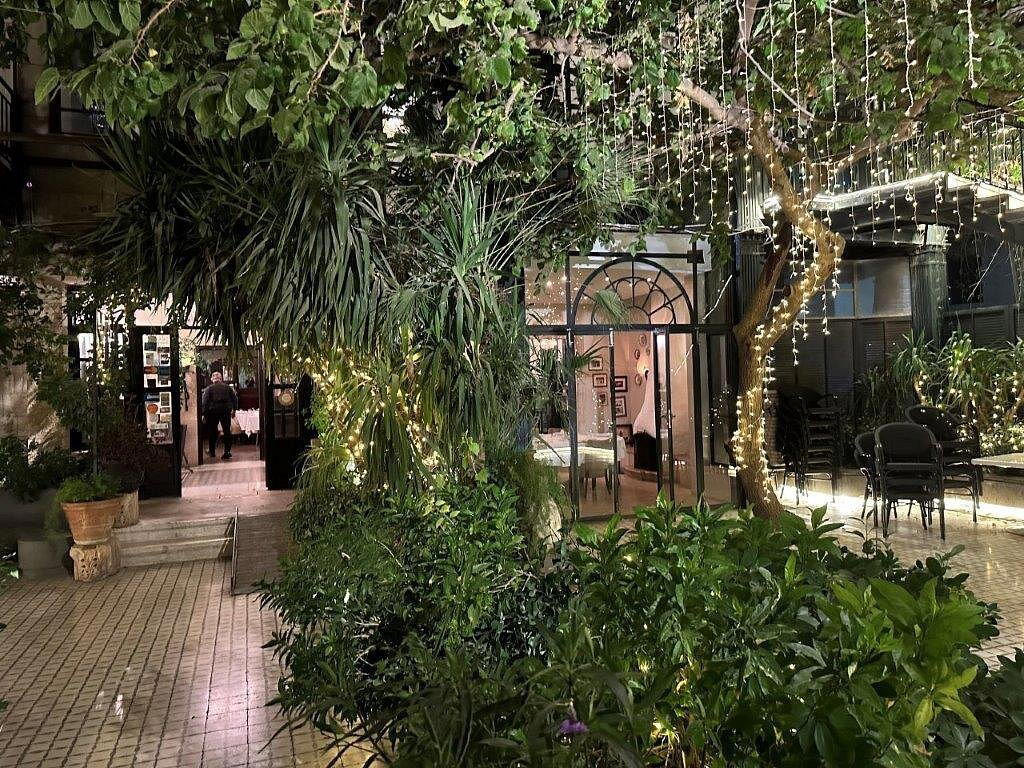
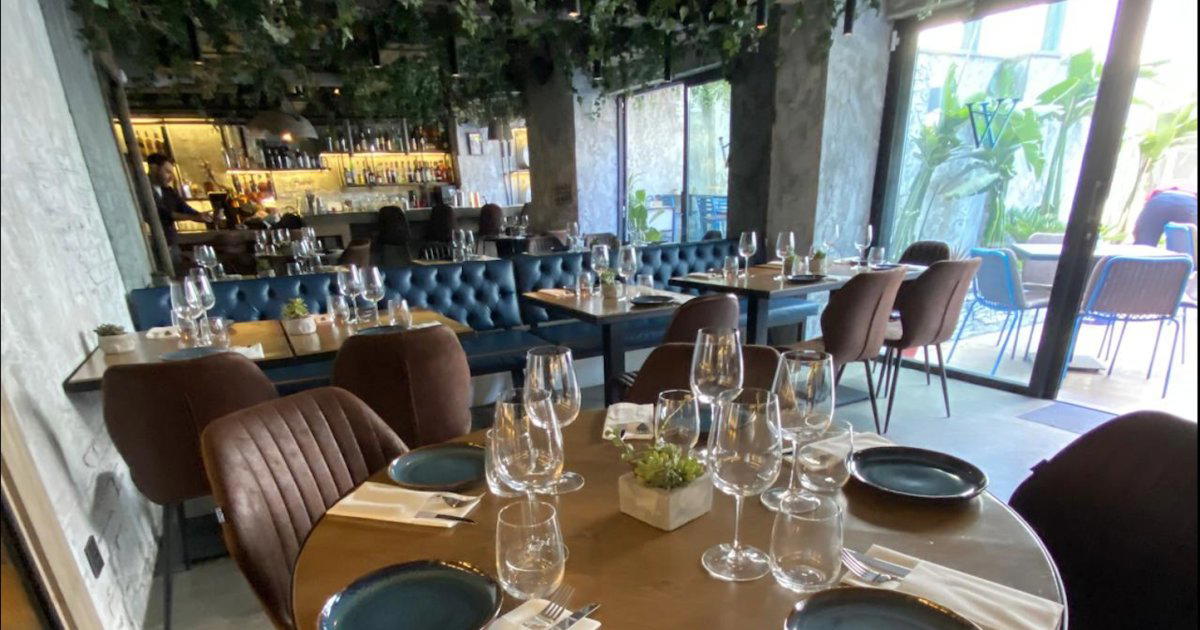
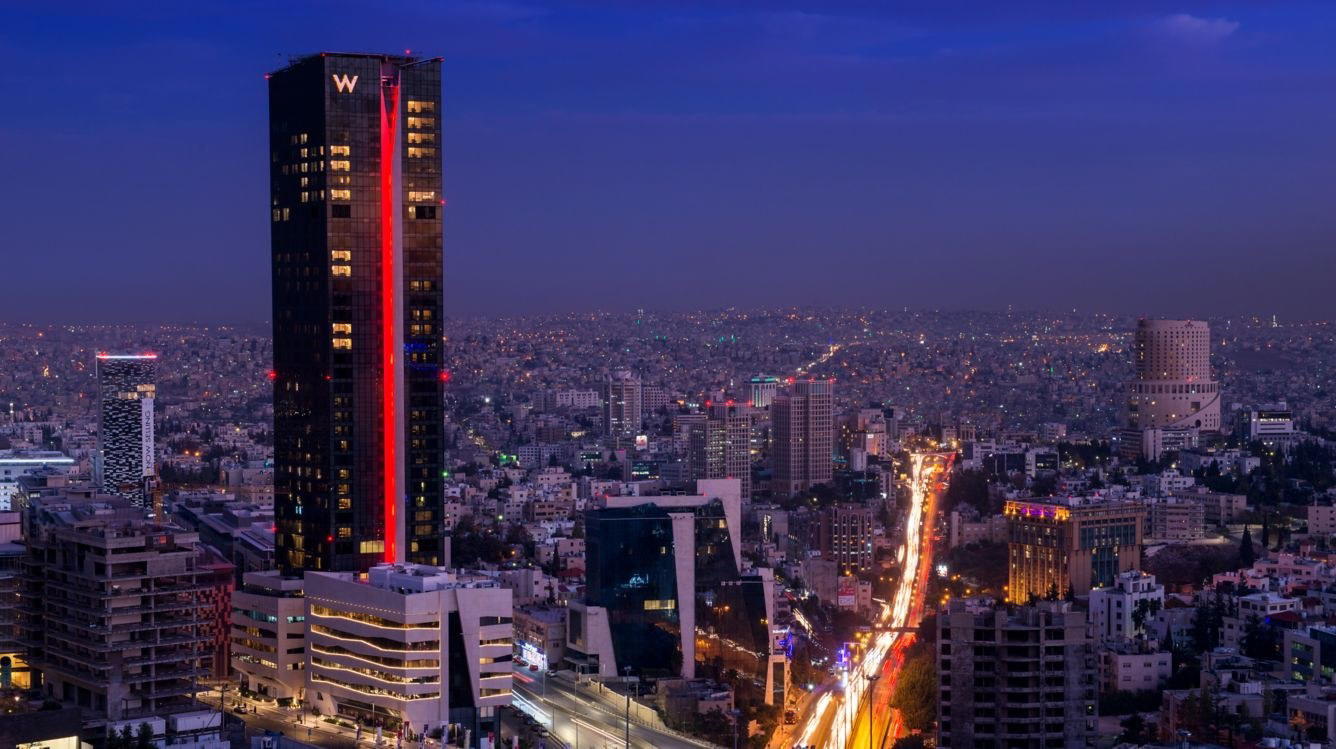
Sleek and simple decor with an open kitchen and large floor-to-ceiling windows overlooking historic Amman; refined yet relaxed atmosphere with attentive service.