Our verdict
Romero occupies a measured position in Amman's dining scene, operating from Mohammad Hussein Haykal Street in a city where European-influenced restaurants increasingly compete with a confident local revival. The menu architecture here signals a kitchen that understands formal European structure while remaining rooted in its Jordanian address. For travellers calibrating where Romero sits among Amman's broader options, the context matters as much as the table.

Pearl is the En Primeur Club membership app, where members save venues, book tables and use the concierge.
The menu
What to order
- Cacio e Pepe
- Risotto Al Funghi Misti
- Ravioli Alla Panna
- Tiramisu
- Homemade Gelato
Where Romero Sits in Amman's Dining Order
Amman's restaurant scene has split into two distinct currents over the past decade. One current runs toward the revival of Levantine and Jordanian cooking, places like Sufra, Fakhreldin, and Shams El Balad that treat the regional pantry as the primary argument. The other runs toward European-coded dining rooms that have long served Amman's diplomatic and business communities. Romero belongs to the second current, positioned on Mohammad Hussein Haykal Street in a part of the city where that kind of room has historically found its audience. Understanding which current you're swimming in matters before you book.
In cities like Beirut and Cairo, European-style restaurants with Mediterranean leanings have often operated as a kind of neutral ground, a format familiar enough for mixed tables, international guests, and business dinners that require predictability. Amman has its own version of that category, and Romero has been part of it long enough to be a reference point rather than a newcomer. That positioning carries weight in a city where institutional memory in dining runs deep.
Reading the Menu as a Document
A restaurant's menu, read carefully, tells you what the kitchen believes about its guests. European-influenced menus in Amman tend to follow one of two structures: the broad international template that hedges across cuisines to maximise accessibility, or the more considered format that commits to a regional European identity and trusts the guest to follow. The latter approach requires more from both kitchen and diner, and produces a more coherent experience when it works.
Romero's menu architecture, as it reads in the context of the room's positioning, reflects a Mediterranean-European orientation that places it in conversation with a specific kind of cooking: one that values technique applied to familiar categories rather than novelty for its own sake. This is a different proposition from the exploratory tasting formats you find at Dara Dining by Sara Aqel, or the bar-forward evening structure at 13C Bar in the Back. Those venues are making different arguments about what a night out in Amman should feel like. Romero's argument is quieter, more classical in its assumptions.
The practical implication of a classically structured menu is that it tends to reward guests who know what they want before they arrive. Starters, mains, and desserts organised around recognisable European categories suggest a kitchen optimised for execution rather than discovery. That is not a criticism, it is a different contract with the diner, and one that suits a certain kind of occasion precisely because it removes uncertainty.
The Room and What It Asks of You
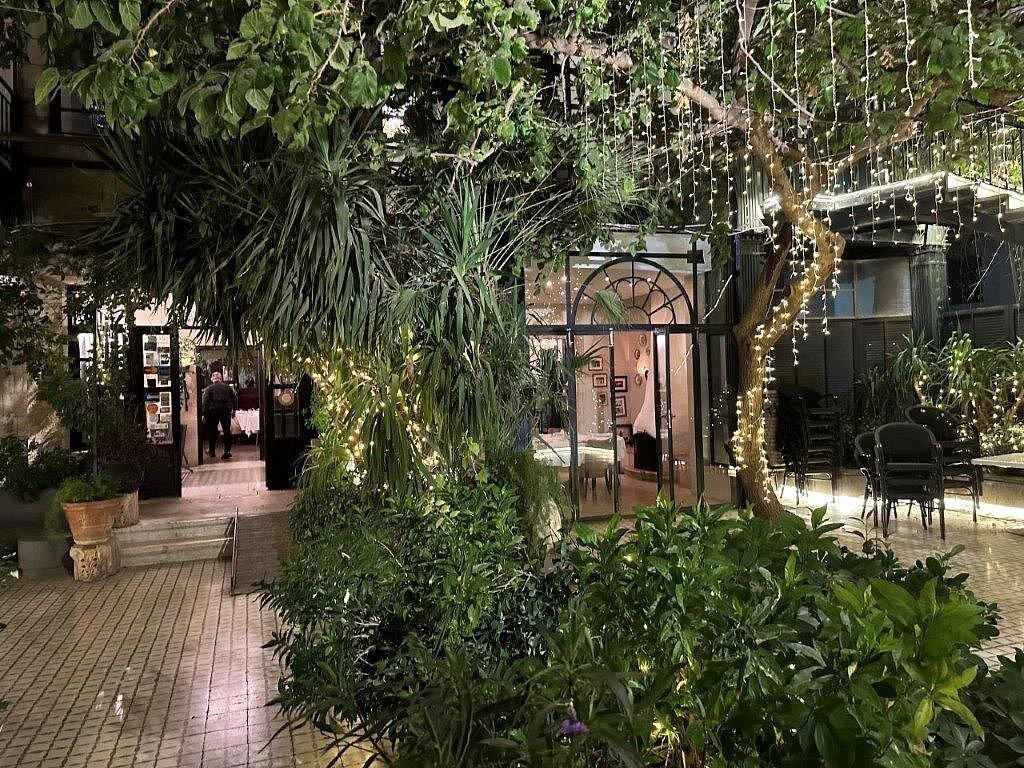
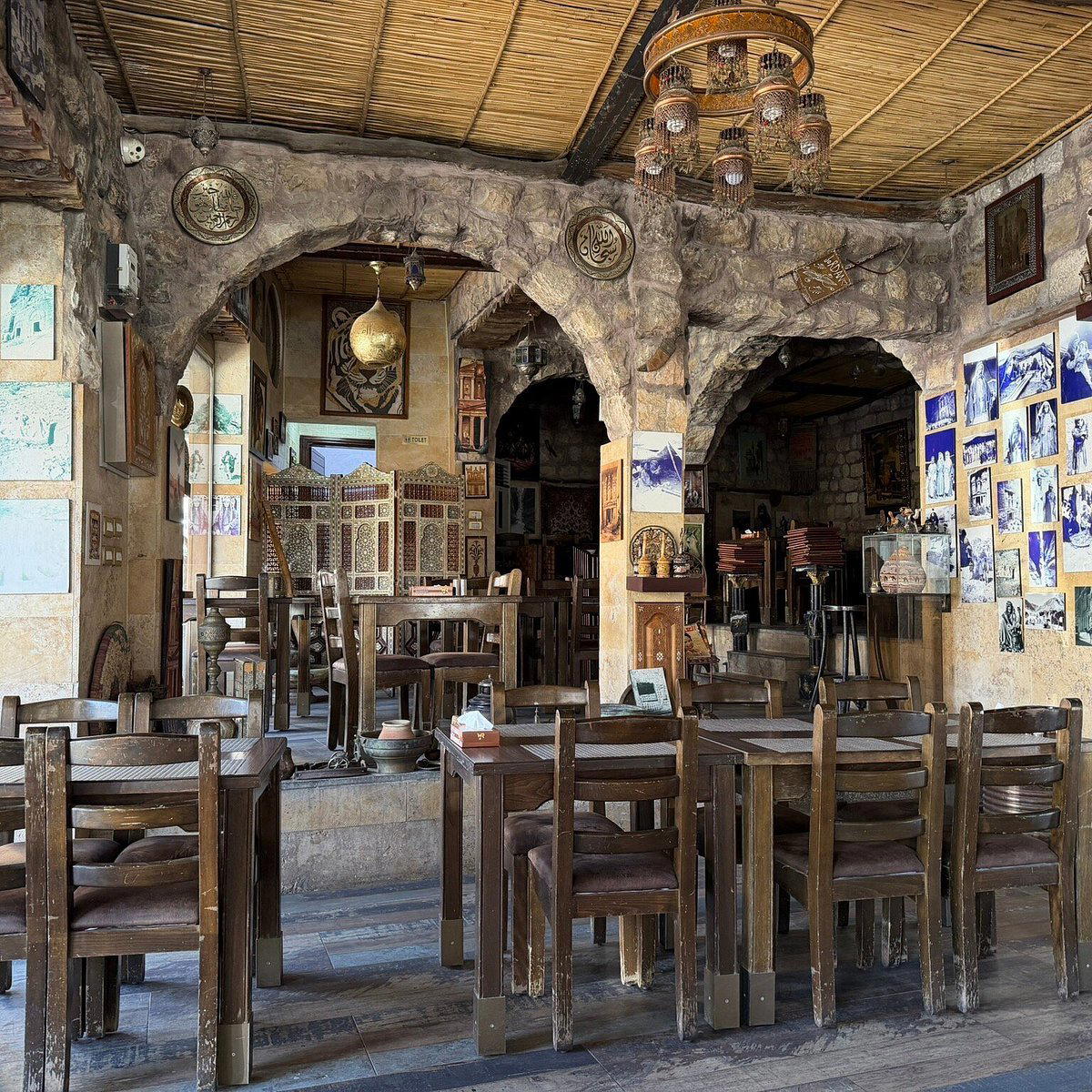
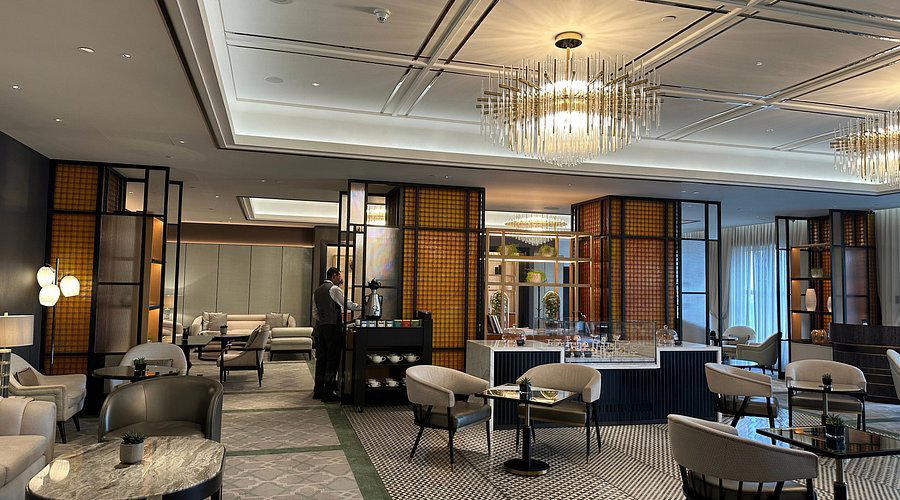
Approaching a restaurant that has operated in Amman's upper-middle dining tier for any sustained period, you encounter a particular kind of physical confidence. The address on Mohammad Hussein Haykal Street places Romero in a neighbourhood with density of options, the kind of street-level competition that filters out restaurants that cannot hold their ground on consistency. Long-standing rooms in competitive city blocks tend to develop a settled quality: the pacing is calibrated, the service rhythm familiar, the physical environment worn in rather than freshly conceived.
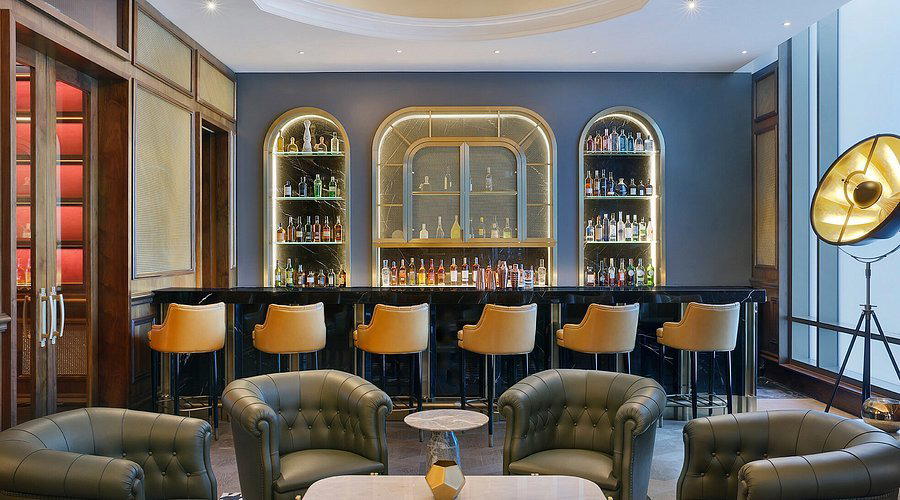
This is a different atmospheric register from the studied design of newer Amman openings, which often lean heavily on material-forward interiors and lighting concepts borrowed from the Beirut or Dubai playbook. Romero's longevity in its current address implies a room that has earned its place through repetition rather than spectacle, a quality that a specific kind of guest finds reassuring and another kind finds unremarkable. Knowing which kind of guest you are is the most useful calibration you can do before arriving.
Amman in a Wider Frame
Placing Amman's restaurant scene against international reference points is useful for travellers arriving with calibrated expectations from cities like Hong Kong or Paris. The technical ambition of a Amber in Hong Kong or the formal grandeur of Alain Ducasse at Louis XV operates in a different register from what Amman's mid-to-upper tier produces. That comparison is not meant to diminish Amman's dining rooms, which are doing genuinely interesting things with local ingredients and Levantine technique. It is meant to set honest expectations about what the European-coded tier here offers.
Within that frame, Romero occupies a position as a reliable European-style address in a city that has relatively few of them compared to its Gulf counterparts. For the traveller who has spent a day at Petra and wants an evening meal that doesn't require much orientation, or who has arrived from somewhere like Deretna in Petra and is looking for a contrasting register, Romero's format provides a clear, legible option. The same logic applies for Aqaba visitors who move through Amman and want a reference-point dinner before departing; venues like Alibaba Restaurant in Aqaba serve a different function entirely, rooted in seafood and port-city informality.
The broader Jordanian dining picture, from the highland kitchens of Ajloun to Amman's most polished rooms, is covered in depth in our full Amman restaurants guide, which maps the scene by neighbourhood and occasion type.
Planning Your Visit
Romero operates from its address at Mohammad Hussein Haykal Street 3 in Amman, trading under the name Romero Restaurant and also referenced as The Living Room Restaurant at the same address, a naming overlap that occasionally confuses first-time visitors searching online. Booking in advance is advisable for weekend evenings, when Amman's dining rooms in this tier fill from both local regulars and hotel guests. The neighbourhood is accessible by taxi or ride-share from the main hotel districts without difficulty. Dress expectations at rooms of this type in Amman run toward smart casual at minimum, though the city's dining culture allows reasonable latitude.
Frequently asked questions
Is Romero suitable for children?
Amman is a city where family dining is culturally central, but Romero's European-structured format and its positioning in the upper-middle dining tier make it better suited to adults or older children comfortable with a sit-down, course-based meal. Families with young children will find the rhythm of a classically framed European service less accommodating than the city's more casual Levantine alternatives. That said, Jordan's hospitality culture means staff are unlikely to turn a family away.
Is Romero formal or casual?
Romero operates in the smart-casual to semi-formal register that characterises Amman's established European-style restaurants, less prescribed than award-circuit tasting-menu venues, but a step above the relaxed dress codes of the city's street-food and casual Levantine spots. The address on Mohammad Hussein Haykal Street places it in a commercial district where business lunches and evening dinners with guests are common, which tends to set the tone of the room. Collared shirts and neat attire are appropriate.
How does Romero compare to other long-standing Amman restaurants in the European tradition?
Amman has a small cohort of restaurants that have maintained European-coded dining formats across multiple decades, and longevity in that category is harder to achieve than in the city's Levantine sector, where local demand is more consistent. Romero, operating from Mohammad Hussein Haykal Street 3 and also referenced as The Living Room Restaurant, sits within this cohort rather than above it, its value is in sustained presence and format familiarity rather than in recent awards or a celebrity-chef profile. Travellers arriving from European or Gulf cities should calibrate expectations accordingly: this is a reliable upper-middle option, not a destination restaurant in the international-circuit sense.
How Romero Amman compares with similar nearby venues.
| Venue | Cuisine | Price | Awards |
|---|---|---|---|
| RomeroThis venue (the venue you are viewing) | Classic Italian Fine Dining | $50–100 | Not listed |
| Levant | Modern Armenian-Lebanese Levantine | $30–50 | Not listed |
| 13C Bar in the Back | Mediterranean Izakaya Fusion | $50–100 | World's 50 Best #36 |
| Fakhreldin | Traditional Levantine | Not listed | World's 50 Best #11 · The Best Chef One Knife |
| Dara Dining by Sara Aqel | Mediterranean with Italian Focus | $50–100 | World's 50 Best #30 · Wine Spectator Best of Award of Excellence |
| Shams El Balad | Modern Levantine | $20–30 | World's 50 Best #26 |
Continue exploring
More in Amman
Restaurants in Amman
All restaurants in Amman →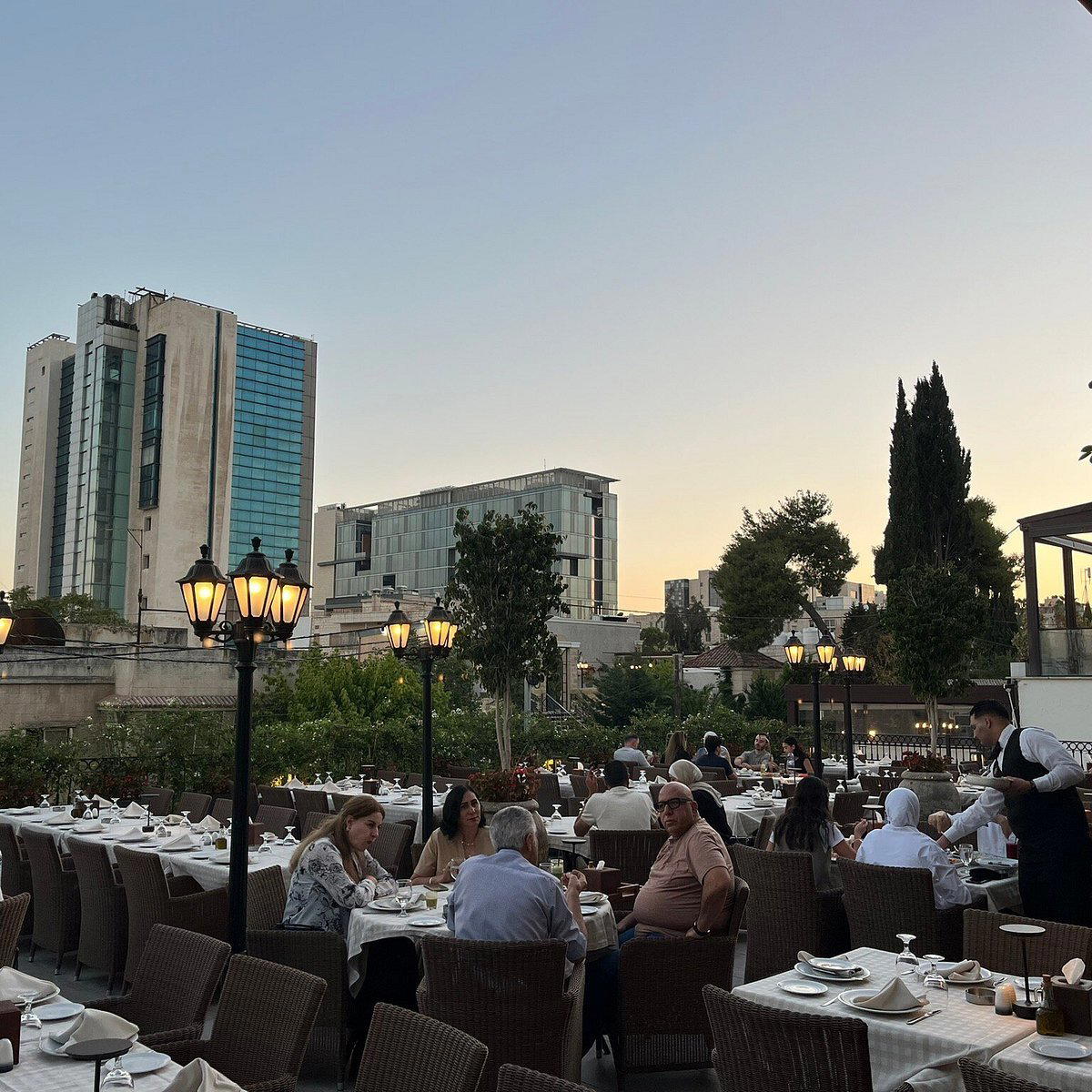


Bars in Amman
All bars in Amman →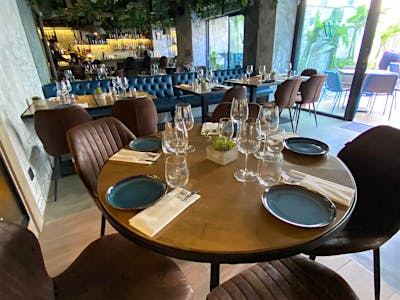

Details
- Romantic
- Elegant
- Classic
- Sophisticated
- Scenic
- Date Night
- Special Occasion
- Business Dinner
- Celebration
- Terrace
- Waterfront
- Private Dining
- Extensive Wine List
- Sommelier Led
- Waterfront
- A La Carte
- Set Menu
- Wine
- Vegetarian Friendly
- Vegan Options
- Gluten Free Options
Current opening hours
- Monday
- 12–11 PM
- Tuesday
- 12–11 PM
- Wednesday
- 12–11 PM
- Thursday
- 12–11 PM
- Friday
- 12–11 PM
- Saturday
- 12–11 PM
- Sunday
- 12–11 PM
Hours can change for holidays and private events. Hours as of .
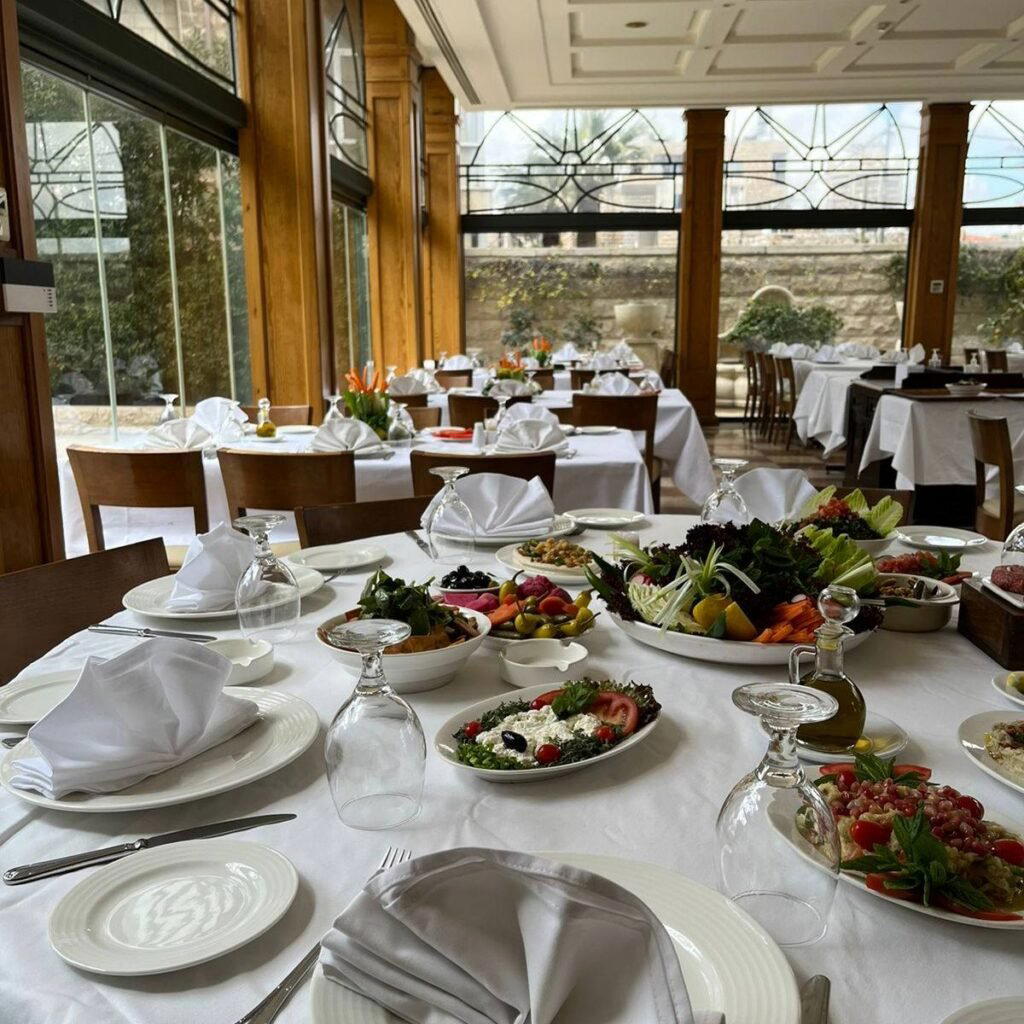
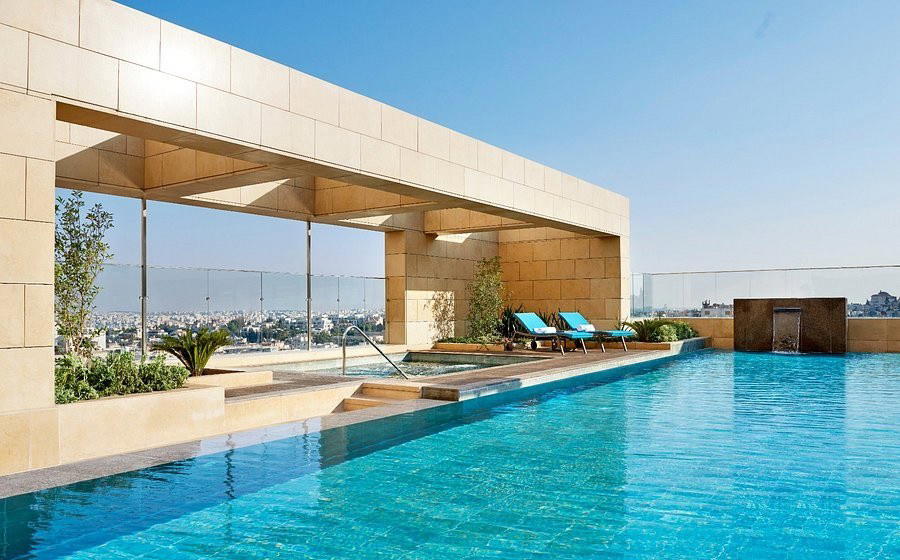
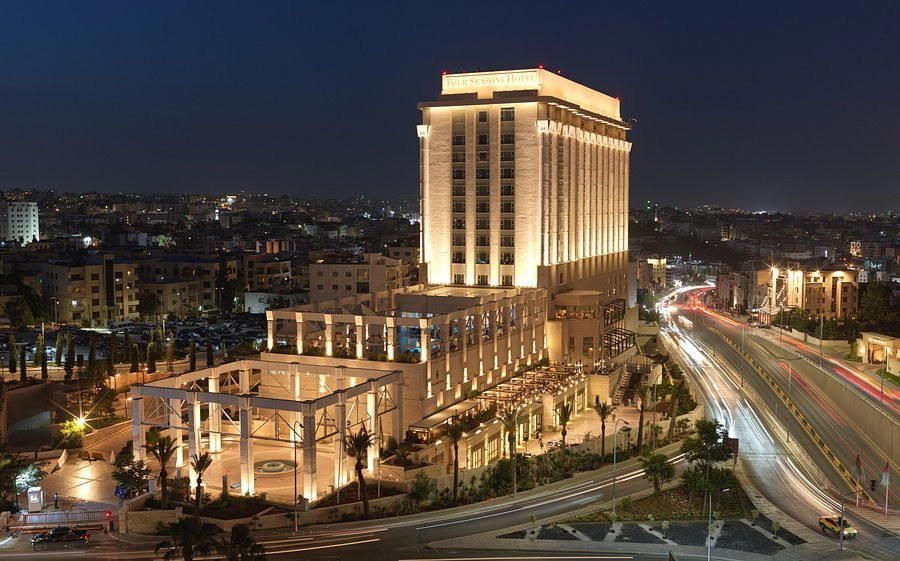
High ceilings, wood floors, white tablecloths, candelabras and crystal chandeliers in the dining room; enchanting fairy light-draped garden terrace with waterfront views creating a peaceful, romantic atmosphere.