Al Wadi
Our verdict
Al Wadi sits on VFW Parkway in West Roxbury, a Boston neighborhood where the dining scene skews local and unglamorous in the best sense. The address places it squarely in a part of the city that rewards the curious over the trend-chasing, where sourcing and technique tend to matter more than room design or press coverage. For anyone tracking Middle Eastern cooking in Greater Boston, it belongs on the list.

Pearl is the En Primeur Club membership app — saves, bookings, and concierge access live there. Same editors, same standards.
The menu
What to order
- Pumpkin kibbeh
- Fattoush salad
- Lamb kebab
VFW Parkway and the Quiet Case for West Roxbury's Table
There is a particular kind of restaurant that thrives on a commercial strip far from the neighborhoods that attract food writers: steady, community-rooted, operating on reputation built over years rather than a launch moment. VFW Parkway in West Roxbury is exactly that kind of address. The corridor runs southwest out of the city proper, past auto shops and insurance offices, and the dining along it tends to reflect the neighborhood's character: unpretentious, consistent, and largely invisible to the downtown Boston conversation. Al Wadi, at 1249 VFW Pkwy, occupies that position. It is the kind of place you hear about from someone who lives nearby rather than from a reservation app algorithm. For context on how West Roxbury fits into Greater Boston's broader restaurant picture, see our full West Roxbury restaurants guide.
Where the Ingredients Come From — and Why That Framing Matters Here
Middle Eastern kitchens in the United States occupy a complicated position when it comes to sourcing. The pantry depends heavily on imported staples: dried legumes, particular grades of olive oil, specific spice blends, pomegranate molasses, preserved lemons, and specialty grains that have no adequate domestic substitute. This is a different procurement reality than what drives the farm-to-table conversation at, say, Blue Hill at Stone Barns in Tarrytown, where the sourcing story is hyperlocal by design, or Single Thread Farm in Healdsburg, where the kitchen and the farm operate as a single system. For a Middle Eastern restaurant, fidelity to sourcing means something different: it means getting the right imported goods, not substituting with what is locally convenient, and understanding which domestic producers can supply lamb, chicken, or produce that meets the flavor profile those dishes require.
In the Greater Boston area, that procurement reality has shaped a small but coherent cluster of Middle Eastern restaurants that serve communities with firsthand knowledge of what the food should taste like. West Roxbury's demographic mix includes long-established communities whose culinary expectations are specific and unforgiving in the most useful sense. A restaurant that survives and builds loyalty in that context is generally one that sources correctly, not one that approximates.
The Ingredient-Sourcing Argument in American Fine Dining
The national conversation about ingredient sourcing has concentrated heavily on a handful of restaurant archetypes. Smyth in Chicago works from an underground farm and fermentation program. The French Laundry in Napa has operated its own garden for decades. Oyster Oyster in Washington, D.C. has built its entire identity around low-impact, plant-forward sourcing. These are restaurants where the sourcing argument is central to the editorial story and to the price point. Addison in San Diego and Providence in Los Angeles operate in a similar register of deliberate, credentialed sourcing at the upper end of the price spectrum.
What that conversation often misses is the sourcing discipline required at neighborhood scale, where there is no story to sell and no tasting menu markup to absorb procurement costs. The neighborhood restaurant that uses the right imported sumac, that sources lamb from a supplier who understands the cut requirements of a slow-braised shank, that keeps za'atar blended from dried rather than processed herbs — that kitchen is making sourcing decisions as consequential as any farm-to-table program, just without the accompanying press release. Bacchanalia in Atlanta and Frasca Food and Wine in Boulder have shown that sourcing rigor and neighborhood-scale operation are not mutually exclusive, and that framework applies here.
West Roxbury in the Boston Dining Conversation
Boston's restaurant attention clusters predictably: the South End, Back Bay, Fenway, and increasingly Seaport absorb most of the press and reservation pressure. Neighborhoods like West Roxbury operate outside that gravity. The practical implication for the diner is that restaurants here are not optimized for first impressions or tourist traffic. They are calibrated for return visits, for regulars, for the kind of guest who already knows what they want and is assessing execution rather than novelty. That dynamic tends to produce tighter, more consistent kitchens than the high-visibility launch-and-fade cycle that affects more prominent addresses.
The contrast with the high-altitude end of American dining is instructive. Le Bernardin in New York City, Lazy Bear in San Francisco, and Atomix in New York City operate in an entirely different register of visibility, investment, and critical scrutiny. The Inn at Little Washington and Emeril's in New Orleans carry decades of accumulated reputation. Even internationally, restaurants like Atelier Moessmer Norbert Niederkofler in Brunico frame sourcing as an Alpine-identity argument. Al Wadi operates at none of those scales, which is precisely what makes it interesting to a different kind of reader: one tracking where a cuisine lives when it is not performing for critics.
For Miami's example of a similarly community-rooted, non-mainstream cuisine making a serious case on its own terms, ITAMAE in Miami offers a useful parallel: a kitchen working from a specific culinary tradition, sourcing to that tradition's requirements, and building an audience through consistency rather than spectacle. The Wolf's Tailor in Denver makes a comparable argument from a progressive American angle.
Planning Your Visit
Al Wadi is located at 1249 VFW Pkwy, Boston, MA 02132, in the West Roxbury section of the city. VFW Parkway is accessible by car from the Route 1 and Route 203 corridors; parking along this commercial strip is generally available without difficulty. Public transit from central Boston requires a bus connection from Forest Hills station on the Orange Line, which adds time but is viable.
Frequently asked questions
Can I bring kids to Al Wadi?
West Roxbury's residential character shapes its dining corridor on VFW Parkway toward family use, and Al Wadi at 1249 VFW Pkwy fits that pattern. Middle Eastern cooking tends to offer a range of approachable dishes that translate across age groups. Calling ahead to confirm seating arrangements is advisable before arriving with a group.
What's the overall feel of Al Wadi?
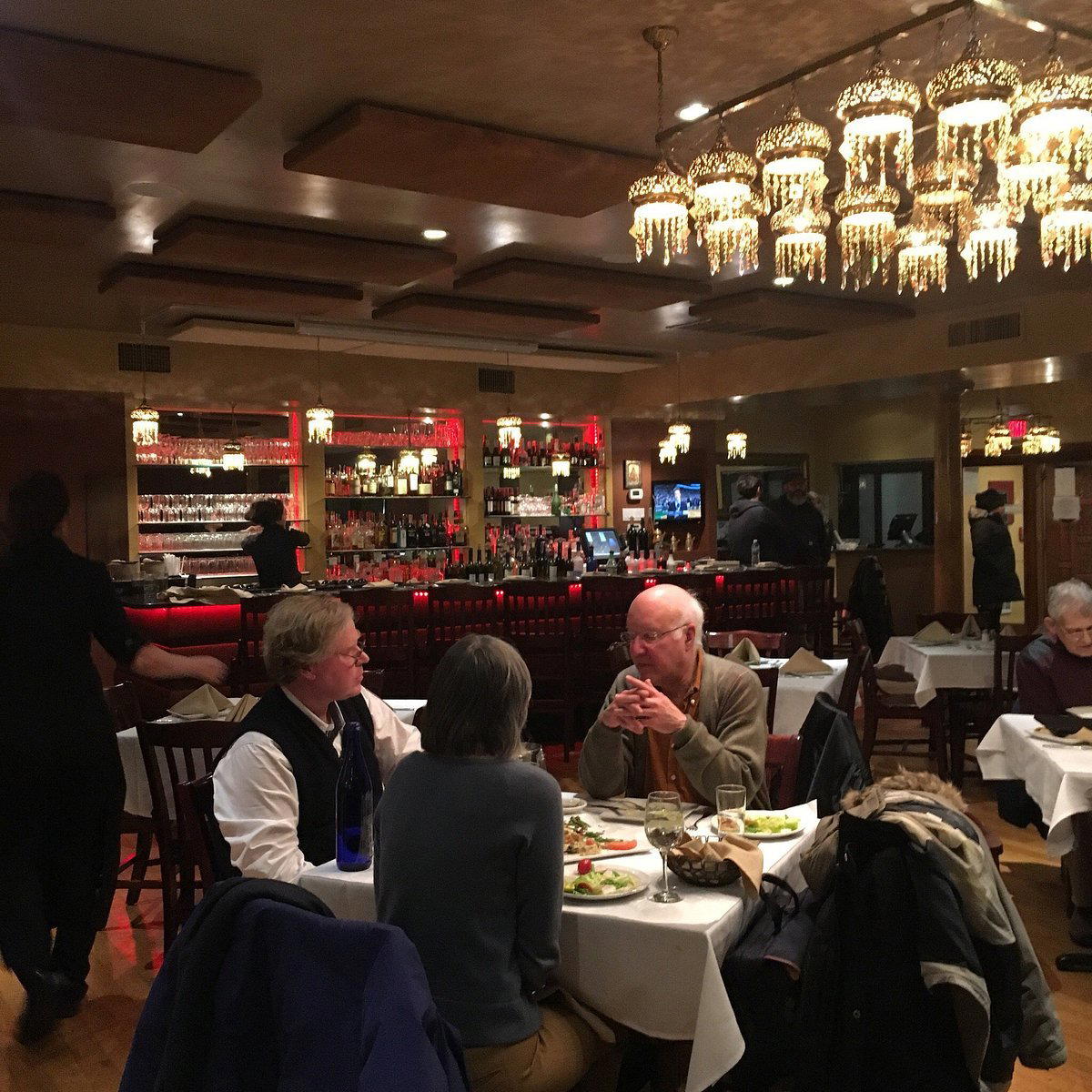
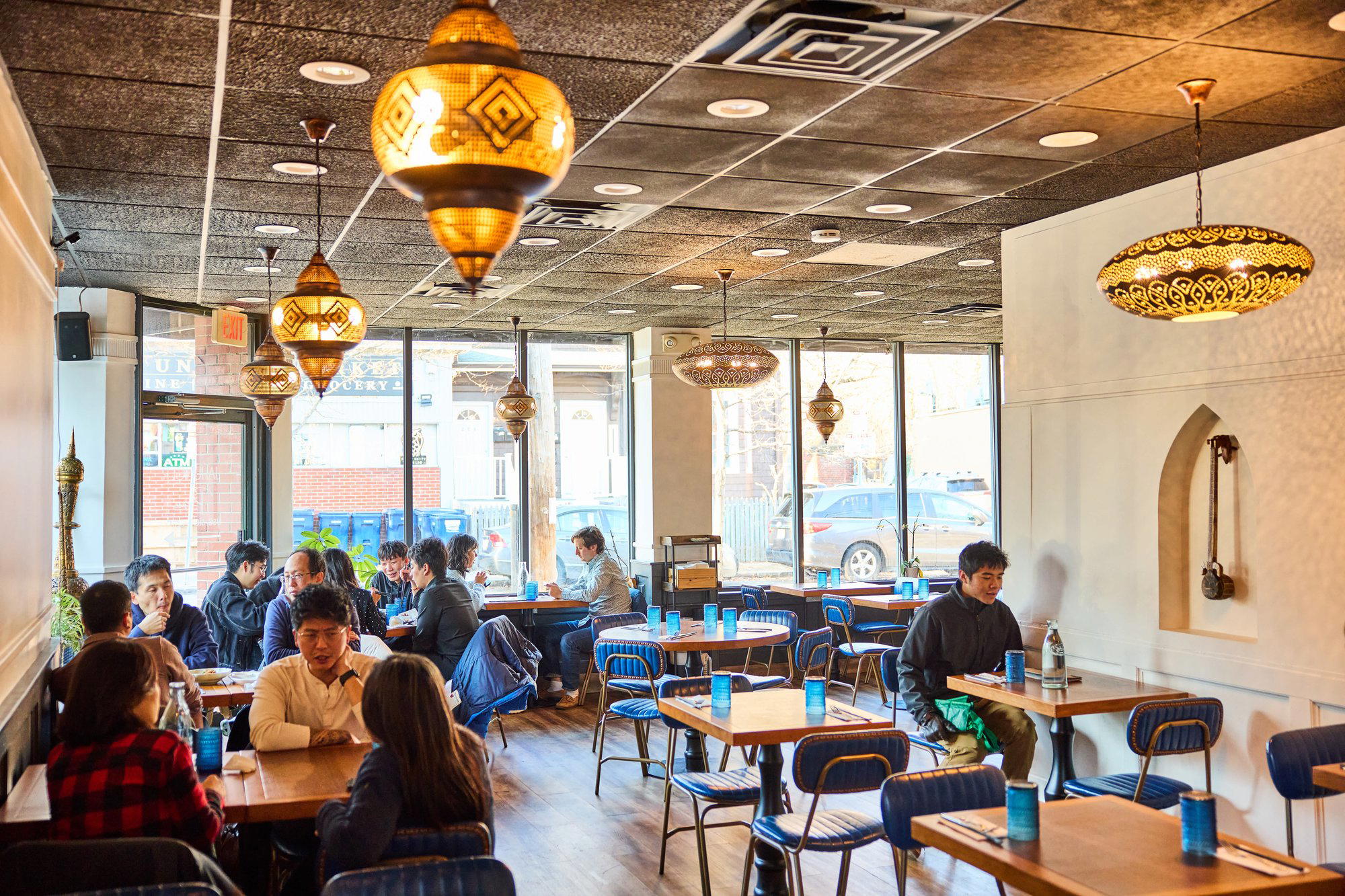
The VFW Parkway address places Al Wadi firmly in West Roxbury's community dining register rather than in the destination-restaurant category that draws coverage from Boston food press. Restaurants in this corridor serve the surrounding neighborhood first. Expect a functional, no-performance setting oriented around the food rather than around atmosphere production.
Is Al Wadi a good option for Middle Eastern food in Boston outside the city center?
Boston's Middle Eastern dining options are distributed across the metro area rather than concentrated in any single district, and West Roxbury's VFW Parkway strip serves a part of the city that sees little food-press attention. Al Wadi occupies that quieter corridor, making it a practical choice for residents of West Roxbury and surrounding neighborhoods who want Middle Eastern cooking without traveling into the South End or Back Bay.
Where exactly is Al Wadi?
Al Wadi is located at 1249 VFW Pkwy, Boston, MA 02132, West Roxbury.
Should I book Al Wadi in advance?
Neighborhood restaurants along VFW Parkway without major awards coverage rarely face the reservation pressure seen at South End or Seaport venues. A same-day call to confirm availability is a reasonable precaution, particularly on weekend evenings.
Quick Comparison
| Venue | Cuisine | Price | Awards | Notes |
|---|---|---|---|---|
| Al WadiThis venue — the venue you are viewing | Lebanese | $20–30 | Not listed | Not listed |
| Le Bernardin | French Seafood Fine Dining | $300–500 | 3 Michelin Stars · World's 50 Best #13 | French, Seafood |
| Lazy Bear | Modern American Tasting Menu | Not listed | 2 Michelin Stars · World's 50 Best #25 | Progressive American, Contemporary |
| Atomix | Modern Korean Tasting Menu | $300–500 | 2 Michelin Stars · World's 50 Best #7 | Modern Korean, Korean |
| Per Se | French Fine Dining Tasting Menu | $300–500 | 3 Michelin Stars · World's 50 Best #40 | French, Contemporary |
| Masa | Traditional Japanese Omakase | $500+ | 2 Michelin Stars · World's 50 Best #27 | Sushi, Japanese |
Continue exploring
More in West Roxbury
Restaurants in West Roxbury
All restaurants in West Roxbury →
Bars in West Roxbury
Browse all →
Hotels in West Roxbury
Browse all →

Wineries in West Roxbury
Browse all →
Details
- Cozy
- Elegant
- Family
- Group Dining
- Casual Hangout
- Live Music
- A La Carte
- Small Plates
- Vegetarian Friendly
- Vegan Options
- Gluten Free Options
- Halal
Current opening hours
- Monday
- Closed
- Tuesday
- 12–9 PM
- Wednesday
- 12–9 PM
- Thursday
- 12–9 PM
- Friday
- 12–9 PM
- Saturday
- 12–9 PM
- Sunday
- 12–8 PM
Hours can change for holidays and private events. Last verified .
Colorful yet elegant interior with mellow musical moods, live Arabic music on weekends, and an inviting Beirut-inspired atmosphere.