Al Toque Peruvian Kitchen
Al Toque Peruvian Kitchen brings Peru's ingredient-driven cooking tradition to Oceanside Boulevard, occupying a category of Latin dining that the city's restaurant scene handles unevenly. Peruvian cuisine's depth, from coastal ceviche technique to Andean produce, gives the kitchen a wide canvas, and Oceanside's position within San Diego County places it in a region with growing appetite for specificity over generality in its international dining options.
Pearl is the En Primeur Club membership app — saves, bookings, and concierge access live there. Same editors, same standards.
- Address
- 1906 Oceanside Blvd, Oceanside, CA 92054
- Phone
- +17606963115
- Website
- altoquepk.co
- Directions
- Get directions
 Saves & bookings on Pearl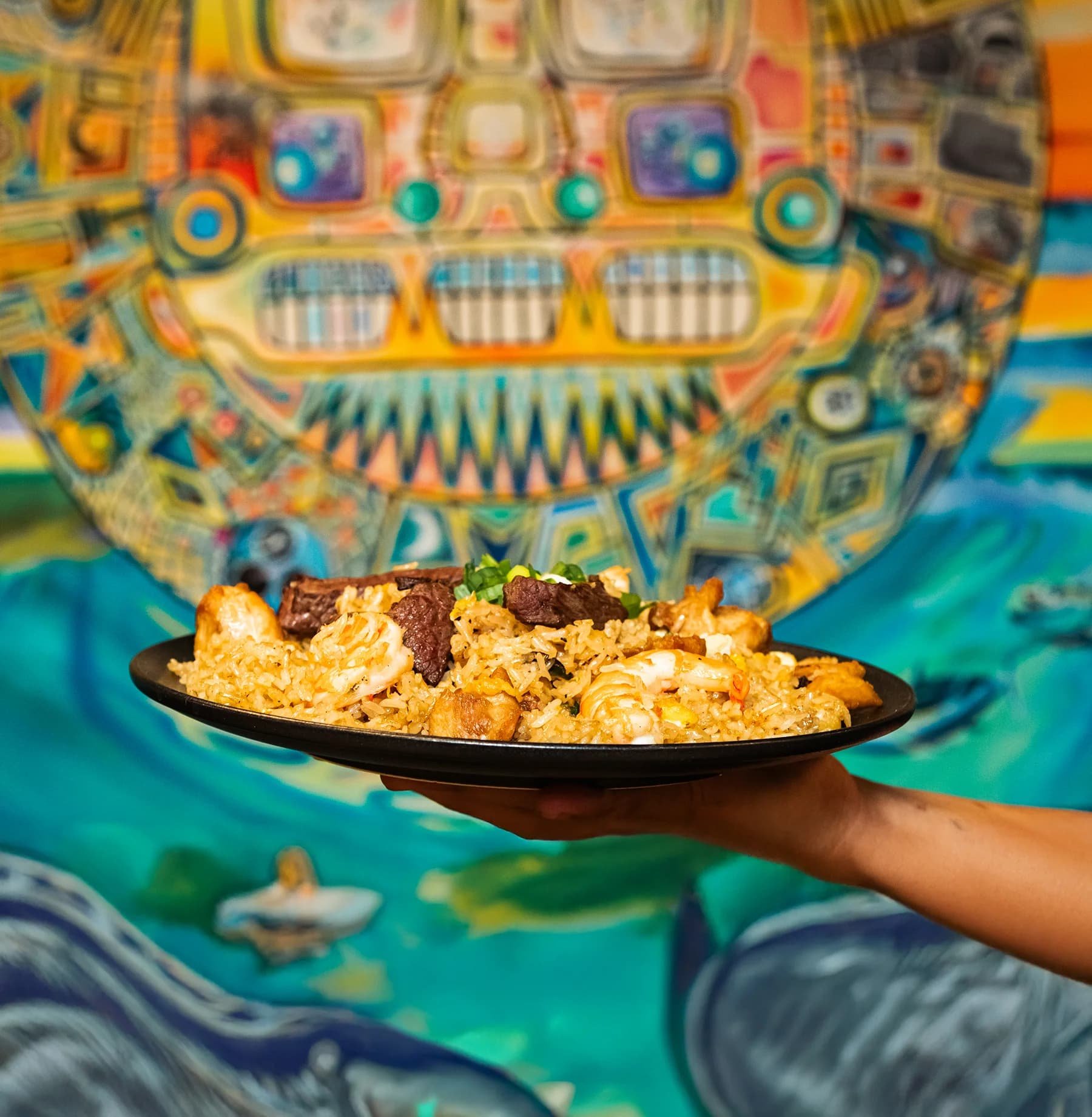
Peruvian Cooking in a California Coastal City
Oceanside's restaurant identity has sharpened considerably over the past several years. The city that once read as a pass-through on the way to San Diego now holds a dining scene with genuine range: Valle applies Baja California's ingredient logic to modern Mexican cooking, Dija Mara brings Indonesian technique to a mid-market price point, and 24 Suns works within Chinese contemporary forms. Against that backdrop, Al Toque Peruvian Kitchen holds a specific position: it represents a cuisine that California coastal cities have historically underserved relative to its actual complexity.
Peruvian cooking is among the more ingredient-layered traditions in the Americas. Its sourcing logic draws from three distinct ecological zones, Pacific coast fisheries, Andean highland agriculture, and Amazonian biodiversity, and the kitchen that takes this seriously is dealing with a far more demanding supply chain than most Latin American restaurants in Southern California. Where Peruvian food gets reduced to a ceviche and lomo saltado template, the cuisine's depth collapses. Where it doesn't, the sourcing decisions become the story.
What the Ingredient Tradition Actually Demands
The culinary architecture of Peru is built on produce that doesn't travel well and doesn't substitute easily. Aji amarillo, the yellow chile that anchors much of coastal cooking, has a fruity heat profile that dried or jarred versions approximate but never replicate. Huacatay, the black mint herb used across sauces and marinades, loses its character quickly after harvest. Causa, the cold potato terrine that functions as a Peruvian staple, depends on papa amarilla, a yellow-fleshed Andean variety whose waxy, dense texture behaves differently from any North American substitute.
This is the challenge that serious Peruvian restaurants anywhere outside Peru face: either source these inputs with precision, or quietly adapt the menu toward what's available and hope diners don't notice. The distinction matters. At the level where places like Single Thread Farm in Healdsburg or Blue Hill at Stone Barns in Tarrytown operate, sourcing is the editorial statement. Even in more accessible formats, the gap between sourced-with-intention and improvised-with-what's-available shows up clearly on the plate.
Southern California's produce infrastructure gives Peruvian kitchens here a partial advantage. The San Diego region's proximity to Baja California's farming networks and the state's own agricultural breadth means that certain South American varieties are grown domestically or imported through Los Angeles with enough volume and frequency to reach smaller operators. Oceanside's position within this supply corridor matters more than its tourism profile would suggest.
Reading the Menu as a Sourcing Statement
Peruvian menus, when read carefully, signal how seriously a kitchen is engaging with the tradition. Ceviche tells part of the story: the acidity of leche de tigre, the balance of citrus and chile, and the quality of the fish underneath it are all proxies for sourcing discipline. Pacific coast proximity gives San Diego County restaurants a structural advantage here, the fish doesn't need to travel far, and the variety available through local fisheries maps reasonably onto what Peruvian coastal cooking expects.
The deeper signals come from dishes that are harder to approximate. Aji de gallina, the slow-cooked chicken in aji amarillo sauce, is a reasonable test of chile sourcing. Anticuchos, skewered beef heart marinated and grilled over high heat, require a willingness to work with offal that many kitchens sidestep. Tiradito, the Peruvian-Japanese hybrid that slices fish sashimi-thin and dresses it in citrus-based sauces, reflects the Nikkei influence on Lima's cooking and demands both fish quality and knife discipline.
For context on how ingredient-led traditions play out at the highest level, kitchens like Le Bernardin in New York City or Providence in Los Angeles demonstrate what sourcing obsession produces when budget and supply chain are near-unlimited. Addison in San Diego operates at a similar level of sourcing rigor closer to home. Al Toque operates in a different tier, more accessible, less formal, but the questions the cuisine asks of any kitchen are structurally the same.
Oceanside's Latin Dining Context
Within Oceanside specifically, Latin American dining covers a wide range of formats and price points. Anita's represents the established, value-anchored end of Mexican cooking in the city. Eris Food Co. sits in a more casual contemporary register. Peruvian, by contrast, remains a category where Oceanside diners have fewer reference points, which creates both an opportunity and a challenge: the kitchen is working with an audience that may not carry the same baseline expectations that, say, a Japanese or Mexican restaurant can assume.
That dynamic shapes how a Peruvian restaurant in this market should be read. The absence of a dense competitive set isn't evidence of low ceiling, it's a function of Peruvian food's relative rarity in San Diego County outside of specific neighborhoods further south. Restaurants operating in thinner competitive environments tend to either drift toward the lowest-common-denominator version of the cuisine or anchor themselves firmly to the tradition. The ingredient sourcing choices, more than any other single variable, determine which direction a kitchen is heading. For a broader map of where Al Toque sits within Oceanside's dining options, the full Oceanside restaurants guide covers the range across neighborhoods and cuisine types.
Planning Your Visit
Al Toque Peruvian Kitchen is located at 1906 Oceanside Blvd, Oceanside, CA 92054, on the main commercial corridor that runs through central Oceanside. The restaurant is walk-in friendly, with hours of 11:30 AM to 8 PM Monday, 11 AM to 8 PM Tuesday through Thursday, 11 AM to 9 PM Friday, 12 PM to 9 PM Saturday, and 11 AM to 8 PM Sunday. Given the relative scarcity of serious Peruvian cooking in North County San Diego, it draws from a wider geographic catchment than a typical neighborhood spot.
A Quick Peer Check
Comparable venues nearby, for context on price, style, and recognition.
| Venue | Cuisine | Price | Notes |
|---|---|---|---|
| Al Toque Peruvian KitchenThis venue — the venue you are viewing | Authentic Peruvian Street Food | $$ | Not listed |
| Anita's | Traditional Mexican Cantina | $$ | South Oceanside |
| Harney Sushi | Sustainable Japanese Sushi Fusion | $$ | Oceanside Townsite |
| Eris Food Co. | Modern Vegan American | $$ | Downtown Oceanside |
| The Privateer Coal Fire Pizza | Coal-Fired Neapolitan Pizza | $$ | South Oceanside |
| Matsu | Modern Japanese Omakase | $$$$ | Oceanside |
Continue exploring
More in Oceanside
Restaurants in Oceanside
Browse all →

Bars in Oceanside
Browse all →
Hotels in Oceanside
Browse all →


Wineries in Oceanside
Browse all →
At a Glance
- Cozy
- Lively
- Rustic
- Casual Hangout
- Group Dining
- Family
- Standalone
- Beer Program
- Local Sourcing
Current opening hours
- Monday
- 11:30 AM–8 PM
- Tuesday
- 11 AM–8 PM
- Wednesday
- 11 AM–8 PM
- Thursday
- 11 AM–8 PM
- Friday
- 11 AM–9 PM
- Saturday
- 12–9 PM
- Sunday
- 11 AM–8 PM
Hours can change for holidays and private events. Last verified .
Lively and energetic casual dining space with warm, welcoming atmosphere reflecting Peruvian street food culture.