Al Dente Cucina Italiana
Our verdict
Al Dente Cucina Italiana brings Italian cooking to Saville Place in Newcastle upon Tyne, occupying a corner of the city's dining scene where regional European traditions hold their own against a strong Modern British current. For a city increasingly defined by its contemporary restaurant ambition, a kitchen rooted in Italian craft offers a distinct counterpoint worth understanding before you book.

Pearl is the En Primeur Club membership app — saves, bookings, and concierge access live there. Same editors, same standards.
- Address
- 5 Saville Pl, Newcastle upon Tyne NE1 8DQ, United Kingdom
- Phone
- +447770937024
- Hours
- Mon 10 AM–4 PMTue–Thu 10 AM–8 PMFri–Sat 10 AM–9 PMSun Closed
- Website
- aldentenewcastle.co.uk
- Directions
- Get directions
The menu
What to order
- Homemade pasta
- Risotto
- Tiramisu
- Pizza
Italian Cooking in a City That Leans British
Newcastle upon Tyne has built its modern restaurant reputation largely on the back of British culinary ambition. House of Tides and Solstice by Kenny Atkinson anchor the top tier at the ££££ bracket, while 21 holds the middle ground and Blackfriars and Broad Chare represent the city's traditional British flank. Against that backdrop, a dedicated Italian kitchen at Saville Place, NE1, occupies a specific and somewhat contrarian position. Italian restaurants in northern English cities have historically operated in two registers: the red-checked-cloth trattoria and the upmarket ristorante chasing Michelin adjacency. Al Dente Cucina Italiana signals through its name and address that it is aiming for something more considered than the former.
Saville Place sits within Newcastle's city centre, close enough to the cultural and commercial core to attract a steady flow of diners who are not necessarily destination-seeking, but the name and format suggest a kitchen with intentions beyond casual convenience. In cities like Newcastle, where the dining conversation is dominated by Modern British tasting menus and gastropub heritage, an Italian specialist has to make the case for its own culinary logic.
What the Ingredient Question Means for Italian Cooking in the North
The central editorial question for any Italian restaurant operating outside Italy is provenance: what comes from where, and why does it matter? Italian cuisine, at its most serious, is not a single tradition but a federation of regional ones, each tied to specific agricultural conditions. A kitchen in Liguria has access to a different pantry than one in Emilia-Romagna, and an honest Italian restaurant in northern England has to decide how to position itself along that spectrum.
The most defensible approach, taken by the better Italian kitchens in British cities, is a hybrid sourcing model: Italian staples that genuinely require Italian origin (cured meats, aged cheeses, preserved anchovies, specific pasta flours) sourced directly from Italian producers, while seasonal produce draws from British suppliers who can offer freshness and traceability that imported vegetables rarely match. This is not a compromise; it is the approach increasingly visible in Italian kitchens from London outward, and it reflects a more honest reading of what makes Italian food work than a blanket insistence on all-Italian ingredients regardless of quality or condition on arrival.
For a restaurant on Saville Place in Newcastle, this matters practically. The North East has productive agricultural land and an accessible coastline, and Italian cooking traditions accommodate both. A kitchen that can source North Sea fish and treat it through the lens of Italian coastal cooking, or that can work with local alliums and legumes inside Italian structural frameworks, is making an argument about culinary intelligence rather than geographic authenticity. Readers interested in how British fine dining more broadly handles the provenance question will find useful reference points at L'Enclume in Cartmel and Moor Hall in Aughton, both of which have made ingredient sourcing a structural part of their identity.
Where It Sits in Newcastle's Price and Style Spectrum
Newcastle's dining tiers are relatively readable. At the leading, the ££££ bracket is occupied by Modern British tasting-menu formats with serious kitchen pedigree and, in some cases, national award recognition. The £££ bracket, where restaurants like 21 operate, represents the city's confident mid-market. Below that, the ££ tier covers accessible neighbourhood dining and traditional British formats. Italian restaurants in British cities typically anchor at £££, pricing against the confident mid-market rather than the tasting-menu tier, and positioning on the basis of a la carte flexibility rather than a set format.
That positioning has advantages. Italian cuisine's structural flexibility, the ability to eat a single pasta course or to build a multi-course progression, makes it commercially accessible without sacrificing kitchen ambition. A diner who wants a bowl of properly made pasta and a glass of wine can be served without disrupting the flow of a kitchen also running more complex plates. This is a format strength that Modern British tasting menus cannot replicate, and it is why Italian restaurants often sustain loyal repeat custom at a frequency that destination tasting-menu rooms do not.
The Broader Italian Restaurant Conversation in the UK
The reference frame for serious Italian cooking in the UK has shifted considerably in the past decade. Restaurants at Waterside Inn in Bray and Core by Clare Smyth in London have set the bar for what technical ambition looks like at the top of British dining, and that has pulled the conversation upward across categories. Even Italian specialists in regional cities are now expected to demonstrate kitchen discipline that would have been unusual outside London a decade ago.
Internationally, the standard for Italian-influenced fine dining is also rising. Le Bernardin in New York City and experiential formats like Lazy Bear in San Francisco have shown that culinary tradition and contemporary format can coexist without one cannibalizing the other. Closer to Newcastle, venues like Gidleigh Park in Chagford, Hand and Flowers in Marlow, hide and fox in Saltwood, Midsummer House in Cambridge, Opheem in Birmingham, and Ynyshir Hall in Machynlleth all demonstrate that regional British dining has left behind any inferiority complex about geography. Newcastle is part of that broader shift.
Planning Your Visit
Al Dente Cucina Italiana is located at 5 Saville Place, Newcastle upon Tyne, NE1 8DQ, placing it in a walkable position from the city centre. As with most city-centre Italian restaurants in the UK, weekends typically require forward planning, particularly on Friday and Saturday evenings when competition for tables across Newcastle's dining corridor is strongest. For readers building a wider Newcastle itinerary, the full Newcastle upon Tyne restaurants guide maps the city's dining options across price tiers and styles.
Frequently asked questions
Where do I go for Al Dente Cucina Italiana?
Al Dente Cucina Italiana is located at î5 Saville Pl, Newcastle upon Tyne NE1 8DQ, United Kingdom, Newcastle Upon Tyne.
How does Al Dente Cucina Italiana fit into Newcastle's Italian dining options?
Newcastle upon Tyne has a relatively compact Italian restaurant scene compared with cities like Manchester or Leeds, where Italian kitchens have attracted stronger critical infrastructure in recent years. Al Dente Cucina Italiana at Saville Place sits within walking distance of the city centre, positioning it as an accessible option for those seeking Italian cooking outside the Modern British tasting-menu format that defines Newcastle's current high-end tier. For a clearer read on cuisine style and pricing, contacting the restaurant directly remains the most reliable route.
What's the signature dish at Al Dente Cucina Italiana?
Italian kitchens in the northern UK typically anchor their identity around house-made pasta or regionally sourced proteins, so checking directly with the restaurant will give you the most accurate picture of what defines their current kitchen. Visiting in person or contacting the venue before your booking is the most reliable approach.
Do they take walk-ins at Al Dente Cucina Italiana?
Reservation policy for Al Dente Cucina Italiana has not been published through any centrally available channel. Given its address at 5 Saville Place in central Newcastle upon Tyne, the restaurant is accessible from the city's main thoroughfares, but whether walk-in tables are held on any given evening is best confirmed by contacting the venue directly before you arrive.
What do critics highlight about Al Dente Cucina Italiana?
No formal critical reviews or award citations for Al Dente Cucina Italiana appear in indexed sources at this time. In a Newcastle dining scene where Modern British formats tend to dominate critical attention, Italian restaurants that hold their own against that pressure are worth tracking. Checking recent local food press covering the NE1 area will surface any coverage that has emerged.
At-a-Glance Comparison
Comparable venues nearby, for context on price, style, and recognition.
| Venue | Cuisine | Price | Notes |
|---|---|---|---|
| Al Dente Cucina ItalianaThis venue — the venue you are viewing | Authentic Southern Italian Trattoria | $20–30 | Not listed |
| Lubber Kitchen | Seasonal European-inspired | Not listed | Blandford Street |
| Simla Restaurant | Modern Indian | $20–30 | Quayside |
| My Delhi Newcastle | Authentic Indian Street Food | $20–30 | Clayton Street |
| Chakh Dhoom | Authentic Indian Street Food | $20–30 | Jesmond |
| Turtle Bay Newcastle | Caribbean Jerk & Island Street Food | $20–30 | Newcastle City Centre |
Continue exploring
More in Newcastle Upon Tyne
Restaurants in Newcastle Upon Tyne
Browse all →
Bars in Newcastle Upon Tyne
Browse all →
Details
- Cozy
- Relaxed
- Classic
- Casual Hangout
- Family
- Group Dining
- Terrace
- Standalone
- Local Sourcing
- A La Carte
- Coffee
- Vegetarian Friendly
Current opening hours
- Monday
- 10 AM–4 PM
- Tuesday
- 10 AM–8 PM
- Wednesday
- 10 AM–8 PM
- Thursday
- 10 AM–8 PM
- Friday
- 10 AM–9 PM
- Saturday
- 10 AM–9 PM
- Sunday
- Closed
Hours can change for holidays and private events. Last verified .
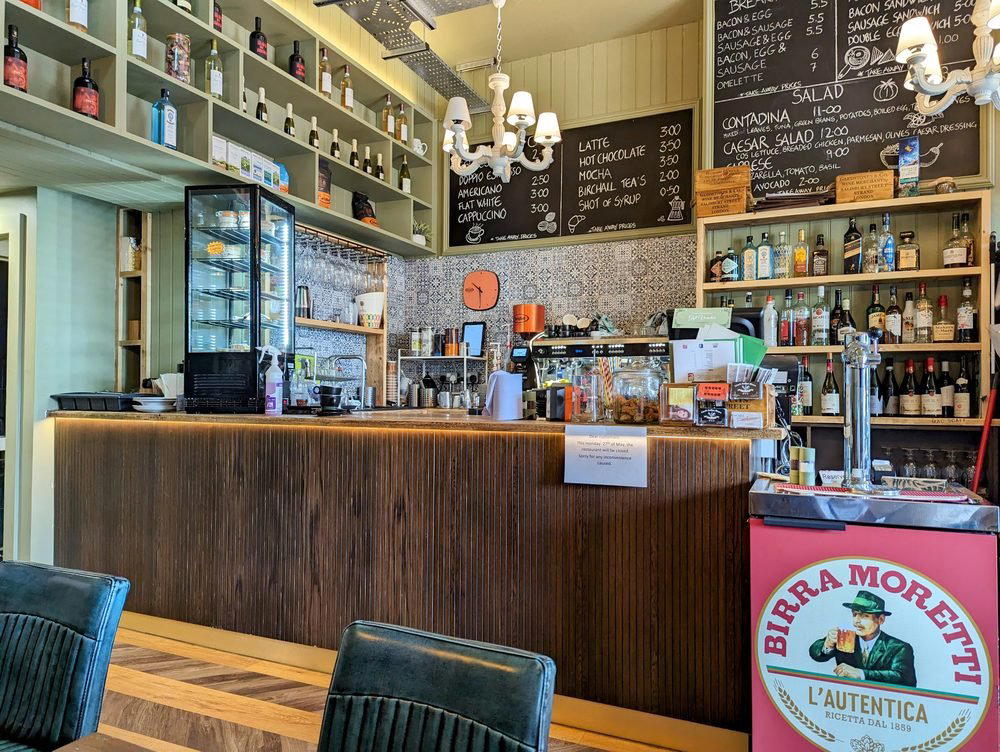
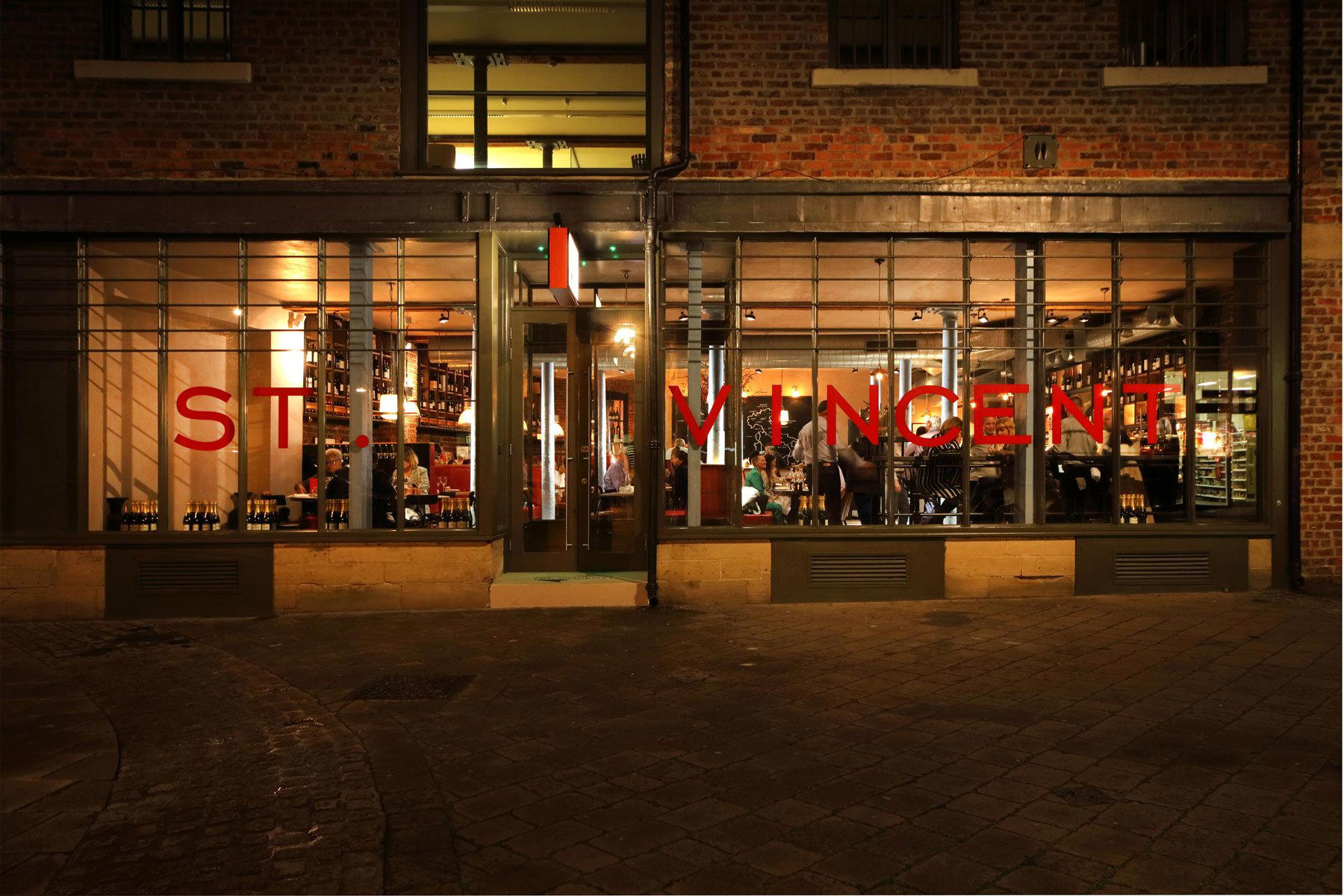
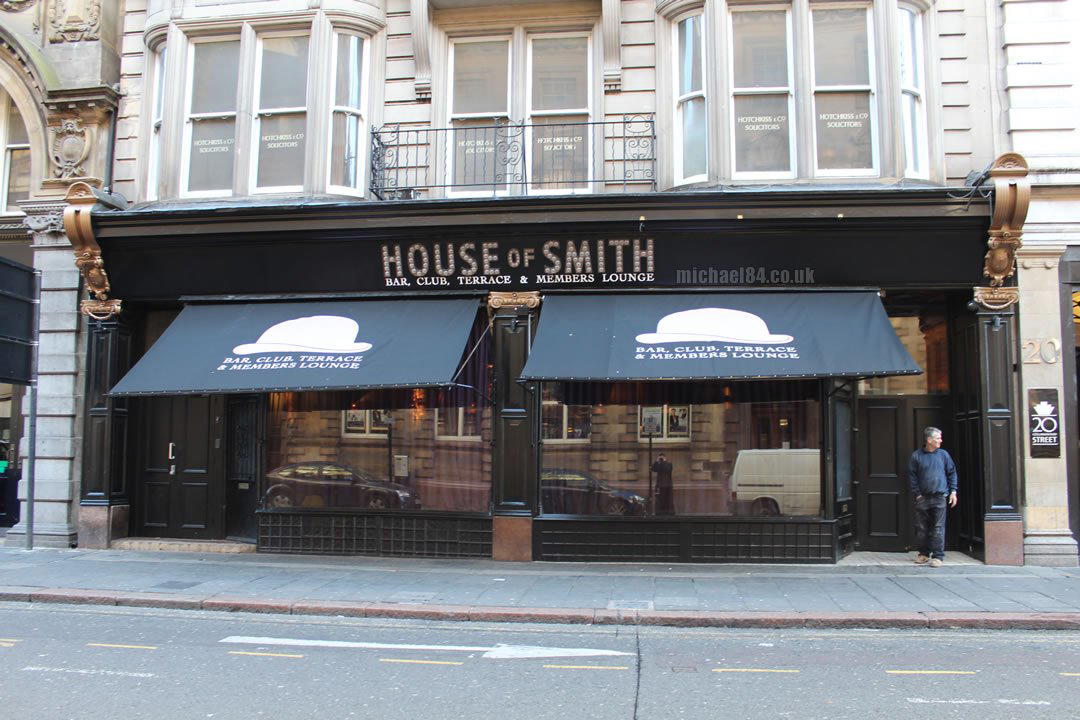
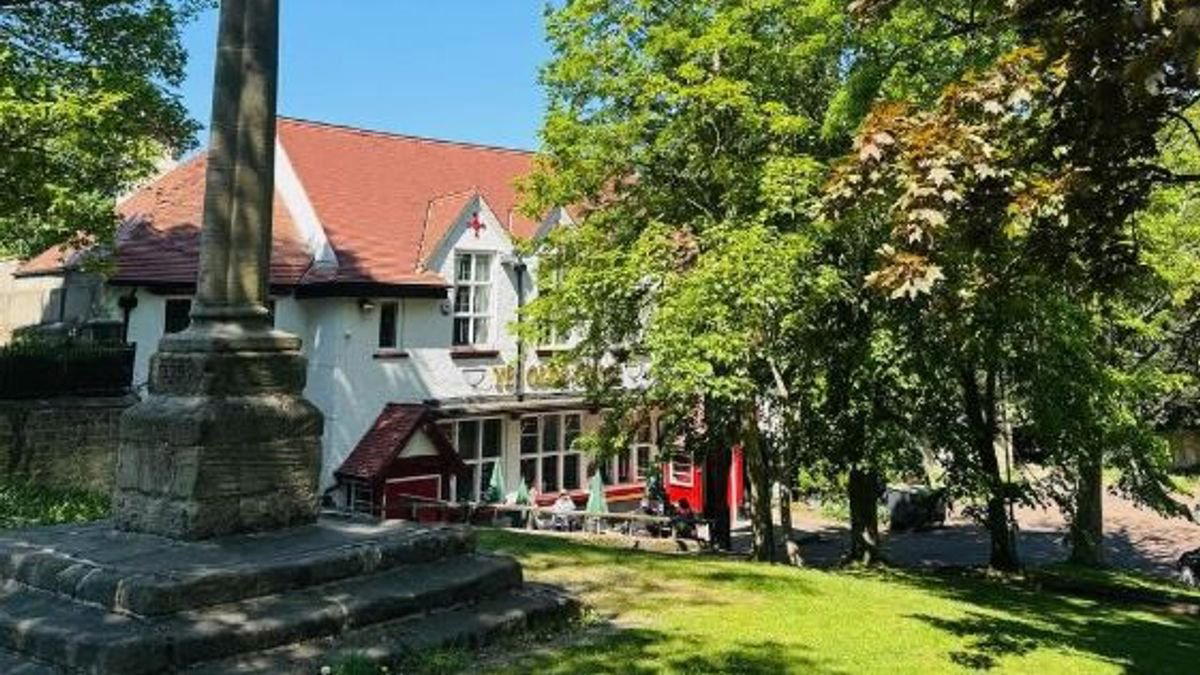
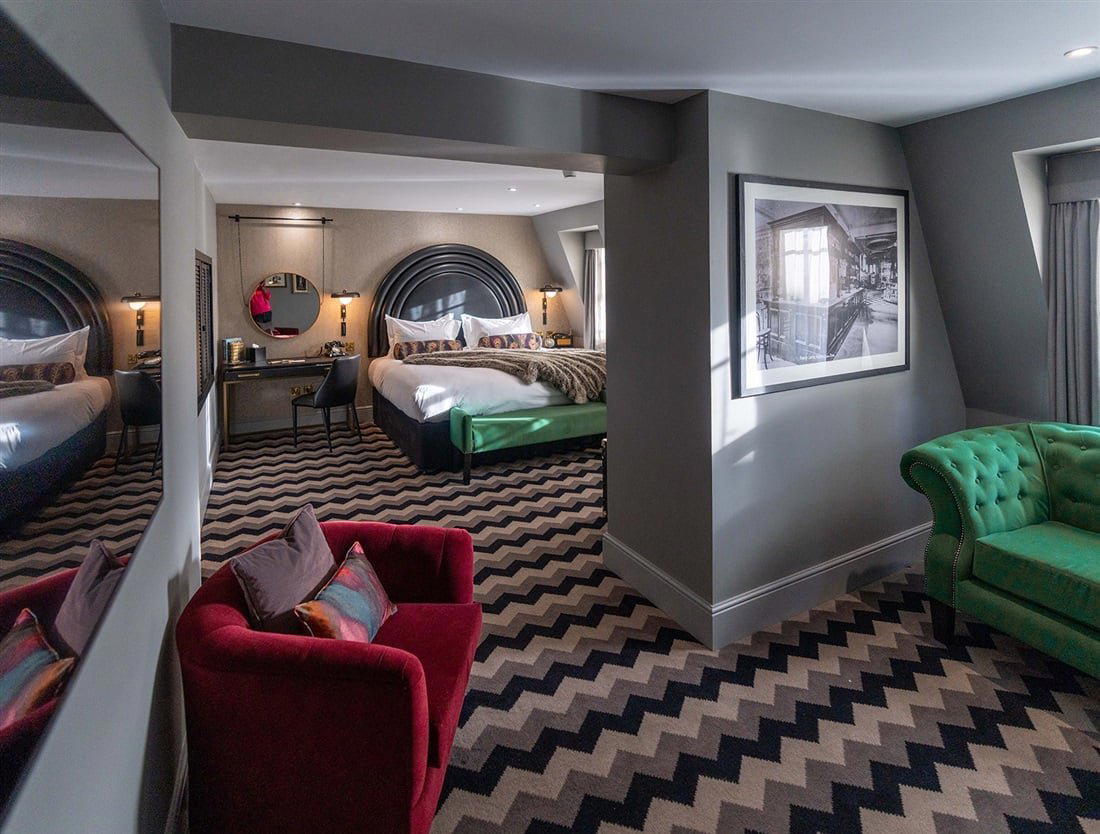
Relaxed and welcoming atmosphere with attentive staff, featuring a converted retail space with warm, inviting lighting.