Akira Back Ottawa belongs to the capital’s more polished dining circuit, where hotel-adjacent rooms, government-district traffic, and occasion-led dinners shape the experience as much as the menu. Read it through sourcing and format rather than hype: the question is how confidently a contemporary kitchen handles premium ingredients in a city better known for official lunches than late-night restaurant theatre.
Pearl is the En Primeur Club membership app — saves, bookings, and concierge access live there. Same editors, same standards.
- Address
- 1 Rideau St, Ottawa, ON K1N 8S7, Canada
- Phone
- +1 613-241-1414
- Website
- akirabackottawa.com
- Directions
- Get directions
 Saves & bookings on Pearl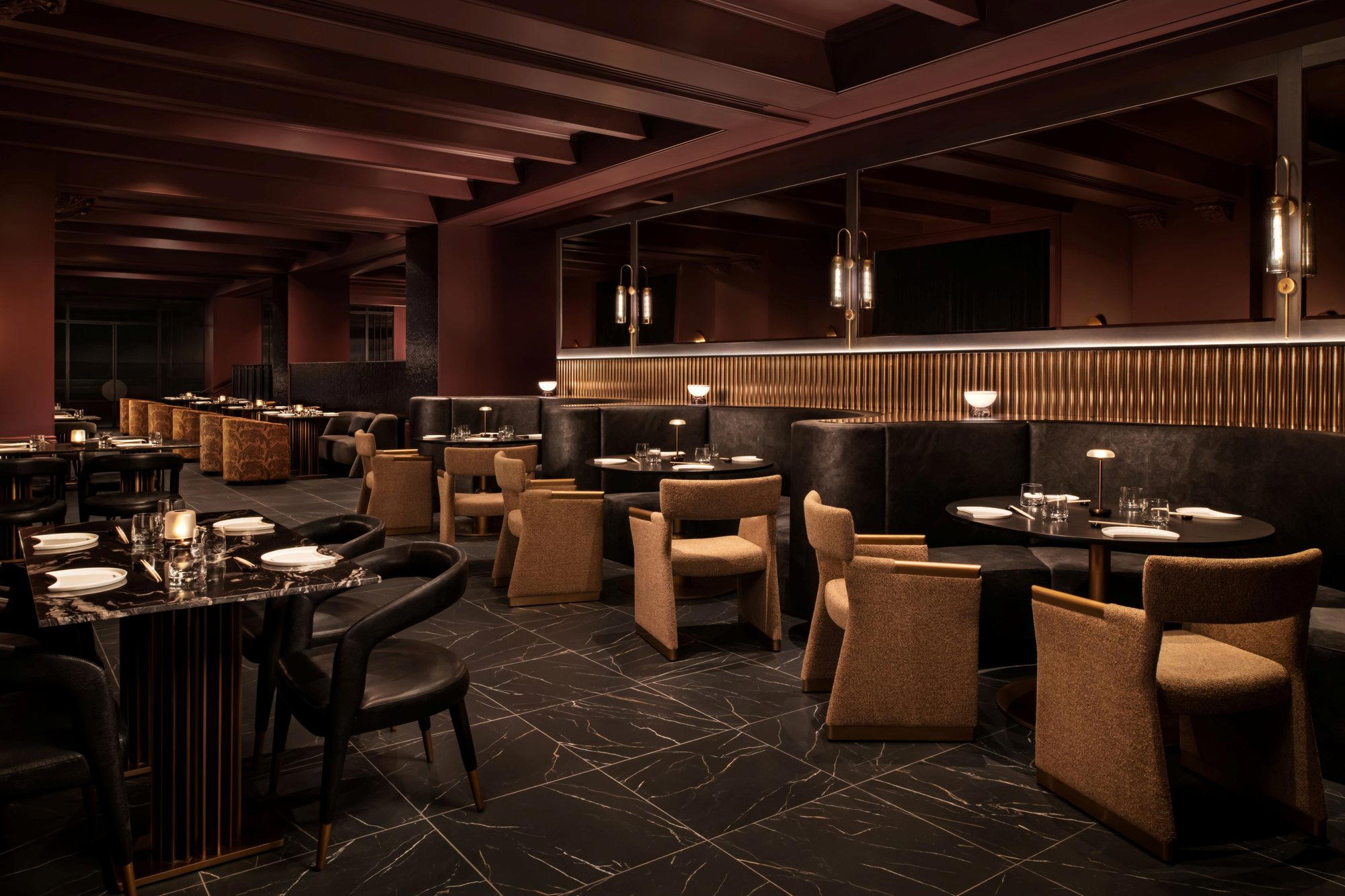
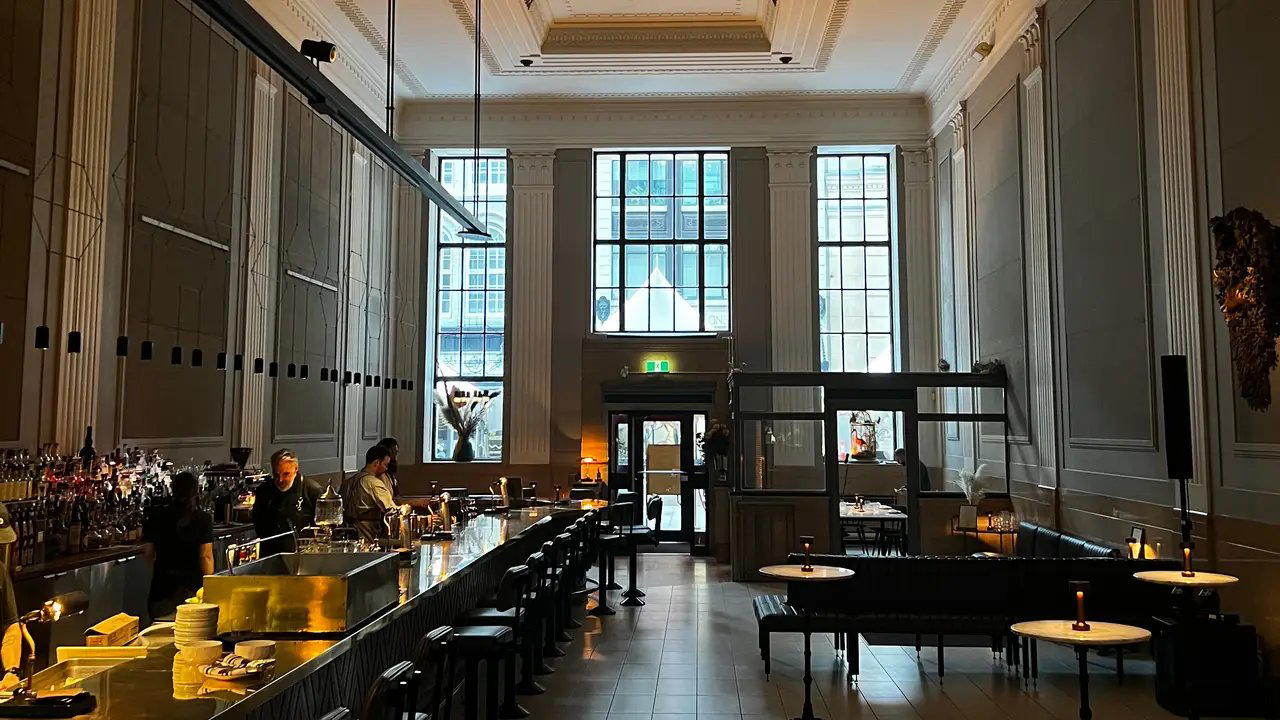
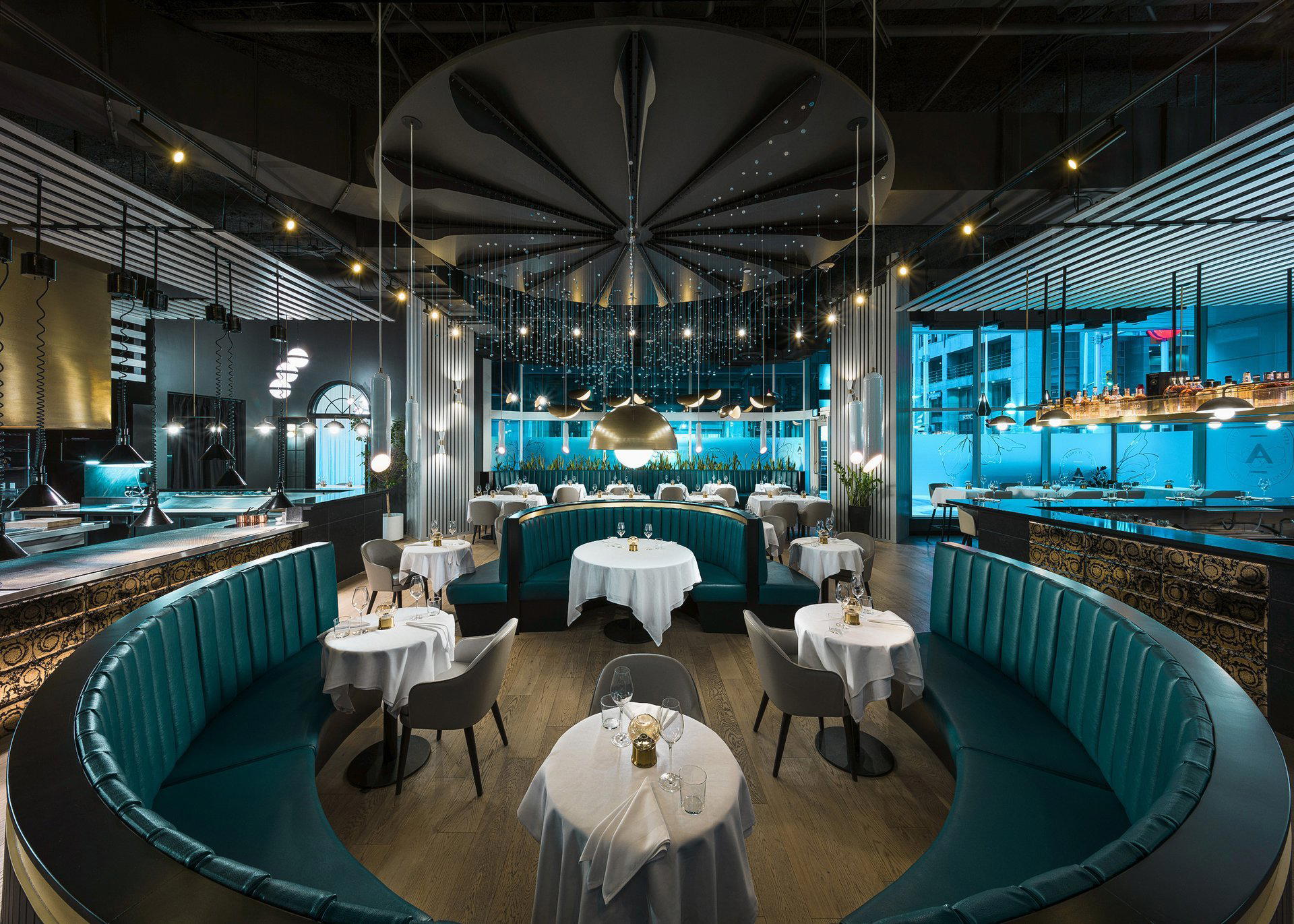
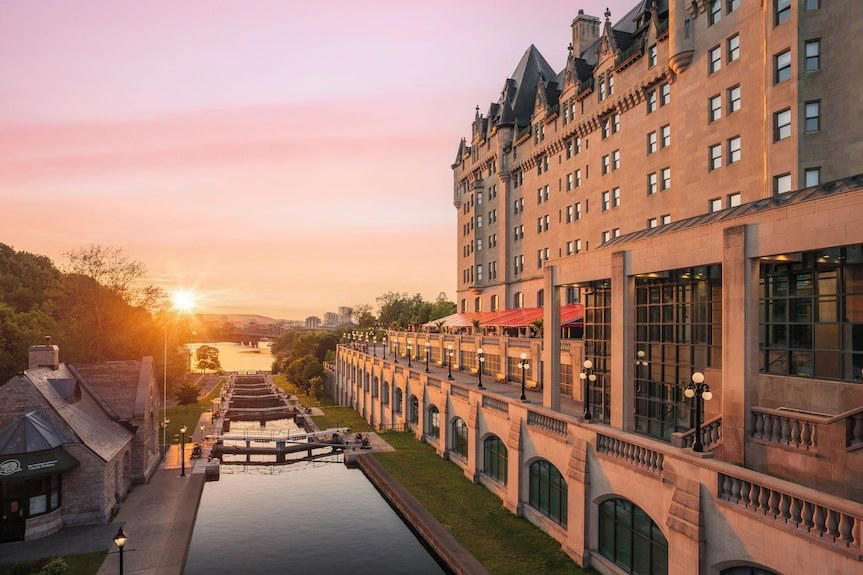
Approaching Ottawa’s ceremonial core, the restaurant mood changes before the first menu is opened. The city’s dining rooms around Rideau and the parliamentary precinct tend to serve mixed audiences: visiting officials, hotel guests, local professionals, and residents using the centre as neutral ground for a serious dinner. Akira Back Ottawa sits inside that pattern, where atmosphere has to read polished without becoming stiff, and where ingredient quality matters because the room is built for guests who compare it against larger Canadian cities.
That context is useful. Ottawa is not Toronto or Vancouver, where high-volume Asian dining formats compete across dozens of neighbourhoods. The capital’s premium restaurant scene is narrower, so a contemporary room in the centre carries more weight than it might elsewhere. It has to absorb business dinners, date-night pacing, hotel traffic, and visitors who want a meal that feels current rather than clubby. In that sense, Akira Back Ottawa is less interesting as a name on a door than as evidence of Ottawa’s shift toward glossier, internationally fluent dining the city.
Ingredient-led dining in a capital city room
The ingredient question is the right lens here. In cities with deep coastal seafood networks or dense immigrant restaurant corridors, sourcing can be part of the daily grammar. Ottawa’s challenge is different: premium restaurants often have to make procurement feel invisible, turning supply-chain discipline into a clean, composed meal rather than a lecture. A kitchen working in this tier is judged by consistency, handling, and restraint, especially when the room draws guests who may be arriving from Montreal, Toronto, Vancouver, or abroad.
That is where the broader comparison becomes useful. Ottawa has long had dependable formal dining, steakhouse tradition, hotel restaurants, and neighbourhood kitchens with loyal regulars. The city’s newer premium rooms have pushed the conversation toward sharper presentation and more cosmopolitan menus, but the harder test is whether the food has a reason to be here beyond imported style. For readers mapping the category, Aiana Restaurant represents a different expression of central Ottawa polish, while Absinthe and Alice show how smaller-scale rooms can pull attention through point of view rather than scale.
Akira Back Ottawa should be read in that competitive set: a city-centre restaurant where the appeal depends on the relationship between produce, seafood, technique, and pacing. When ingredient sourcing is strong, this kind of room can feel precise rather than generic. When it is weak, the format exposes it quickly, because contemporary plating and a polished room leave little cover for ordinary raw materials. That makes it a useful booking for diners who care less about ceremony and more about whether a premium kitchen can justify its position in Ottawa’s compact dining hierarchy.
How Ottawa's centre shapes the meal
Downtown Ottawa has a particular rhythm. Lunch can feel institutional; dinner depends on who is in town, what is happening around the hotels, and whether locals decide to cross into the core instead of staying in neighbourhood dining rooms. Restaurants here work under a different pressure than those in residential areas. They need to be legible to visitors and credible to locals, a balance that often separates serious city dining from hotel-zone convenience.
The comparison venues nearby make the point. Café Laurier, Émilie’s Terrace, ZOE’S, The Shore Club, and Daly’s Restaurant all belong to the capital’s central hospitality orbit, where setting and access shape demand. In that environment, the restaurant carries a more contemporary signal: it suits a guest looking for a sleeker dinner in the centre rather than a traditional hotel meal or classic steak-and-seafood format. That does not make it a replacement for the city’s established rooms; it gives Ottawa another register.
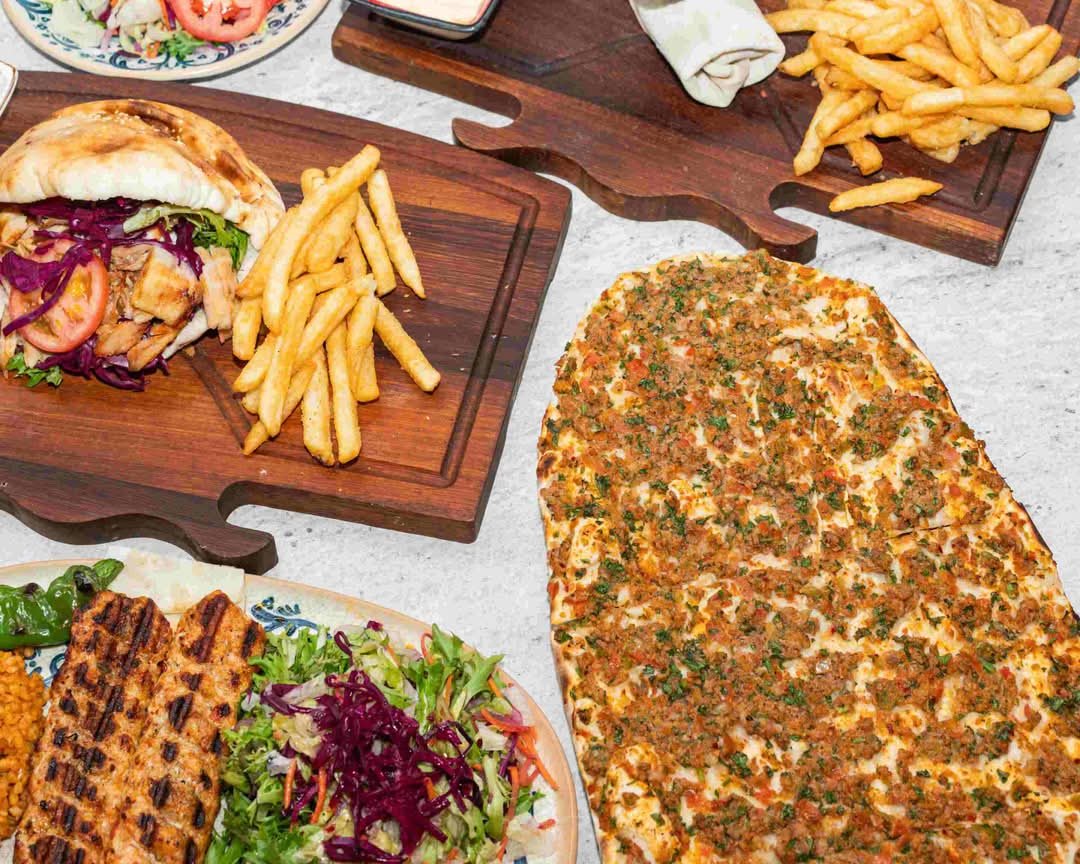
For broader planning, the useful move is to treat the restaurant as part of an Ottawa dining circuit rather than a standalone trophy booking. EP Club’s full Ottawa restaurants guide maps the wider field, while the Ottawa hotels guide, Ottawa bars guide, Ottawa wineries guide, and Ottawa experiences guide help place dinner within a larger capital-city itinerary. Diners comparing Ottawa’s range might also look at A La Istanbul Turkish Cuisine for a different register of cooking, or Al's Steakhouse for the city’s older steakhouse grammar.
Who should put it on the Ottawa shortlist
The strongest case for the restaurant is for diners who want a polished central room with a contemporary edge, especially when dinner needs to work for mixed company: visitors and locals, business and leisure, hotel guests and residents. It is less suited to anyone seeking a small neighbourhood counter or a dining room built around rustic intimacy. The likely value is in the middle ground: a meal with enough polish for an occasion, enough pace for a city-centre evening, and enough sourcing discipline to make the format credible.
Across Canada, the category has become more competitive. Vancouver’s ¿CóMO? Taperia, Toronto’s 1 Kitchen, Banff’s 1888 Chop house, Niagara Falls’ 21 Club Steak and Seafood, Vaughan’s 3 Mariachis, and Montréal’s 3 Pierres 1 Feu each show how Canadian restaurant cities express premium, casual, regional, or hotel-adjacent dining in different ways. Internationally minded readers can also compare the category against Los Angeles references such as Jōdo Saké Bar and Onigiri Time, where format, ingredient handling, and audience expectations operate in a denser market.
The editorial verdict is measured: the restaurant is a credible choice when the brief is central, polished, and contemporary, with the main test falling on ingredient quality rather than decorative drama. Ottawa benefits from rooms that bring sharper international energy into the core, but the meal should be judged by execution, not branding. In a city where premium dining still has room to define itself, that distinction matters.
In Context: Similar Options
Comparable venues by cuisine and price in the same metro.
| Venue | Cuisine |
|---|---|
| Akira Back Ottawa | This venue |

At a Glance
- Elegant
- Modern
- Sophisticated
- Energetic
- Trendy
- Romantic
- Date Night
- Business Dinner
- Group Dining
- Celebration
- Special Occasion
- Private Event
- Chefs Counter
- Design Destination
- Hotel Restaurant
- Private Dining
- Historic Building
- Craft Cocktails
- Sake Program
- Extensive Wine List
Current opening hours
- Monday
- 5–10 PM
- Tuesday
- 5–10 PM
- Wednesday
- 5–10 PM
- Thursday
- 5–10 PM
- Friday
- 5–10 PM
- Saturday
- 5–10 PM
- Sunday
- 5–10 PM
Hours can change for holidays and private events. Last verified .
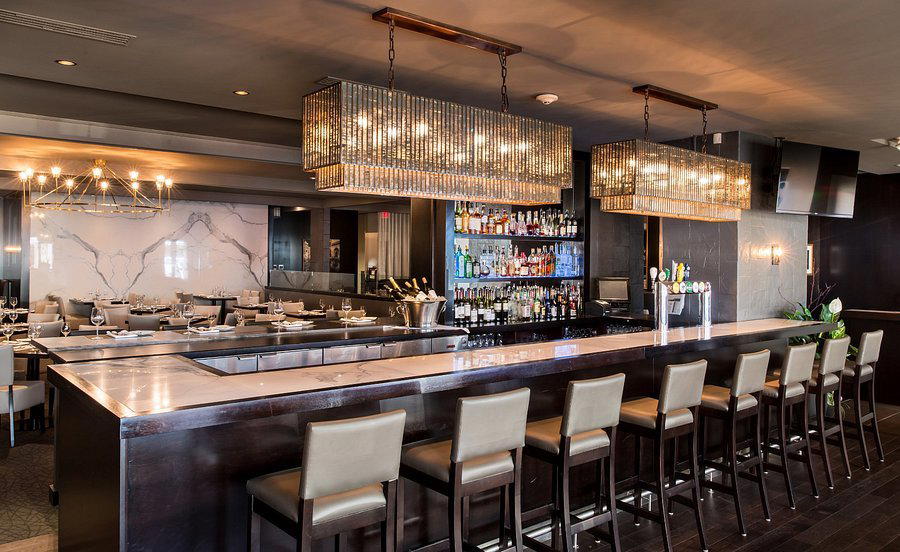
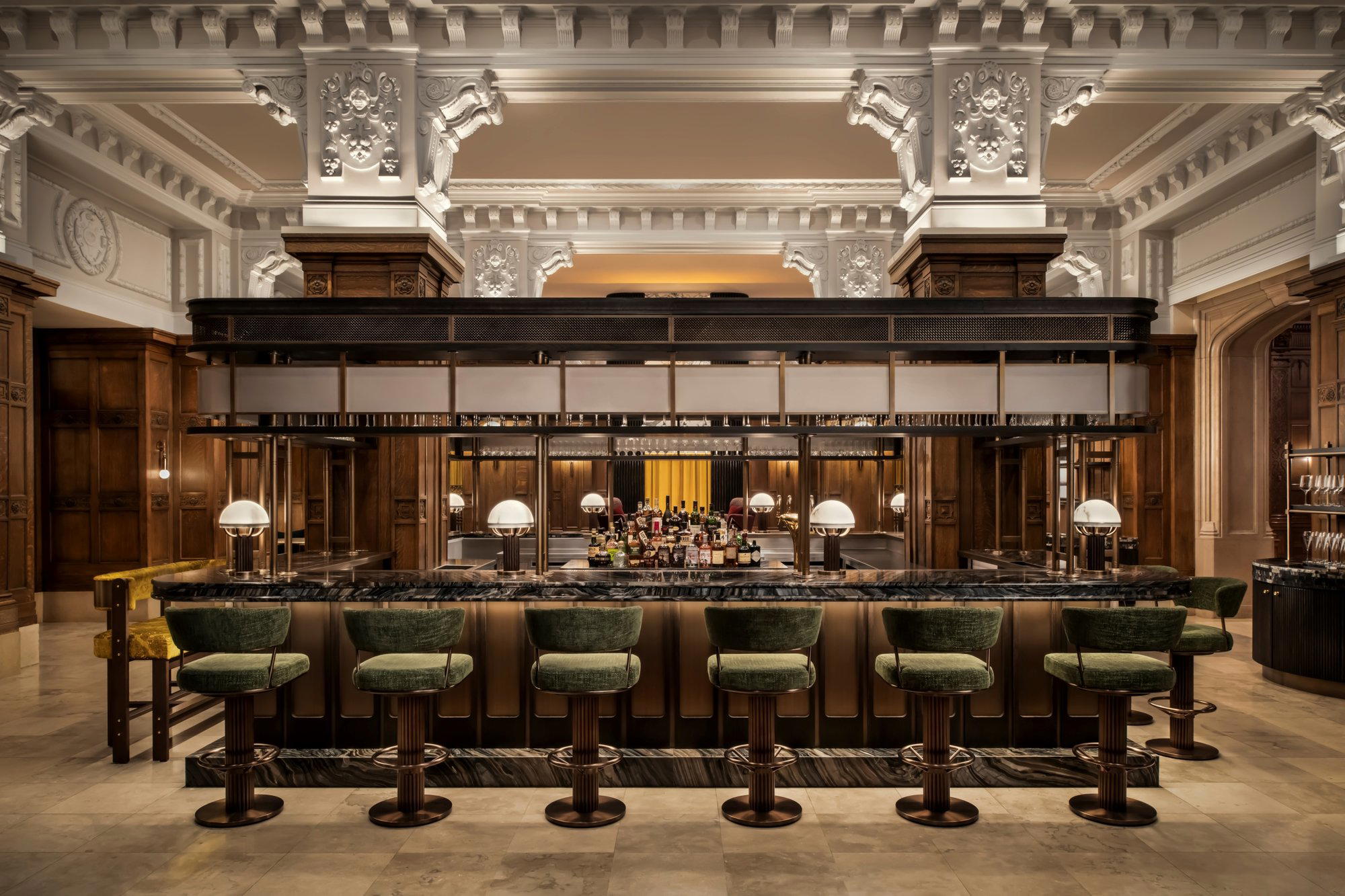
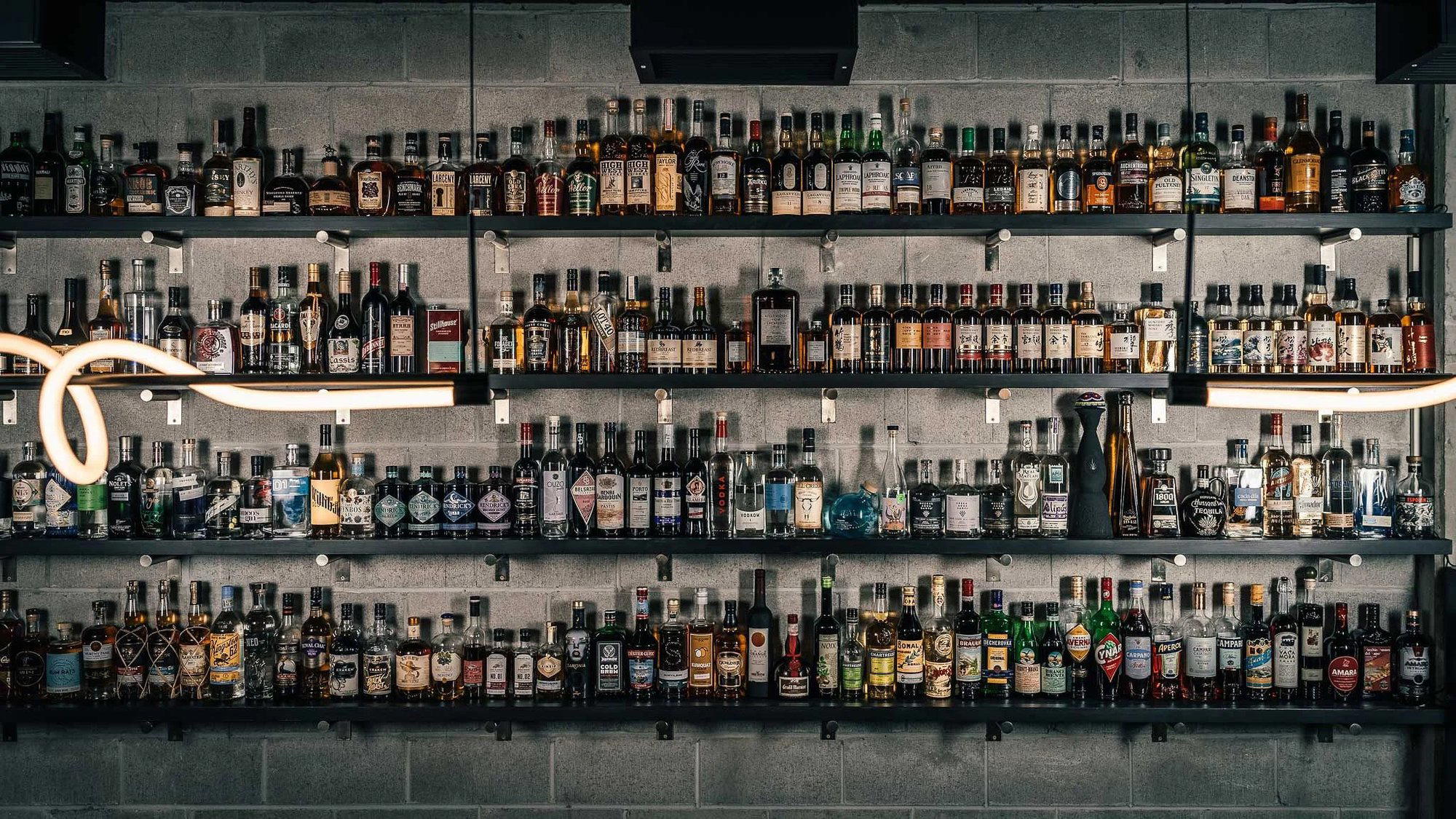
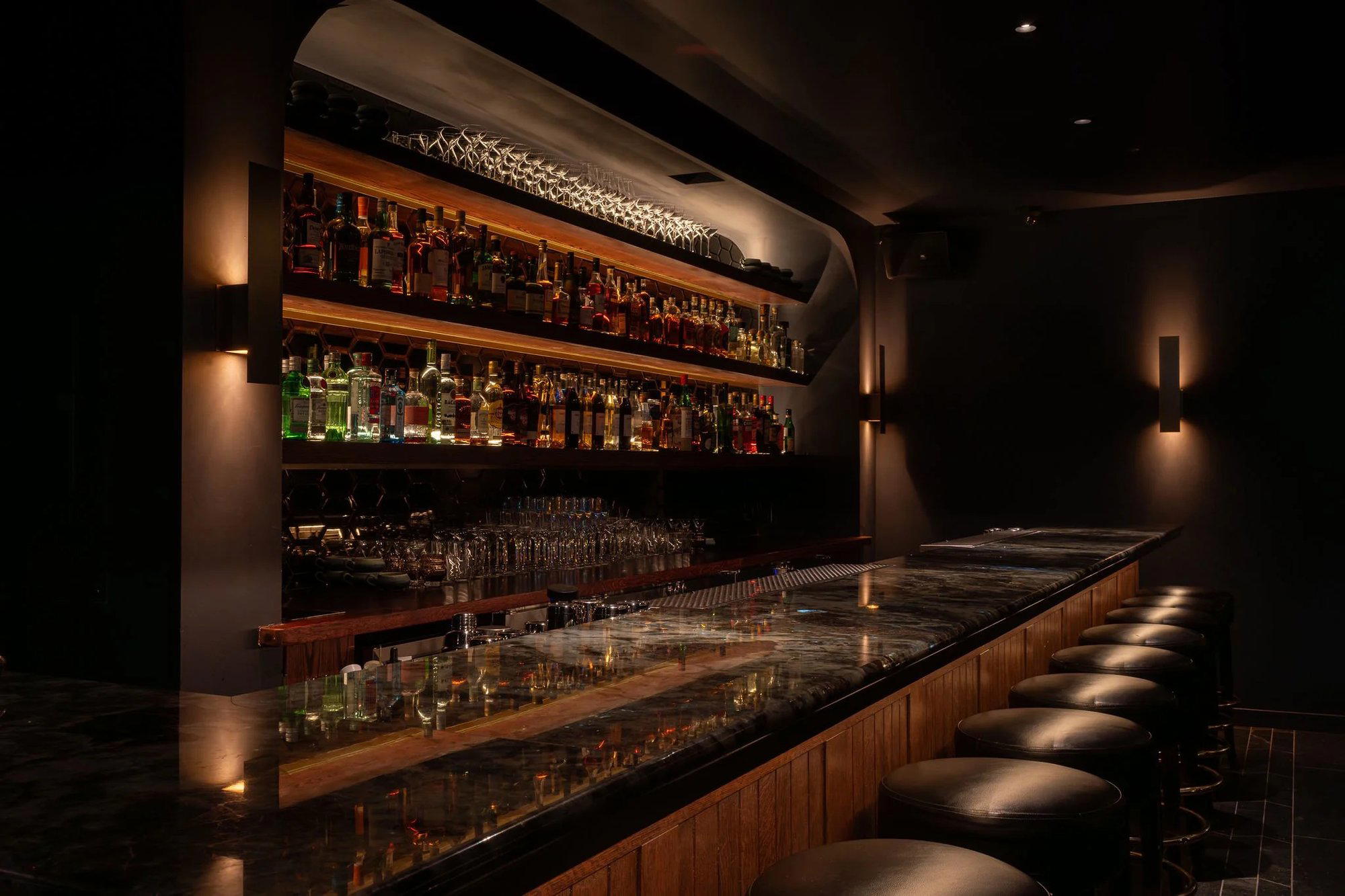
The atmosphere is high-end and immersive, with an energetic, special-occasion feel; bold contemporary art by Chef Akira Back’s mother covers the walls, and a dramatic sushi bar and refined lighting create a stylish, modern setting suited to polished evenings out.