Akira Back
Our verdict
Akira Back brings a resort-town dining signal to Big Sky, where the sharper question is not hype but fit: how polished, ingredient-led cooking reads after a day built around mountains, weather and logistics. In a market dominated by ranch hospitality, ski-season demand and destination dinners, it gives visitors another register to consider.

Pearl is the En Primeur Club membership app — saves, bookings, and concierge access live there. Same editors, same standards.
- Address
- 26 Statesman Rd, Big Sky, MT 59716
- Phone
- (406) 993-3401
- Hours
- Mon ClosedTue–Sat 5–8:30 PMSun Closed
- Website
- oneandonlyresorts.com
- Directions
- Get directions
The menu
What to order
- AB Tuna Pizza
- Fire-seared wagyu
- Premium sushi and sashimi
Big Sky dining starts before the first plate: boot rooms, dark timber, snow glare, summer trail dust and the practical rhythm of a mountain town that absorbs visitors in waves. In that setting, a polished restaurant has to do more than look expensive. It has to make sense against altitude, appetite and the local expectation that a meal should carry some relationship to place, even when the cooking vocabulary comes from elsewhere.
That is the useful lens for Akira Back. The name signals a more global register than much of Big Sky’s ranch-and-lodge dining, but the stronger editorial question is sourcing: how a destination restaurant in Montana handles ingredients when guests arrive expecting both mountain context and metropolitan technique. Big Sky is not a dense urban dining market where suppliers can be swapped across neighborhoods each morning. Season, freight, weather and resort occupancy all shape what a kitchen can do, and the better rooms in town are judged partly by how cleanly they manage that constraint.
Ingredient sourcing matters here because Big Sky’s restaurant culture is split between two impulses. One is local comfort: beef, game-adjacent cues, wood smoke, hearty portions and the visual language of the lodge. The other is imported polish, where technique and plating travel in from larger restaurant cities. The tension can be productive when a kitchen treats Montana as a real operating condition rather than a backdrop. It can feel hollow when the room is moved to any resort corridor without losing meaning.
For readers mapping the wider dining field, the contrast is clearest across town rather than inside a single category. Horn and Cantle at Lone Mountain Ranch leans into ranch-house identity, while The Montana Dinner Yurt turns altitude and access into the format itself. Cortina (American Contemporary) sits closer to the resort-dining lane, and big sky fly fishers reflects the town’s outdoors-first rhythm. Against that mix, Akira Back reads as the more cosmopolitan option, useful when the evening calls for a cleaner, less rustic register.
The sourcing angle also separates Big Sky from coastal dining cities. A seafood-led restaurant in Los Angeles or New York can make freshness a baseline assumption; a mountain restaurant has to communicate intent through editing, not abundance. The national reference points are useful only as calibration, not direct comparison: Providence in Los Angeles and Le Bernardin in New York City operate in cities built around deep seafood infrastructure, while Single Thread Farm in Healdsburg and The French Laundry in Napa show how tightly a restaurant can bind itself to agricultural proximity. Big Sky asks a different question: what should precision look like when the supply chain is long and the setting is the draw?
That question matters for expectation-setting. The stronger order in a resort town is often the one that respects format rather than chasing breadth. Destination diners used to tasting-menu landmarks such as Benu in San Francisco, Alinea in Chicago, Atomix in New York City or Lazy Bear in San Francisco should not expect Big Sky to behave like a major-city reservation economy. The appeal is different: a sharper dinner within a place where the day has already done much of the sensory work. Even Emeril’s in New Orleans belongs to a city with a deep native dining grammar; Big Sky’s grammar is younger, more seasonal and more dependent on travel patterns.
Getting to Akira Back
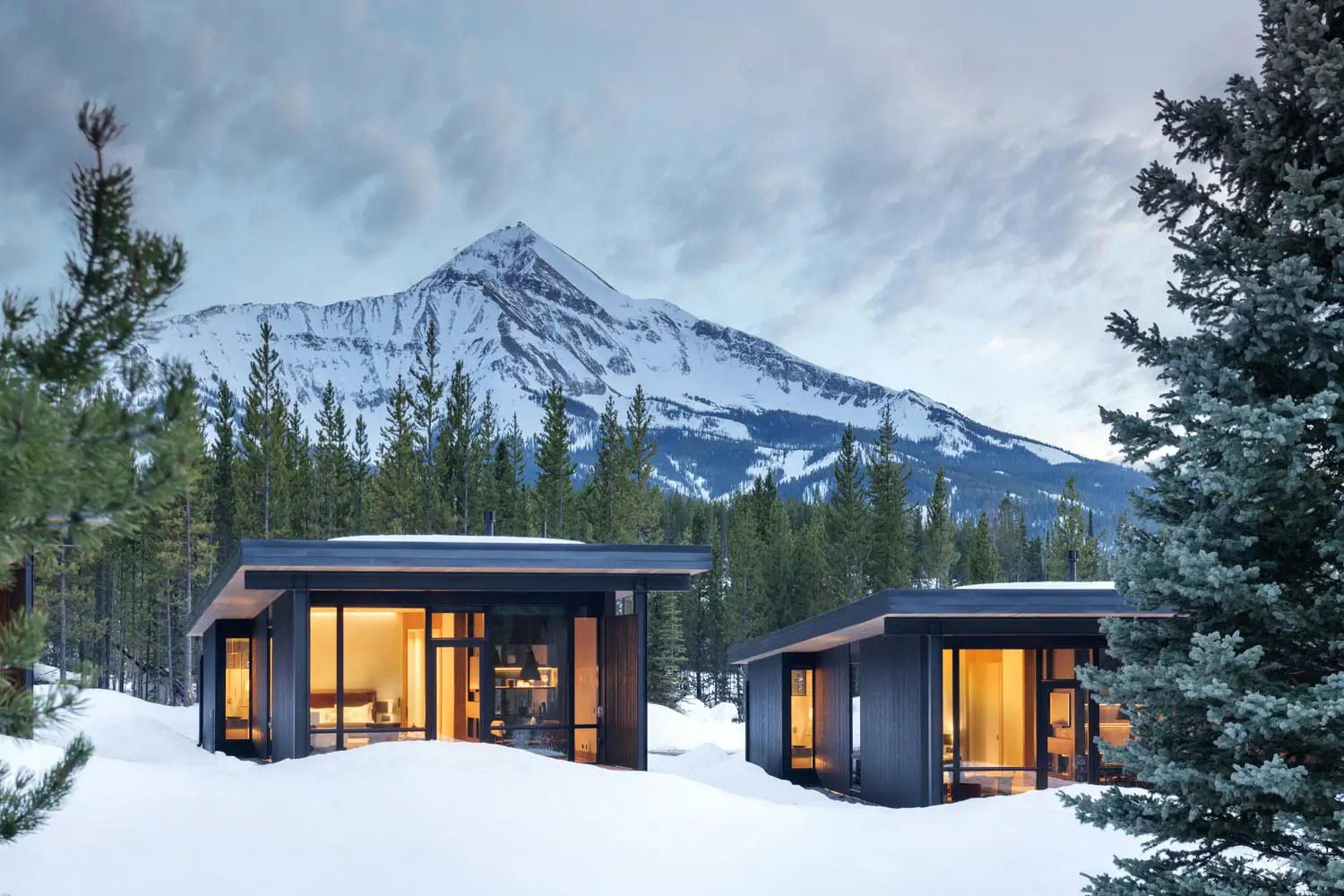
The restaurant is in Big Sky, Montana, a town where timing often matters as much as appetite. Winter dinner plans should account for ski traffic, darkness and weather; summer plans tend to bend around trail days, fly-fishing starts and long drives. The sensible move is to treat dinner as part of the day’s logistics rather than an afterthought, especially during holiday weeks and peak ski periods.
For a fuller read on the area, use Our full Big Sky restaurants guide alongside Our full Big Sky hotels guide, Our full Big Sky bars guide, Our full Big Sky wineries guide and Our full Big Sky experiences guide. Big Sky rewards planning because the same weather, roads and visitor surges that define the trip also shape the dinner hour.
Frequently asked questions
Can I bring kids to Akira Back?
Akira Back is in Big Sky, Montana, at 26 Statesman Rd, so it fits a resort-town dining setting where families are common. For age-specific policies, the venue address is the hard anchor here, not a posted house rule.
What is the atmosphere like at Akira Back?
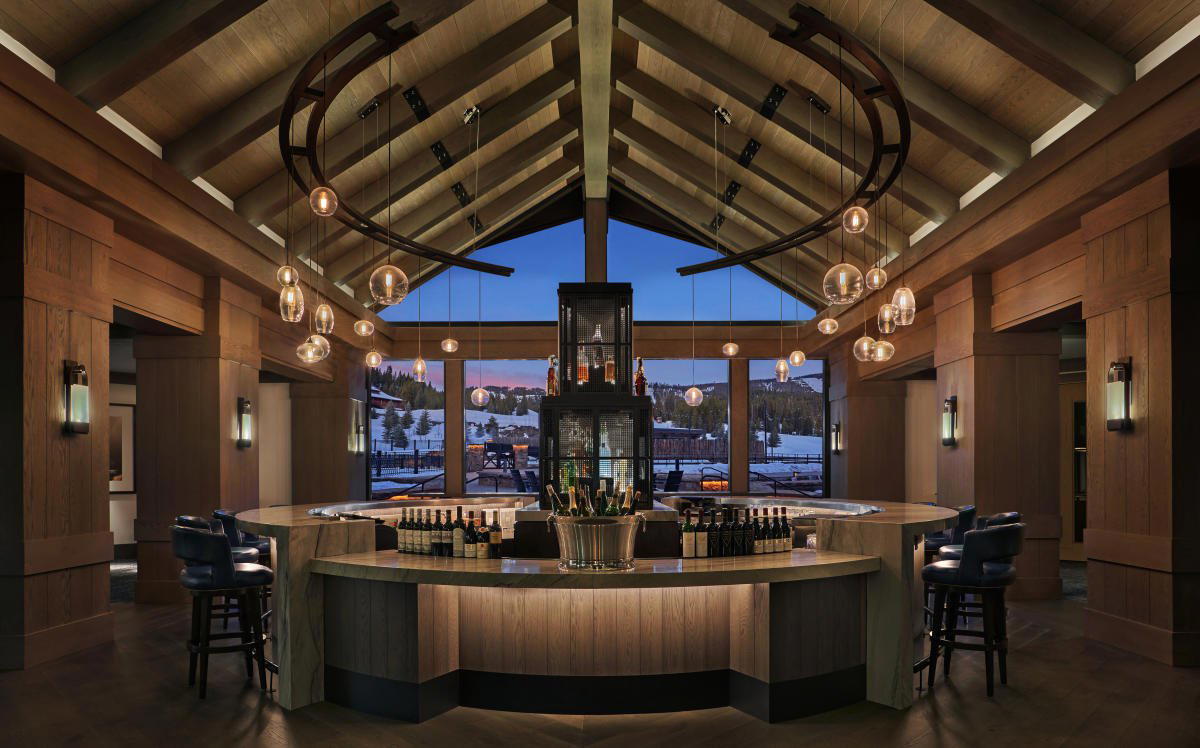
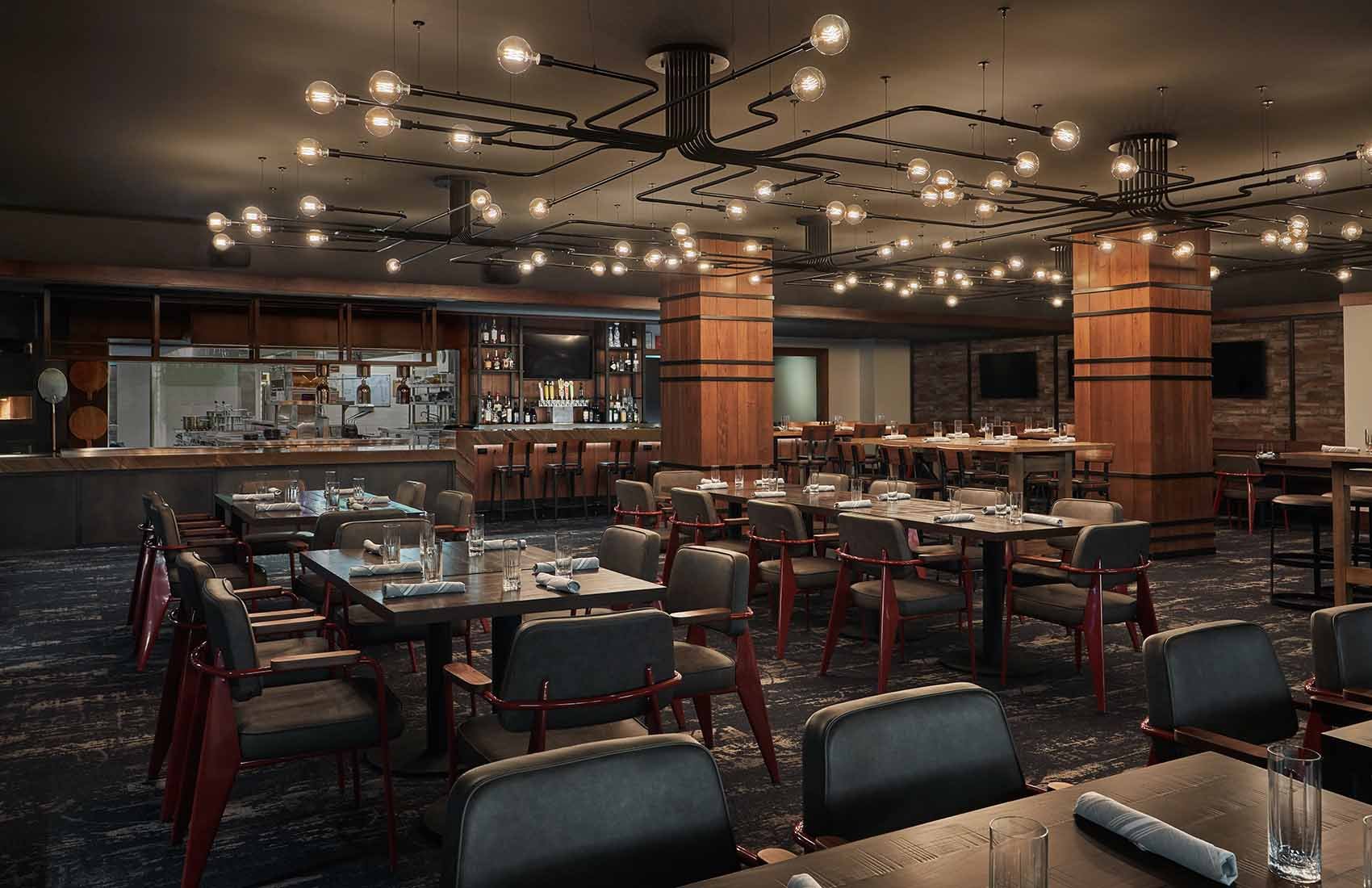
The atmosphere reads as Big Sky dining rather than urban fine dining, shaped by its address at 26 Statesman Rd in Montana. That location usually means a room built for resort traffic, with the tempo set by the season.
What part of town is Akira Back in?
Akira Back is located at 26 Statesman Rd, Big Sky, MT 59716, Big Sky.
Do I need a reservation for Akira Back?
A reservation is advisable in Big Sky, especially if the visit falls around ski season or holiday weekends. The restaurant’s location at 26 Statesman Rd makes it part of a destination dining circuit rather than a walk-in-heavy strip.
What's the standout thing about Akira Back?
The strongest distinguishing detail is the name paired with the Big Sky setting: Akira Back at 26 Statesman Rd in Montana is not a generic local dining room. That combination gives it a more specific identity than a standard resort restaurant.
Details
- Modern
- Elegant
- Sophisticated
- Scenic
- Intimate
- Date Night
- Business Dinner
- Group Dining
- Celebration
- Special Occasion
- Panoramic View
- Design Destination
- Hotel Restaurant
- Craft Cocktails
- Sake Program
- Extensive Wine List
- Local Sourcing
- Mountain
- A La Carte
- Small Plates
- Sake
- Craft Cocktails
- Wine
- Vegetarian Friendly
- Gluten Free Options
- Pescatarian Friendly
Current opening hours
- Monday
- Closed
- Tuesday
- 5–8:30 PM
- Wednesday
- 5–8:30 PM
- Thursday
- 5–8:30 PM
- Friday
- 5–8:30 PM
- Saturday
- 5–8:30 PM
- Sunday
- Closed
Hours can change for holidays and private events. Last verified .
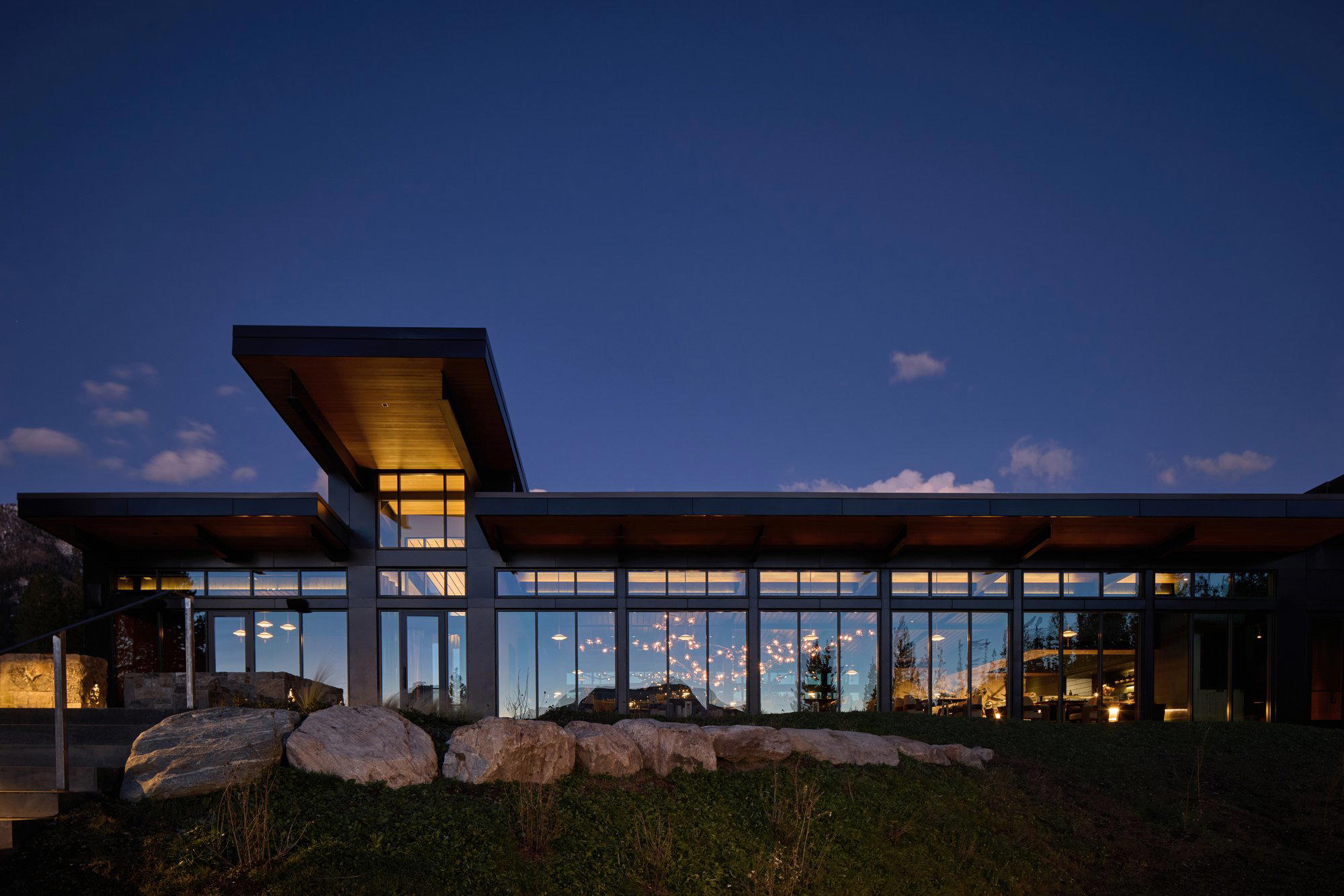
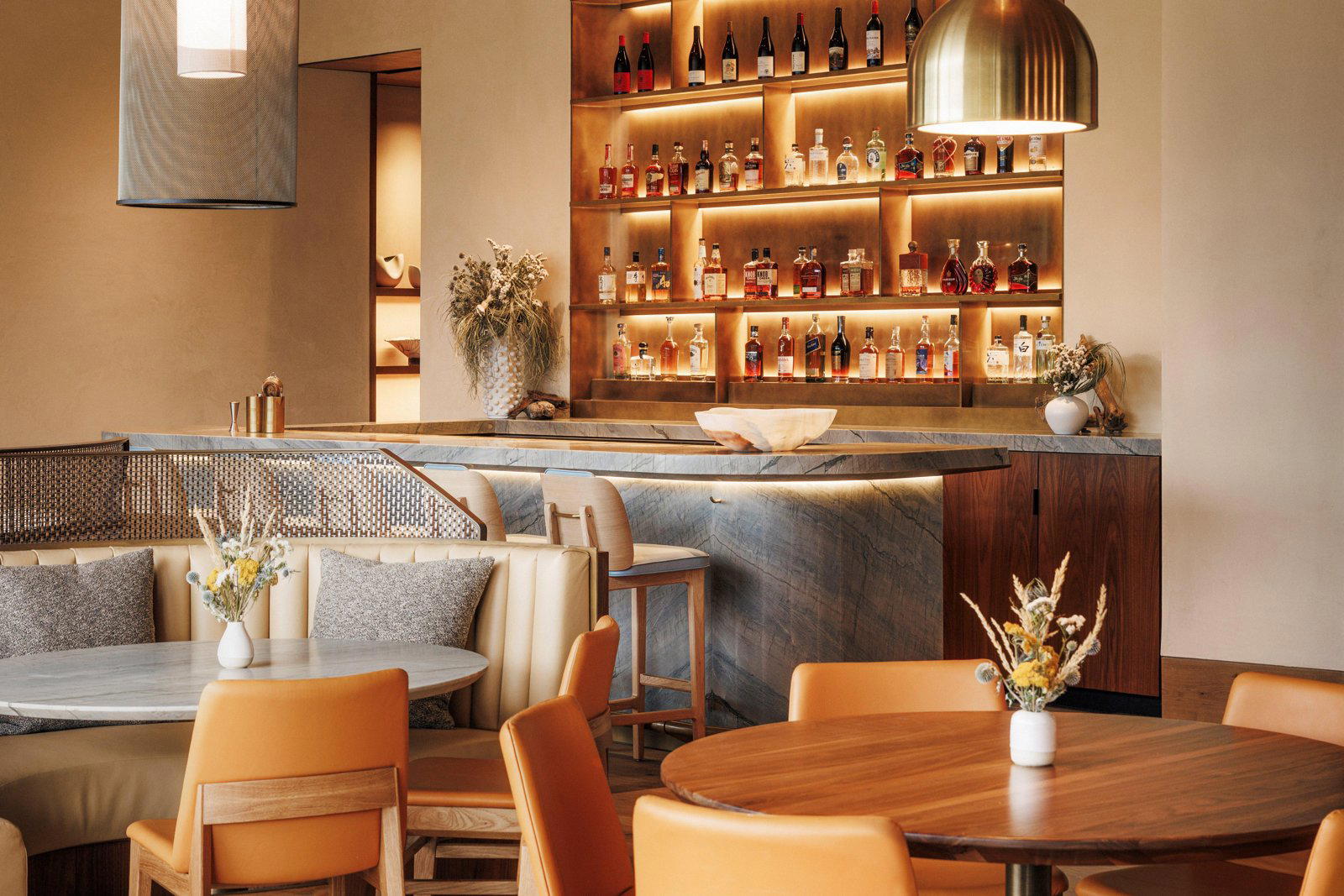
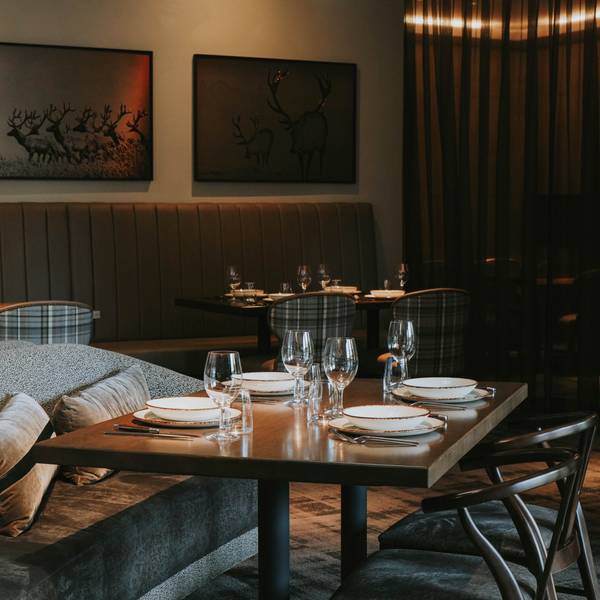
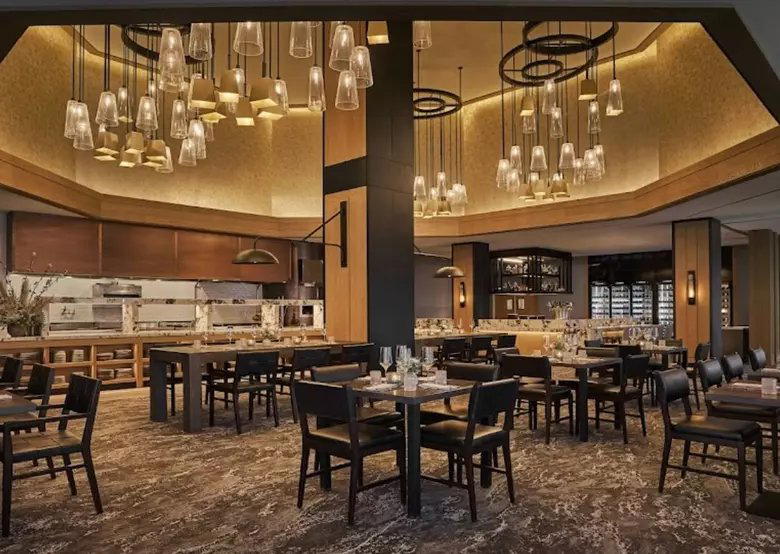
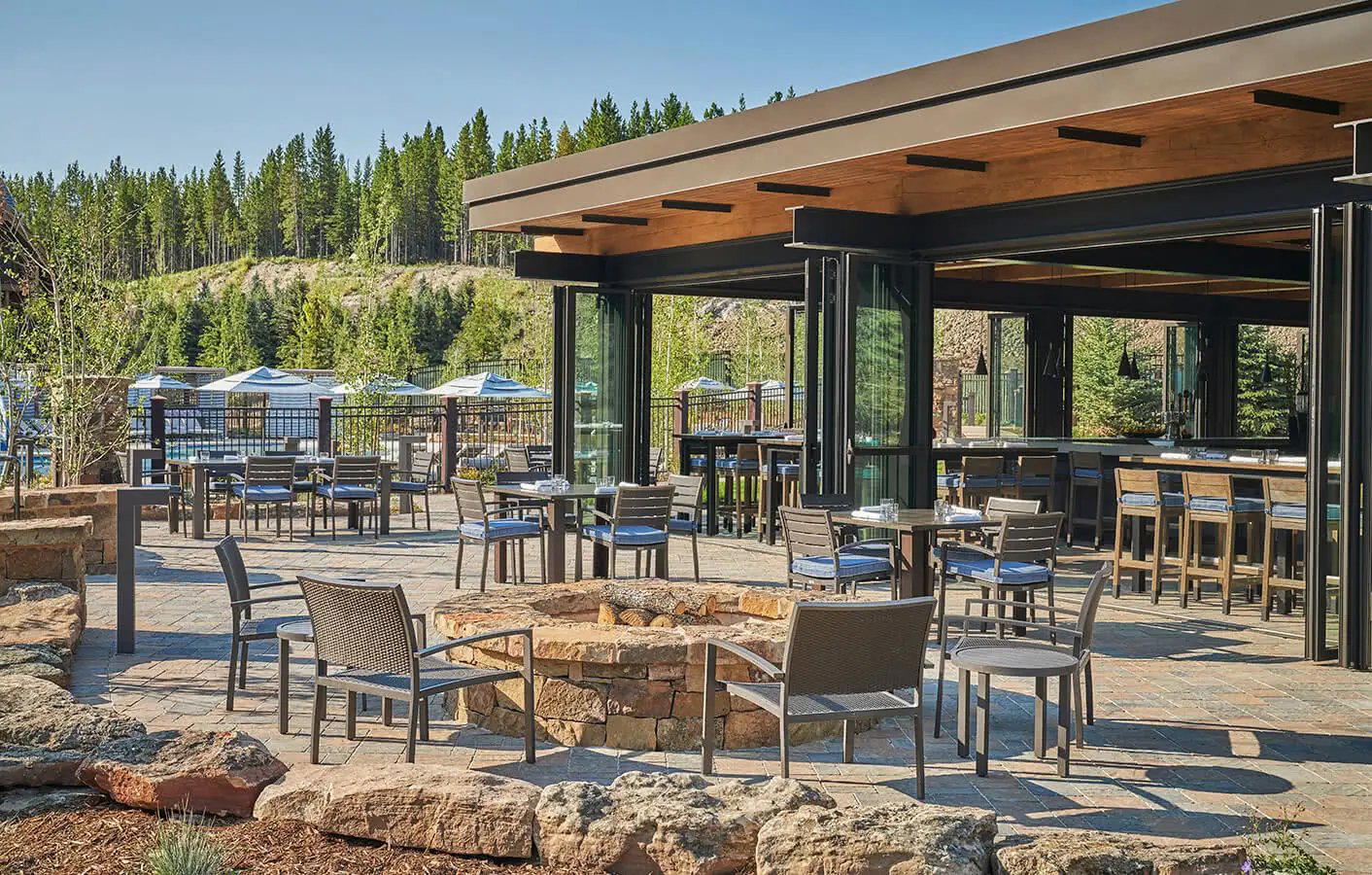
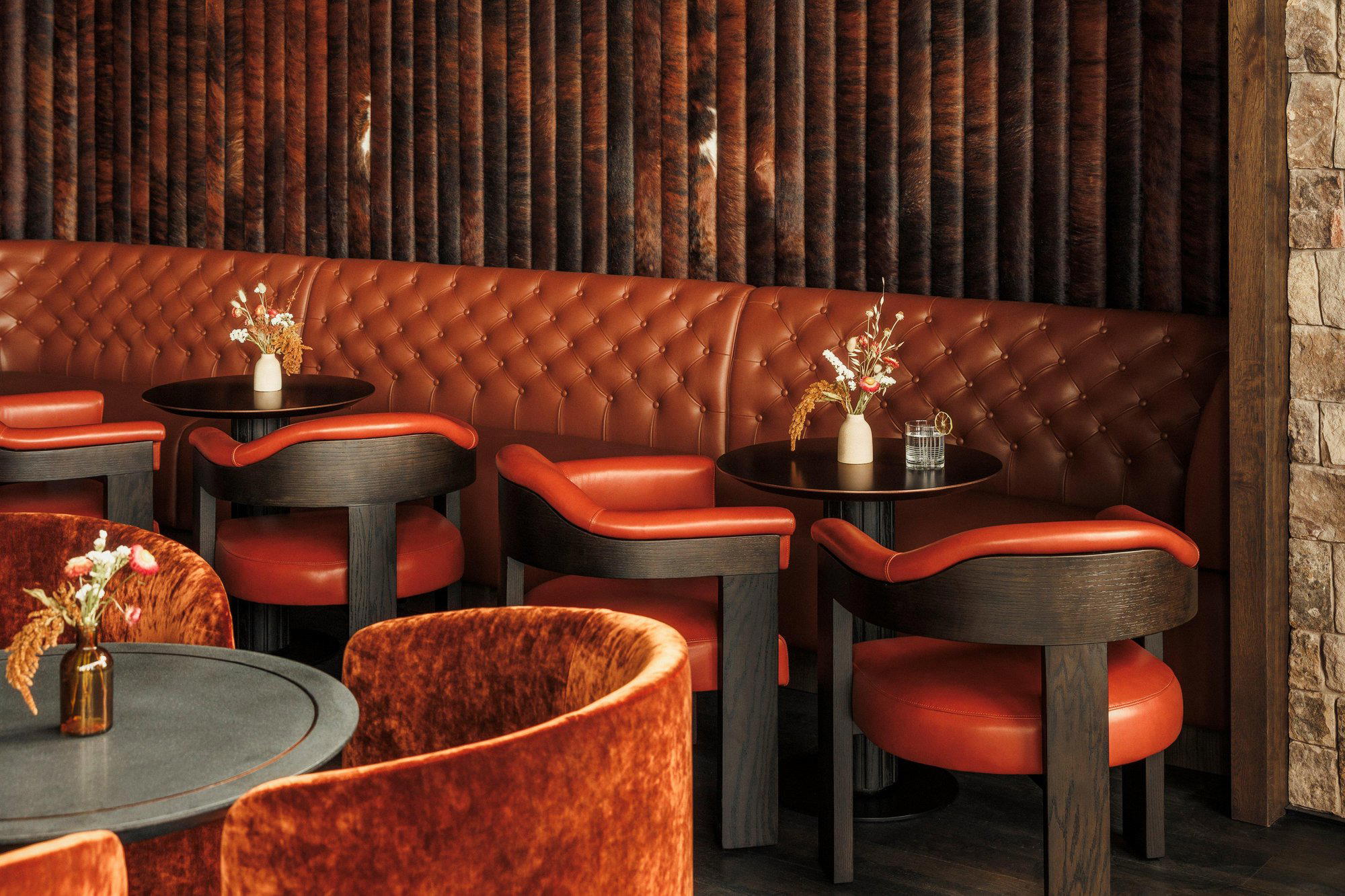
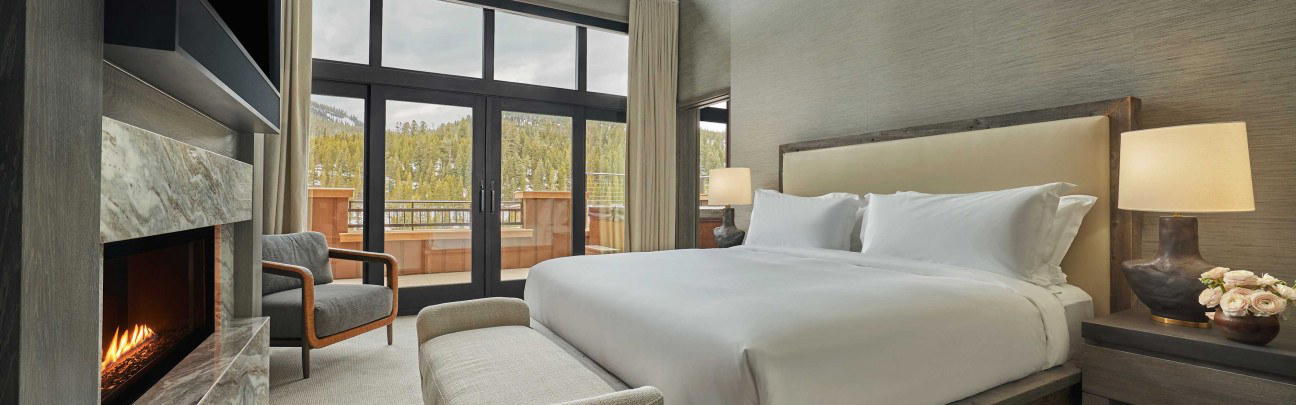
Refined and contemporary with warm, moody lighting, sleek modern finishes, and a calm, upscale atmosphere that contrasts intimate indoor seating with expansive alpine views.