Backcast
Our verdict
Backcast fits Big Sky’s resort-dining pattern: casual in posture, mountain-facing in mood, and most useful when read against the town’s split between ranch cooking, hotel restaurants, and activity-led meals. With no public awards or price tier attached, its appeal rests less on ceremony than on how naturally it belongs to a place where weather, trail schedules, and appetite shape the table.

Pearl is the En Primeur Club membership app — saves, bookings, and concierge access live there. Same editors, same standards.
- Address
- 995 Settlement Trail, Big Sky, MT 59716 (resort’s natural gathering place)
- Directions
- Get directions
The menu
What to order
- Tonkotsu Ramen
- Pan-Seared Gyoza
- Thai-inspired shareable plates
- Coconut Flan
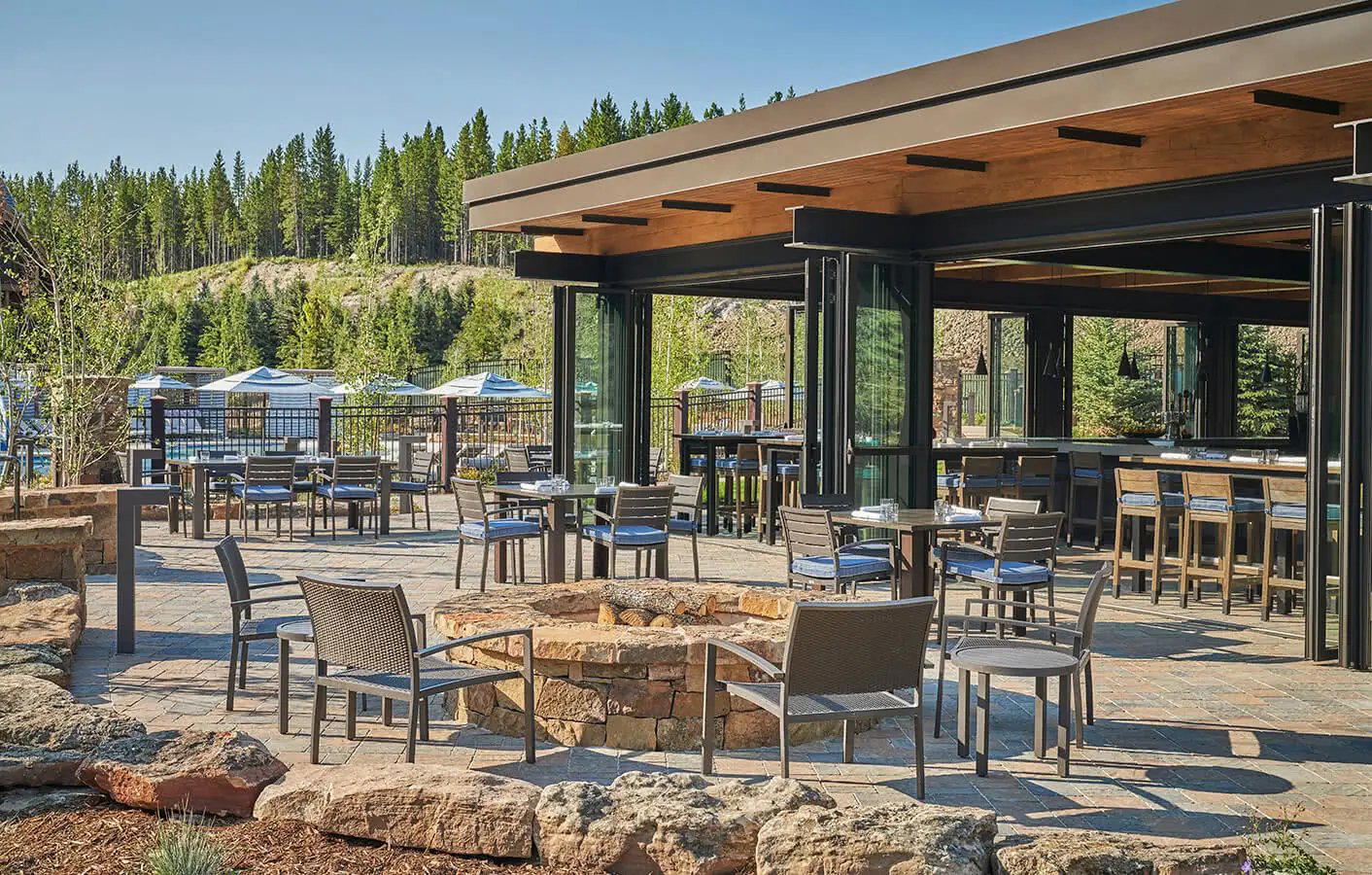
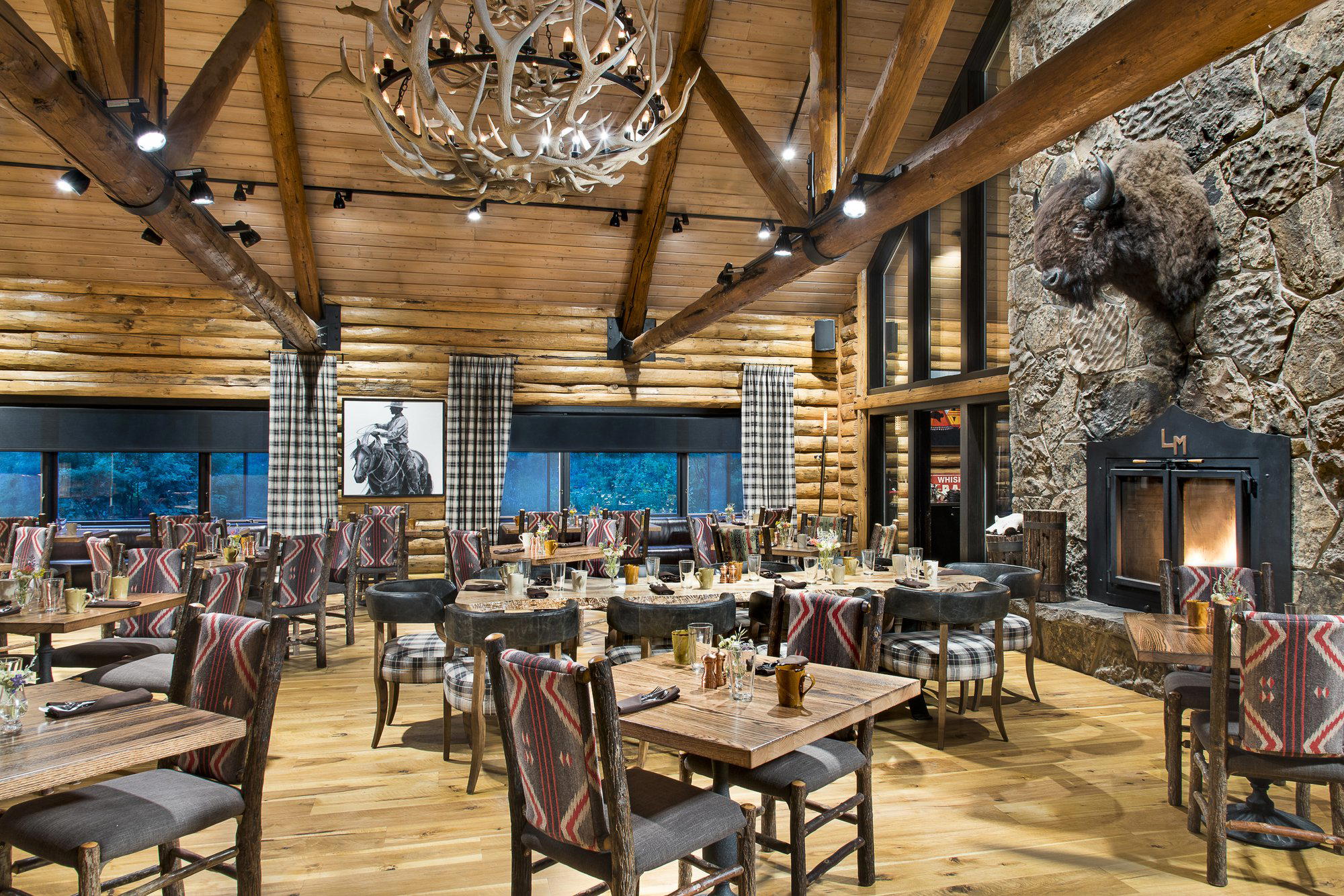
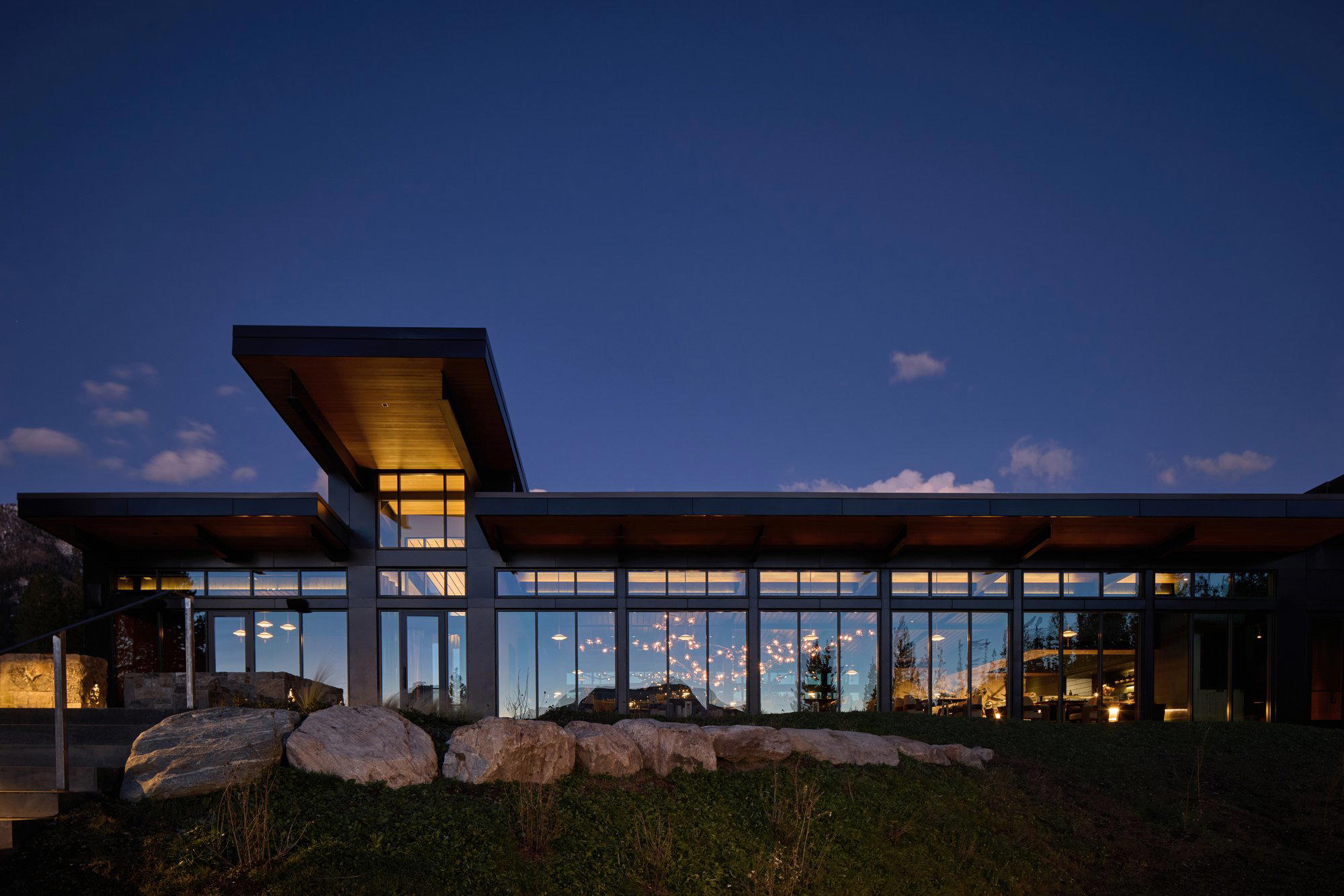
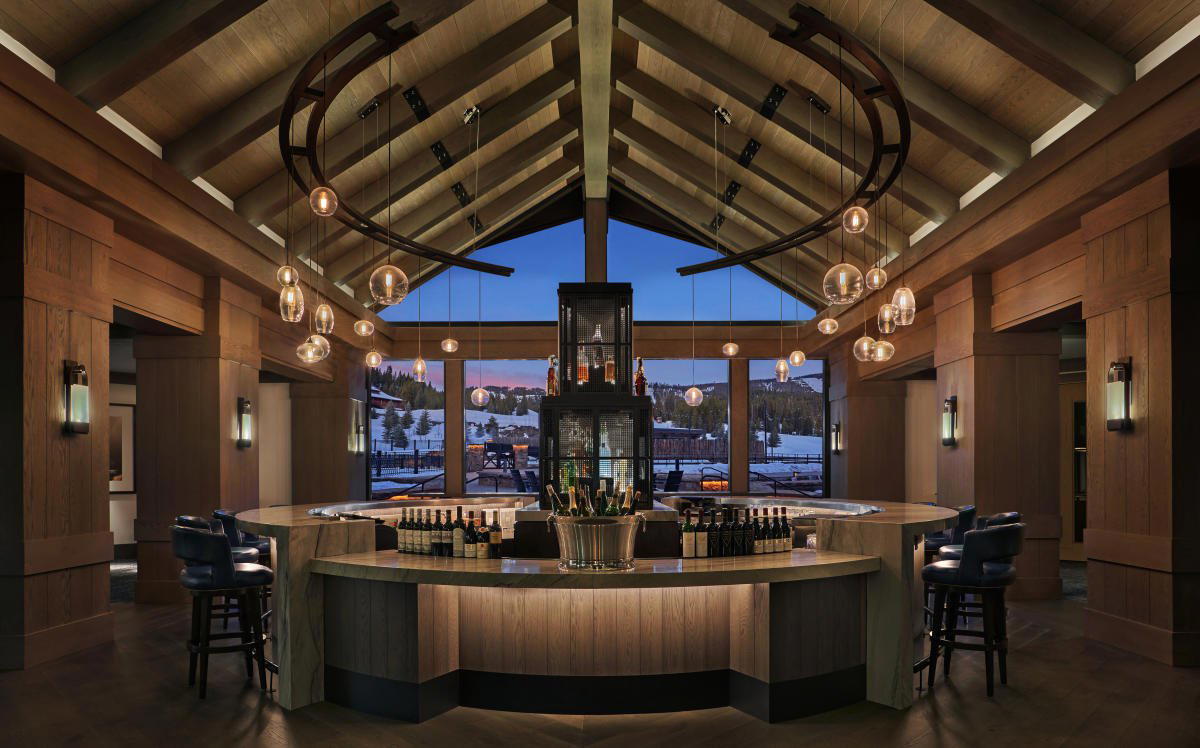
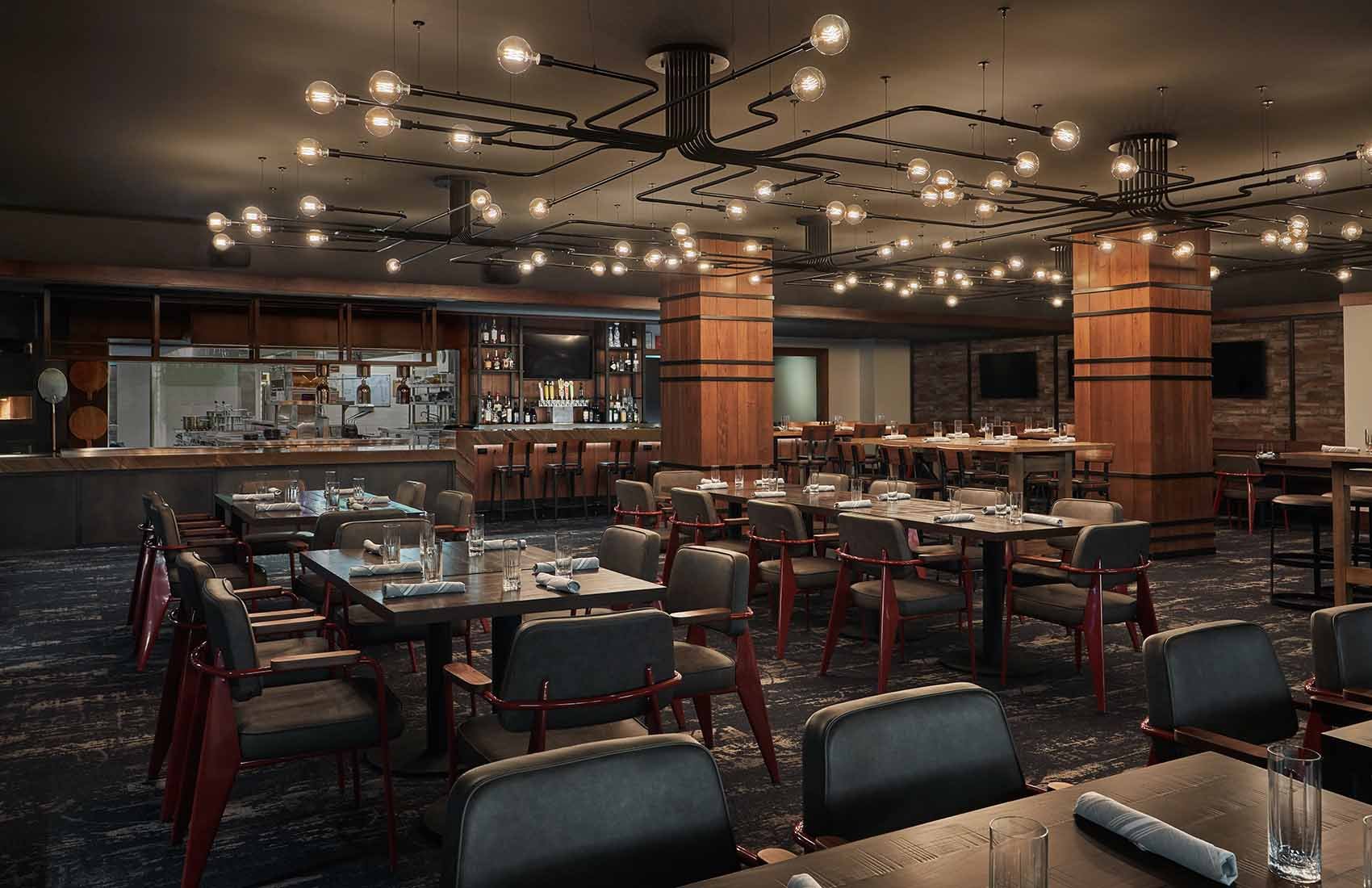
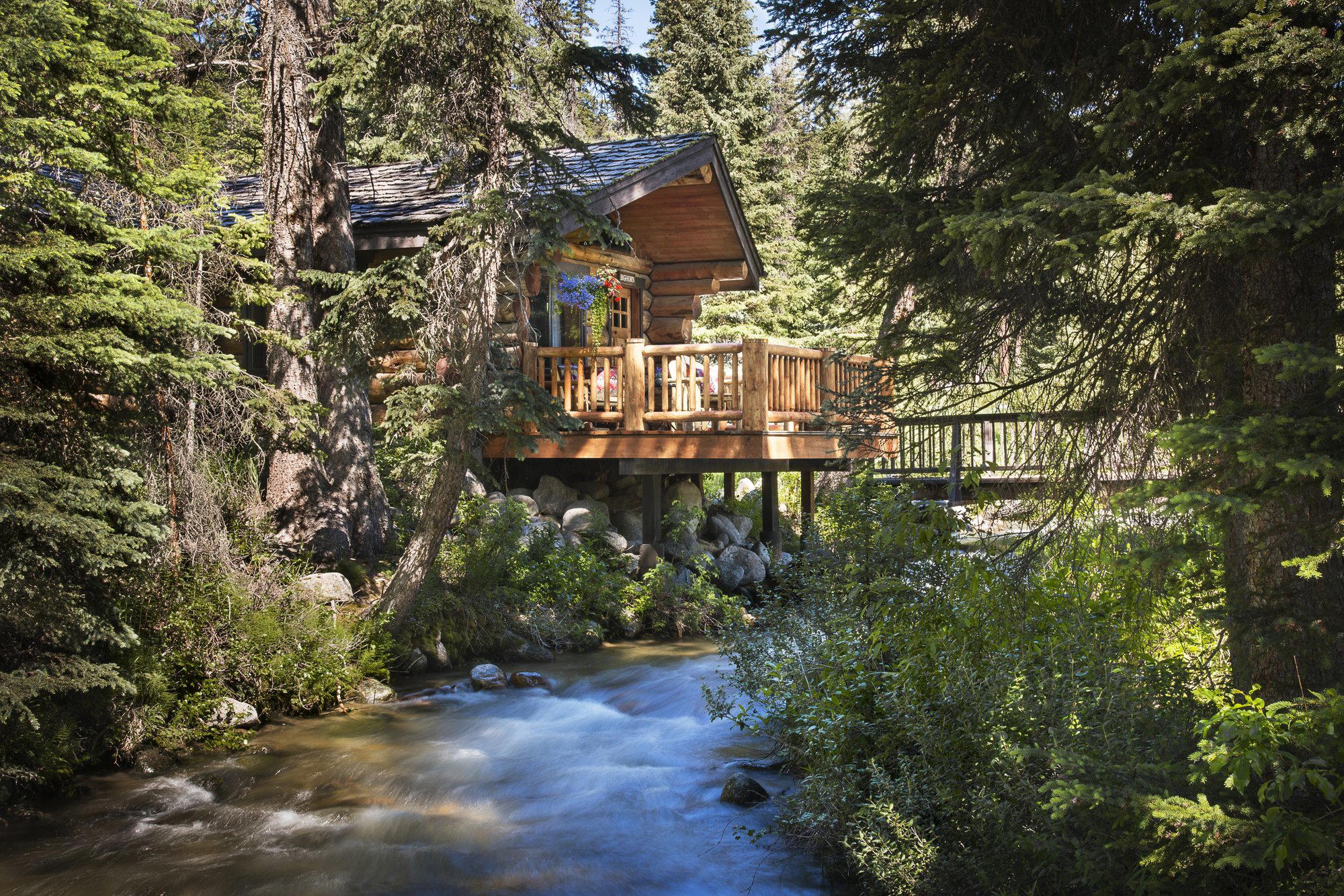
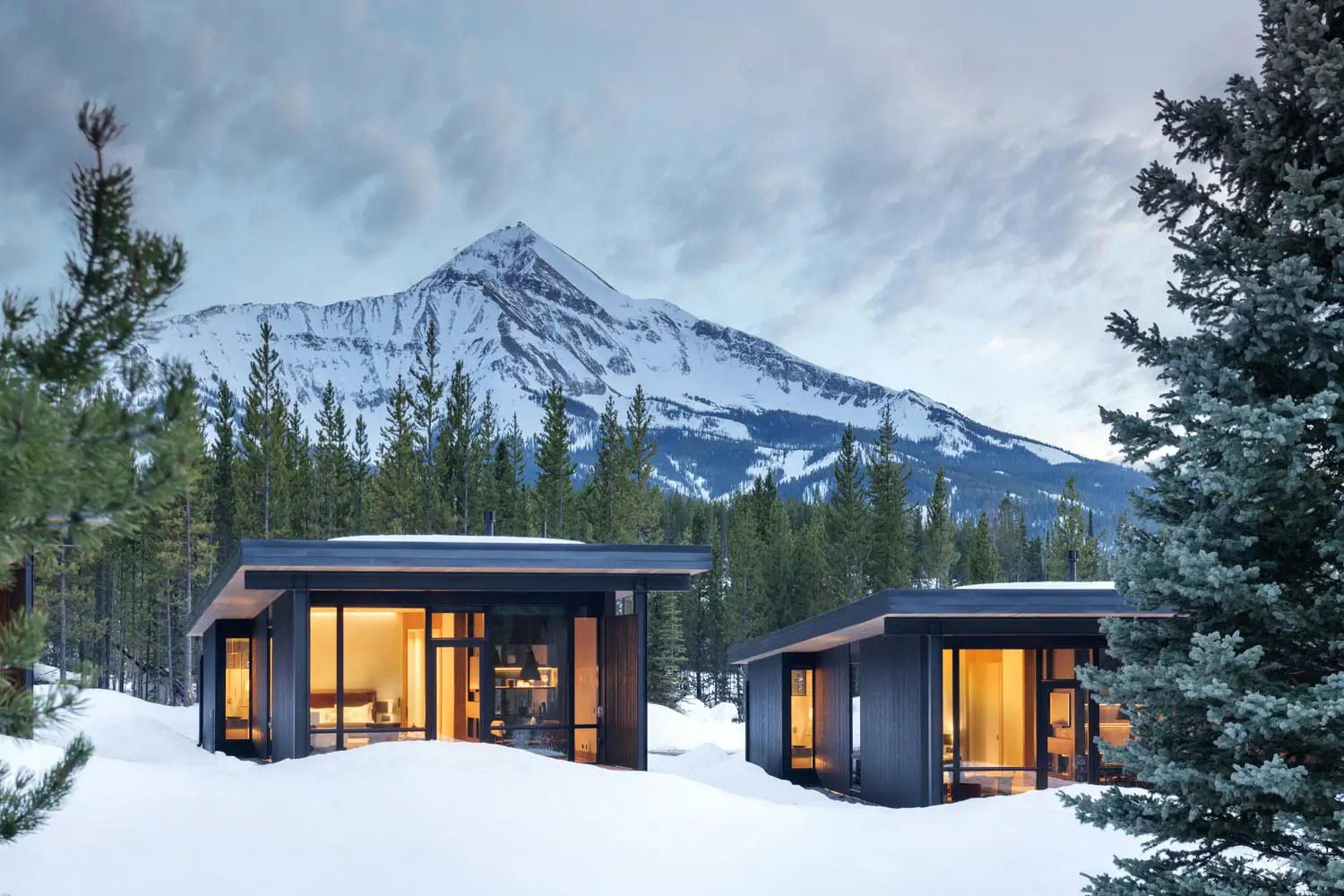
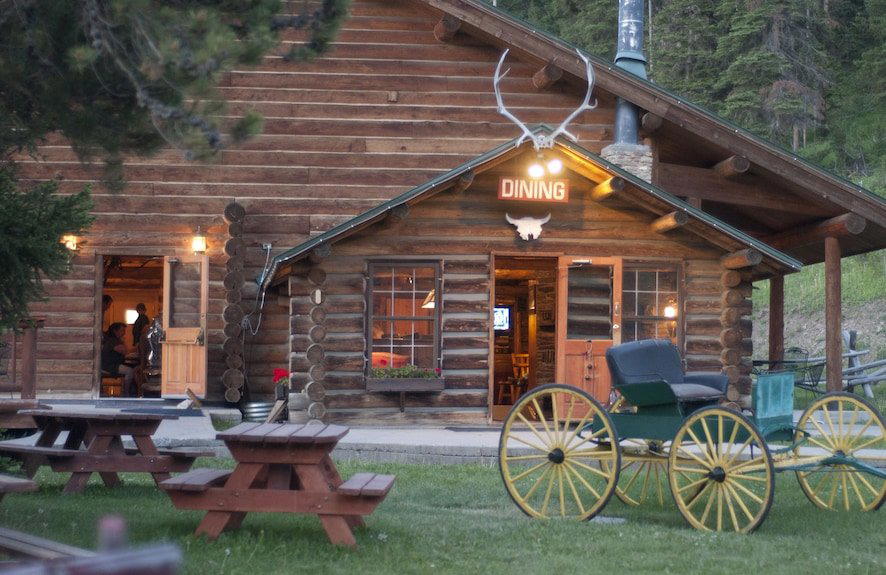
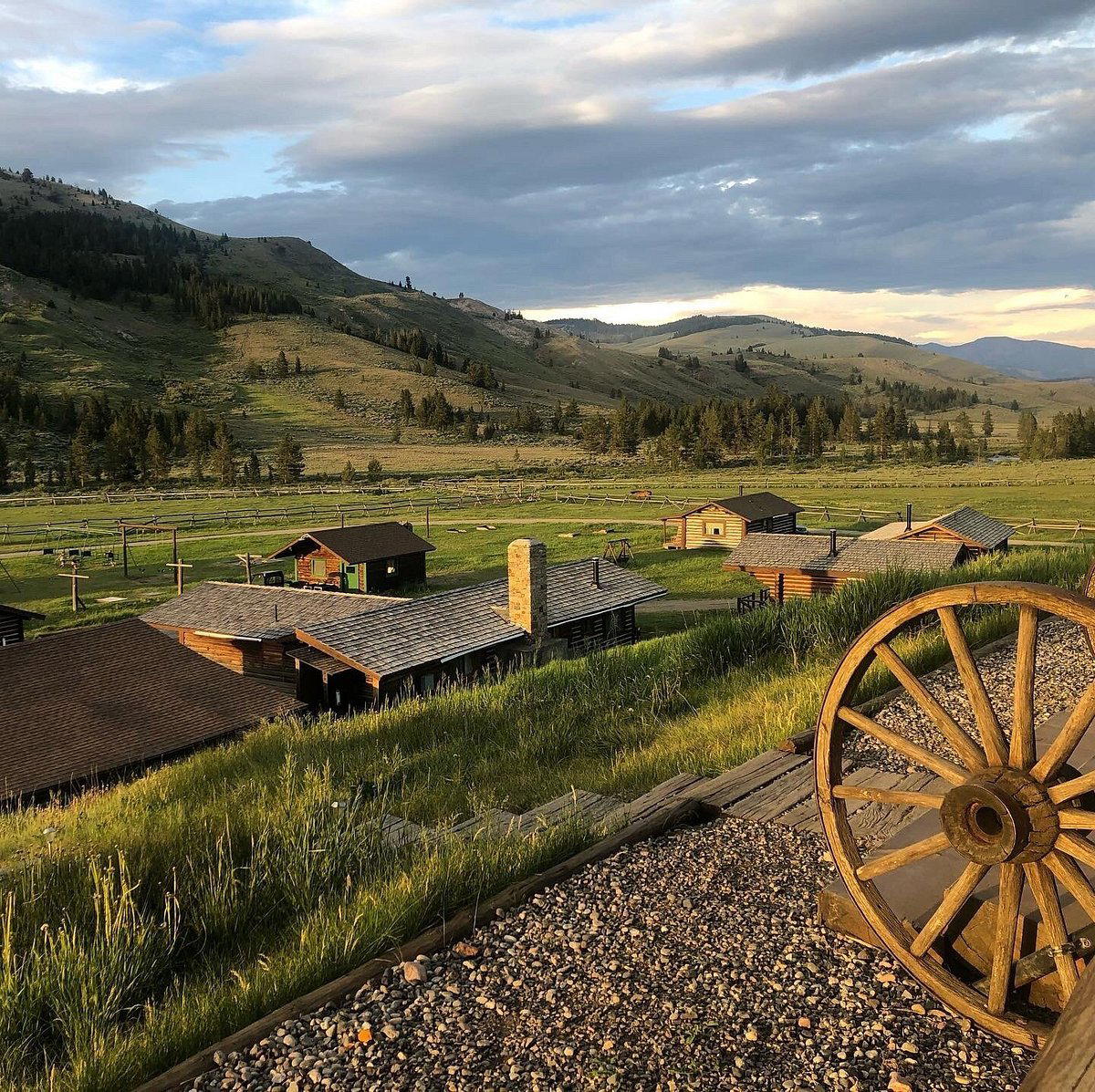
Big Sky dining begins before the menu. Snow gear, lift chatter, fly rods, mud-season boots, and the slow drift of resort traffic all shape the room before a plate reaches the table. Backcast occupies that kind of Montana space: a natural gathering point rather than a hushed dining room, closer in spirit to the day’s outdoor rhythm than to a destination tasting-menu circuit.
That matters in a town where restaurants are asked to do different work than they do in larger cities. Big Sky has guests coming off mountain hours, families moving between lodging and activities, and travelers who want the food to feel connected to place without requiring a formal script. The local dining scene is split between polished hotel cooking, ranch-house formats, and casual rooms built around convenience after long days outside. For the broader map, Our full Big Sky restaurants guide is the better starting point than treating any single venue as the whole story.
Mountain-town appetite, not metropolitan theatre
The ingredient question in Big Sky is less about fashionable sourcing language and more about fit. Montana dining is strongest when it understands cold-weather appetite, outdoor schedules, and the practical hunger that follows elevation. Backcast should be read inside that frame. Its public profile is not best understood as a formal fine-dining statement, so the editorial value lies in format: a resort gathering room that belongs to the everyday social life of the mountain.
That separates it from the town’s more explicitly defined restaurant lanes. Cortina speaks to the polished hotel-restaurant end of Big Sky, while Horn and Cantle at Lone Mountain Ranch carries the ranch-dining association that visitors often imagine before arrival. Akira Back brings a more cosmopolitan resort signal, useful for travelers who want global restaurant grammar in a mountain setting. Backcast sits in the less formal middle, where the meal is part of the resort day rather than the evening’s sole event.
That middle tier is often underrated by travelers planning only around names with clearer culinary identities. In ski and summer resort towns, the practical room can tell as much about the destination as the decorated one. It shows how people actually eat between weather windows, lesson times, chairlift openings, guided outings, and early starts. For activity-led context, Big Sky’s outfitter and guide culture points toward the outdoors-first side of the local rhythm, while Our full Big Sky experiences guide explains why dining here so often bends around the day’s terrain.
Where sourcing reads through place rather than slogans
Big Sky does not need a restaurant to announce regionality in order for regionality to be present. The town’s food culture is shaped by distance, altitude, seasonality, and the expense of operating in a high-demand resort market. Menus in this setting tend to work hardest when they satisfy cold-weather appetite without losing freshness, and when they acknowledge Montana’s agricultural identity without turning it into costume.
Backcast’s position as a gathering place gives that sourcing conversation a practical edge. The room has to work for skiers, non-skiers, families, and visitors using the resort as a base. That is a different test from a tightly scripted dining room in a larger city or a narrow neighborhood specialist built around one culinary argument; a Big Sky resort restaurant has to absorb a wider range of appetites in a shorter seasonal window.
The comparison also clarifies why precision matters when choosing where to eat in town. Other Big Sky dining rooms belong to different parts of the local conversation, while resort visitors often balance restaurant nights with hotel facilities, bars, and planned activities. For that wider trip architecture, Our full Big Sky hotels guide, Our full Big Sky bars guide, and Our full Big Sky wineries guide are useful companions.
How to place Backcast in a Big Sky itinerary
The right expectation is relaxed, social, and resort-paced. Travelers seeking a trophy reservation should compare other formats first; travelers wanting a room that makes sense before or after mountain time will understand the appeal faster. Backcast competes on situational usefulness rather than ceremony, which is often the more relevant metric in Big Sky.
That distinction helps avoid the common resort-town mistake: booking every meal as if the destination were a major-city dining crawl. Big Sky rewards a mixed strategy. Pair one polished dinner with one ranch-leaning meal, keep one flexible resort gathering spot, and leave room for weather to change the plan. For readers mapping a broader casual-and-regional dining thread, the lesson is simple: place-led eating can mean very different things depending on geography, format, and audience.
Backcast is therefore a decision about tempo. In a town where the mountain sets the schedule, a restaurant does not need ceremony to earn its place; it needs to absorb the day cleanly, feed a mixed group without fuss, and feel native to the resort’s social center. That is the lane here.
Frequently asked questions
Is Backcast suitable for children?
Backcast is in Big Sky, which points to a resort setting rather than a formal dining room. That usually makes it a workable choice for families looking for an easy meal.
What is the atmosphere like at Backcast?
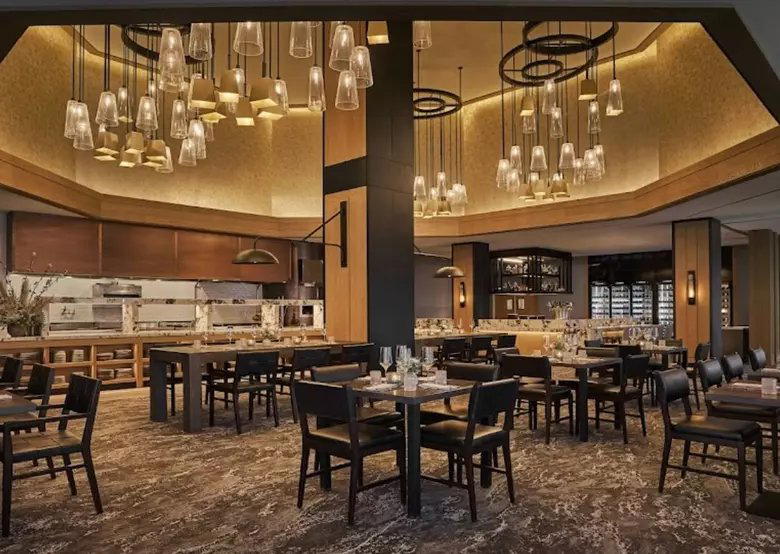
Backcast reads as a natural gathering place, and the Big Sky setting suggests a relaxed, social room. Expect a resort-paced atmosphere rather than a polished tasting-counter scene.
Where is Backcast located?
Backcast is located in Big Sky.
What's the best way to book Backcast?
The practical route is to use the resort context in Big Sky when arranging a table. That keeps the booking tied to the property rather than treating it as a standalone destination.
Snapshot
Comparable venues by cuisine and price in the same metro.
| Venue | Cuisine | Price | Awards |
|---|---|---|---|
| BackcastThis venue — the venue you are viewing | Thai-Inspired Mountain Noodle Bar & Grill | $50–100 | Not listed |
| Cortina | Italian Chophouse | $50–100 | Wine Spectator Best of Award of Excellence · Forbes 4-Star |
| Wildflower Market | Bakery Cafe | Not listed | Not listed |
| The Montana Dinner Yurt | Backcountry American Yurt Dinner | $100–150 | Not listed |
| Horn and Cantle at Lone Mountain Ranch | Rustic Montana Farm-to-Table Steakhouse | $50–100 | Wine Spectator Best of Award of Excellence · World's Best Wine Lists Awards WBWL 2-Star |
| Akira Back | Modern Japanese with Korean Influences | $100–150 | Not listed |
Details
- Scenic
- Energetic
- Modern
- Trendy
- Elegant
- After Work
- Group Dining
- Date Night
- Casual Hangout
- Late Night
- Celebration
- Live Music
- Panoramic View
- Hotel Restaurant
- Terrace
- Craft Cocktails
- Beer Program
- Mountain
- A La Carte
- Small Plates
- Cocktails
- Beer
- Spirits
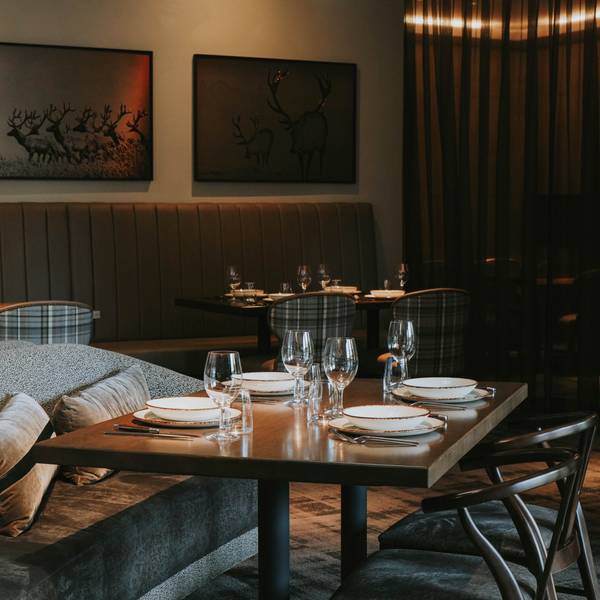
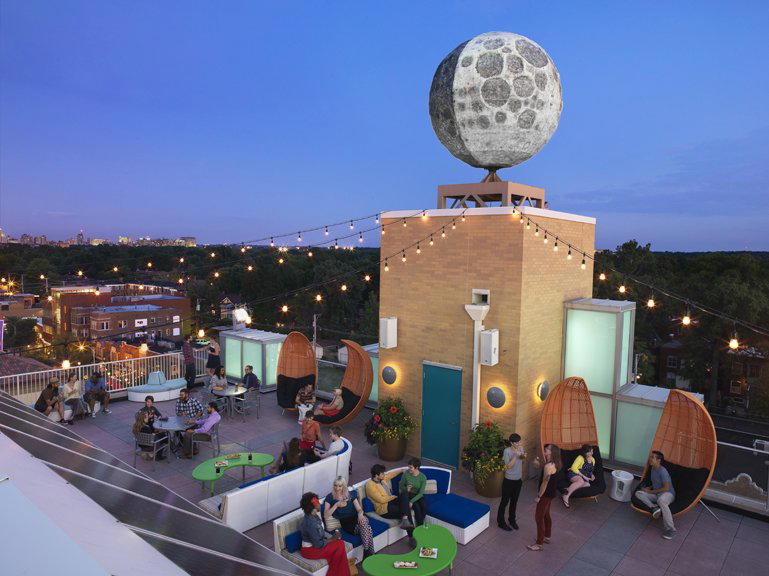
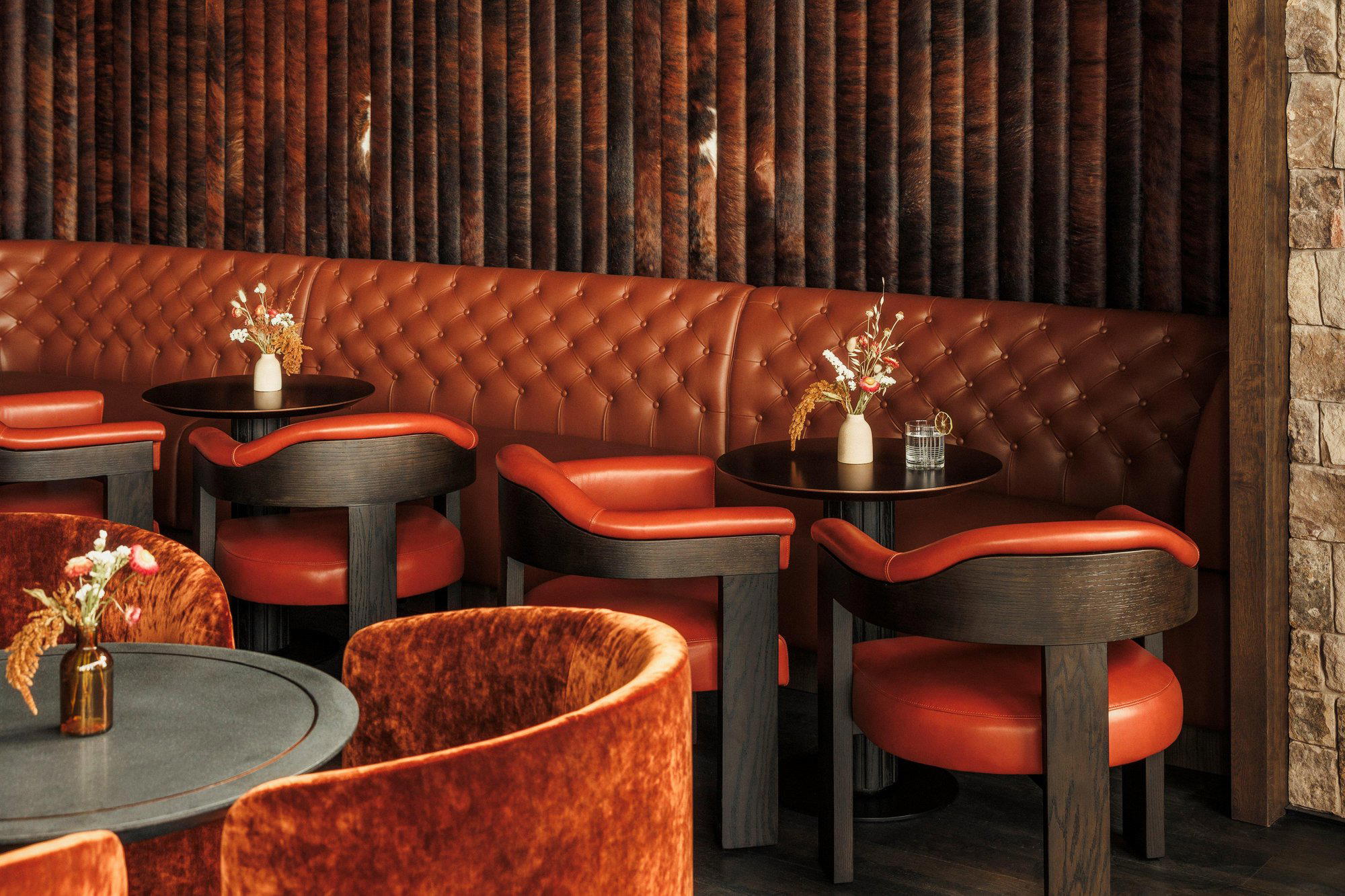
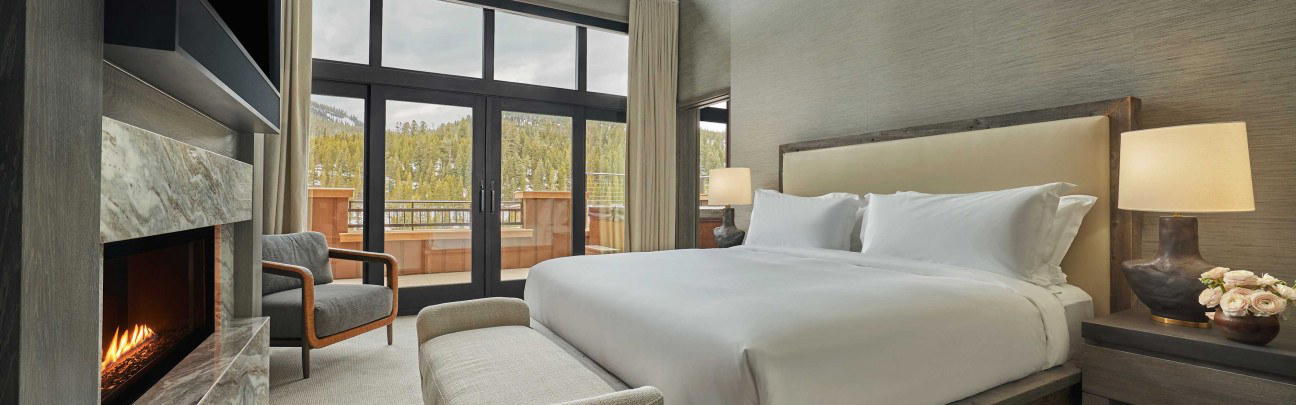
An intimate yet high-energy alpine setting with bar and poolside seating, open-air mountain views, and a social après-ski atmosphere that blends West Coast cool with polished resort elegance.