Akelarre







Akelarre belongs to San Sebastian Donostia’s high-recognition restaurant tier, carrying 3 Soles in the Guía Repsol Soles 2026. Its appeal sits in the city’s wider conversation between Basque product culture, coastal cooking, and destination dining, rather than in spectacle alone.
Pearl is the En Primeur Club membership app — saves, bookings, and concierge access live there. Same editors, same standards.
- Address
- Padre Orkolaga Ibilbidea, 56, 20008 Donostia / San Sebastián, Gipuzkoa, Spain
- Phone
- +34 943 31 12 09
- Website
- akelarre.net
- Directions
- Get directions
 Saves & bookings on Pearl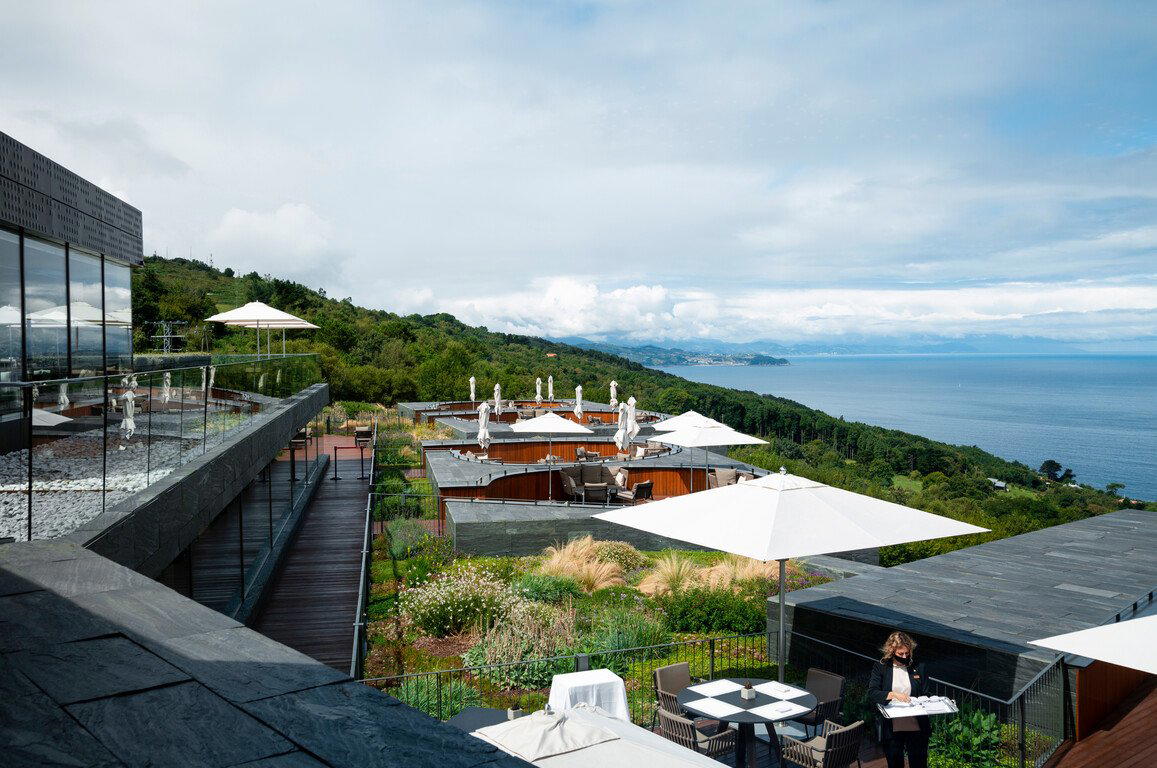
The approach to San Sebastian Donostia’s western edge changes the frame: the dense pintxo rhythm of the old town gives way to a more exposed Atlantic setting, where fine dining reads differently. In this part of Gipuzkoa, the sea is not scenery alone. It is part of the region’s argument for why product, restraint, and technical confidence have shaped Spanish dining for decades.
Akelarre is a formal Basque restaurant at Padre Orkolaga Ibilbidea, 56 in Donostia / San Sebastián, known for its focused approach to regional product. The useful way to read the restaurant is through sourcing culture: Basque cooking has long treated fish, shellfish, vegetables, and dairy as serious foundations, not raw material waiting for decoration. At this level, technique matters, but the larger question is whether a restaurant can make a destination format feel connected to its region. Guía Repsol’s 3 Soles recognition for 2026 places Akelarre in a national award tier where that balance is expected, not optional.
For a city with such a compact dining map, San Sebastian Donostia carries unusual range. The old-town counter culture around places such as Ganbara and Casa Urola shows the ingredient-first logic at street level: seasonal produce, grill work, and seafood handled with minimal fuss. The higher restaurant tier translates that same local discipline into longer-form dining. Nearby references such as Arzak, Itzuli, and Espazio Oteiza – Akelarre underline how dense the city’s serious dining culture remains across formats.
Getting to Akelarre
Central dining lets a traveller move between bars, grills, and short-form meals; the western, more open setting changes the pace and suits a longer lunch or dinner planned as the anchor of a day. That distinction matters in a city where eating can mean anything from two pintxos before a walk to a full destination meal.
The point is pacing: San Sebastian rewards meals that are separated by neighbourhood, appetite, and time of day.
Akelarre awards and recognition
Guía Repsol’s 3 Soles classification in 2026 is the clearest external signal attached here. In Spain, Repsol’s Soles function as a national dining map with particular sensitivity to regional cooking, which makes the award useful for readers trying to understand how a restaurant sits within Spanish rather than only international recognition. For Akelarre, the signal places the restaurant in a high-credential category where product handling, consistency, and regional identity carry weight.
That national context is helpful because Spain’s destination restaurants do not all make the same claim. Some are built around marine research, as at Aponiente in El Puerto de Santa María; others around architectural tasting-menu theatre, as at Azurmendi in Larrabetzu, Cocina Hermanos Torres in Barcelona, DiverXO in Madrid, or El Celler de Can Roca in Girona. San Sebastian’s strength is different: the city makes high recognition feel connected to a daily food culture that is unusually strong below the fine-dining tier, a pattern also visible at Arzak in San Sebastián.
Restaurants such as Benu in San Francisco and Le Bernardin in New York City show how destination dining can become a city’s shorthand for technical control and product seriousness. Akelarre’s case is rooted in Basque territory: the restaurant’s strength lies in the way a long-form format remains legible within a region with unusually clear ingredient traditions.
Comparable Venues Nearby
Comparable venues nearby, for context on price, style, and recognition.
| Venue | Cuisine | Price | Notes |
|---|---|---|---|
| AkelarreThis venue — the venue you are viewing | Three-Michelin-star New Basque fine dining | $$$$ | Not listed |
| Bodega Katxiña | Basque grill & winery restaurant | $$$ | Ortzaika |
| Alameda Restaurant at Hondarribia | Modern Basque Bidasoa Cuisine | $$$$ | Hondarribia |
| Casa Cámara | Traditional Basque seafood restaurant | $$$ | Pasai Donibane |
| Iriarte | Traditional Basque grill and suckling pig farmhouse restaurant | $$$ | / Berrobi / Gipuzkoa |
| Zazpi Stm | Modern Basque restaurant & pintxos bar | $$$ | Parte Vieja / San Telmo Museum area |
Recognition history
Dated appearances from independent guides and award organizations, with the underlying list record or original source where available.
Guía Repsol 3 Soles
Guía Repsol
La Liste Top Restaurants
La Liste
Macarfi 9 Food Rating
Macarfi
Michelin 3 Stars
Michelin
Opinionated About Dining Top Restaurants in Europe Highly Recommended
Opinionated About Dining
La Liste Top Restaurants
La Liste
Michelin 3 Stars
Michelin
Relais Chateaux Award
Relais Chateaux
We're Smart World 2 Radishes
We're Smart World
Michelin 3 Stars
Michelin
Opinionated About Dining Top Restaurants in Europe Ranked #183
Opinionated About Dining
Opinionated About Dining Top New Restaurants in Europe Highly Recommended
Opinionated About Dining
Continue exploring
More in San Sebastian Donostia
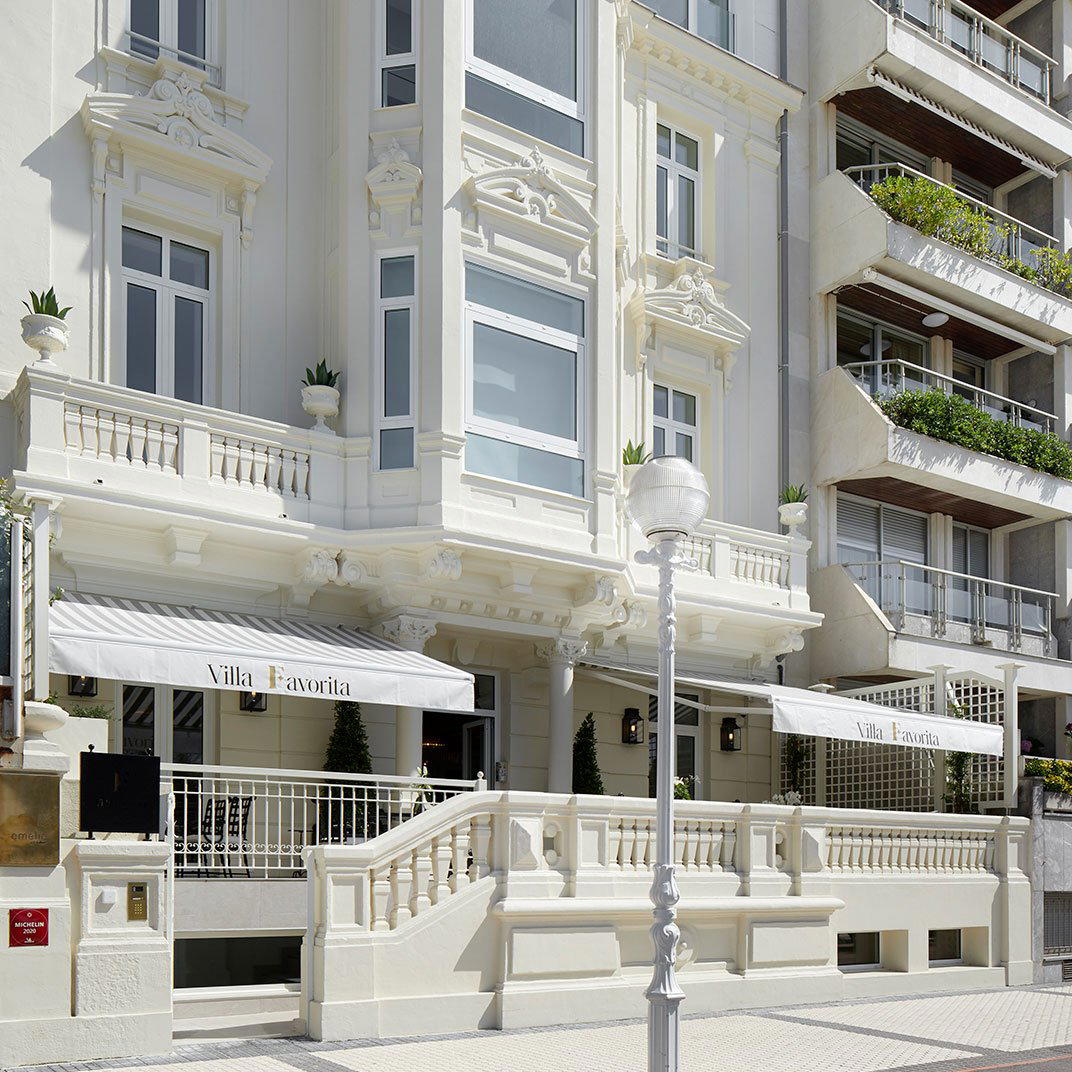
Restaurants in San Sebastian Donostia
Browse all →
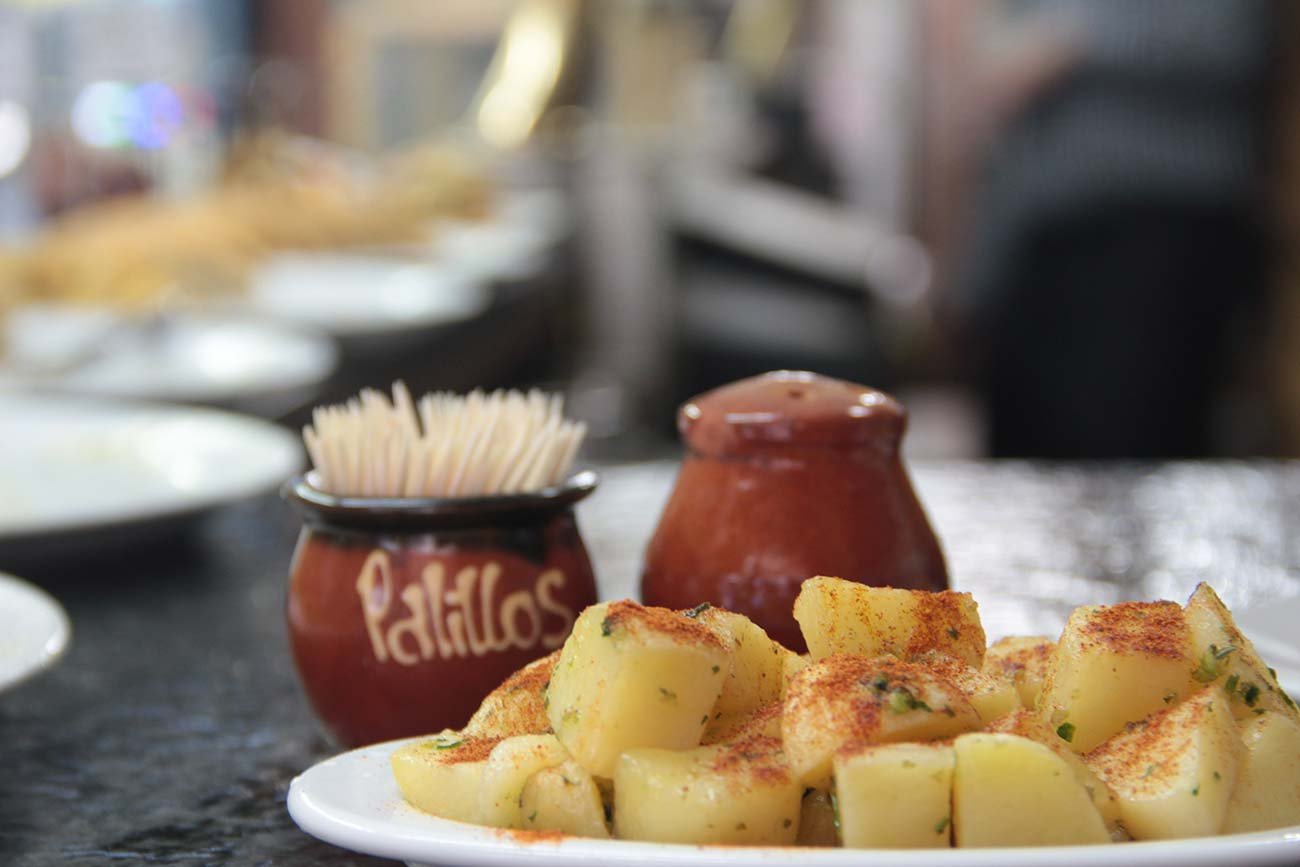
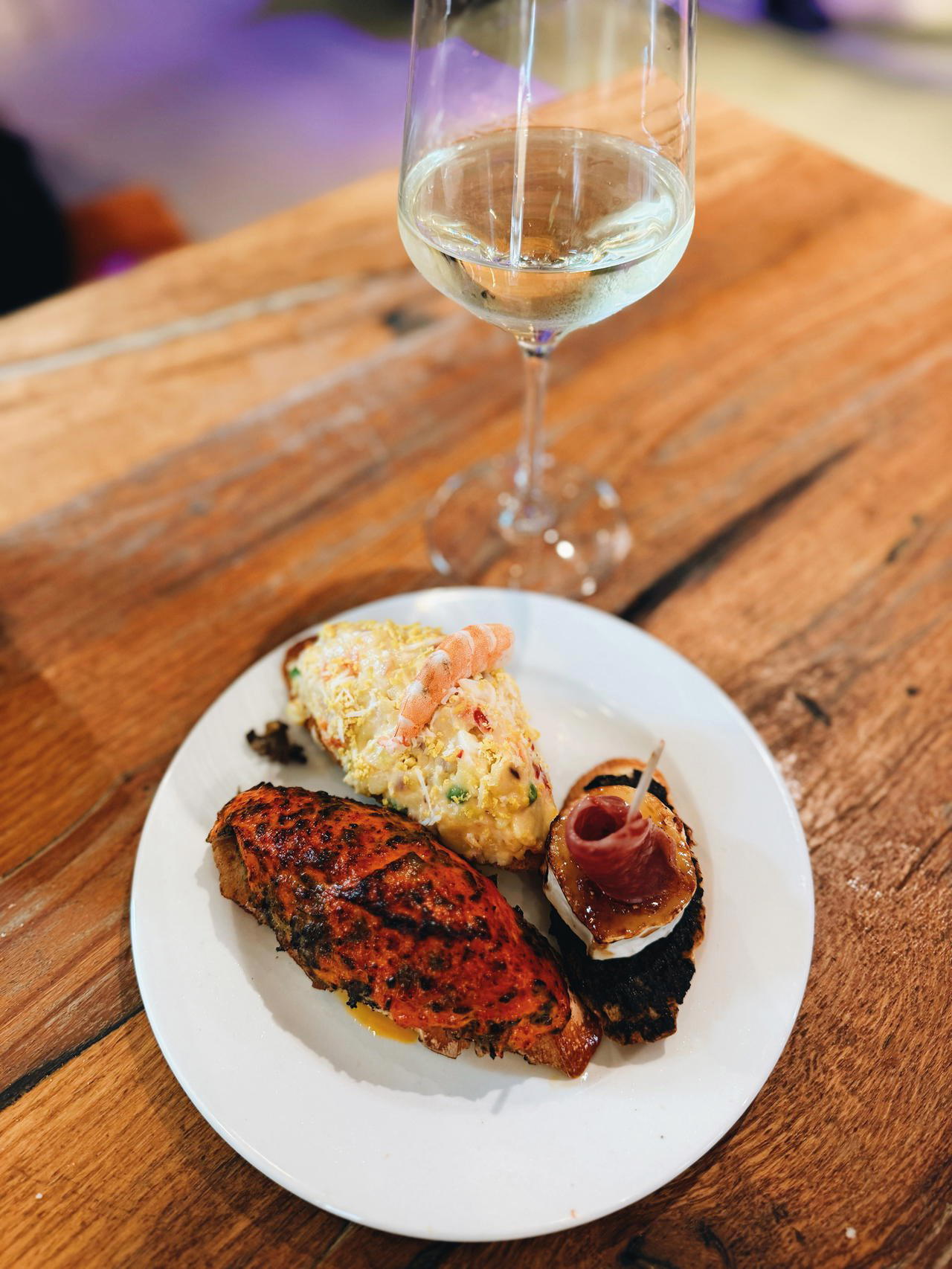
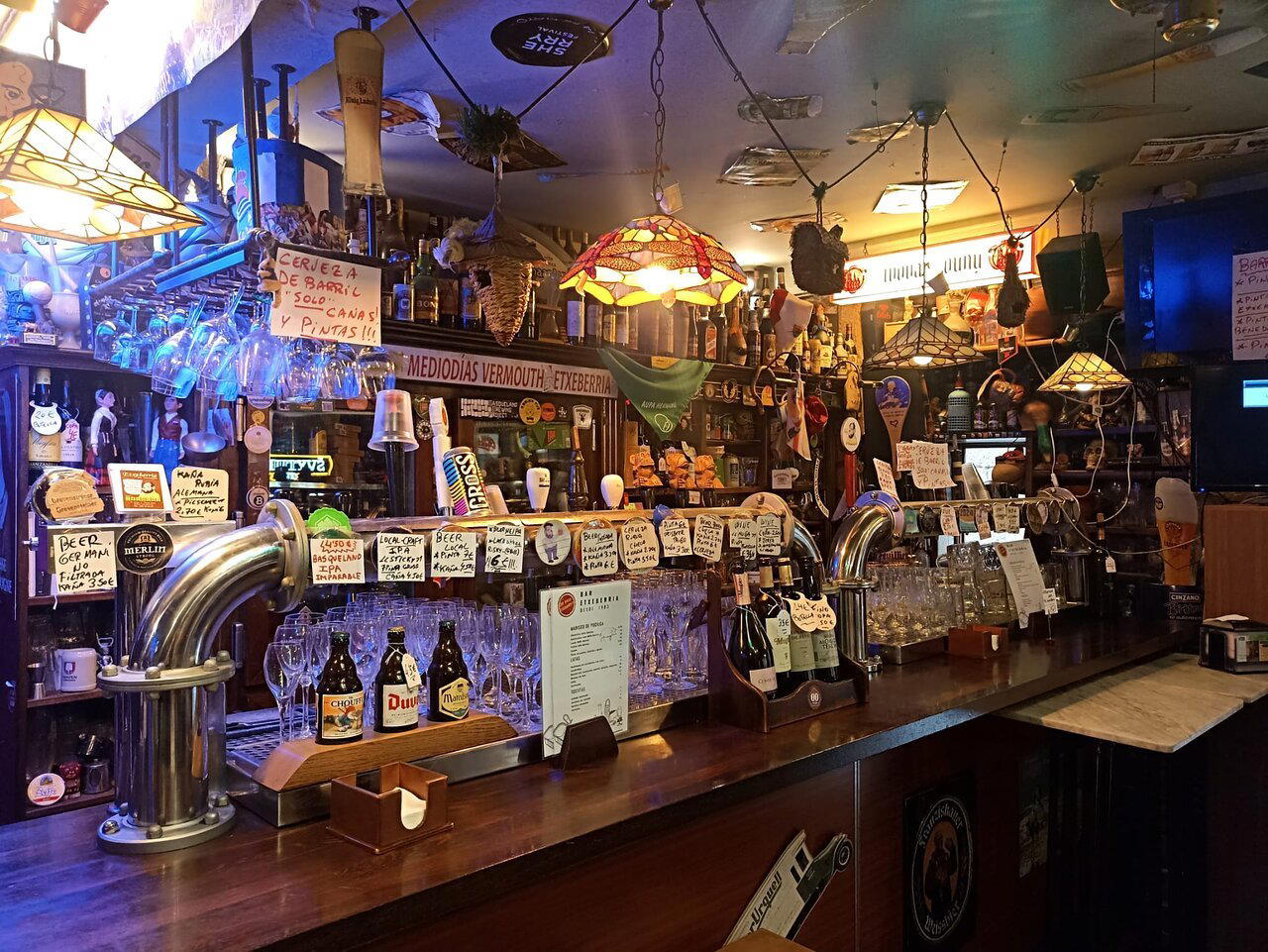
Bars in San Sebastian Donostia
Browse all →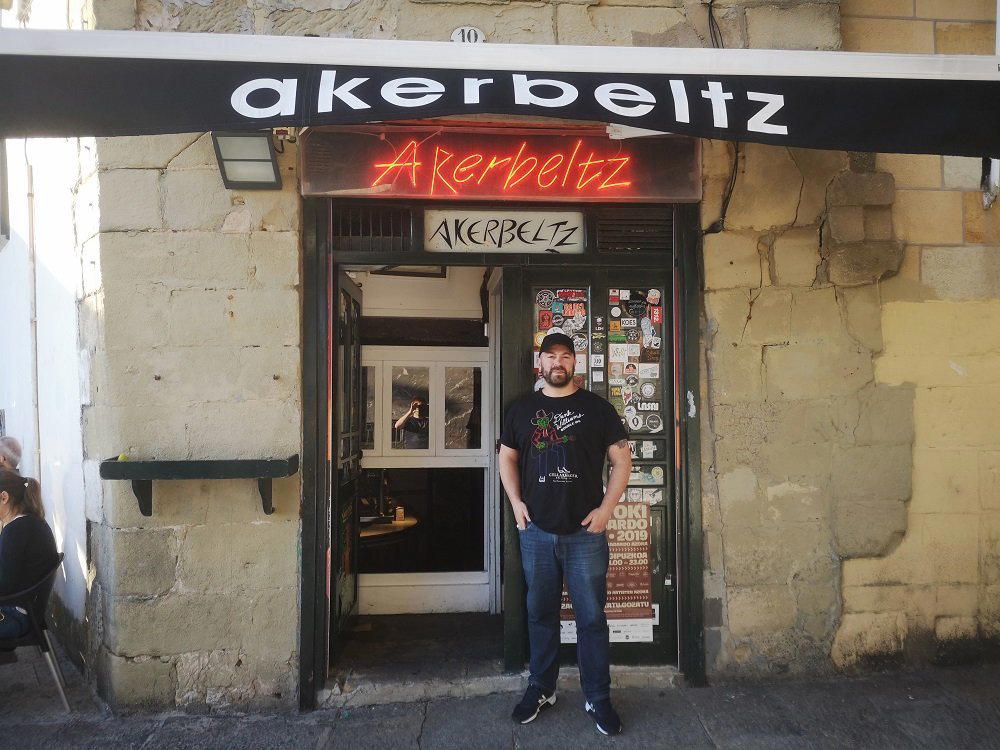
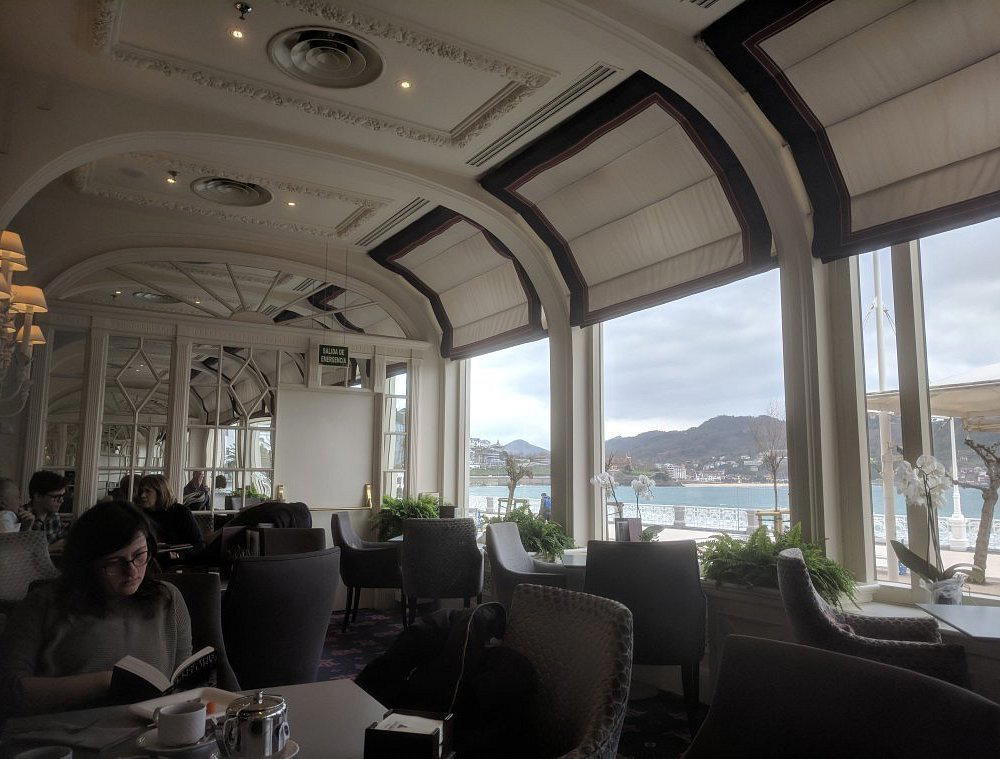
Hotels in San Sebastian Donostia
Browse all →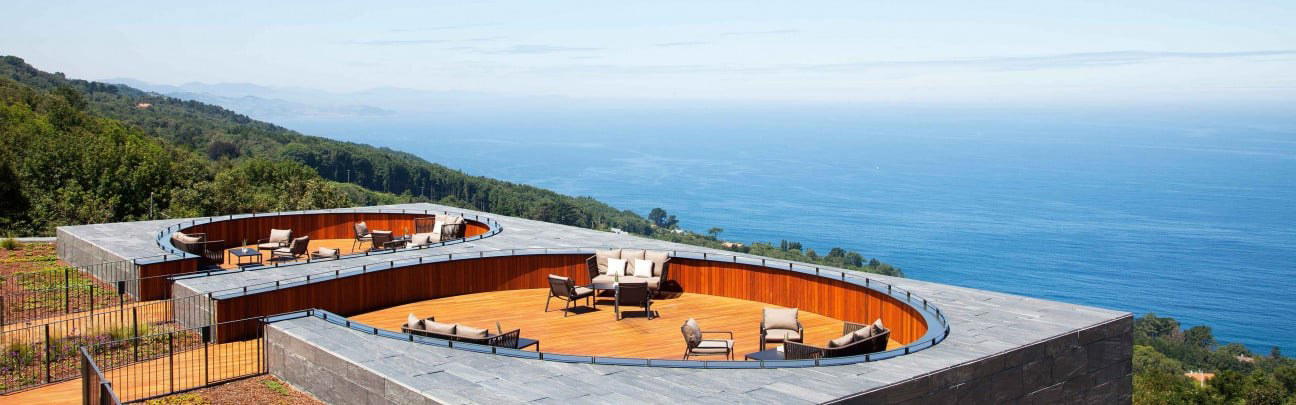
Wineries in San Sebastian Donostia
Browse all →
At a Glance
- Romantic
- Elegant
- Scenic
- Sophisticated
- Well Known
- Date Night
- Business Dinner
- Celebration
- Special Occasion
- Private Event
- Waterfront
- Panoramic View
- Design Destination
- Hotel Restaurant
- Private Dining
- Terrace
- Extensive Wine List
- Sommelier Led
- Local Sourcing
- Sustainable Seafood
- Waterfront
Current opening hours
- Monday
- Closed
- Tuesday
- Closed
- Wednesday
- 1–2 PM, 8:15–9 PM
- Thursday
- 1–2 PM, 8:15–9 PM
- Friday
- 1–2 PM, 8:15–9 PM
- Saturday
- 1–2 PM, 8:15–9 PM
- Sunday
- 1–2 PM
Hours can change for holidays and private events. Last verified .
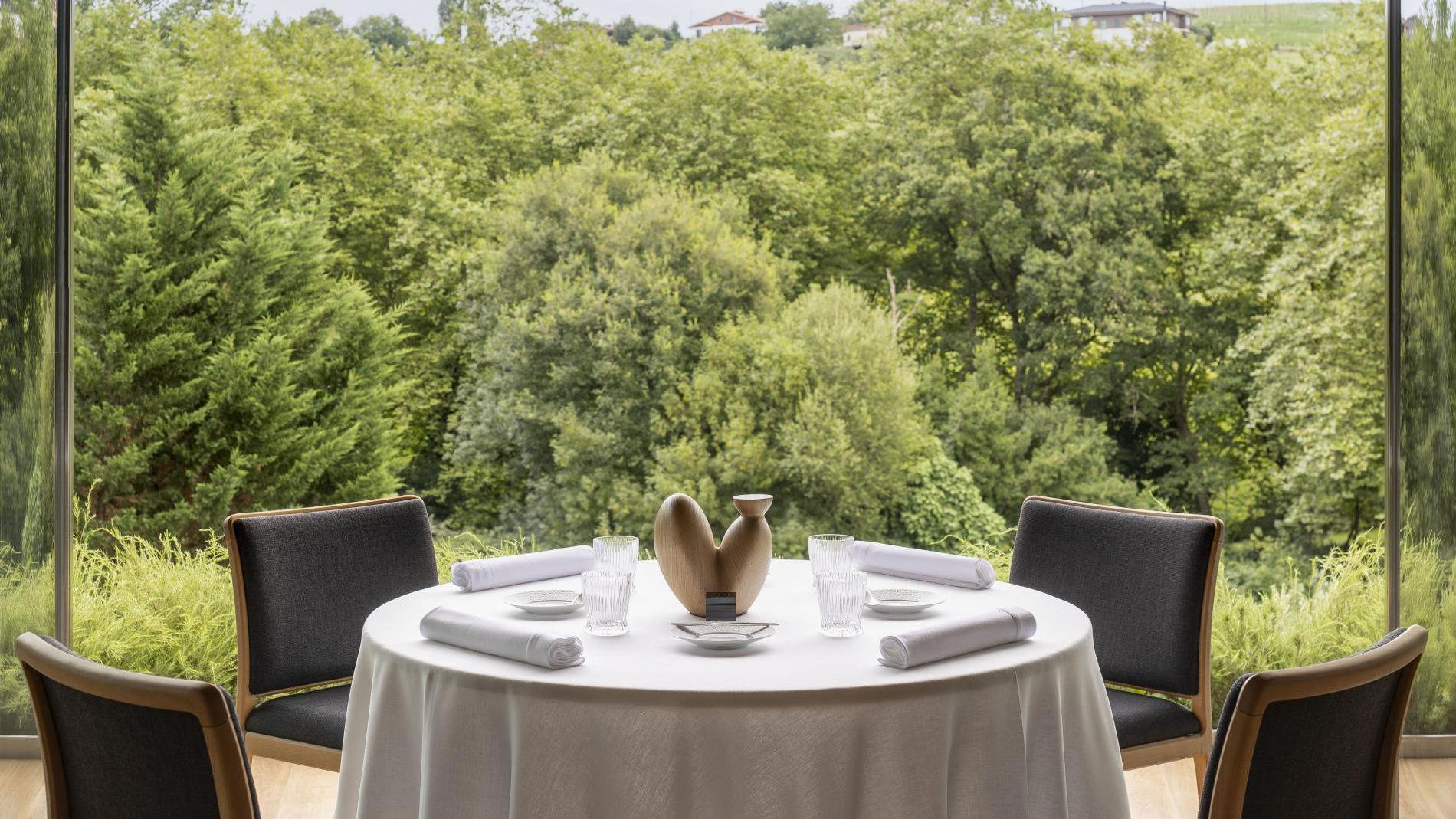
Refined, contemporary dining room with large picture windows over the Bay of Biscay, natural light by day and intimate, quietly luxurious lighting at night; service is polished and formal yet warm, emphasizing a calm, unhurried experience.
Know Before You Go
- Getting there
- Padre Orkolaga Ibilbidea, 56, 20008 Donostia / San Sebastián, Gipuzkoa, Spain