Akbar's Restaurant
Our verdict
Akbar's Restaurant occupies a setting inside King George's Hall, one of Blackburn's most recognisable civic buildings, placing South Asian dining within an architectural frame that most curry houses in the north of England would never attempt. The address alone signals an ambition that goes beyond the typical high-street format, positioning Akbar's within a broader conversation about what a regional Indian restaurant can be in a post-industrial Lancashire town.

Pearl is the En Primeur Club membership app — saves, bookings, and concierge access live there. Same editors, same standards.
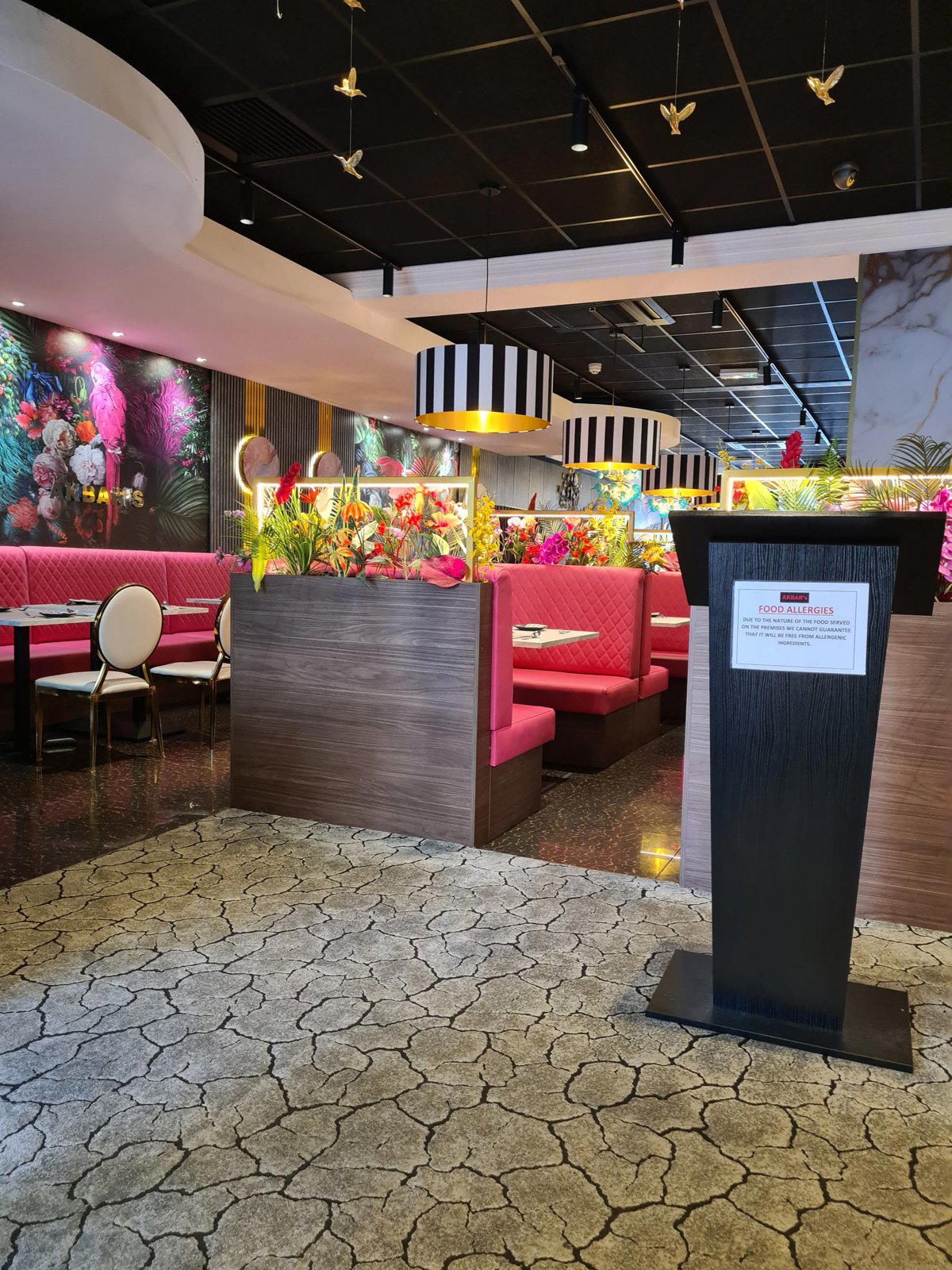
A Civic Address and What It Says About Blackburn's South Asian Dining Scene
King George's Hall is not a casual backdrop. The Northgate building has anchored Blackburn's civic life for over a century, and the decision to site a South Asian restaurant within its walls says something pointed about how the town's dining culture has matured. Across northern England, the trajectory of South Asian restaurants has followed a familiar arc: from high-turnover curry houses serving the post-work crowd to more considered establishments that treat sourcing, service, and setting as interconnected concerns. Akbar's Restaurant, at King George's Hall, Northgate, Blackburn BB2 1AA, sits at a point on that arc where the setting is doing deliberate work. The grandeur of the building frames the meal before a plate arrives.
Blackburn has one of the highest concentrations of South Asian communities in the United Kingdom, a demographic reality that has produced a dense and competitive local restaurant culture. That competition raises the baseline. Restaurants here cannot rely on novelty or geography alone; they compete against decades of accumulated community knowledge about what good subcontinental cooking actually tastes like. In that context, occupying the King George's Hall address is both an opportunity and a statement of intent.
Ingredient Sourcing and the Question of Provenance in Northern Indian Cooking
The ingredient sourcing conversation that has reshaped British fine dining over the past two decades, running through establishments like L'Enclume in Cartmel and Moor Hall in Aughton, has been slower to arrive in the South Asian restaurant sector. The default assumption has long been that subcontinental cuisine draws on a fixed pantry of dried spices, tinned tomatoes, and commodity proteins, where provenance is less relevant than technique. That assumption is increasingly out of date.
The more serious South Asian kitchens in the north of England now treat spice sourcing with the same rigour that a modern British kitchen applies to heritage vegetable varieties or rare-breed meat. Whole spices sourced from specific growing regions, fresh curry leaves rather than dried, and grass-fed or free-range proteins all shift the aromatic profile of a dish in ways that are detectable to any palate trained on the difference. Lancashire itself offers strong raw material: the county's dairy, lamb, and market garden traditions are well-documented, and kitchens that draw on them have a genuine regional story to tell alongside the subcontinental one.
This matters because the restaurants that have done most to shift perceptions of South Asian cooking in Britain, places like Opheem in Birmingham, have built their editorial case partly on ingredient transparency. The conversation about where food comes from is no longer confined to tasting-menu restaurants charging triple figures a head. It has reached the mid-market, and South Asian restaurants that engage with it credibly have a compelling story to tell to a dining public that is paying attention.
The King George's Hall Setting: What the Room Communicates
Historic civic buildings create an atmospheric register that purpose-built restaurant spaces struggle to replicate. The material weight of stone and timber, the scale of ceilings, the acoustic quality of rooms designed for assembly rather than dining: all of these cues land before the food does. South Asian restaurants have not traditionally occupied this kind of real estate in British towns, which makes the pairing notable. When it works, the contrast between the architecture and the cuisine becomes productive, each context enriching the other rather than producing incongruity.
In towns like Blackburn where the civic built environment and the South Asian community have both been central to the post-war story, that pairing carries particular resonance. It is a spatial argument about belonging and permanence that the cuisine alone could not make. For a restaurant operating in this kind of setting, the room is part of the editorial statement, not merely the container for it.
Where Akbar's Sits in the Blackburn Restaurant Picture
Blackburn's restaurant scene is not operating at the Michelin tier occupied by Waterside Inn in Bray or CORE by Clare Smyth in London, nor is it attempting to. The competitive set is local and regional, and within it South Asian cuisine is not a niche offering but the dominant register. The relevant peer comparison for Akbar's is not Restaurant Sat Bains in Nottingham or Le Manoir aux Quat' Saisons in Great Milton, but rather the broader field of serious northern English South Asian restaurants that have moved beyond the standard curry house format.
Within Blackburn specifically, MyLahore Blackburn represents another point of reference in the town's South Asian dining offer. Our full Blackburn restaurants guide maps the wider scene for readers planning a broader visit to the town.
For comparison across the region, the South Asian fine-dining movement has a more developed expression in larger cities. But the argument that serious subcontinental cooking belongs in serious buildings is one that venues in mid-sized northern towns are beginning to make, and Akbar's physical address in Blackburn is part of that argument.
Planning a Visit: What to Know Before You Go
Akbar's Restaurant is located at King George's Hall, Northgate, Blackburn BB2 1AA, a central address that is accessible from Blackburn town centre on foot and close to rail connections serving the East Lancashire line. The King George's Hall complex is a known landmark, which makes locating the restaurant direct for visitors arriving by public transport or navigating from the town's central car parks. Given the civic setting and the profile of the address, the restaurant draws both local regulars and visitors to the town for events at the hall itself.
Readers should check directly for current operational information before planning a visit. For context on how Blackburn's restaurant scene fits within the broader north of England dining picture, including comparisons with Michelin-recognised kitchens in the region such as Moor Hall in Aughton and L'Enclume in Cartmel, our Blackburn city guide provides the wider frame.
Frequently asked questions
Can I bring kids to Akbar's Restaurant?
The King George's Hall address on Northgate places Akbar's in a central, accessible part of Blackburn, which generally suits family visits. The civic setting is spacious by nature, which tends to accommodate groups of mixed ages more comfortably than compact restaurant rooms.
What is the atmosphere like at Akbar's Restaurant?
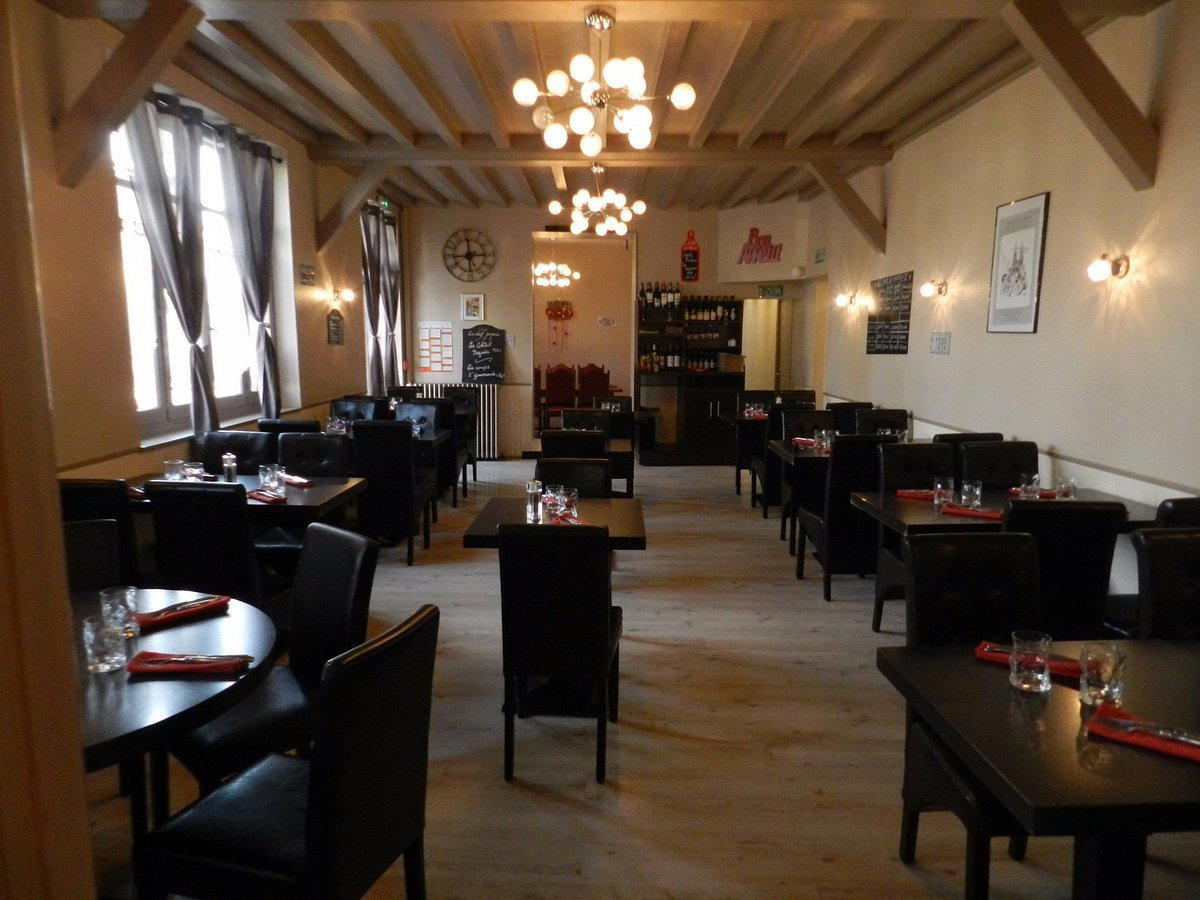
Akbar's occupies King George's Hall, a civic building that has anchored Blackburn's Northgate since the early twentieth century. Stone construction and high-volume architecture give the room a material weight that purpose-built restaurant spaces rarely match. The result is a setting that reads more formal than a neighbourhood curry house without crossing into fine-dining territory.
Is Akbar's Restaurant in Blackburn the same Akbar's chain found elsewhere in Northern England?
Akbar's is a Northern England restaurant group with sites across cities including Bradford, Leeds, and Manchester, known for its large-format South Asian dining rooms. The Blackburn location at King George's Hall, Northgate, BB2 1AA sits within that broader network, bringing the group's Northern Indian approach to a historically significant civic building in Lancashire. If you are familiar with other Akbar's sites, the Blackburn address offers the same general cuisine type within a setting that differs architecturally from the group's purpose-built restaurants.
What do regulars order at Akbar's Restaurant?
The kitchen's position within the Blackburn South Asian dining scene, served from a prominent civic address, suggests a Northern Indian repertoire that is likely built around the subcontinental classics that anchor this style of cooking across Lancashire. Visit the restaurant directly or check current menus on arrival at King George's Hall, Northgate.
Where is Akbar's Restaurant in Blackburn?
Akbar's Restaurant is located at King George's Hall, Northgate, Blackburn BB2 1AA, United Kingdom, Blackburn.
Should I book Akbar's Restaurant in advance?
The King George's Hall address is one of Blackburn's most visible civic venues, which means Akbar's draws both local regulars and visitors to the town centre. Booking ahead is advisable for weekend evenings and for groups, when demand at a centrally located restaurant in a mid-sized Lancashire town tends to concentrate. Contact information is not currently listed, so checking directly via the venue or a third-party booking platform is the practical route.
In Context: Similar Options
Comparable venues nearby, for context on price, style, and recognition.
| Venue | Cuisine | Price | Notes |
|---|---|---|---|
| Akbar's RestaurantThis venue — the venue you are viewing | Authentic Indian & Pakistani Curry House | $20–30 | Not listed |
| MyLahore Blackburn | British-Asian Fusion | $20–30 | Whitebirk |
| Dalvee | Contemporary Indian | $20–30 | Poulton Le Fylde |
| Panchi Indian Restaurant | Indian Curry House | $20–30 | Earlestown |
| Aangan | Authentic Indian & Nepalese | $20–30 | Willington |
| Gurkha Nepalese & Indian Restaurant | Nepalese & Indian | $20–30 | Old Town |
Continue exploring
More in Blackburn
Restaurants in Blackburn
All restaurants in Blackburn →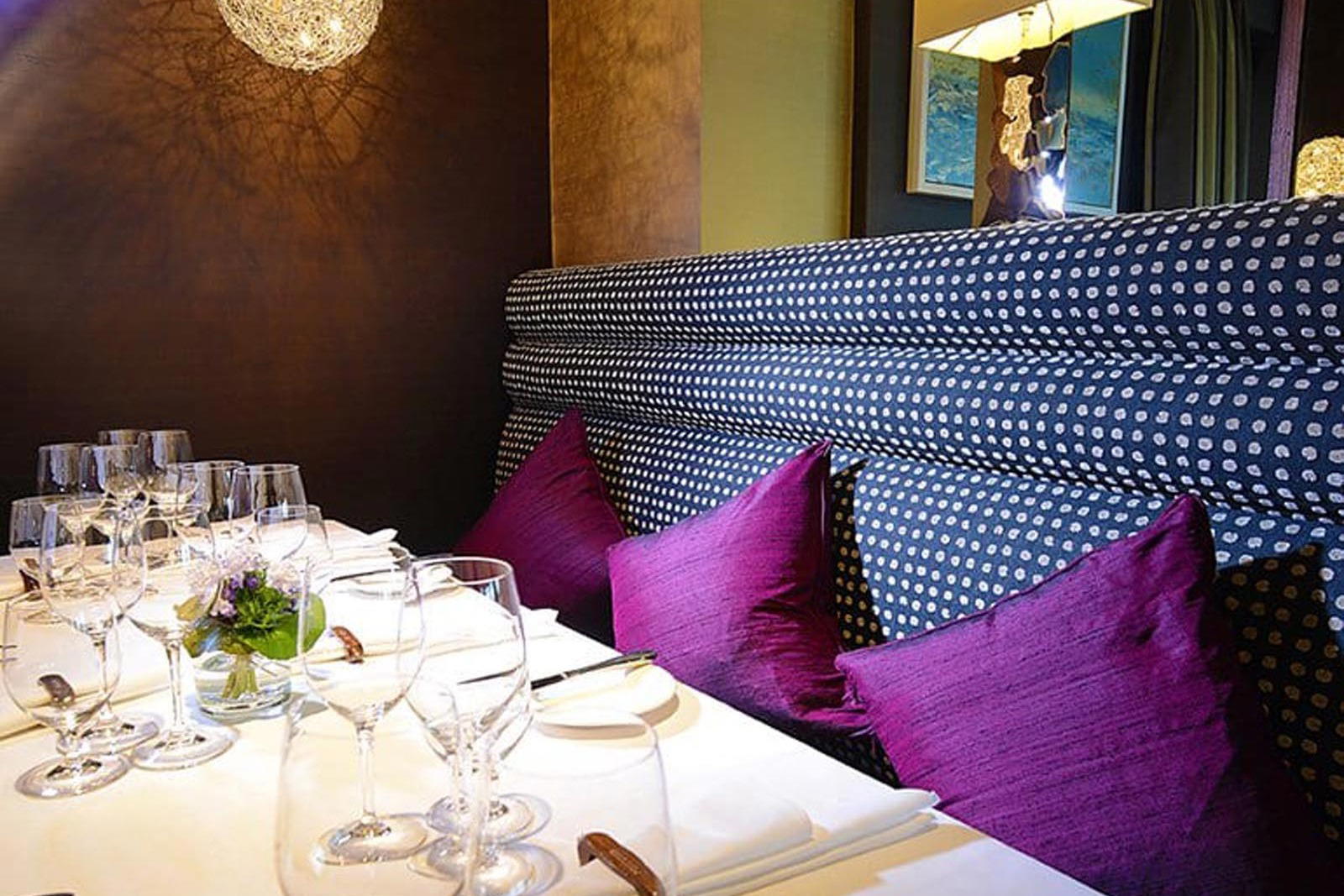
Details
- Lively
- Cozy
- Group Dining
- Family
- Casual Hangout
- Open Kitchen
- A La Carte
- Vegetarian Friendly
- Vegan Options
- Gluten Free Options
Current opening hours
- Monday
- 5–11 PM
- Tuesday
- 5–11 PM
- Wednesday
- 5–11 PM
- Thursday
- 5–11 PM
- Friday
- 5–11:30 PM
- Saturday
- 5–11:30 PM
- Sunday
- 5–11 PM
Hours can change for holidays and private events. Last verified .
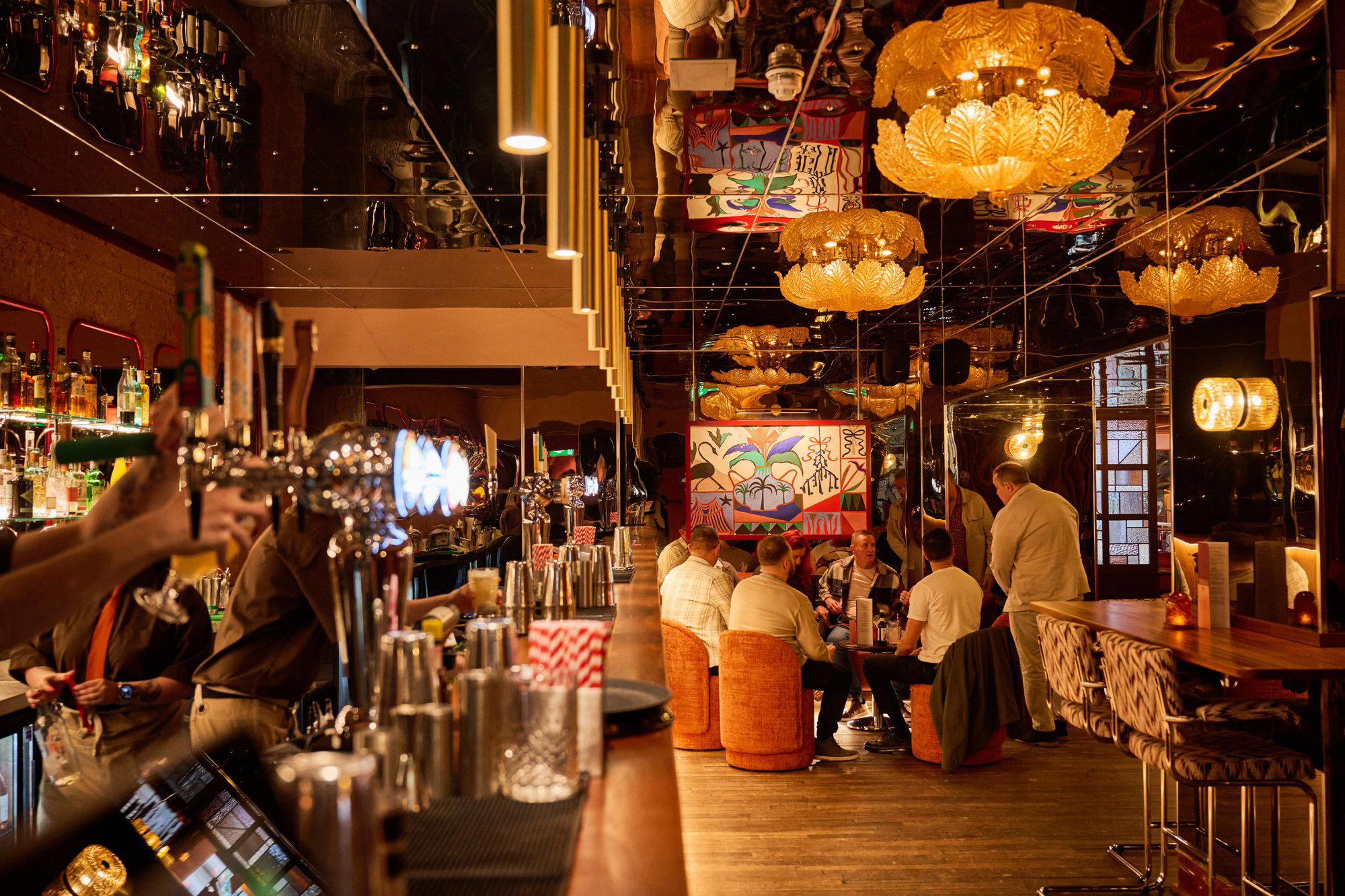
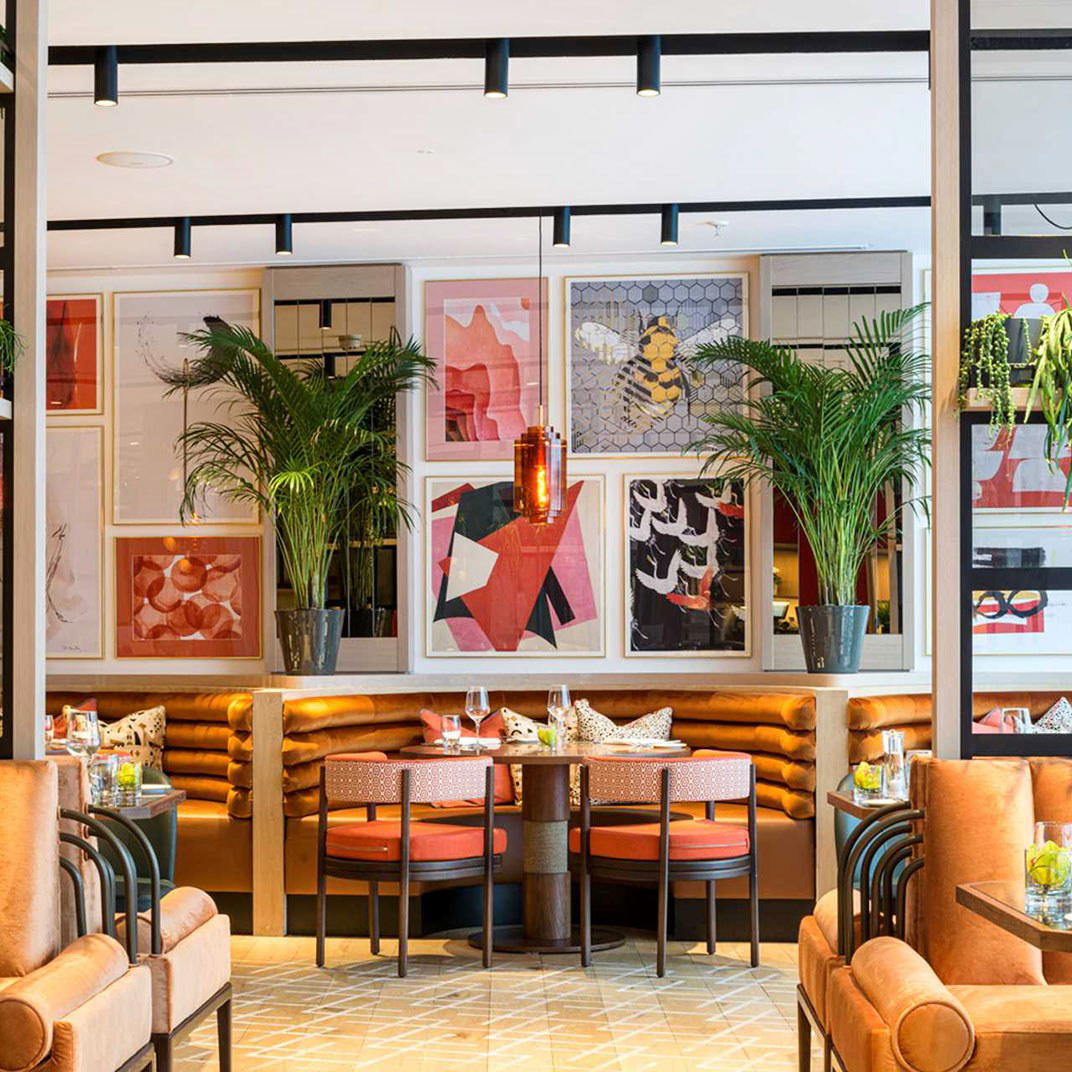
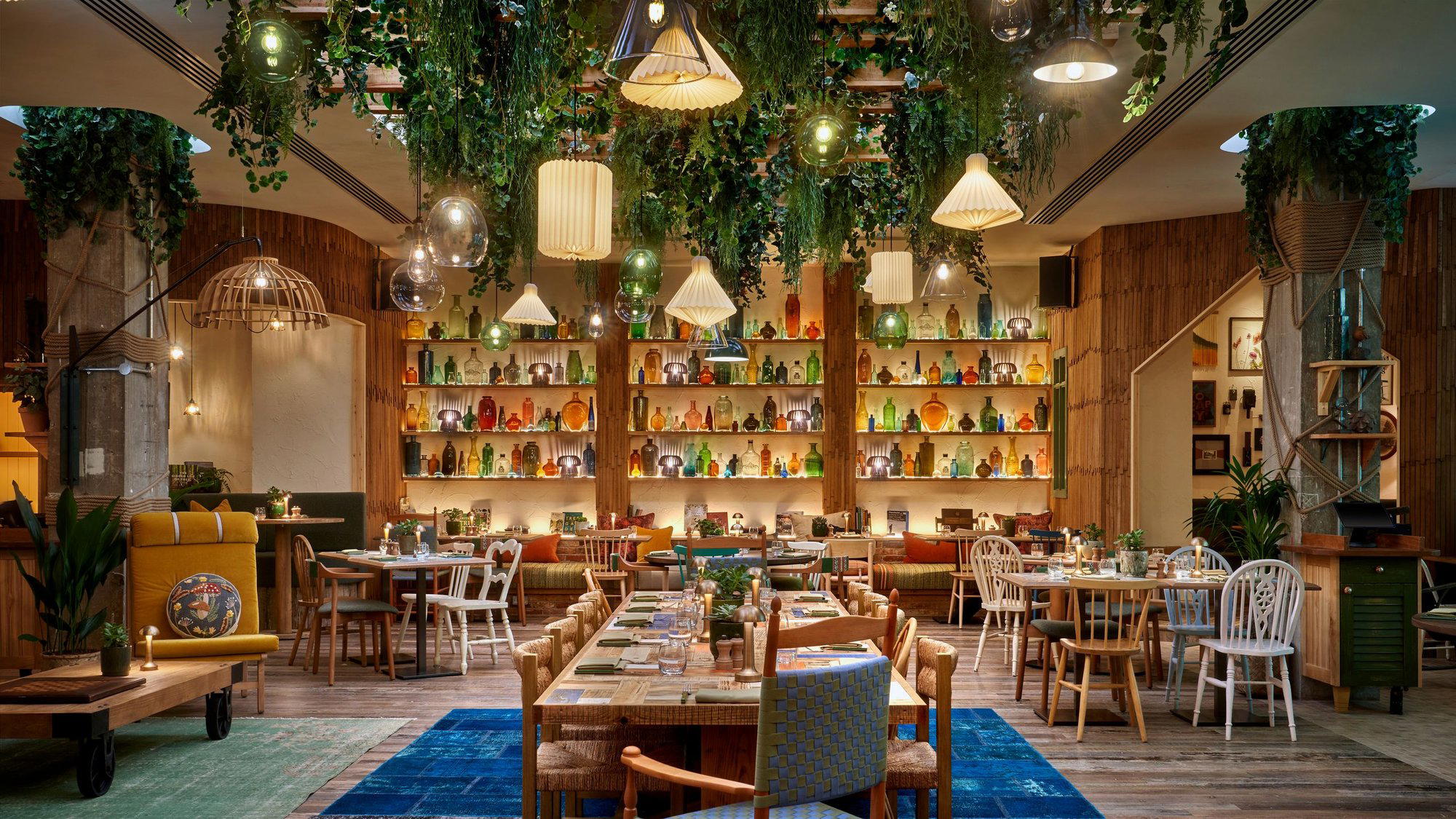
Brightly colored decor with a lively, warm atmosphere enhanced by attentive staff and lively Asian style.