Akara


Akara brings contemporary West African cooking to Borough Yards at a price point well below its Fitzrovia sibling, Akoko. The kitchen's concise menu draws on Nigerian, Senegalese, and Brazilian influences, with the signature black-eyed pea fritters the opening move on every visit. Michelin Plate recognition in both 2024 and 2025 confirms the cooking's precision without the formality of London's upper-tier African dining.
Pearl is the En Primeur Club membership app — saves, bookings, and concierge access live there. Same editors, same standards.
- Address
- Arch 208, 18 Stoney St, London SE1 9AD, United Kingdom
- Phone
- +44 20 3861 5190
- Website
- akaralondon.co.uk
- Directions
- Get directions
 Saves & bookings on Pearl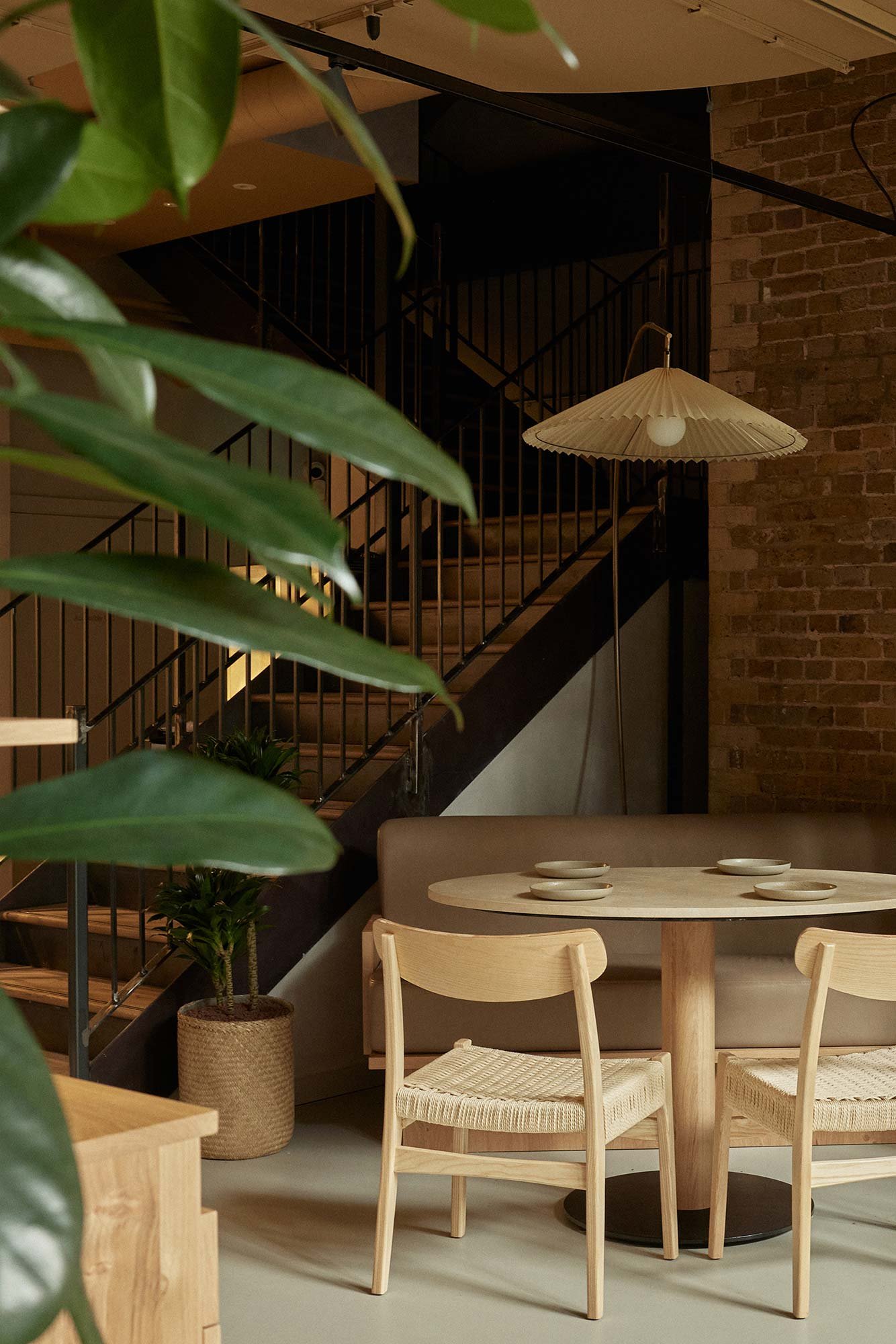
Borough Yards and the Arches: London's New West African Address
London's recent wave of serious West African cooking has concentrated in two places: the higher-end Fitzrovia-Mayfair corridor and the more accessible arches of South Bank. Akara sits firmly in the latter group, occupying Arch 208 beneath the railway viaduct at Borough Yards, where a growing cluster of restaurants has taken root in the past two years. The brick walls and exposed ventilation of the arch are given a considered interior: leather banquettes, a breezy bar, and an open-plan kitchen with counter seating. The format is casual by London standards, but the execution in the kitchen is not. That combination, priced at ££, positions Akara in a different competitive tier from the starchier tables in the city's African dining scene, including its own sibling, the Fitzrovia restaurant Chishuru. For a broader survey of where London's restaurant scene sits across price bands and traditions, our full London restaurants guide maps the territory.
The Ingredient Argument: Black-Eyed Peas, Scotch Bonnets, and the West African Pantry
The restaurant's name is also its thesis. An akara is a black-eyed pea fritter, a preparation common to both West African and Brazilian cooking, carried across the Atlantic through the slave trade and maintained in both culinary traditions ever since. That single ingredient carries centuries of displacement and adaptation, and placing it at the centre of the menu is a declaration of intent rather than a decorative touch. The kitchen stuffs these puffy fritters with smoky braised ox cheek and pairs them with Scotch bonnet chilli sauce, a combination that keeps the fritter's street-food roots while giving it the kind of technical precision that earns Michelin attention. Akara received a Michelin Plate in both 2024 and 2025, a recognition that signals consistent quality rather than occasional brilliance.
The sourcing logic extends across the menu. Scotch bonnet chillies, a fixture in Nigerian and Ghanaian cooking, deliver heat with a fruity leading note that distinguishes them from the blunter warmth of dried chillies common in other traditions. Senegalese hot sauce appears alongside Lagos-style barbecue poussin, drawing a line between the cooking traditions of coastal West Africa without flattening the differences between them. Coconut rice prepared in the Efik style, from the Cross River region of southeastern Nigeria, arrives with ginger and garlic and a single blackened carrot as garnish. The specificity of that preparation matters: it signals a kitchen engaged with regional West African cooking rather than presenting a generalised pan-African menu for Western tables.
What the Menu Teaches About West African Cooking's Range
Contemporary West African restaurant cooking in London has moved significantly beyond the stew-and-rice format that characterised earlier generations of the cuisine in the city. Akara's menu reflects that shift. Grilled sea bream comes with a caramelised onion and lemon sauce; plantain is paired with grilled octopus and a pepper relish garnished with deep-fried kale. These are not fusion departures from tradition but evidence of how West African cooks handle acidity, smoke, and sweetness across a single plate. The balance of flavours the kitchen achieves consistently, noted across multiple critical assessments, is the product of technique rather than ingredient novelty. The menu is concise enough that each dish carries real weight, and the staff's willingness to explain preparations and their origins makes the menu legible without being didactic.
Drinks follow the same logic. Afro-themed cocktails and draught lager are the casual options, alongside soft drinks including pineapple tonic. A modest global wine selection is available by the glass or bottle. None of this is designed to compete with the sommelier-led lists at, say, CORE by Clare Smyth or The Ledbury. It is designed to work with the food and the room's relaxed register, and it does.
Borough Yards as a Dining Address
The arch format is now well-established in London as a low-overhead space that allows independent operators to open in high-footfall zones without the capital costs of street-level retail. Borough Yards, adjacent to Borough Market, has become one of the more coherent of these clusters, with a mix of independent restaurants that have arrived in quick succession. Akara's address at Arch 208, 18 Stoney St, SE1 9AD, puts it within a short walk of the market and the transport connections at London Bridge. The location also means it draws from a lunch and early-dinner crowd that moves between the market, the arches, and the South Bank, which gives the room a particular energy during peak service. For those extending a visit to the wider city, our full London hotels guide, bars guide, and experiences guide cover the broader picture.
Akara in the Context of African Cooking Beyond London
The approach Akara represents, anchoring a contemporary restaurant concept in a specific traditional preparation and then building outward from its ingredient logic, is a model appearing in other cities alongside London. Dōgon in Washington, D.C. and Bintü Atelier in Charleston are among the American addresses working through similar questions about how African culinary traditions translate into a fine-casual dining format. The shared challenge across all of them is maintaining the ingredient specificity and regional identity of source traditions while making the food accessible to a dining audience with varying levels of familiarity. Akara's concise menu and attentive service represent one answer to that challenge.
For readers whose London itinerary extends beyond the capital, the UK's other significant restaurant destinations include The Fat Duck in Bray, L'Enclume in Cartmel, Moor Hall in Aughton, Gidleigh Park in Chagford, Hand and Flowers in Marlow, and Le Manoir aux Quat' Saisons in Great Milton. London's higher-end French and European tables, including Restaurant Gordon Ramsay and Sketch, The Lecture Room and Library, occupy a separate price tier and a different culinary register altogether. Also see our full London wineries guide for those exploring the city's drinks scene beyond the restaurant floor.
Planning Your Visit
Akara is located at Arch 208, 18 Stoney St, London SE1 9AD, within Borough Yards and a short walk from London Bridge station. The price range sits at ££, making it one of the more accessible serious restaurant options in a neighbourhood that skews tourist-facing in terms of pricing. Given its proximity to Borough Market and its growing profile, booking ahead is advisable, particularly for weekend evening service. The team behind the restaurant also operates Akoko in Fitzrovia, which sits at a higher price point and with a longer tasting menu format for those who want to compare the two registers.
Cost Snapshot
Comparable venues nearby, for context on price, style, and recognition.
| Venue | Cuisine | Price | Awards | Notes |
|---|---|---|---|---|
| AkaraThis venue — the venue you are viewing | African | $$$ | Michelin Plate | Not listed |
| Cloth | Smithfield, Modern British Bistro | $$$ | Michelin Plate | Not listed |
| Langan's Brasserie | Mayfair, Classic French Brasserie | $$$ | Michelin Plate | Not listed |
| Bistrot at Wild Honey | Not listed | $$$ | Michelin Plate | St. James's, French-Inspired Bistronomy |
| Kanishka | Mayfair, Modern Indian Fine Dining | $$$ | Michelin Plate | Not listed |
| Sam's Riverside | Not listed | $$$ | Michelin Plate | Hammersmith Broadway, Modern British Brasserie |
Recognition history
Dated appearances from independent guides and award organizations, with the underlying list record or original source where available.
Michelin Bib Gourmand
Michelin
Michelin Plate
Michelin
Michelin Plate
Michelin
The Good Food Guide GFG Good
The Good Food Guide
Michelin Plate
Michelin
Continue exploring
More in London
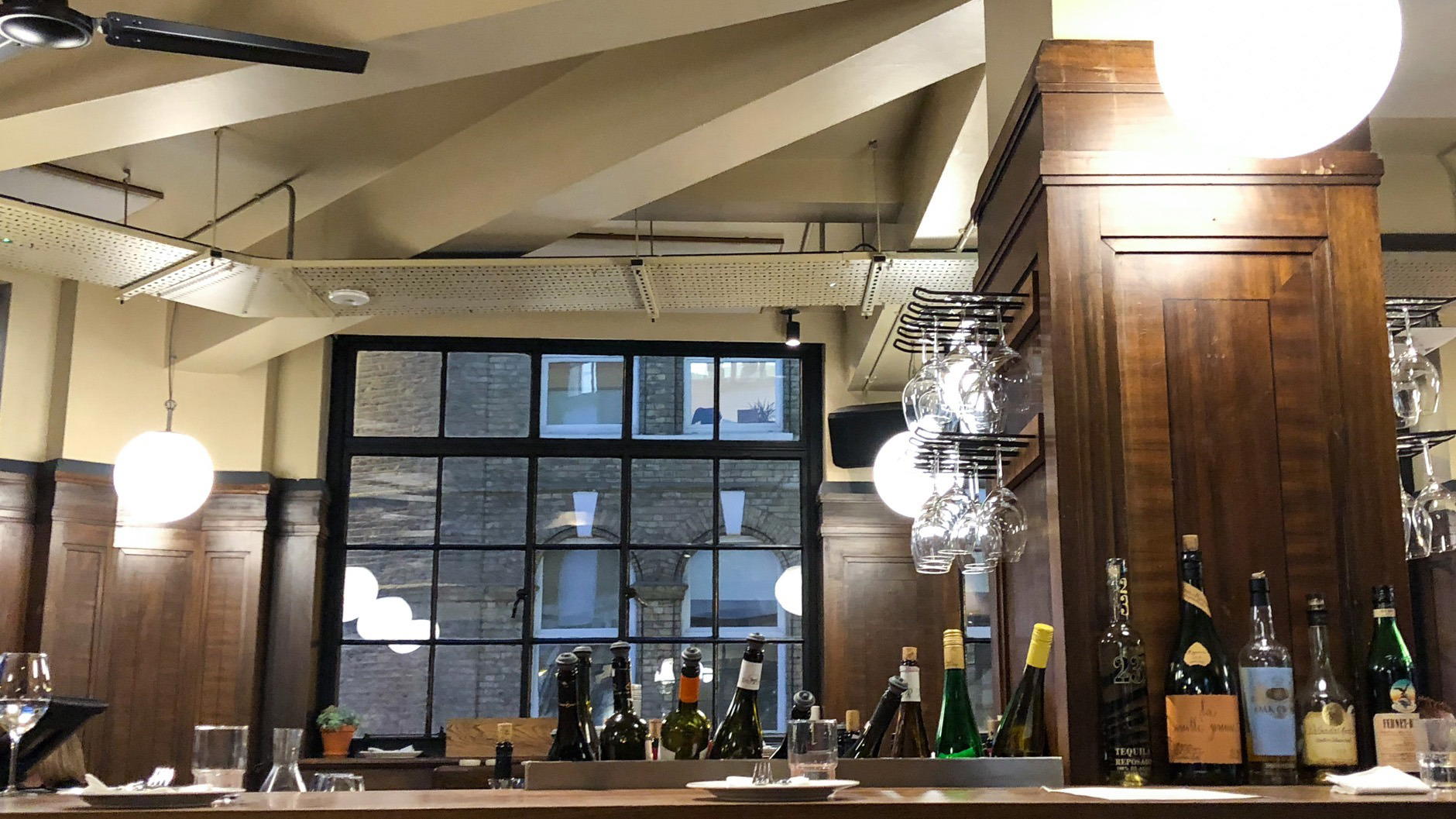
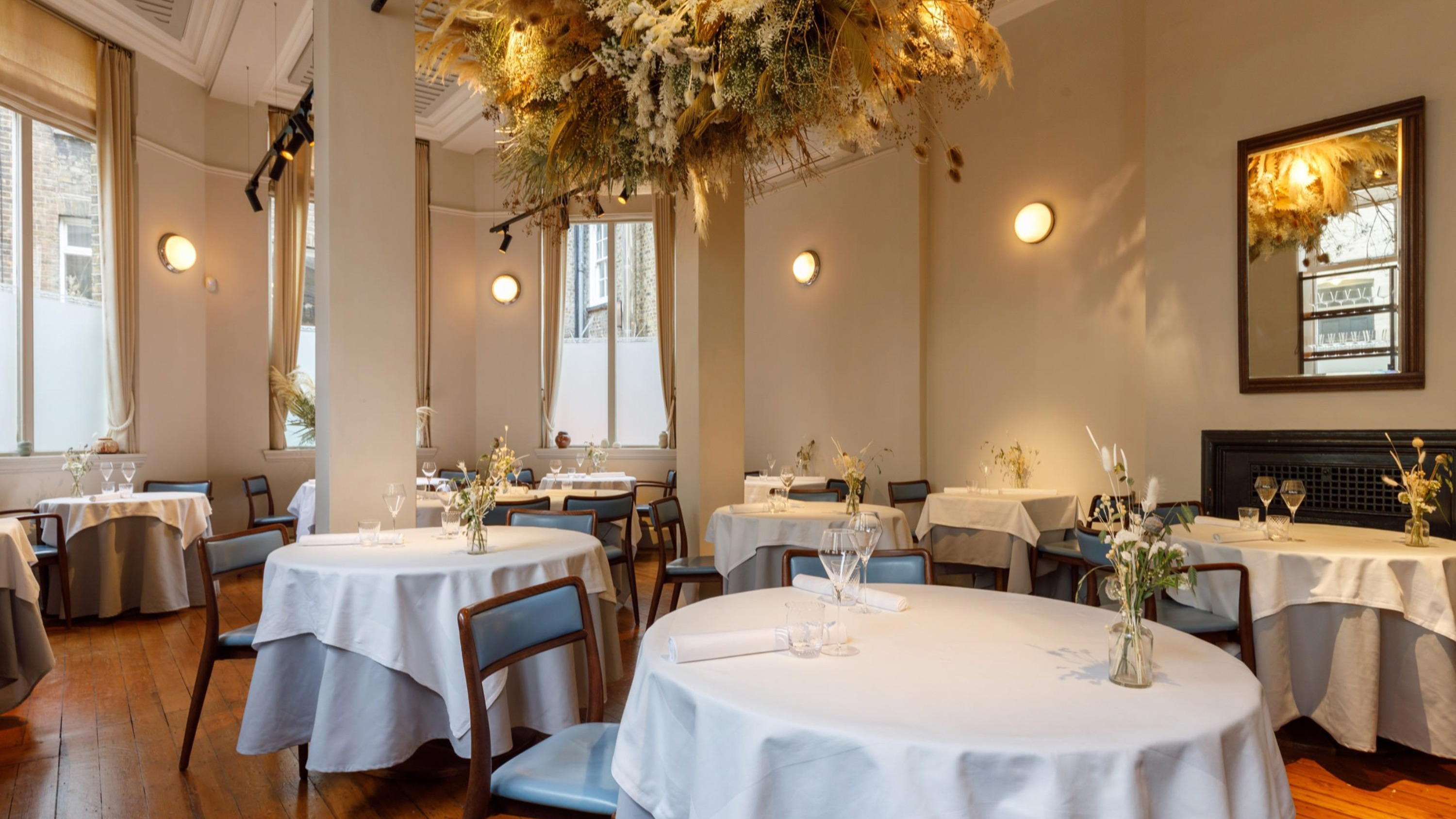
Restaurants in London
Browse all →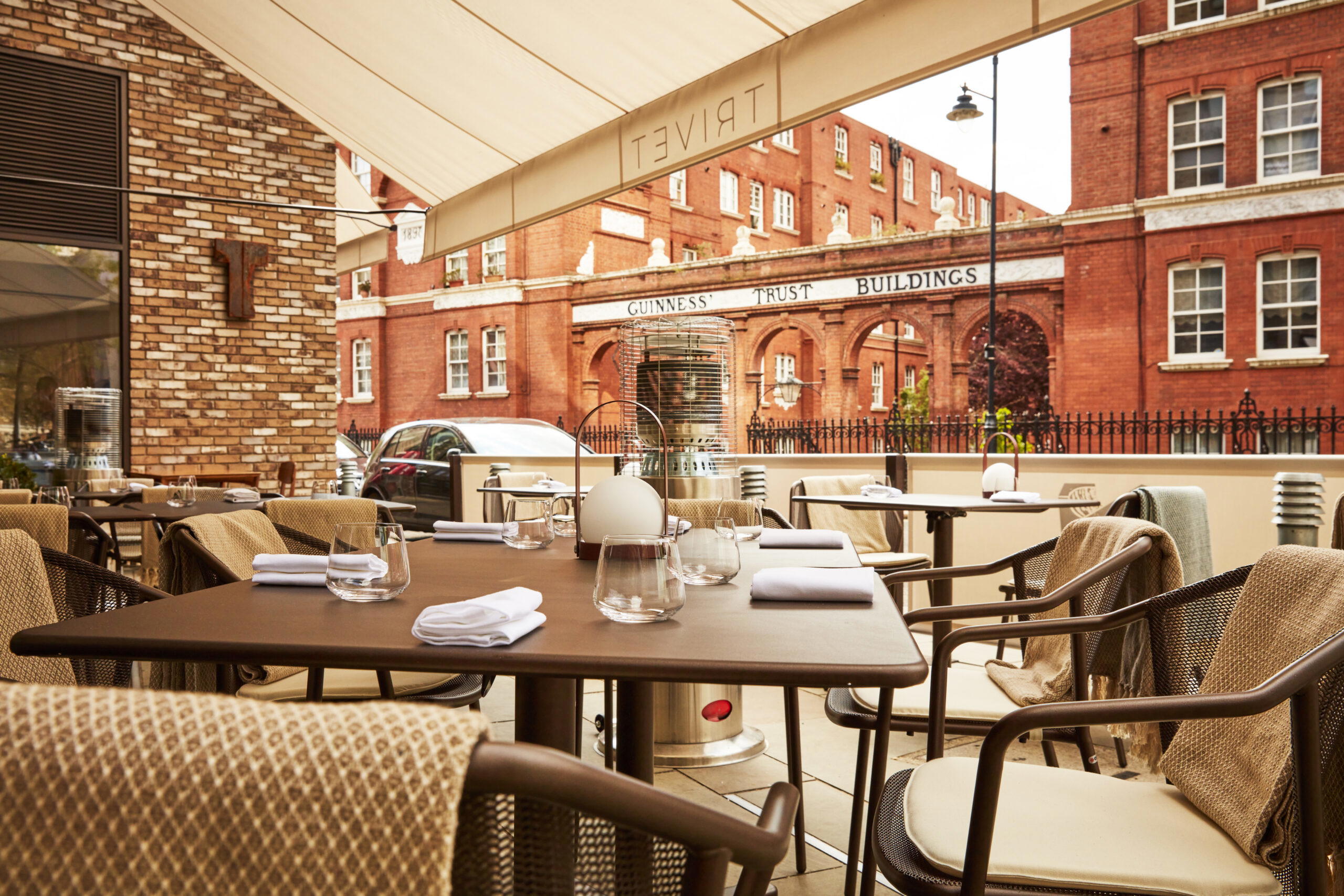
Bars in London
Browse all →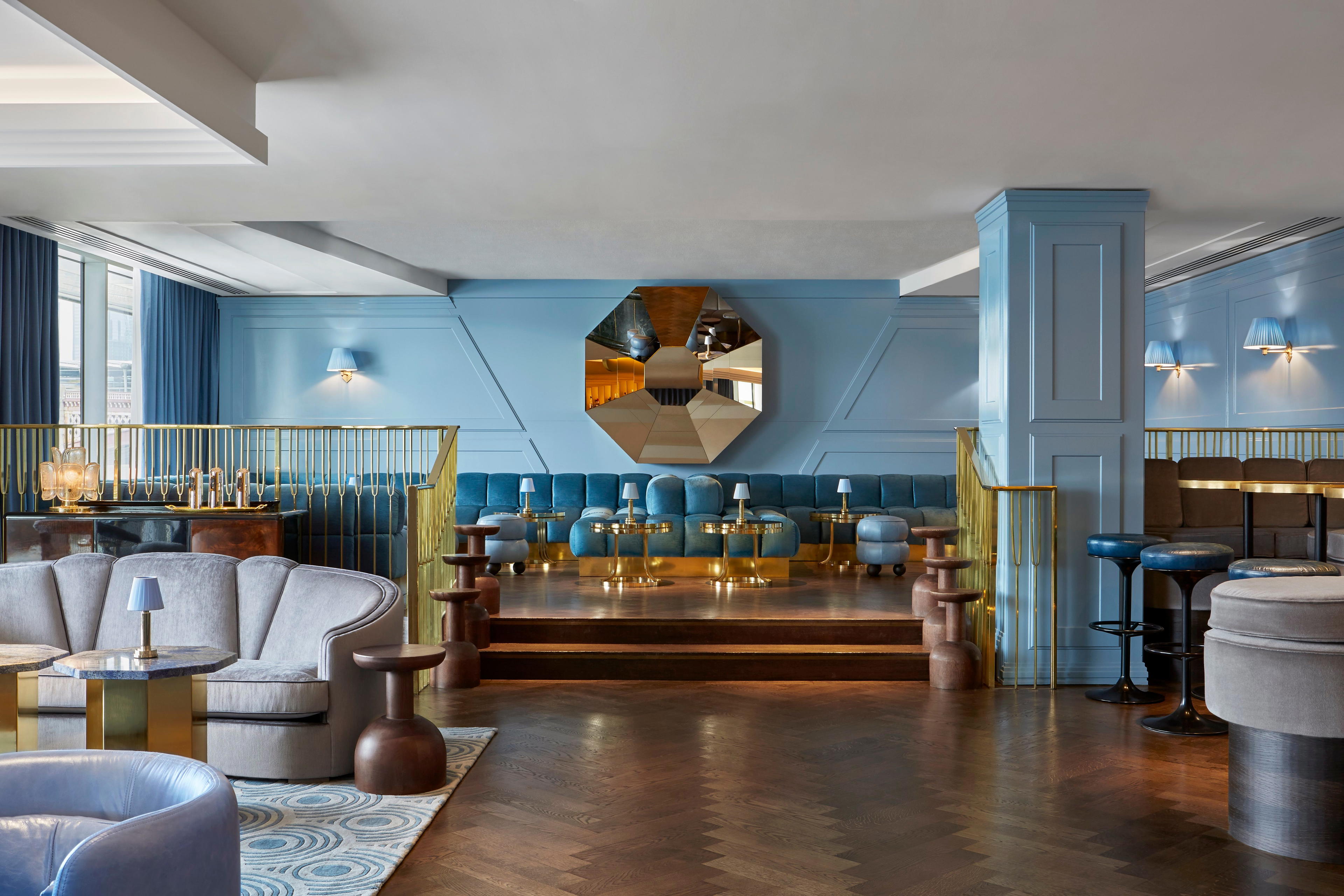
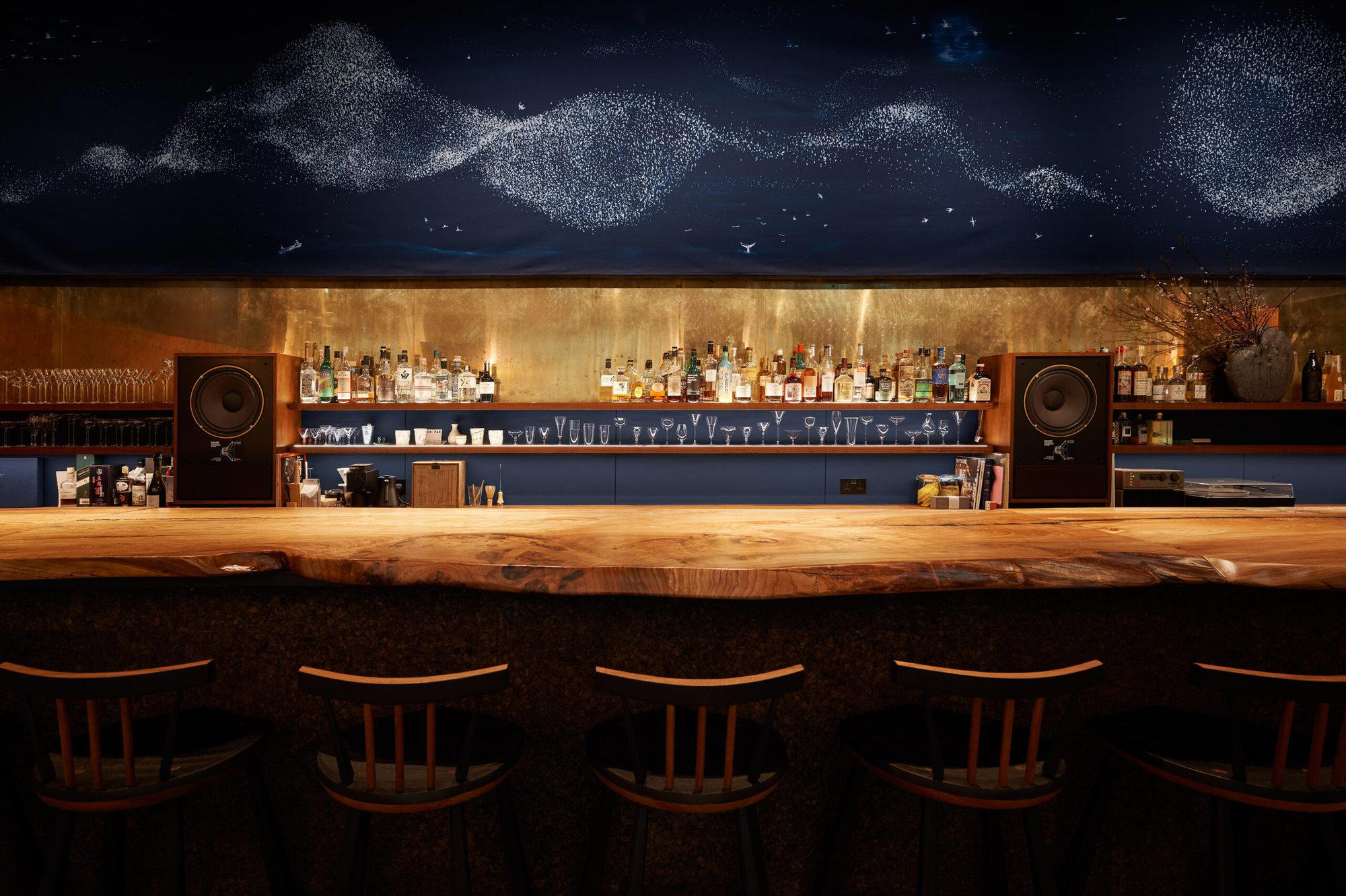
Hotels in London
Browse all →


At a Glance
- Trendy
- Modern
- Elegant
- Lively
- Date Night
- Group Dining
- Celebration
- Casual Hangout
- Open Kitchen
- Private Dining
- Craft Cocktails
- Beer Program
Current opening hours
- Monday
- 5 p.m.–12 a.m.
- Tuesday
- 12 p.m.–12 a.m.
- Wednesday
- 12 p.m.–12 a.m.
- Thursday
- 12 p.m.–12 a.m.
- Friday
- 12 p.m.–12 a.m.
- Saturday
- 12 p.m.–12 a.m.
- Sunday
- 12–11 p.m.
Hours can change for holidays and private events. Last verified .
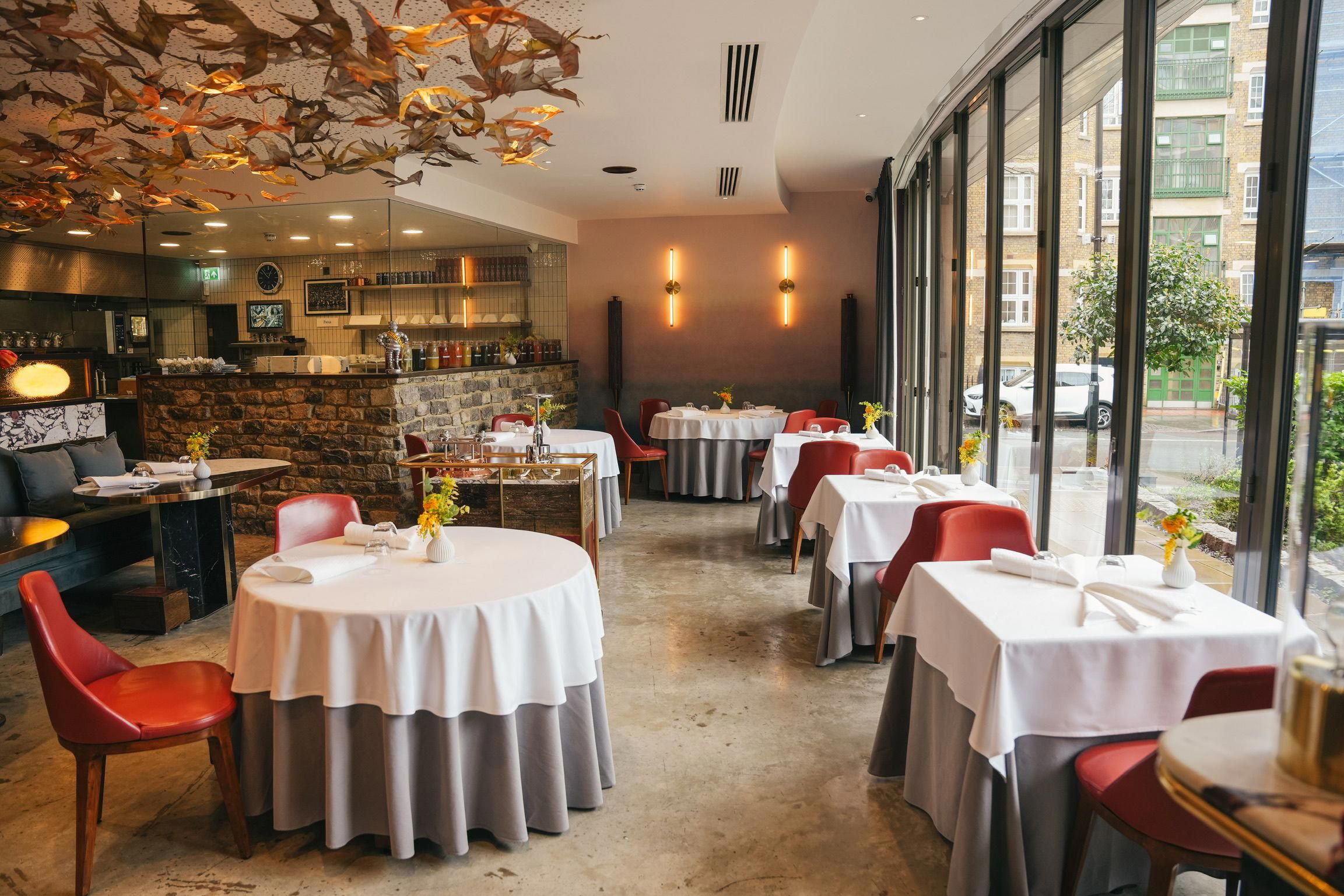
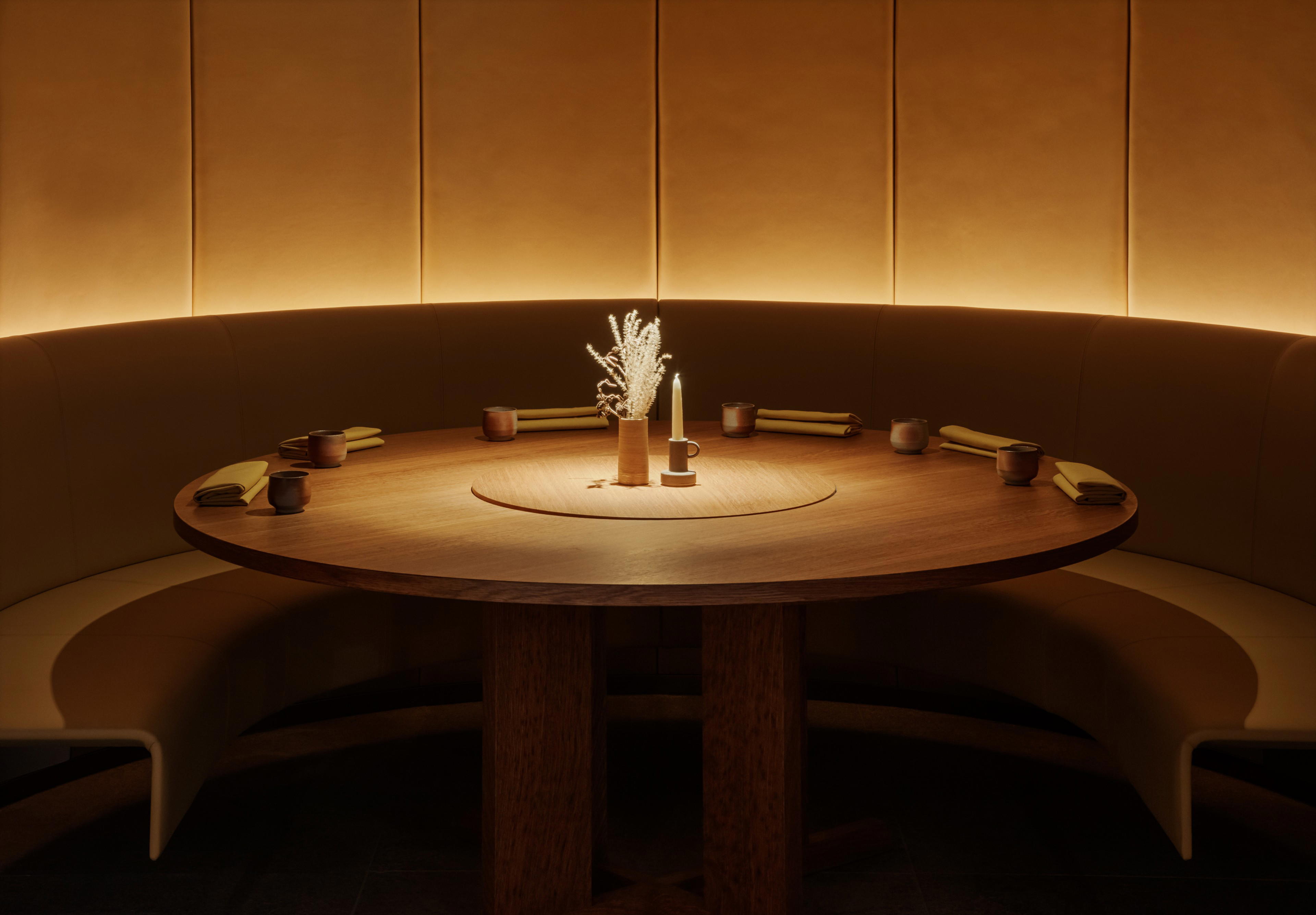
Smart and contemporary with exposed brick, pale wood, white limestone, leather banquettes, open kitchen, and Afrobeats music creating a warm, laid-back yet sophisticated atmosphere.