Our verdict
A’jia Restaurant at A’jia Hotel in Kanlıca, Istanbul, serves Mediterranean and international dishes beside the Bosphorus.

Pearl is the En Primeur Club membership app — saves, bookings, and concierge access live there. Same editors, same standards.
The menu
What to order
- Swordfish casserole
- Bistecca alla fiorentina
- Shrimp risotto
- Pasta vongole
- Porcini risotto
A Waterfront Address That Earns Its Distance
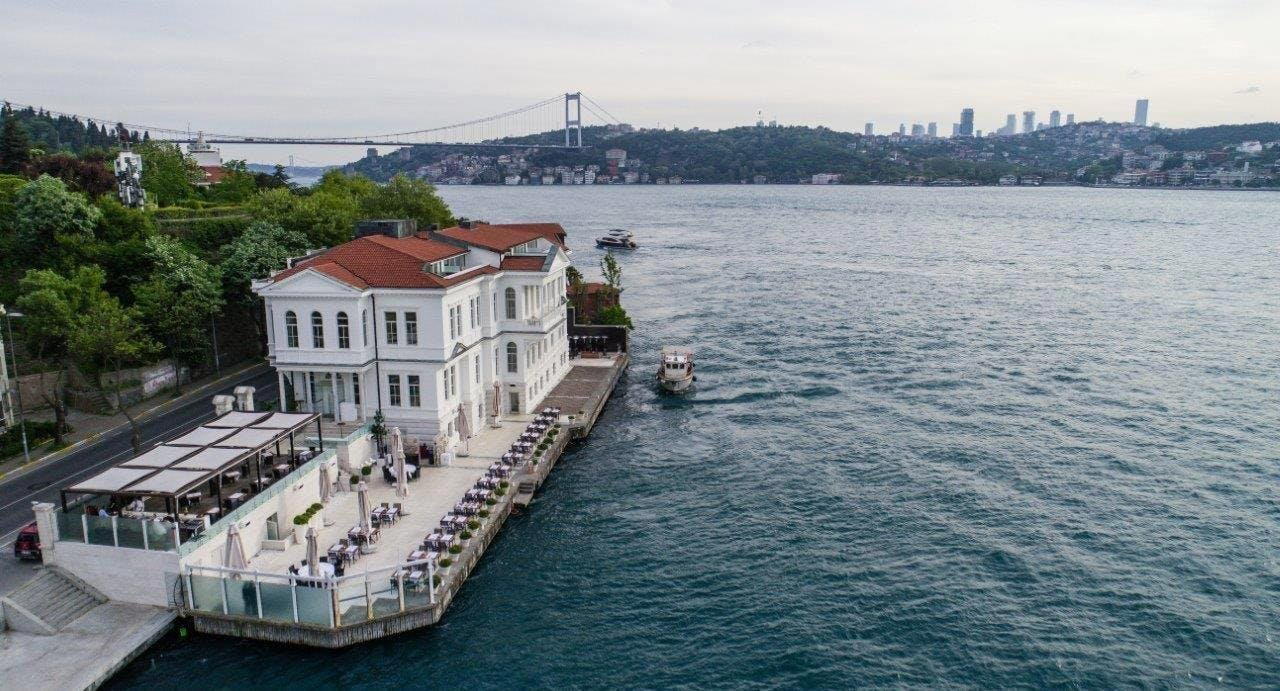
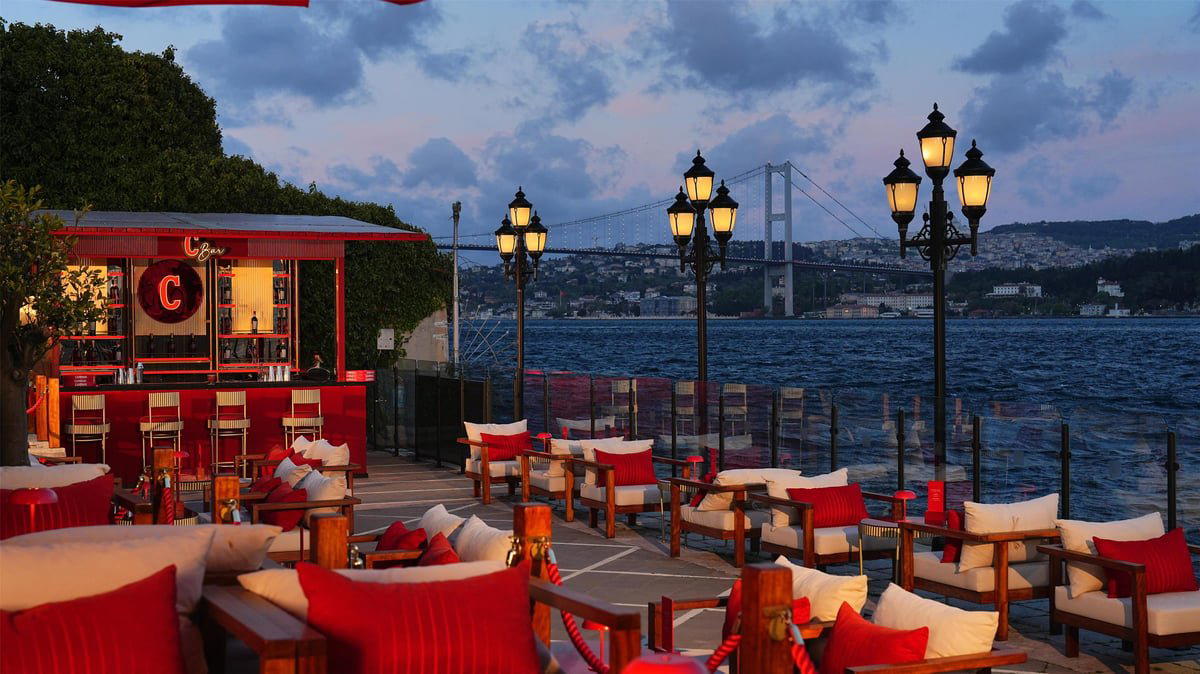
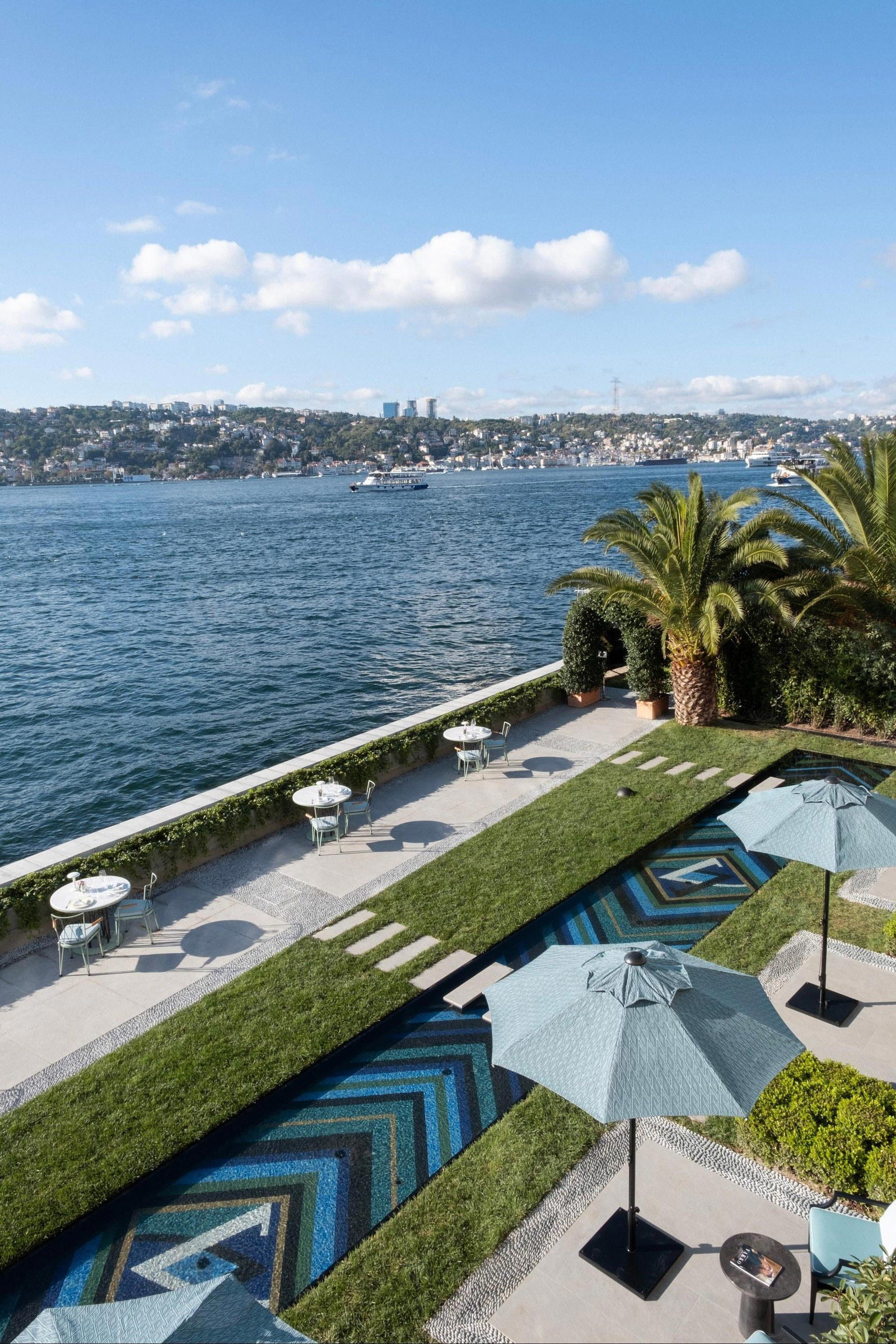
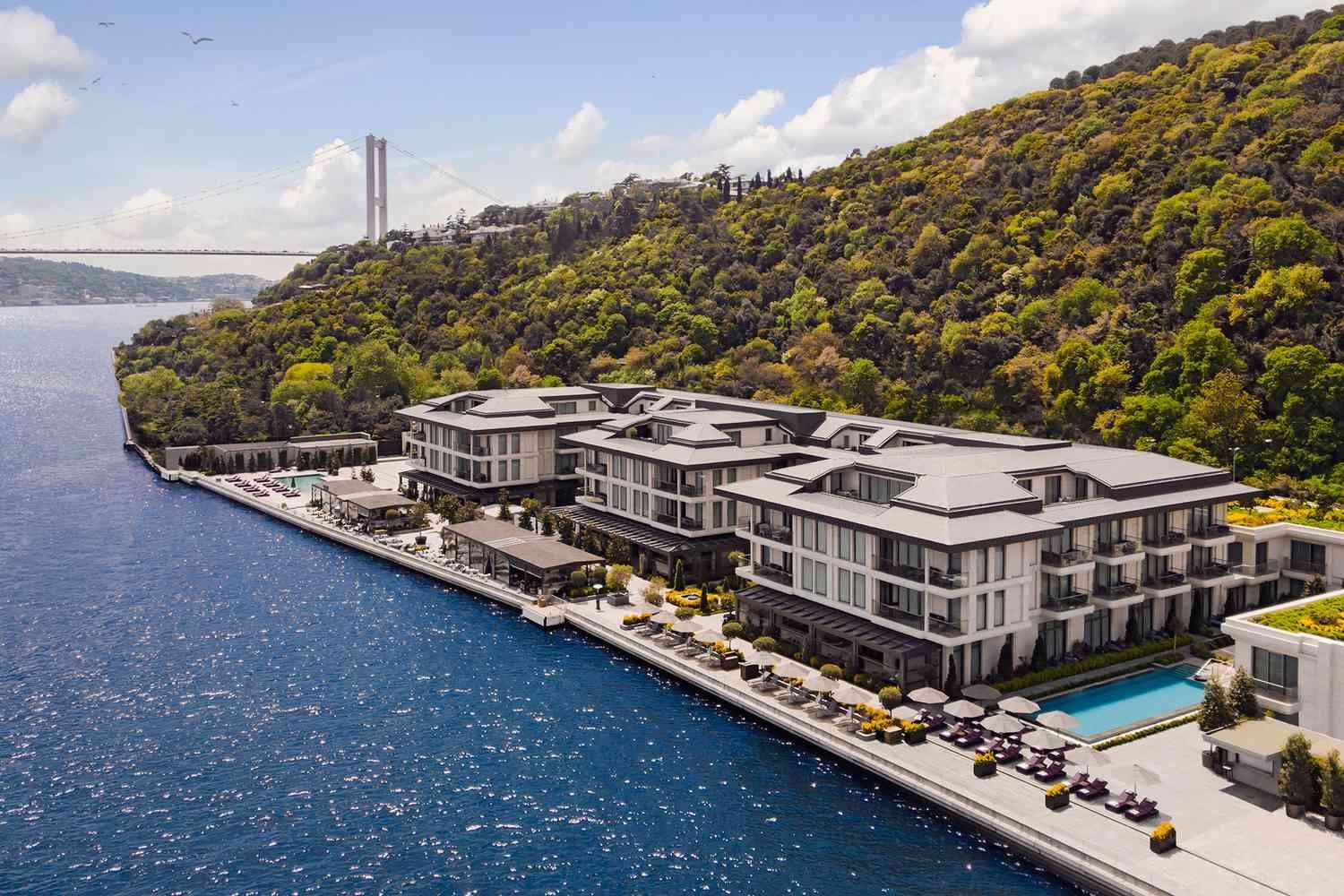
The approach to Kanlıca along the Asian shore of the Bosphorus tells you something about the kind of restaurant A'jia is before you arrive. The European-side dining circuit, where addresses like Mikla and Neolokal cluster around Beyoğlu and Karaköy, feels like a different city from here. The Beykoz coastline runs quieter, its Ottoman yalılar sitting low over the water, their wooden facades weathered by decades of salt wind. A'jia occupies the Kanlıca Ahmet Rasim Paşa Yalısı — a named, documented historical structure on Halide Edip Adıvar Caddesi — and that address alone positions it outside the usual Istanbul restaurant conversation.
Istanbul has developed a two-track premium dining scene. One track runs through the established European-side neighbourhoods, where Turk Fatih Tutak, Arkestra, and others compete within the same postcode. The other track follows the Bosphorus waterfront, where the logic shifts: heritage architecture, water access, and a more deliberate journey become part of what the restaurant offers. A'jia belongs to the second track, and understanding that distinction matters before you plan your evening.
What the Bosphorus Table Demands of Its Kitchen
Dining on the Bosphorus imposes a particular discipline on any kitchen serious about its sourcing. The strait is one of the world's most historically significant fishing channels, connecting the Black Sea to the Marmara, and its seasonal fish runs have defined Istanbul's table for centuries. Lufer, the prized Blue Bluefish caught between October and December, is the most celebrated example: its fat content, flavour, and texture shift depending on whether it has transited the Bosphorus or been caught further out. Kalkan, the turbot native to Turkish waters, arrives in late spring and commands the city's leading seafood tables.
Waterfront restaurants along the Bosphorus operate under an implicit expectation that proximity to these waters translates into sourcing precision. The short supply chain from boat to kitchen that a Bosphorus address makes possible is the same logic that drives celebrated seafood programs elsewhere, at Le Bernardin in New York City, the entire culinary philosophy is organised around fish quality and provenance. At the leading Bosphorus tables, the same principle applies at a local scale: what the strait provides that morning shapes what arrives on your plate by evening.
This sourcing context extends beyond fish. The Asian side of Istanbul maintains closer ties to its market gardens and smallholders than the more urbanised European districts. The Anatolian hinterland begins at Beykoz's edge, and the produce networks that supply the city's serious kitchens often run through the Asian shore before crossing the water. For a restaurant positioned in this geography, the argument for local and seasonal sourcing is structural, not decorative. Restaurants across Turkey making a similar case about their regional ingredient relationships can be found at Maçakızı in Bodrum and Narımor in Izmir, where coastal access similarly shapes what reaches the kitchen.
The Ottoman Yalı as Dining Setting
The yalı form, the Ottoman waterfront mansion built directly above the water on timber piles, represents one of Istanbul's most specific architectural inheritances. These structures were built to blur the boundary between interior and Bosphorus, with rooms oriented toward the water and facades designed to be seen from passing caïques. Dining inside one requires no ambient theatrical effort: the architecture provides it without assistance.
The Ahmet Rasim Paşa Yalısı is a named historical property, which places it in a different category from generic waterfront conversions. Dining rooms in buildings of this provenance carry a material reality that newer constructions cannot approximate: the proportions, the timber detailing, the orientation toward water. Istanbul has a parallel in Asitane in Fatih, where historical context is similarly the frame through which the food is experienced, though Asitane's approach is Ottoman culinary archaeology rather than waterfront atmosphere.
Setting also means that the restaurant operates within preservation constraints. A yalı dining room cannot be dramatically reconfigured for trend-driven interior concepts. What you find is a building that has resisted the kind of rapid turnover that characterises Istanbul's more fashion-forward dining addresses, a slower, more architecturally determined experience than you would get at Casa Lavanda or the fusion-oriented spaces clustered on the European side.
Where A'jia Sits in the Istanbul Premium Tier
Istanbul's top-tier dining bracket has grown more defined over the past decade. The ₺₺₺₺ tier now includes not just Michelin-recognised addresses but a broader set of restaurants that compete on sourcing, architecture, and culinary pedigree. A'jia's competitive set is not the modernist Turkish kitchens of Beyoğlu but the city's premium Bosphorus waterfront tables, where the view and the building are part of the value proposition. Within that set, the Ahmet Rasim Paşa Yalısı address is a genuine differentiator, there are very few comparable historical structures in active use as fine dining venues along the strait.
For Istanbul dining more broadly, the city's restaurant scene rewards those willing to cross the water. The Asian shore has its own culinary character, distinct from the European-side concentration of internationally profiled restaurants. Our full Istanbul restaurants guide maps both sides of the strait, including the neighbourhood dynamics that determine where different categories of restaurant have taken root. For travellers covering more of Turkey, the regional dining circuit worth tracking includes Mezegi in Fethiye, Cafe Old Turkish House in Avanos, and Old Greek House in Ürgüp, each operating within its own regional sourcing and heritage logic.
Istanbul's street-level eating traditions remain just as instructive about the city's food culture as its waterfront fine dining. Dürümzade in Beyoğlu and Kısmet Etliekmek ve Lahmacun Salonu in Karaman represent the other end of the Turkish table, high-craft, low-ceremony, with sourcing stories just as specific as anything served on the Bosphorus. The contrast between these two registers is one of the most instructive things about eating seriously in Turkey.
Planning Your Visit
A'jia Restaurant is located in Beykoz on the Asian shore, accessible by ferry from Eminönü or Beşiktaş to Kanlıca, a crossing that, depending on traffic conditions on the Bosphorus Bridge, is often faster and more pleasant than driving. The ferry approach also gives you the building from the water before you arrive by land, which is worth the slightly less direct routing. Given the address and the category of dining it represents, contacting the restaurant in advance to confirm availability is standard practice; walk-in access at this tier of waterfront dining in Istanbul is rarely direct. The leading periods for Bosphorus fish menus run October through December for lufer season, and late spring for kalkan. Summer brings its own appeal, long evenings on the water, but the seasonal catch is at its peak in cooler months.
Frequently asked questions
Is A'jia Restaurant suitable for children?
The formal waterfront setting and price positioning place A'jia firmly in the adult dining bracket; it is not the kind of restaurant that accommodates young children with ease.
What should I expect atmosphere-wise at A'jia Restaurant?
If you are coming from the European-side fine dining circuit, expect the atmosphere to read as quieter and more architecturally grounded. A formal yalı setting on the Bosphorus at this price tier prioritises the building and the water view over ambient energy; the experience is closer to a seasoned Istanbul institution than to the forward-facing modern Turkish restaurants competing for international attention.
What do people recommend at A'jia Restaurant?
The consistent draw at this address, based on its waterfront positioning and historical provenance, is Bosphorus seafood in season, the city's premium fish tables are evaluated heavily on what they do with lufer and kalkan when those fish are running.
Is A'jia Restaurant reservation-only?
At this price tier and address category in Istanbul, a reservation is standard practice. Waterfront yalı dining rooms have limited covers by definition, the architecture does not permit large-capacity configurations, and the Bosphorus premium-dining tier does not lend itself to walk-in access. Contacting the restaurant directly before your visit is advisable regardless of when you plan to go.
Does A'jia Restaurant's location on the Asian shore make it harder to reach from central Istanbul hotels?
Most international visitors stay on the European side, which makes Beykoz feel more distant than it is. The Kanlıca ferry from Eminönü or Beşiktaş is the practical answer: crossing times run under 30 minutes on the main Bosphorus routes, and the ferry arrives directly in Kanlıca. The crossing reframes the distance as part of the experience rather than a logistical obstacle, a dynamic that distinguishes A'jia from European-side addresses like Turk Fatih Tutak or Neolokal, where proximity to the hotel district is built in.
Continue exploring
More in Istanbul
Restaurants in Istanbul
All restaurants in Istanbul →
Bars in Istanbul
All bars in Istanbul →

Details
- Romantic
- Elegant
- Scenic
- Sophisticated
- Intimate
- Classic
- Date Night
- Celebration
- Special Occasion
- Brunch
- Private Event
- Waterfront
- Historic Building
- Hotel Restaurant
- Terrace
- Panoramic View
- Waterfront
- A La Carte
- Tasting Menu
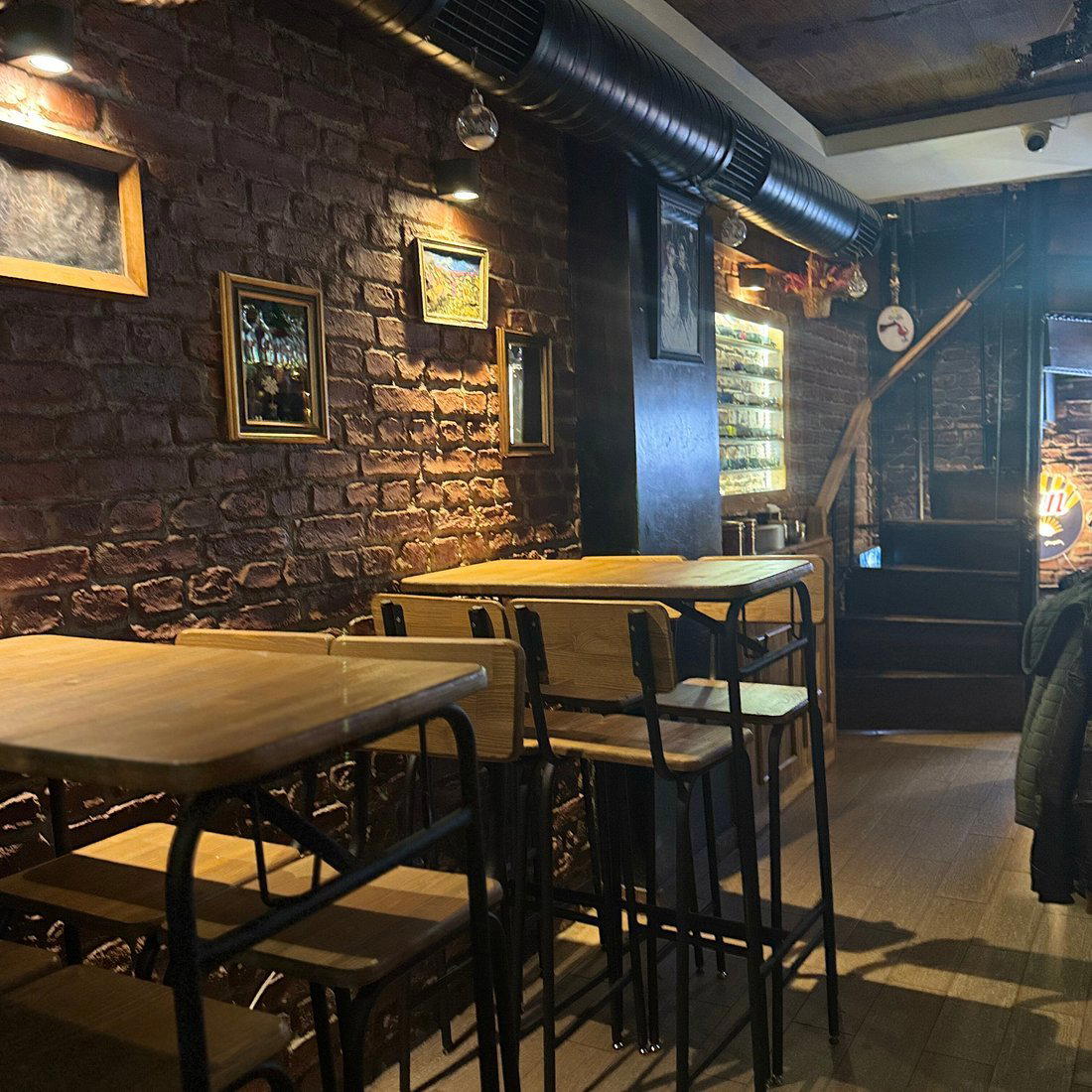
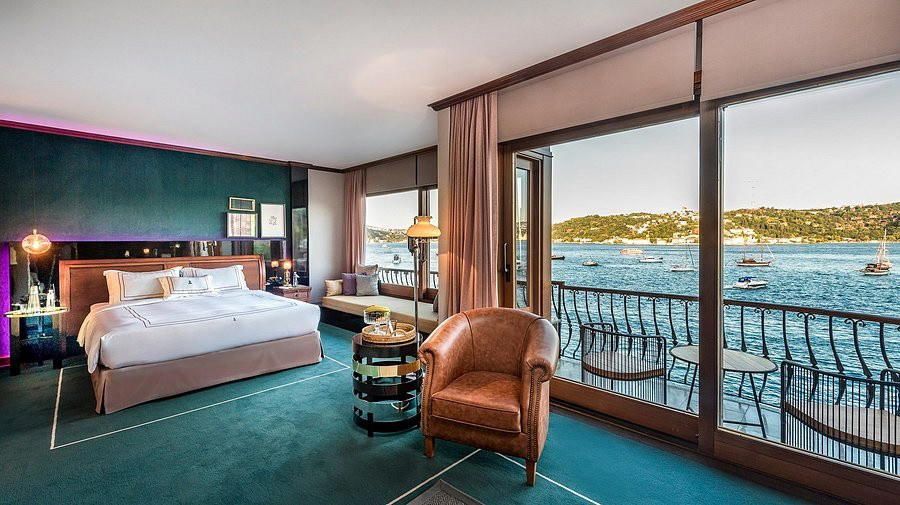
Romantic and elegant historic mansion atmosphere with dramatic Bosphorus views, candlelit tables, waterside terraces, and a sense of timeless luxury.