
Michelin Bib Gourmand
Our verdict
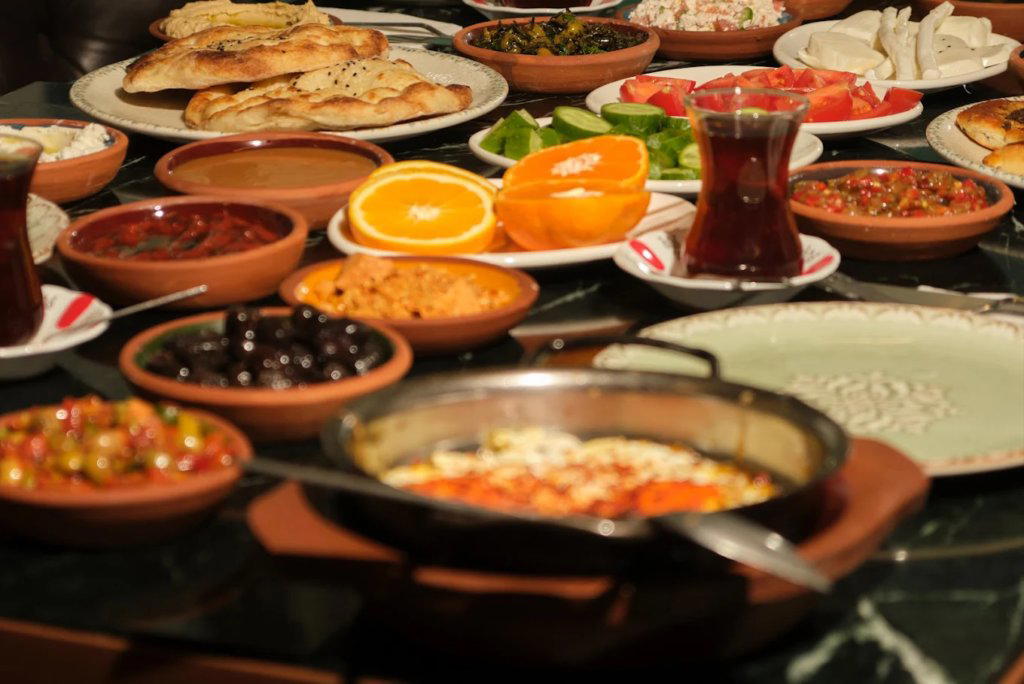
In Cihangir, one of Beyoğlu's most characterful residential neighbourhoods, Casius Antioch Kitchen brings the ingredient vocabulary of Turkey's Hatay province to a brick-oven kitchen. Thin-crust lahmacun, roasted pepper with pomegranate molasses, and crushed walnut preparations signal a menu rooted in the Antiochian tradition. The kitchen delivers strong value across breakfast, lunch, and dinner.

Pearl is the En Primeur Club membership app — saves, bookings, and concierge access live there. Same editors, same standards.
Cihangir's Antioch Kitchen and What It Says About Istanbul's Regional Moment
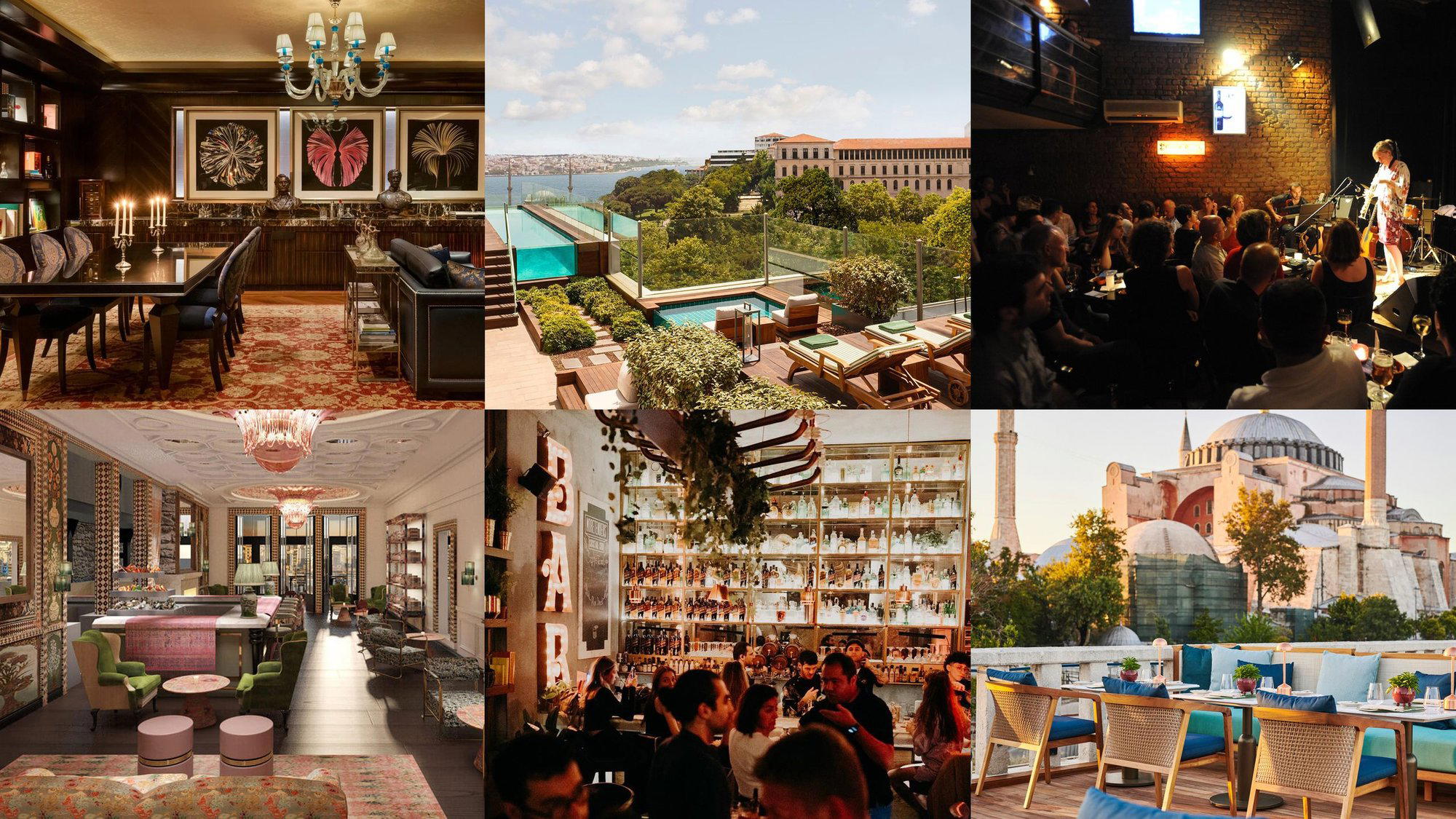
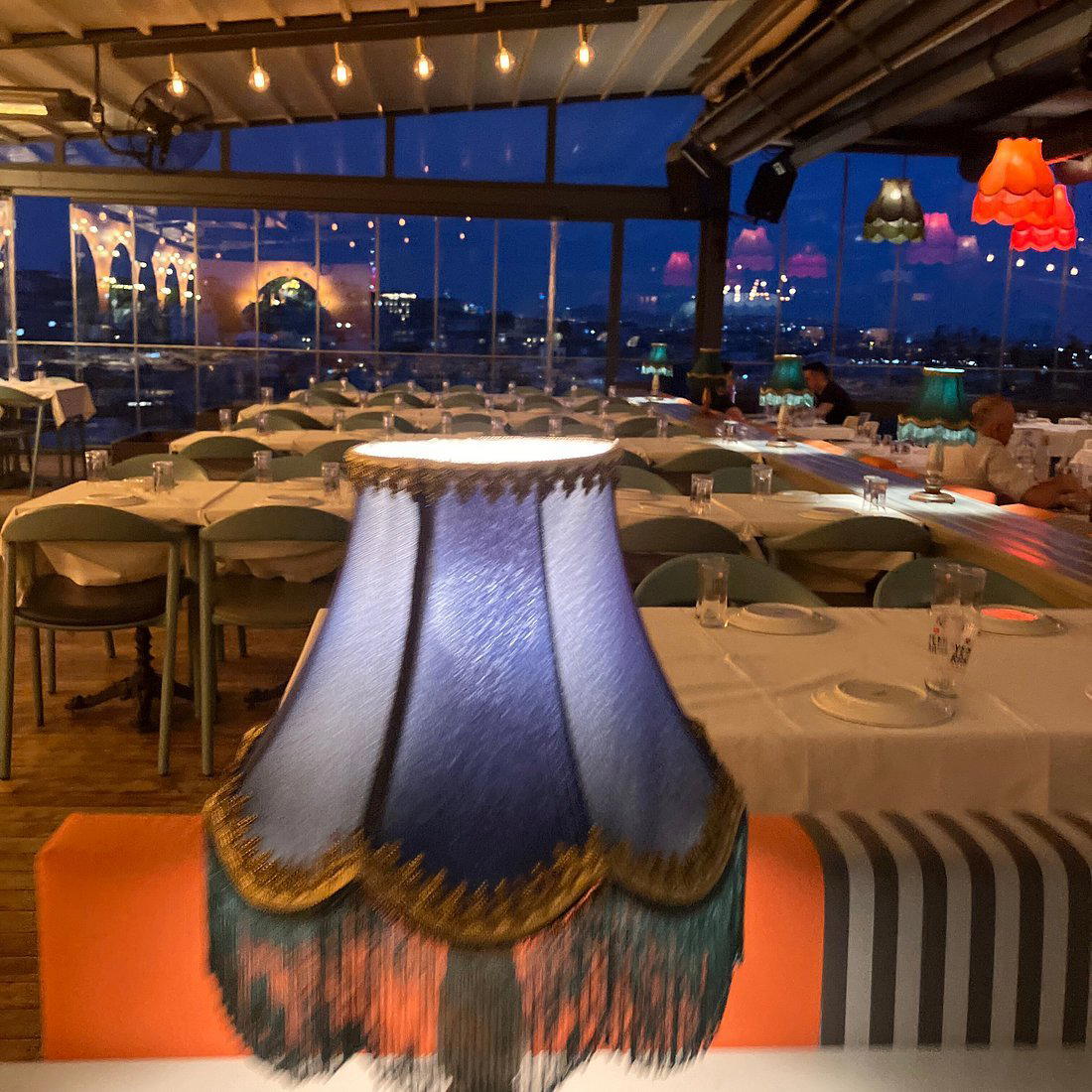
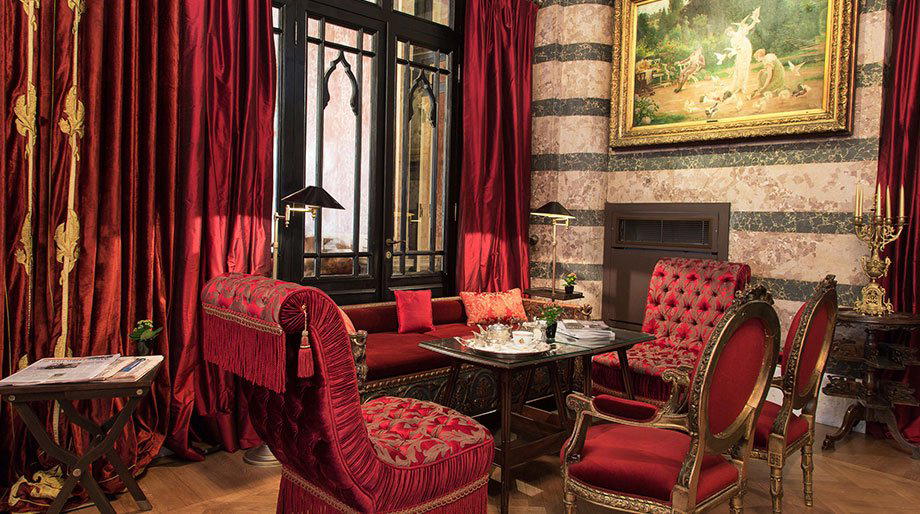
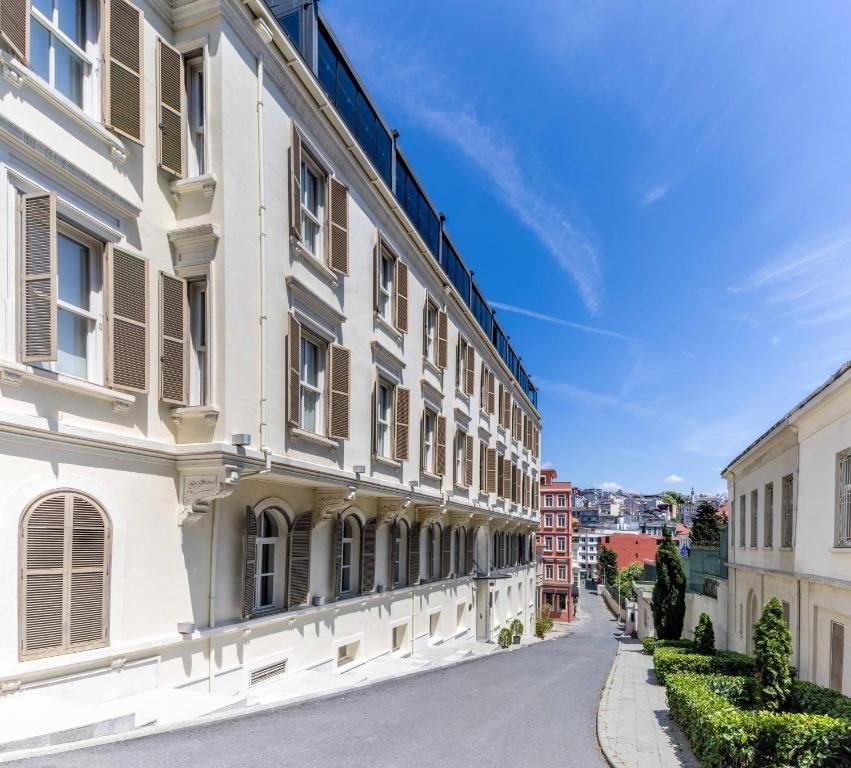
Akarsu Yokuşu is the kind of Cihangir street that rewards the walk. The neighbourhood, perched above Tophane on the European side of the city, has long drawn a mixed crowd of artists, journalists, and long-term expats who prefer its cobbled inclines and independent café culture to the louder commerce of nearby Galata. On this particular stretch, Casius Antioch Kitchen occupies a ground-floor address that reads as domestic before it reads as restaurant — stone walls, the faint char of a working brick oven, the smell of baked flatbread settling over the entrance before you have located the door number. It is the kind of atmospheric signal that tells you the kitchen has a point of view.
Why the Antioch Tradition Matters on This Menu
Istanbul's dining scene has spent the past decade sorting itself into tiers. At the leading, high-spend modern Turkish restaurants such as Turk Fatih Tutak, Mikla, and Neolokal — all operating at ₺₺₺₺, have pursued a reinterpretation of Anatolian ingredients through fine-dining formats. Further along the spectrum, places like Arkestra have pushed into fusion territory. Casius Antioch Kitchen operates outside both of those frames. Its reference point is not the contemporary tasting menu but the agricultural tradition of Antakya (Antioch), a city in Hatay province near the Syrian border where the cooking has been shaped by geography, trade routes, and a diversity of communities over centuries.
That tradition is ingredient-specific in ways that distinguish it sharply from Istanbul's dominant kebab and meze culture. Hatay cooking relies heavily on pomegranate molasses, crushed and whole walnuts, fresh herbs, and the particular heat profile of local red pepper pastes. These are not garnishes; they are structural elements. The roasted pepper dish on the Casius menu, crushed walnuts, onion, and pomegranate molasses, reads directly from that grammar. The tartness of the molasses against the oil-softened pepper skin and the bite of raw allium is a combination that does not translate neatly into other regional styles. It is the product of a larder that has been assembled the same way for generations. For context on how regional ingredient traditions play out at a different scale across Turkey, the approaches at Maçakızı in Bodrum and Narımor in Izmir offer useful comparison points, each anchored to Aegean and Levantine supply lines respectively.
The Brick Oven as Method and Signal
The brick oven at the centre of Casius Antioch Kitchen's kitchen is both a practical tool and an editorial statement about how this food should be cooked. Wood-fired and clay-lined ovens have been the standard instrument for flatbread and slow-roasted preparations in southern Turkey for as long as there have been settled kitchens in the region. Retaining that method in a Cihangir restaurant is a choice that carries cost and commitment, these ovens require constant management and limit the menu to dishes that benefit from high, ambient, radiant heat rather than the control of a gas burner.
The lahmacun is the clearest demonstration of why the method matters. The version here is described as thin and crisp, with lightly spiced minced meat, tomato, and parsley, a formulation that depends almost entirely on the speed and intensity of the bake. Lahmacun cooked on a flat steel surface in a conventional oven produces a different texture: the base softens rather than crisps, and the topping steams rather than roasting at the edges. The brick oven version is a different object. It is worth noting that lahmacun is one of those dishes, like pizza Napoletana or Georgian khachapuri, where the oven type is not a stylistic preference but a technical requirement for the result the recipe is designed to produce.
What the Menu Communicates About Value and Positioning
Casius Antioch Kitchen operates across all three dayparts, breakfast, lunch, and dinner, which in the context of a neighbourhood like Cihangir is a meaningful commitment. The area's residents tend to be frequent repeat visitors to the places they trust rather than occasion-driven diners. Running a full-day kitchen in that environment means building a clientele that returns for different reasons at different times, and the menu's range of dishes drawn from the Antiochian tradition supports that model. The kitchen has been noted for great value for money, which places it at a different price tier from the ₺₺₺₺ modern Turkish restaurants that dominate critical coverage of the city.
That value positioning is not incidental. Antioch-tradition cooking has historically been priced accessibly in Turkey because its ingredients, though specific, are not luxury commodities. Pomegranate molasses, walnuts, red pepper, and lamb mince are everyday Hatay larder items. The kitchen's ability to deliver a menu with strong regional authenticity at a price point that reads as honest rather than inflated reflects the source tradition rather than any compromise of ambition. Restaurants operating in comparable territory elsewhere in Turkey, such as 7 Mehmet in Antalya or Aravan Evi in Ürgüp, each hold to regional traditions at accessible price points, and each develops loyal local followings as a result.
Planning Your Visit to Cihangir
Casius Antioch Kitchen sits at Kılıçalipaşa Mahallesi, Akarsu Yokuşu Caddesi No:36A in Cihangir, Beyoğlu. The neighbourhood is walkable from Taksim Square and accessible from Karaköy via the Tünel funicular and a short uphill walk. Given the restaurant's warm reception noted by visitors and its evident neighbourhood following, arriving at off-peak hours, mid-morning for breakfast, or early evening before a dinner service fills, is a practical approach when visiting without a reservation. For a broader picture of where Casius Antioch Kitchen sits within Istanbul's dining options, our full Istanbul restaurants guide maps the city across price tiers and cuisine categories. The city's hotel, bar, wine, and experience landscape is covered in our Istanbul hotels guide, bars guide, wineries guide, and experiences guide. For those interested in how traditional Turkish cooking translates across different regional formats, Casa Lavanda and Agora Pansiyon in Milas provide further reference points, while Ahãma in Göcek illustrates how coastal Aegean traditions sit alongside the southern Anatolian approaches that shape Casius's menu. For a sense of how technically ambitious international kitchens operate at the other end of the formality scale, Le Bernardin in New York City and Emeril's in New Orleans offer useful contrast.
Frequently asked questions
What's Casius Antioch Kitchen known for in terms of accolades?
Casius Antioch Kitchen has received recognition including: Some restaurants just feel right from the moment you walk in, and Casius Antioch Kitchen is one of them. Whether you come to this trendy establishment for breakfast, lunch or dinner, you can expect a warm welcome and attentive service. The ….
What part of town is Casius Antioch Kitchen in?
Casius Antioch Kitchen is located at Kılıçalipaşa Mahallesi, Akarsu Yokuşu Caddesi No:36A, Cihangir Beyoğlu, Istanbul.
What do regulars order at Casius Antioch Kitchen?
The lahmacun is the anchor dish — thin, crisp, and topped with lightly spiced minced meat, tomato, and parsley, cooked in the brick oven. The roasted pepper with crushed walnuts, onion, and pomegranate molasses is the other dish most directly tied to the kitchen's Antioch identity. Both are noted in editorial coverage as representative of the menu's approach: traditional Hatay recipes with a considered freshness rather than modernisation.
How far ahead should I plan for Casius Antioch Kitchen?
Casius operates across breakfast, lunch, and dinner, which positions it as a neighbourhood regular rather than a reservation-pressure venue. No booking system or phone number is currently listed publicly, so walking in is the practical approach. Arriving outside peak meal hours on weekdays is the most reliable way to secure a table without advance planning.
What's the standout thing about Casius Antioch Kitchen?
The combination of a working brick oven and a menu anchored specifically in the Hatay-Antioch regional tradition sets Casius apart from Istanbul's broader meze circuit. Antioch cooking draws on Arabic, Armenian, and Levantine influences not well represented elsewhere in Cihangir or Beyoğlu. The kitchen applies that tradition across all dayparts at a price point described in editorial coverage as great value.
How does Casius Antioch Kitchen handle allergies?
No phone number or website is currently listed for Casius Antioch Kitchen, which means remote enquiry before a visit is not straightforward. The Antioch menu relies heavily on nuts — crushed walnuts appear in the roasted pepper dish — and spiced meat preparations, so guests with nut or meat-related dietary concerns should plan to ask on arrival. Turkish restaurants in Istanbul generally accommodate direct requests at the table, and the attentive service noted in editorial coverage suggests staff engagement is part of the experience.
Is Casius Antioch Kitchen open for breakfast, and what does a morning visit look like?
Casius Antioch Kitchen operates across all three dayparts, including breakfast, which is relatively rare for a kitchen with a brick oven focus in Cihangir. Breakfast in the Antioch-Hatay tradition typically features dishes distinct from Istanbul's standard morning spread, drawing on the same Levantine and Arabic influences that define the broader menu. The address on Akarsu Yokuşu Caddesi puts it on one of Cihangir's most walkable streets, making it a practical morning stop before the neighbourhood fills.
Comparison Snapshot
Comparable venues nearby, for context on price, style, and recognition.
| Venue | Cuisine | Price | Awards | Notes |
|---|---|---|---|---|
| Casius Antioch KitchenThis venue (the venue you are viewing) | Modern Antakya Turkish | Not listed | Michelin Bib Gourmand | Not listed |
| Tatbak | Traditional Gaziantep Turkish Kebabs & Lahmacun | $10–20 | Michelin Bib Gourmand · Gault & Millau Türkiye 1 Toque | Tesvikiye |
| Pandeli | Traditional Turkish | $50–100 | Michelin Bib Gourmand · Gault & Millau Türkiye 1 Toque | Rustempasa |
| Parvus Kalamış | Modern Turkish-Mediterranean | $20–30 | Michelin Bib Gourmand | Zuhtupasa |
| SADE Beş Denizler Mutfağı | Traditional Anatolian Five Seas Cuisine | $50–100 | Michelin Bib Gourmand · Gault & Millau Türkiye 1 Toque | Tesvikiye |
| Aheste | Modern Turkish Meze | $20–30 | Michelin Plate · Gault & Millau Türkiye 1 Toque | Asmali Mescit |
Recognition history
Dated appearances from independent guides and award organizations, with the underlying list record or original source where available.
Michelin Bib Gourmand
Michelin
Continue exploring
More in Istanbul
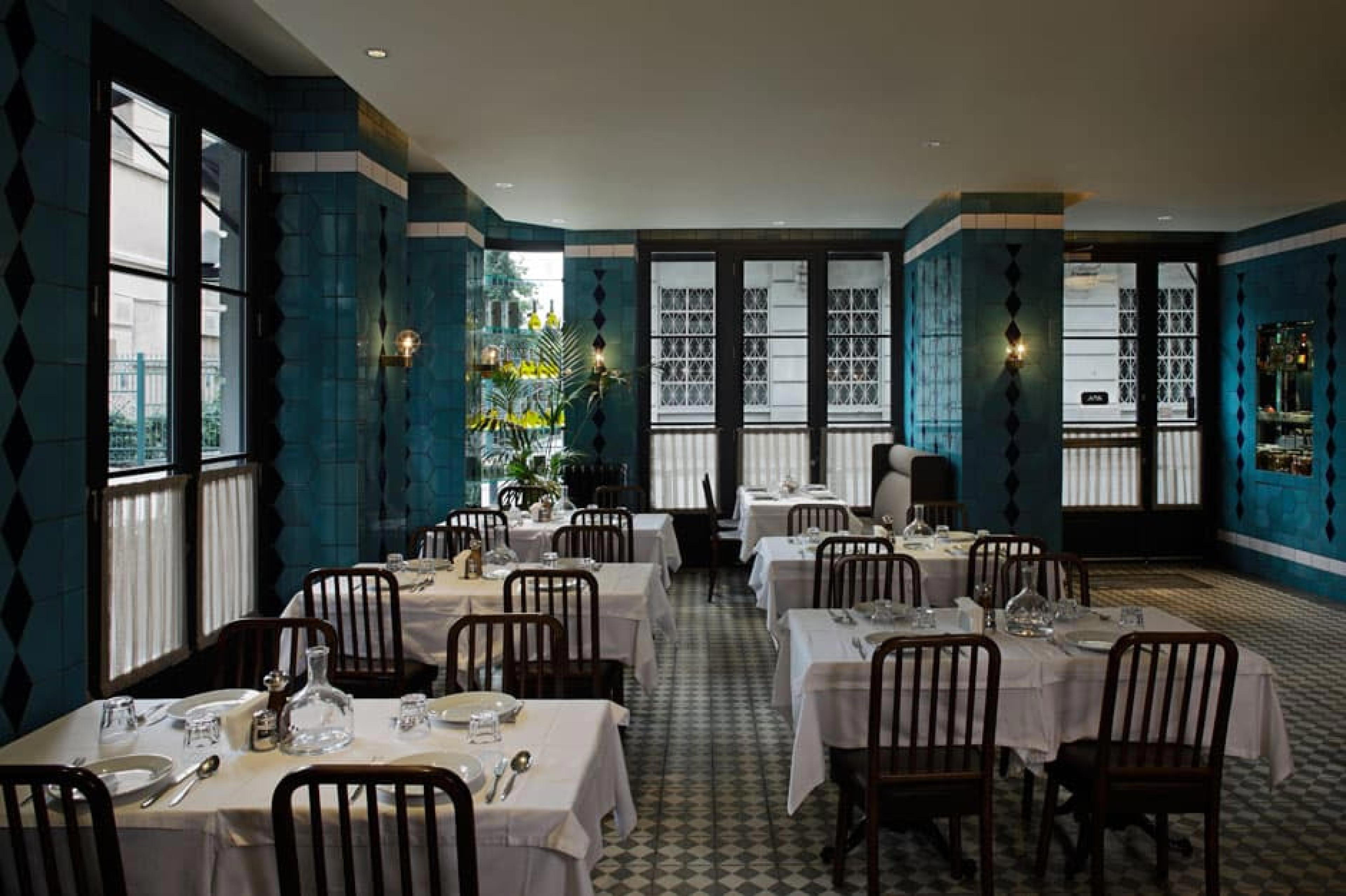
Restaurants in Istanbul
All restaurants in Istanbul →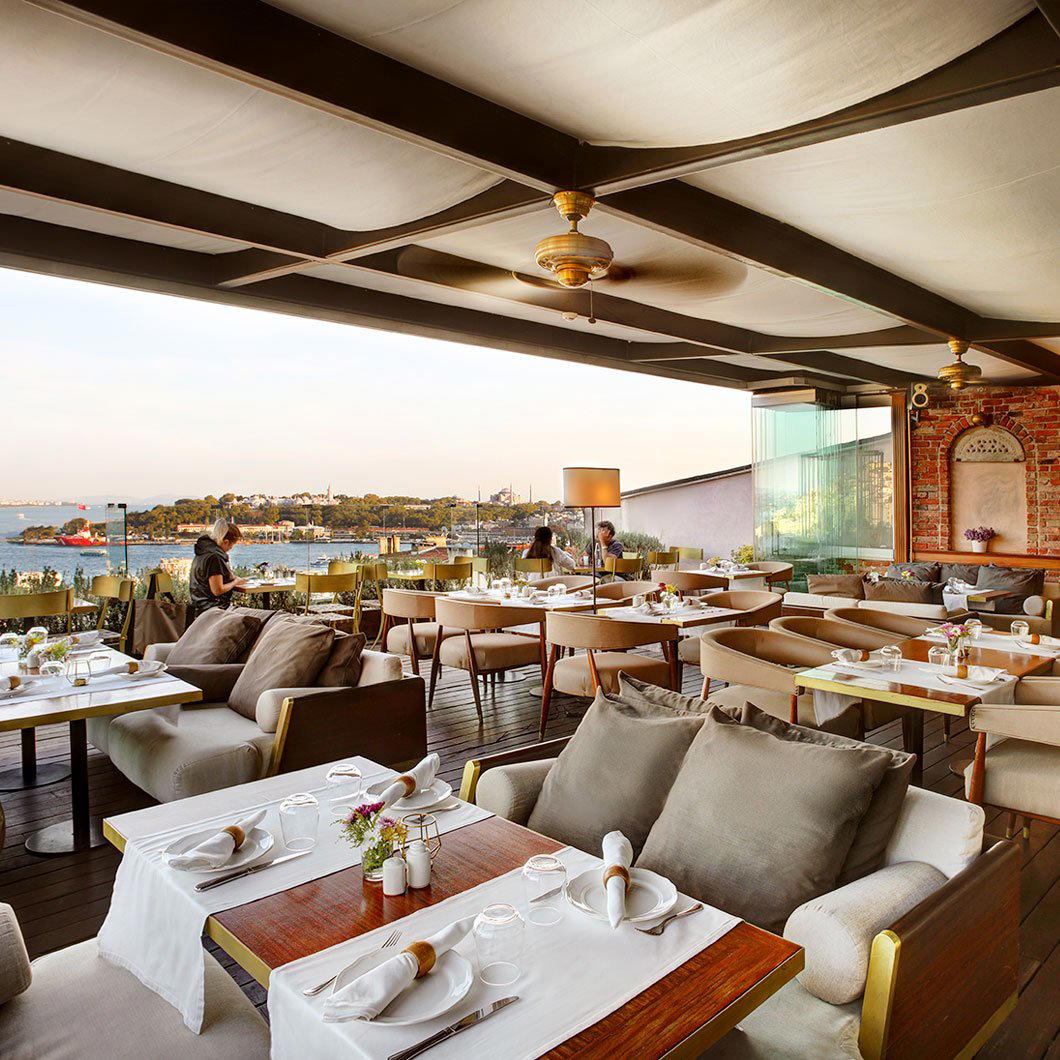
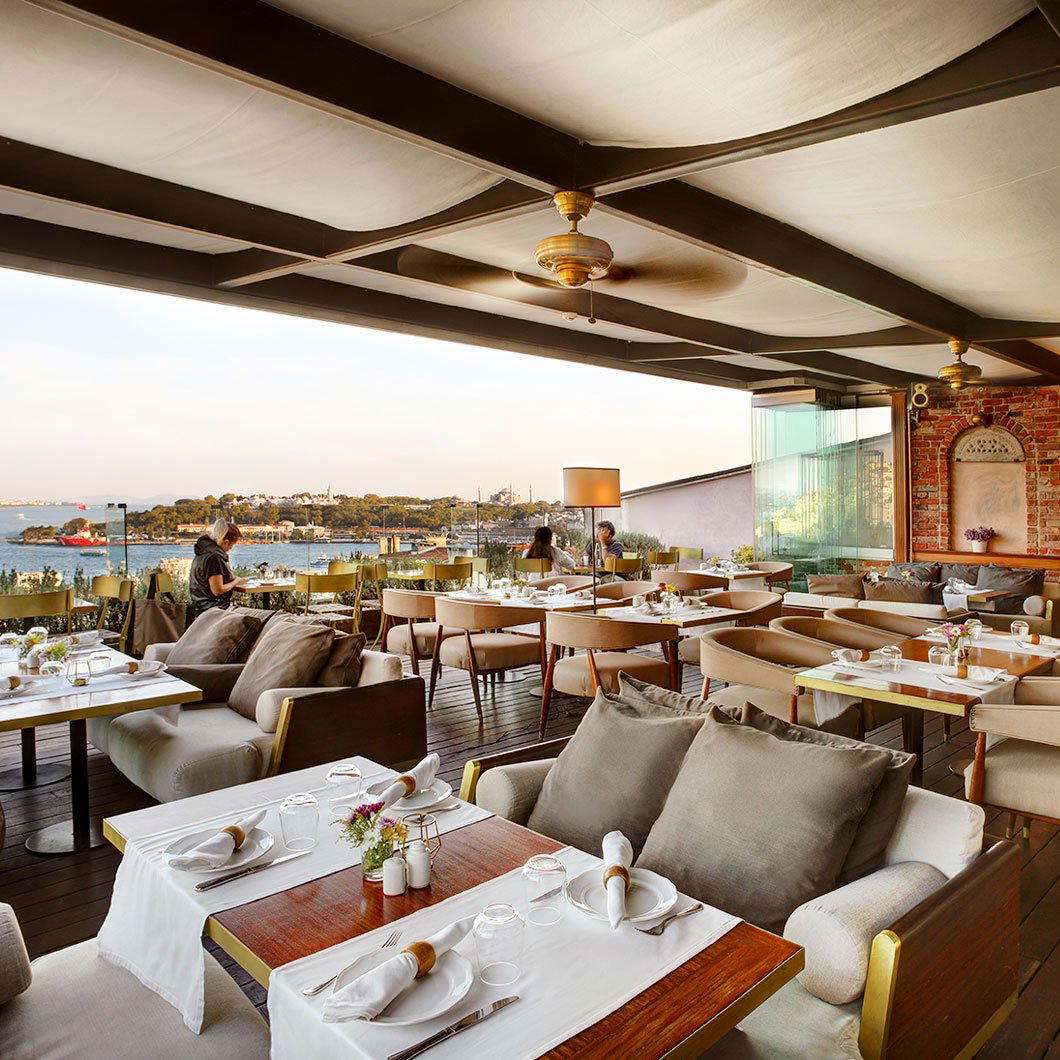
Bars in Istanbul
All bars in Istanbul →

Details
- Cozy
- Trendy
- Modern
- Casual Hangout
- Open Kitchen
- A La Carte
- Small Plates
- Vegan Options
- Vegetarian Friendly
Current opening hours
- Monday
- 8 AM–2 AM
- Tuesday
- 8 AM–2 AM
- Wednesday
- 8 AM–2 AM
- Thursday
- 8 AM–2 AM
- Friday
- 8 AM–2 AM
- Saturday
- 8 AM–2 AM
- Sunday
- 8 AM–2 AM
Hours can change for holidays and private events. Last verified .
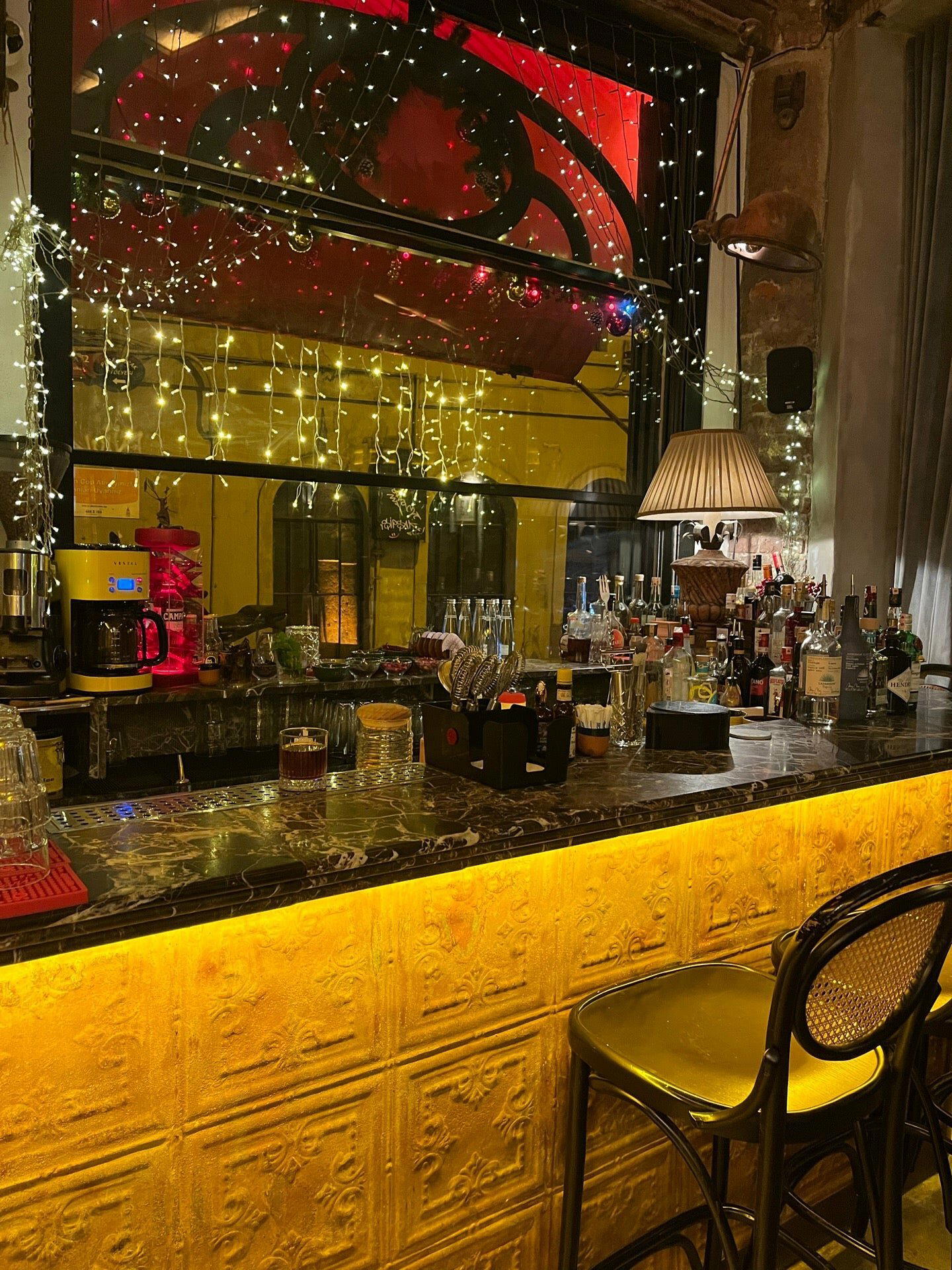
Cozy and simple atmosphere with warm welcome and attentive service.