Agapes

Agapes occupies a stone village house in Chevagny-les-Chevrières, a wine hamlet fifteen minutes south of Mâcon. The dining room serves modern Burgundian cooking rooted in local grower networks and seasonal produce from the Bresse plain. Service runs on a short, produce-driven menu that changes weekly, with wine selections tilted toward southern Burgundy estates.
Pearl is the En Primeur Club membership app — saves, bookings, and concierge access live there. Same editors, same standards.
- Address
- 123 Pl. de l'Église, 71960 Chevagny-les-Chevrières, France
- Phone
- +33 3 85 32 10 16
- Website
- agapes-atablerestaurant.com
- Directions
- Get directions
 Saves & bookings on Pearl
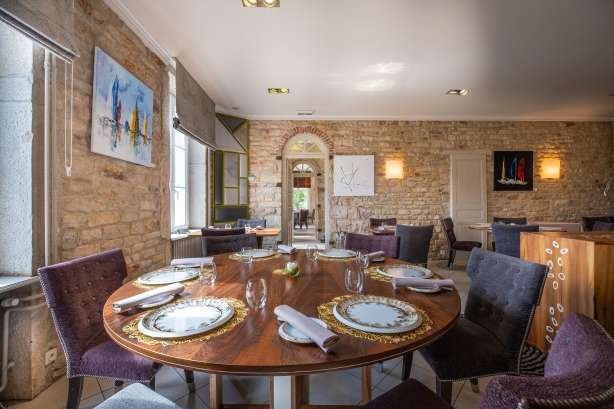
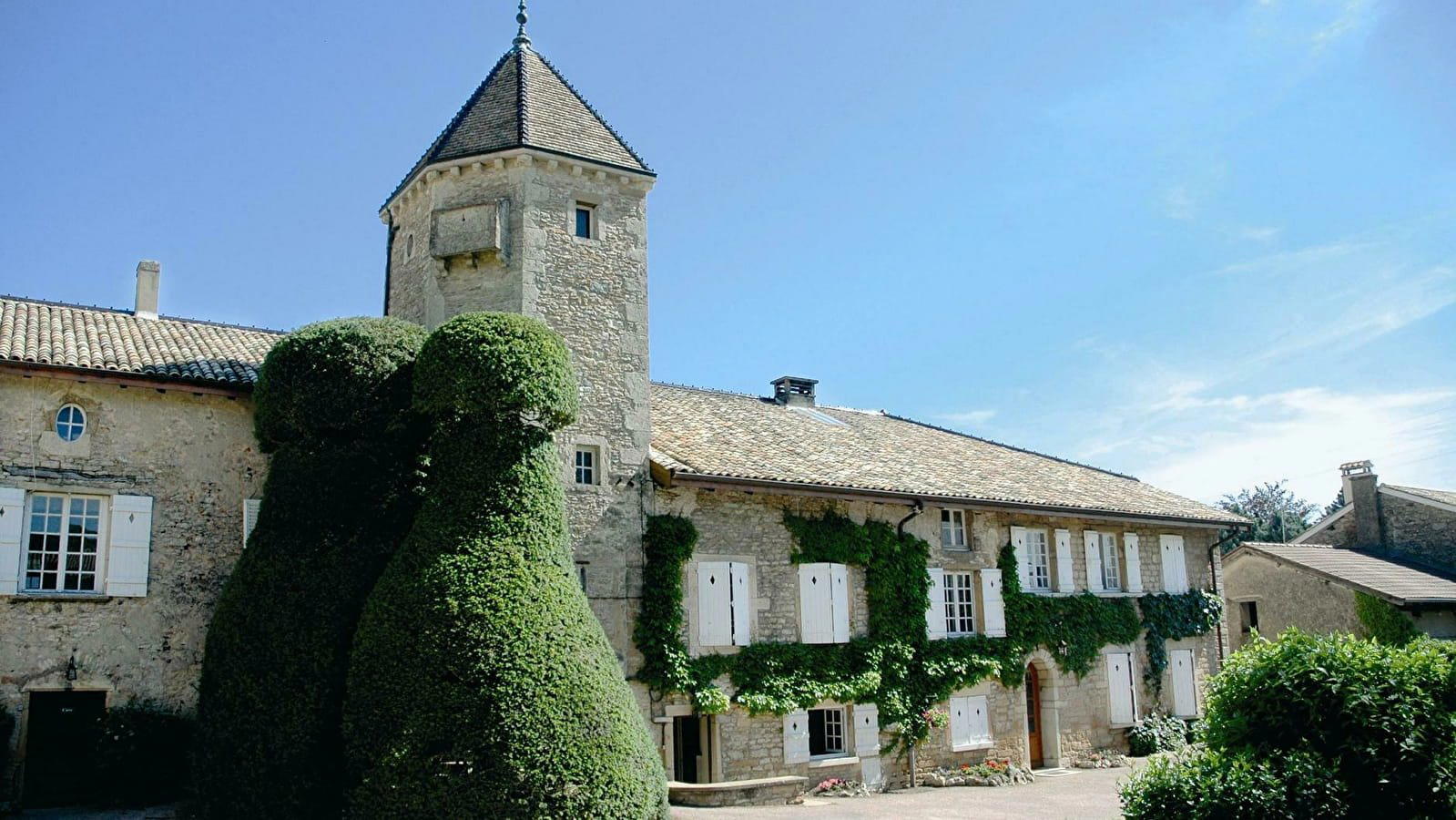
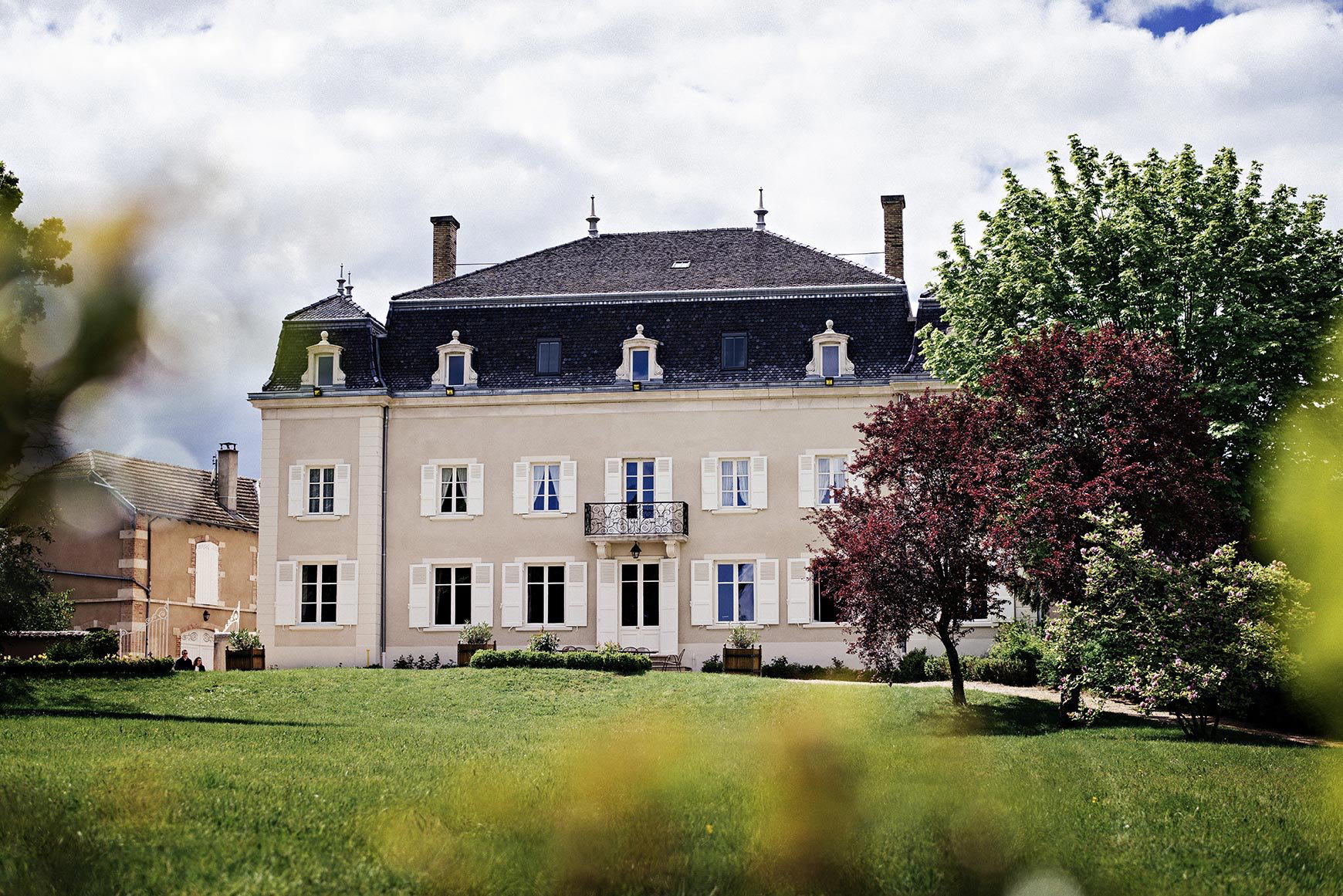
The approach to Agapes takes you through Chevagny-les-Chevrières, a cluster of honey-coloured stone houses pressed into the slope between the Mâconnais vineyards and the Saône plain. The restaurant sits on place de l'Église, facing the village square, in a building that shares the local limestone palette. Inside, the dining room holds around twenty-five covers beneath exposed beams and plaster walls, with windows that open onto the church and a view east toward the vine rows. The space reads as village restaurant rather than destination project, functional chairs, white tablecloths, minimal styling, and the lack of design intervention keeps focus on the plate and the pace of service.
Ingredient Networks and Weekly Menu Structure
The kitchen at Agapes operates on a short, weekly menu built from direct relationships with growers, dairies, and farms within a thirty-kilometre radius. Bresse poultry arrives from named producers; vegetables come from the valley gardens south of Tournus; dairy is drawn from Charolais and Mâconnais operations that supply restaurants across the region. The format is closer to 1217 in Bagnols or .... Et la Fourmi in Nantes, small dining rooms where procurement defines the menu, than it is to multi-course tasting programmes at 114, Faubourg in Paris or [S] Corner in Courchevel. Each course reflects what arrived that morning rather than what the chef planned to source, and the briefing at the table makes those connections explicit. Service will name the farm, the cultivar, the harvest date. That transparency is not decorative; it structures how the kitchen cooks and how diners assess the meal. For guests interested in the mechanics of French rural ingredient chains, the experience offers insight rather than theatre.
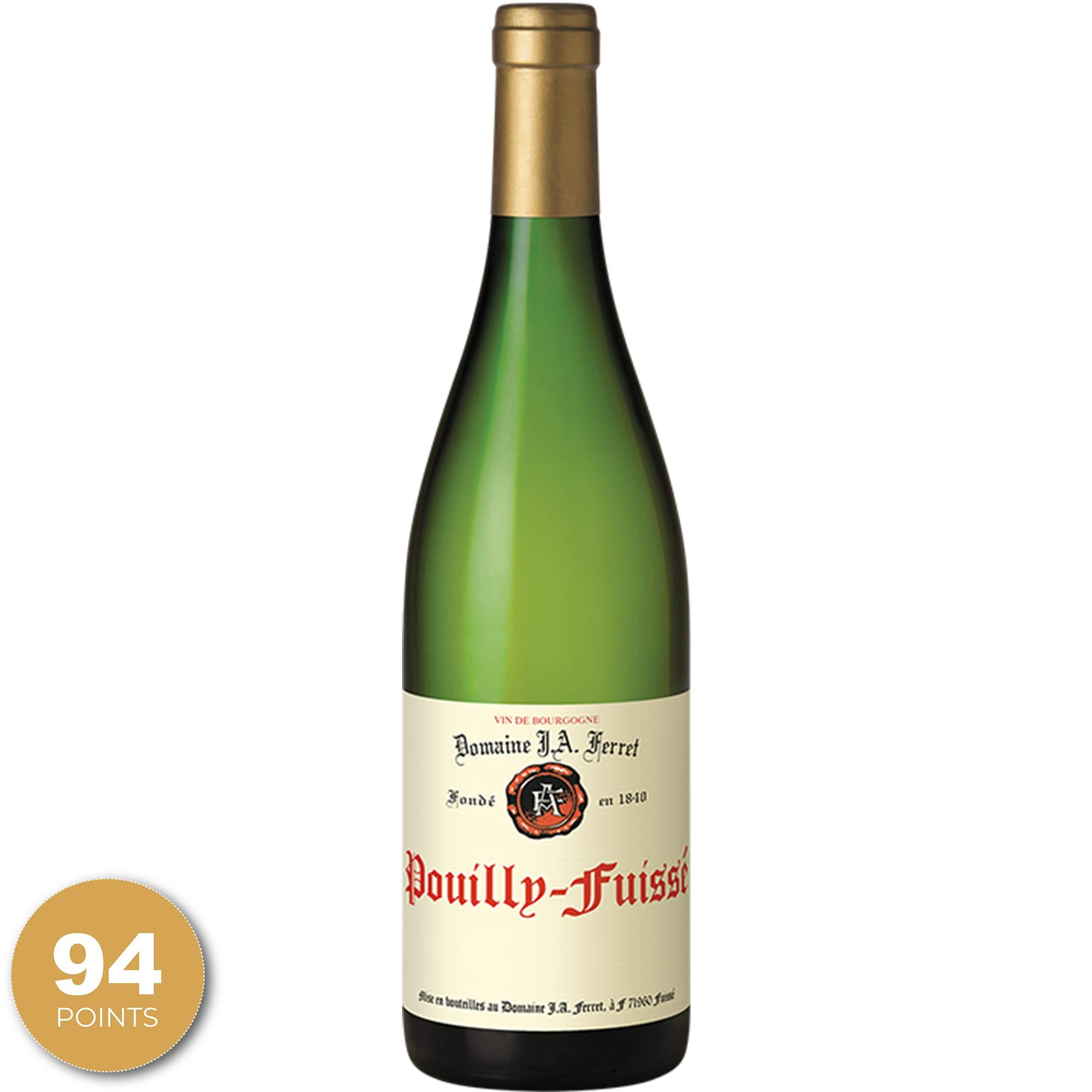
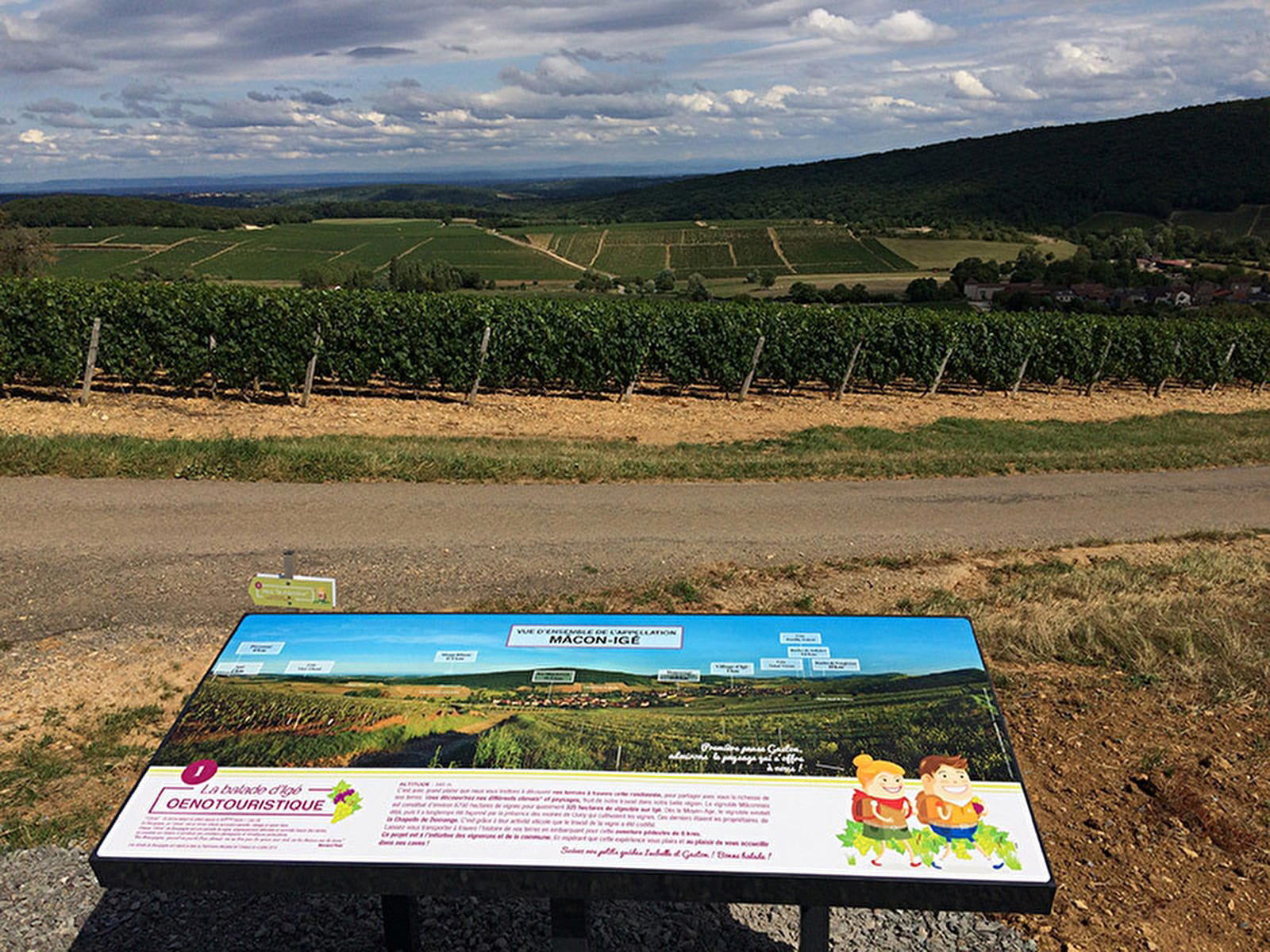
Wine list pulls heavily from southern Burgundy appellations, Mâcon-Villages, Viré-Clessé, Pouilly-Fuissé, and a handful of Beaujolais crus. The selection favours small-production estates and organic or biodynamic viticulture, a common posture in this zone where wine professionals dine locally and expect domain-direct bottles at fair pricing. Markup sits below Paris standards, and the range runs narrow enough to navigate without extended deliberation. For those exploring the local scene, wineries in Chevagny-les-Chevrières and neighbouring villages offer tasting-room visits within ten minutes by car.
Service Tempo and Table Management
Dining room operates on a single evening seating, with lunch service on weekends. Pace is unhurried but efficient; courses arrive at intervals that allow conversation without dead air. The team is small, front-of-house runs lean, often two people managing the floor, so service reads as attentive rather than hovering. Plates are explained briefly, wine is poured without ceremony, and the rhythm aligns with the format: this is a neighbourhood operation scaled for consistency across a short menu rather than a fine-dining programme built on complexity and surprise. The kitchen does not chase Michelin recognition or guide accolades; the model is closer to the working restaurants that feed the region's vignerons and agricultural professionals than it is to the trophy addresses in Lyon or Beaune.
For travellers routing through Burgundy, Agapes fits into the broader Chevagny-les-Chevrières restaurant scene as a representative example of how ingredient-led cooking functions in France's smaller wine villages. Comparable operations include 1387 in Strasbourg, 14 Avenue in La Baule, and 16âme in Le Monêtier-les-Bains, places where the chef's name matters less than the supply network and the menu's coherence with local production cycles. If your itinerary includes visits to estates in the Mâconnais or the Beaujolais, a stop here offers a practical window into how those wines pair with the region's food systems. The village itself is small enough to walk in ten minutes; lodging options are limited, but hotels in Chevagny-les-Chevrières and the surrounding communes provide access within a short drive. For those preferring urban infrastructure, Mâcon offers broader accommodation and is fifteen minutes north on the D906.
The restaurant's positioning within France's mid-tier dining landscape reflects a post-pandemic shift toward transparency and traceability, where diners increasingly value provenance data as much as technique. Agapes does not innovate on this front, it follows a template established by dozens of similar addresses across rural France, but it executes the model cleanly and without unnecessary flourish. The kitchen is not breaking new ground; it is holding a line that connects modern expectations around sourcing with older traditions of village hospitality. For that reason, the experience is more informative than thrilling, more satisfying than memorable, and more instructive than surprising. If you are touring the region's experiences in Chevagny-les-Chevrières or sampling bars in Chevagny-les-Chevrières, this is the kind of address that contextualizes how food and wine function in Burgundy's working villages rather than its tourist corridors. The format is replicable, the execution is reliable, and the intent is clear: deliver coherent, ingredient-focused cooking to an audience that already understands what that means.
How Agapes Chevagny Les Chevrieres compares with similar nearby venues.
| Venue | Cuisine | Price | Awards |
|---|---|---|---|
| Agapes | Not listed | Not listed | Michelin Plate (2026) |
| La Courtille de Solutré | Modern Cuisine | €€ | Not listed |
Recognition history
Dated appearances from independent guides and award organizations, with the underlying list record or original source where available.
Michelin Plate
Michelin
Continue exploring
More in Chevagny Les Chevrieres
Restaurants in Chevagny Les Chevrieres
Browse all →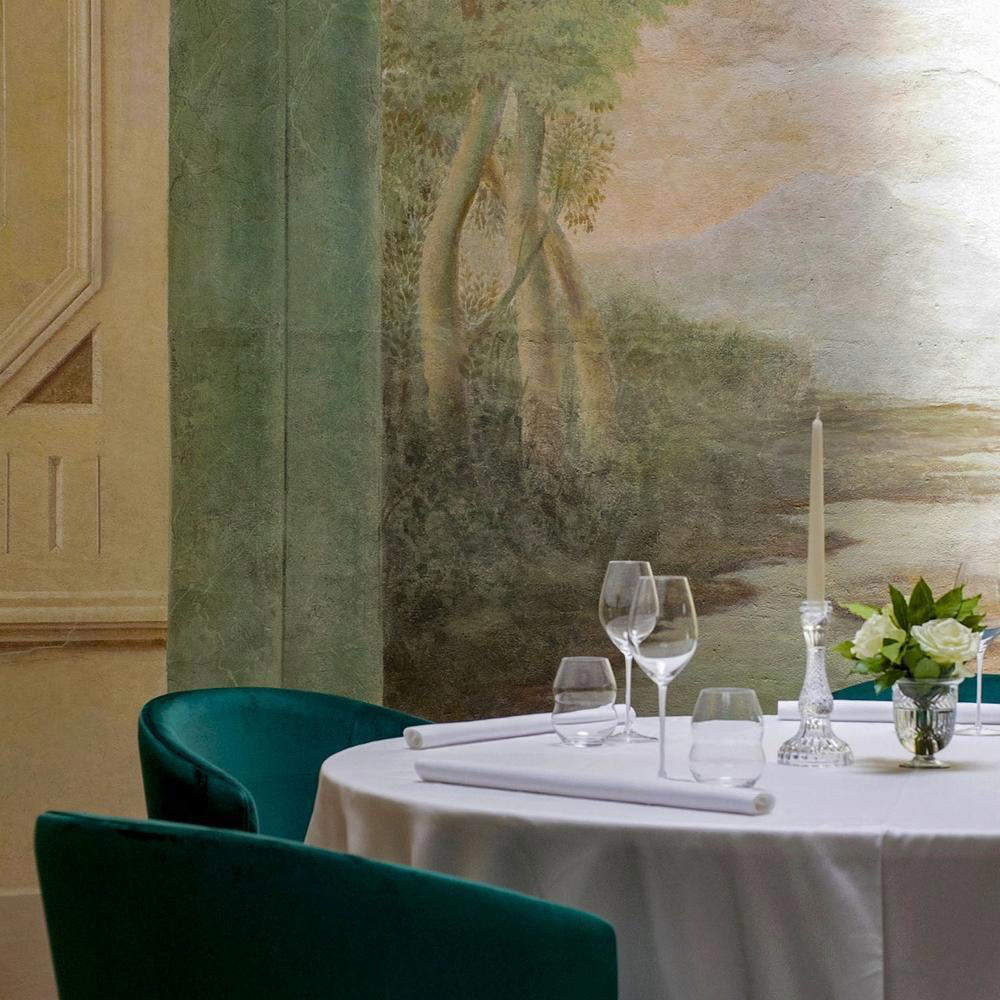
Hotels in Chevagny Les Chevrieres
Browse all →
At a Glance
- Cozy
- Elegant
- Romantic
- Rustic
- Date Night
- Special Occasion
- Family
- Group Dining
- Standalone
- Historic Building
- Extensive Wine List
- Local Sourcing
- Farm To Table
- Sustainable Seafood
- Street Scene
Current opening hours
- Monday
- Closed
- Tuesday
- 12–1 PM, 7:30–9 PM
- Wednesday
- Closed
- Thursday
- 12–1 PM, 7:30–9 PM
- Friday
- 12–1 PM, 7:30–9 PM
- Saturday
- 12–1 PM, 7:30–9 PM
- Sunday
- Closed
Hours can change for holidays and private events. Last verified .
The atmosphere is intimate and relaxed yet refined, with an elegant dining room in a golden-stone village house facing the church; guests describe a warm, unpretentious welcome and a comfortable, contemporary setting suited to lingering over multi-course meals.
Know Before You Go
- Reservations
- Recommended
- Dress code
- Smart casual
- Getting there
- 123 place de l'Église, Chevagny-les-Chevrières, Bourgogne-Franche-Comté, 71960, FRA