Abraço

A small-format espresso and food counter on East 7th Street in the East Village, Abraço has operated as a reference point for New York's serious coffee culture since its early years. The space is deliberately compact, the offering tightly edited, and the approach rooted in craft rather than scale. It sits in a different tier from the city's grand dining rooms, but draws a comparable level of intention.
Pearl is the En Primeur Club membership app — saves, bookings, and concierge access live there. Same editors, same standards.
- Address
- 81 E 7th St, New York, NY 10003
- Website
- abraconyc.com
- Directions
- Get directions
 Saves & bookings on Pearl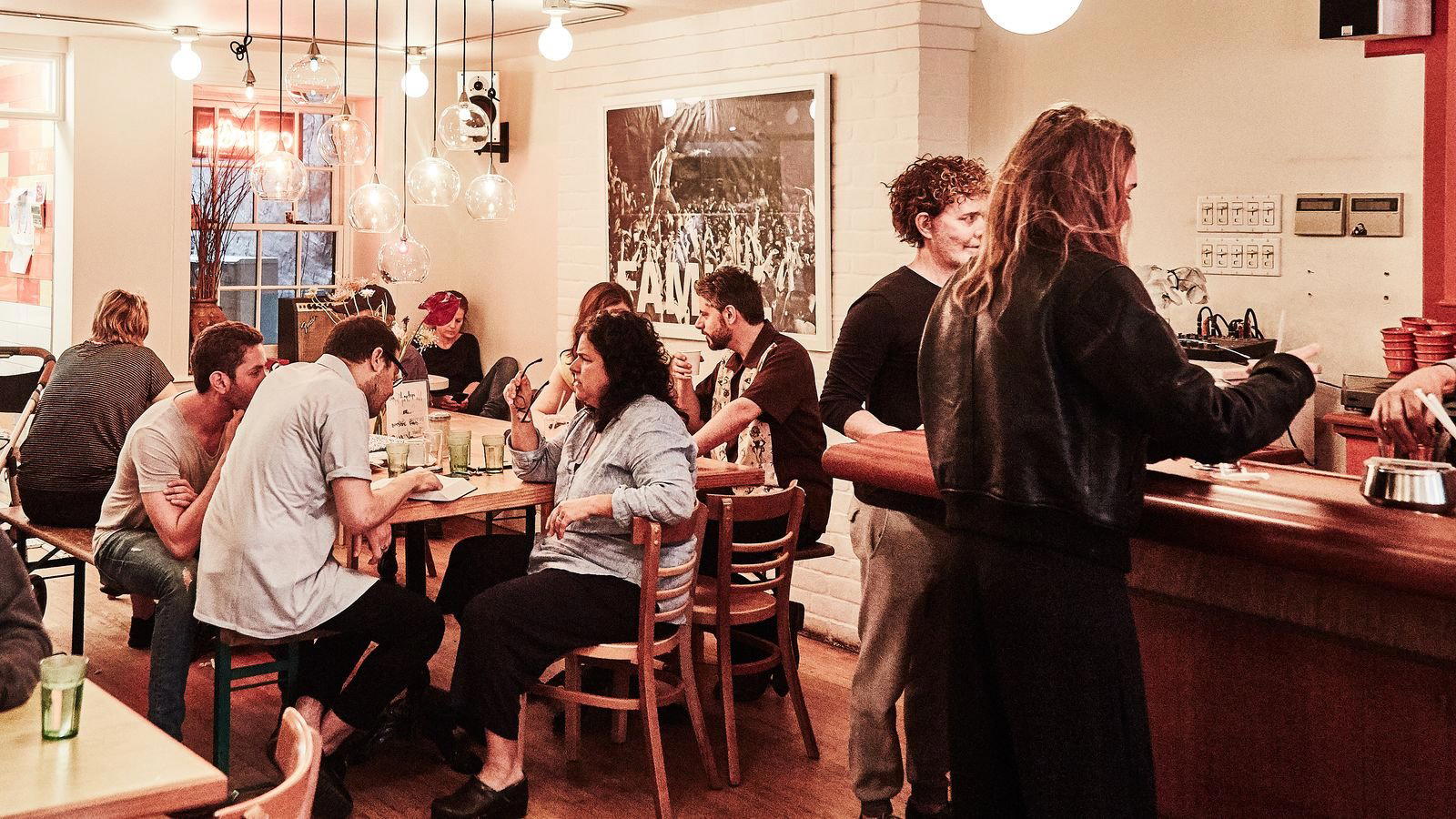
East Village, Small Format, High Intention
New York's specialty coffee scene sorted itself into distinct tiers sometime in the mid-2000s. On one end, large-footprint roasters with wholesale ambitions and retail flagships. On the other, a handful of counter-scale operations that traded volume for precision, where the room itself enforced a kind of focus. Abraço, at 81 East 7th Street in the East Village, belongs firmly to the second category. The address has functioned as a gathering point for the neighborhood's food-aware crowd for well over a decade, operating at a scale that makes most of Manhattan's coffee bars look oversized by comparison.
The East Village has always sustained this kind of operation better than most New York neighborhoods. Its street-level retail fabric, built around narrow storefronts and foot traffic rather than destination dining, creates the conditions for a counter that works because of its constraints, not despite them. Abraço occupies that logic fully: the format is compact, the team is small, and the offer is edited to the point where every element has to justify its presence. That editorial discipline in a food-and-beverage context is harder to maintain than it appears, and it is what separates reference-point operators from the broader field.
The Collaboration Behind the Counter
The editorial angle that defines Abraço is less about a single figure than about how a small team functions when roles overlap. In counter-scale operations, the division between who makes the coffee, who handles the food, and who manages the room collapses almost entirely. The person pulling espresso is often the same person explaining what is on the counter that morning and the same person deciding when something is no longer worth offering. That integration is a structural feature of small-format hospitality, and it produces a different register of service than you encounter at a larger establishment where kitchen, floor, and bar operate as separate departments.
This kind of compressed team dynamic has become a point of reference in discussions of how collaboration works in food and beverage at smaller scales. Compare it with the explicit division of labor at a room like Le Bernardin, where the kitchen, sommelier program, and front-of-house operate as distinct professional tracks, or the highly choreographed service architecture at Per Se. At Abraço, the equivalent of those roles folds into a two- or three-person operation where coordination is constant and visible. Neither model is superior; they serve different scales and different expectations. But the compressed version demands a specific kind of professional fluency that is easy to underestimate from the outside.
The same structural principle appears at counter-led operations in other cities: Smyth in Chicago approaches team integration from a fine-dining angle, while Lazy Bear in San Francisco built a communal format that deliberately blurs the line between host and kitchen. The specific application varies, but the underlying question of how small teams sustain quality and coherence is common across the category.
Where Abraço Sits in New York's Coffee and Food Scene
Situating Abraço within New York's broader food scene requires separating price tier from quality tier. The city's most-discussed restaurants operate at the $$$$ end of the spectrum: Atomix, Eleven Madison Park, and Masa all occupy a price bracket that makes them a considered occasion rather than a default choice. Abraço operates at the opposite end of the price spectrum while drawing from the same pool of food-serious New Yorkers. The regulars at a counter like this are often the same people who book well in advance at the city's tasting-menu rooms. They are not mutually exclusive audiences.
What the East Village counter offers is not a cheaper version of fine dining but a different proposition entirely: a tightly controlled, daily-use format where craft is expressed through coffee and a small rotating selection of food rather than through a multi-course progression. The craft bakeries and focused espresso bars of lower Manhattan occupy a specific cultural position in how the city eats, and Abraço has been part of that conversation long enough to function as a point of comparison for newer entrants to the category. For a broader view of where this fits in New York's full dining spectrum,
What the Format Demands of Its Guests
Small-format operations ask something of their visitors that large restaurants do not. There is no reservation buffer, no holding area, no team of hosts managing flow. Abraço is a walk-in counter, which means timing and patience replace the planning that goes into booking at a room like Blue Hill at Stone Barns or The Inn at Little Washington. The trade is legible: less formality, lower price, more exposure to the actual working rhythm of the place. For some visitors, that unmediated quality is the draw. For others, it requires an adjustment from the managed experience of a full-service room.
Internationally, the closest analogues are the standing espresso bars of Milan and Rome, where the physical format enforces brevity and the quality conversation happens at the counter rather than across a table. American specialty coffee adopted the counter format but often extended it with seating and a broader food offer. Abraço sits somewhere between those poles, with enough food to constitute a light meal but enough spatial constraint to keep the experience anchored in the coffee.
Planning Your Visit
| Venue | Format | Price Tier | Booking Required | Neighborhood |
|---|---|---|---|---|
| Abraço | Espresso counter, walk-in | $ | No | East Village |
| Le Bernardin | Full-service, formal dining | $$$$ | Yes, advance booking advised | Midtown West |
| Atomix | Tasting counter, ticketed | $$$$ | Yes, weeks to months ahead | NoMad |
| Eleven Madison Park | Full-service, formal dining | $$$$ | Yes, advance booking required | Flatiron |
| Masa | Omakase counter, ticketed | $$$$ | Yes, months ahead | Columbus Circle |
Abraço is located at 81 East 7th Street in the East Village. No reservation is required.
Standing Among Peers
Comparable venues nearby, for context on price, style, and recognition.
| Venue | Cuisine | Price | Notes |
|---|---|---|---|
| AbraçoThis venue — the venue you are viewing | Mediterranean Espresso Bar & Bakery | $ | Not listed |
| Nanoosh | Mediterranean Hummus Bar | $$ | Midtown South-Flatiron-Union Square |
| Ali Baba Mediterranean Cuisine | Mediterranean & Turkish | $$ | East Midtown-Turtle Bay |
| 58-22 Myrtle Ave | Balkan & Mediterranean Specialty Market | $$ | Ridgewood |
| Glasserie | Mediterranean with Middle Eastern influences | $$ | Greenpoint |
| Riva Mediterranean & Turkish Cuisine | Mediterranean & Turkish Cuisine | $$ | Great Kills-Eltingville |
Recognition history
Dated appearances from independent guides and award organizations, with the underlying list record or original source where available.
Opinionated About Dining Cheap Eats in North America Recommended
Opinionated About Dining
Continue exploring
More in New York City
Restaurants in New York City
Browse all →
Bars in New York City
Browse all →
Hotels in New York City
Browse all →





At a Glance
- Cozy
- Trendy
- Intimate
- Casual Hangout
- Brunch
- Solo
- Standalone
Current opening hours
- Monday
- 8 AM–8 PM
- Tuesday
- 8 AM–8 PM
- Wednesday
- 8 AM–8 PM
- Thursday
- 8 AM–10 PM
- Friday
- 8 AM–10 PM
- Saturday
- 8 AM–10 PM
- Sunday
- 9 AM–6 PM
Hours can change for holidays and private events. Last verified .
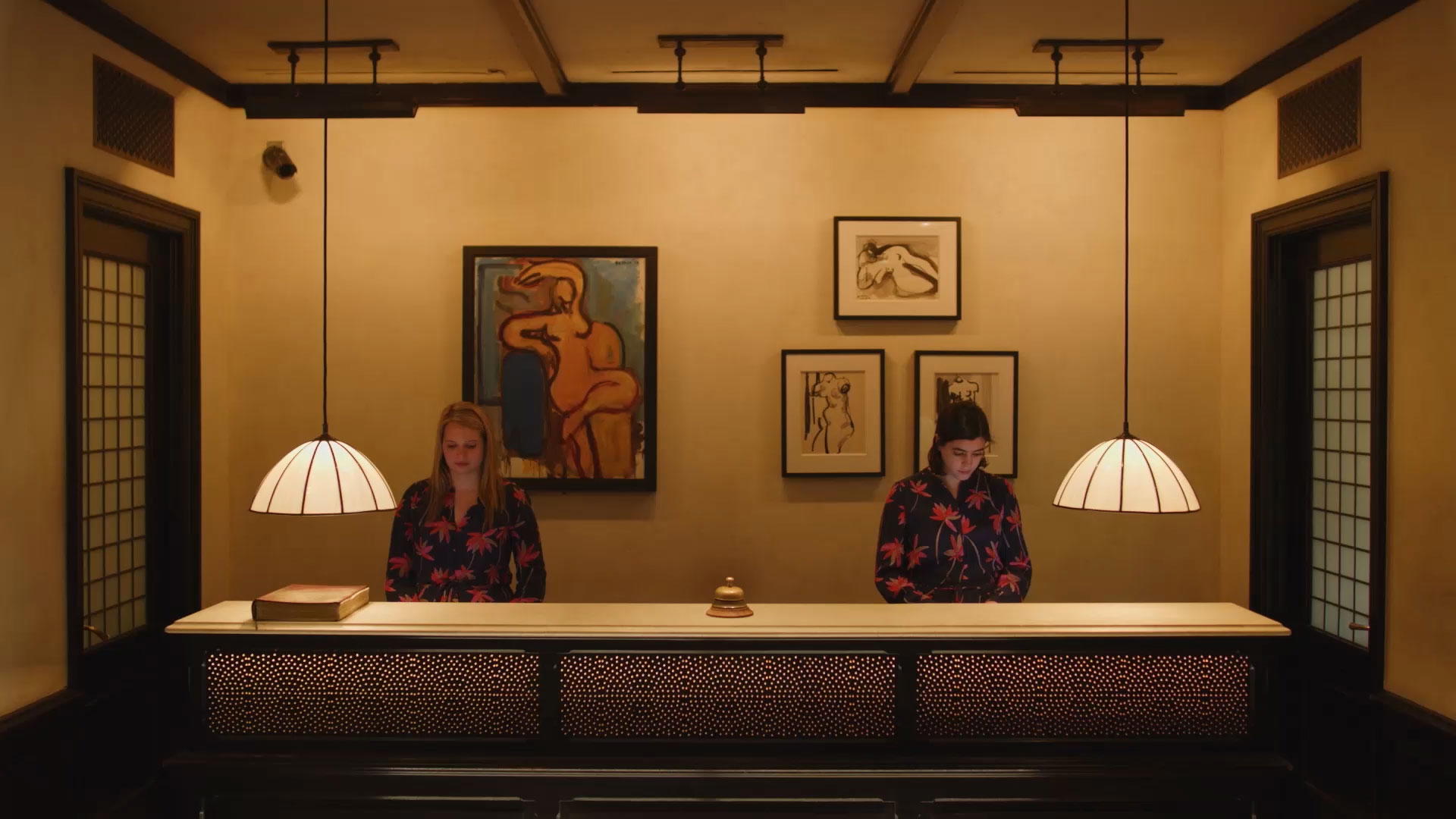
Cramped, convivial standing-room-only space with warm, friendly barista banter and neighborhood charm.