À TERRA Restaurant
Our verdict
Where the Douro Hinterland Meets the Plate The Estrada Nacional 222 has a reputation that precedes it. Repeatedly cited by international motoring press as one of the most scenic roads in Europe, it traces the southern bank of the Douro River through terraced vineyards, granite villages, and valley drops that shift light by the hour. À TERRA occupies a position along this route at km 41, in the Vista Alegre area of Castelo de Paiva, and the address alone tells you something about the restaurant's relationship to its surroundings. This is not a city restaurant that sources from the countryside — it is a countryside restaurant that has grown out of it. Arriving at the main building, the terrace announces the logic of the place before any dish does. The view outward is the opening argument: a range of cultivated land and river-valley agriculture that has fed this part of northern Portugal for centuries. Restaurants that position themselves this literally against their source material are making a claim, and À TERRA's name — meaning simply 'to the earth' or 'to the land', makes that claim explicit from the start. Ingredient Sourcing as Editorial Position The broader movement toward hyper-local and terroir-driven dining in Portugal has accelerated over the past decade, particularly in the north. Restaurants like Casa de Chá da Boa Nova in Leça da Palmeira and Antiqvvm in Porto have each, in their different registers, argued for cooking that is inseparable from its geographic origin. À TERRA operates within this tradition but at a different register, closer to the agricultural source, outside the Porto metropolitan orbit, and embedded in a region defined by the Douro's influence on soil, climate, and food culture. Castelo de Paiva sits at the confluence of the Paiva and Douro rivers, in a municipality where land use remains predominantly agricultural and where local produce has not yet been fully absorbed into urban restaurant supply chains. That geographic fact matters. Ingredients sourced from within this radius carry a different character than the same categories shipped to Lisbon or Porto kitchens, the window between harvest and plate is shorter, the relationship between grower and kitchen more direct. This is the operational reality that a name like À TERRA implies, and it is the condition that separates restaurants of this type from those that adopt the language of terroir without the proximity. Portugal's fine dining tier, represented by Michelin-recognised kitchens such as Belcanto in Lisbon, Ocean in Porches, and Vila Joya in Albufeira, has built its international credibility partly on the argument that Portuguese ingredients, the seafood, the olive oils, the heritage grains, the Alentejo pork, deserve the same technical attention as those in French or Spanish kitchens. À TERRA approaches the same argument from a different angle: not from the city outward, but from the land inward. The EN 222 Context Understanding where À TERRA sits geographically is also understanding how its guests arrive. The EN 222 is not a commuter route, it is a destination road, used by people who have chosen the slower, more scenic path between Porto and the Douro wine country. The restaurant's position at km 41 places it within comfortable reach of Porto (roughly an hour's drive through the valley), making it a viable lunch stop or dinner destination for travellers using the road as an itinerary in itself rather than a shortcut. This positions À TERRA within a specific category of Portuguese dining: the destination restaurant that earns its journey on the strength of its setting and sourcing rather than on proximity to urban infrastructure. Comparisons might be drawn with Herdade do Esporão in Reguengos de Monsaraz, where the restaurant is inseparable from the agricultural estate surrounding it, or with The Yeatman in Vila Nova de Gaia, where geography, overlooking the Douro and Porto, is as central to the experience as the kitchen. The logic of place is doing significant work before the first dish arrives. For those building a broader Portuguese itinerary that takes in the country's serious dining scene, the northern corridor from Porto through the Douro valley offers a coherent thread. À TERRA sits within that thread alongside venues like Raiva in Castelo de Paiva, which also draws on the region's culinary identity. Further afield, the Portuguese dining map includes Michelin-recognised work at Palatial in Braga, Lab by Sergi Arola in Sintra, Al Sud in Lagos, A Ver Tavira in Tavira, Gusto by Heinz Beck in Almancil, Il Gallo d'Oro in Funchal, and Ó Balcão in Santarém. Internationally, the sourcing-first philosophy that À TERRA embodies has parallels at places like Lazy Bear in San Francisco, where the argument that provenance is craft has been made with considerable force, and even at Le Bernardin in New York City, where ingredient integrity is treated as a non-negotiable starting point. Planning Your Visit À TERRA is located at Estrada Nacional 222, km 41, in the Vista Alegre area of Castelo de Paiva, with a main building and terrace. The EN 222 route from Porto is the most direct and the most rewarding approach, allow roughly an hour from the city centre. For those travelling from the Douro wine country, the road runs naturally through Castelo de Paiva as part of a valley circuit. See our full Castelo de Paiva restaurants guide for broader context on dining in the municipality. Frequently Asked Questions Is À TERRA Restaurant a family-friendly restaurant? Castelo de Paiva restaurants tend to operate across a range of formats, from informal tascas to more considered dining rooms. The terrace setting and rural road context suggest a relaxed environment, though the sourcing-focused positioning implies a dining room that takes its food seriously. Is À TERRA Restaurant formal or casual? The EN 222 road context and the outdoor terrace positioning point toward a setting that values the landscape as much as the tablecloth. In the Portuguese dining register, restaurants of this type, outside the major city centres, terrace-forward, terroir-driven, generally operate at a smart-casual level rather than within the formal protocols of Lisbon or Porto's Michelin tier. That said, for À TERRA, comparing it directly to venues like Belcanto or Ocean would be premature. The name and location together suggest a kitchen with a clear point of view rather than a casual lunch spot. What do people recommend at À TERRA Restaurant? What the restaurant's positioning along the EN 222 and its land-focused name do suggest is that seasonal, regionally sourced ingredients form the core of the menu. As a rule, at restaurants of this type in northern Portugal, the kitchen's relationship to local producers is the leading guide to what to order: ask the front-of-house what is in season and what came in most recently from the nearest suppliers. Is À TERRA Restaurant worth making a special trip from Porto along the EN 222? The EN 222 is a legitimate driving destination in its own right, and Castelo de Paiva sits at roughly an hour from Porto along the route. À TERRA's address at km 41, with a terrace overlooking the agricultural valley, places it at one of the road's more visually rewarding stretches. For travellers already planning to use the EN 222 as part of a Douro itinerary, incorporating a meal at À TERRA adds a culinary dimension to a route that already rewards the detour on scenic grounds alone.

Pearl is the En Primeur Club membership app — saves, bookings, and concierge access live there. Same editors, same standards.
- Address
- Estrada Nacional 222 km 41, Vista Alegre (main building with terrace)
- Website
- douro.octanthotels.com
- Directions
- Get directions
- Booking
- Book on TheFork
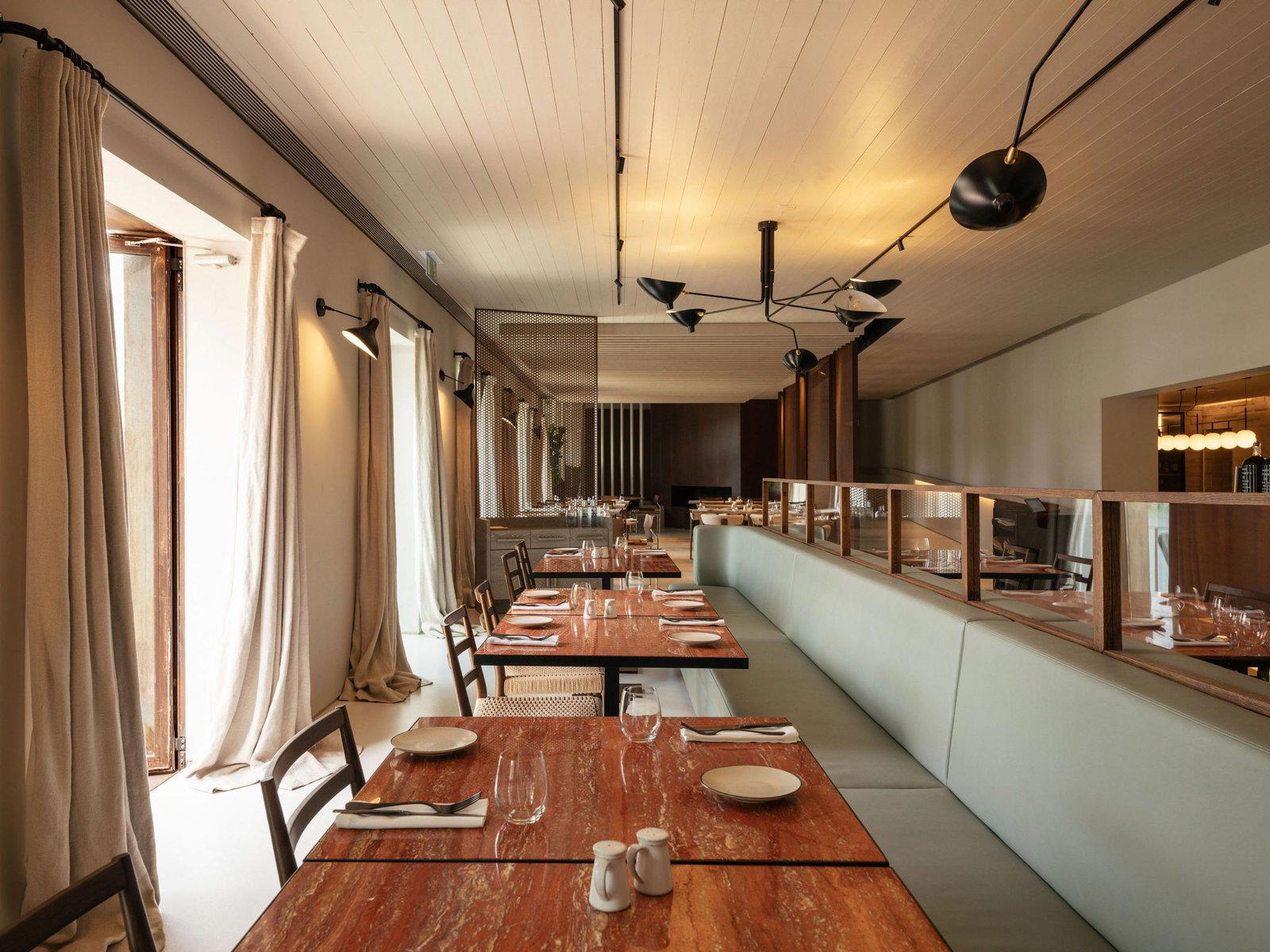
Where the Douro Hinterland Meets the Plate
The Estrada Nacional 222 has a reputation that precedes it. Repeatedly cited by international motoring press as one of the most scenic roads in Europe, it traces the southern bank of the Douro River through terraced vineyards, granite villages, and valley drops that shift light by the hour. À TERRA occupies a position along this route at km 41, in the Vista Alegre area of Castelo de Paiva, and the address alone tells you something about the restaurant's relationship to its surroundings. This is not a city restaurant that sources from the countryside — it is a countryside restaurant that has grown out of it.
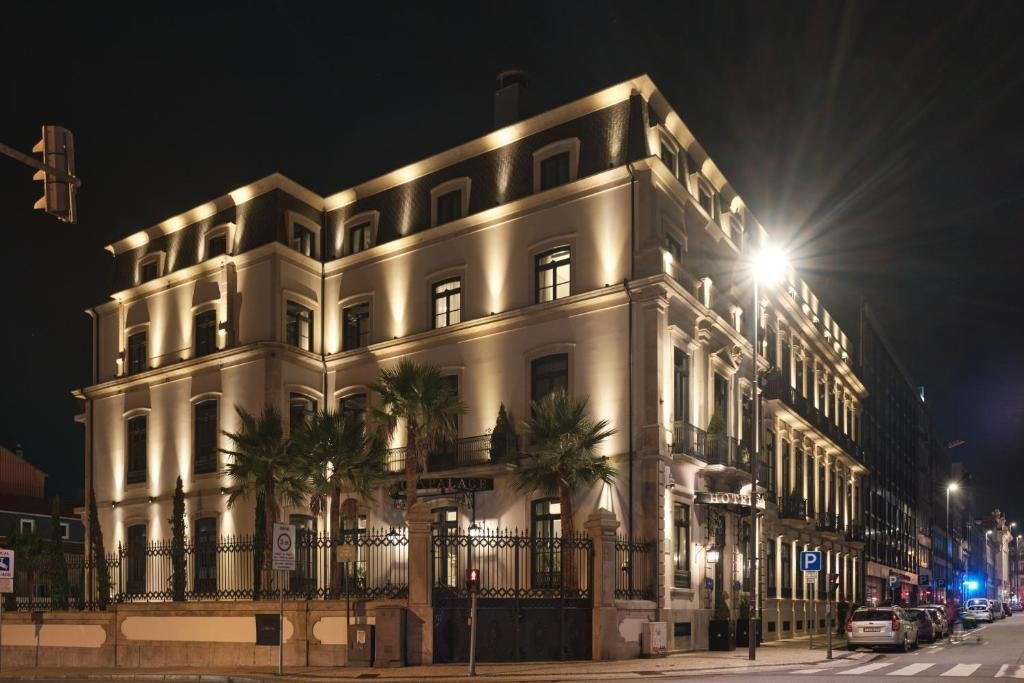
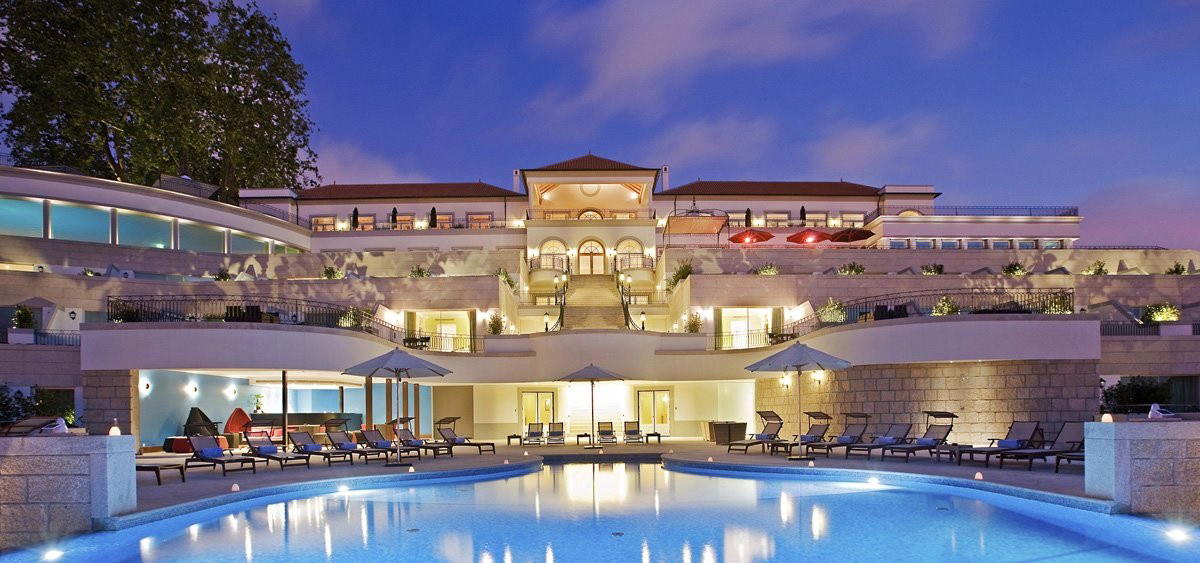
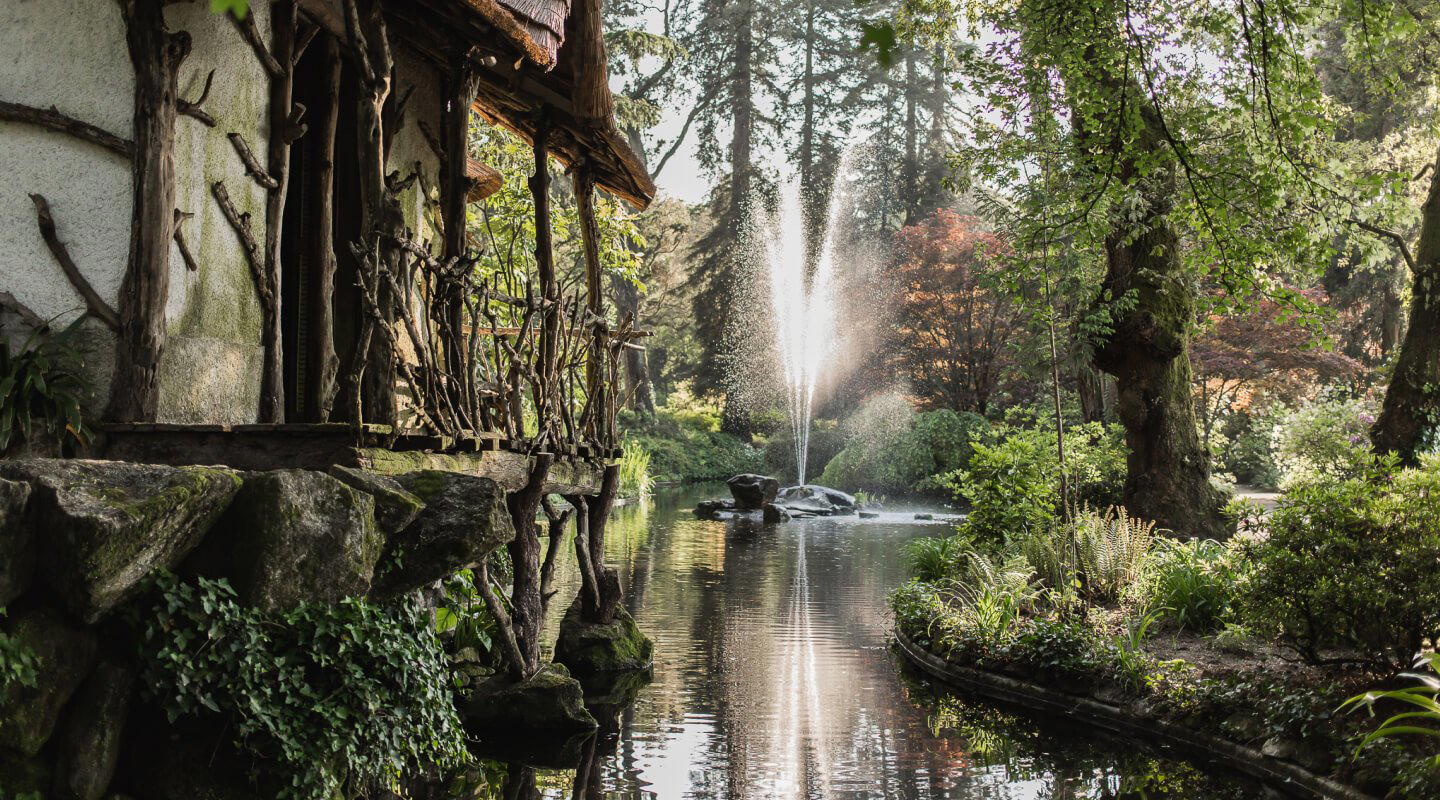
Arriving at the main building, the terrace announces the logic of the place before any dish does. The view outward is the opening argument: a range of cultivated land and river-valley agriculture that has fed this part of northern Portugal for centuries. Restaurants that position themselves this literally against their source material are making a claim, and À TERRA's name — meaning simply 'to the earth' or 'to the land', makes that claim explicit from the start.
Ingredient Sourcing as Editorial Position
The broader movement toward hyper-local and terroir-driven dining in Portugal has accelerated over the past decade, particularly in the north. Restaurants like Casa de Chá da Boa Nova in Leça da Palmeira and Antiqvvm in Porto have each, in their different registers, argued for cooking that is inseparable from its geographic origin. À TERRA operates within this tradition but at a different register, closer to the agricultural source, outside the Porto metropolitan orbit, and embedded in a region defined by the Douro's influence on soil, climate, and food culture.
Castelo de Paiva sits at the confluence of the Paiva and Douro rivers, in a municipality where land use remains predominantly agricultural and where local produce has not yet been fully absorbed into urban restaurant supply chains. That geographic fact matters. Ingredients sourced from within this radius carry a different character than the same categories shipped to Lisbon or Porto kitchens, the window between harvest and plate is shorter, the relationship between grower and kitchen more direct. This is the operational reality that a name like À TERRA implies, and it is the condition that separates restaurants of this type from those that adopt the language of terroir without the proximity.
Portugal's fine dining tier, represented by Michelin-recognised kitchens such as Belcanto in Lisbon, Ocean in Porches, and Vila Joya in Albufeira, has built its international credibility partly on the argument that Portuguese ingredients, the seafood, the olive oils, the heritage grains, the Alentejo pork, deserve the same technical attention as those in French or Spanish kitchens. À TERRA approaches the same argument from a different angle: not from the city outward, but from the land inward.
The EN 222 Context
Understanding where À TERRA sits geographically is also understanding how its guests arrive. The EN 222 is not a commuter route, it is a destination road, used by people who have chosen the slower, more scenic path between Porto and the Douro wine country. The restaurant's position at km 41 places it within comfortable reach of Porto (roughly an hour's drive through the valley), making it a viable lunch stop or dinner destination for travellers using the road as an itinerary in itself rather than a shortcut.
This positions À TERRA within a specific category of Portuguese dining: the destination restaurant that earns its journey on the strength of its setting and sourcing rather than on proximity to urban infrastructure. Comparisons might be drawn with Herdade do Esporão in Reguengos de Monsaraz, where the restaurant is inseparable from the agricultural estate surrounding it, or with The Yeatman in Vila Nova de Gaia, where geography, overlooking the Douro and Porto, is as central to the experience as the kitchen. The logic of place is doing significant work before the first dish arrives.
For those building a broader Portuguese itinerary that takes in the country's serious dining scene, the northern corridor from Porto through the Douro valley offers a coherent thread. À TERRA sits within that thread alongside venues like Raiva in Castelo de Paiva, which also draws on the region's culinary identity. Further afield, the Portuguese dining map includes Michelin-recognised work at Palatial in Braga, Lab by Sergi Arola in Sintra, Al Sud in Lagos, A Ver Tavira in Tavira, Gusto by Heinz Beck in Almancil, Il Gallo d'Oro in Funchal, and Ó Balcão in Santarém. Internationally, the sourcing-first philosophy that À TERRA embodies has parallels at places like Lazy Bear in San Francisco, where the argument that provenance is craft has been made with considerable force, and even at Le Bernardin in New York City, where ingredient integrity is treated as a non-negotiable starting point.
Planning Your Visit
À TERRA is located at Estrada Nacional 222, km 41, in the Vista Alegre area of Castelo de Paiva, with a main building and terrace. The EN 222 route from Porto is the most direct and the most rewarding approach, allow roughly an hour from the city centre. For those travelling from the Douro wine country, the road runs naturally through Castelo de Paiva as part of a valley circuit. See our full Castelo de Paiva restaurants guide for broader context on dining in the municipality.
Frequently asked questions
Is À TERRA Restaurant a family-friendly restaurant?
Castelo de Paiva restaurants tend to operate across a range of formats, from informal tascas to more considered dining rooms. The terrace setting and rural road context suggest a relaxed environment, though the sourcing-focused positioning implies a dining room that takes its food seriously.
Is À TERRA Restaurant formal or casual?
The EN 222 road context and the outdoor terrace positioning point toward a setting that values the landscape as much as the tablecloth. In the Portuguese dining register, restaurants of this type, outside the major city centres, terrace-forward, terroir-driven, generally operate at a smart-casual level rather than within the formal protocols of Lisbon or Porto's Michelin tier. That said, for À TERRA, comparing it directly to venues like Belcanto or Ocean would be premature. The name and location together suggest a kitchen with a clear point of view rather than a casual lunch spot.
What do people recommend at À TERRA Restaurant?
What the restaurant's positioning along the EN 222 and its land-focused name do suggest is that seasonal, regionally sourced ingredients form the core of the menu. As a rule, at restaurants of this type in northern Portugal, the kitchen's relationship to local producers is the leading guide to what to order: ask the front-of-house what is in season and what came in most recently from the nearest suppliers.
Is À TERRA Restaurant worth making a special trip from Porto along the EN 222?
The EN 222 is a legitimate driving destination in its own right, and Castelo de Paiva sits at roughly an hour from Porto along the route. À TERRA's address at km 41, with a terrace overlooking the agricultural valley, places it at one of the road's more visually rewarding stretches. For travellers already planning to use the EN 222 as part of a Douro itinerary, incorporating a meal at À TERRA adds a culinary dimension to a route that already rewards the detour on scenic grounds alone.
Continue exploring
More in Castelo de Paiva
Restaurants in Castelo de Paiva
Browse all →
Bars in Castelo de Paiva
Browse all →
Hotels in Castelo de Paiva
Browse all →

À TERRA Restaurant
The wine
- Wine program
- Curated wine list
- Craft cocktails
Details
- Rustic
- Cozy
- Scenic
- Casual Hangout
- Group Dining
- Family
- Waterfront
- Terrace
- Hotel Restaurant
- Open Kitchen
- Craft Cocktails
- Farm To Table
- Local Sourcing
- Waterfront
- Small Plates
- A La Carte
- Vegetarian Friendly
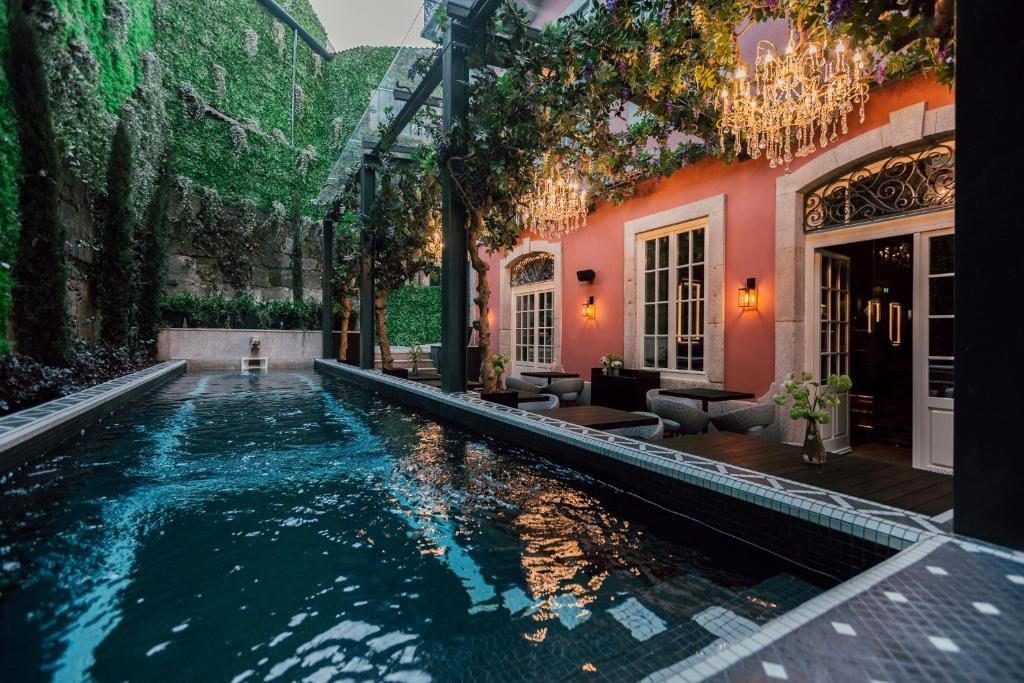
Natural flow from indoor to outdoor terrace overlooking the Douro, inviting leisurely dining with honest, territory-inspired flavors.