Where Mallorcan Produce Sets the Agenda The approach to dining in Alcudia is shaped less by culinary ambition in the abstract and more by what the island actually grows and catches. Mallorca sits at the intersection of a productive agricultural interior, the Serra de Tramuntana's mountain-fed springs, and a coastline that supplies some of the western Mediterranean's more consistent fish and shellfish. Restaurants along Carrer del Camí Reial al Moll, the axis that connects the old walled town to the port, reflect that geography directly. The produce here does not travel far before it reaches the table, and that short supply chain is the defining feature of the local dining register, not decoration around it. For context: Spain's most celebrated restaurants, from El Celler de Can Roca in Girona to Arzak in San Sebastián, have spent decades building tasting-menu formats around produce narratives. Alcudia's à la carte offer operates at a different scale and with different intentions, but the underlying logic is the same: the sourcing decision comes before the cooking decision. What changes at the à la carte level is that the reader, not the kitchen, determines the sequence and the emphasis. The Physical Setting: Port Town, Old Walls, Market Rhythms Arriving at the Alcudia waterfront in the late morning, the rhythm of the town is already partly agricultural. The weekly markets in Alcudia and neighbouring Pollença draw producers from across the island's interior, and those same producers supply the restaurants that open for lunch along the port road. The Tramuntana's olive groves contribute oil that functions differently from the blended oils used in higher-volume coastal dining elsewhere. Mallorcan almonds, capers from the southern municipalities, and the island's own variety of black pig, the porc negre, appear across menus in ways that signal provenance rather than trend. The address on Carrer del Camí Reial al Moll places the dining experience in a transitional zone: close enough to the medieval walls to absorb the town's historical density, open enough toward the bay to catch the afternoon light off the water. That physical specificity matters for the à la carte format, which depends on a relaxed pace that tasting-menu kitchens deliberately resist. The assumption here is that you will linger, order in stages, and let the meal expand or contract according to the day. Ingredient Sourcing and the Balearic Food Chain Mallorca's food supply has a distinctive structure. Unlike mainland Spanish regions where large wholesale networks dominate even mid-market restaurants, the island's smaller scale supports a more direct relationship between producer and kitchen. The porc negre, raised on a diet of figs and local cereals, is a protected product under Balearic regional designation, and its presence on a menu is a traceable claim rather than a marketing shorthand. Sobrassada, the island's cured paprika-spiced sausage, similarly operates within a controlled origin framework that distinguishes Mallorcan production from imitations sold elsewhere in Spain. Fish sourcing along the northern coast follows the catch schedules of the Pollença and Alcudia fishing fleets. Red mullet, squid, and the island's prized sea bass tend to appear on menus in the hours after the morning offload, which is why lunch at this latitude is often the more reliable meal for seafood. Spain's restaurant culture more broadly, from Aponiente in El Puerto de Santa María to Ricard Camarena in València, has pushed marine ingredient sourcing toward scientific precision in recent years. Alcudia's approach is more traditional and less self-conscious about it, which is not a limitation so much as a different value system. The Balearic vegetable calendar also shapes what an à la carte menu in this part of the island can offer at different points in the year. Tomàtiga de Ramellet, the island's long-keeping rope tomato, is a summer and autumn fixture. Winter menus lean toward dried pulses, root vegetables, and the island's wild mushroom harvest from the Tramuntana. Visitors arriving between May and October will find a different range of produce than those who come in the shoulder months, and the menu responds accordingly. This seasonal calibration is not enforced from above by a chef's philosophy but built into the supply chain itself. À la Carte as a Format: What It Signals In Spain's current fine-dining conversation, the à la carte format carries a particular significance. The country's most decorated restaurants, including Azurmendi in Larrabetzu, Mugaritz in Errenteria, DiverXO in Madrid, and Cocina Hermanos Torres in Barcelona, have moved almost entirely to fixed tasting formats, which optimise for kitchen control and ingredient utilisation at the cost of diner autonomy. The à la carte model, by contrast, redistributes agency to the table. You determine the weight of the meal, the balance between land and sea, and whether you eat three courses or six. That flexibility is not without tradeoffs. In a tasting format, the kitchen can guarantee that every component is served at the right moment and in the right sequence. À la carte kitchens manage multiple sequences simultaneously, which places different demands on the brigade. At the mid-market level where most of Alcudia's restaurant offer sits, this translates into menus that are edited rather than exhaustive: a focused selection of local proteins, two or three vegetable preparations, and a dessert range that skews toward the island's almond and citrus traditions rather than the pastry laboratory approach of Spain's avant-garde. Visitors familiar with the tasting-menu circuit, from Martin Berasategui in Lasarte-Oria to Quique Dacosta in Dénia, will find the register in Alcudia deliberately lower-key. That is the point. The island's à la carte offer functions as a counterweight to the structured ambition of Spain's tasting-menu culture, prioritising ingredients the region actually produces over technique applied to ingredients sourced from anywhere. Planning Your Visit Alcudia's restaurant season concentrates heavily between April and October, with peak demand in July and August when the town's population swells with visitors from across northern Europe. Lunch service along the port road tends to run from roughly 1pm to 3:30pm, consistent with the broader Spanish mainland rhythm, though some kitchens extend into the afternoon during high season. Evening dining begins later than visitors from northern Europe typically expect, with tables rarely filling before 8:30pm and kitchens accepting orders until 10pm or later in summer. The old town market runs on Tuesday and Sunday mornings, and timing a visit around market day gives useful context for what will be freshest in the restaurants that afternoon. For broader planning context across the island's dining options and how Alcudia's offer fits within Mallorca's food geography, our full Alcudia restaurants guide maps the scene across price tiers and neighbourhood contexts. Frequently Asked Questions Is À la carte restaurants a family-friendly restaurant?Alcudia's à la carte restaurants generally accommodate families comfortably, which reflects both the format and the city's character as a destination that draws multi-generational groups throughout the summer season. The à la carte structure means children can order selectively without the fixed-sequence commitment of a tasting menu, and price points across the port area vary enough to suit different budgets.What's the vibe at À la carte restaurants?The tone along Alcudia's port dining strip is unhurried rather than formal. Alcudia sits outside the self-conscious creative-dining circuit represented by Spain's award-decorated city restaurants, which means the atmosphere is defined by the pace of a Mediterranean lunch or long summer evening rather than the orchestrated tension of a tasting-menu experience. There are no dress codes in the conventional sense, and the expectation is that the meal will expand to fill whatever time you give it.What's the leading thing to order at À la carte restaurants?What the island's sourcing patterns suggest, however, is that any menu featuring Mallorcan porc negre or the morning's fish catch from the Pollença or Alcudia fleet is drawing on ingredients with genuine regional provenance. In a restaurant without a named tasting-menu format or the kind of chef credentials attached to destinations like Casa Marcial in Arriondas or Noor in Córdoba, the most reliable ordering strategy is to follow what the kitchen lists as coming from the island rather than imported.How does dining in Alcudia compare to other northern Mallorca towns for locally sourced produce?Alcudia's position between the Bay of Pollença and the agricultural municipalities of the island's interior gives it access to a broader producer base than smaller coastal villages. The town's markets act as a direct channel between Tramuntana farmers and local kitchens, which means the produce supply is more varied than in resort-only areas further along the coast. Neighbouring Pollença also has a strong market-to-table tradition, and the two towns together represent the most coherent locally sourced dining zone in northern Mallorca.
Pearl is the En Primeur Club membership app — saves, bookings, and concierge access live there. Same editors, same standards.
- Address
- Carrer del Camí Reial Al Moll, 2, 07400 Alcúdia, Illes Balears, Spain
- Directions
- Get directions
 Saves & bookings on Pearl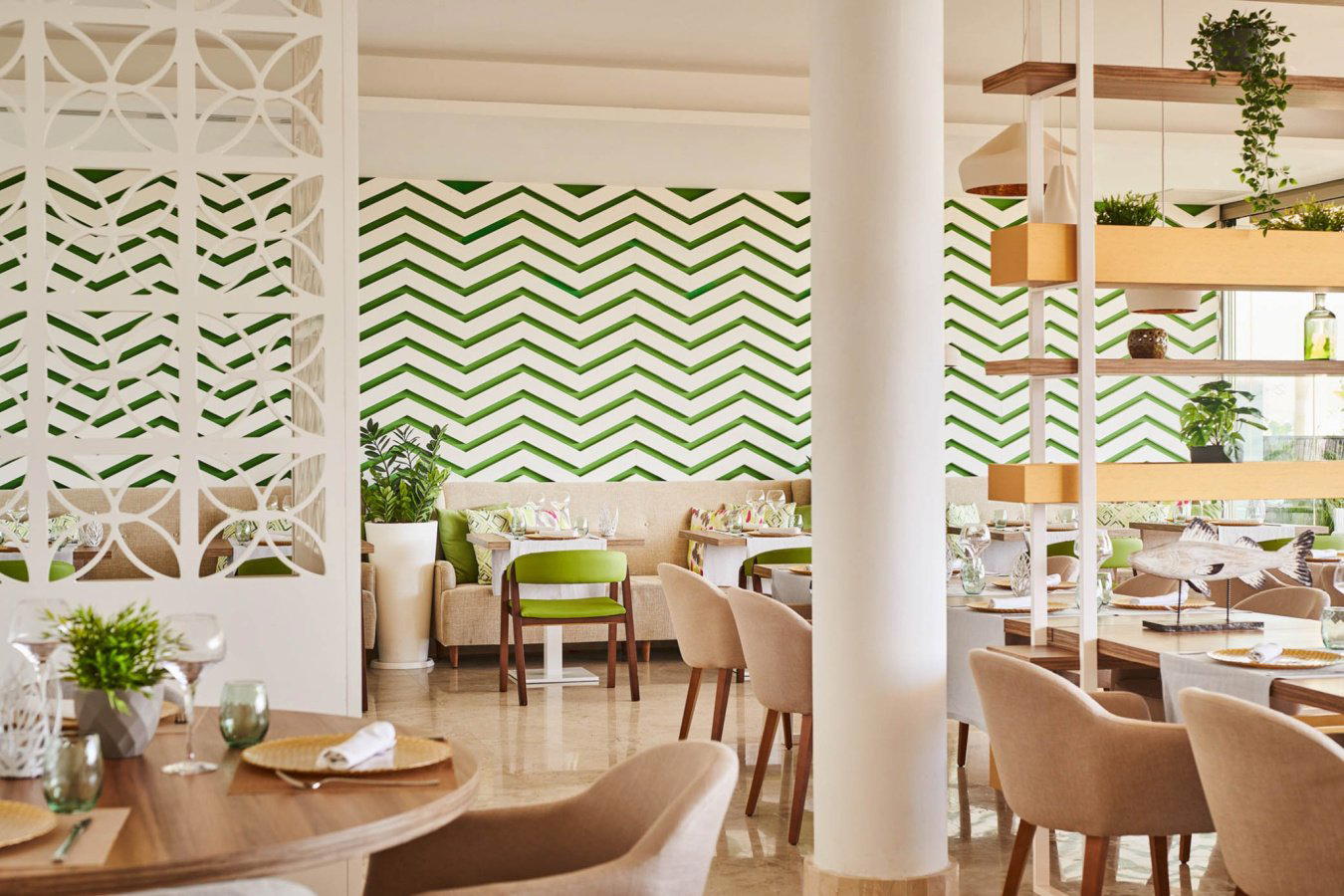
Where Mallorcan Produce Sets the Agenda
The approach to dining in Alcudia is shaped less by culinary ambition in the abstract and more by what the island actually grows and catches. Mallorca sits at the intersection of a productive agricultural interior, the Serra de Tramuntana's mountain-fed springs, and a coastline that supplies some of the western Mediterranean's more consistent fish and shellfish. Restaurants along Carrer del Camí Reial al Moll, the axis that connects the old walled town to the port, reflect that geography directly. The produce here does not travel far before it reaches the table, and that short supply chain is the defining feature of the local dining register, not decoration around it.
For context: Spain's most celebrated restaurants, from El Celler de Can Roca in Girona to Arzak in San Sebastián, have spent decades building tasting-menu formats around produce narratives. Alcudia's à la carte offer operates at a different scale and with different intentions, but the underlying logic is the same: the sourcing decision comes before the cooking decision. What changes at the à la carte level is that the reader, not the kitchen, determines the sequence and the emphasis.
The Physical Setting: Port Town, Old Walls, Market Rhythms
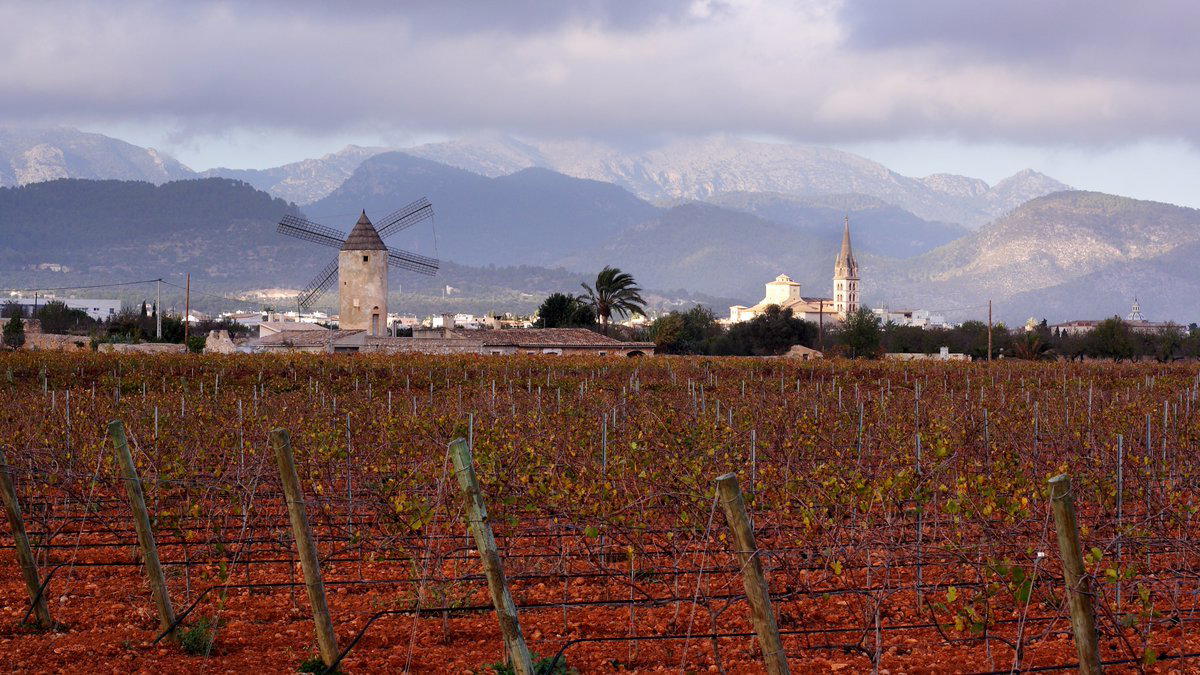
Arriving at the Alcudia waterfront in the late morning, the rhythm of the town is already partly agricultural. The weekly markets in Alcudia and neighbouring Pollença draw producers from across the island's interior, and those same producers supply the restaurants that open for lunch along the port road. The Tramuntana's olive groves contribute oil that functions differently from the blended oils used in higher-volume coastal dining elsewhere. Mallorcan almonds, capers from the southern municipalities, and the island's own variety of black pig, the porc negre, appear across menus in ways that signal provenance rather than trend.
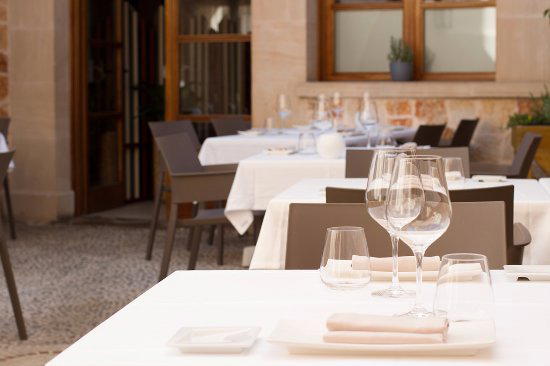
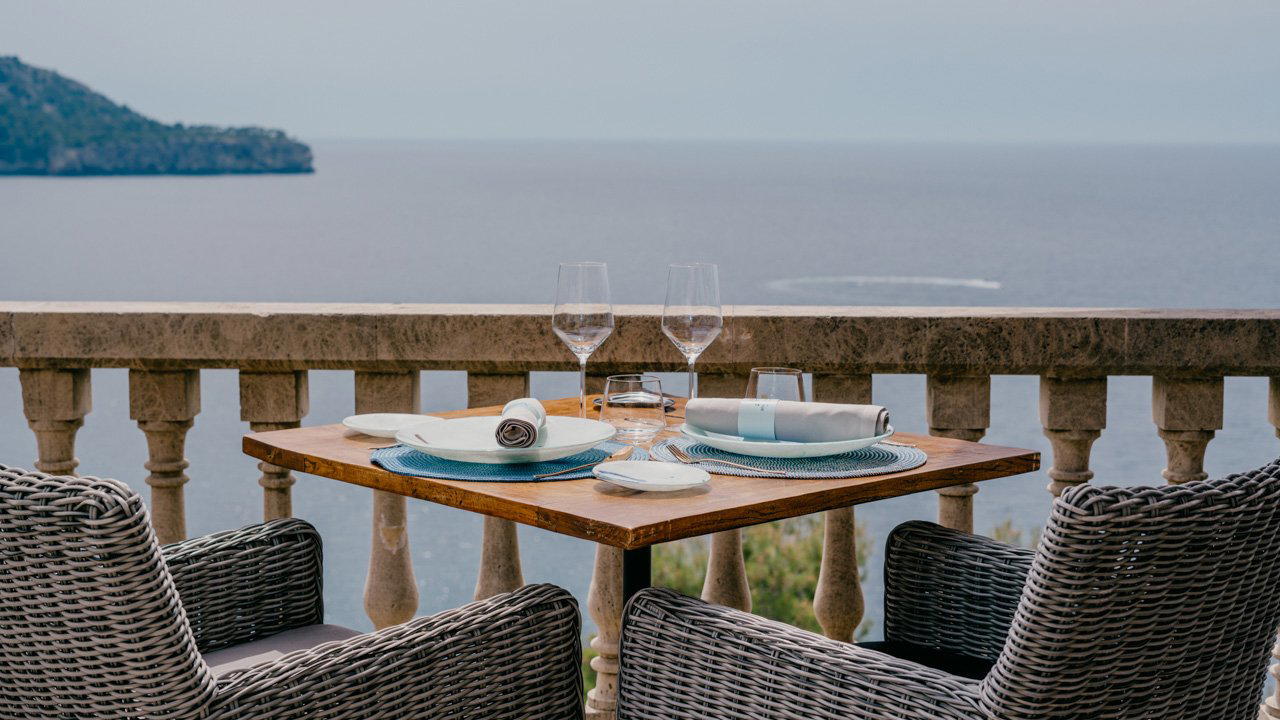
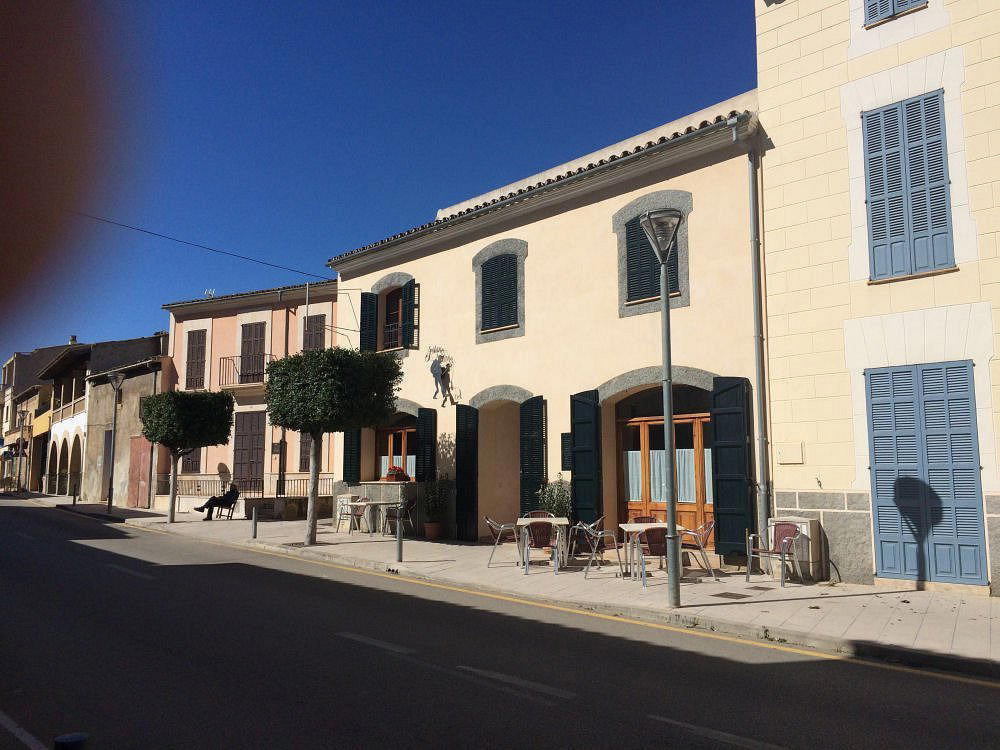
The address on Carrer del Camí Reial al Moll places the dining experience in a transitional zone: close enough to the medieval walls to absorb the town's historical density, open enough toward the bay to catch the afternoon light off the water. That physical specificity matters for the à la carte format, which depends on a relaxed pace that tasting-menu kitchens deliberately resist. The assumption here is that you will linger, order in stages, and let the meal expand or contract according to the day.
Ingredient Sourcing and the Balearic Food Chain
Mallorca's food supply has a distinctive structure. Unlike mainland Spanish regions where large wholesale networks dominate even mid-market restaurants, the island's smaller scale supports a more direct relationship between producer and kitchen. The porc negre, raised on a diet of figs and local cereals, is a protected product under Balearic regional designation, and its presence on a menu is a traceable claim rather than a marketing shorthand. Sobrassada, the island's cured paprika-spiced sausage, similarly operates within a controlled origin framework that distinguishes Mallorcan production from imitations sold elsewhere in Spain.
Fish sourcing along the northern coast follows the catch schedules of the Pollença and Alcudia fishing fleets. Red mullet, squid, and the island's prized sea bass tend to appear on menus in the hours after the morning offload, which is why lunch at this latitude is often the more reliable meal for seafood. Spain's restaurant culture more broadly, from Aponiente in El Puerto de Santa María to Ricard Camarena in València, has pushed marine ingredient sourcing toward scientific precision in recent years. Alcudia's approach is more traditional and less self-conscious about it, which is not a limitation so much as a different value system.
The Balearic vegetable calendar also shapes what an à la carte menu in this part of the island can offer at different points in the year. Tomàtiga de Ramellet, the island's long-keeping rope tomato, is a summer and autumn fixture. Winter menus lean toward dried pulses, root vegetables, and the island's wild mushroom harvest from the Tramuntana. Visitors arriving between May and October will find a different range of produce than those who come in the shoulder months, and the menu responds accordingly. This seasonal calibration is not enforced from above by a chef's philosophy but built into the supply chain itself.
À la Carte as a Format: What It Signals
In Spain's current fine-dining conversation, the à la carte format carries a particular significance. The country's most decorated restaurants, including Azurmendi in Larrabetzu, Mugaritz in Errenteria, DiverXO in Madrid, and Cocina Hermanos Torres in Barcelona, have moved almost entirely to fixed tasting formats, which optimise for kitchen control and ingredient utilisation at the cost of diner autonomy. The à la carte model, by contrast, redistributes agency to the table. You determine the weight of the meal, the balance between land and sea, and whether you eat three courses or six.
That flexibility is not without tradeoffs. In a tasting format, the kitchen can guarantee that every component is served at the right moment and in the right sequence. À la carte kitchens manage multiple sequences simultaneously, which places different demands on the brigade. At the mid-market level where most of Alcudia's restaurant offer sits, this translates into menus that are edited rather than exhaustive: a focused selection of local proteins, two or three vegetable preparations, and a dessert range that skews toward the island's almond and citrus traditions rather than the pastry laboratory approach of Spain's avant-garde.
Visitors familiar with the tasting-menu circuit, from Martin Berasategui in Lasarte-Oria to Quique Dacosta in Dénia, will find the register in Alcudia deliberately lower-key. That is the point. The island's à la carte offer functions as a counterweight to the structured ambition of Spain's tasting-menu culture, prioritising ingredients the region actually produces over technique applied to ingredients sourced from anywhere.
Planning Your Visit
Alcudia's restaurant season concentrates heavily between April and October, with peak demand in July and August when the town's population swells with visitors from across northern Europe. Lunch service along the port road tends to run from roughly 1pm to 3:30pm, consistent with the broader Spanish mainland rhythm, though some kitchens extend into the afternoon during high season. Evening dining begins later than visitors from northern Europe typically expect, with tables rarely filling before 8:30pm and kitchens accepting orders until 10pm or later in summer.
The old town market runs on Tuesday and Sunday mornings, and timing a visit around market day gives useful context for what will be freshest in the restaurants that afternoon. For broader planning context across the island's dining options and how Alcudia's offer fits within Mallorca's food geography, our full Alcudia restaurants guide maps the scene across price tiers and neighbourhood contexts.
Continue exploring
More in Alcudia
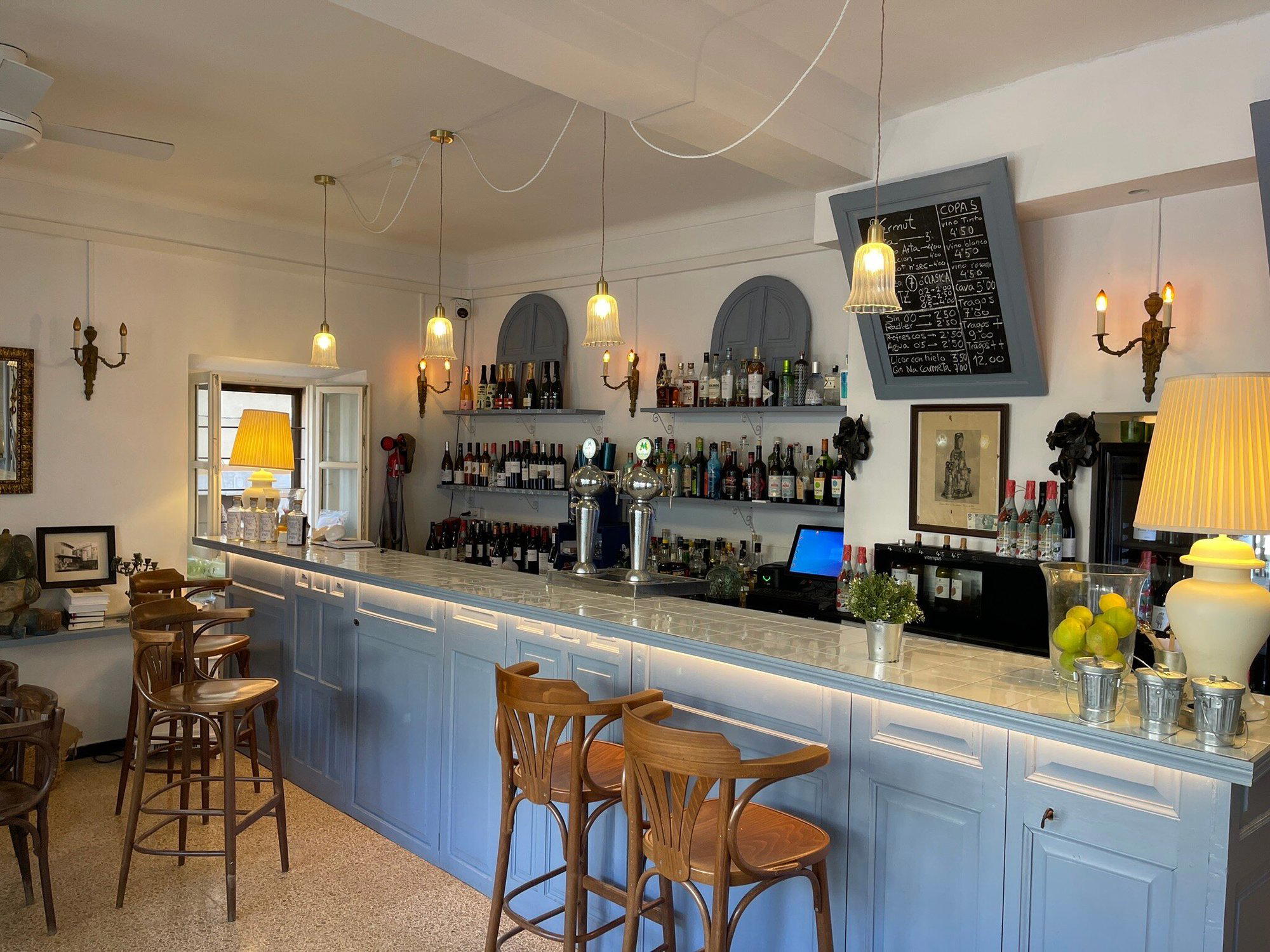
Restaurants in Alcudia
Browse all →
Bars in Alcudia
Browse all →
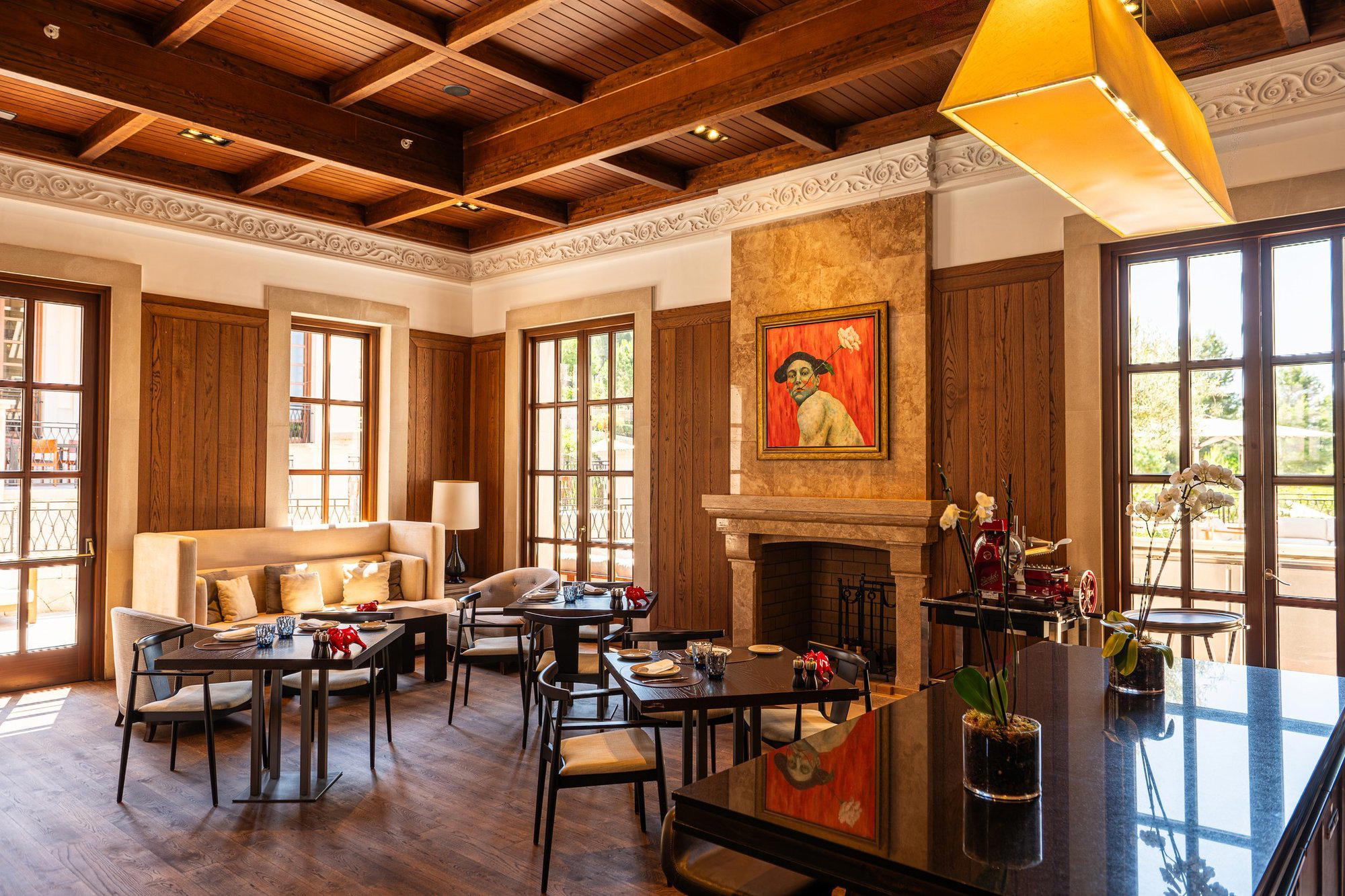
Hotels in Alcudia
Browse all →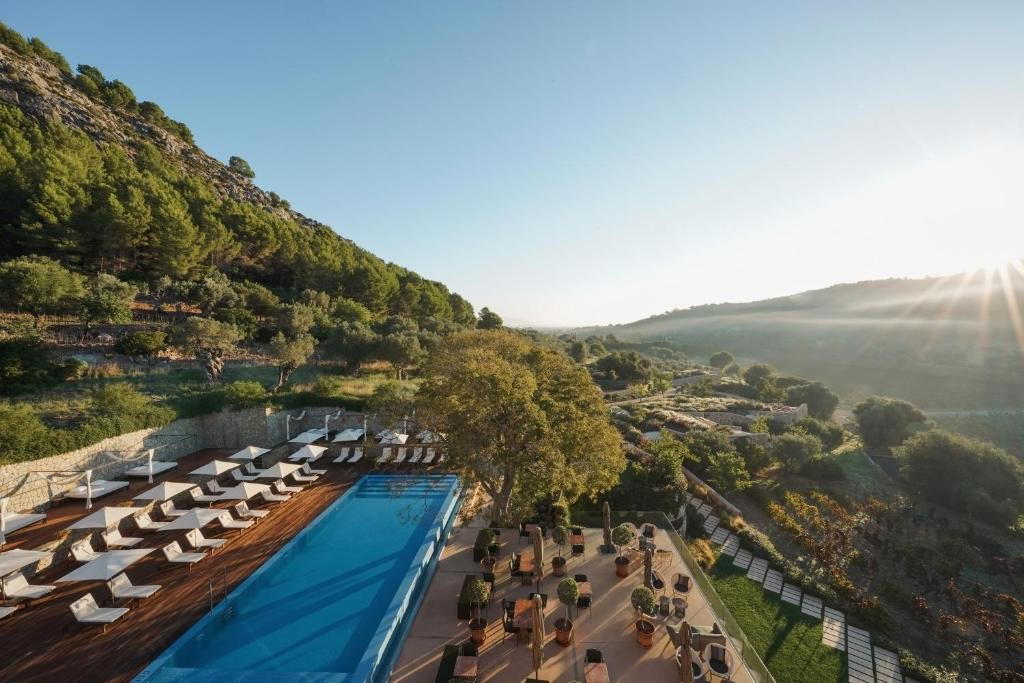
At a Glance
- Classic
- Rustic
- Family
- Casual Hangout
- Historic Building
- Local Sourcing
Know Before You Go
- Getting there
- Carrer del Camí Reial Al Moll, 2, 07400 Alcúdia, Illes Balears, Spain