808 Grinds
Our verdict
808 Grinds brings Hawaiian plate lunch culture to the southwest Beaverton corridor, operating out of a new location on SW Barnes Road. The format follows the tradition of generous, starch-forward plates rooted in Hawaii's plantation-era food history. For the Portland metro's growing appetite for Pacific Islander cooking, it fills a specific and underserved niche.

Pearl is the En Primeur Club membership app — saves, bookings, and concierge access live there. Same editors, same standards.
- Address
- Beaverton, United States
- Directions
- Get directions
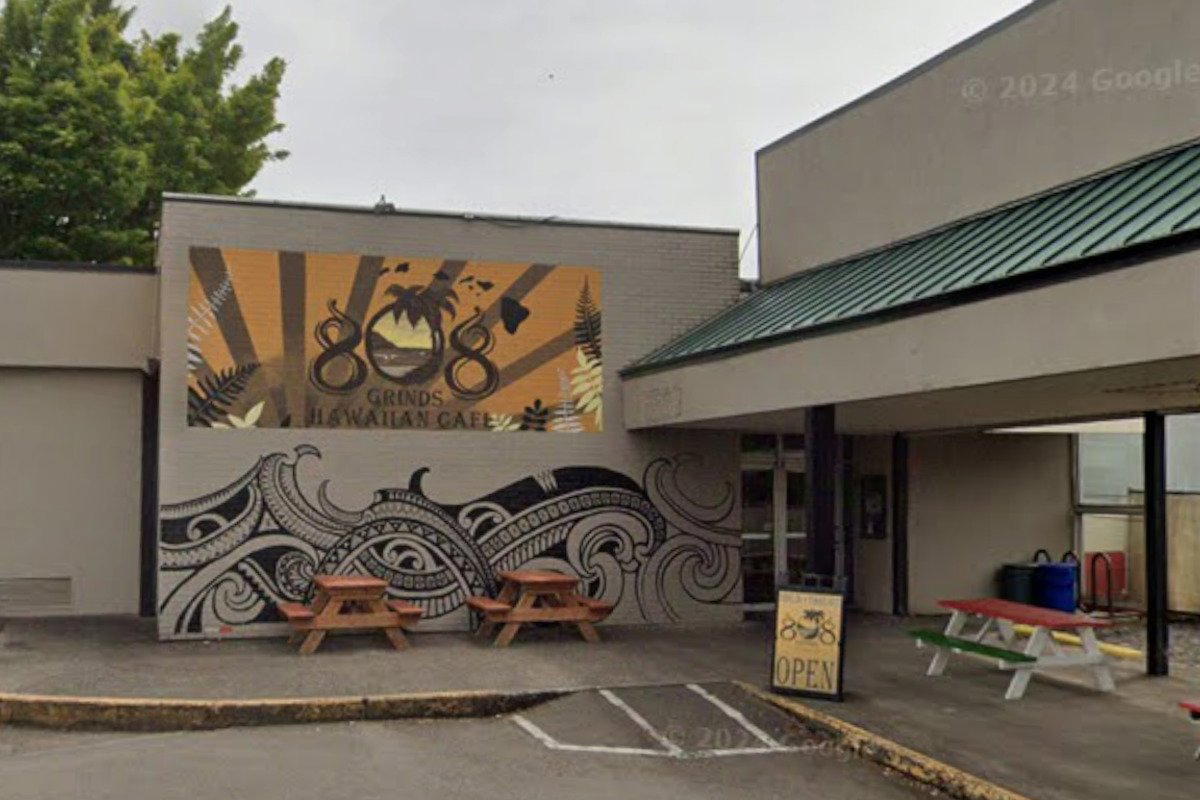
Plate Lunch Culture on the West Side
Hawaiian plate lunch is one of the more misunderstood food traditions in the continental United States. Its origins are practical rather than celebratory: the format emerged from Hawaii's plantation era, when workers from Japan, Korea, the Philippines, Portugal, and China needed high-calorie, portable meals that could be assembled quickly and eaten in the field. The result was a hybrid logic that defies any single ethnic category. Two scoops of white rice, a scoop of macaroni salad, and a protein chosen from a rotating list became the grammar of an entire regional cuisine. 808 Grinds, operating from its new SW Barnes Road location in Beaverton, works squarely within that tradition.
Beaverton's dining corridor has expanded considerably over the past decade, with the city's diverse population driving demand for cooking that reflects Pacific Rim and Latin American food cultures alongside the Pacific Northwest's more familiar farm-to-table register. Places like Boriken Restaurant and Hapa Pizza point to how the city has absorbed immigrant food cultures into its everyday dining fabric. Hawaiian cooking, specifically the plate lunch format, occupies a different position: it is simultaneously comfort food and a form of culinary record-keeping, encoding the demographic history of the islands in every styrofoam container.
Where the Food Comes From, and Why That Matters
The ingredient logic of Hawaiian plate lunch is inseparable from the islands' geography and agricultural history. Kalua pig, for instance, traditionally cooked in an underground imu oven using kiawe wood and ti leaves, draws on specific materials that define its flavor profile. On the mainland, approximations of that process vary considerably. Some operators use liquid smoke and pork shoulder in a slow cooker; others invest in closer approximations of the smoking and steaming method. The distance between those approaches is the distance between a dish that gestures at the tradition and one that actually participates in it.
Macaroni salad in the Hawaiian plate lunch context is not an afterthought. It arrived with Portuguese and American influences and was adapted over generations into a dish with a specific texture and dressing ratio that differs from mainland deli macaroni salad. The rice component, almost invariably short-grain Japanese-style white rice, reflects the lasting influence of Hawaii's Japanese plantation workers and carries a different starch profile than long-grain alternatives. These distinctions matter to anyone who grew up with the format and can immediately tell the difference.
For context on what ingredient fidelity looks like at the far end of the spectrum, Helena Hawaiian Foods in Honolulu represents a benchmark that mainland operators reference but rarely match. The comparison is useful not as a criticism but as a calibration: mainland Hawaiian restaurants operate under different supply constraints, and honest assessment requires acknowledging that gap rather than pretending it does not exist.
The Southwest Beaverton Corridor
The SW Barnes Road address places 808 Grinds in a stretch of Beaverton that functions as a practical rather than destination dining zone: strip mall anchors, proximity to residential neighborhoods, and a customer base that skews toward regulars rather than visitors seeking out a scene. That context is not a limitation; it is the correct environment for plate lunch culture, which has never been a white-tablecloth proposition and loses something when it tries to be.
The comparison to Ono Hawaiian Plates in Minneapolis is instructive. Hawaiian food operations outside the islands tend to serve dual purposes: they feed transplants from Hawaii who need access to the flavors they grew up with, and they introduce the format to a broader audience who may have encountered it through travel. Both functions require a certain fidelity to the source material, but they do not require the kind of refinement that characterizes, say, the tasting menu format at Single Thread Farm in Healdsburg or the sourcing rigor at Blue Hill at Stone Barns in Tarrytown. The standard is internal to the tradition, not borrowed from fine dining.
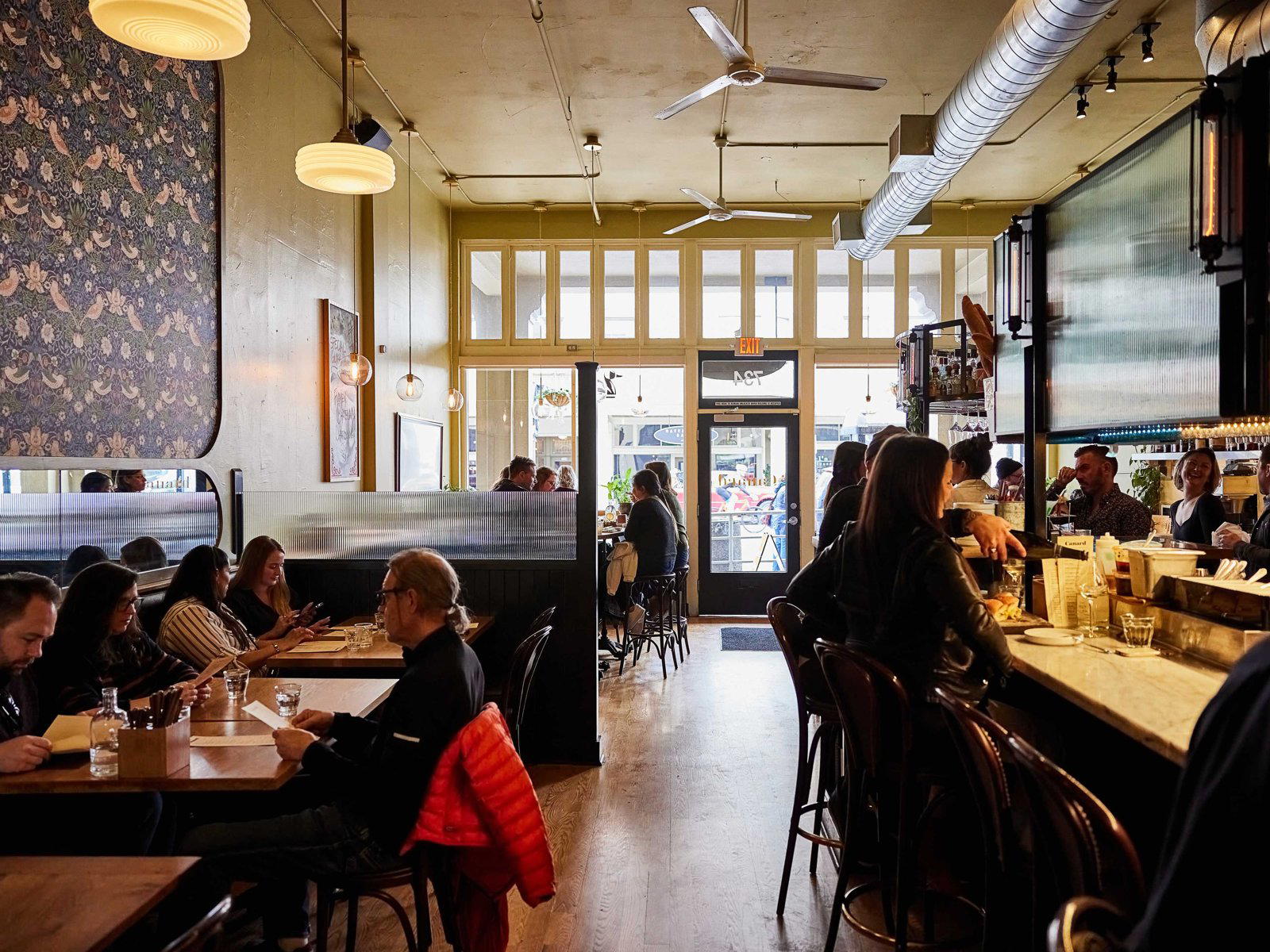
Beaverton's broader dining scene offers points of contrast. Canard Beaverton operates in a different register entirely, wine-bar adjacent and snack-focused in a way that reflects Portland's natural wine moment. Mingo and ClockWork Rose Tea Emporium point to the city's range. Hawaiian plate lunch does not compete with any of these; it occupies a category that does not have many other practitioners in the area, which is its primary strategic position. See our full Beaverton restaurants guide for broader context on how the city's food options are distributed across cuisine types and price tiers.
Planning Your Visit
The plate lunch format is built for speed rather than lingering: ordering is typically counter-based, the food arrives fast, and the room turns quickly. That means the experience rewards a clear sense of what you want before you arrive. For anyone unfamiliar with Hawaiian plate lunch, the protein choice is the primary decision; the rice and macaroni salad are effectively fixed accompaniments. Given the location on SW Barnes Road, street parking is the expected access mode, and the surrounding strip context means the visit is practical rather than atmospheric by design. Phone and hours details were not available at the time of writing; checking ahead before a first visit is advisable, particularly given that this is described as a new location, which may still be settling into its operating rhythm.
For reference on what the broader American dining conversation looks like at the premium end of sourcing-focused restaurants, operations like Providence in Los Angeles, Addison in San Diego, and Le Bernardin in New York City represent a different tier and a different conversation entirely. The point is not comparison but category-setting: 808 Grinds exists in a food tradition that measures itself against different criteria, and it should be engaged on those terms.
Frequently asked questions
Is 808 Grinds (new location at 10970 SW Barnes Road) okay with children?
The plate lunch format at 808 Grinds is well suited to families with children. Counter-service ordering, fast food delivery, and straightforward Hawaiian staples like rice and kalua pig make the experience low-pressure for younger diners. The SW Barnes Road Beaverton location sits in a practical strip-mall corridor rather than a formal dining setting, which keeps the atmosphere relaxed.
What kind of setting is 808 Grinds (new location at 10970 SW Barnes Road)?
808 Grinds operates as a counter-service plate lunch spot on SW Barnes Road in Beaverton, set within a functional strip-mall stretch of the southwest corridor. The room is built for efficiency rather than lingering: ordering happens at the counter, food arrives quickly, and the format prioritizes throughput over atmosphere. It matches the working-lunch tradition that defines Hawaiian plate lunch culture on the mainland.
Does 808 Grinds on SW Barnes Road serve authentic Hawaiian plate lunch, and how does it differ from general Hawaiian-American food?
808 Grinds specializes in Hawaiian plate lunch, a specific format distinct from broader Hawaiian-American restaurant cuisine: the meal centers on a chosen protein, two scoops of white rice, and macaroni salad, assembled to order at a counter. The tradition traces to plantation labor camps in Hawaii, where the format emerged from a mix of Japanese, Filipino, Portuguese, and Native Hawaiian food practices. In Beaverton, that makes 808 Grinds one of a small number of spots replicating the structural logic of an island lunch counter rather than a sit-down Hawaiian-themed menu.
What should I eat at 808 Grinds (new location at 10970 SW Barnes Road)?
808 Grinds serves Hawaiian plate lunch, a tradition built around proteins like kalua pig alongside rice and macaroni salad as standard sides. The format is rooted in the islands' plantation-era food culture, where high-calorie, practical meals were assembled quickly for field workers. Ordering follows the classic plate lunch structure, so arriving with a protein choice in mind moves the line along.
Do they take walk-ins at 808 Grinds (new location at 10970 SW Barnes Road)?
Counter-service plate lunch venues like 808 Grinds in Beaverton are built around walk-in traffic by design. There are no reservation structures typical of this format: you order at the counter and receive your food quickly. Peak lunch hours in a strip-mall corridor like SW Barnes Road can create lines, so arriving slightly before or after the midday rush is practical.
What do critics highlight about 808 Grinds (new location at 10970 SW Barnes Road)?
808 Grinds has drawn attention primarily as one of the few dedicated Hawaiian plate lunch counters operating in the Beaverton area, filling a gap in a west-side dining scene that skews toward chain casual and pan-Asian formats. No formal award citations or named critical reviews are documented for this location. Its reputation is community-driven, built among Portland-area Hawaiian diaspora and those familiar with the plate lunch tradition.
Comparable Venues
Comparable venues nearby, for context on price, style, and recognition.
| Venue | Cuisine | Price | Notes |
|---|---|---|---|
| 808 GrindsThis venue — the venue you are viewing | Authentic Hawaiian | $10–20 | Not listed |
| Stockpot Broiler | New American Steakhouse | $30–50 | Scholls Ferry Rd |
| Top Burmese Bistro Royale | Authentic Burmese | Not listed | Beaverton |
| Canard Beaverton | Neo-French Gastropub | $30–50 | Beaverton |
| Oswego Grill - Beaverton | Wood-Fired Grill Steakhouse & Seafood | $30–50 | Cedar Hills |
| Boriken Restaurant | Authentic Puerto Rican | Not listed | Southwest Beaverton |
Continue exploring
More in Beaverton
Restaurants in Beaverton
Browse all →
Bars in Beaverton
Browse all →
Hotels in Beaverton
Browse all →
Details
- Casual
- Cozy
- Casual Hangout
- Family
- Group Dining
- A La Carte
Casual and welcoming with a focus on spreading aloha through comforting Hawaiian comfort food.