
Star Wine List
Our verdict
At the foot of Butte Montmartre in Paris's 9th arrondissement, 228 Litres is a young, relaxed address opened by Pierre Renauld, formerly of Vantre, at age 26. The restaurant sits in a neighbourhood increasingly defined by owner-operated bistros that prioritise produce and informality over ceremony, making it a reference point for a generation of Paris dining that trades grand decor for direct, ingredient-led cooking.

Pearl is the En Primeur Club membership app — saves, bookings, and concierge access live there. Same editors, same standards.
- Address
- 3 Rue Victor Massé, 75009 Paris, France
- Phone
- +33 1 71 60 51 57
- Hours
- Mon ClosedTue–Sat 6:30 PM–12 AMSun Closed
- Website
- 228litres.fr
- Directions
- Get directions
- Booking
- Book on Zenchef
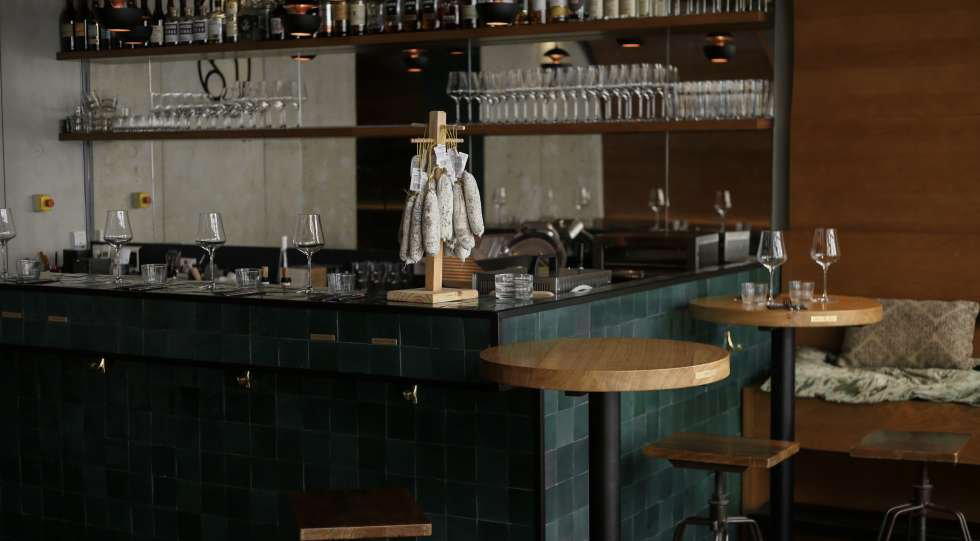
The 9th Arrondissement and the Case for Informal Precision
Rue Victor Massé sits at the southern edge of Butte Montmartre, in a stretch of the 9th arrondissement that has quietly accumulated some of the most interesting owner-operated restaurants in Paris over the past decade. This is not the Paris of palace dining rooms or prestige postcodes. The buildings are Haussmann-era but the energy is neighbourhood: zinc-topped bars, a few record shops, late-evening foot traffic from the nearby concert halls. It is the kind of street where a 26-year-old chef can open a restaurant and have it taken seriously on the strength of the cooking alone, without the scaffolding of a hotel group or a famous name above the door. For a broader map of where this address fits within the city's dining options, see our full Paris restaurants guide.
228 Litres occupies this context deliberately. The name gestures at volume — at liquid, at the kind of sensory specificity that suggests a kitchen thinking carefully about what goes into a glass and onto a plate. The restaurant is described as young, dynamic and relaxed, which in the language of contemporary Paris dining means something precise: no tablecloths enforcing formality, no tasting menu architecture requiring three hours of your evening, but a cooking sensibility that expects you to pay attention.
Pierre Renauld, Vantre, and the Lineage That Matters Here
Paris's most interesting bistro generation tends to move through a recognisable set of kitchens before opening independently. The address that shaped Pierre Renauld before 228 Litres is Vantre, a natural-wine-oriented, produce-focused restaurant in the 11th arrondissement that built a reputation for sharp sourcing and a menu that changed frequently in response to what was available. That lineage matters because it signals an approach to ingredient sourcing that goes beyond supplier relationships and into kitchen philosophy: the assumption that the produce is the argument, and the cook's job is to present it without obscuring it.
Opening at 26 is not unusual in this cohort. Several of the most-discussed young addresses in Paris in recent years have been opened by chefs in their mid-twenties who trained through smaller, more rigorous kitchens rather than ascending the hierarchy of three-star houses. The point is not the chef's age but what the career trajectory implies about priorities: informality, directness, and a menu logic driven by sourcing rather than by classical structure. This places 228 Litres in a different conversation from the grand €€€€ tables at the top of the Paris market — venues like Alléno Paris au Pavillon Ledoyen, Arpège, Le Cinq at the Four Seasons George V, or Kei, and also from the classic houses like L'Ambroisie, where the formal tradition is precisely the point.
What the Ingredient-Led Approach Means in Practice
The Vantre influence points toward a kitchen where the menu is built around what the market offers rather than around a fixed set of preparations. In this model, the sourcing conversation happens upstream of the menu planning, and the dishes that reach the table are responses to specific produce at a specific moment. This is a structurally different approach from the kind of menu that a chef writes in January and executes for six months. It creates a more volatile experience in the sense that dishes are less predictable from visit to visit, but it also means that what arrives on the plate reflects genuine seasonality rather than a seasonal theme.
France has a strong foundation for this kind of cooking. The network of small-scale producers, market gardeners, and specialist suppliers that feeds Paris's leading bistros is one of the most developed in Europe, and the 9th arrondissement's proximity to the wholesale markets and to a dense cluster of independently minded wine importers means that a restaurant like 228 Litres has access to the same ingredient sources as places charging three times the price. The constraint is not access but editing: choosing which produce to use and in what form. That editorial function is where a young chef's palate and training get tested most directly.
For a sense of what this sourcing-first approach looks like at the other end of the ambition spectrum in France, the comparison is instructive: Bras in Laguiole built its identity on the flora of the Aubrac plateau; Flocons de Sel in Megève anchors its menu in Alpine terroir; Mirazur in Menton runs its own kitchen garden. These are very different operations in scale and formality, but they share the foundational logic that the ingredient defines the dish, not the other way around. 228 Litres applies that logic at the neighbourhood bistro level, which is arguably where it has the most democratic relevance.
Planning a Visit
The address is 3 Rue Victor Massé in the 9th arrondissement, reachable from Pigalle metro on lines 2 and 12, a short walk from the foot of Montmartre. The restaurant's stated character, young, dynamic, relaxed, suggests an evening format that fits comfortably into the neighbourhood's rhythm of pre-concert dinners and late weeknight tables. Booking ahead is advisable for the same reason that most similarly sized and similarly positioned Paris bistros require it: tables at this scale and price level fill through repeat local custom as much as through visitor traffic, and weekends book earliest. Phone and website details were not available at time of publication; the most reliable approach is to search current booking platforms for real-time availability.
For other dimensions of a Paris visit, our full Paris hotels guide, our full Paris bars guide, and our full Paris experiences guide cover the broader picture. If wine is a particular interest, our full Paris wineries guide is worth consulting alongside any restaurant research.
Beyond France, the produce-first bistro model has international parallels: Le Bernardin in New York City applies the same sourcing rigour at a very different price point and formality level, while Troisgros - Le Bois sans Feuilles and Auberge de l'Ill represent the older French tradition from which addresses like 228 Litres quietly diverge while retaining the underlying respect for produce quality. Paul Bocuse - L'Auberge du Pont de Collonges and Emeril's in New Orleans offer further reference points for how chef-led restaurants build identity over time through sourcing and regional specificity.
Frequently asked questions
Is 228 Litres better for a quiet night or a lively one?
228 Litres pitches itself as young, dynamic, and relaxed rather than hushed or ceremonial. The room on Rue Victor Massé sits in a stretch of the 9th arrondissement that draws a sociable local crowd, so expect a convivial energy on most evenings rather than a contemplative dining room.
Has 228 Litres won any awards?
228 Litres has received recognition including: At the foot of the Butte Montmartre (Paris 9th arrondissement), Pierre Renauld (ex-Vantre) at only 26 years old decides to open a restaurant. 228 Litres is young, dynamic and relaxed. Feel free to get....
What should I order at 228 Litres?
The kitchen, shaped by Pierre Renauld's time at Vantre, builds its menu around market availability rather than fixed signatures. Your best approach is to follow what the server singles out that week — that is the point of the format, and resisting it works against the whole logic of the place.
How do I find 228 Litres?
228 Litres is located at 3 Rue Victor Massé, 75009 Paris, France, Paris.
What's the signature at 228 Litres?
The name itself is the clearest signal: 228 litres is the volume of a standard Burgundy barrel, which frames the restaurant's orientation toward wine as a co-equal part of the meal rather than an afterthought. Renauld's Vantre background reinforces a kitchen that treats produce selection as the defining act, so the signature shifts with the season.
Side-by-Side Snapshot
Comparable venues nearby, for context on price, style, and recognition.
| Venue | Cuisine | Price | Awards | Notes |
|---|---|---|---|---|
| 228 LitresThis venue — the venue you are viewing | Seasonal French Wine Bar Bistro | $30–50 | Star Wine List | Not listed |
| Le Dit Vin | Traditional French Wine Bar | Not listed | Not listed | South Pigalle |
| Canard et Champagne | Classic French Duck & Champagne Bistro | $30–50 | Not listed | 2nd arrondissement |
| Chez Minnà | Corsican Bistro | $30–50 | Not listed | 10th Arr. - Entrepôt |
| Laiterie Sainte-Clotilde | Traditional French Bistro | Not listed | Not listed | 7th Arr. - Palais-Bourbon |
| Le Grand Pan | French Bistronomie | $30–50 | Not listed | 15th Arr. - Vaugirard |
Recognition history
Dated appearances from independent guides and award organizations, with the underlying list record or original source where available.
Star Wine List
Star Wine List
Continue exploring
More in Paris
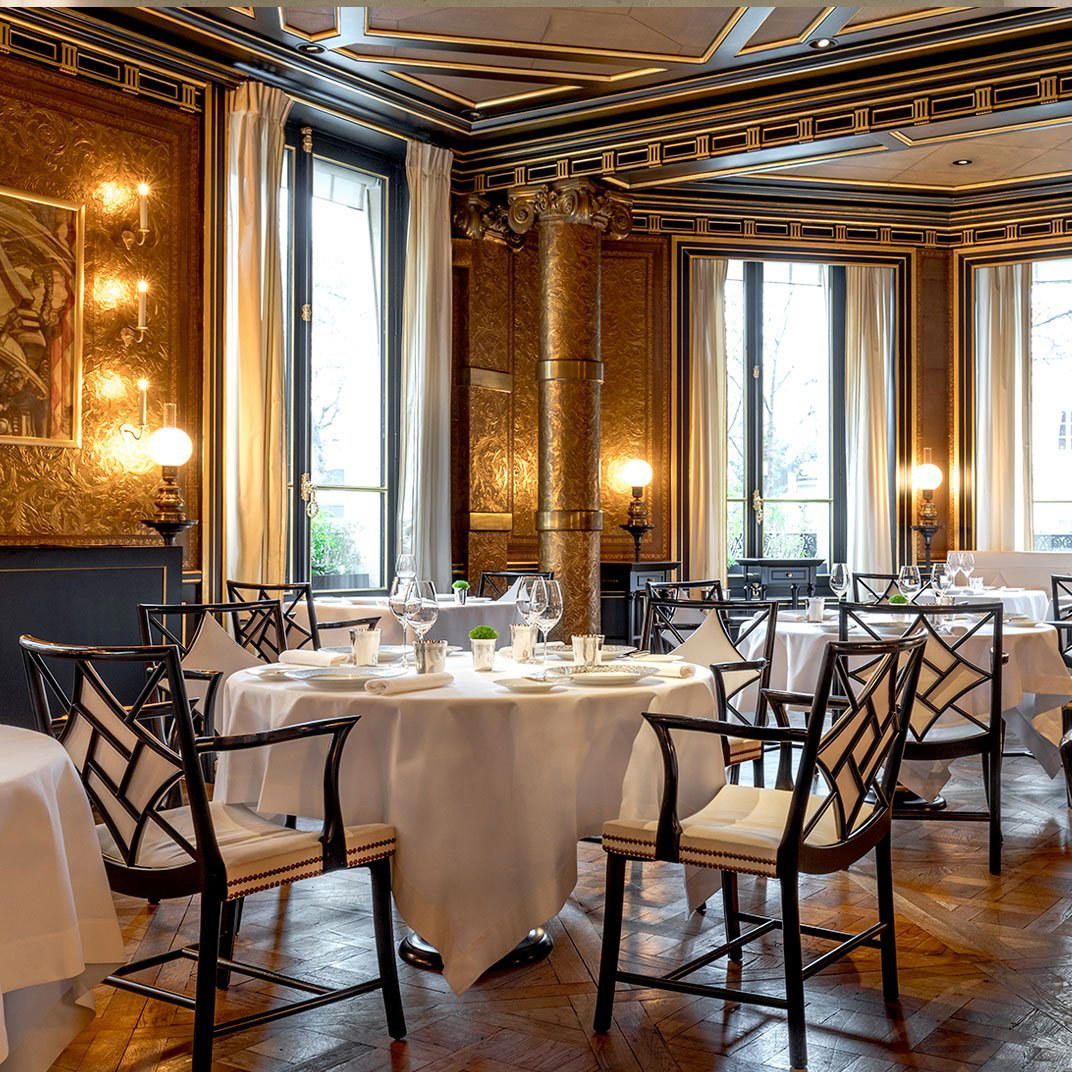
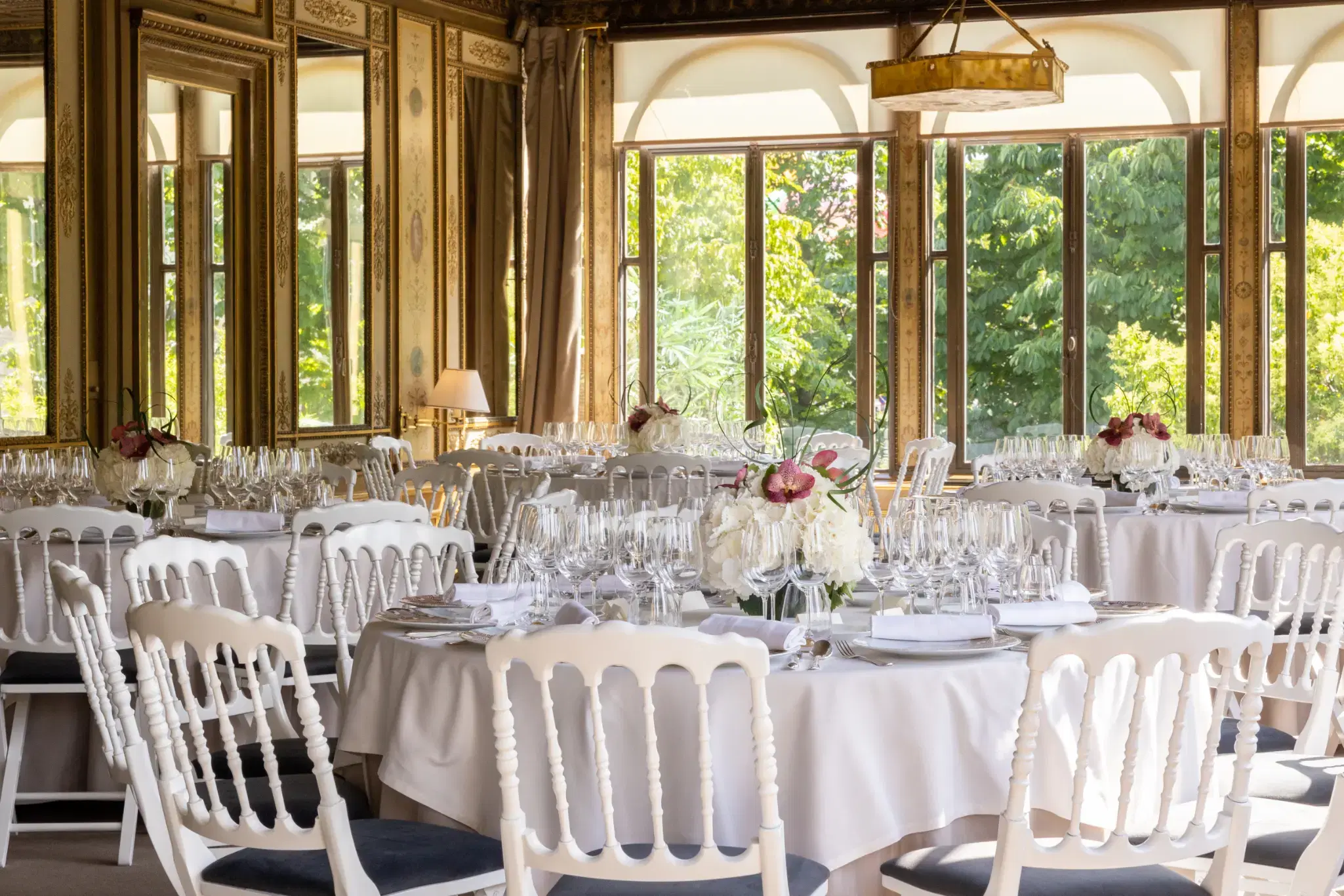
Restaurants in Paris
Browse all →
Bars in Paris
Browse all →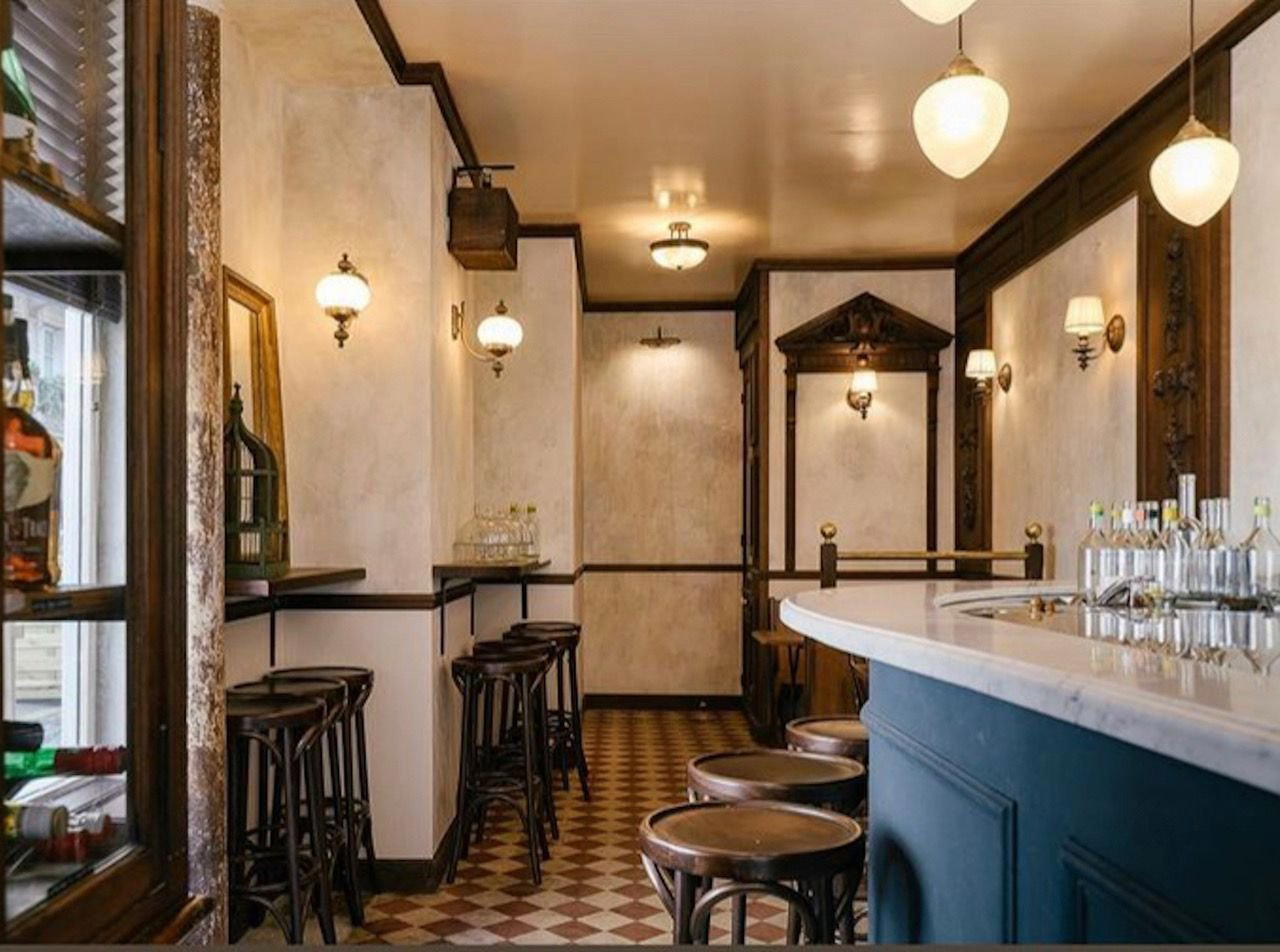
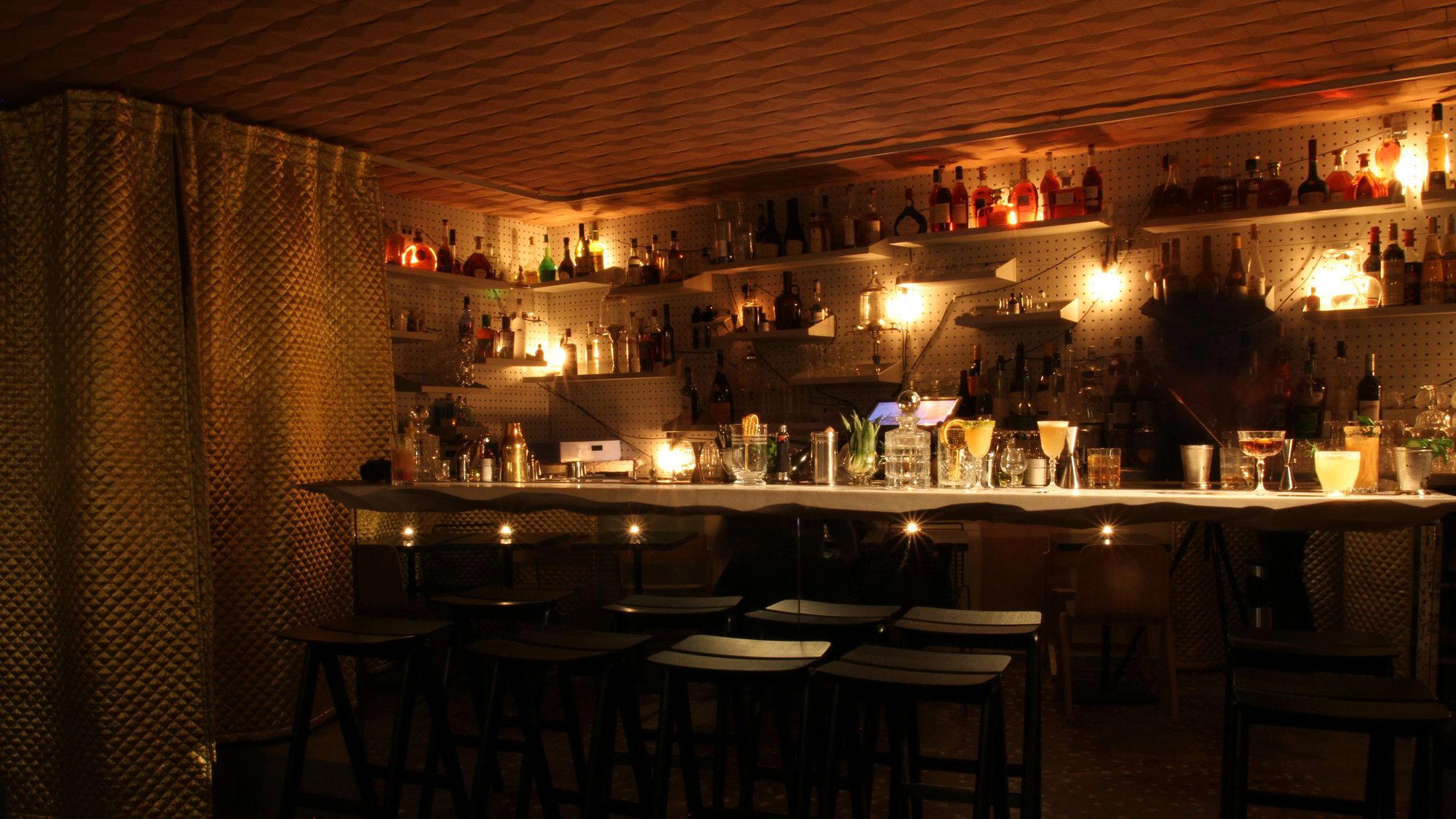
Hotels in Paris
Browse all →
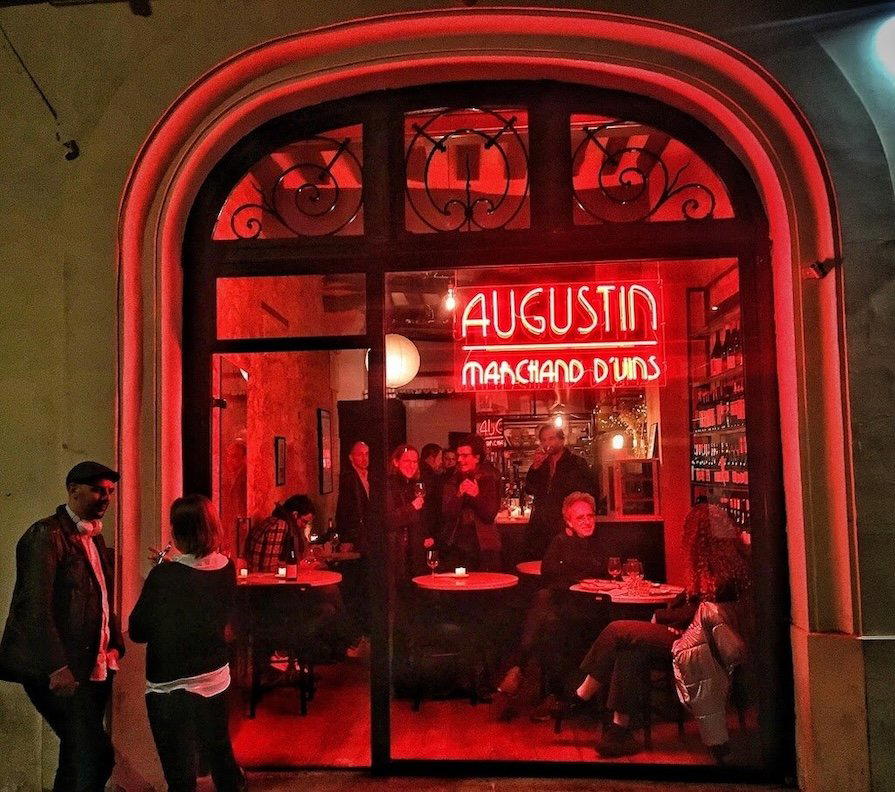
228 Litres
The wine
- Wine program
- Exceptional wine program
- Extensive wine list
- Natural wine
Details
- Cozy
- Modern
- Intimate
- Lively
- Trendy
- Date Night
- Group Dining
- Casual Hangout
- After Work
- Open Kitchen
- Natural Wine
- Extensive Wine List
- Local Sourcing
- Small Plates
- A La Carte
- Natural Wine
Current opening hours
- Monday
- Closed
- Tuesday
- 6:30 PM–12 AM
- Wednesday
- 6:30 PM–12 AM
- Thursday
- 6:30 PM–12 AM
- Friday
- 6:30 PM–12 AM
- Saturday
- 6:30 PM–12 AM
- Sunday
- Closed
Hours can change for holidays and private events. Last verified .
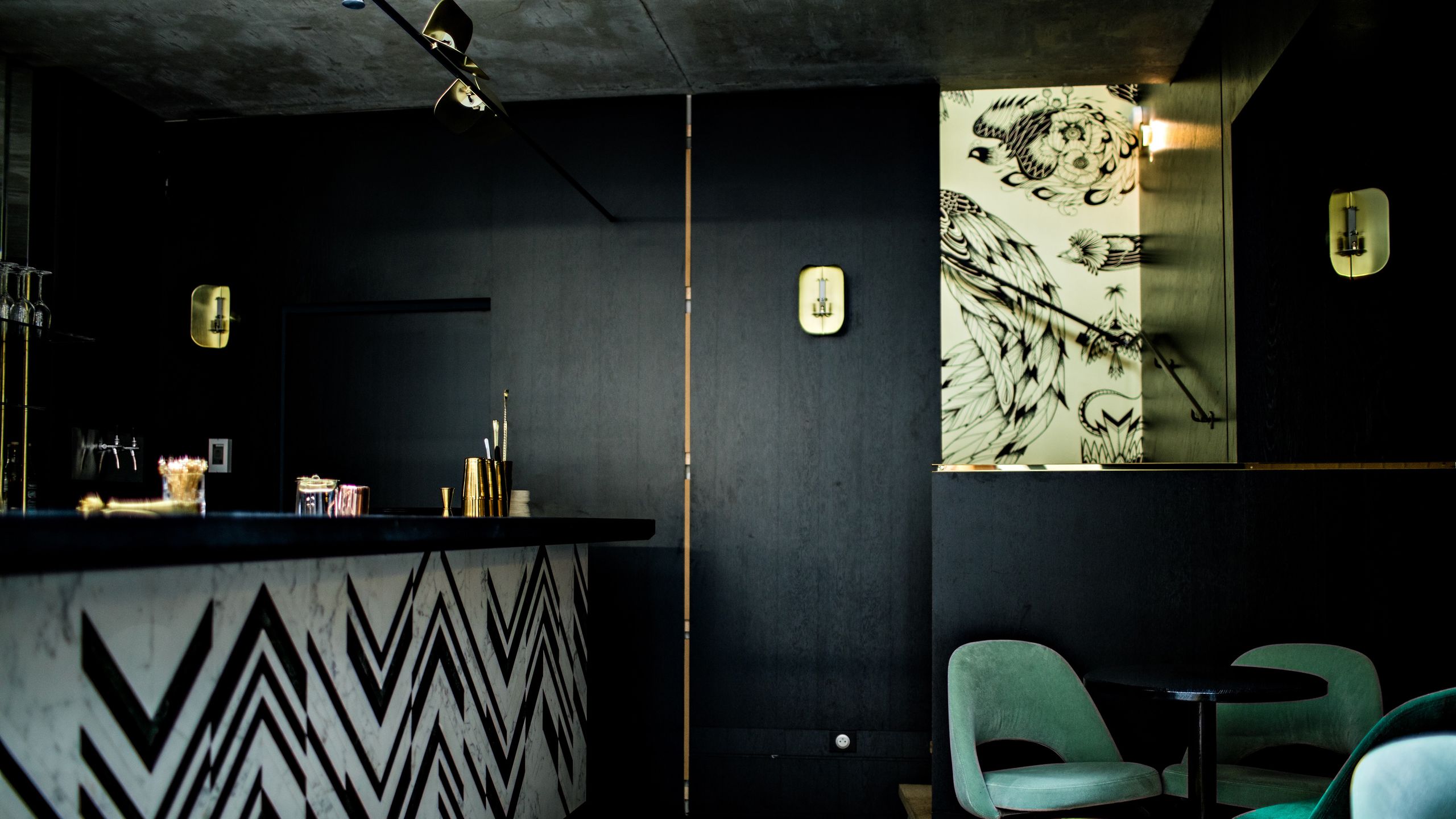
Warm, convivial wine bar with harmonious arrangement of bar tables and wooden private tables, generous spacing for privacy, modern-brutalist decor, and lively yet intimate atmosphere.