2 Fore Street

The Good Food Guide GFG Good
Our verdict
A harbour-side bistro in one of Cornwall's most photographed fishing villages, 2 Fore Street draws on the catch landed minutes away at Newlyn to drive a seafood-focused menu shaped by classical French technique. Joe Wardell's training under Raymond Blanc gives dishes like Newlyn crab soup and the signature fish pie a precision that sits well above the bistro format. The Boatwatch apartment makes it a base worth staying for.

Pearl is the En Primeur Club membership app, where members save venues, book tables and use the concierge.
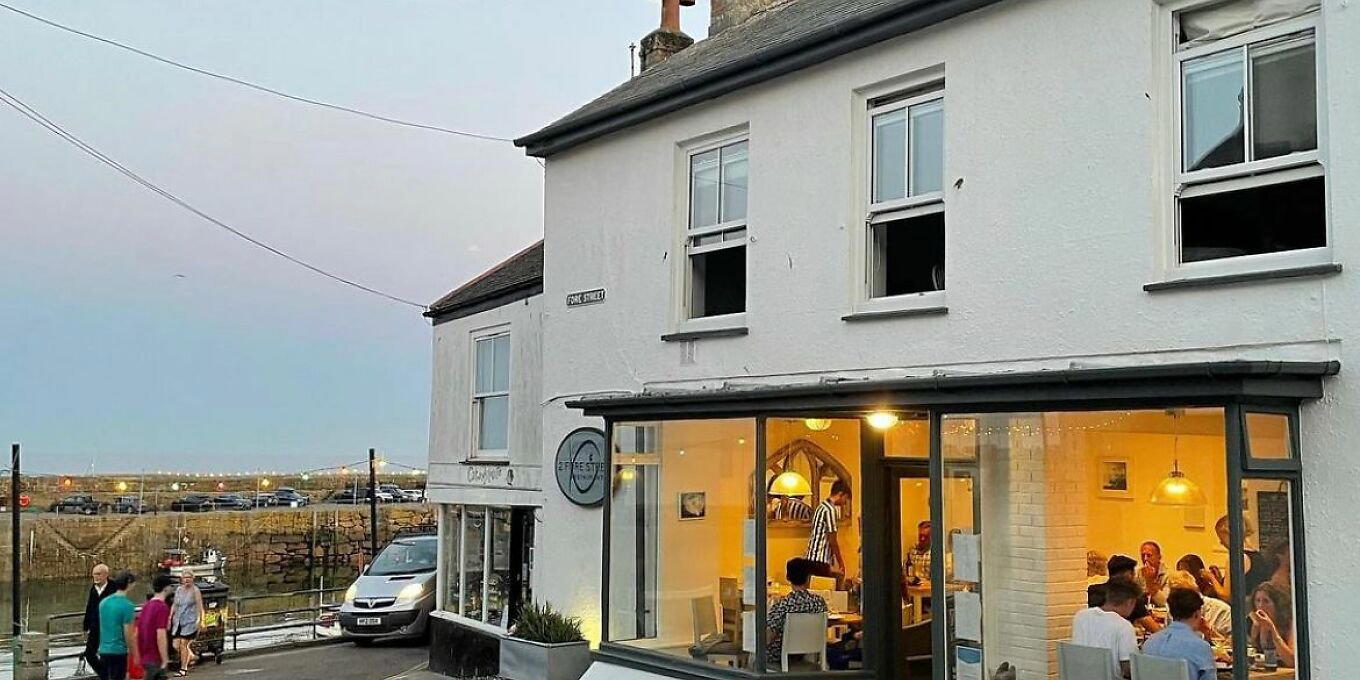
Stone Walls, Weathered Boards, and a Harbour View
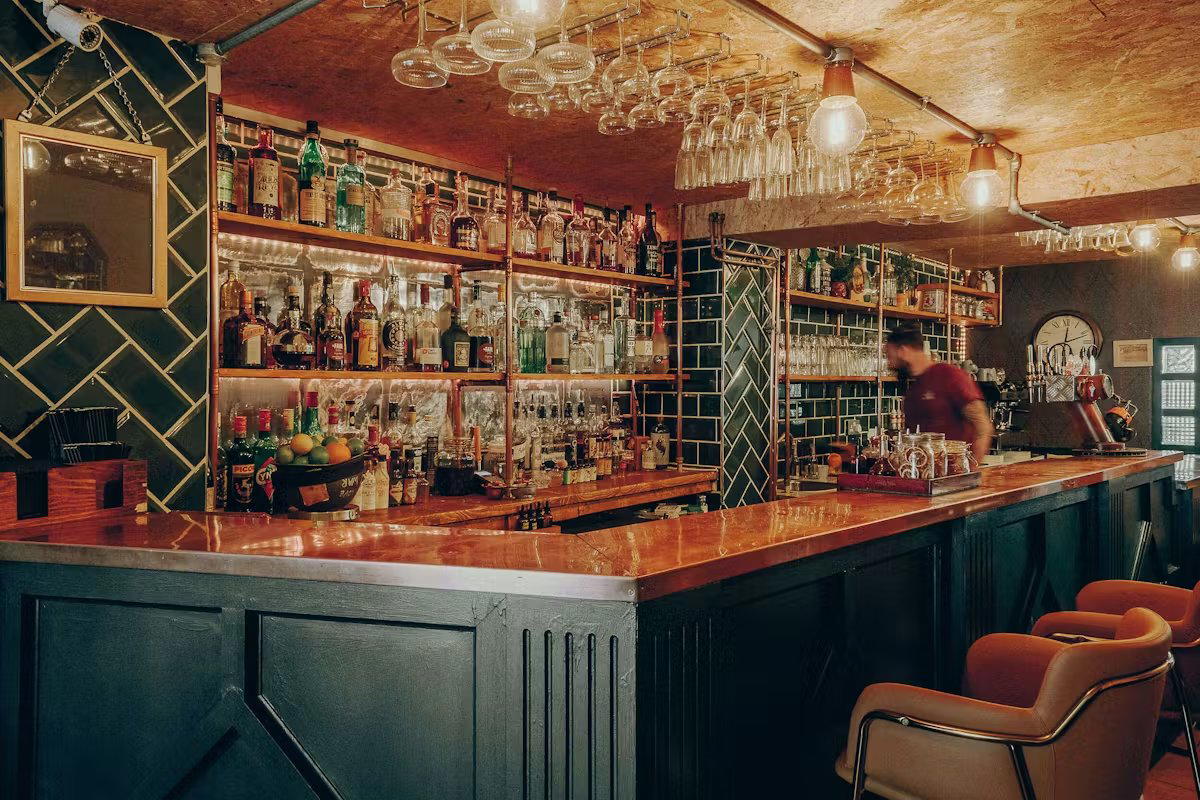
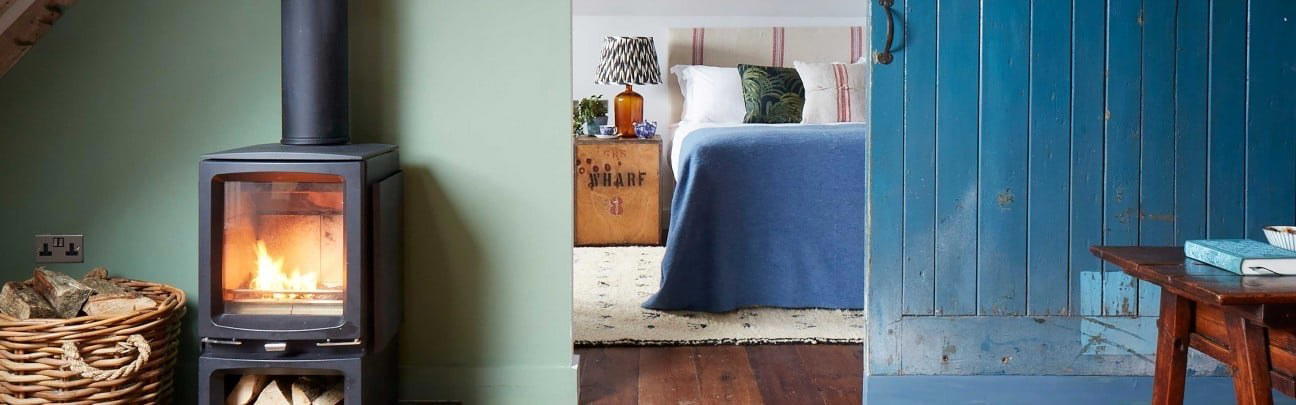
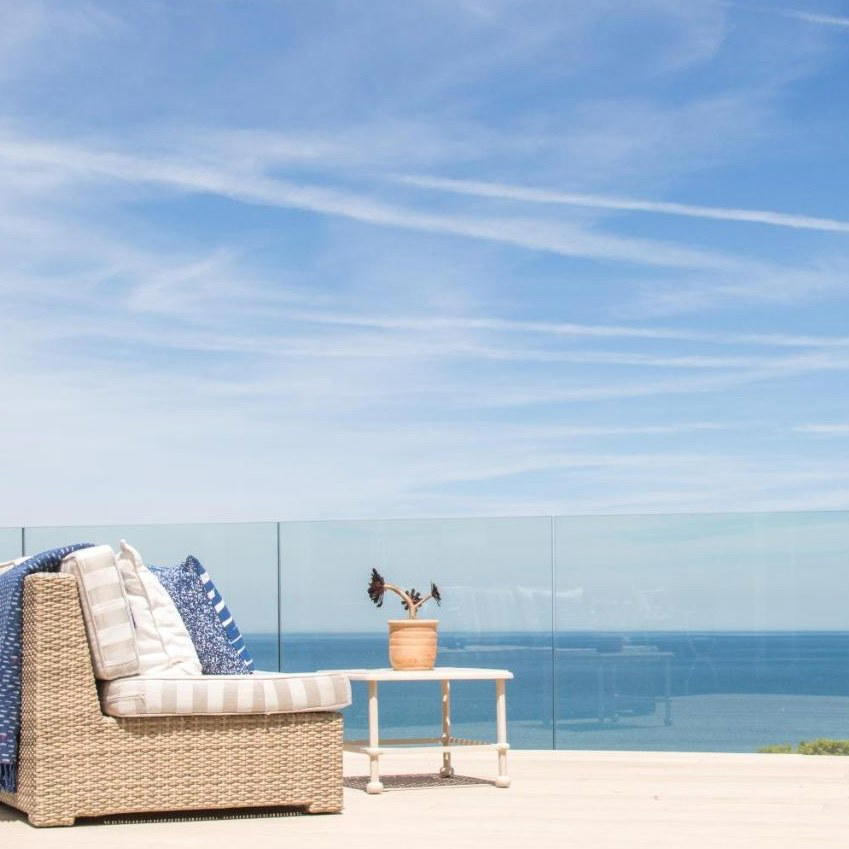
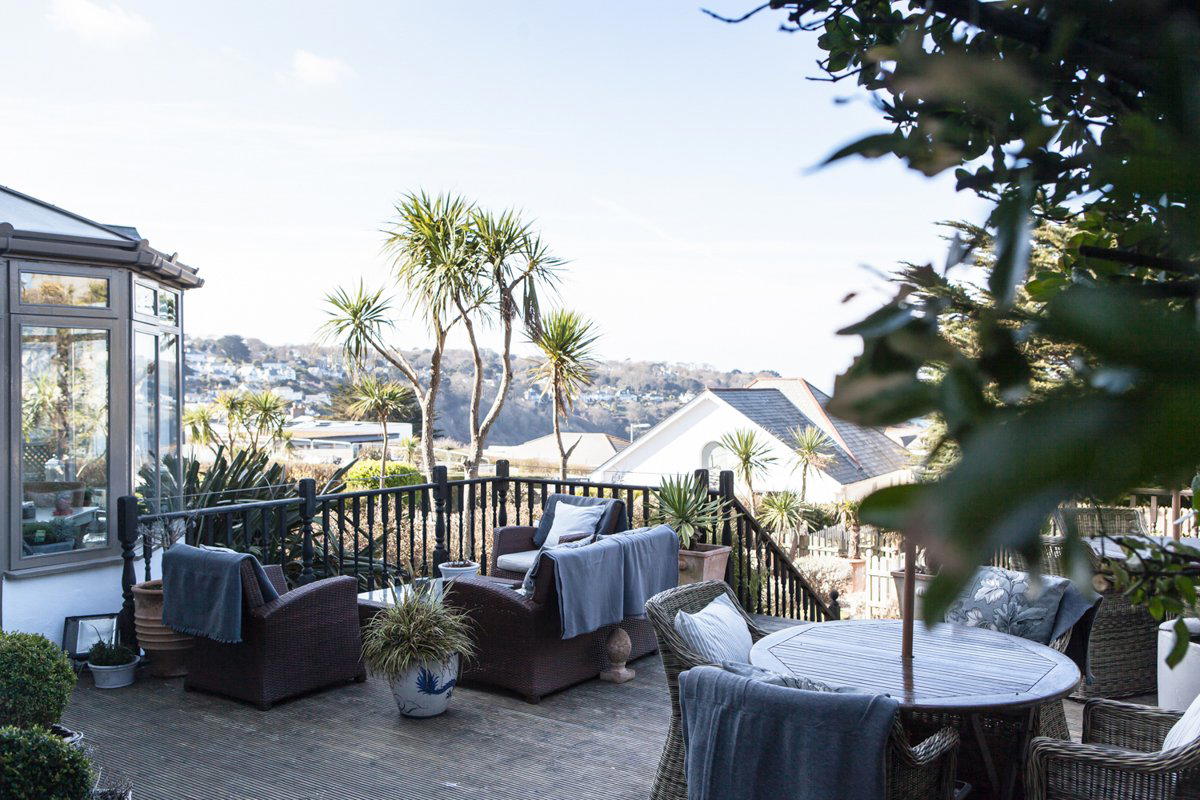
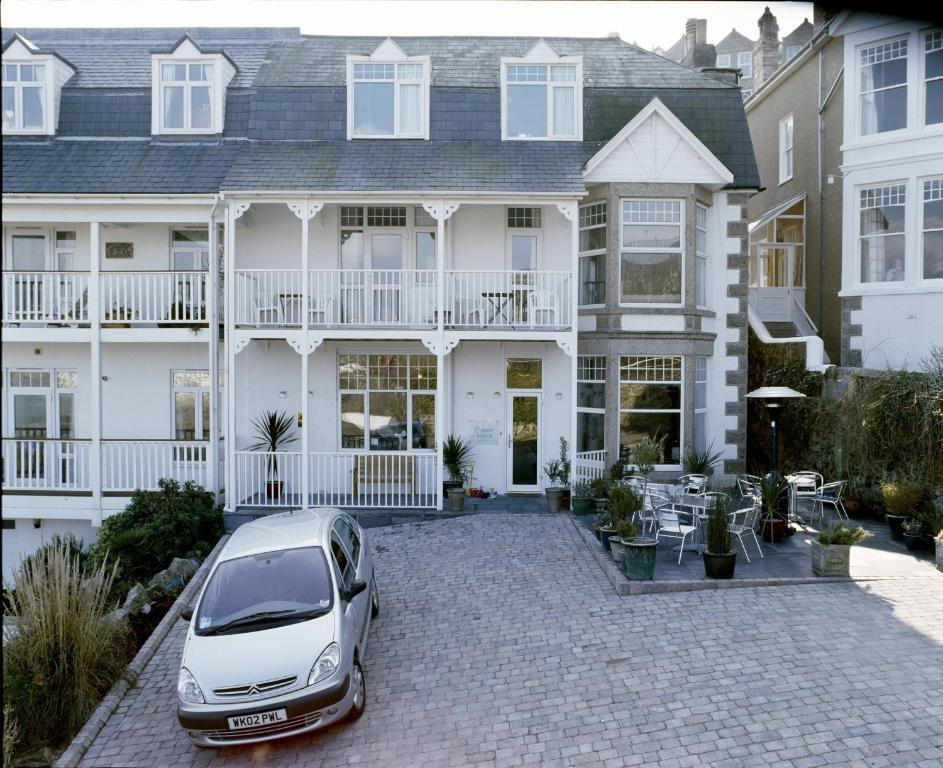
Mousehole sits at the far southwestern edge of Cornwall, a village of granite cottages arranged tightly around a small working harbour, close enough to Newlyn that the catch arriving on the quay there in the morning can realistically appear on a lunch menu here the same afternoon. The approach to 2 Fore Street is exactly what the address suggests: a modest frontage among the fishermen's terraces, with a tiny terrace facing the water for days when the Atlantic weather cooperates. Inside, weathered floorboards and undressed tables keep the room grounded in its surroundings. There is nothing here designed to impress through decoration. The room works because it is honest about what it is.
That honesty extends to the cooking. Cornwall has developed a recognisable dining identity over the past two decades, built on proximity to some of the country's most productive coastal waters and a farming interior that has increasingly oriented itself toward quality rather than volume. The better restaurants in the county have learned to treat both as an advantage rather than a limitation. 2 Fore Street belongs to that school.
Where the Food Comes From, and Why That Question Matters
The ingredient sourcing argument in British seafood cooking is often stated rather than demonstrated. A menu lists a port, a boat name, a county, and the job is considered done. What distinguishes the stronger end of this tradition is whether the kitchen is actually shaped by what the sea provides on a given day, or whether it is simply using proximity as a marketing footnote.
At 2 Fore Street, the answer is visible in the menu construction. Newlyn, a mile along the coast, is one of the most active fishing ports in England, landing crab, scallops, monkfish, bass, and more across a working year. The crab soup with rouille and Parmesan toast is an exercise in using that proximity properly: the savoury intensity described by reviewers is the kind that comes from shellfish that has not spent days in transit, not from added complexity. Mussels served in cream with garlic and rosemary occupy a similar register, a combination that appears on menus across the country but reads differently when the shellfish have a short journey from water to pot.
The scallops roasted in their shells, dressed in curried lime butter with parsnip purée and crispy shallots, demonstrate how classical French technique can be applied without overwriting the primary ingredient. The textural contrast of purée and shallot against the shell-roasted scallop is a considered construction, not an arbitrary one. This is where chef Joe Wardell's training under Raymond Blanc becomes relevant as contextual information rather than biographical filler: the Blanc lineage, which runs through Le Manoir aux Quat' Saisons, a Belmond Hotel in Great Milton, carries a specific emphasis on flavour balance and the discipline to leave good ingredients clear of unnecessary intervention. That influence is readable in dishes that could have been over-complicated and were not.
For context on what French-trained chefs working with British ingredients have achieved at greater scale and resource, The Ledbury in London and Waterside Inn in Bray represent the formal upper tier of that tradition. L'Enclume in Cartmel and Moor Hall in Aughton show what hyper-local sourcing looks like when it reaches tasting-menu ambition. 2 Fore Street is not in that competitive set by format or price, but the sourcing logic is the same.
The Menu Beyond the Harbour
The fish pie topped with pangrattato has acquired the status of a reason-to-visit dish in its own right. The pangrattato crust in place of conventional mash is a structural choice that signals attention to texture across the whole plate rather than just the primary ingredients. Reviewers have singled it out consistently, and in a menu where most dishes earn their place through ingredient quality, a dish that earns additional attention through technique is worth noting.
The kitchen does not restrict itself to seafood. The flavour logic of lemon and thyme against smoked bacon and the starch of risotto is careful rather than accidental.
Desserts follow through on the same approach. Rhubarb and custard pavlova with white-chocolate crumble works as a seasonal British format given enough technique to be interesting. Sticky toffee pudding represents the other axis: a dish where the question is execution of a very familiar thing, not innovation. Having both on the menu is a reasonable description of what this style of bistro does well.
Hearty breakfasts are offered, adding morning utility to the venue's appeal and making it function as more than an evening destination for visitors staying in the area.
Coastal Cornwall and Its Dining Peers
The southwest peninsula has a reasonably developed restaurant scene relative to its population, concentrated in a handful of villages and market towns that function as destinations in their own right. Gidleigh Park in Chagford represents the formal country-house end of Devon and Cornwall dining, while The Old Coastguard in Mousehole itself offers a Mediterranean-leaning alternative within a few hundred metres. The village is small enough that dining options can be surveyed in a single afternoon. See our full Mousehole restaurants guide for the broader picture.
For those treating Mousehole as a base, our full Mousehole hotels guide covers the accommodation options, and the Boatwatch apartment connected to 2 Fore Street itself offers harbour views for stays of more than a night. Our full Mousehole bars guide, wineries guide, and experiences guide round out the planning picture for a longer visit to the peninsula.
For reference points at other British restaurants where technique and sourcing operate at a similar register but within different formats, Hand and Flowers in Marlow, hide and fox in Saltwood, and Midsummer House in Cambridge each show how classical training intersects with British ingredients across different price tiers. For a wider international perspective on seafood cooking at the highest level, Le Bernardin in New York City and Emeril's in New Orleans represent the American axis of that conversation. Closer to the Blanc heritage itself, Le Manoir aux Quat' Saisons, a Belmond Hotel in Great Milton is the obvious reference point. Opheem in Birmingham and Midsummer House demonstrate what happens when trained ambition meets a city-scale audience; 2 Fore Street operates the same trained ambition at village scale.
Planning a Visit
Mousehole is reached most practically by car from Penzance, approximately three miles along the B3315 coast road. The village has limited parking and the streets are narrow; arriving early in the day or out of high summer shoulder periods makes the logistics easier. The bistro format and harbourside location make it a natural lunch or dinner stop, with breakfast extending its usefulness for those based locally. The Boatwatch apartment provides an overnight option for visitors who want to spend more time in the area than a day visit allows. Given the venue's reputation and the small scale of the room, advance booking is advisable, particularly across summer months when the village draws significant visitor traffic from across the UK and beyond.
Frequently asked questions
Is 2 Fore Street okay with children?
The bistro's relaxed, homely character, weathered floorboards, undressed tables, a small harbourside terrace, suits families reasonably well. The menu includes straightforward dishes such as thyme-roasted chicken alongside the seafood, which broadens the appeal. Nothing in the venue's setup suggests it operates as a formal adults-only space.
Is 2 Fore Street formal or casual?
Firmly casual. The room runs to bare wooden tables and weathered floorboards in a stone cottage beside Mousehole harbour. There is no dress expectation implied by the setting, though the cooking itself, shaped by Joe Wardell's training period with Raymond Blanc, is more technically considered than the room might suggest.
Is 2 Fore Street award-winning?
2 Fore Street has received recognition including: There's an appealing homely feel to Joe Wardell's welcoming bistro, which sits among stone cottages by Mousehole harbour.
What dish is 2 Fore Street famous for?
The house fish pie, finished with a pangrattato crust in place of the standard mashed potato topping, has acquired a reputation as a reason-to-visit dish in its own right. Scallops roasted in their shells with curried lime butter, parsnip purée, and crispy shallots also draw attention, as does the Newlyn crab soup served with rouille and Parmesan toast.
What part of town is 2 Fore Street in?
2 Fore Street is located at 2 Fore Street, Mousehole, Penzance, Cornwall, TR19 6PF, United Kingdom, Mousehole.
Do they take walk-ins at 2 Fore Street?
Given that Mousehole is a small village with limited seating options and the bistro has a strong local following, booking ahead is the more practical approach, particularly during summer months and weekend services.
What do critics highlight about 2 Fore Street?
Critical attention focuses on the cooking's technical grounding relative to its modest, coastal-village setting. Wardell's stint training with Raymond Blanc is credited with producing a carefully calibrated balance of flavours in dishes that read simply on the menu but deliver more in the bowl. The Newlyn crab soup, fish pie, and the hearty breakfast offering each receive specific mention.
Quick Comparison
Comparable venues nearby, for context on price, style, and recognition.
| Venue | Cuisine | Price | Awards | Notes |
|---|---|---|---|---|
| 2 Fore StreetThis venue (the venue you are viewing) | Modern Seafood Bistro | $30–50 | The Good Food Guide GFG Good | Not listed |
| The Old Coastguard | Modern British Gastropub | $50–100 | Michelin Plate | Mousehole |
| Atlantic Gate | Seafood & Grill | $30–50 | Not listed | Herbert Walker Avenue / Dock Gate 8 |
| Gina | Modern British-Italian Chophouse | $50–100 | Not listed | Chingford |
| Tatale | Contemporary Pan-African | Not listed | Not listed | Southwark |
| Sole Plaice | Traditional British Fish & Chips | $10–20 | Not listed | Truro |
Recognition history
Dated appearances from independent guides and award organizations, with the underlying list record or original source where available.
The Good Food Guide GFG Good
The Good Food Guide
Continue exploring
More in Mousehole
Details
- Cozy
- Rustic
- Relaxed
- Date Night
- Special Occasion
- Waterfront
- Open Kitchen
- Local Sourcing
- Waterfront
- A La Carte
- Vegetarian Friendly
- Vegan Options
- Gluten Free Options
Current opening hours
- Monday
- 9 AM–9 PM
- Tuesday
- 9 AM–9 PM
- Wednesday
- 9 AM–9 PM
- Thursday
- 9 AM–9 PM
- Friday
- 9 AM–9 PM
- Saturday
- 9 AM–9 PM
- Sunday
- 9 AM–9 PM
Hours can change for holidays and private events. Hours as of .
Relaxed homely atmosphere with weathered floorboards, undressed tables, pale walls, subtle art, and a secluded garden terrace.