14 North
Our verdict
Rodney Bay and the Ingredient Logic of Northern St Lucia The north of St Lucia has a particular relationship with its own larder. The volcanic soil that built the Pitons in the south feeds a different kind of agriculture up here: the hillsides behind Gros Islet and Cap Estate supply dasheen, christophine, and breadfruit to the restaurants lining Rodney Bay, while the channel waters between St Lucia and Martinique contribute yellowfin, mahi-mahi, and flying fish that arrive at dock within hours of being caught. Any restaurant serious about Caribbean cooking in this part of the island is, by necessity, working with those inputs, the supply chain is short and the seasonality is real. 14 North, addressed on the Rodney Bay grid, operates inside that framework. Rodney Bay itself has evolved from a marina-adjacent strip of tourist-facing dining into something more layered. Alongside the casual waterfront spots and the international chains that serve the resort corridor, a tighter cluster of kitchens has emerged that treats local produce as a starting point rather than a garnish. That shift mirrors what has happened in other small-island markets, Barbados's west coast, Antigua's English Harbour, where proximity to both luxury tourism and genuine agricultural supply creates the conditions for cooking that is neither purely local nor purely imported. 14 North sits in that Rodney Bay corridor, drawing on a location that gives it access to both the market and the audience. For a broader survey of what the northern parishes offer, our full Gros Islet restaurants guide maps the range. The Physical Setting: Open Air, Latitude, and What That Means for a Meal The name itself signals geography. Fourteen degrees north latitude cuts through the middle of the Lesser Antilles, and a restaurant that anchors its identity there is making a statement about place over personality. Dining in the open-air conditions that define this latitude means trade wind ventilation replaces air conditioning, the evening light shifts from gold to deep blue over the water on a predictable schedule, and the ambient temperature drops just enough after sundown to make a longer meal comfortable. That physical context shapes pacing. Meals here tend not to rush in the way urban tasting menus do; the setting argues against it. For comparison, the dining rooms at The Cliff at Cap and Cap Maison Resort & Spa in Cap Estate, both operating on the Caribbean Fusion register further up the Cap Estate headland, invest heavily in the drama of clifftop positioning and resort-scale service. 14 North's Rodney Bay address places it in a different register: closer to the marina energy, more accessible by road, less reliant on a single theatrical view. That is not a disadvantage; it is a different proposition for a different kind of evening. Caribbean Ingredient Sourcing: Why Provenance Matters on This Island St Lucia's agricultural diversity is unusual for an island of its size. The banana industry that once dominated the interior has contracted, but the land it vacated has been partly absorbed by smaller-scale mixed farming. Cocoa from the Fond Doux estate in the Soufriere quarter has attracted international attention. Sea moss, soursop, and Scotch bonnet peppers move through local markets with a specificity of variety that supermarket imports cannot replicate. Kitchens that source locally are not simply making an ethical argument; they are gaining access to flavour profiles that imported equivalents do not match. The restaurants that navigate this sourcing most effectively on the island tend to share a few structural features: they maintain direct relationships with specific farmers or fishermen rather than buying through a general wholesaler, they adjust the menu around what is available rather than building rigid dishes and hunting ingredients to fit, and they treat the Creole canon, callaloo, accra, bouyon, as a living reference rather than a heritage exhibit. Martha's Tables in Soufriere and The Coal Pot Restaurant in Castries both operate on versions of that logic further south and in the capital respectively. Jambe de bois in Rodney Bay takes a more casual approach to the same northern supply chain that 14 North draws from. Placing 14 North in the Gros Islet Dining Circuit Gros Islet's restaurant circuit spans a wider range than its relatively compact geography suggests. At the grilled and open-fire end, Flavours Of The Grill in Bois D Orange represents the direct charcoal-and-seasoning tradition, while Big Yard in Palmiste takes a yard-party format into something more deliberate. Orlando's Restaurant & Bar has held a consistent local reputation over time. Each of these operates from a distinct position in the market, and understanding where 14 North sits relative to them requires knowing what the address on Rodney Bay implies: access, visibility, and a clientele that mixes staying guests from the nearby resorts with repeat visitors who know the area well enough to eat off the resort circuit deliberately. That reader, the one who has been to St Lucia before and is looking past the hotel buffet, is the person for whom 14 North's positioning makes most sense. It is not operating at the capital-city price and production level of a destination like Le Bernardin in New York City or the tasting-menu ambition of Atomix in New York City, nor should it be measured against them. Planning Your Visit Rodney Bay's restaurant strip is accessible by taxi from most of the island's northern resort properties in under twenty minutes; from Castries, the drive runs slightly longer depending on traffic around the John Compton Highway. Reservations are advisable for evening sittings during the high season, which runs from December through April when villa rentals and hotel occupancy in the north peak. The shoulder months of May and November offer shorter waits and, often, a more local crowd. Visitors combining a meal at 14 North with broader exploration of the northern dining circuit should note that Martha's Tables in Belle Vue and Hardest Hard Restaurant & Bar in Charlotte extend the circuit outward if a full day of eating is the objective. Frequently Asked Questions Does 14 North work for a family meal?In Rodney Bay's mid-range, family dining is well-supported and 14 North's open-air format suits mixed-age groups without the formality pressure of a resort dining room.How would you describe the vibe at 14 North?Rodney Bay dining tends toward relaxed Caribbean informality rather than the dressed-up clifftop register of Cap Estate properties. Without the award history or price signals of the island's most formal addresses, 14 North reads as an accessible evening-out option in a corridor that has grown increasingly confident about its own cooking identity. at 14 North?The broader rule for northern St Lucia kitchens applies: fresh-catch preparations and Creole-rooted dishes built around local produce tend to outperform anything requiring imported proteins or European technique as the primary frame. Ask what came in that day.Is 14 North a good choice for visitors who want to eat like a local in the Rodney Bay area?The Rodney Bay address places it inside the island's most active tourism corridor, so the crowd will always be mixed. That said, kitchens in this part of Gros Islet that source from local farms and the northern fisheries, rather than importing standardised hotel-supply proteins, are the ones where the cooking reflects the island most honestly. St Lucia's Creole food tradition, from saltfish accra to callaloo-based preparations, is the reference point worth seeking in any kitchen here, and proximity to local supply is the leading indicator of whether a kitchen is genuinely working with it.

Pearl is the En Primeur Club membership app, where members save venues, book tables and use the concierge.
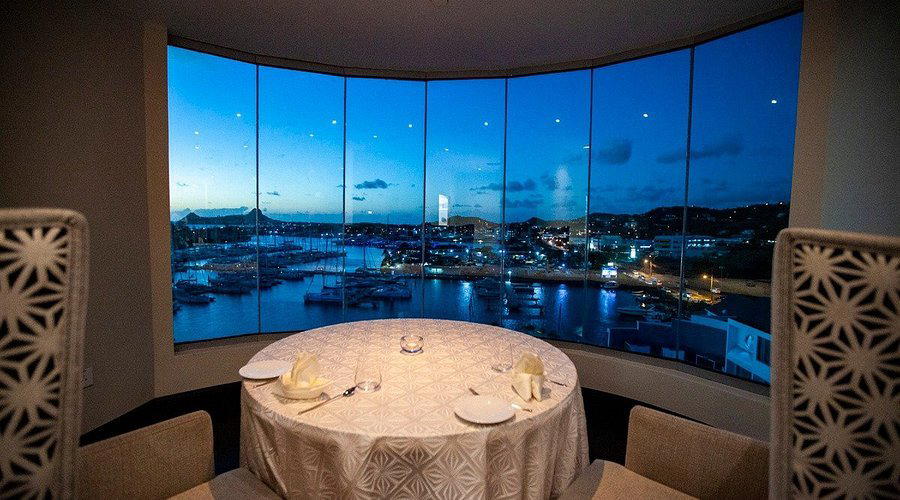
Rodney Bay and the Ingredient Logic of Northern St Lucia
The north of St Lucia has a particular relationship with its own larder. The volcanic soil that built the Pitons in the south feeds a different kind of agriculture up here: the hillsides behind Gros Islet and Cap Estate supply dasheen, christophine, and breadfruit to the restaurants lining Rodney Bay, while the channel waters between St Lucia and Martinique contribute yellowfin, mahi-mahi, and flying fish that arrive at dock within hours of being caught. Any restaurant serious about Caribbean cooking in this part of the island is, by necessity, working with those inputs, the supply chain is short and the seasonality is real. 14 North, addressed on the Rodney Bay grid, operates inside that framework.
Rodney Bay itself has evolved from a marina-adjacent strip of tourist-facing dining into something more layered. Alongside the casual waterfront spots and the international chains that serve the resort corridor, a tighter cluster of kitchens has emerged that treats local produce as a starting point rather than a garnish. That shift mirrors what has happened in other small-island markets, Barbados's west coast, Antigua's English Harbour, where proximity to both luxury tourism and genuine agricultural supply creates the conditions for cooking that is neither purely local nor purely imported. 14 North sits in that Rodney Bay corridor, drawing on a location that gives it access to both the market and the audience. For a broader survey of what the northern parishes offer, our full Gros Islet restaurants guide maps the range.
The Physical Setting: Open Air, Latitude, and What That Means for a Meal
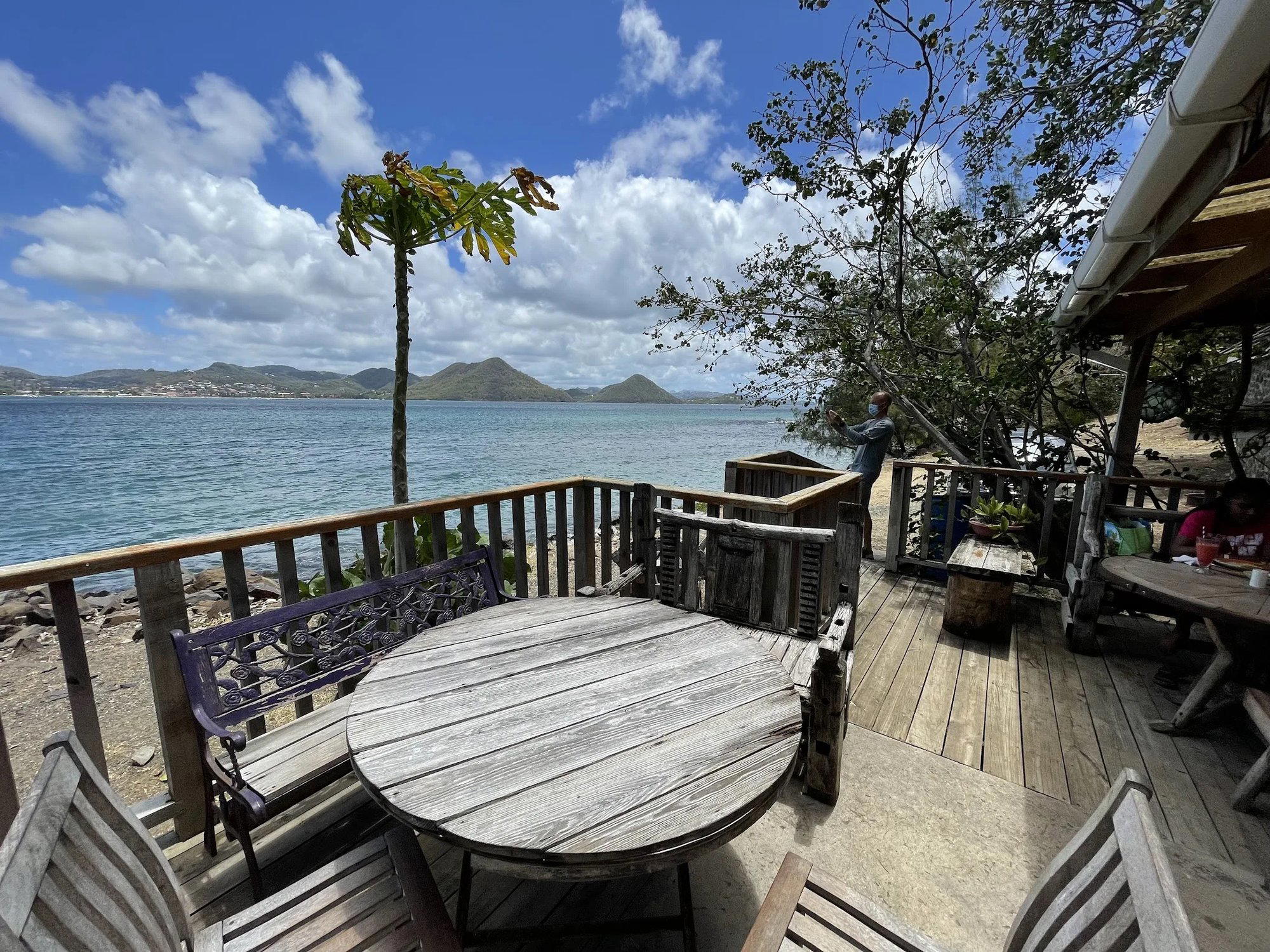
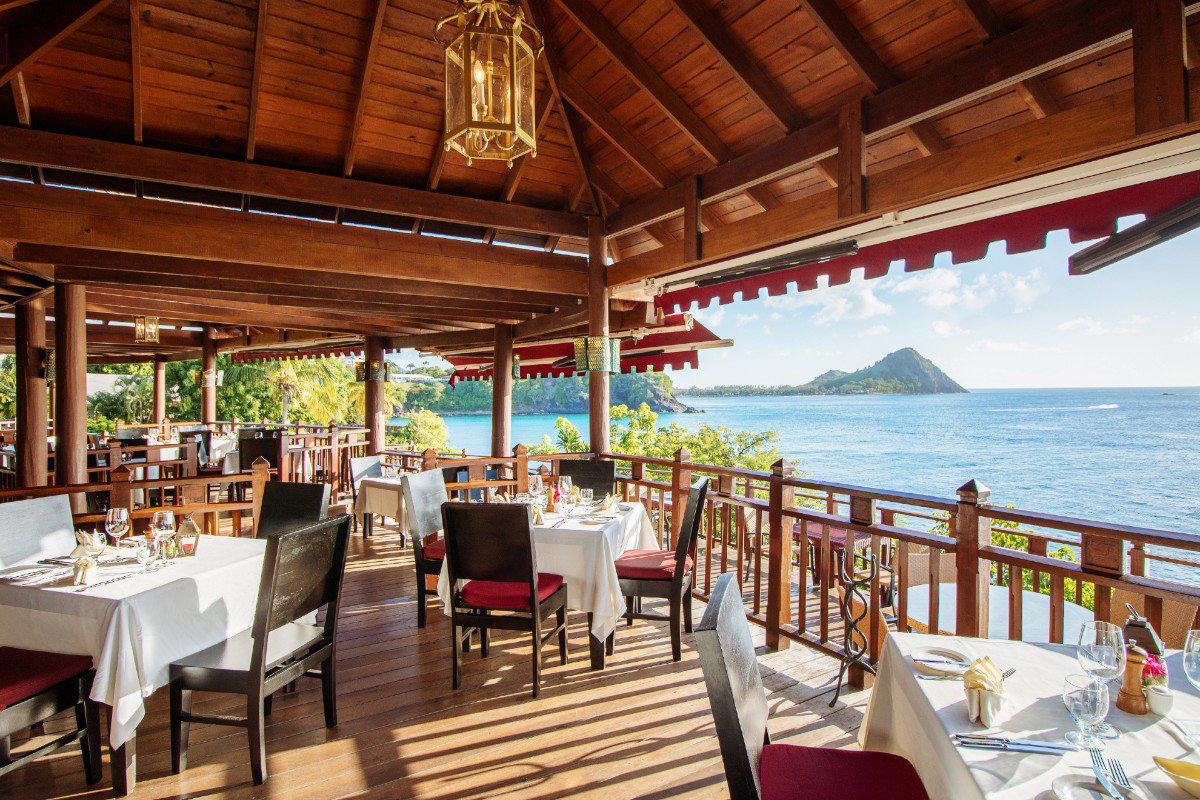
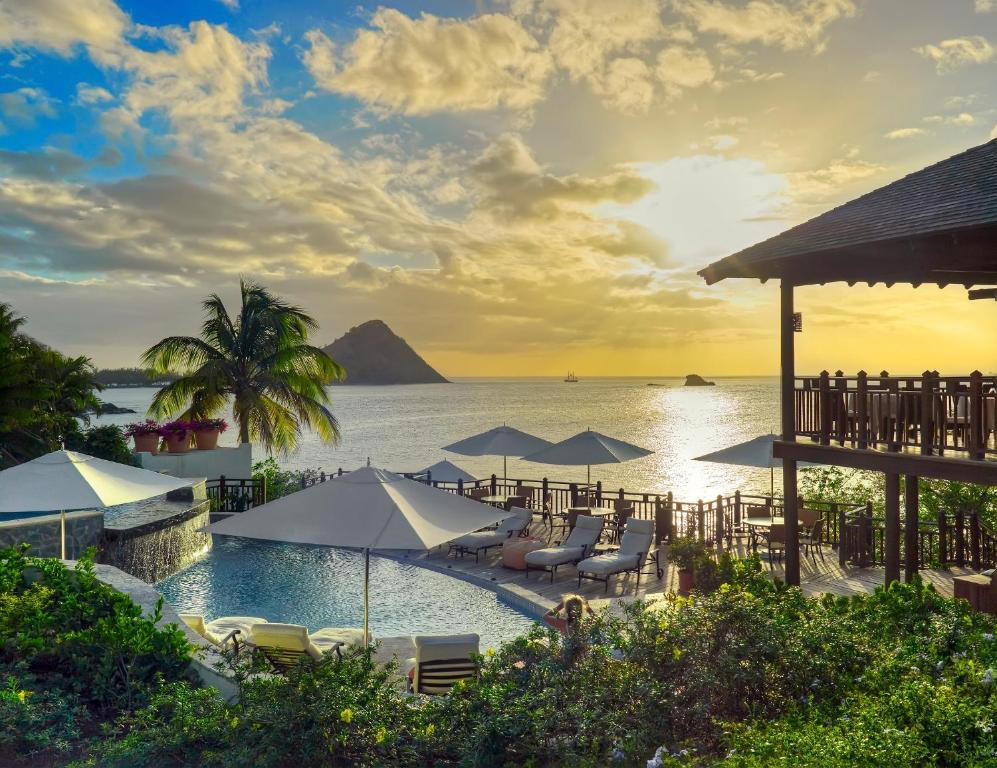
The name itself signals geography. Fourteen degrees north latitude cuts through the middle of the Lesser Antilles, and a restaurant that anchors its identity there is making a statement about place over personality. Dining in the open-air conditions that define this latitude means trade wind ventilation replaces air conditioning, the evening light shifts from gold to deep blue over the water on a predictable schedule, and the ambient temperature drops just enough after sundown to make a longer meal comfortable. That physical context shapes pacing. Meals here tend not to rush in the way urban tasting menus do; the setting argues against it.
For comparison, the dining rooms at The Cliff at Cap and Cap Maison Resort & Spa in Cap Estate, both operating on the Caribbean Fusion register further up the Cap Estate headland, invest heavily in the drama of clifftop positioning and resort-scale service. 14 North's Rodney Bay address places it in a different register: closer to the marina energy, more accessible by road, less reliant on a single theatrical view. That is not a disadvantage; it is a different proposition for a different kind of evening.
Caribbean Ingredient Sourcing: Why Provenance Matters on This Island
St Lucia's agricultural diversity is unusual for an island of its size. The banana industry that once dominated the interior has contracted, but the land it vacated has been partly absorbed by smaller-scale mixed farming. Cocoa from the Fond Doux estate in the Soufriere quarter has attracted international attention. Sea moss, soursop, and Scotch bonnet peppers move through local markets with a specificity of variety that supermarket imports cannot replicate. Kitchens that source locally are not simply making an ethical argument; they are gaining access to flavour profiles that imported equivalents do not match.
The restaurants that navigate this sourcing most effectively on the island tend to share a few structural features: they maintain direct relationships with specific farmers or fishermen rather than buying through a general wholesaler, they adjust the menu around what is available rather than building rigid dishes and hunting ingredients to fit, and they treat the Creole canon, callaloo, accra, bouyon, as a living reference rather than a heritage exhibit. Martha's Tables in Soufriere and The Coal Pot Restaurant in Castries both operate on versions of that logic further south and in the capital respectively. Jambe de bois in Rodney Bay takes a more casual approach to the same northern supply chain that 14 North draws from.
Placing 14 North in the Gros Islet Dining Circuit
Gros Islet's restaurant circuit spans a wider range than its relatively compact geography suggests. At the grilled and open-fire end, Flavours Of The Grill in Bois D Orange represents the direct charcoal-and-seasoning tradition, while Big Yard in Palmiste takes a yard-party format into something more deliberate. Orlando's Restaurant & Bar has held a consistent local reputation over time. Each of these operates from a distinct position in the market, and understanding where 14 North sits relative to them requires knowing what the address on Rodney Bay implies: access, visibility, and a clientele that mixes staying guests from the nearby resorts with repeat visitors who know the area well enough to eat off the resort circuit deliberately.
That reader, the one who has been to St Lucia before and is looking past the hotel buffet, is the person for whom 14 North's positioning makes most sense. It is not operating at the capital-city price and production level of a destination like Le Bernardin in New York City or the tasting-menu ambition of Atomix in New York City, nor should it be measured against them.
Planning Your Visit
Rodney Bay's restaurant strip is accessible by taxi from most of the island's northern resort properties in under twenty minutes; from Castries, the drive runs slightly longer depending on traffic around the John Compton Highway. Reservations are advisable for evening sittings during the high season, which runs from December through April when villa rentals and hotel occupancy in the north peak. The shoulder months of May and November offer shorter waits and, often, a more local crowd. Visitors combining a meal at 14 North with broader exploration of the northern dining circuit should note that Martha's Tables in Belle Vue and Hardest Hard Restaurant & Bar in Charlotte extend the circuit outward if a full day of eating is the objective.
Frequently asked questions
Does 14 North work for a family meal?
How would you describe the vibe at 14 North?
at 14 North?
Is 14 North a good choice for visitors who want to eat like a local in the Rodney Bay area?
Continue exploring
More in Gros Islet
Restaurants in Gros Islet
All restaurants in Gros Islet →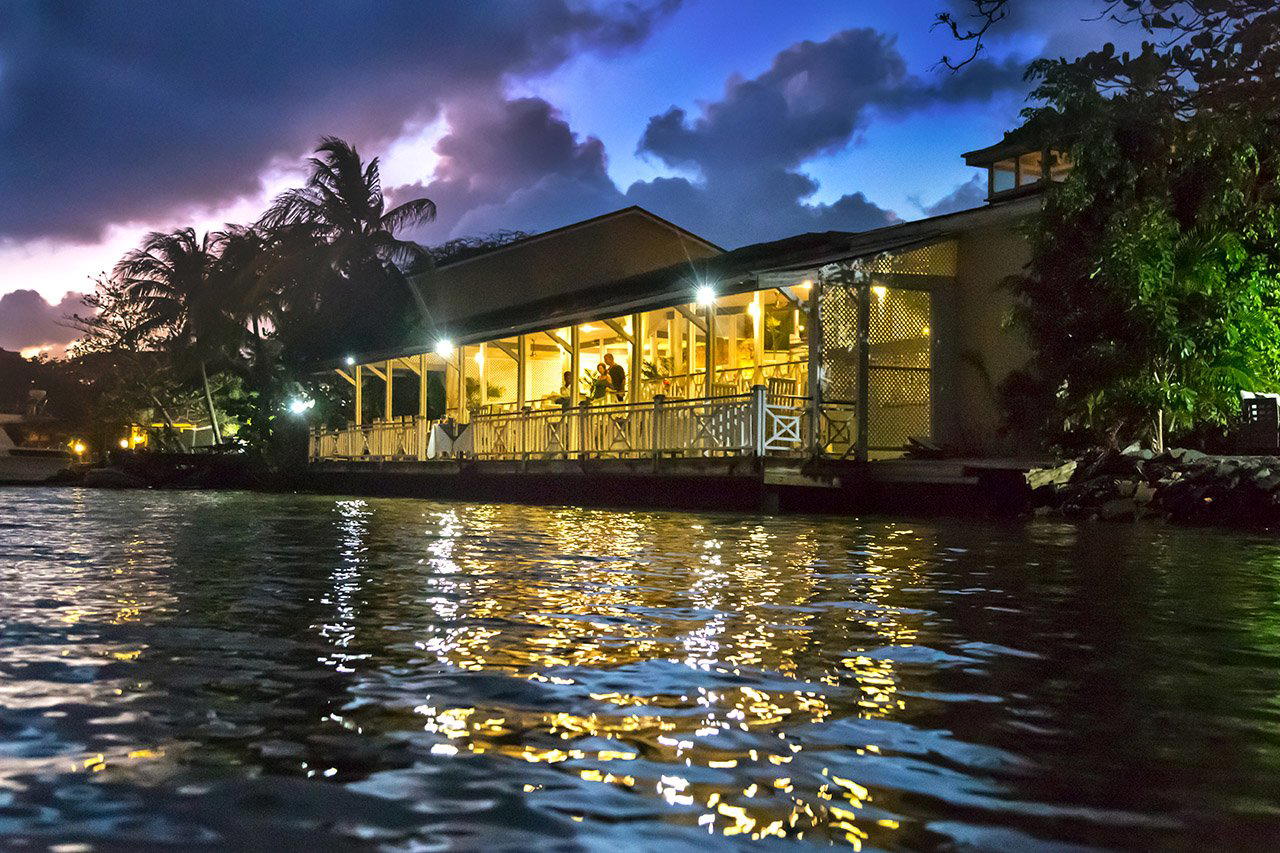
Bars in Gros Islet
Browse all →
Details
- Modern
- Elegant
- Sophisticated
- Date Night
- Special Occasion
- Rooftop
- Hotel Restaurant
- Panoramic View
- Craft Cocktails
- Local Sourcing
- Waterfront
- A La Carte
Current opening hours
- Monday
- 12–9 AM, 6 PM–12 AM
- Tuesday
- 12–9 AM, 6 PM–12 AM
- Wednesday
- 12–9 AM, 6 PM–12 AM
- Thursday
- 12–9 AM, 6 PM–12 AM
- Friday
- 12–9 AM, 6 PM–12 AM
- Saturday
- 12–9 AM
- Sunday
- 6 PM–12 AM
Hours can change for holidays and private events. Hours as of .
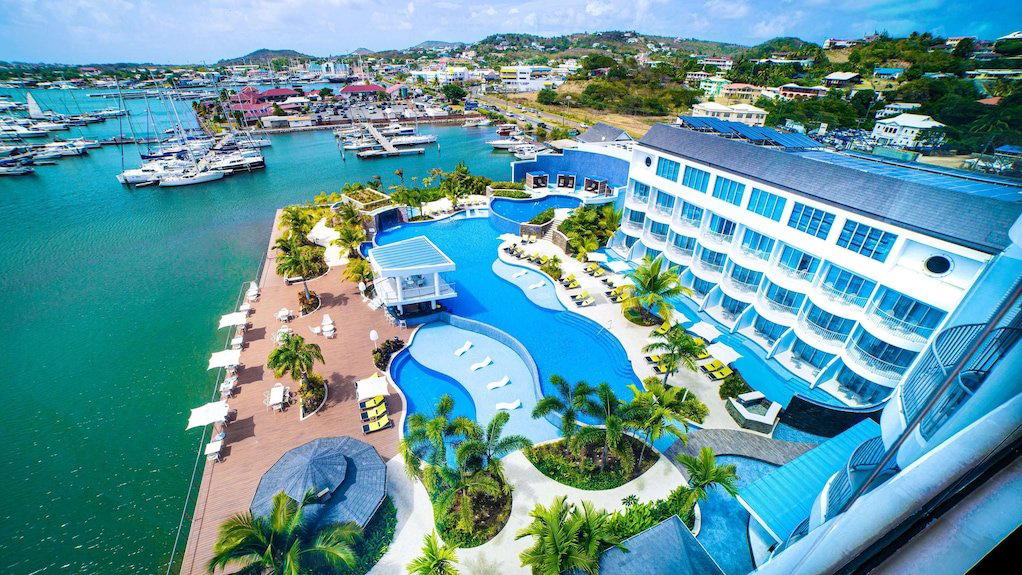
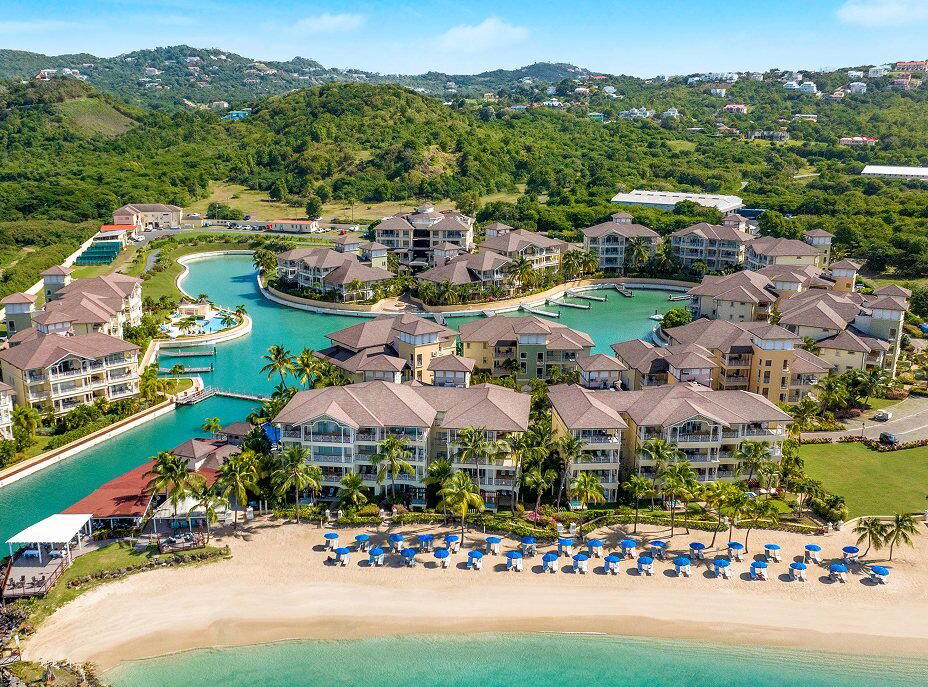
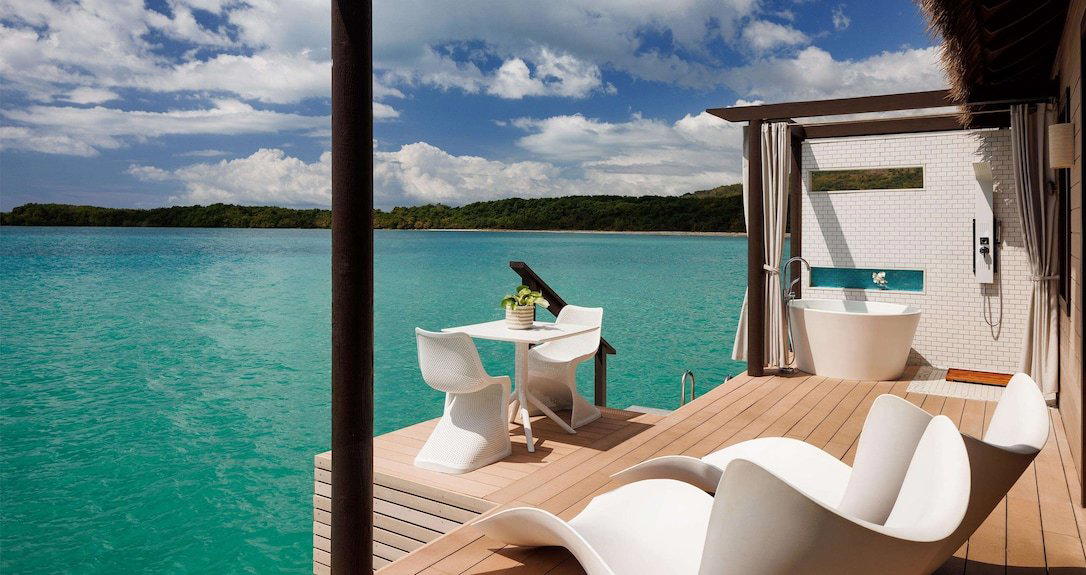
Modern yet comfortable setting with far-reaching marina views.