Where the Bay Does Most of the Work Labrelotte Bay sits north of Castries proper, tucked inside a curve of coastline that keeps it quieter than the resort-heavy strips further south toward Rodney Bay. The approach by road drops through hillside vegetation before the bay opens up, flat water, a pale arc of sand, and the kind of Caribbean sky that makes every drink look better than it probably is. Beach club formats in the Eastern Caribbean have long understood this dynamic: the environment carries enormous weight, and the leading operators in this tier build their programmes to match the setting rather than compete with it. At 96 Degrees in The Shade, the name itself gestures toward that logic, this is a place that acknowledges the heat as the central fact of being here, rather than pretending to air-condition it away. The Cocktail Programme: Rum as the Starting Point St Lucia's drinking culture is shaped, first and foremost, by rum. The island produces its own, Chairman's Reserve and Admiral Rodney sit at the credible end of the local range, and any beach club operating on this coastline that doesn't anchor its cocktail list in island rum is making an odd editorial choice. The strongest beach bar programmes across the Eastern Caribbean work by treating the local spirit not as a novelty ingredient but as the structural base from which the full menu radiates. Ti punch, rum sours, fruit-driven long drinks using local soursop, passion fruit, and tamarind: these are the registers that make sense in this latitude, and they are the registers that distinguish a thoughtful beach programme from a generic tropical one. The comparison set for cocktail-forward beach clubs in this part of the world is relatively narrow. Most properties default to a pre-mixed, high-margin approach that prioritises volume over craft. The more interesting operators, and the ones that generate return visits rather than one-time tourist traffic, invest in fresh juice, local sourcing, and bartenders who can move between a frozen daiquiri and a properly balanced sour without reaching for a powdered mix. For reference points in serious cocktail craft, programmes like Bar Leather Apron in Honolulu or Kumiko in Chicago show what it looks like when technique is treated as non-negotiable, the beach format doesn't demand that level of formality, but the underlying respect for balance and ingredient quality translates across contexts. Setting and Format Beach clubs in the Caribbean operate across a wide spectrum, from the quasi-luxury day-club model with reserved sun loungers and bottle service to the loose, barefoot-optional format where the bar is the main infrastructure and everything else is secondary. Labrelotte Bay's geography, relatively sheltered, not a major cruise ship destination, away from the densest resort corridors, positions 96 Degrees toward the latter end of that spectrum. That's not a limitation; it's a format choice that tends to attract a different clientele than the high-production-value beach clubs in, say, Anse Chastanet's orbit further south. The crowd here skews toward visitors who have already done the organised resort day and are looking for something that runs on local time rather than hotel schedule. The beach club category across tropical destinations has been evolving. Properties in Bali, Tulum, and parts of Southeast Asia demonstrated that design investment and a serious beverage programme could coexist with sand underfoot, and that template has gradually filtered into the Caribbean. St Lucia, with its dual-airport access (Hewanorra International in the south, George F.L. Charles Airport near Castries in the north), draws a mix of long-haul visitors and regional Caribbean travellers, and the northern end of the island, where Castries and Labrelotte Bay sit, tends to attract those arriving via the shorter Vigie runway, often on inter-island flights or private charters. That geographic fact shapes who is likely to be at the bar: shorter-stay visitors, day-trippers from neighboring islands, and travellers staying in self-catered properties around Rodney Bay rather than the all-inclusive resorts of the south. See our full Castries restaurants guide for broader context on the northern St Lucia dining scene. Placing It in the Wider Cocktail Conversation The global cocktail bar conversation is increasingly centred on urban programmes with documented technique, sourcing transparency, and competition pedigree. Bars like Café La Trova in Miami, Jewel of the South in New Orleans, and Superbueno in New York City represent that urban, awards-tracked tier. At the other end of geography, Julep in Houston and Dear Irving in New York City demonstrate that a strong sense of place and narrative can do as much for a drinks programme as technical complexity. Internationally, The Parlour in Frankfurt, Experimental Bistro in Taipei, Le Bar du Plaza Athénée in Paris, and Raised by Wolves in San Diego each anchor their programmes in a legible identity, whether that's heritage spirit focus, experimental technique, or theatrical environment. A Caribbean beach club isn't competing in that awards tier, but the underlying question, does this place have a coherent point of view about what it's serving and why? applies regardless of format or latitude. Planning a Visit Labrelotte Bay is most accessible from Castries by taxi or rental car; the bay is a short drive from the capital, making it a practical half-day from any base in the northern part of the island. Timing matters: mid-morning arrivals secure position before the peak midday heat, and late afternoon, as the light drops behind the hills, produces the conditions most associated with this kind of Caribbean setting. The beach club format means bookings are not typically required in the way a restaurant tasting menu demands advance planning, but checking current access arrangements through local accommodation or the Castries tourism office is advisable, particularly during peak Caribbean season from December through April when visitor numbers across northern St Lucia increase significantly. Frequently Asked Questions What kind of setting is 96 Degrees in The Shade Beach Club? It's a beach club on Labrelotte Bay, a sheltered inlet north of Castries on St Lucia's northwest coast. The format is informal, sand, sea views, and a bar programme centred on the Caribbean setting, rather than the structured day-club model with reserved loungers and formal service tiers. What's the must-try cocktail at 96 Degrees in The Shade Beach Club? What is established is that St Lucia's rum heritage, particularly the Chairman's Reserve range produced on the island, provides the logical anchor for any serious cocktail programme in this setting. A beach club on this coastline that builds its drinks around local rum, fresh tropical fruit, and balanced technique is working in the right direction; that's the register worth asking the bar about on arrival. What's the standout thing about 96 Degrees in The Shade Beach Club? The location is the primary argument. Labrelotte Bay is quieter and less resort-saturated than the strips further south, which means the beach club dynamic here runs at a lower volume than comparable operations near the main hotel corridors. For visitors based in Castries or Rodney Bay, it offers a beach setting without the organised infrastructure of the all-inclusive properties. Is 96 Degrees in The Shade Beach Club suitable for a full day visit or better as an afternoon stop? The beach club format at Labrelotte Bay suits both, though the bay's sheltered position and the informal bar-centred setup make it particularly practical as an afternoon destination when direct sun intensity drops and the light conditions over the water improve. Visitors staying in the northern part of St Lucia, near Castries or Rodney Bay, can reach the bay quickly enough to make it a standalone half-day rather than a full resort-day commitment. No advance booking data is published, so confirming access and current hours locally before visiting is the sensible approach.

Pearl is the En Primeur Club membership app, where members save venues, book tables and use the concierge.
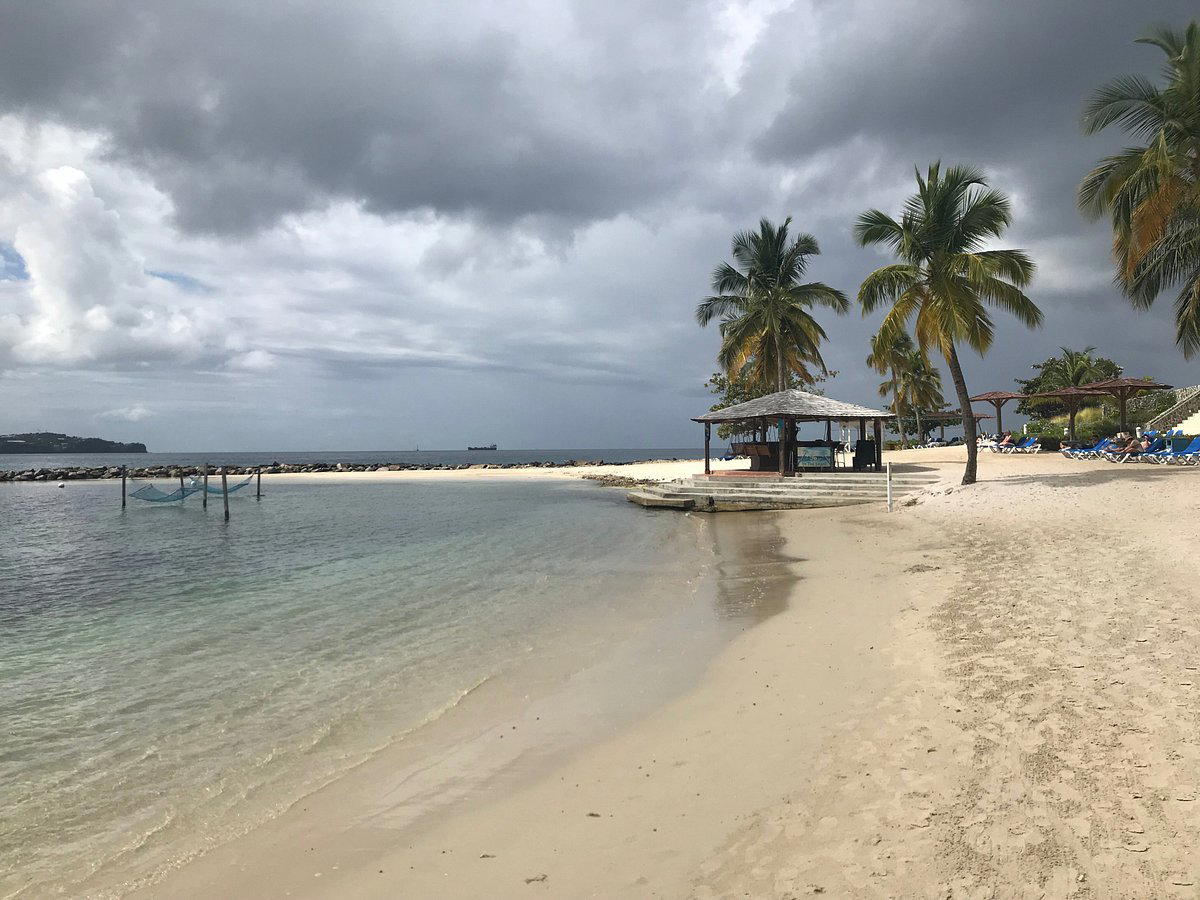
Where the Bay Does Most of the Work
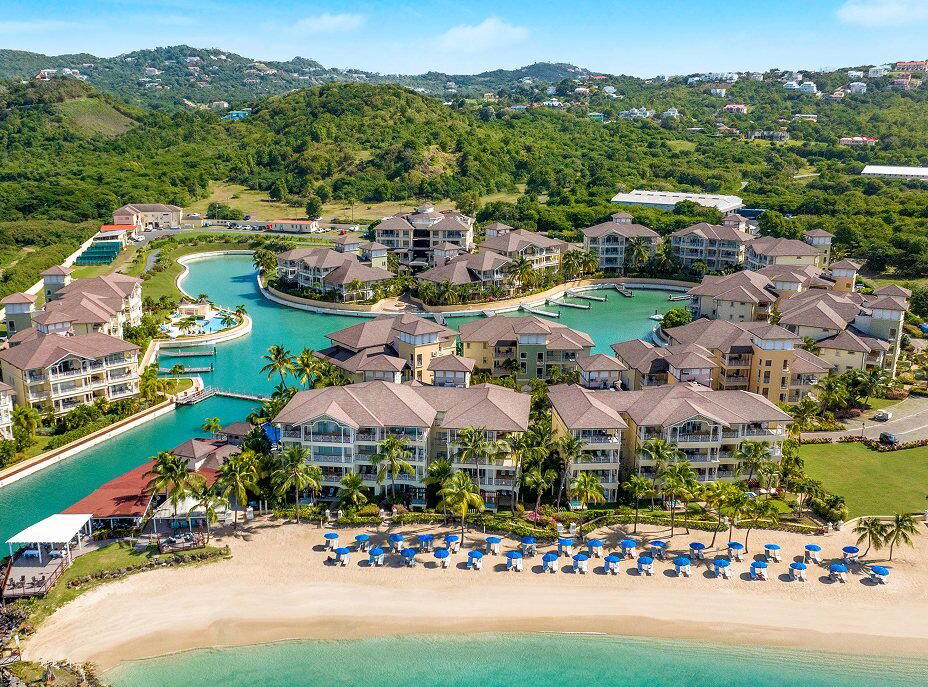
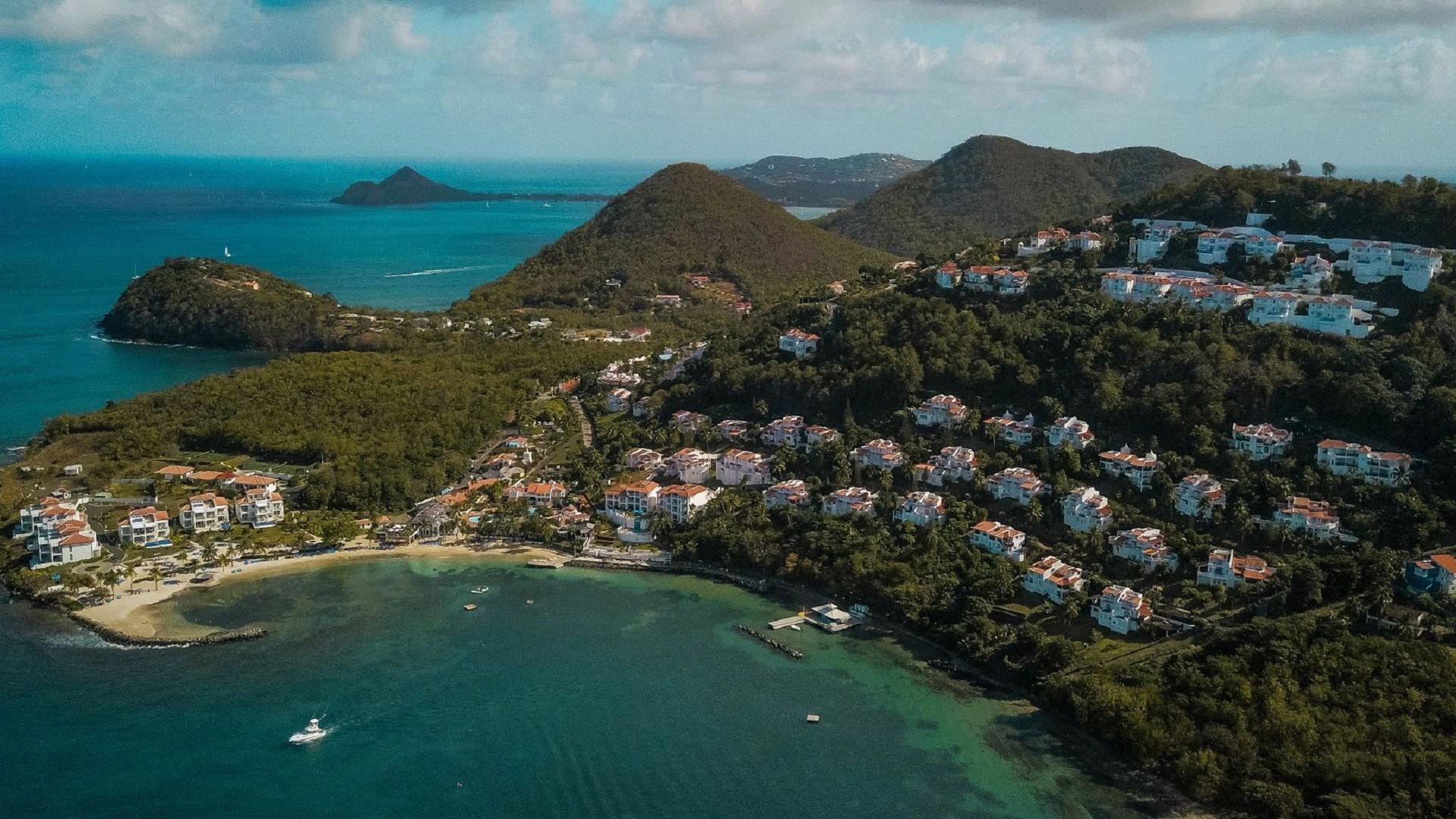
Labrelotte Bay sits north of Castries proper, tucked inside a curve of coastline that keeps it quieter than the resort-heavy strips further south toward Rodney Bay. The approach by road drops through hillside vegetation before the bay opens up, flat water, a pale arc of sand, and the kind of Caribbean sky that makes every drink look better than it probably is. Beach club formats in the Eastern Caribbean have long understood this dynamic: the environment carries enormous weight, and the leading operators in this tier build their programmes to match the setting rather than compete with it. At 96 Degrees in The Shade, the name itself gestures toward that logic, this is a place that acknowledges the heat as the central fact of being here, rather than pretending to air-condition it away.
The Cocktail Programme: Rum as the Starting Point
St Lucia's drinking culture is shaped, first and foremost, by rum. The island produces its own, Chairman's Reserve and Admiral Rodney sit at the credible end of the local range, and any beach club operating on this coastline that doesn't anchor its cocktail list in island rum is making an odd editorial choice. The strongest beach bar programmes across the Eastern Caribbean work by treating the local spirit not as a novelty ingredient but as the structural base from which the full menu radiates. Ti punch, rum sours, fruit-driven long drinks using local soursop, passion fruit, and tamarind: these are the registers that make sense in this latitude, and they are the registers that distinguish a thoughtful beach programme from a generic tropical one.
The comparison set for cocktail-forward beach clubs in this part of the world is relatively narrow. Most properties default to a pre-mixed, high-margin approach that prioritises volume over craft. The more interesting operators, and the ones that generate return visits rather than one-time tourist traffic, invest in fresh juice, local sourcing, and bartenders who can move between a frozen daiquiri and a properly balanced sour without reaching for a powdered mix. For reference points in serious cocktail craft, programmes like Bar Leather Apron in Honolulu or Kumiko in Chicago show what it looks like when technique is treated as non-negotiable, the beach format doesn't demand that level of formality, but the underlying respect for balance and ingredient quality translates across contexts.
Setting and Format
Beach clubs in the Caribbean operate across a wide spectrum, from the quasi-luxury day-club model with reserved sun loungers and bottle service to the loose, barefoot-optional format where the bar is the main infrastructure and everything else is secondary. Labrelotte Bay's geography, relatively sheltered, not a major cruise ship destination, away from the densest resort corridors, positions 96 Degrees toward the latter end of that spectrum. That's not a limitation; it's a format choice that tends to attract a different clientele than the high-production-value beach clubs in, say, Anse Chastanet's orbit further south. The crowd here skews toward visitors who have already done the organised resort day and are looking for something that runs on local time rather than hotel schedule.
The beach club category across tropical destinations has been evolving. Properties in Bali, Tulum, and parts of Southeast Asia demonstrated that design investment and a serious beverage programme could coexist with sand underfoot, and that template has gradually filtered into the Caribbean. St Lucia, with its dual-airport access (Hewanorra International in the south, George F.L. Charles Airport near Castries in the north), draws a mix of long-haul visitors and regional Caribbean travellers, and the northern end of the island, where Castries and Labrelotte Bay sit, tends to attract those arriving via the shorter Vigie runway, often on inter-island flights or private charters. That geographic fact shapes who is likely to be at the bar: shorter-stay visitors, day-trippers from neighboring islands, and travellers staying in self-catered properties around Rodney Bay rather than the all-inclusive resorts of the south. See our full Castries restaurants guide for broader context on the northern St Lucia dining scene.
Placing It in the Wider Cocktail Conversation
The global cocktail bar conversation is increasingly centred on urban programmes with documented technique, sourcing transparency, and competition pedigree. Bars like Café La Trova in Miami, Jewel of the South in New Orleans, and Superbueno in New York City represent that urban, awards-tracked tier. At the other end of geography, Julep in Houston and Dear Irving in New York City demonstrate that a strong sense of place and narrative can do as much for a drinks programme as technical complexity. Internationally, The Parlour in Frankfurt, Experimental Bistro in Taipei, Le Bar du Plaza Athénée in Paris, and Raised by Wolves in San Diego each anchor their programmes in a legible identity, whether that's heritage spirit focus, experimental technique, or theatrical environment. A Caribbean beach club isn't competing in that awards tier, but the underlying question, does this place have a coherent point of view about what it's serving and why? applies regardless of format or latitude.
Planning a Visit
Labrelotte Bay is most accessible from Castries by taxi or rental car; the bay is a short drive from the capital, making it a practical half-day from any base in the northern part of the island. Timing matters: mid-morning arrivals secure position before the peak midday heat, and late afternoon, as the light drops behind the hills, produces the conditions most associated with this kind of Caribbean setting. The beach club format means bookings are not typically required in the way a restaurant tasting menu demands advance planning, but checking current access arrangements through local accommodation or the Castries tourism office is advisable, particularly during peak Caribbean season from December through April when visitor numbers across northern St Lucia increase significantly.
Continue exploring
More in Castries
Restaurants in Castries
All restaurants in Castries →
96 Degrees in The Shade Beach Club
The drinks
Signature drinks: 96 Degrees in the Shade.
Details
- Scenic
- Relaxed
- Casual Hangout
- Waterfront
- Standalone
- Outdoor Terrace
- Frozen
- Rum
- Waterfront
Current opening hours
- Monday
- 11 AM–4 PM
- Tuesday
- 11 AM–4 PM
- Wednesday
- 11 AM–4 PM
- Thursday
- 11 AM–4 PM
- Friday
- 11 AM–4 PM
- Saturday
- 11 AM–4 PM
- Sunday
- 11 AM–4 PM
Hours can change for holidays and private events. Hours as of .
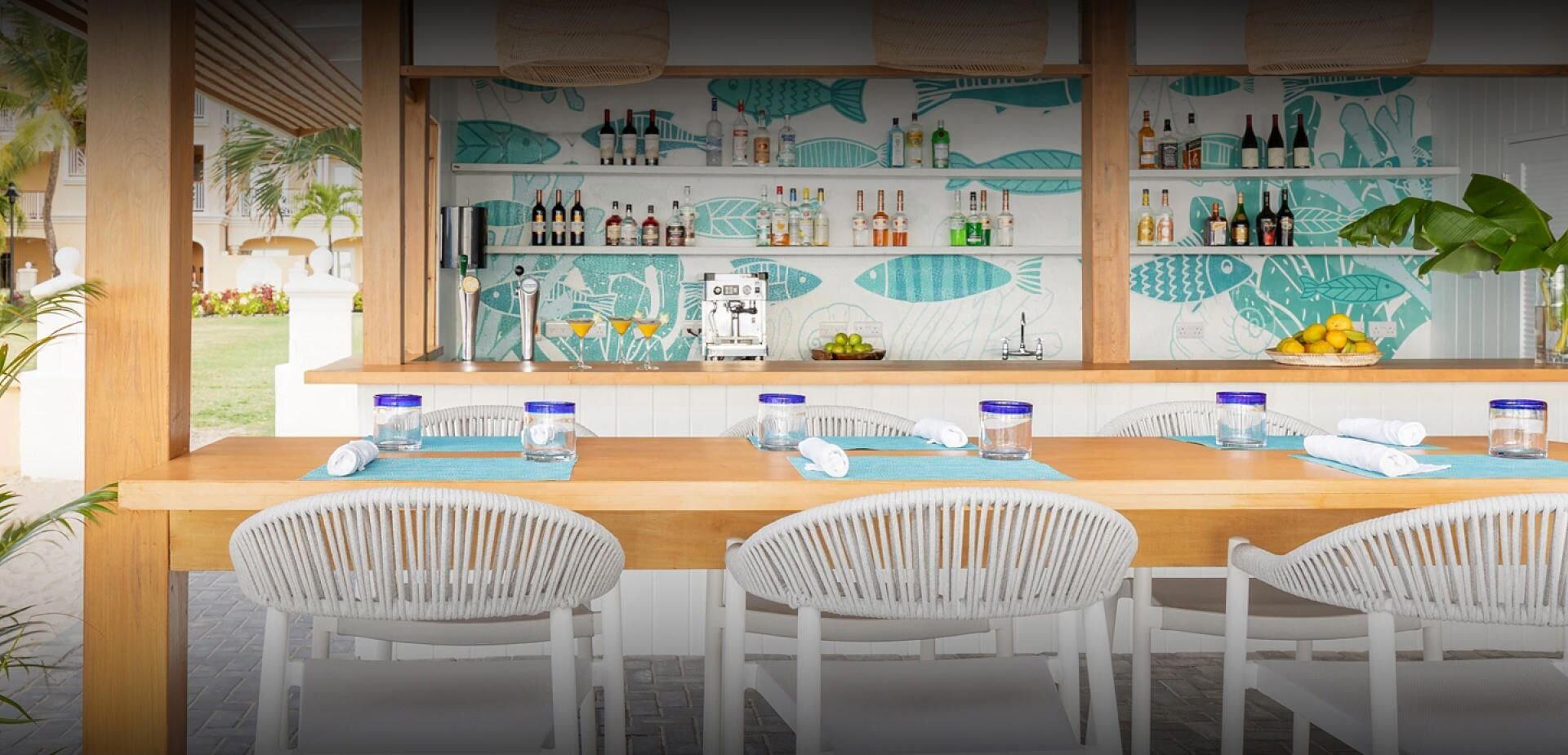
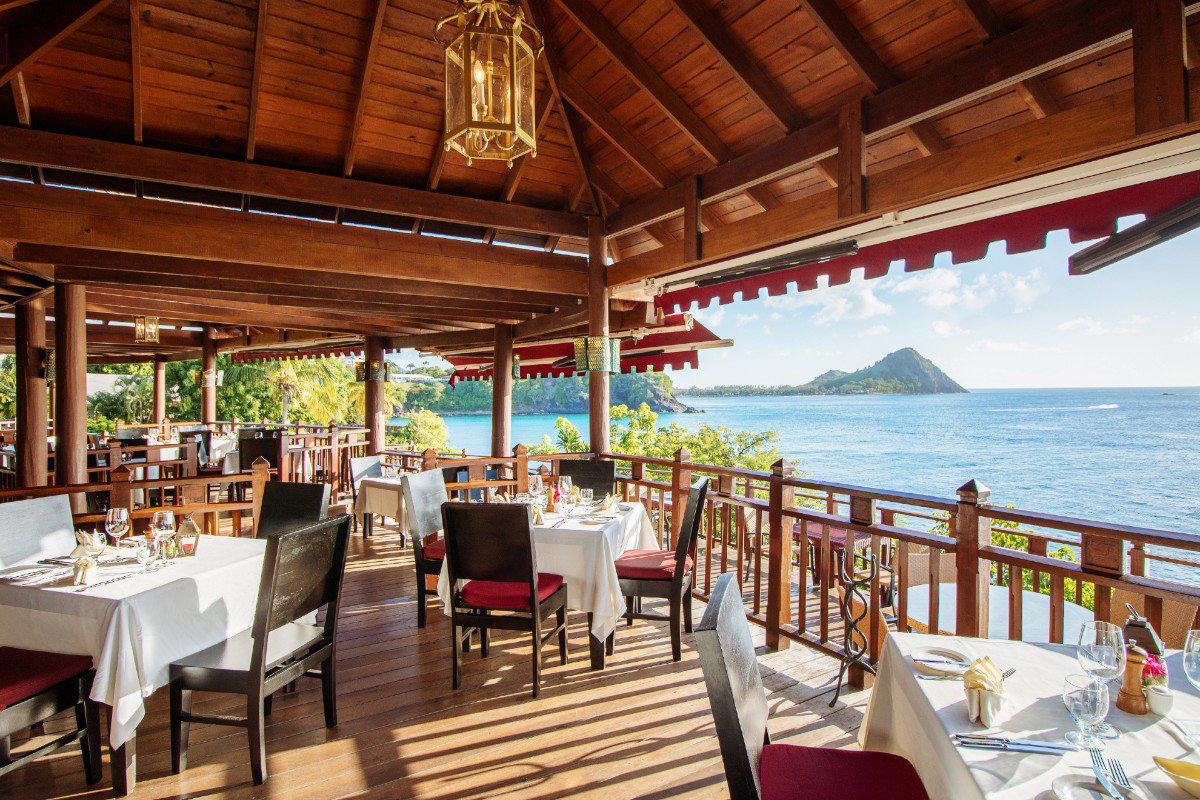
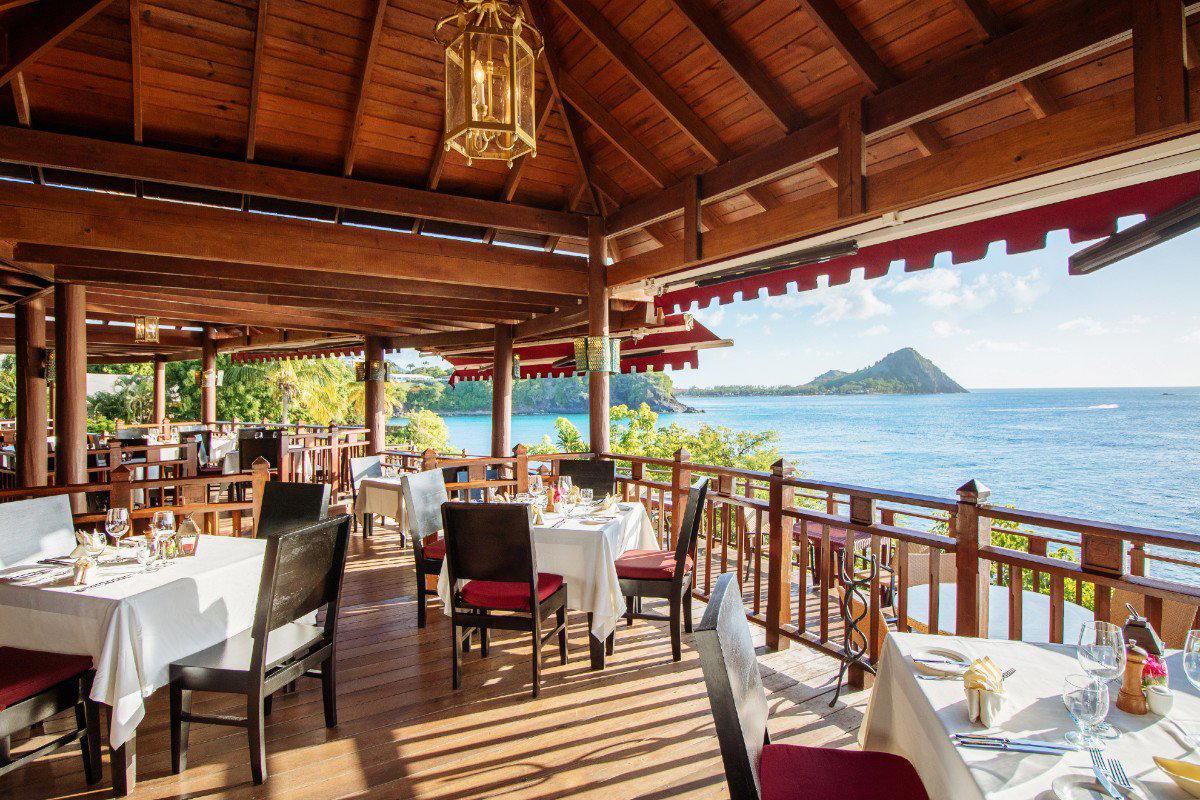
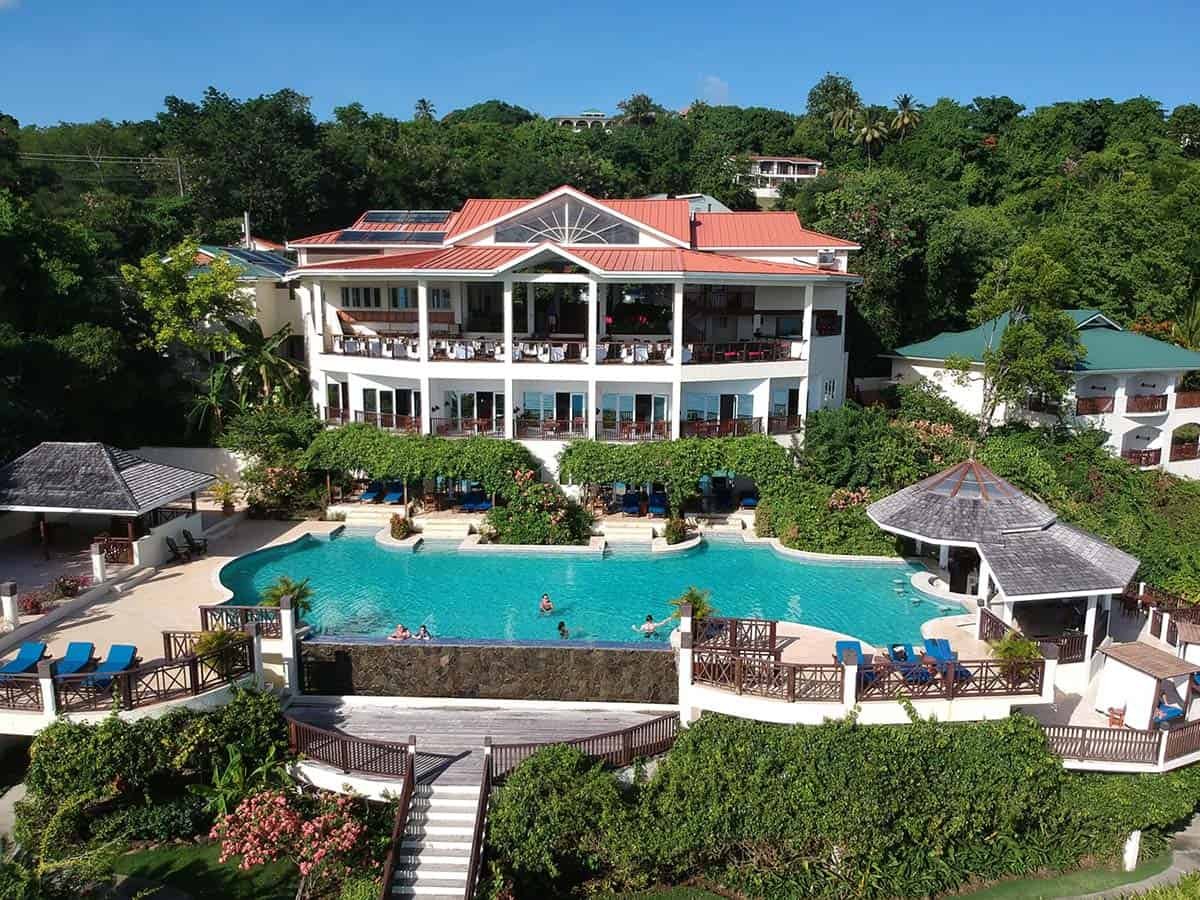
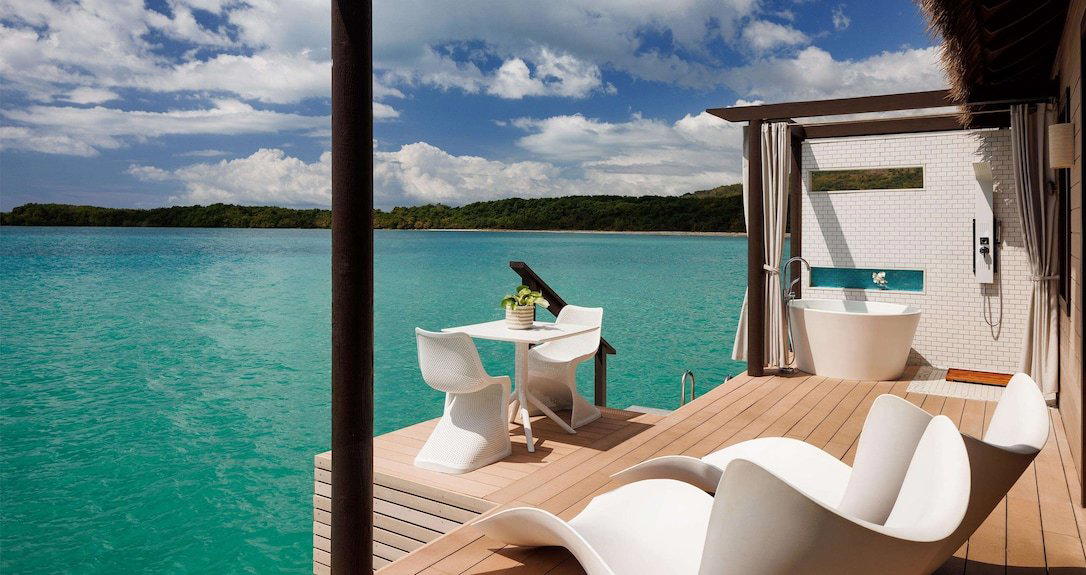
Beachfront tiki-hut setting with a laid-back tropical atmosphere.