Our verdict
Apsara belongs to the quieter side of St. Lucia dining, away from resort spectacle and closer to the island’s agricultural spine. With a Mamin location on the west coast, it is best read through the local pantry: fruit, root crops, fish, spice, and the Creole-Indian overlaps that shape how the island eats.

Pearl is the En Primeur Club membership app, where members save venues, book tables and use the concierge.
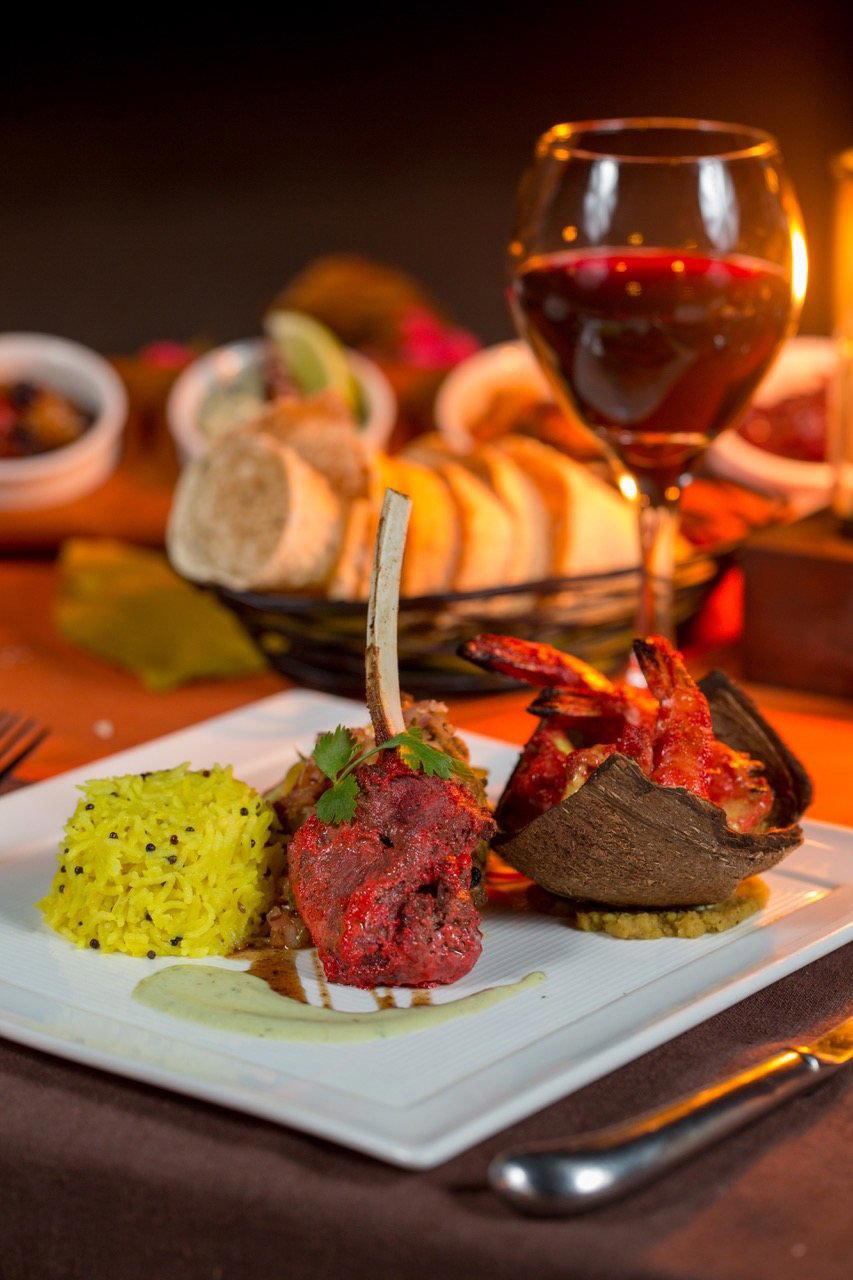
The menu
What to order
- Jugal Bandhi sampler (fire-roasted lamb, cumin mustard king prawn, tandoor chicken)
- Tandoor grilled meats
- Authentic curries
- Caribbean-infused seafood entrées
Approaching St. Lucia, the island shifts register. The dining scene is less about polished marina shorthand than steep roads, humid vegetation, small communities, and the constant presence of the sea just beyond the trees. That setting matters for Apsara because restaurants here are often judged less by theatrical dining-room gestures and more by how convincingly they connect the plate to St. Lucia’s produce, fishing culture, and spice routes.
Caribbean dining is often flattened into beach-bar shorthand, but St. Lucia has a more layered table than that. Cocoa estates, green fig, breadfruit, callaloo, plantain, coconut, reef fish, hot pepper, tamarind, and curry all sit inside the island’s everyday repertoire. Regional influences give the cooking a second grammar: spice pastes, rice, dhal, chutney, and heat used for structure rather than decoration. Apsara’s editorial interest sits in that broader island conversation, where sourcing, seasoning, and place can carry more weight than imported luxury signals.
St. Lucia's pantry, read through spice rather than resort polish
The stronger restaurants in St. Lucia tend to divide into two camps. One uses the view as the main event; the other treats the island’s raw materials as the argument. In the first camp, dinner competes with sunset, pools, and view-facing terraces. In the second, the value is quieter: local fish, produce that tastes of volcanic soil, and a kitchen willing to let spice, smoke, acidity, or coconut do the work.
Apsara belongs more naturally to the second conversation. With no specific chef profile or ranking shaping the narrative, the useful lens is not celebrity, but category. This is the kind of island restaurant where the reader should look for evidence of sourcing discipline: how fish is handled, whether vegetables feel local rather than generic, whether spice has depth, and whether the kitchen understands that heat alone is not flavour. In St. Lucia, ingredient sourcing is not a branding line; it is the difference between a meal that could happen anywhere in the Caribbean and one that makes sense only here.
That distinction becomes clearer when set against other island formats. Jade Mountain Club sits closer to the high-view, destination-dinner model, where setting and hospitality architecture shape the meal before the first plate arrives. Emeralds Restaurant points toward a more ingredient-led reading of the island, while names such as Treehouse Restaurant, Trou au Diable Restaurant, and Jungle Grill suggest how broad the St. Lucia dining spectrum becomes once the conversation moves beyond formal resort rooms. Apsara’s role is not to out-stage those formats, but to sit within the island’s more grounded food culture.
Why St. Lucia changes the meal
Location changes expectations in St. Lucia. The island’s dining areas can carry different rhythms: more nightlife and resort traffic in some places, more landscape and estate history in others. A restaurant in St. Lucia inherits proximity to fishing communities, plantation-era terrain, and the road culture that links small settlements to resort enclaves. That geography creates a useful tension for diners: the setting is within reach of high-end travel routes, but the culinary reference points remain local.
For travellers mapping the island through meals, Apsara should be considered alongside category-adjacent addresses rather than treated as an isolated stop. Other St. Lucia dining rooms offer comparison points for view-led dining, while casual local formats show how everyday appetite moves through the island. Emeralds Restaurant, Jade Mountain Club, Treehouse Restaurant, Trou au Diable Restaurant, and Jungle Grill each sit in different lanes of that broader map. The point is not hierarchy; it is calibration. Apsara makes more sense when read as part of a St. Lucia itinerary where landscape, produce, and spice are doing the talking.
That same calibration is useful for readers comparing St. Lucia with broader premium dining habits. In larger dining capitals, narrow-format restaurants and drinks-led rooms can train diners to look for specialization above all else. St. Lucia asks for a different kind of attention: not micro-format discipline, but whether the kitchen understands the island’s agricultural and maritime logic.
How to place Apsara in a St. Lucia itinerary
Apsara is better suited to travellers who want St. Lucia’s food culture without reducing it to a beach lunch or a hotel tasting menu. The more useful plan is to pair it with a day on the island, then use other meals to test the island’s range: local grill cooking, resort dining, café culture, and produce-led Caribbean kitchens. Other St. Lucia dining rooms broaden that map, while our full St. Lucia restaurants guide gives the wider restaurant context.
The same logic applies beyond dinner. St. Lucia’s hospitality scene is split between high-design resorts, small local food rooms, rum-forward drinking, marine excursions, and estate-linked experiences. For planning across categories, use our full St. Lucia hotels guide, our full St. Lucia bars guide, our full St. Lucia wineries guide, and our full St. Lucia experiences guide. The editorial read is simple: Apsara is at its strongest when treated as part of an ingredient-first St. Lucia day, not as a trophy booking detached from the island around it.
Frequently asked questions
Can I bring kids to Apsara?
Apsara’s venue details list a St. Lucia location, but no age policy. That usually means families should check plans against the day’s setup before heading over.
What is the atmosphere like at Apsara?
Apsara reads as a St. Lucia address rather than a generic resort dining room, so the mood is best understood through its island context rather than through imported polish.
How do I find Apsara?
St. Lucia.
Is Apsara reservation-only?
The listing identifies Apsara by its St. Lucia location and does not present it as reservation-only. In practical terms, that makes advance planning sensible if the timing matters.
What has Apsara built its reputation on?
The strongest fixed point is its location: Apsara is listed in St. Lucia. That positioning is often what gives a place its following, especially in a market where location shapes how people eat.
Fast Comparison
Comparable venues by cuisine and price in the same metro.
| Venue | Cuisine | Price | Awards |
|---|---|---|---|
| ApsaraThis venue (the venue you are viewing) | East Indian–Caribbean Fusion | $50–100 | Not listed |
| Treehouse Restaurant | Caribbean Fine Dining | $50–100 | Wine Spectator Award of Excellence |
| Trou au Diable Restaurant | Caribbean and Creole Beach Restaurant | Not listed | Not listed |
| Emeralds Restaurant | Vegan Caribbean Fusion | Not listed | Not listed |
| Jade Mountain Club | Modern Jade Cuisine | Not listed | Wine Spectator Award of Excellence |
| Jungle Grill | Caribbean Beach Grill | $30–50 | Not listed |
Continue exploring
More in Soufriere
Restaurants in Soufriere
All restaurants in Soufriere →
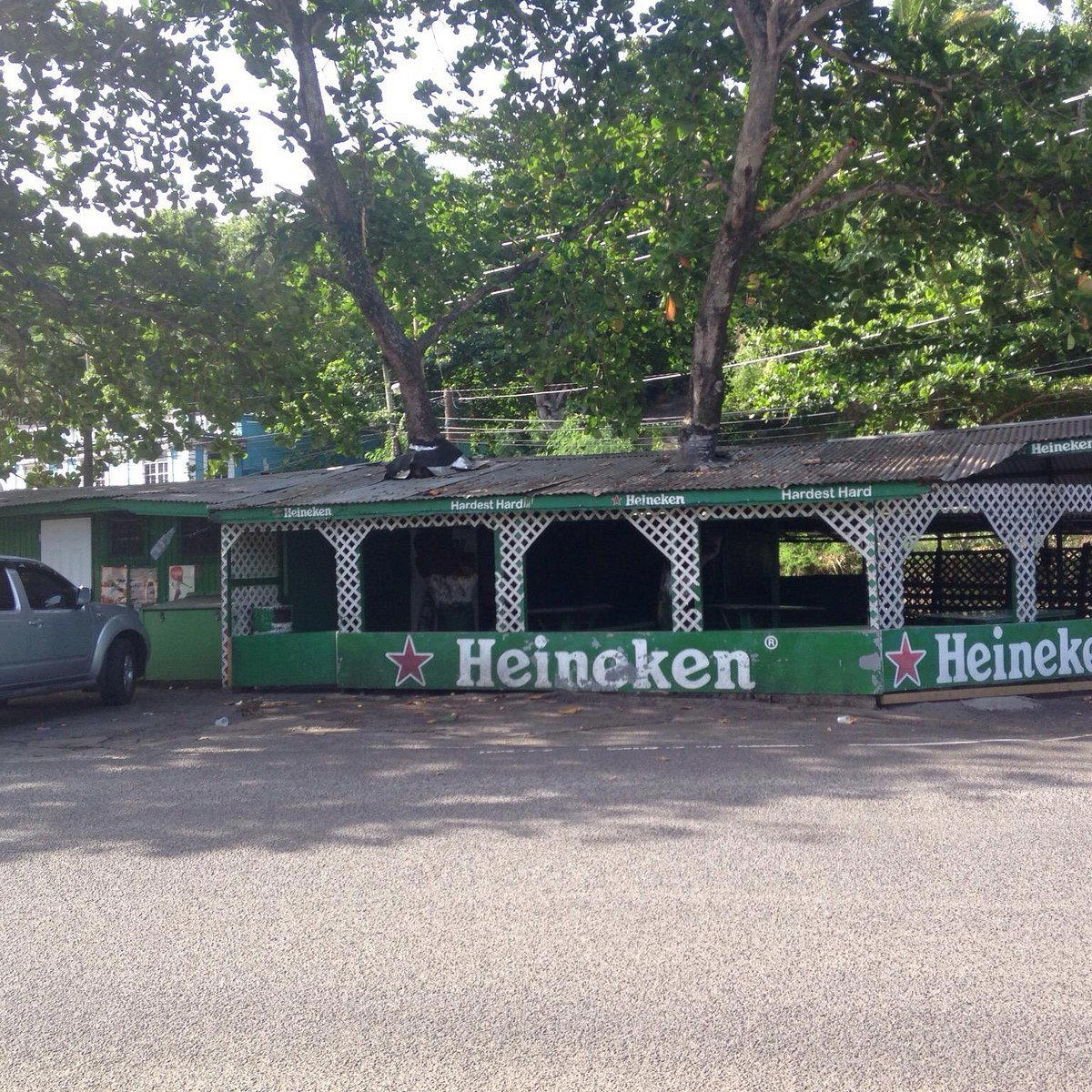
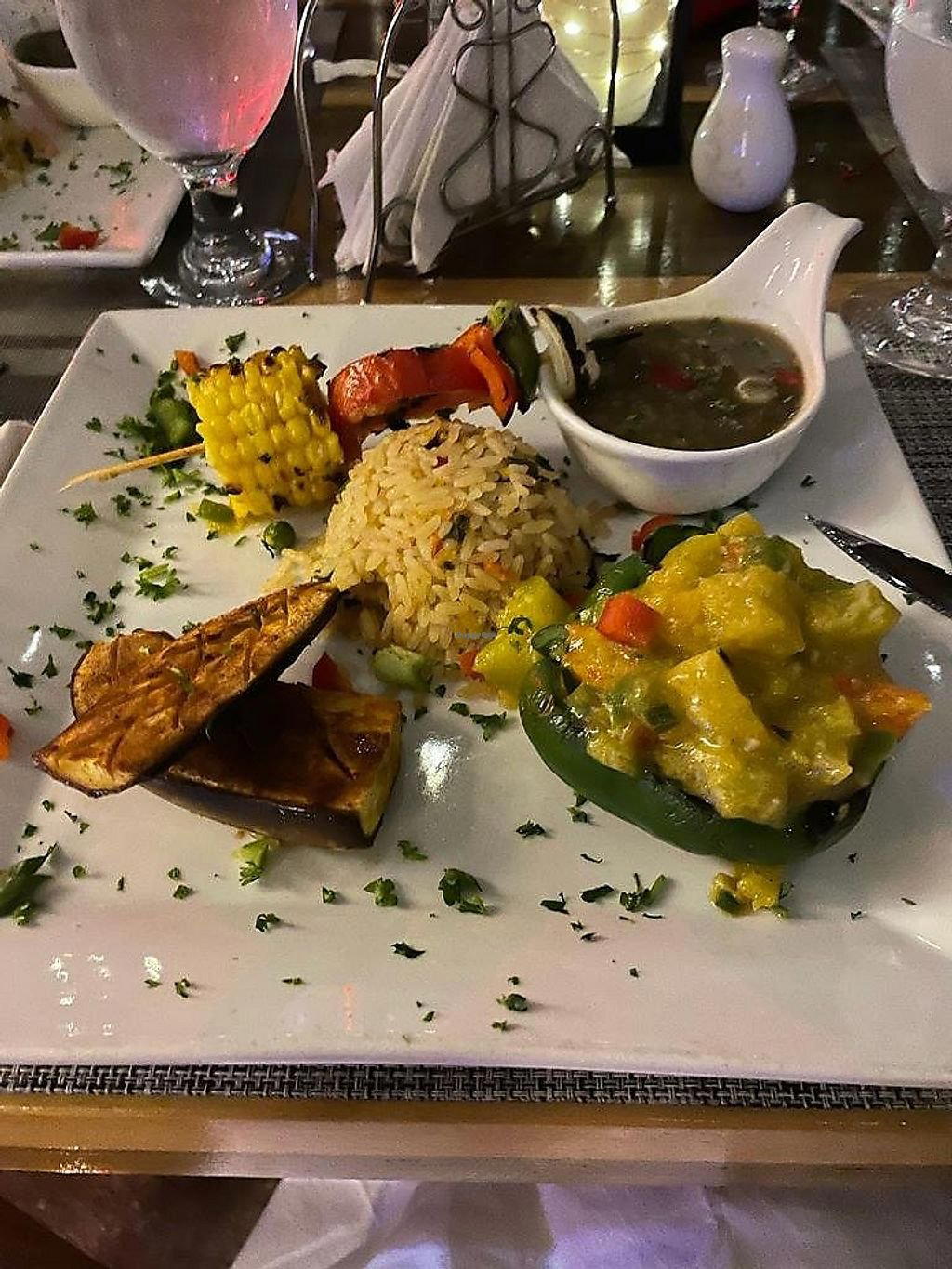
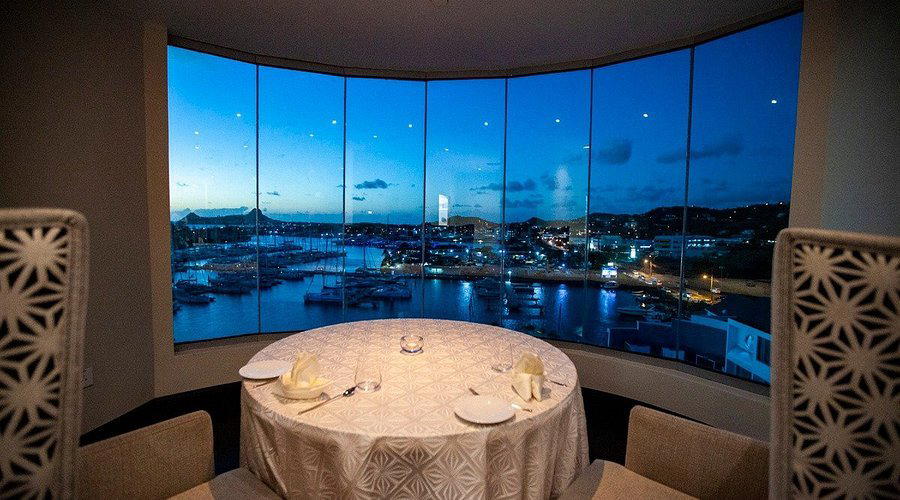
Bars in Soufriere
Browse all →





Details
- Romantic
- Scenic
- Elegant
- Intimate
- Date Night
- Special Occasion
- Celebration
- Group Dining
- Family
- Waterfront
- Hotel Restaurant
- Terrace
- Panoramic View
- Extensive Wine List
- Craft Cocktails
- Local Sourcing
- Waterfront
- Mountain
- A La Carte
- Tasting Menu
- Wine
- Cocktails
- Vegetarian Friendly
- Vegan Options
- Gluten Free Options
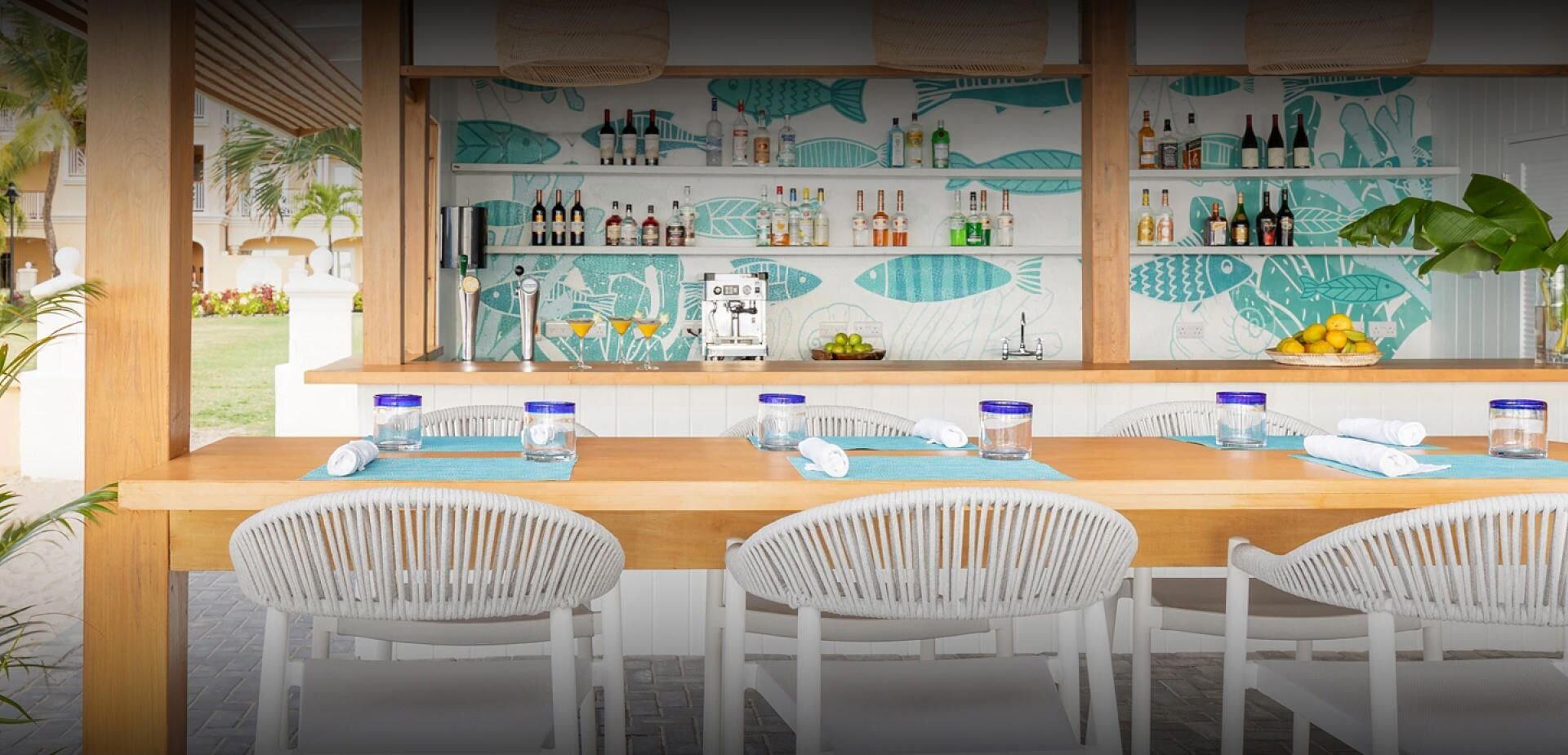
Romantic, open-air beachfront setting with views of the Caribbean Sea and Pitons, candlelit tables, and an upscale yet relaxed resort atmosphere ideal for leisurely dinners.