Onigiri Time
Our verdict
Onigiri Time brings the compact discipline of Japanese rice-ball craft to Pasadena, sitting within a local dining scene that increasingly rewards specialist formats over broad menus. The space and format prioritize focused execution, placing it in a different register from the neighbourhood's broader casual dining options. Confirm current hours and booking directly before visiting.

Pearl is the En Primeur Club membership app, where members save venues, book tables and use the concierge.
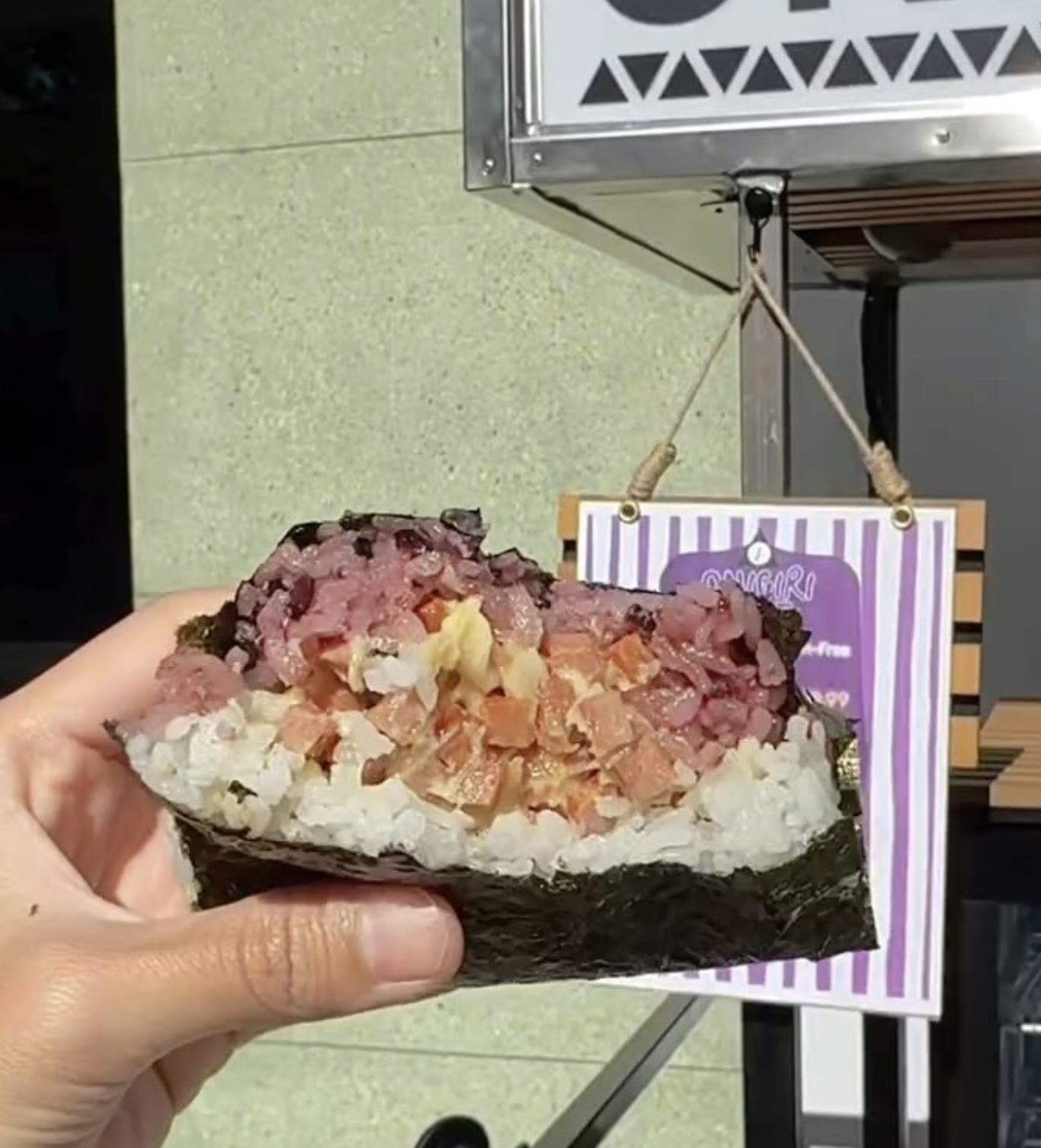
The menu
What to order
- Umeboshi onigiri
- Salmon mayo onigiri
- Mixed mushroom onigiri
The Counter Culture of the Rice Ball
There is a particular kind of eating space that Japan exported almost without fanfare: the specialist counter, stripped of ambient theatre, organised entirely around a single preparation. Onigiri shops occupy that category. Where ramen-ya created global franchises and sushi counters became luxury real estate, the onigiri format remained resolutely utilitarian in Japan, a train-station staple wrapped in cling film, purchased in seconds. That a version of this format has arrived in Pasadena says something meaningful about where California's appetite for Japanese food craft currently sits.
Pasadena's dining scene has been quietly diversifying beyond its historic concentration of American and Italian mid-market restaurants. The stretch of Old Town and the corridors around Colorado Boulevard now hold a more varied set of operators, from the formal confidence of Alexander's Steakhouse to the neighbourhood consistency of All India Cafe and the composed cafe register of Amara Cafe & Restaurant. Specialist single-focus formats are a newer layer in this mix, and Onigiri Time represents that tendency applied to Japanese rice craft.
Space Built Around the Object
The design logic of an onigiri specialist is nearly pre-determined by what it sells. The rice ball is hand-formed, portable, and consumed quickly. Spaces that serve it well tend to be compact, counter-forward, and arranged so the act of preparation is legible from the customer's position. This is not incidental aesthetics. The architecture of the space and the object it produces are in conversation: a display case or open counter makes the filling selection visible, the triangular forms lined up in sequence become the menu made physical.
This spatial economy contrasts sharply with the full-service dining room model that still dominates much of Pasadena's sit-down scene. Places like Arbour or the tasting-format rooms further afield at 36 W Colorado Blvd #7 operate on extended-dwell-time premises, with tablecloths and pacing built into the room. Onigiri Time operates on an entirely different axis: the physical container is organised around rapid, precise selection, not around lingering. That is a design stance, not a compromise.
Across California's broader Japanese dining ecosystem, the gap between high-ceremony formats and this kind of craft-specialist casual has been the most interesting territory. High-commitment omakase counters at venues in Los Angeles like Providence represent one pole. Onigiri Time, as a format, represents something deliberately positioned at the opposite end of that scale, where the craft is in the rice temperature, the nori wrap, and the filling balance rather than in multi-course progression.
What the Format Teaches About Japanese Rice Craft
Onigiri as a category is more technically demanding than its price point typically suggests. The rice must be seasoned and held at a temperature that keeps it tender without becoming wet. The nori, if used, should retain enough structure to function as a handle without becoming rubbery. The fillings range from the elemental, salted salmon or pickled plum, to more contemporary combinations that have proliferated in Japanese convenience culture and now appear in craft-onigiri shops from Tokyo's Onigiri Asakusa Yadoroku to newer West Coast American operators.
The global comparator set for this kind of precise, single-focus Japanese craft is instructive. At the formal end, venues like Atomix in New York City demonstrate how Korean and Japanese culinary disciplines can command serious tasting-menu prices when the craft is made visible and contextualised. The onigiri format rarely operates at that price tier, but the underlying commitment to ingredient quality and preparation precision is the same logic applied to a different commercial model.
Within the broader American Japanese-food conversation, specialist rice formats have lagged behind ramen, sushi, and izakaya in public recognition, which is part of what makes operators working in this space interesting to track. They are betting on a format that has deep roots in Japan's daily eating culture but remains underdeveloped as a category in American cities outside of specific Japanese-American community concentrations.
Pasadena in Context
The city sits northeast of Los Angeles proper, close enough to the wider LA dining orbit to benefit from the city's deep Japanese food infrastructure, but distinct enough to have its own dining character. For readers building a broader California itinerary that includes formal dining at The French Laundry in Napa or Single Thread Farm in Healdsburg, Pasadena functions as a lower-register counterpoint, a city where the interesting eating is increasingly found in focused, informal formats rather than in high-ceremony rooms. See our full Pasadena restaurants guide for a complete map of what the city currently offers across price tiers.
The comparison to other American cities with maturing Japanese food scenes is useful here. In San Francisco, Lazy Bear demonstrates how informal formats can achieve critical recognition when execution is consistent. In Chicago, Alinea represents the maximalist pole that makes casual craft formats legible by contrast. In New Orleans, Emeril's shows how a city's dining identity can be anchored by specific operators. Pasadena is still developing the equivalent of those anchoring stories, and specialist formats like onigiri shops are part of how that identity forms.
Planning Your Visit
Onigiri formats at the craft end of the market in California typically operate daytime hours with sell-through models, meaning late arrivals may find reduced selection. Pricing across comparable West Coast onigiri specialists generally sits in the accessible range, well below the price points of formal Japanese dining at venues like 8 1/2 Otto e Mezzo Bombana in Hong Kong or Addison in San Diego. If you are building a Pasadena day around food, pairing an onigiri stop with a more formal dinner at one of the city's sit-down operators gives the clearest sense of where the scene currently is and where it is heading.
Frequently asked questions
at Onigiri Time?
In the onigiri category generally, the fillings that demonstrate a kitchen's range most clearly are those requiring precision in seasoning balance: well-made salmon, tuna mayo, and pickled plum versions serve as benchmarks across the format. Visiting during peak hours, when rice turnover is highest, typically gives the clearest read on quality. For broader context on Pasadena dining, the All India Cafe and Amara Cafe & Restaurant listings offer confirmed data points in the casual dining tier.
Do they take walk-ins at Onigiri Time?
Onigiri-format specialists in California and across the American West generally operate as walk-in, counter-service venues rather than reservation-based rooms, given the quick-turnover nature of the format. For context on Pasadena's booking culture more broadly, the full Pasadena guide covers a range of formats from walk-in to advance-reservation dining.
What has Onigiri Time built its reputation on?
What can be said is that single-focus Japanese craft formats in California build recognition primarily through word-of-mouth and community repeat visits rather than through formal award cycles, which tend to weight multi-course restaurants. The onigiri category in the United States is still establishing its critical vocabulary, which makes early-stage operators in cities like Pasadena worth tracking. For comparable culinary disciplines at the formal end of Japanese-influenced dining, Providence in Los Angeles and Atomix in New York City provide useful reference points for how Japanese craft translates into critical recognition in American markets.
Is Onigiri Time suitable for a quick lunch stop, or does it work better as a planned destination?
The onigiri format is structurally suited to both uses, though the answer depends on what you are optimising for. As a quick stop, the counter-service model and portable product make it a practical midday option in Pasadena without requiring a dedicated dining window. As a planned destination, it fits within a broader half-day food itinerary that might include a more formal meal at Alexander's Steakhouse or a neighbourhood walk through Old Town. Confirm current hours before building an itinerary around it, as sell-through models at craft onigiri venues mean availability can shift significantly from midday to late afternoon.
Budget Reality Check
A quick peer reference to anchor this venue in its category.
| Venue | Cuisine | Price | Awards |
|---|---|---|---|
| Onigiri TimeThis venue (the venue you are viewing) | Japanese Onigiri Specialist | $10–20 | Not listed |
| Arbour | California Farm-to-Table | $50–100 | World's Best Wine Lists Awards WBWL 3-Star |
| Kulturas | Mexican-Peruvian Fusion | Not listed | Not listed |
| Maestro | Modern Mexican | $50–100 | Not listed |
| Viva Tacos La Estrella | Authentic Mexican Tacos & Burritos | $10–20 | Not listed |
| Green Street Restaurant | California Comfort Food | $20–30 | Not listed |
Continue exploring
More in Pasadena
Restaurants in Pasadena
All restaurants in Pasadena →
Bars in Pasadena
All bars in Pasadena →
Hotels in Pasadena
Browse all →

Wineries in Pasadena
Browse all →
Details
- Casual
- Modern
- Cozy
- Casual Hangout
- Solo
- Sake Program
- A La Carte
- Sake
- Soft Drinks
- Vegetarian Friendly
Current opening hours
- Monday
- Closed
- Tuesday
- 10 AM–2 PM
- Wednesday
- 10 AM–2 PM
- Thursday
- 10 AM–2 PM
- Friday
- 10 AM–2 PM, 5–7 PM
- Saturday
- 10 AM–2 PM, 5–7 PM
- Sunday
- 10 AM–2 PM, 5–7 PM
Hours can change for holidays and private events. Hours as of .
Bright, casual counter-service spot with friendly service and a welcoming neighborhood feel.