1
Dallas, United States
Results
Prague, Czech Republic
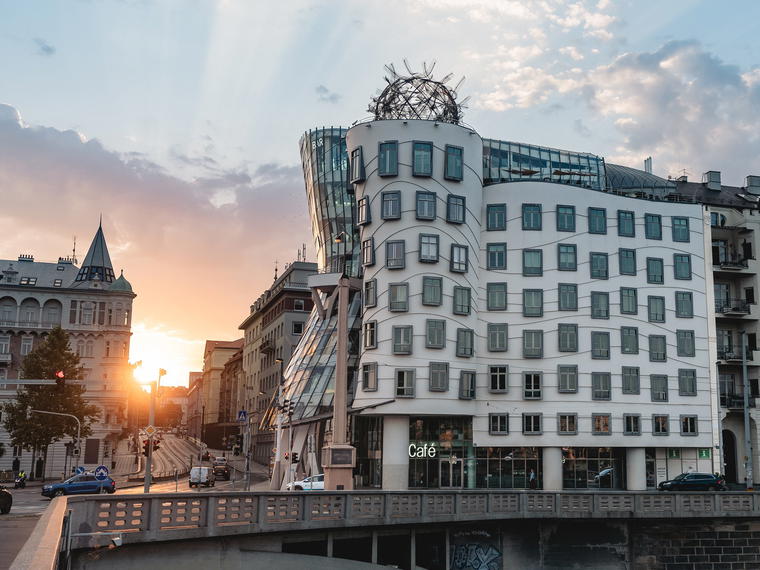
Occupying the upper floors of Frank Gehry and Vlado Milunić's landmark deconstructivist building on the Vltava riverfront, Dancing House is one of the few hotels in Europe where the architecture is genuinely the product. The Nové Město address places guests within walking distance of the National Theatre and Charles Bridge, and the rooftop bar delivers unobstructed views across Prague's skyline.
Rome, Italy
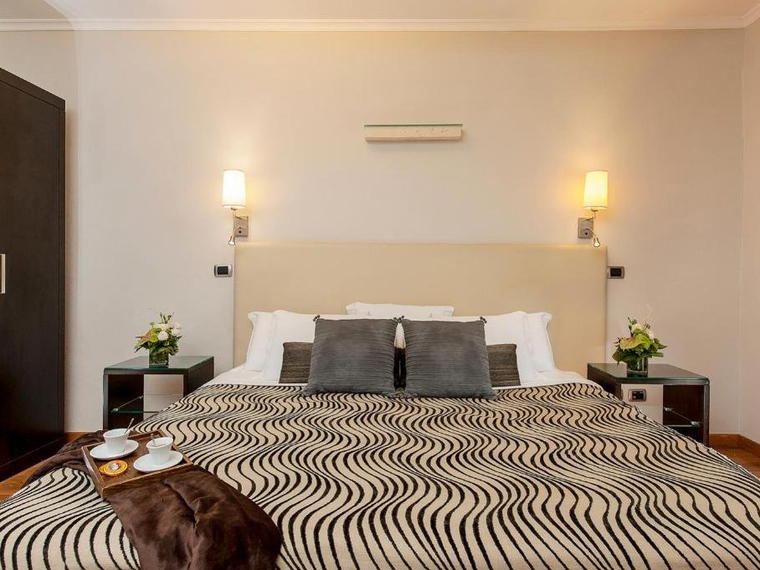
A boutique B&B on Via degli Avignonesi in Rome's Trevi quarter, Daphne sits in a tier of small, design-conscious properties that trade scale for proximity and character. For travellers who want a central Roman base without the formality of a full-service hotel, this address places you within walking distance of the city's most concentrated historic core. A practical, personally-scaled alternative to Rome's larger luxury properties.
Fès, Morocco
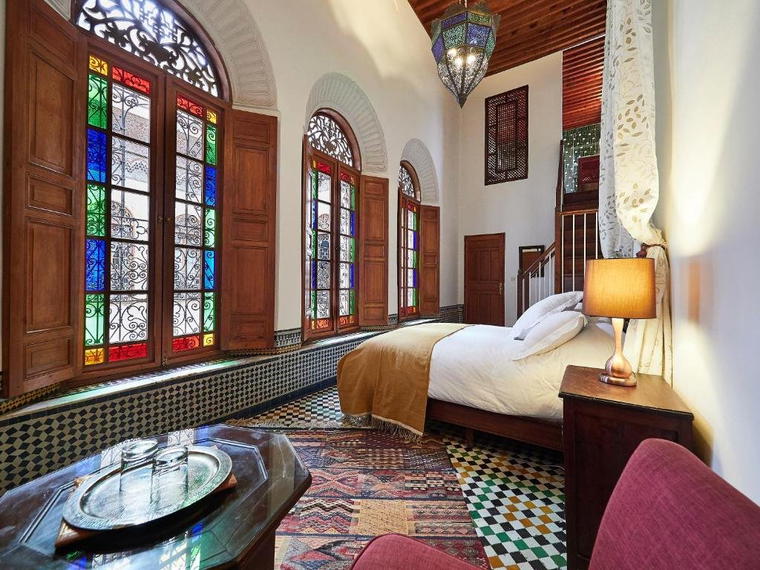
Dar Roumana occupies a restored riad at 30 Derb El Amer in the heart of Fes el-Bali, one of the medina's most architecturally intact residential quarters. The property sits within the riad-hotel category that defines premium accommodation in the old city, where courtyard scale, traditional craftsmanship, and proximity to the medina's historic core set the competitive terms. Guests seeking medina immersion over new-city amenities will find this address useful.
Guerneville, United States
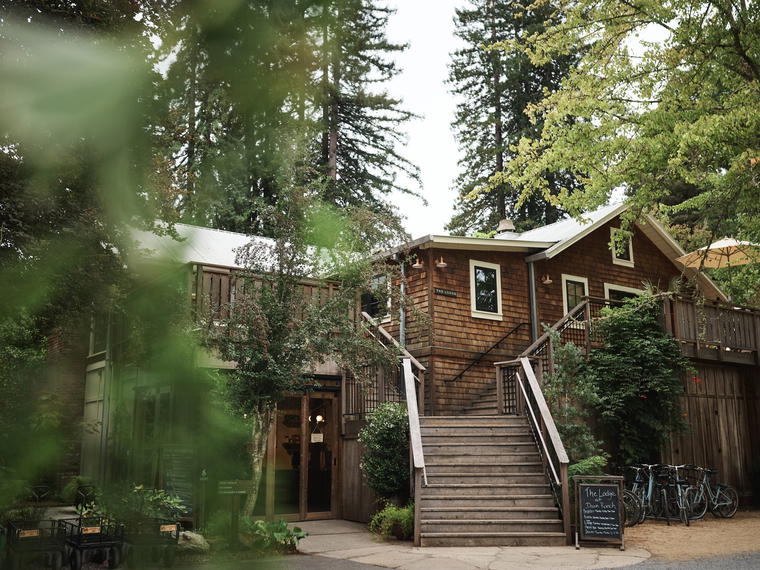
Dawn Ranch sits along the Russian River in Guerneville, California, where redwood groves and a working ranch setting define the property's character rather than any conventional hotel polish. The address places it within Sonoma County's wine country fringe, close enough to Healdsburg's tasting rooms to serve as a base, and far enough removed to feel genuinely rural. For travelers whose priority is landscape over amenity density, it occupies a distinct position in the Northern California lodge category.
Hangzhou, China
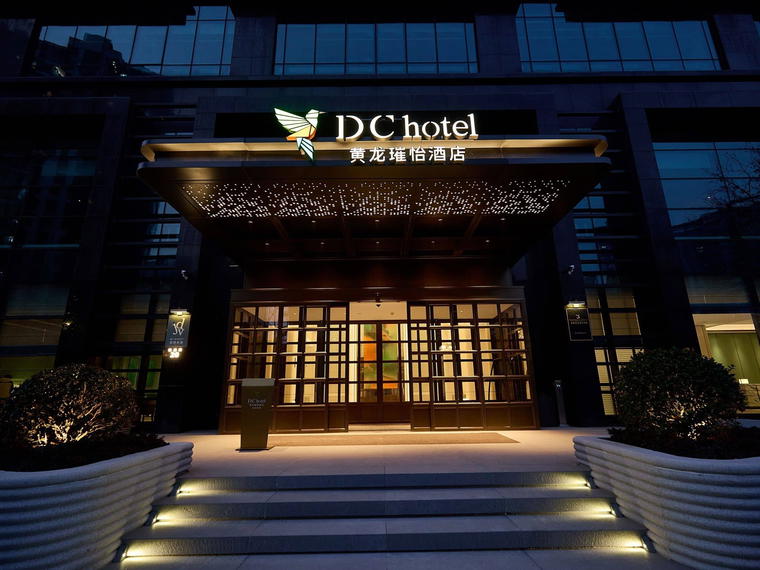
DC Hotel Hangzhou CBD belongs to Hangzhou’s business-district hotel conversation rather than the city’s lakeside resort tradition. With public record data limited on rooms, dining, awards, pricing and design authorship, the responsible reading is contextual: treat it as a CBD address to compare against Hangzhou’s better-documented luxury and retreat properties before committing to a stay.
Amsterdam, Netherlands
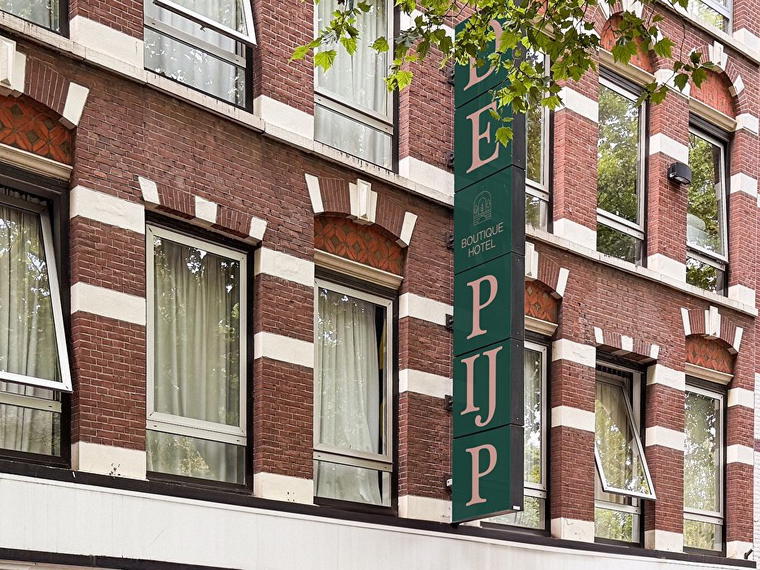
On the southern edge of Sarphatipark, De Pijp Boutique Hotel occupies one of Amsterdam's most characterful residential neighbourhoods, where the Albert Cuyp Market and a dense cluster of Indonesian, Surinamese, and Dutch eateries define the immediate surroundings. The property sits within walking distance of the Heineken Experience and the Rijksmuseum, placing guests inside the city's daily rhythm rather than apart from it.
Madrid, Spain
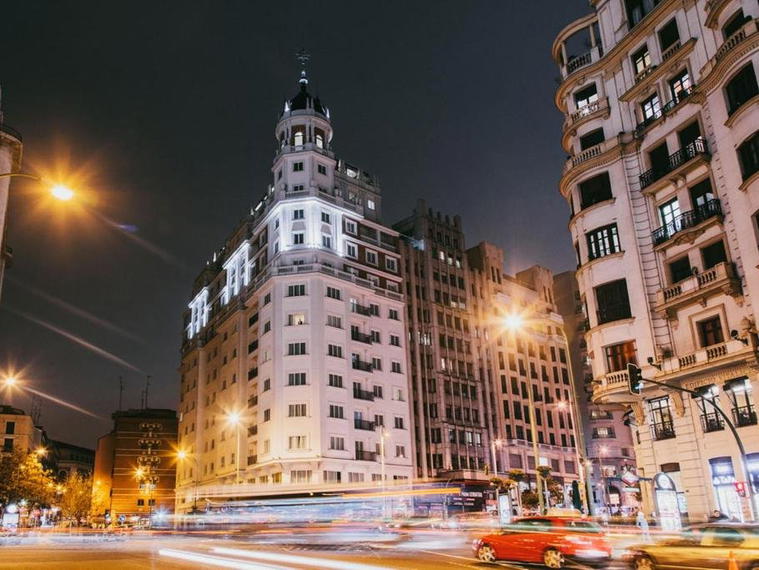
On Gran Vía at number 80, Dear Hotel Madrid occupies one of central Madrid's most legible addresses — close enough to the city's commercial and cultural pulse to make it a practical base, positioned within a tier of design-conscious hotels that read the city differently from the grand palace properties. The service model here tilts toward attentive informality rather than ceremonial distance, placing it in a distinct competitive bracket for travellers who want presence without protocol.
Amsterdam, Netherlands
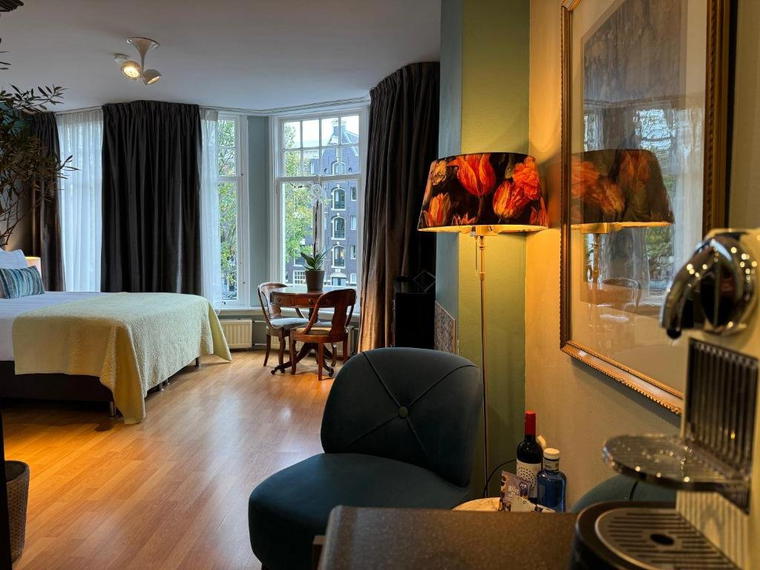
Occupying a pair of historic canal houses on Prinsengracht, Décor Canal House sits in one of Amsterdam's most architecturally consistent stretches of the UNESCO-listed canal ring. The property belongs to a small cohort of independently operated Amsterdam addresses where the building itself sets the terms of the stay — narrow staircases, original beam ceilings, and a direct relationship with the waterway outside.
Naples, Italy
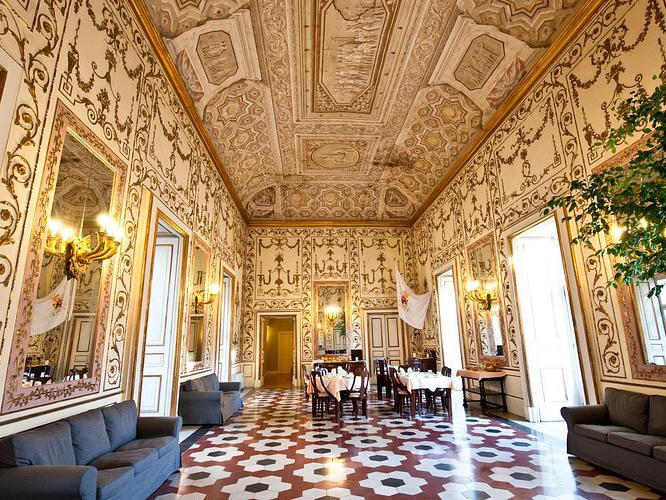
A converted cardinal's palace on one of Naples' most storied streets, Decumani Hotel de Charme occupies the historic centro storico at Via San Giovanni Maggiore Pignatelli 15. The property sits within the UNESCO-listed old city grid, where Baroque architecture and street-level Neapolitan life press right up against the facade. For travellers who want the city at full concentration rather than filtered through a resort buffer, this address places them in it.
I D No 9, Canada
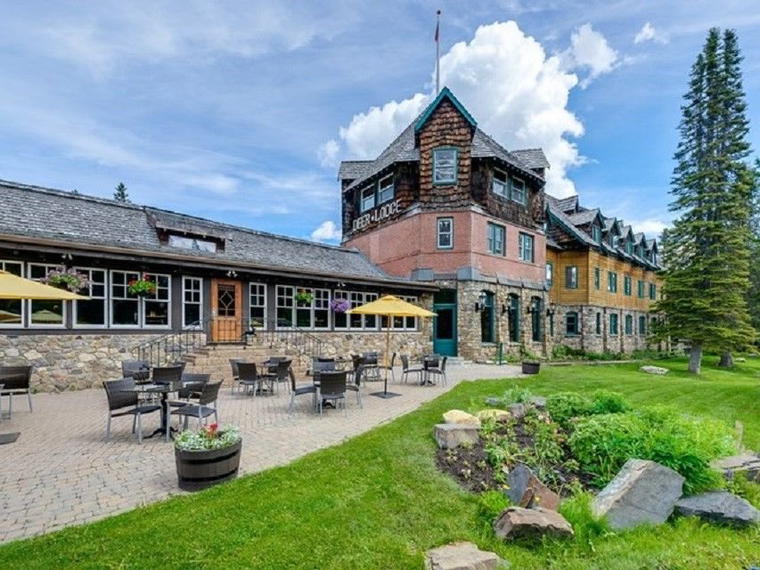
Deer Lodge sits at 109 Lake Louise Drive, a century-old timber property that occupies a quieter position in the Lake Louise accommodation tier than its larger neighbours. The lodge-style architecture, hewn log construction, and proximity to the lakeshore place it within a tradition of Canadian mountain hospitality that predates the modern resort era. For travellers who find the Fairmont Chateau Lake Louise too large, this is the more contained alternative.
Huntsville, Canada
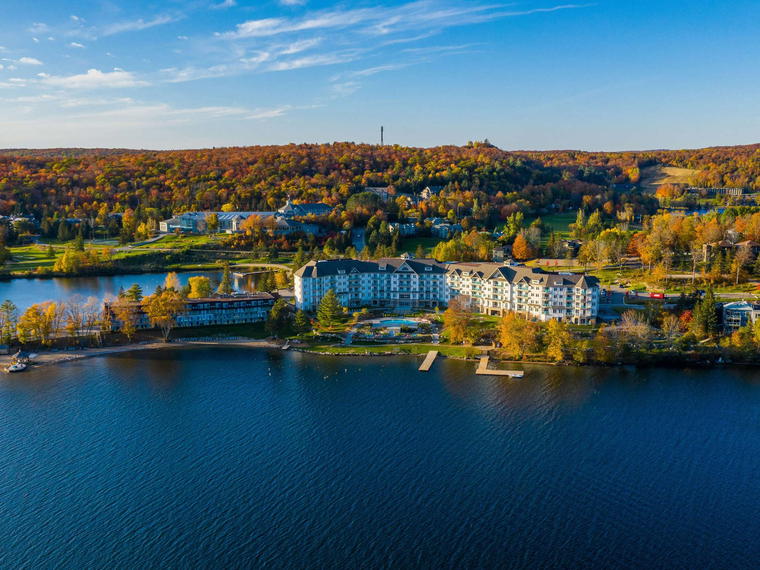
Deerhurst Resort sits on 800 acres of Muskoka lakefront outside Huntsville, Ontario, occupying a tier of Canadian resort hospitality where scale and natural setting define the offer rather than boutique restraint. The property encompasses multiple accommodation formats, dining options, and year-round activity programming, positioning it as a self-contained destination within driving range of Toronto.
Palm Springs, United States
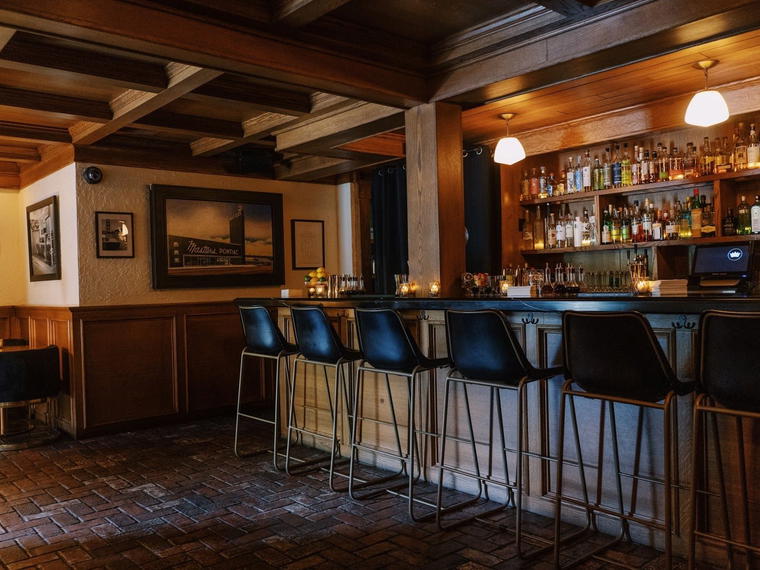
Del Rey at Villa Royale occupies a quiet corner of South Palm Springs where the mid-century motel tradition meets something deliberately slower. The property sits apart from the louder stretch of downtown, making it a reference point for travellers who treat the desert as a place to decompress rather than perform. The room experience, the courtyard setting, and the surrounding neighbourhood each reward that approach.
Whistler, Canada
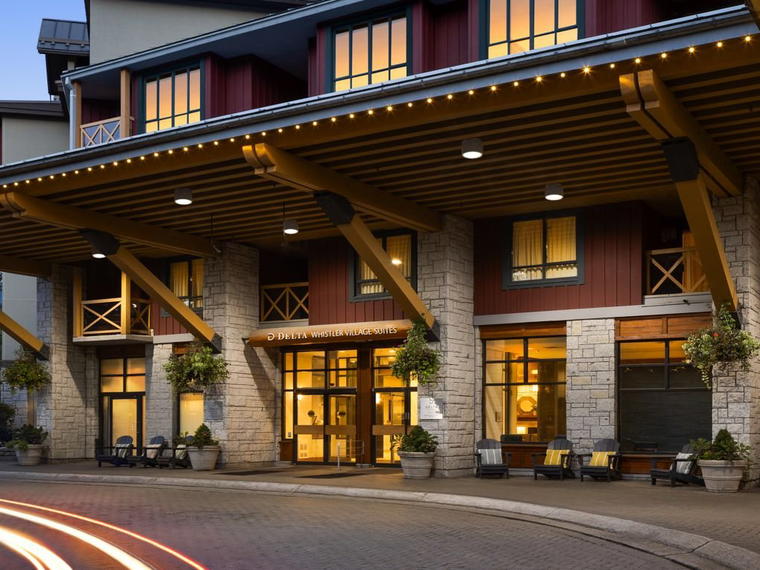
Positioned directly in Whistler Village at 4308 Main St, Delta Hotels by Marriott Whistler Village Suites places guests within walking distance of the gondolas, restaurants, and après-ski scene that define the resort town's core. The suite-format accommodations suit groups and families who need functional space beyond a standard hotel room, making it a practical anchor for multi-day mountain itineraries.
Denver, United States
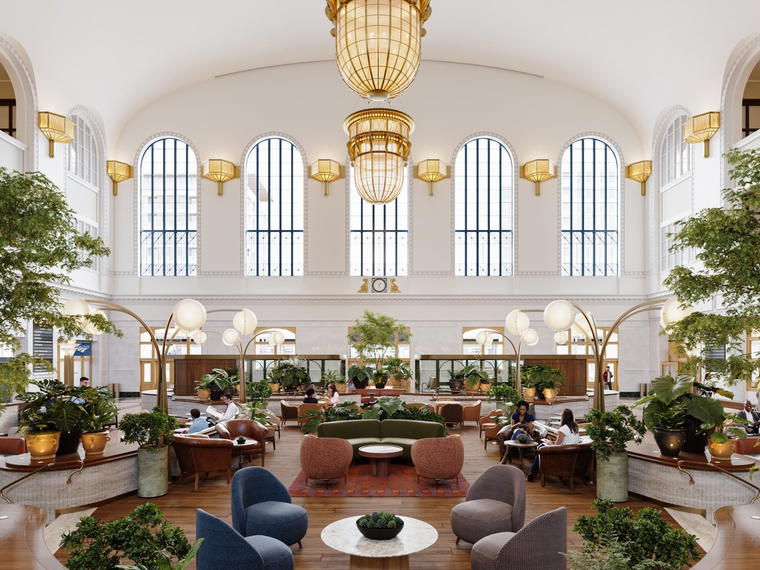
Denver Union Station is a restored 1881 Beaux-Arts rail terminal at 1701 Wynkoop St in LoDo, now operating as a civic hub anchoring the city's most walkable neighborhood. The Great Hall functions as a communal living room for the city, with bars, restaurants, and The Crawford Hotel operating beneath its original vaulted ceilings. It is the clearest argument Denver makes for adaptive reuse as a model of urban renewal.
Leavenworth, United States
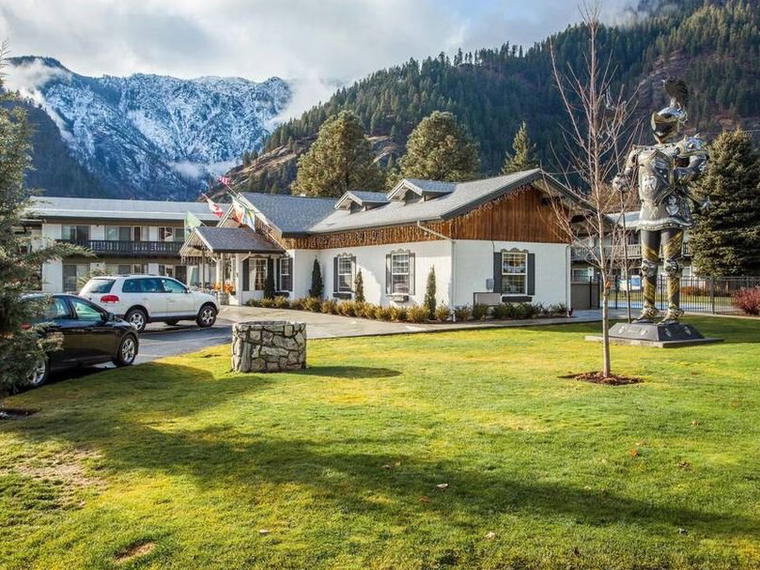
Der Ritterhof Inn sits along US Highway 2 at the western approach to Leavenworth's Bavarian village district, making it an accessible base for road-trippers arriving from Seattle. The property fits within the town's established alpine-themed lodging tradition, with the surrounding downtown handling the bulk of dining and seasonal festival programming. Guests should confirm current rates and room availability directly with the property.
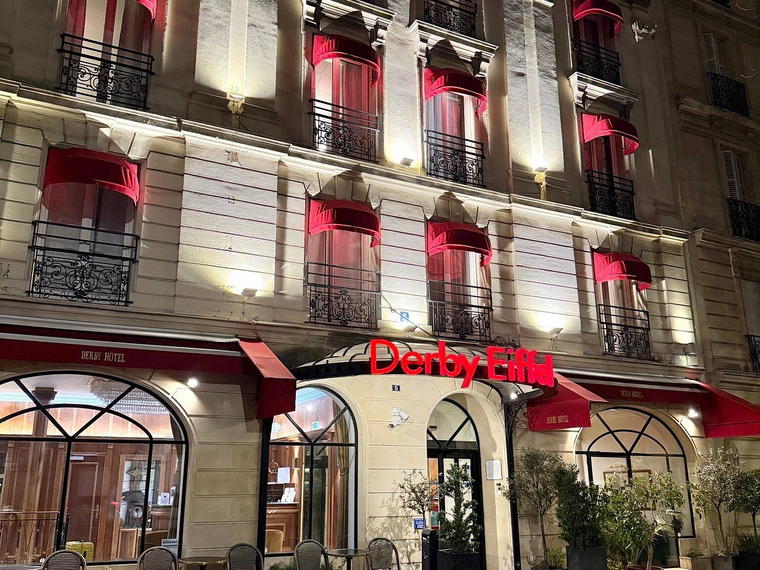
Paris, France
On Avenue Duquesne in the 7th arrondissement, Derby Eiffel Hotel sits within walking distance of the Champ de Mars and the Invalides esplanade. The property occupies a quiet residential address in one of Paris's most architecturally coherent neighbourhoods, offering a contrast to the grand-palace scale of the 8th. For travellers who want proximity to the tower without the tourist-corridor pricing, it represents a considered alternative.
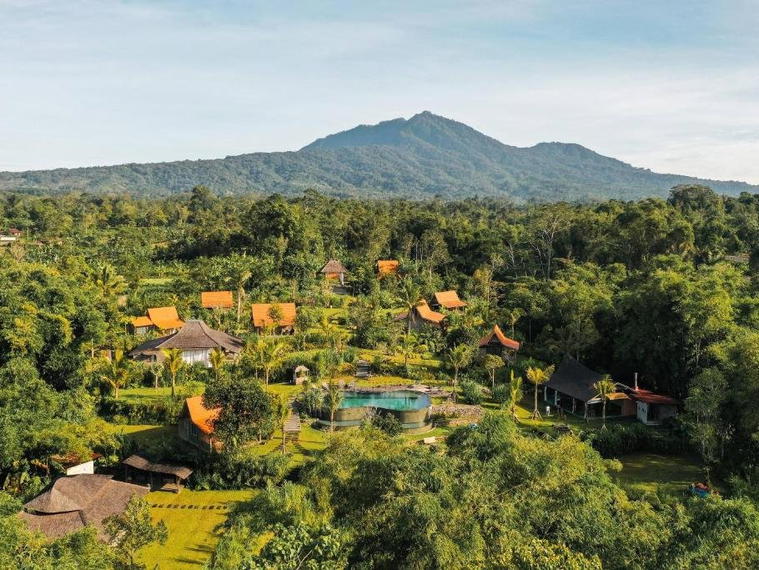
Tabanan, Indonesia
In Baturiti, where Tabanan's volcanic uplands begin to cool, Desa Seni occupies a compound of restored traditional Balinese architecture set among organic gardens and rice-field edges. The property belongs to a design-led tier of Bali accommodation that prioritises spatial authenticity over resort-scale amenity. For travellers moving through Tabanan rather than defaulting to Seminyak or Ubud, it presents a substantively different proposition.
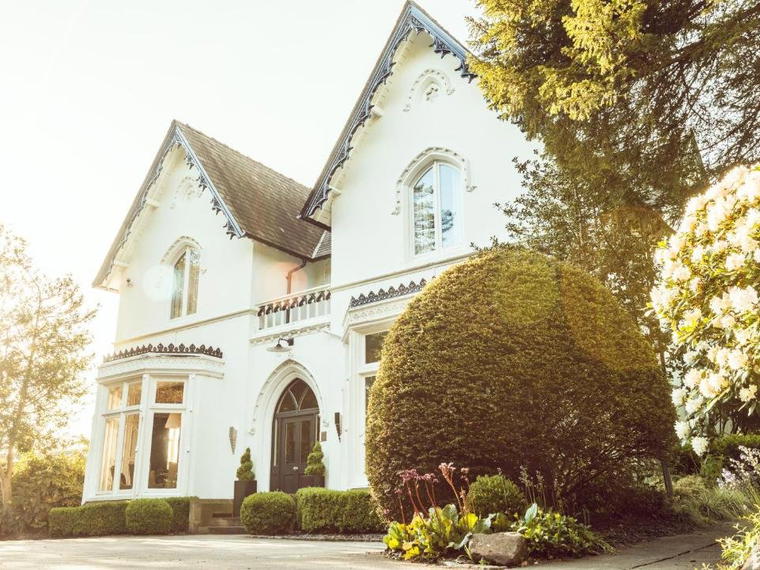
Manchester, United Kingdom
Didsbury House Hotel occupies a Victorian townhouse on Didsbury Park, one of south Manchester's most composed residential addresses. The property sits apart from the city centre hotel cluster, trading urban proximity for a quieter, more residential character that suits guests arriving for rest as much as activity. Its position in Didsbury places it within walking distance of the village's independent restaurants and green spaces.
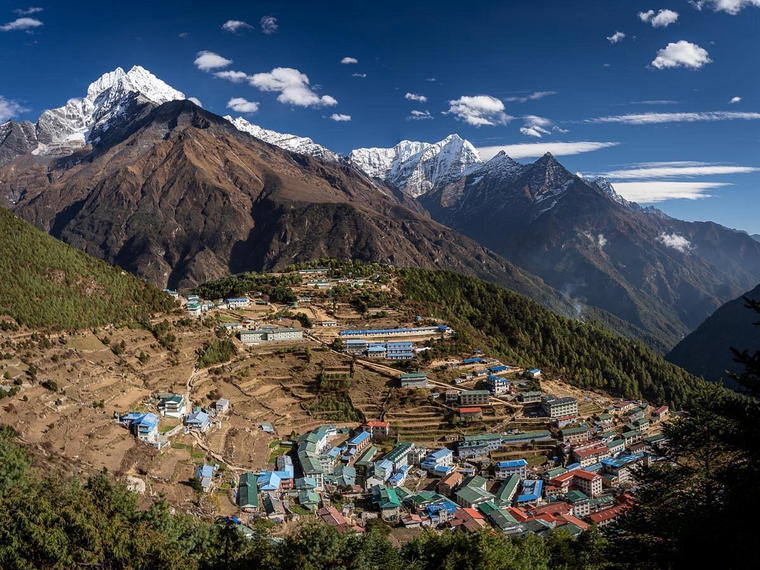
Sagarmatha Zone, Nepal
At 4,410 metres in the Khumbu, Dingboche Inn occupies one of the highest and most logistically demanding positions in Nepal's teahouse circuit. The settlement of Dingboche sits on the acclimatisation loop between Namche Bazaar and Everest Base Camp, making any lodge here less a destination choice than a necessary station on a longer journey. What distinguishes one teahouse from another at this altitude is architecture, warmth retention, and the reliability of basic provisions.
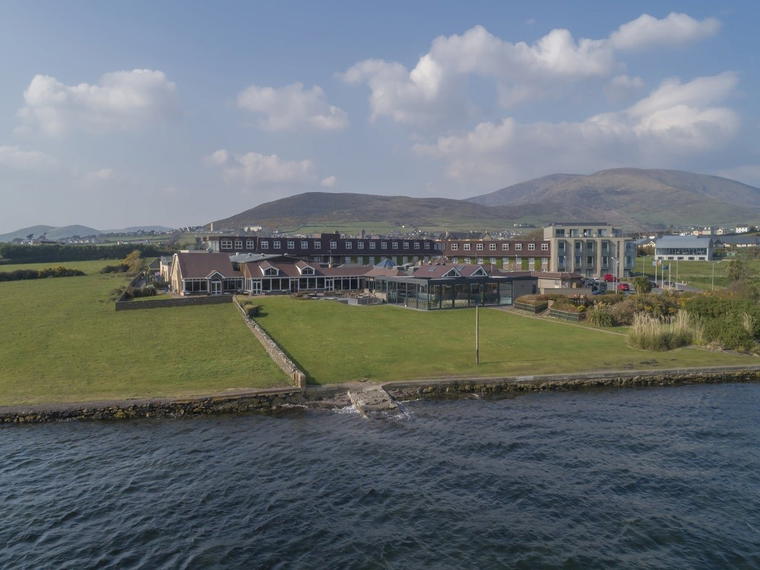
Dingle Daingean Ui Chuis, Ireland
Dingle occupies a rare position among Irish coastal towns: a working fishing port that has developed one of the country's most coherent food and hospitality scenes without losing its physical character. Stone-fronted buildings, an Irish-speaking community, and a harbour shaped by Atlantic weather define the place before any restaurant or bar enters the picture. For travellers arriving from Kerry's interior, the town reads as a destination in its own right.
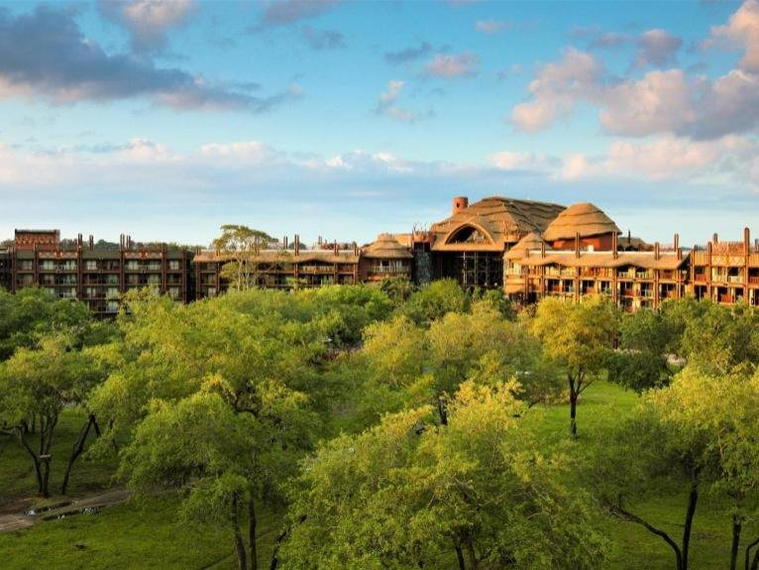
Bay Lake, United States
Disney's Animal Kingdom Lodge brings the African savanna into the hotel experience, placing guests within view of live wildlife from their rooms and balconies. The property's scale, theming depth, and dining program set it apart from other Walt Disney World resort options, making it a credible choice for families and design-minded travellers who want the parks alongside something architecturally considered.
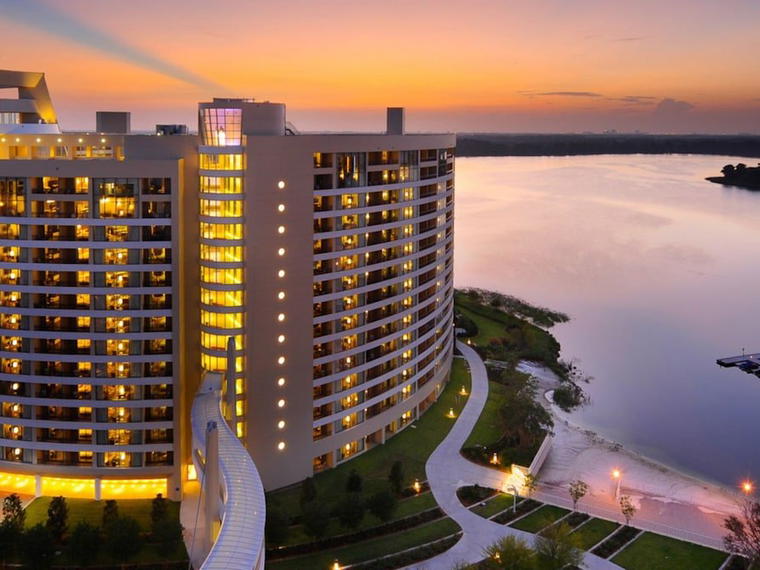
Bay Lake, United States
Disney's Contemporary Resort sits at the architectural heart of Walt Disney World, its A-frame tower design allowing the monorail to pass directly through the building — a structural decision from 1971 that still reads as genuinely bold. Positioned steps from Magic Kingdom, it occupies a different tier from the resort's other hotels: denser with history, more overtly modern in form, and built around a sense of arrival that few theme-park hotels attempt.
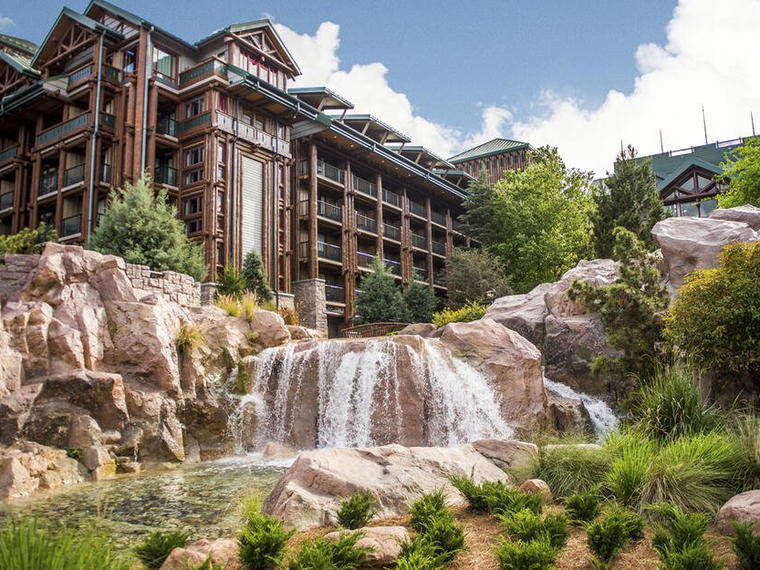
Bay Lake, United States
Disney's Wilderness Lodge occupies a distinctive position among Walt Disney World's resort tier, channeling the architecture and atmosphere of the great Pacific Northwest lodges into a Bay Lake address. The dining programme spans multiple restaurants and bars set against a backdrop of timber columns, roaring fireplaces, and a geyser that erupts on schedule in the courtyard. For families and architecture enthusiasts alike, it sits in a different register from the park-adjacent towers nearby.
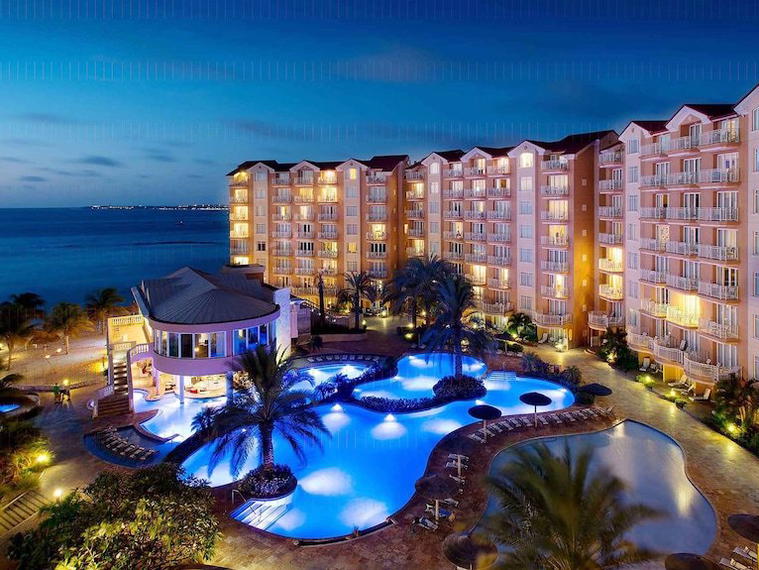
Noord, Aruba
Positioned directly on Palm Beach at J.E. Irausquin Boulevard 75, Divi Aruba Phoenix Beach Resort occupies one of Noord's most sought-after stretches of Caribbean coastline. The property draws repeat visitors who prioritize direct beach access and a low-key resort atmosphere over casino-floor energy. For those weighing options along the Palm Beach corridor, it represents a mid-scale alternative to the larger branded towers nearby.
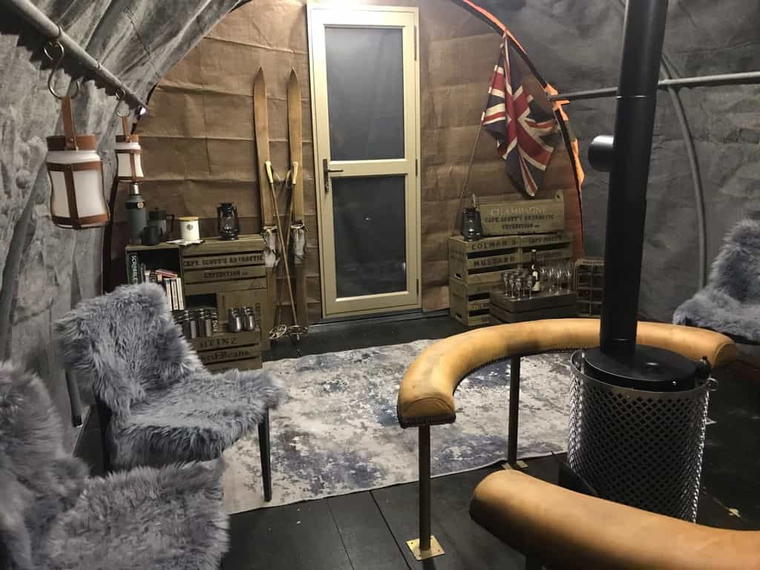
South Pole, Antarctica
Dixie's Camp occupies among the more extreme addresses on earth: the South Pole, where the architecture of shelter becomes indistinguishable from the architecture of survival. In a continent where every structure is a statement about endurance and design intent, the camp sits within a small tier of deep-field Antarctic operations that prioritise access over comfort — and in doing so, redefine what a premium experience can mean at the bottom of the world.
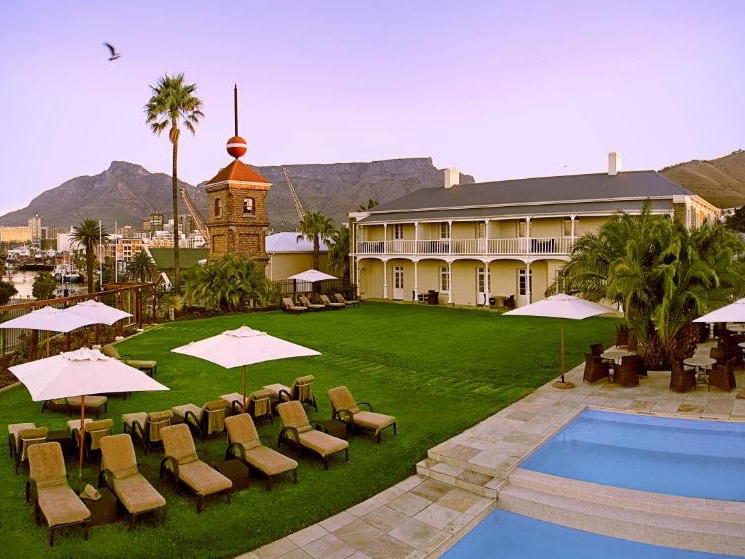
Cape Town, South Africa
Dock House Boutique Hotel occupies a converted Victorian building at the V&A Waterfront, placing guests within walking distance of Cape Town's working harbour and the city's most concentrated dining district. The property sits in the boutique tier of Waterfront accommodation, where limited room counts and a residential scale distinguish it from the larger hotel operations nearby.
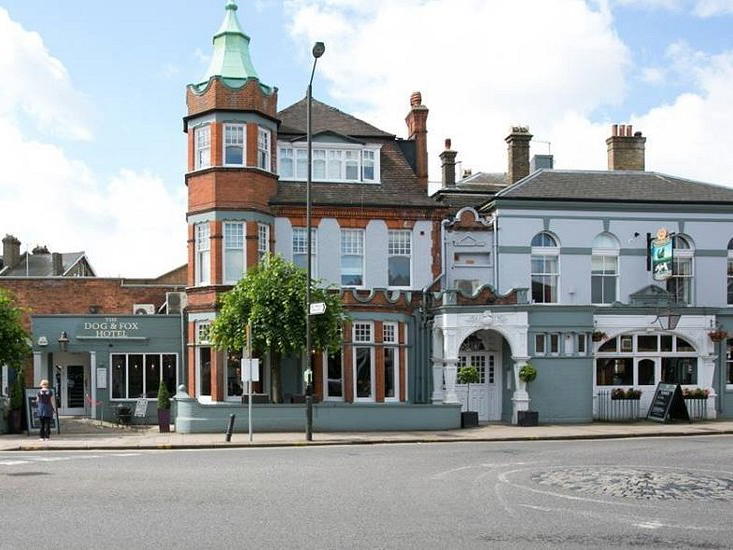
London, United Kingdom
Positioned on Wimbledon Village's High Street, Dog & Fox occupies one of south-west London's most address-advantaged sites, placing guests within walking distance of the All England Club and the open common beyond. The property sits in a tier of London hotels defined by neighbourhood character rather than central postcode, offering a different proposition from the grand Mayfair and Belgravia options further north.
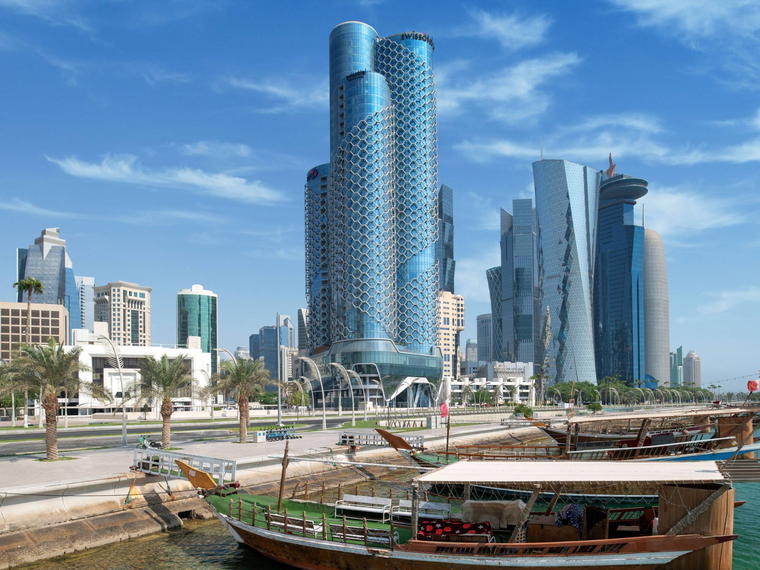
Doha, Qatar
Doha Tower Hotel occupies one of Qatar's most recognisable addresses, placing guests at the centre of a city that has repositioned itself as a serious destination for architecture, hospitality, and dining. The hotel sits within the context of Doha's competitive luxury tier, where international brand standards meet Gulf-scale ambition. Proximity to the West Bay district connects it to the financial and cultural core of the capital.
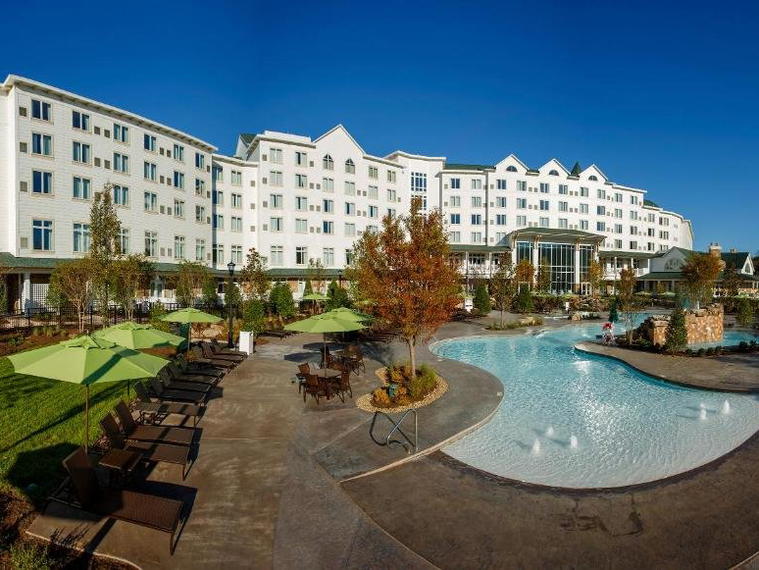
Pigeon Forge, United States
Dollywood in Pigeon Forge, Tennessee occupies a distinctive tier among American theme parks, where Appalachian cultural identity and large-scale entertainment infrastructure meet in the Great Smoky Mountains. The park anchors a broader hospitality ecosystem that includes resort accommodation, dining, and seasonal programming, making it a reference point for the region's leisure economy. For context on what to pair with a visit, see our full Pigeon Forge guide.
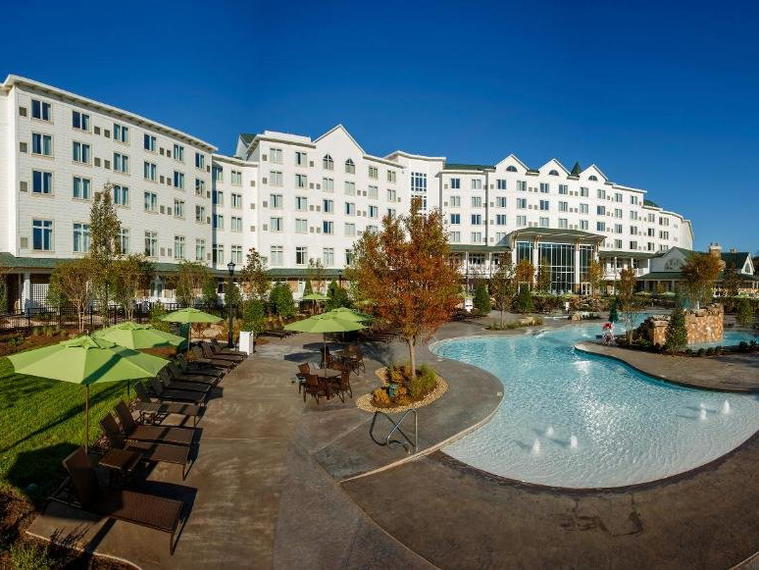
Pigeon Forge, United States
Dollywood's DreamMore Resort & Spa sits at 2525 DreamMore Way in Pigeon Forge, Tennessee, operating as the official resort of Dolly Parton's theme park. The property leans into Southern Appalachian hospitality with a family-forward format, on-site dining rooted in regional comfort food traditions, and a spa program designed around mountain retreat. Direct access to Dollywood makes it the closest full-service lodging to the park.
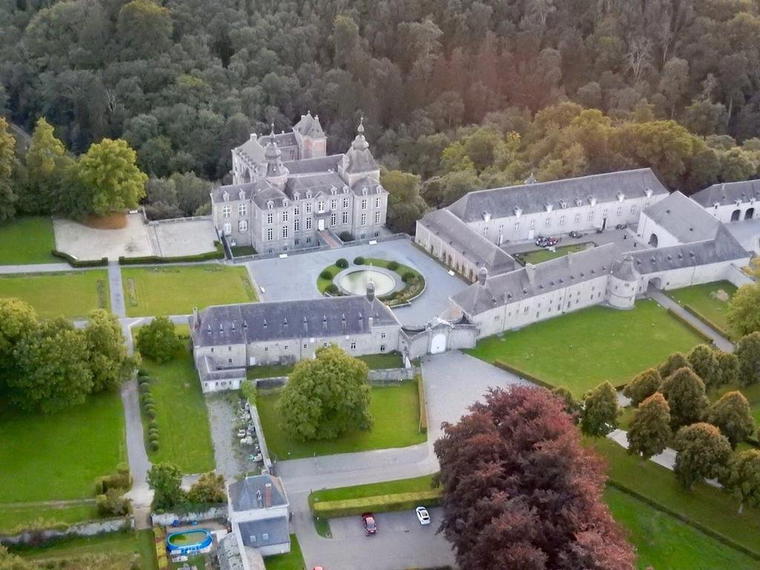
Modave, Belgium
Domaine du Château de Modave occupies a seventeenth-century castle complex in the Hoyoux valley, positioning it among Belgium's most architecturally layered château stays outside the Ardennes tourist circuit. Advance planning is advisable given the limited regional accommodation at this level.
Samaná, Dominican Republic
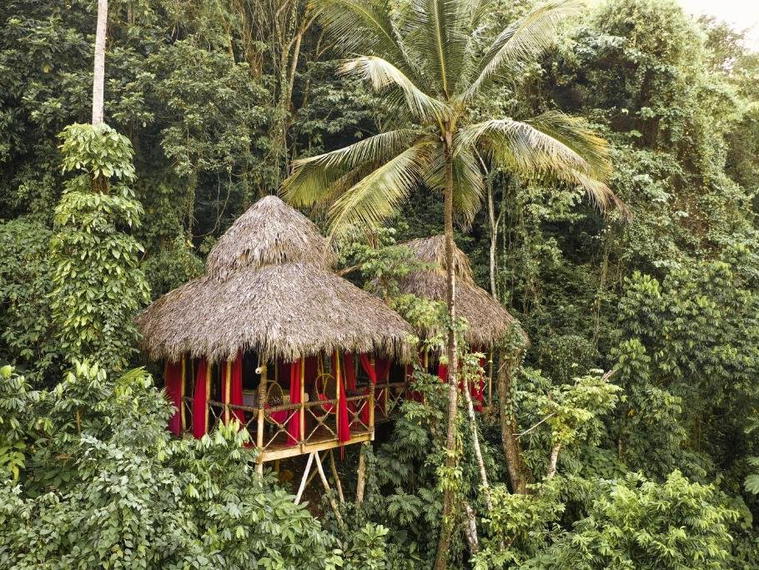
A treehouse accommodation set along the Rincon Trail in El Valle, Samaná, Dominican Tree House Village places guests inside the forest canopy rather than beside it. The property sits adjacent to Lulu Waterfall, making the natural topography the defining architectural element. For travellers drawn to the northern Dominican Republic's quieter interior, this is an alternative to the peninsula's beach-resort mainstream.
Vienna, Austria
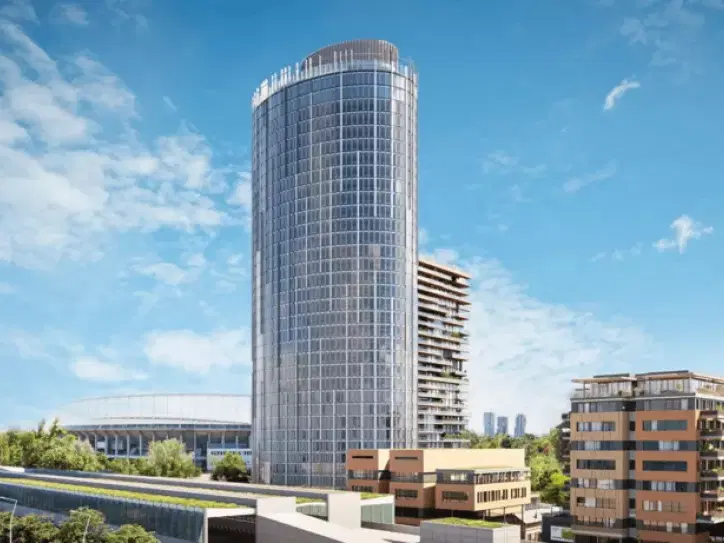
Vienna’s hotel scene is split between Ringstrasse grandeur, museum-quarter design addresses, and newer properties that trade palace theatre for quieter architectural positioning. Treat it as a research-led option rather than a credentials-led luxury pick.
Tokyo, Japan
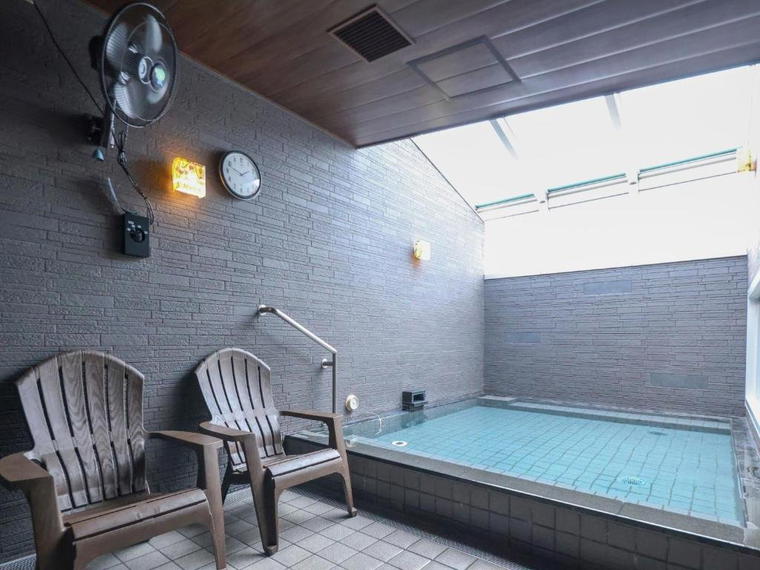
Dormy inn PREMIUM Shibuya-jingumae occupies a sharp address in one of Tokyo's most kinetic neighbourhoods, placing guests a short walk from Harajuku's shopping corridors and the forested calm of Meiji Jingu. The Dormy inn PREMIUM tier sits above the chain's standard format, offering a natural hot spring bath and late-night ramen service that distinguish it from conventional business hotels in the same price band.
London, United Kingdom
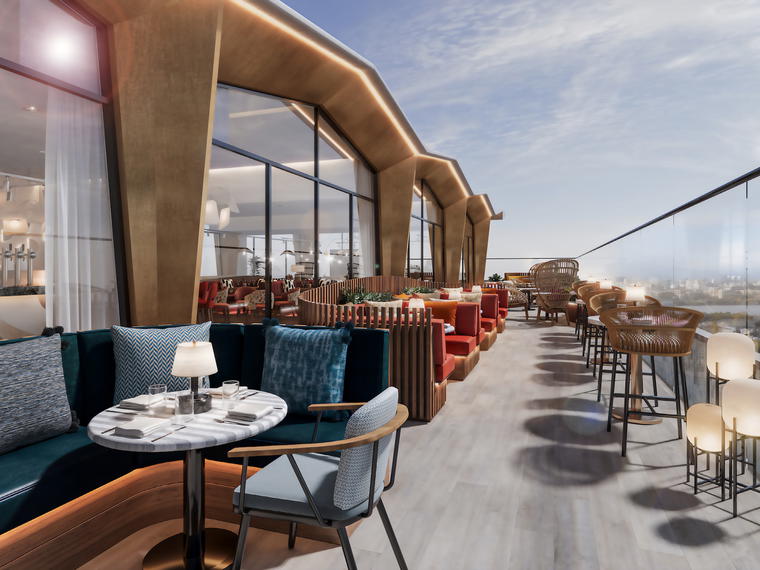
Dorsett Alpha Square, Canary Wharf belongs to London’s eastward hotel conversation, where glass towers, river edges and transport-led convenience shape the stay as much as service rituals. With no public database details on star rating, room count, rates or awards, the useful reading is contextual: this is a Canary Wharf address to assess through location, architecture and access rather than grand-hotel mythology.
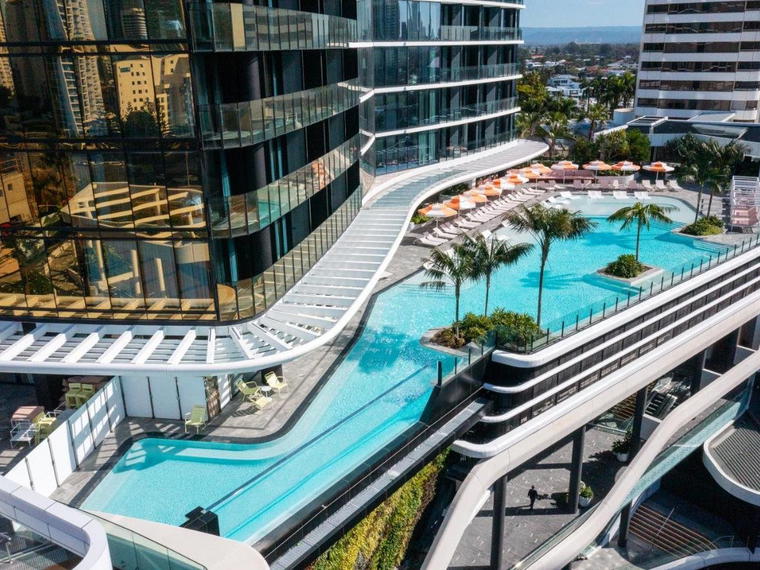
Brisbane, Australia
Dorsett Brisbane is best read through Brisbane’s current hotel shift: a city moving from business-stopover practicality toward design-conscious stays tied to dining, arts and entertainment precincts.
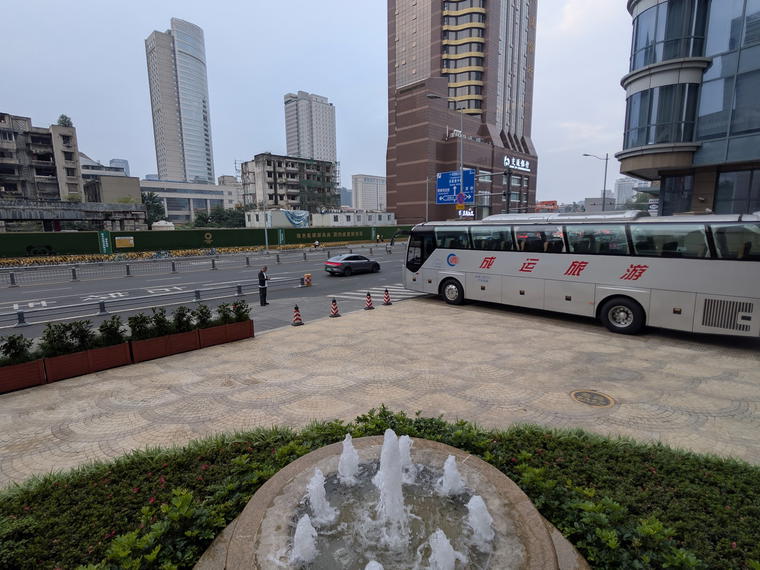
Chengdu, China
Dorsett Chengdu is useful to read through Chengdu’s urban hotel culture rather than through resort language: a city hotel in a metropolis where design, access, and neighborhood rhythm matter more than spectacle. With public details on rates, awards, room categories, dining, and booking channels unavailable in the record, the sensible assessment is contextual: compare it carefully against Chengdu’s larger luxury, business, and retreat-style hotels before deciding.
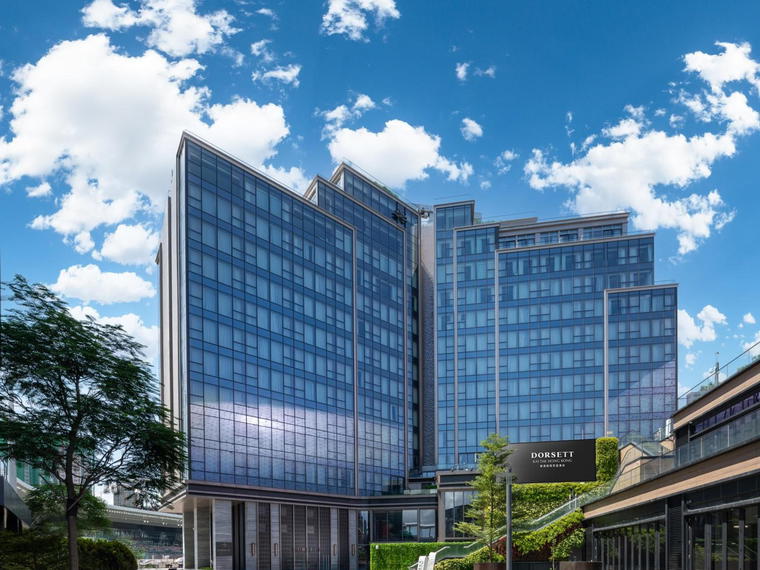
Hong Kong, Hong Kong
Dorsett Kai Tak Hotel Hong Kong places the hotel conversation on the Kowloon side, away from the established Central and Tsim Sha Tsui grand-hotel axis. Its address at 43 Shing Kai Road gives it a different urban frame: Kai Tak’s redevelopment zone, where infrastructure, scale and new-build architecture matter more than colonial nostalgia or harbourfront ceremony.
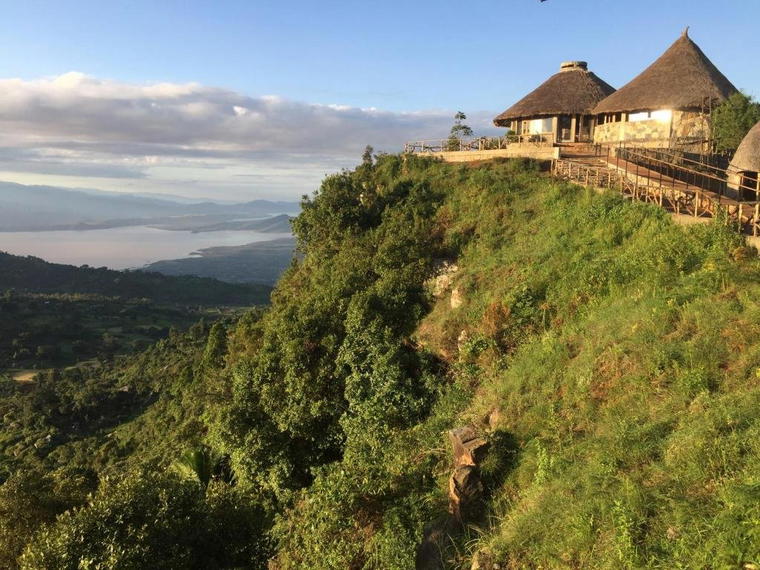
ደቡብ ኢትዮጵያ ክልላዊ መንግስት South Ethiopia Regional State ولاية جنوب إثيوبيا الإقليمية, Ethiopia
Dorze Lodge sits in the highlands of southern Ethiopia, positioned among the villages of the Dorze people, whose towering elephant-grass huts have defined this highland terrain for generations. The lodge offers a rare point of access to one of Ethiopia's most architecturally distinctive cultural zones, where the built environment itself is the primary draw for travellers moving through the South Ethiopia Regional State.
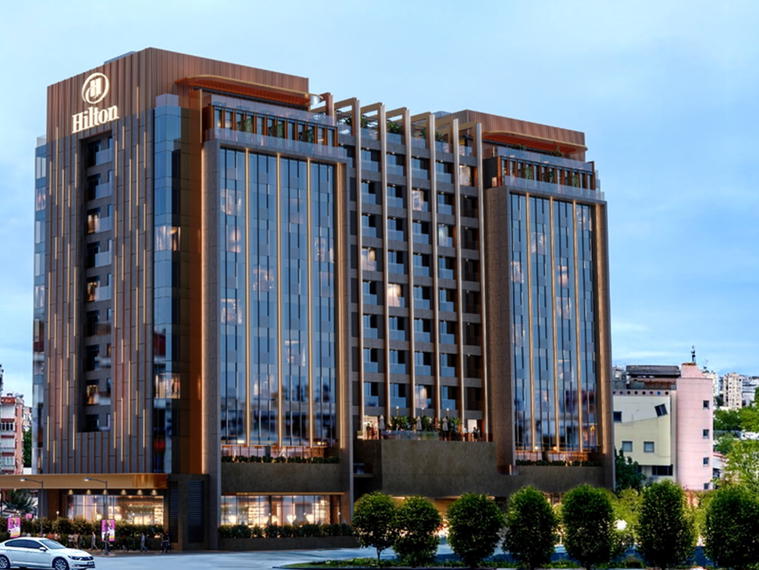
Istanbul, Turkey
Hilton Antalya City Centre is a sparse-data Istanbul hotel entry, so the useful reading is comparative rather than claim-heavy: place it against Istanbul’s split hotel scene, from restored Beyoğlu townhouses to Bosphorus addresses and Sultanahmet heritage stays.
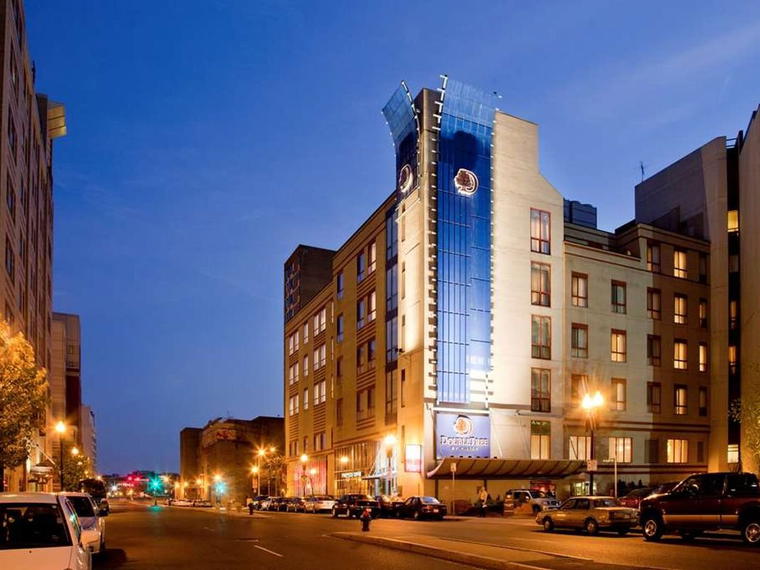
Boston, United States
Located at 821 Washington St in Boston's South End corridor, the DoubleTree by Hilton Boston Downtown occupies a position between the city's upper-tier luxury flagships and budget midscale options. The property offers a practical base for visitors orienting around the Theater District and Back Bay, with Hilton's signature cookie-at-check-in format serving as the brand's most recognizable hospitality gesture.
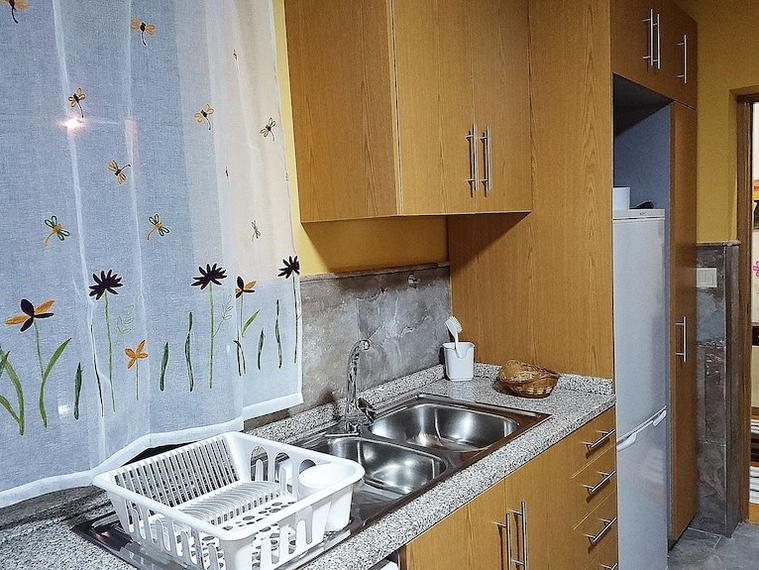
Cambres, Portugal
Set among the terraced vineyards above Lamego in Portugal's Douro Valley, Casa Vale do Douro occupies a converted adega that places agricultural heritage at the centre of its design. The property sits within one of Europe's most protected wine-producing regions, where schist-walled estates and river-cut terraces define the architecture as much as the wine. For travellers seeking a property where landscape and built form are genuinely inseparable, the Douro's quinta tradition offers a compelling alternative to urban luxury.
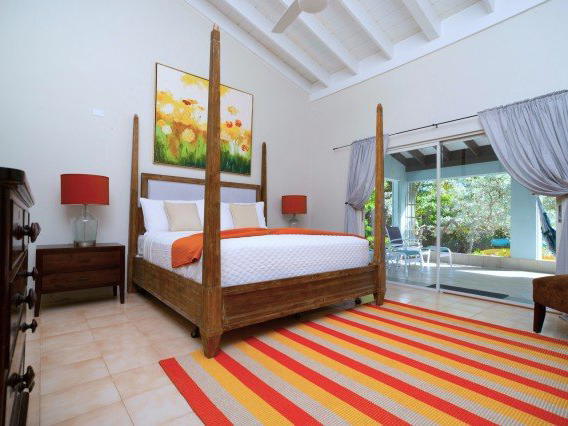
North, Cayman Islands
On Cayman's quieter North Side, Dragon's Pearl at 1252 Rum Point Drive occupies a stretch of coastline that the island's busier resort corridors have largely bypassed. The address alone signals a different register: no hotel towers, no Seven Mile Beach foot traffic, just the particular stillness of the Caribbean's less-visited edges. For travellers who find Grand Cayman's western strip too frictionless, the North Side offers an alternative worth the drive.
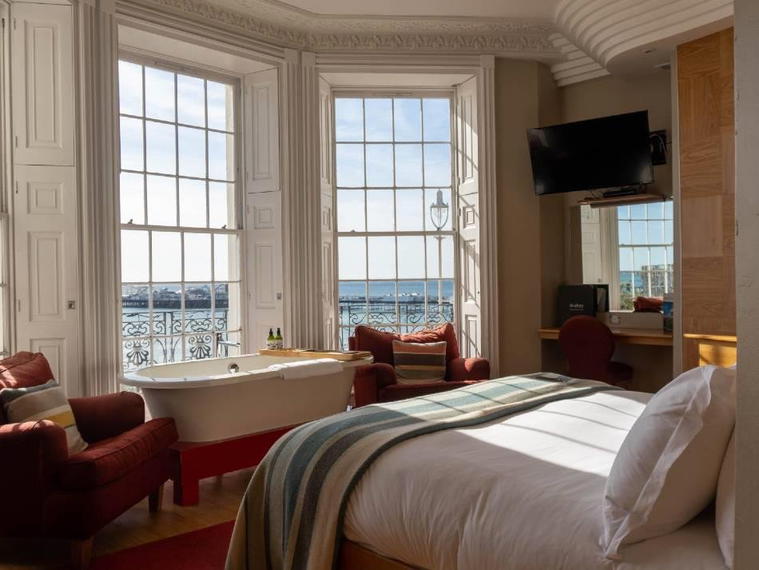
Brighton and Hove, United Kingdom
On Marine Parade in Kemptown, Drakes occupies one of Brighton's most coveted seafront positions, translating Georgian townhouse bones into a design-conscious boutique stay. Part of A Curious Group of Hotels, the property balances architectural character with considered interiors, placing it alongside Brighton's more personality-driven independents rather than its chain alternatives.
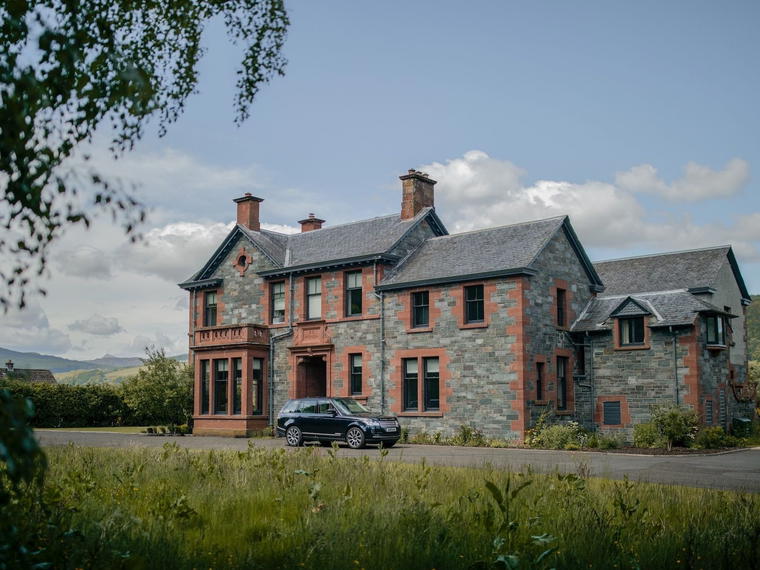
Aberfeldy, United Kingdom
Dun Aluinn brings seasonally driven, locally sourced Scottish cooking to Aberfeldy, a town that sits at the geographic heart of Highland Perthshire's larder. The approach here reflects a broader shift in Scottish dining away from ceremonial tartanry and toward produce-first restraint. For travellers already planning time in the Tay valley, it represents a logical and well-reasoned stop on any serious eating itinerary.
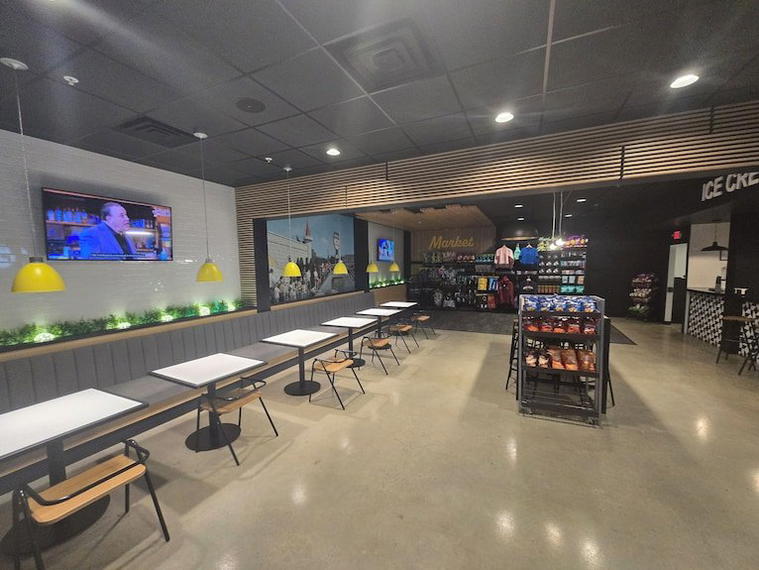
Lancaster, United States
Dutch Wonderland Inn sits in Lancaster, a city where family travel, Pennsylvania Dutch heritage, and small-scale hospitality often overlap.
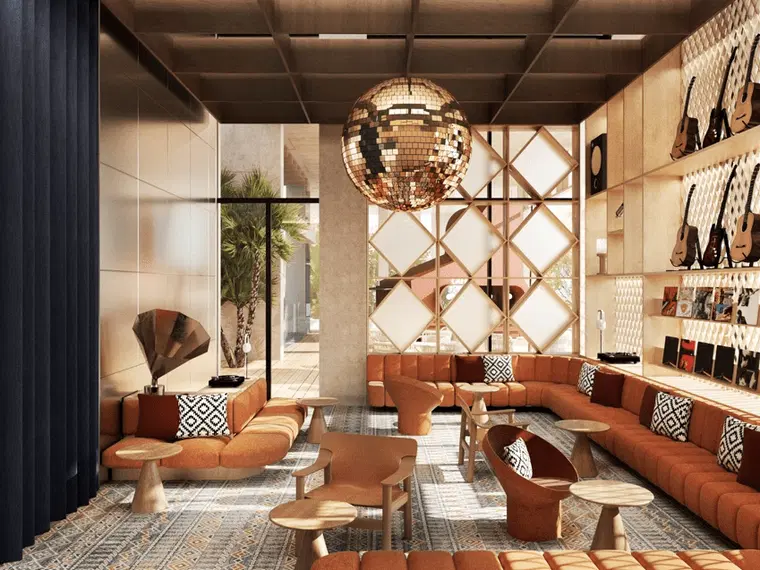
Riyadh, Saudi Arabia
Earth Riyadh sits in a city where hotel design is becoming a serious part of the travel conversation, not a decorative afterthought. With limited public detail available on its rooms, pricing, awards, and amenities, the useful reading is contextual: judge it against Riyadh’s fast-moving hospitality scene, where architecture, privacy, and location increasingly define the stay.
Round Rock, United States
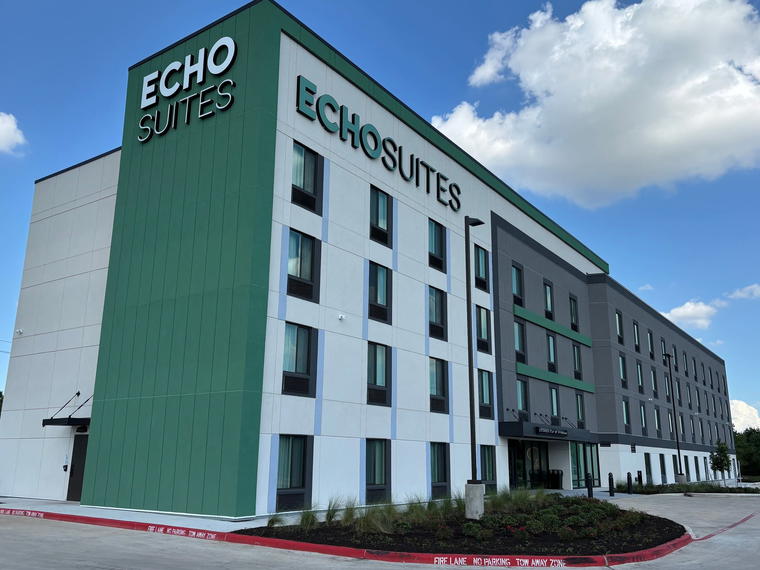
ECHO Suites in Round Rock sits in the extended-stay tier of Texas's I-35 corridor hotel market, offering a functional suite format for longer visits north of Austin. Amenity depth is limited compared to full-service properties, but the format addresses a specific need for travelers requiring more than a standard room. Verify current availability and rates directly before booking.
Springfield, United States
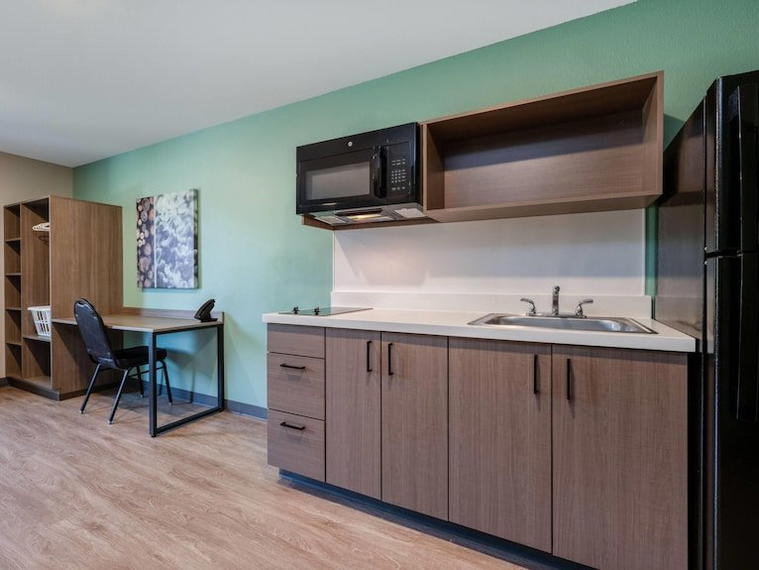
ECHO Suites sits within Springfield's value-forward extended-stay segment, offering a consistent, low-friction lodging format for travelers who prioritize predictability over atmosphere. The property fits a national brand model built around efficiency rather than design differentiation. For context on Springfield's broader accommodation range, see our full city guide.
Bozeman, United States
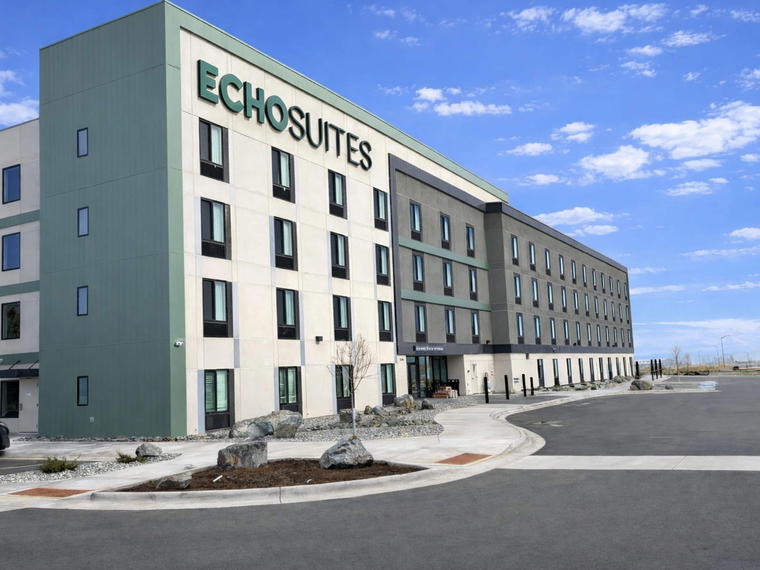
ECHO Suites Extended Stay Bozeman sits in one of Montana's fastest-growing gateway cities, where the gap between budget-conscious extended stays and premium lodge-style properties has widened considerably. For travelers needing a functional Bozeman base over multiple nights, the extended-stay format trades amenity spectacle for practical consistency at a price point well below the city's design-forward boutique tier.
Jinka, Ethiopia
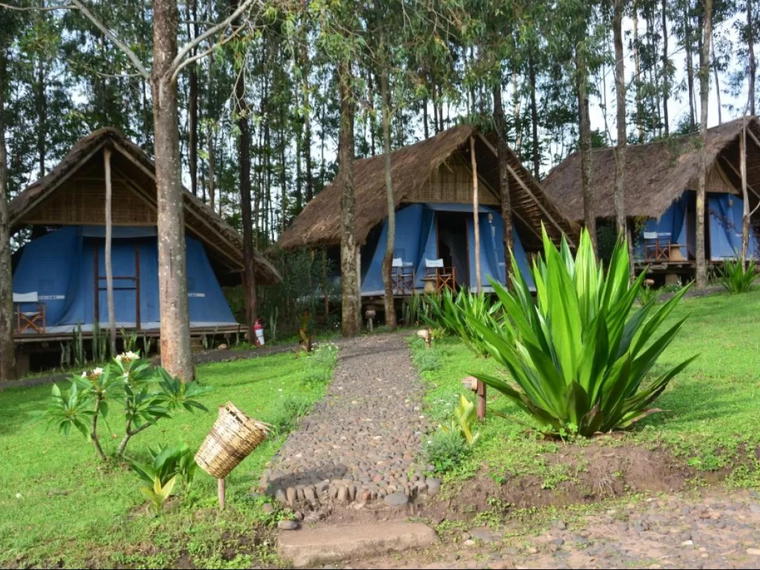
Eco Omo Lodge sits in Jinka, the gateway town for travel into Ethiopia's Omo Valley and its concentration of indigenous communities. For travellers moving between the tribal south and the broader Ethiopian circuit, the lodge occupies a practical and atmospheric position in a region where considered accommodation remains scarce. It represents a grounded option in one of East Africa's most demanding and rewarding travel corridors.
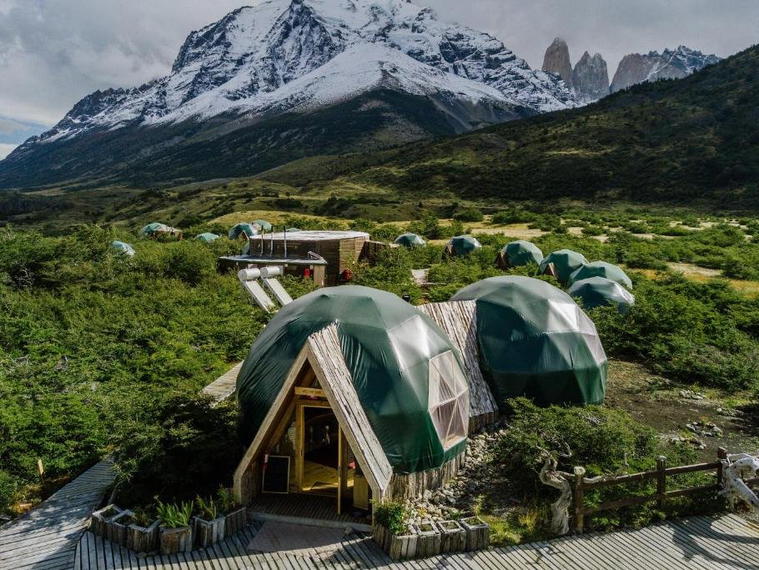
Torres del Paine, Chile
EcoCamp Patagonia sits inside Torres del Paine National Park on Estancia Cerro Paine, its geodesic dome structures designed to leave near-zero trace on one of Patagonia's most exposed terrains. The architecture responds directly to the environment: wind-resilient, thermally efficient, and anchored to the Magellanic steppe without permanent foundations. For travellers weighing lodge options across the park, EcoCamp occupies a distinct position in the low-impact, expedition-oriented tier.
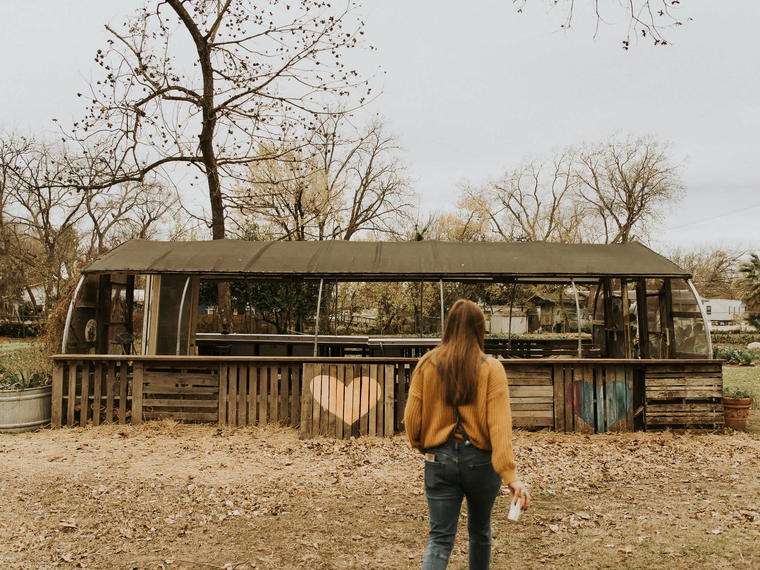
Driftwood, United States
A working farm on Darden Hill Road in Driftwood, Texas, Eden East Farm grounds its hospitality in agricultural production rather than scenic suggestion. Located in Hays County's rural stretch southwest of Austin, the property sits within the Hill Country's growing tradition of land-driven dining, where what the farm produces governs the table. Plan ahead: the offering follows the agricultural calendar, not a fixed restaurant schedule.
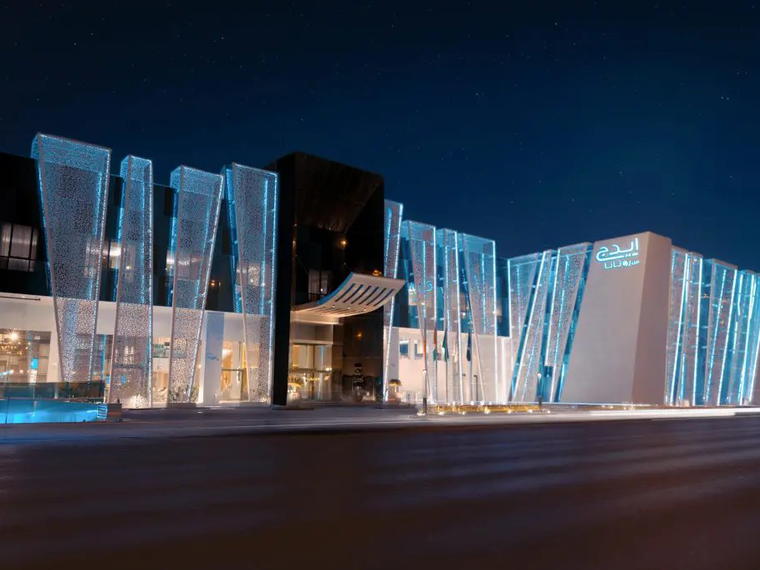
Riyadh, Saudi Arabia
Edge Riyadh Al Rabie sits on Al Thoumamah Road in the Ar Rabi district, positioning it away from the capital's central business corridor and closer to Riyadh's northern residential expansion. The property operates under the Rotana group's Edge brand, a format designed around extended-stay and apartment-style accommodation. For travellers requiring space and neighbourhood integration over central proximity, it occupies a distinct tier in the city's lodging market.
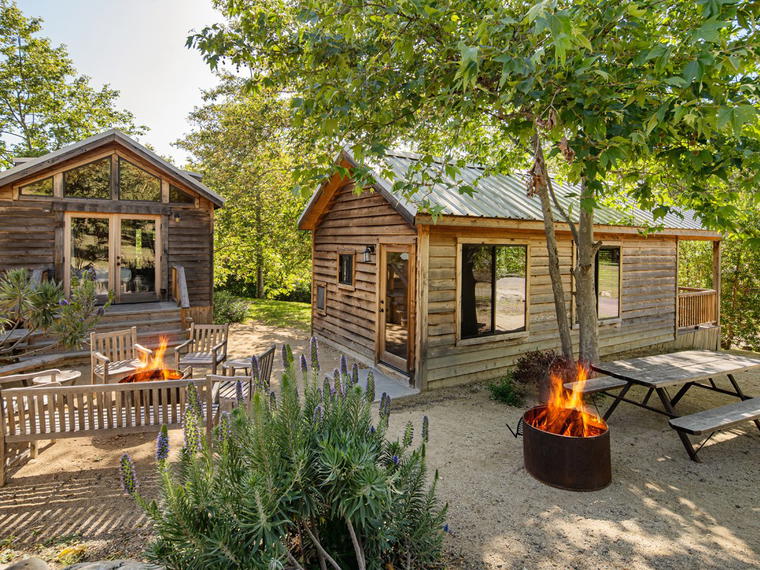
Santa Barbara, United States
El Capitan Canyon sits along the Santa Barbara coast where canyon meets shoreline, offering a form of nature-integrated lodging that has become its own category in California's premium outdoor hospitality scene. Safari-style tent cabins and cedar cabins are arranged within a wooded creek corridor, placing guests in direct contact with the surrounding chaparral landscape rather than insulating them from it.
Mendoza, Argentina
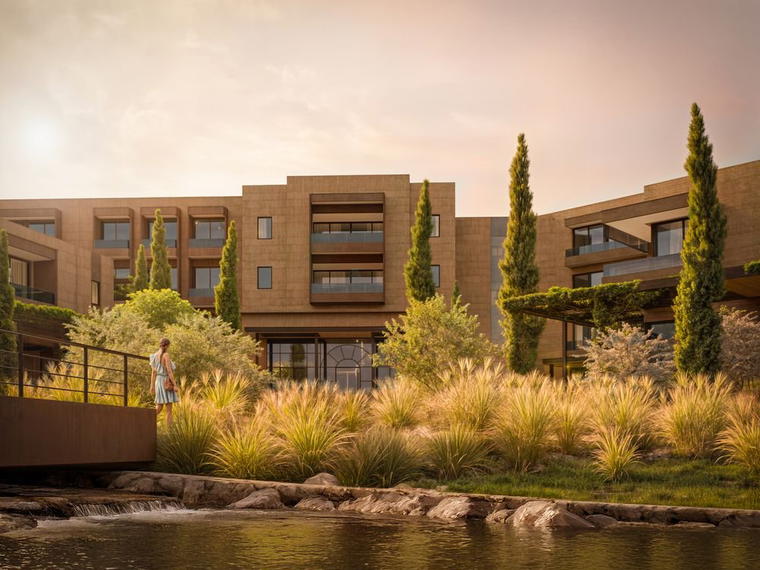
El Cauce, Autograph Collection sits within Mendoza's premium wine-country hospitality tier, where the Andes form a constant backdrop and the service model is shaped by the region's deep culture of unhurried, host-led hospitality. The Autograph Collection flag positions it inside Marriott's curated independent portfolio, signalling design and service standards that sit above the chain average without the full formality of a flagship luxury brand.

Las Vegas, United States
El Cortez Hotel and Casino sits at 600 E Fremont St, making it one of the oldest continuously operating casino properties on the Fremont Street corridor. For travelers drawn to downtown Las Vegas rather than the Strip, it occupies a different tier entirely: low-key, historically rooted, and priced against a local rather than resort market. The contrast with the Strip's scale and spectacle is the point.
Marfa, United States
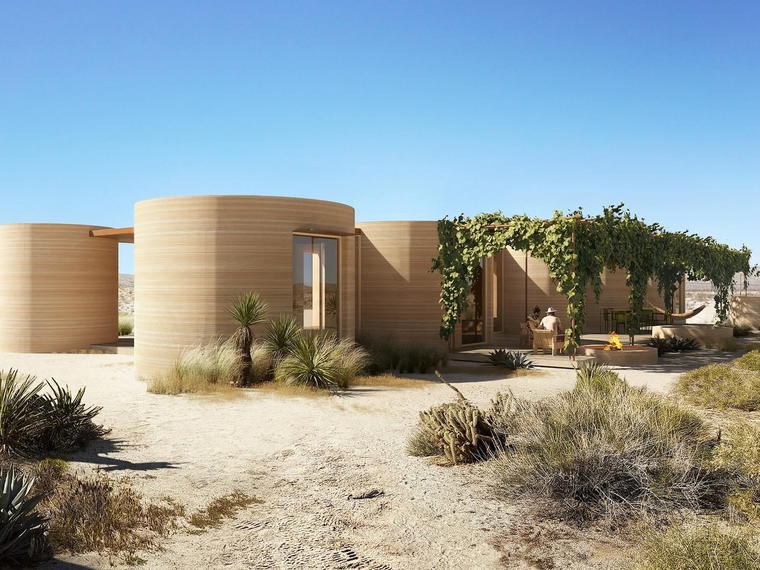
El Cosmico occupies a stretch of the high Chihuahuan Desert outside Marfa, Texas, where the accommodation format — tents, trailers, and yurts spread across open land — is the design statement. It sits in a niche of American hospitality that prizes landscape immersion over interior amenity, placing it alongside properties like Amangiri rather than conventional hotel peers. Book well ahead; Marfa's reputation precedes it.
Oaxaca, Mexico
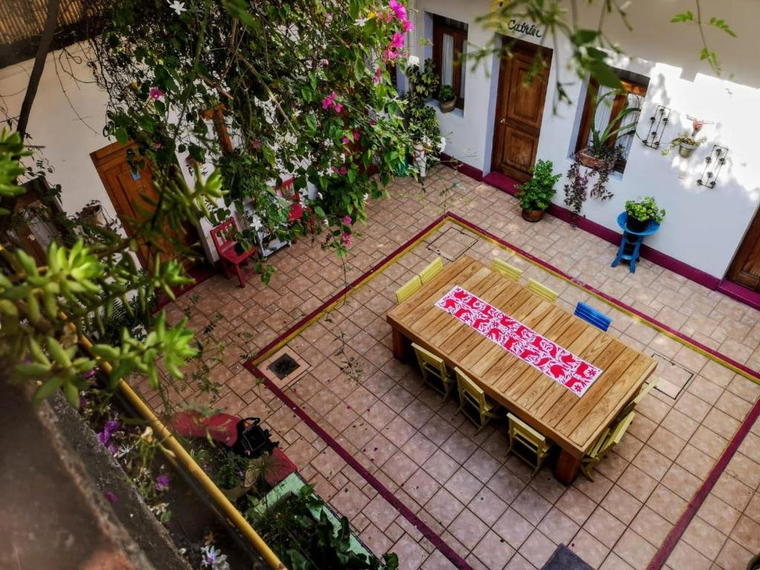
On Calle de Los Libres in the heart of Oaxaca City's historic Centro, El Diablo y la Sandia occupies a corner of the neighborhood where colonial-era street life and contemporary local culture overlap. The address alone situates it within walking distance of the city's most significant 18th-century architecture, placing it in a part of Centro that rewards explorers willing to move a few blocks beyond the zócalo's immediate orbit.
Palafrugell, Spain
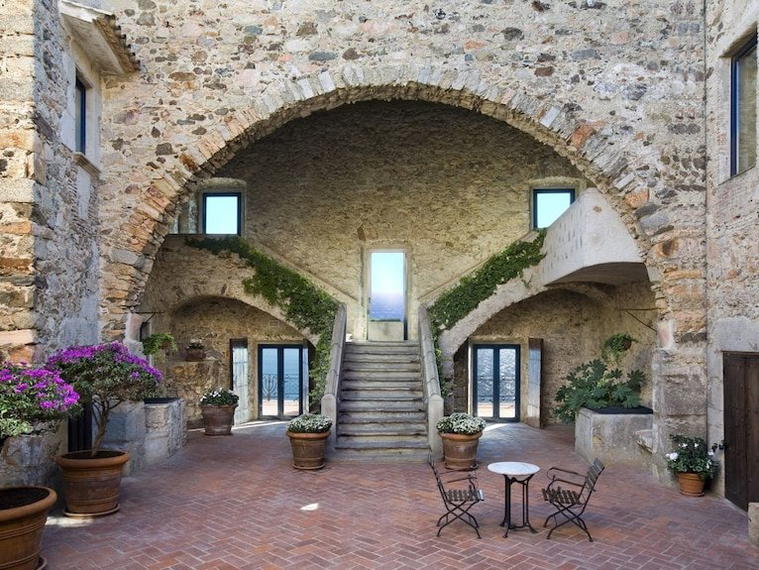
Perched on the Muntanya de Sant Sebastià above Llafranc, El Far Hotel Restaurant occupies a converted lighthouse complex that has shaped how this stretch of the Costa Brava is understood by travellers who prioritise setting over spectacle. The property sits within one of Girona's more architecturally arresting coastal positions, where the Mediterranean drops away below and the light changes the stone walls hourly. It represents a particular category of Catalan coastal accommodation where the building does most of the talking.
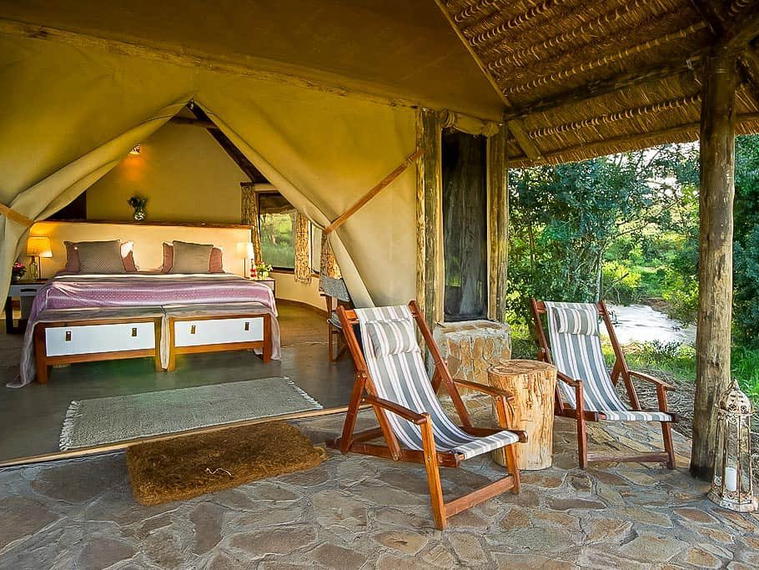
Laikipia, Kenya
El Karama Lodge sits on a private conservancy in Laikipia, where the plateau's open grasslands and acacia woodland define the guest experience as much as the lodge itself. The property operates within the broader Laikipia circuit of low-density, conservation-led camps that position the region as a counterpoint to the Mara's higher-traffic safari model. For travellers planning time in northern Kenya, it belongs in the same planning conversation as Borana and the Nanyuki-area properties.
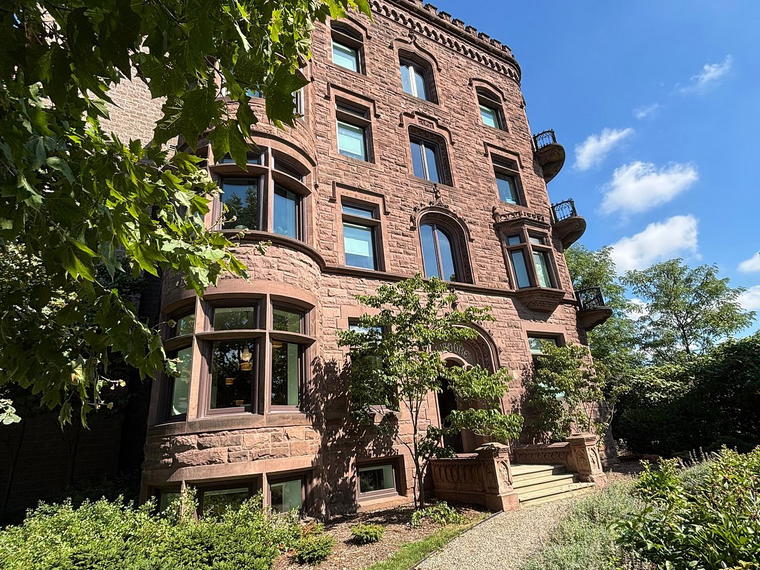
Detroit, United States
El Moore Lodge & Residences occupies a restored historic building at 624 W Alexandrine St in Detroit's Midtown district, positioning itself within a small cohort of adaptive-reuse properties that approach hospitality through sustainability and community rootedness. For travelers seeking something closer to a slow-travel retreat than a conventional hotel stay, it represents a distinctly Detroit alternative to the city's larger branded properties.
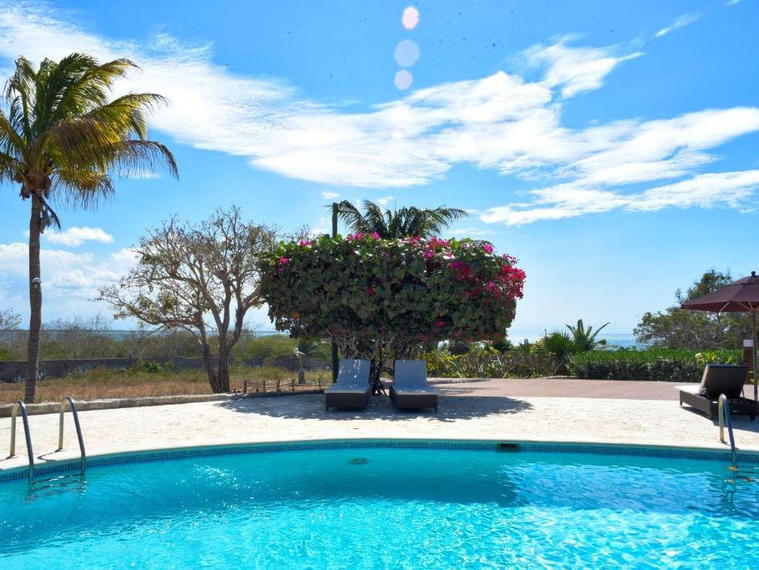
Monte Cristi, Dominican Republic
El Morro Eco Adventure Hotel occupies one of the Dominican Republic's most geologically striking settings, at the base of the El Morro mesa in Monte Cristi, a town that sees a fraction of the tourist traffic of the country's resort corridors. The property positions itself within the eco-adventure tier of Dominican lodging, where proximity to protected natural areas and low-impact design take precedence over resort-scale amenities.
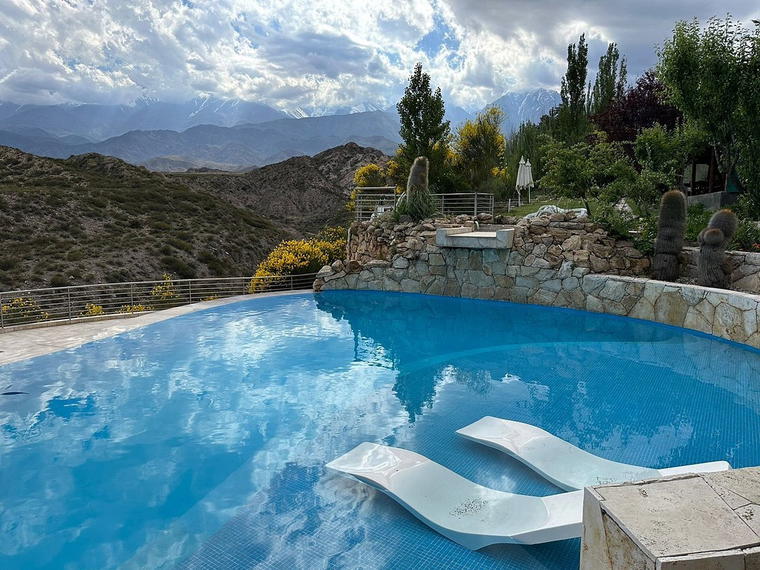
Luján de Cuyo, Argentina
El Salto sits in Luján de Cuyo, the Mendoza subregion where high-altitude viticulture and agricultural tradition intersect. The area positions this property within a cluster of wine-country destinations that balance landscape access with considered hospitality. Visitors exploring the Mendoza wine belt will find Luján de Cuyo a natural base for both cellar-door visits and Andean excursions.
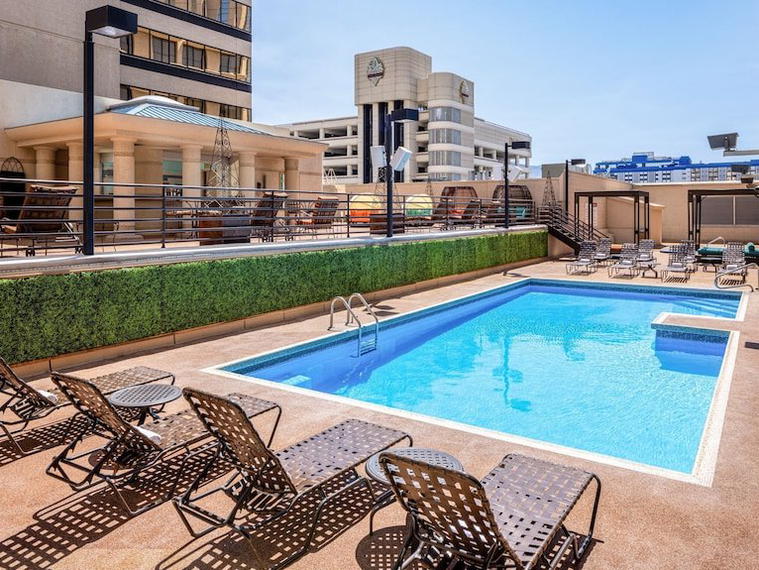
Reno, United States
The Eldorado Reno, a Caesars Rewards property at 345 N Virginia Street, occupies a prominent position on Reno's casino corridor with a multi-tower design that has shaped the downtown skyline for decades. Part of a network that ties into Caesars' national loyalty infrastructure, it positions itself as a full-service destination rather than a pass-through stop, drawing visitors who want gaming, dining, and accommodation under one roof in the heart of northern Nevada.
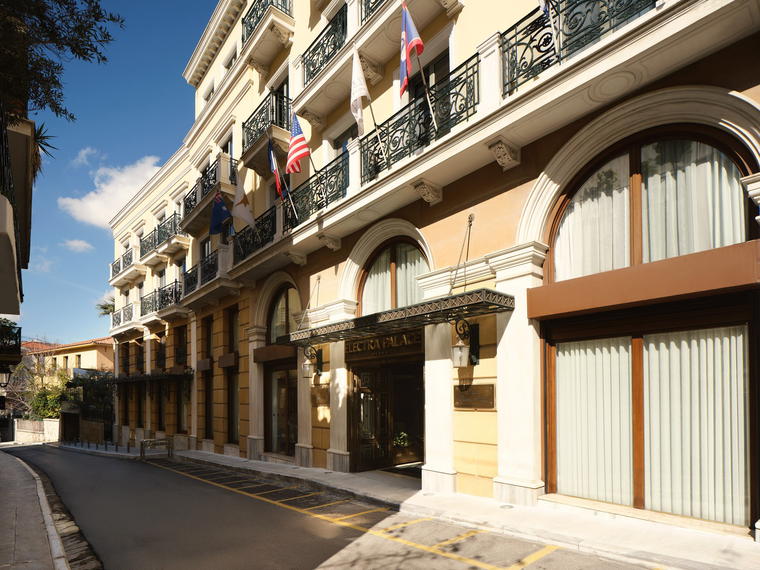
Athens, Greece
Electra Palace Athens occupies a classical building in the Plaka district, steps from the Acropolis and within the neighbourhood that defines the city's historic residential character. The property sits in the mid-to-upper tier of Athens city hotels, offering rooftop facilities with direct Acropolis sight lines that few central addresses can match. For visitors who want proximity to the ancient city without the polish of a large international chain, it operates as a considered alternative.

Boise, United States
Element by Marriott Boise Downtown belongs to Boise’s practical urban hotel tier: useful for travelers who want a downtown base rather than a resort narrative.
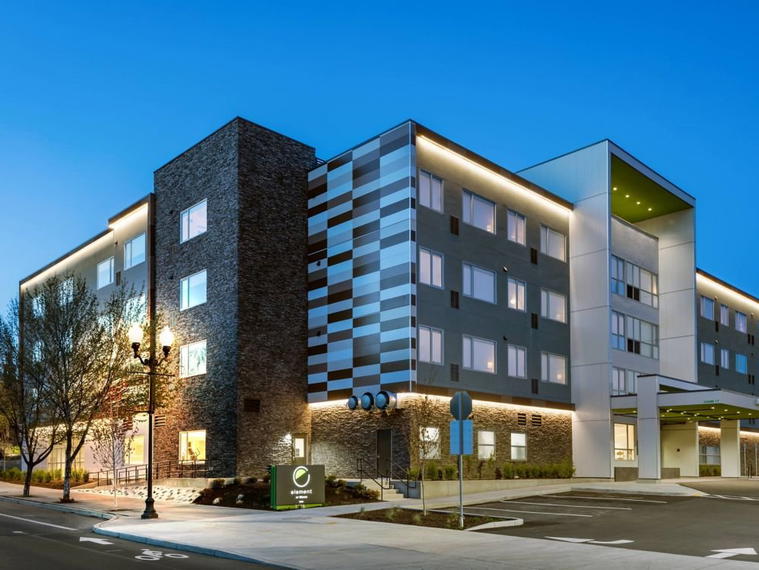
New Orleans, United States
Element New Orleans Downtown occupies a practical but considered position in the Central Business District, placing guests within reach of the French Quarter, Warehouse Arts District, and the city's serious dining and drinking circuits. Compared to the more theatrical independent properties across New Orleans, Element operates in the extended-stay, apartment-style tier, where spatial efficiency and kitchen-equipped rooms take precedence over design narrative.
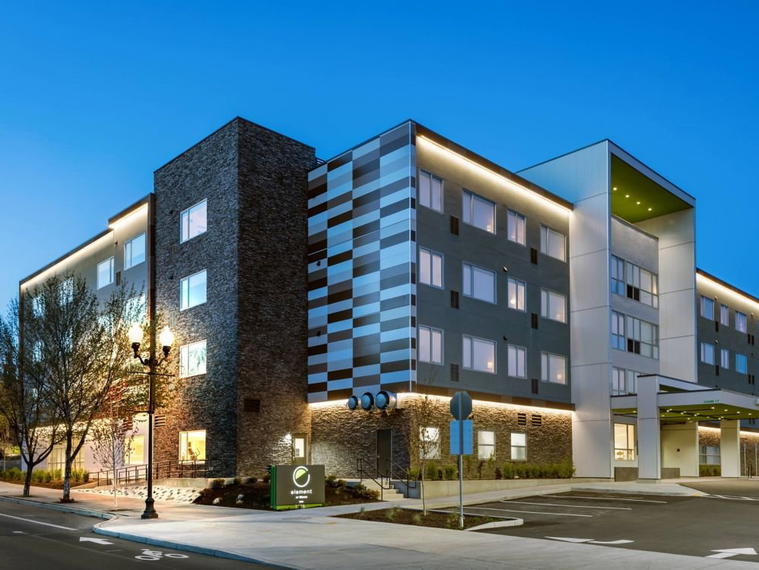
Austin, United States
Element North Austin Tech Ridge sits at 900 E Parmer Lane in Austin's northern tech corridor, positioned for extended-stay travelers who need proximity to the Domain and major tech campuses without the rate premiums of downtown. The property operates within Marriott's Element brand framework, which emphasizes apartment-style functionality over traditional hotel formats. It occupies a quieter segment of Austin's accommodation market, away from the live-music crowds of Sixth Street.
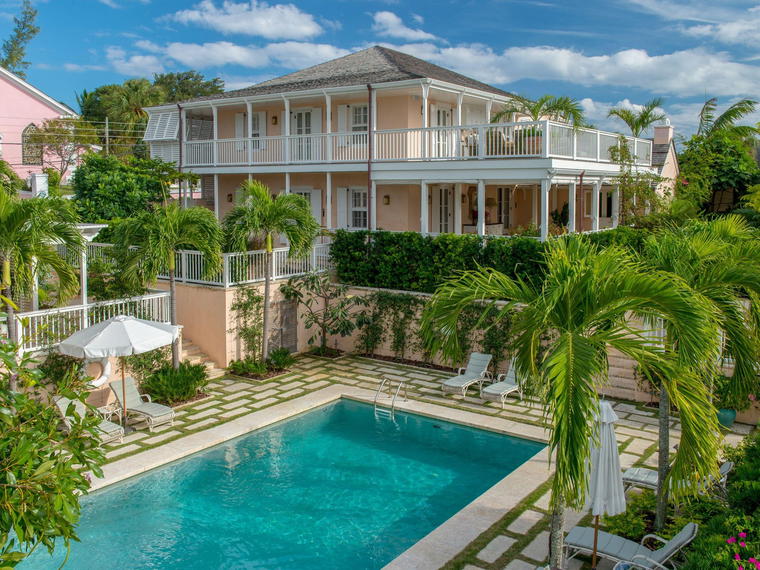
Dunmore Town, Bahamas
On Dunmore Street in Harbour Island's storied Dunmore Town, Eleven Bahama House occupies a position among the island's small-scale, character-led properties that have made this pink-sand enclave one of the Atlantic's most sought-after retreats. The property sits within a compact Bahamian village where golf carts outnumber cars and the pace is calibrated entirely to the rhythm of the tides.
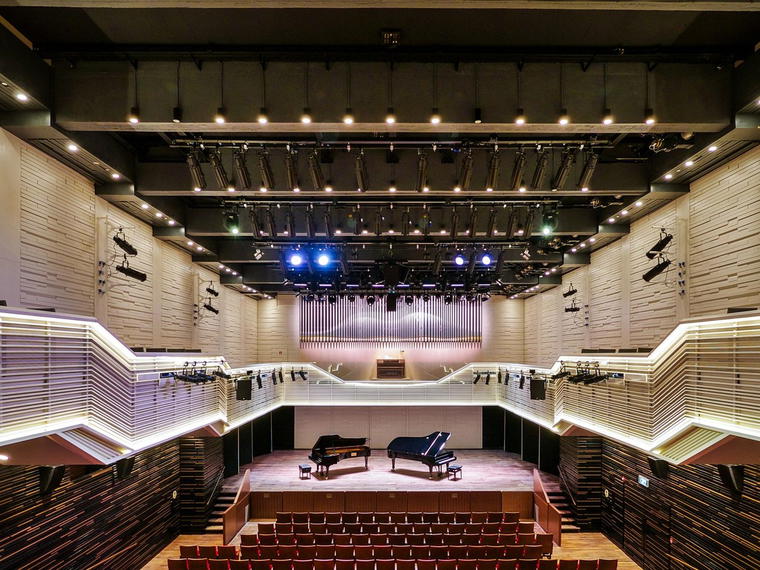
Hadera, Israel
Set within a meticulously restored 1930s Bauhaus building in Zikhron Ya'akov, Elma Arts Complex is one of Israel's most architecturally singular hotel experiences, where a curated arts program occupies the same space as guest rooms and event halls. The property sits on the Carmel ridge with views across the Mediterranean coastal plain, positioning it well outside the Tel Aviv luxury circuit and closer to Hadera's quieter northern approach to the country.
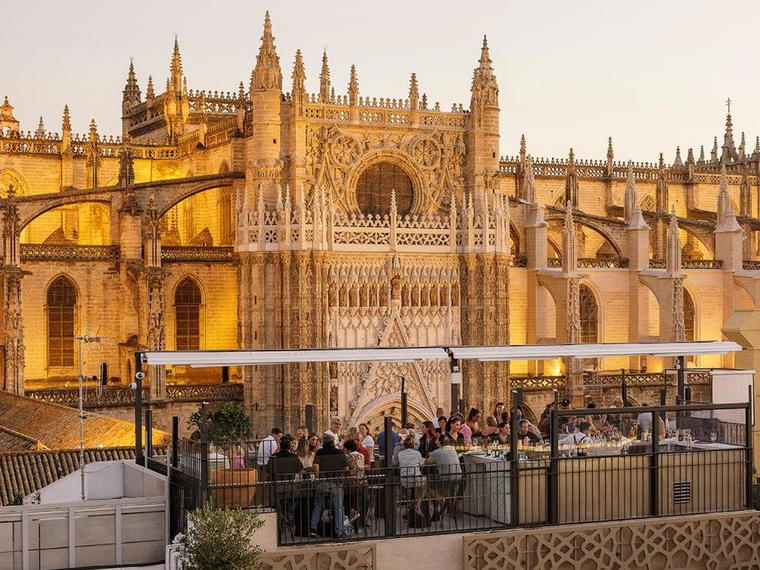
Seville, Spain
EME Catedral Mercer Hotel occupies a historic address on Calle Alemanes in Seville's Casco Antiguo, steps from the Cathedral. The property sits at the intersection of heritage architecture and contemporary hospitality, with rooftop terraces that frame particularly direct views of the Giralda tower available from any hotel in the city. It draws travellers who want proximity to Seville's medieval core without sacrificing modern comfort.
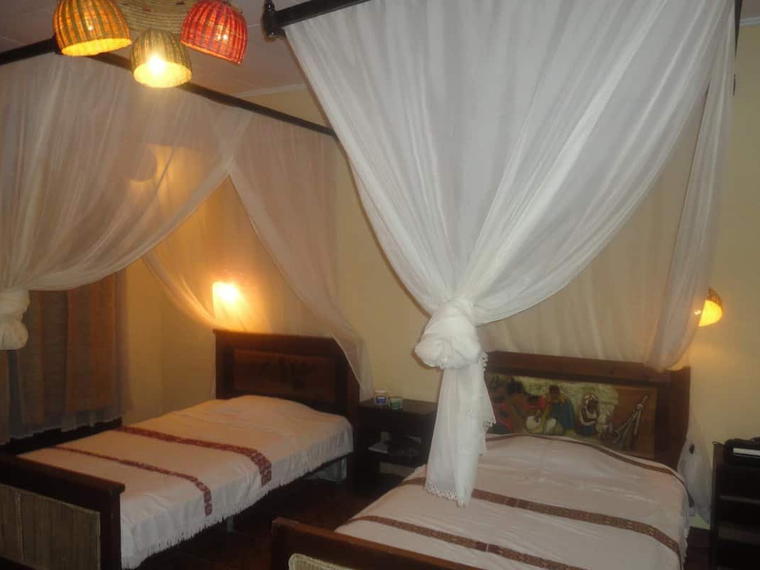
Turmi, Ethiopia
Evangadi Lodge sits in Turmi, a small town in Ethiopia's Lower Omo Valley and a base for visiting Hamer communities during their cattle-jumping and bull-jumping ceremonies. The lodge places visitors close to one of Africa's most ethnographically concentrated regions, where lodge architecture and setting reflect the surrounding landscape rather than importing an international hotel aesthetic.
Taif, Saudi Arabia
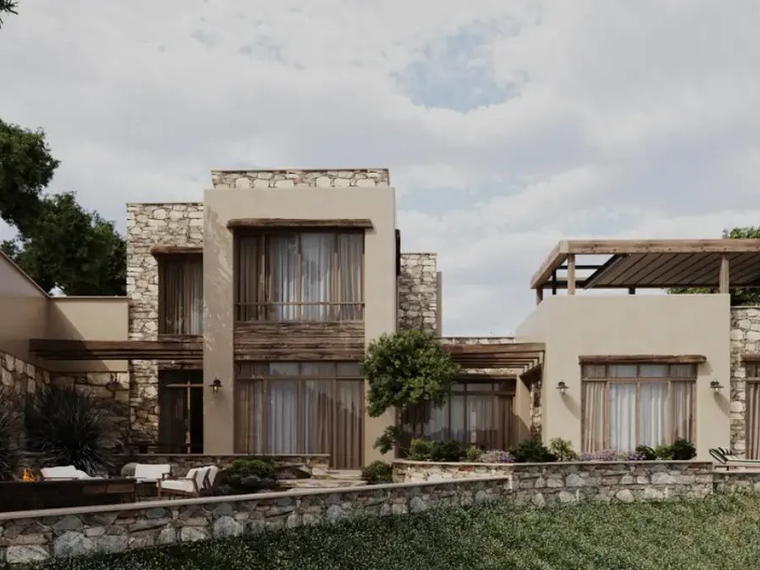
ENVI Al Shafa sits in the Al Shafa highlands of Taif, operating as a farm-to-table cooking studio with a wellness-focused dining programme. The property positions itself within a small tier of Saudi mountain retreats that treat food as an extension of landscape and health practice, rather than hotel catering. Specific rates and booking channels should be confirmed directly with the property.
Paje, Tanzania
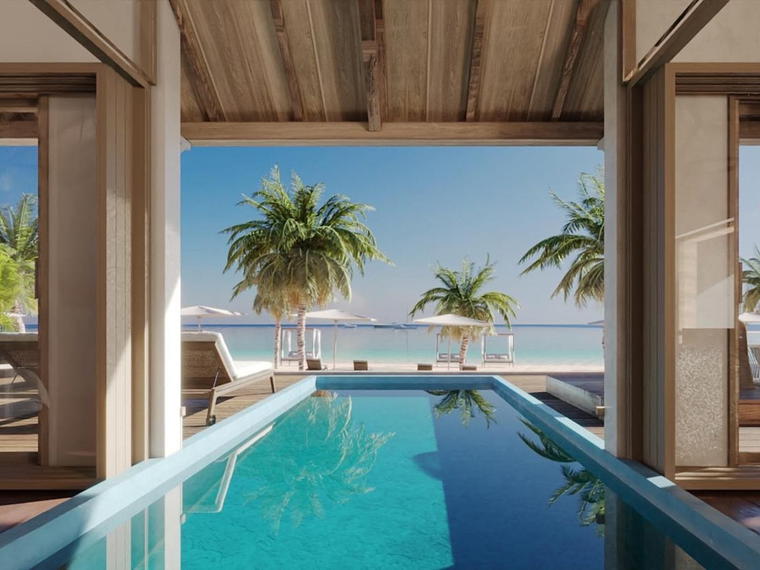
ENVI Paje occupies the quieter southeastern stretch of Zanzibar's coast, where the pace of Paje's kite-surfing village gives way to a property defined by botanical wellness and considered design. The property's approach draws on the Indian Ocean setting rather than working against it, placing it among a small tier of East African retreats that treat architecture and landscape as co-authors of the guest experience.
Leavenworth, United States
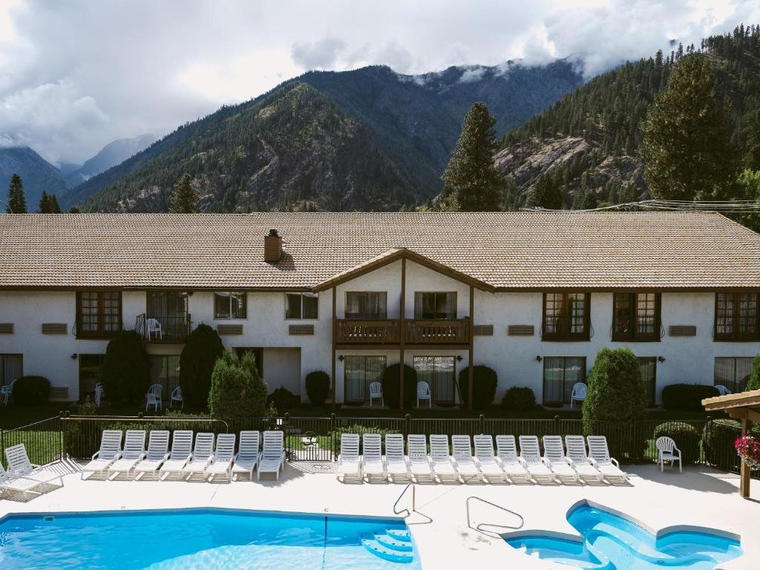
Leavenworth's Bavarian-themed streetscape sets a particular architectural expectation, and Enzian Inn at 590 US Hwy 2 commits to that vernacular more fully than most properties in town. The inn operates within a small tier of Leavenworth lodging where design consistency and atmosphere carry more weight than chain amenities or resort scale.
Madrid, Spain
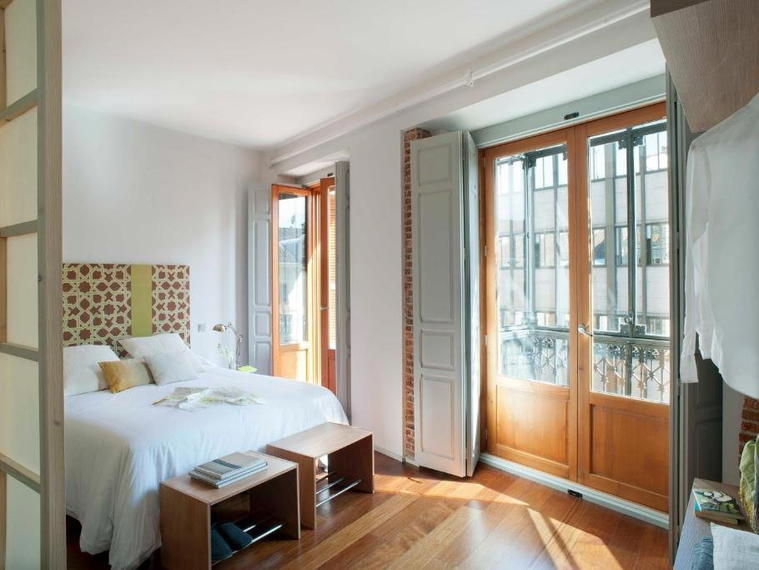
Eric Vökel Madrid Suites occupies a building on Calle de San Bernardo in the Centro district, placing guests within walking distance of Malasaña's independent shops and the cultural axis running through Gran Vía. The property operates in the aparthotel segment, where suite-format accommodation offers more floor space and domestic infrastructure than a standard hotel room — a format that attracts longer-stay travellers and those who find conventional hotel corridors reductive.
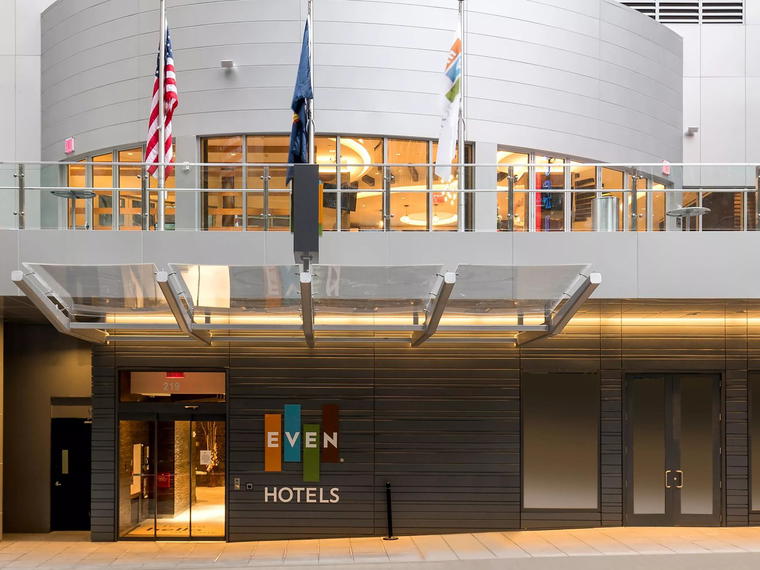
New York City, United States
At 221 E 44th Street, EVEN Hotel New York Midtown East by IHG occupies a address that puts Grand Central Terminal, the United Nations, and the East Side's business corridor within a short walk. The property sits in a tier of purpose-built wellness-oriented hotels that treat fitness infrastructure as a core offering rather than an amenity add-on, positioning it differently from conventional Midtown business hotels.

