Huus Gstaad

Michelin Selected
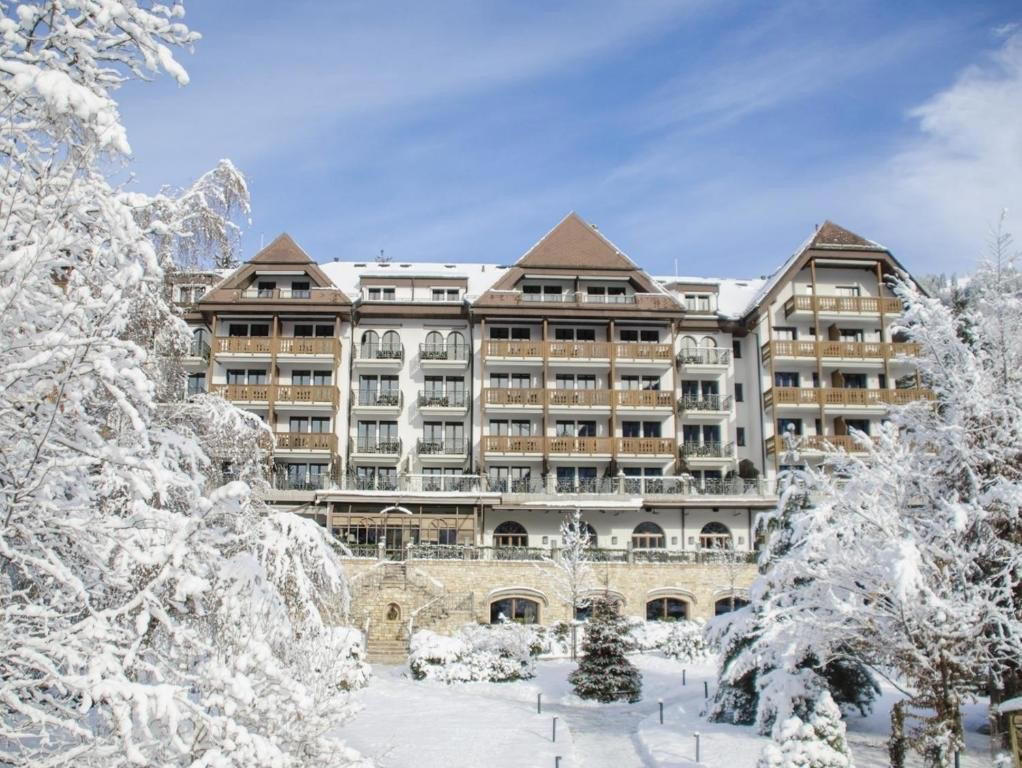
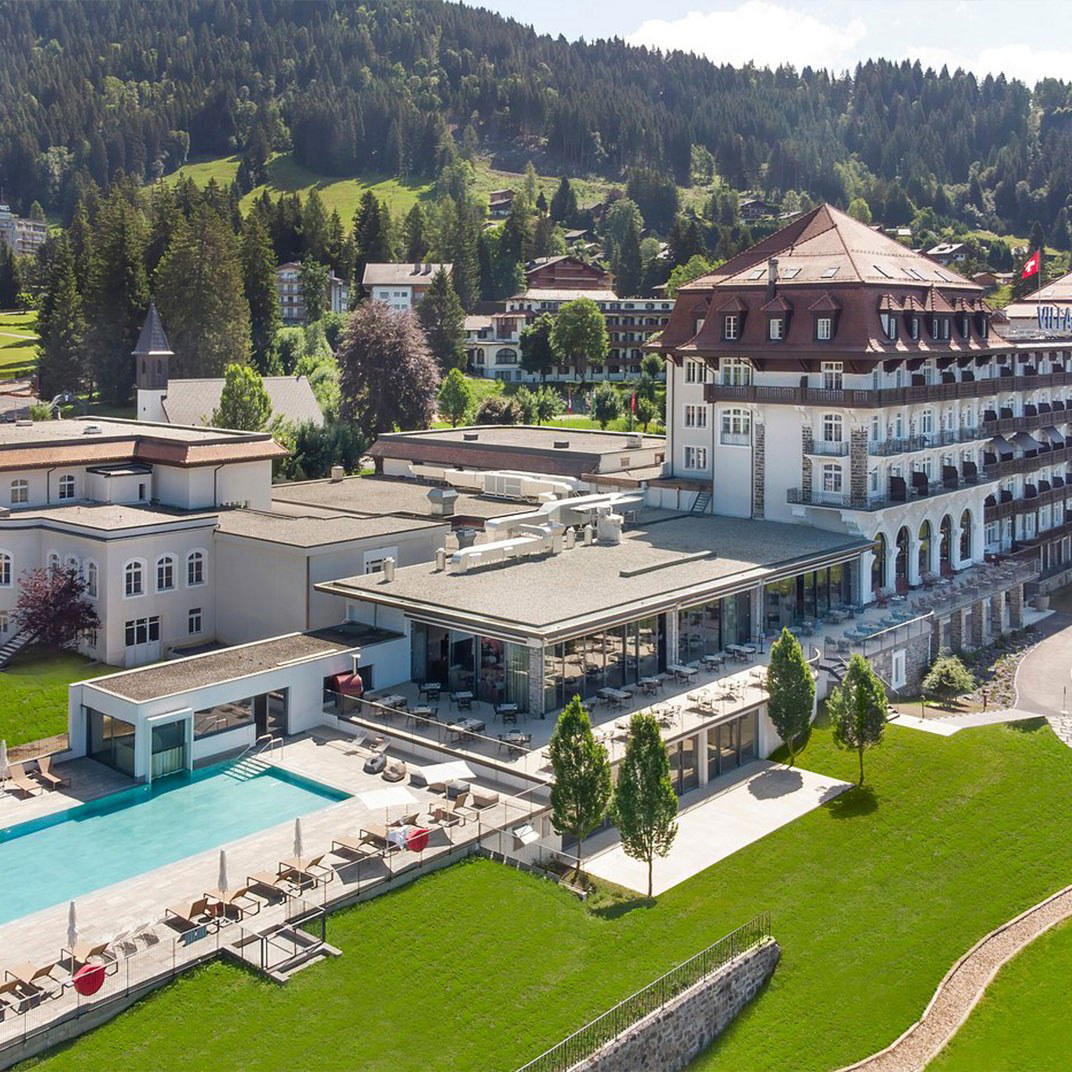
A Michelin Selected property in Gstaad's Schönried quarter, Huus Gstaad positions itself within the resort village's quieter, design-conscious tier of alpine accommodation. The property draws guests seeking a retreat-oriented stay with mountain surroundings at a remove from the social intensity of the main village strip. It sits in a competitive set that includes some of the Swiss Alps' most closely watched hotels.

Pearl is the En Primeur Club membership app, where members save venues, book tables and use the concierge.
Where the Alps Get Quiet
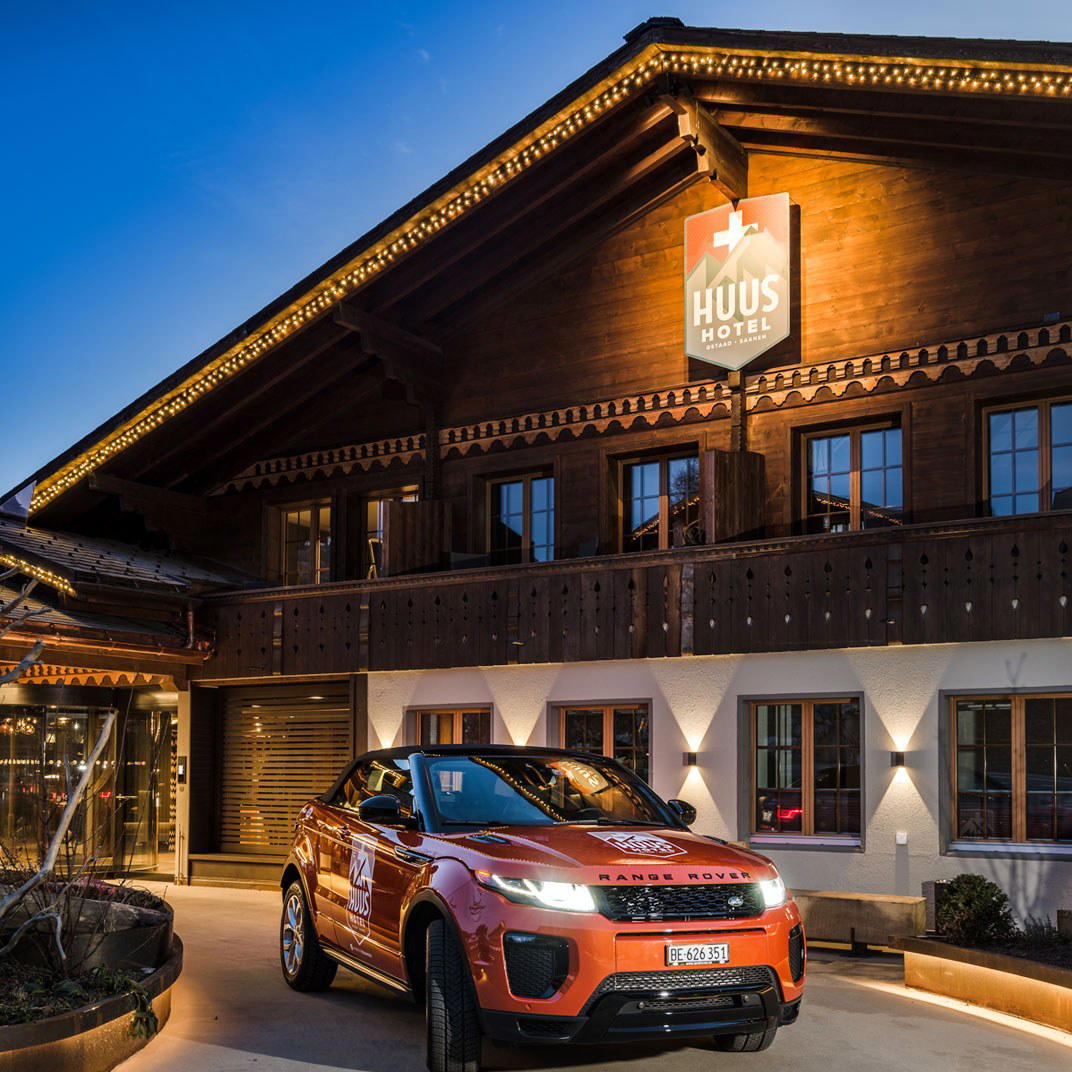
Gstaad operates on two registers simultaneously. There is the version most associated with its name: the fur-coat promenade along the Promenade, the grand facades of properties like Gstaad Palace and The Alpina Gstaad, the social theatre of peak season. And then there is the other version, found in the surrounding hamlets and lower-profile addresses where the mountain itself, rather than the scene around it, becomes the primary reference point. Huus Gstaad, situated on Schönriedstrasse 74 in the Schönried quarter above the main village, belongs to that second register.
Michelin Selected status in the 2025 Michelin Hotels guide places Huus Gstaad within a curated tier of Swiss alpine accommodation that prizes atmosphere and considered design over scale and ceremony. In a resort where properties like Le Grand Bellevue and Park Gstaad compete on heritage credentials and formal service depth, the Huus proposition leans into a different frequency: warmer materiality, a deliberate retreat orientation, and a physical position that trades village proximity for altitude and calm.
The Retreat Argument for Schönried
Swiss alpine wellness has become a serious category in its own right, distinct from the spa-as-amenity model common to five-star hotels elsewhere. Properties across the Swiss Alps, from Grand Resort Bad Ragaz to Bürgenstock Resort, have invested heavily in programming that treats the mountain environment as an active therapeutic element rather than scenic backdrop. The logic is consistent: altitude, clean air, physical access to terrain, and deliberate disconnection from urban rhythm are the product, not just the setting.
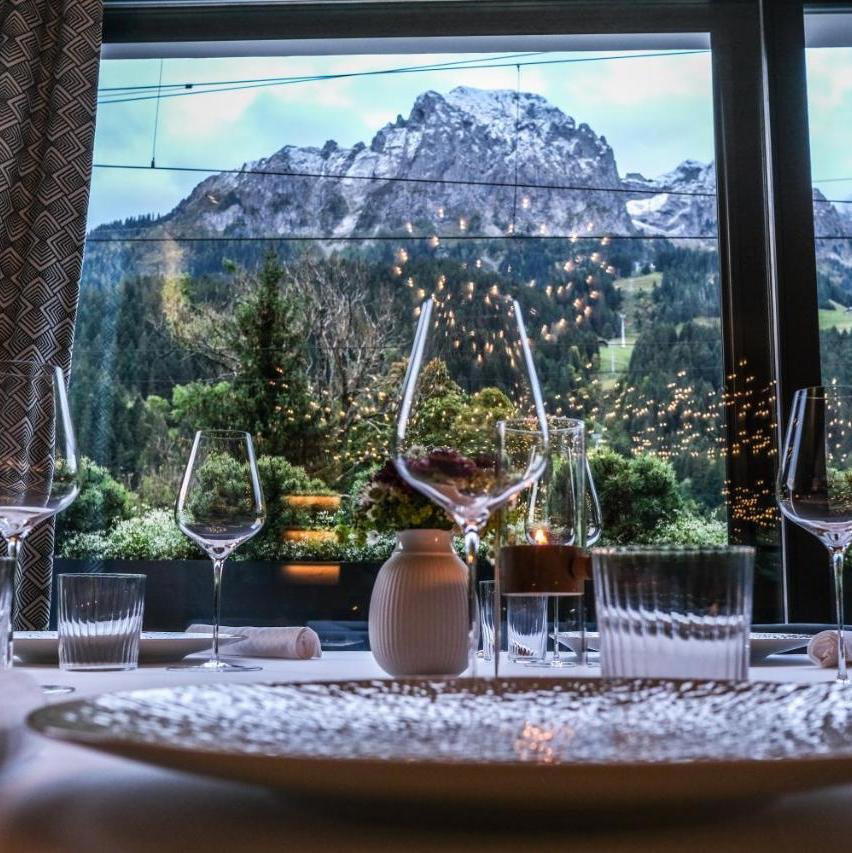
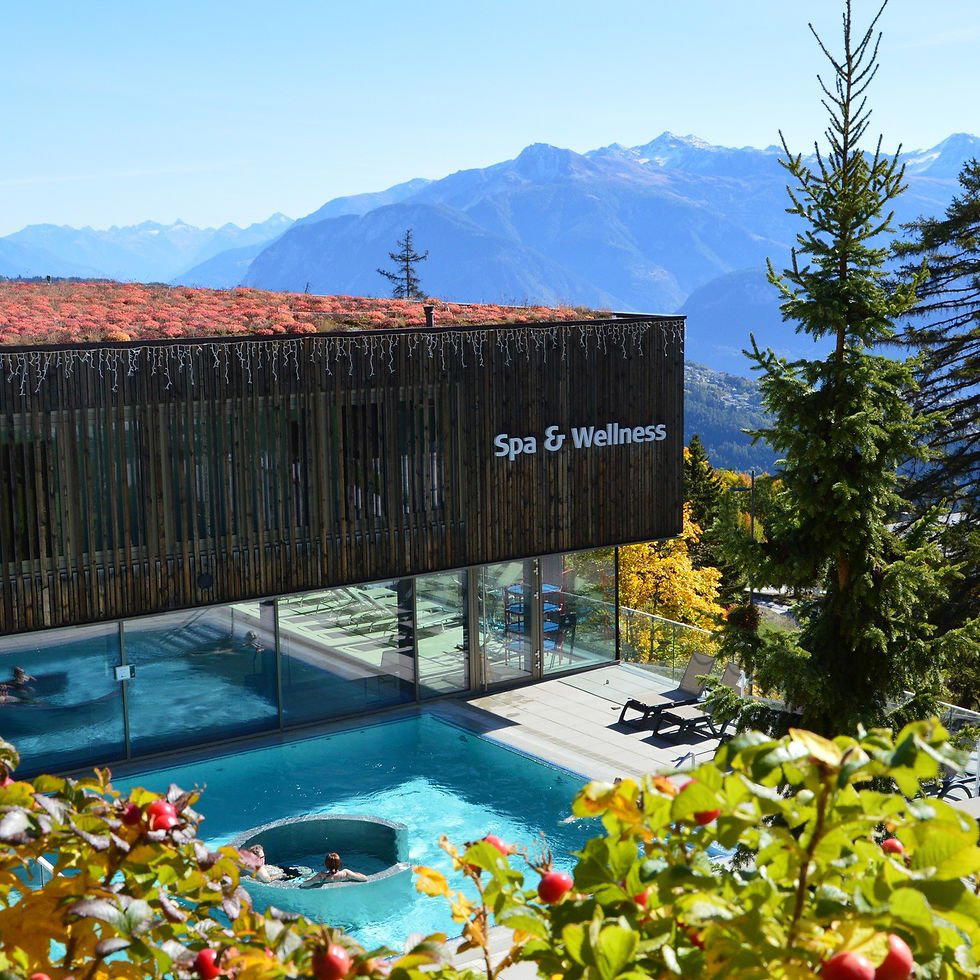
Huus Gstaad's positioning in Schönried supports this argument structurally. The hamlet sits above the main Gstaad basin, which means the surrounding landscape is more immediately present than it would be from an address on the Promenade. Winter guests access the Saanenland ski area directly; summer brings hiking terrain at the doorstep. The retreat mindset, common to Swiss mountain hospitality at this tier, is reinforced by physical geography rather than simply asserted through branding.
This contrasts with the more socially active posture of properties like Ultima Gstaad or Miiro The Mansard, which draw guests partly on the basis of village access and social programming. The choice between these approaches is genuinely a matter of intent: guests arriving to move through the mountains on their own terms will read Huus Gstaad's location differently from guests who want the full orchestration of a grande dame address.
Design Language in the Alps
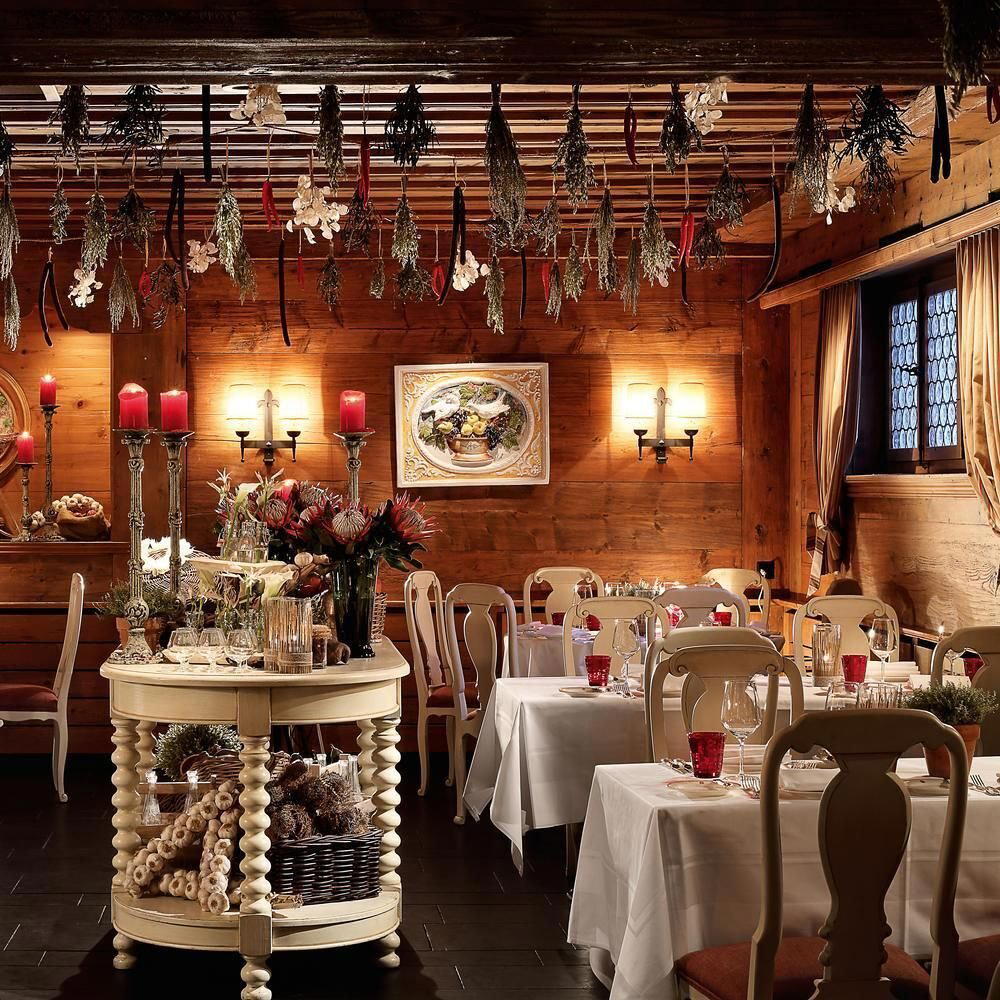
Across Swiss mountain hospitality, a legible design vocabulary has emerged at properties that position themselves outside the traditional grand hotel format. Warm timber, stone, textured wool, and fireplace-anchored communal spaces appear consistently, functioning as visual shorthand for a particular kind of alpine belonging. This is not arbitrary: the material palette references vernacular Bernese Oberland architecture while translating it into a register that reads as considered rather than folkloric.
Huus Gstaad operates within this grammar. The property's aesthetic distances it from the formal grandeur that defines Gstaad's older institutional addresses, situating it instead alongside a generation of alpine hotels, including smaller properties like Hotel Spitzhorn and Hotel Olden, that treat materiality and atmosphere as primary hospitality tools. Across Switzerland, comparable approaches appear at Matterhorn FOCUS in Zermatt and Hotel Villa Honegg in Ennetbürgen, both of which share Huus Gstaad's preference for restrained scale and environment-forward positioning.
Gstaad in the Swiss Luxury Hotel Context
Switzerland's premium hotel market is geographically distributed in a way that forces each resort to maintain a distinct identity. Badrutt's Palace Hotel in St. Moritz anchors the Engadine with a century of social cachet. The Chedi Andermatt brought international design-hotel credibility to a previously under-served valley. Victoria-Jungfrau Grand Hotel and Spa in Interlaken operates at the intersection of Belle Époque heritage and contemporary spa depth. Gstaad's identity, by contrast, has always been built on discretion: a resort that attracts high-net-worth visitors without the volume or spectacle of Verbier or Zermatt.
Within that context, Michelin's selection of Huus Gstaad for its 2025 hotels guide functions as an external credential that places the property within the considered tier of Swiss alpine accommodation, alongside the kind of addresses that appear in the same editorial framework as Mandarin Oriental Palace, Luzern, The Woodward in Geneva, and Baur au Lac in Zürich. Selection does not imply equivalence with those addresses in scale or price tier, but it signals that Michelin's editorial team found the experience coherent and worth directing readers toward, which in a curated guide carries weight.
For a full picture of Gstaad's dining and hospitality options across price tiers and formats, our full Gstaad restaurants guide maps the village's competitive landscape in detail.
Planning a Stay
Huus Gstaad's address at Schönriedstrasse 74 places it in Schönried, a short drive from central Gstaad and directly adjacent to alpine terrain that functions across both winter and summer seasons. Guests arriving by train from Montreux via the MOB Golden Pass line disembark at Schönried station, which sits closer to the property than Gstaad's main station, making rail access from the Swiss lowlands direct. Peak booking demand in the Swiss Alps concentrates around the Christmas-New Year period and the February half-term window, with summer mountain season running from late June through August. Those planning a stay outside these windows, particularly in the shoulder periods of early December or late March, will find the Saanenland landscape significantly quieter.
For broader context on Swiss mountain hospitality, properties like Castello del Sole Beach Resort and Spa in Ascona and Hotel Bellevue Palace Bern illustrate how Switzerland's hospitality offer shifts across different geographic and seasonal contexts. For guests whose travel extends beyond the Alps, Hôtel de Paris Monte-Carlo, Aman Venice, and The Fifth Avenue Hotel in New York City represent comparable positioning in their respective markets.
Reputation Context
Comparable venues nearby, for context on price, style, and recognition.
| Venue | Cuisine | Price | Awards | Notes |
|---|---|---|---|---|
| Huus GstaadThis venue (the venue you are viewing) | Classic Alpine chalet with modern high-tech design | $300–500 | Michelin Selected | Not listed |
| Miiro The Mansard | Contemporary alternative to grand five-star Alpine palaces; relaxed yet refined boutique hotel built by Swiss craftsmen. | $750–1,000 | 1 Michelin Key · Mr & Mrs Smith Seal of Approval | Gstaad Promenade |
| Ultima Gstaad | rustic Swiss chalet with contemporary luxury | $1,000–1,500 | 1 Michelin Key | Gstaad |
| Hotel Olden | traditional chalet-style boutique | Not listed | Michelin Selected | Promenade |
| Hotel Spitzhorn | Modern alpine chalet with 4-star infrastructure in a 5-star setting | $300–500 | Michelin Selected | Saanen |
| Park Gstaad | Alpine luxury resort with chalet-inspired elegance | Not listed | Michelin Selected | Gstaad |
Recognition history
Dated appearances from independent guides and award organizations, with the underlying list record or original source where available.
Michelin Selected
Michelin
Continue exploring
More in Gstaad
Hotels in Gstaad
All hotels in Gstaad →
Bars in Gstaad
Browse all →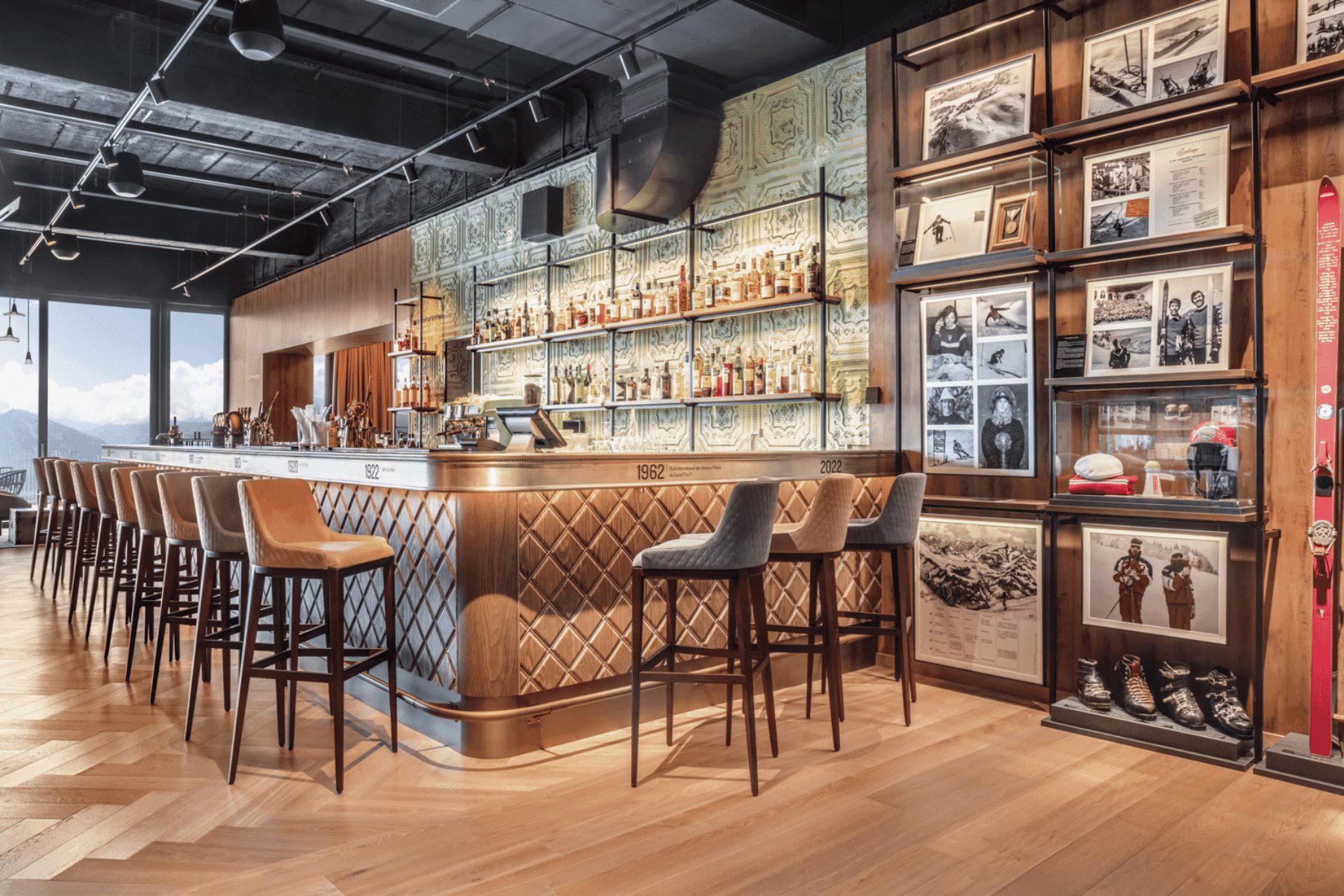

Details
- Cozy
- Elegant
- Scenic
- Modern
- Rustic
- Family Vacation
- Romantic Getaway
- Weekend Escape
- Panoramic View
- Ski In Ski Out
- Spa
- Pool
- Indoor Pool
- Sauna
- Fitness Center
- Restaurant
- Bar
- Room Service
- Concierge
- Mountain
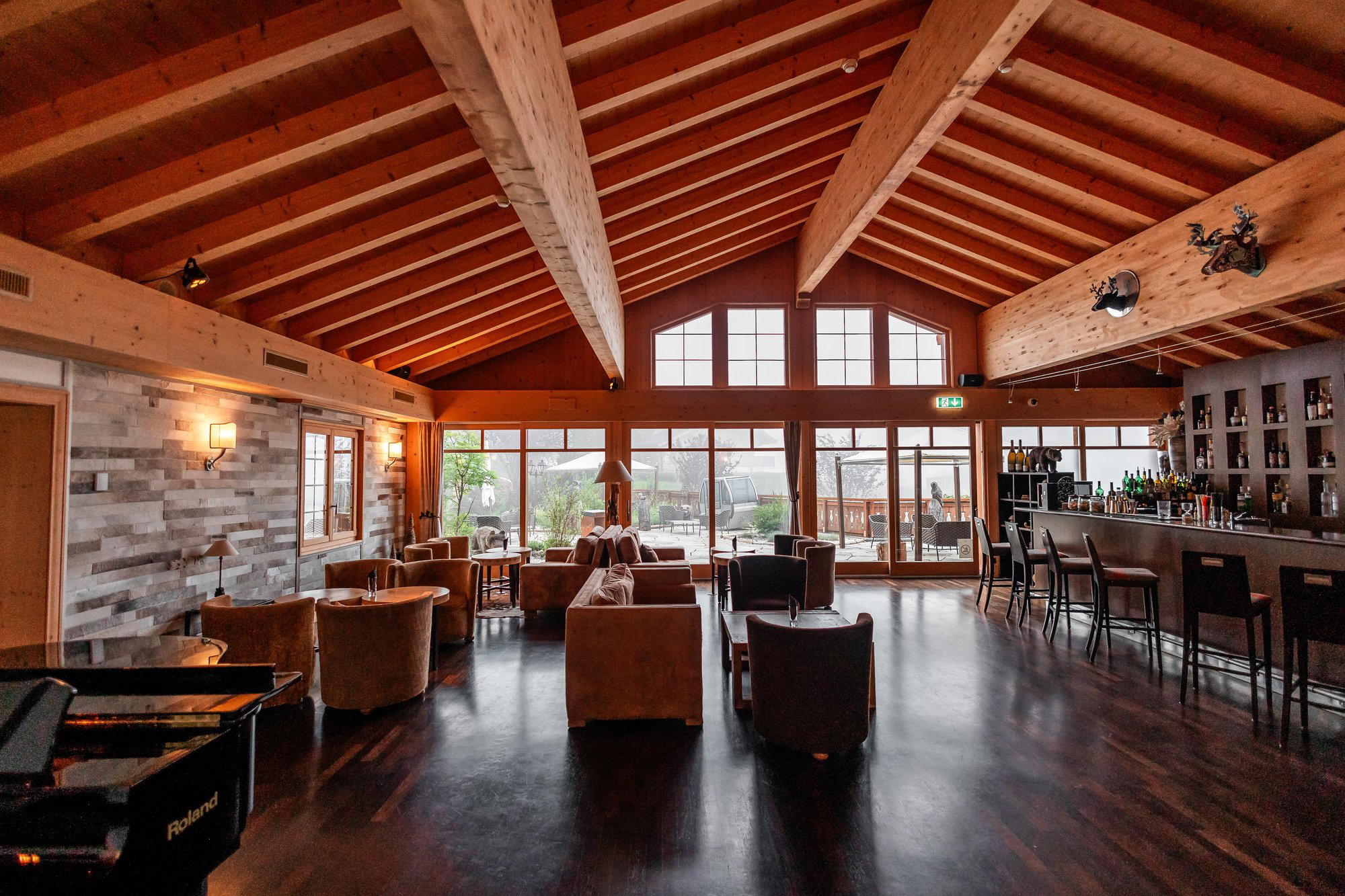
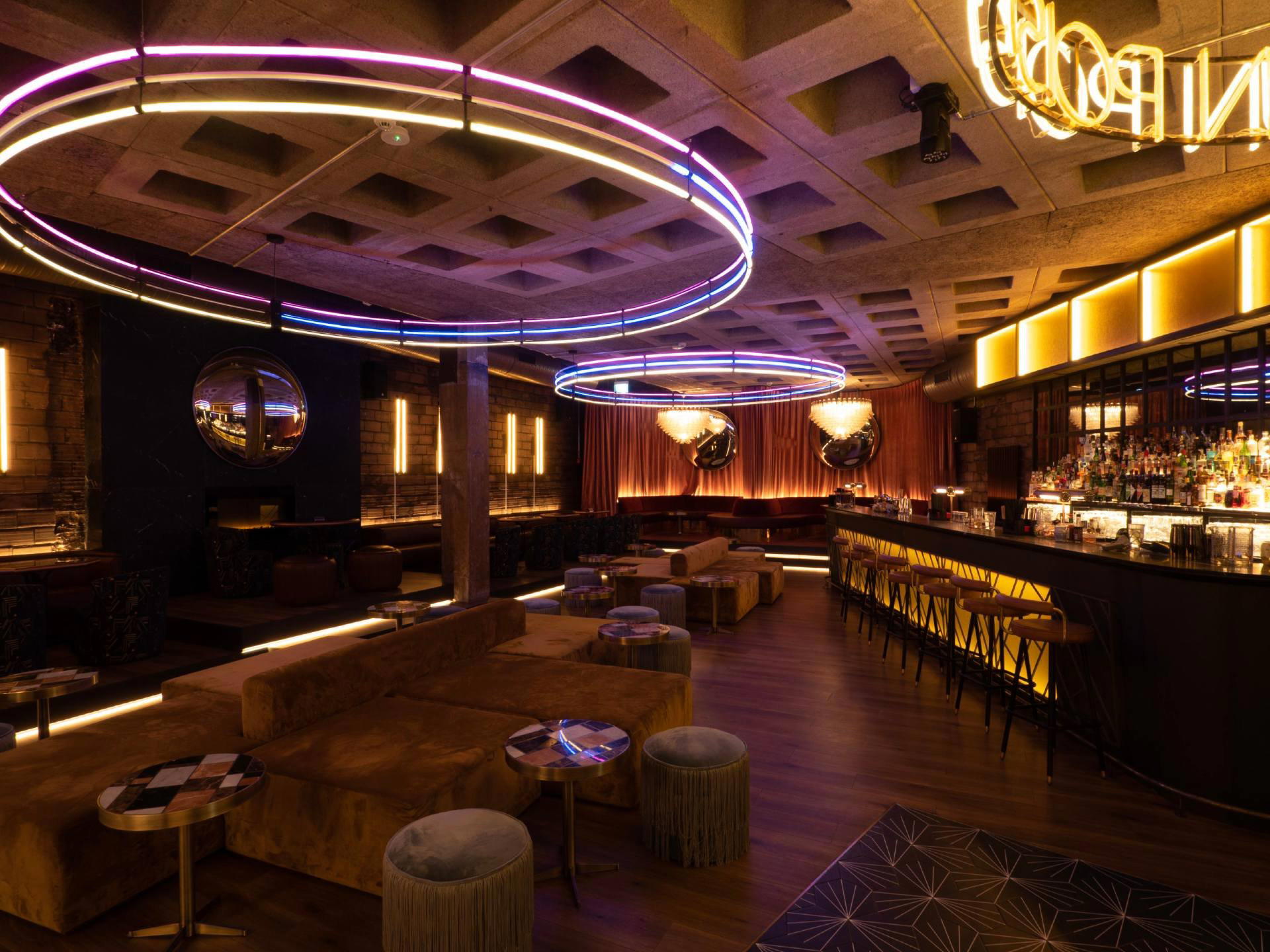
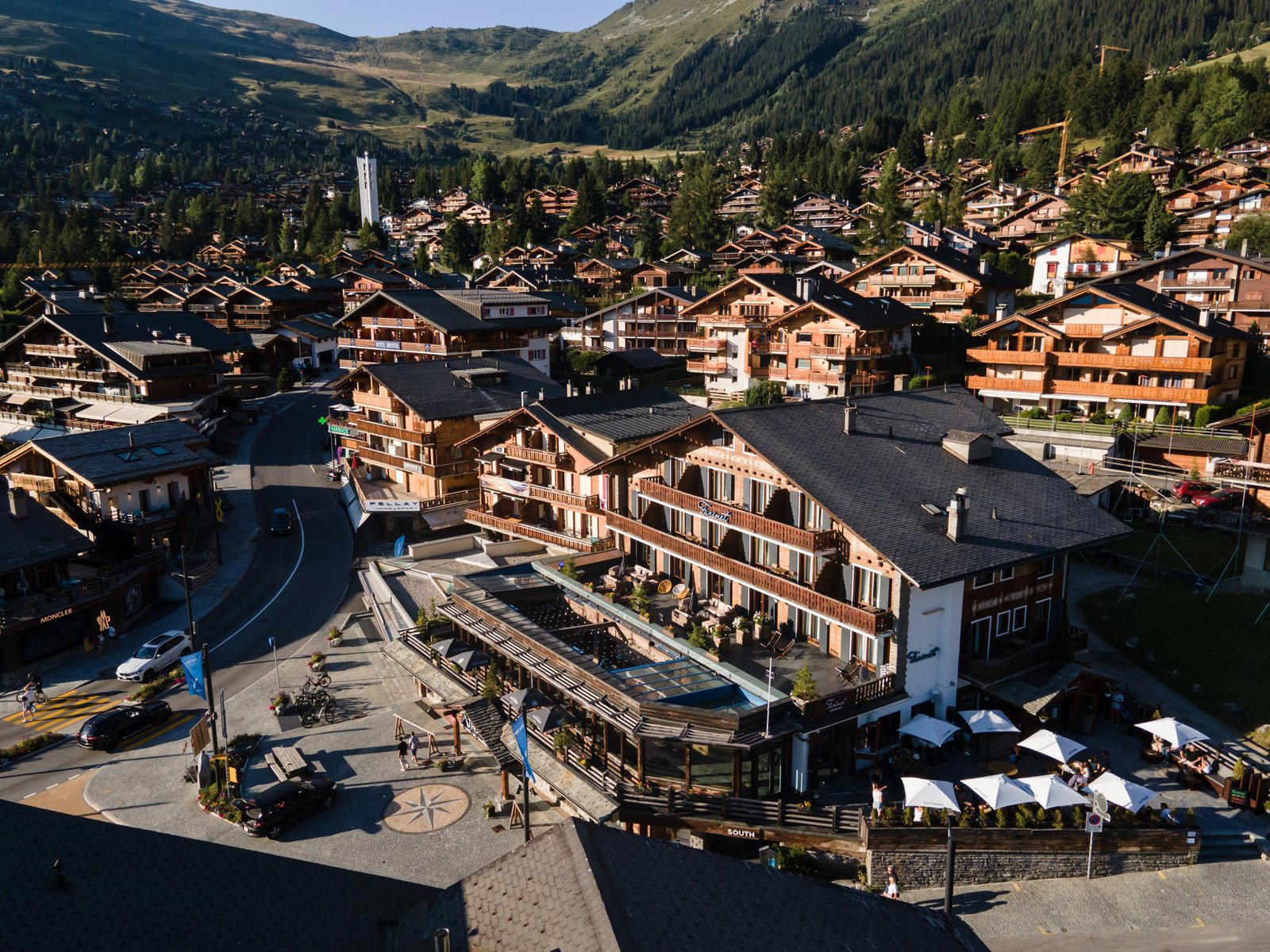
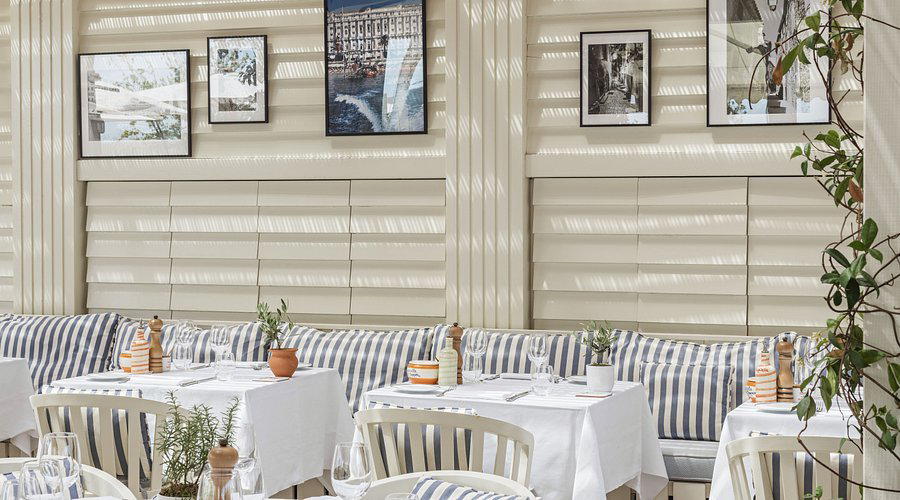
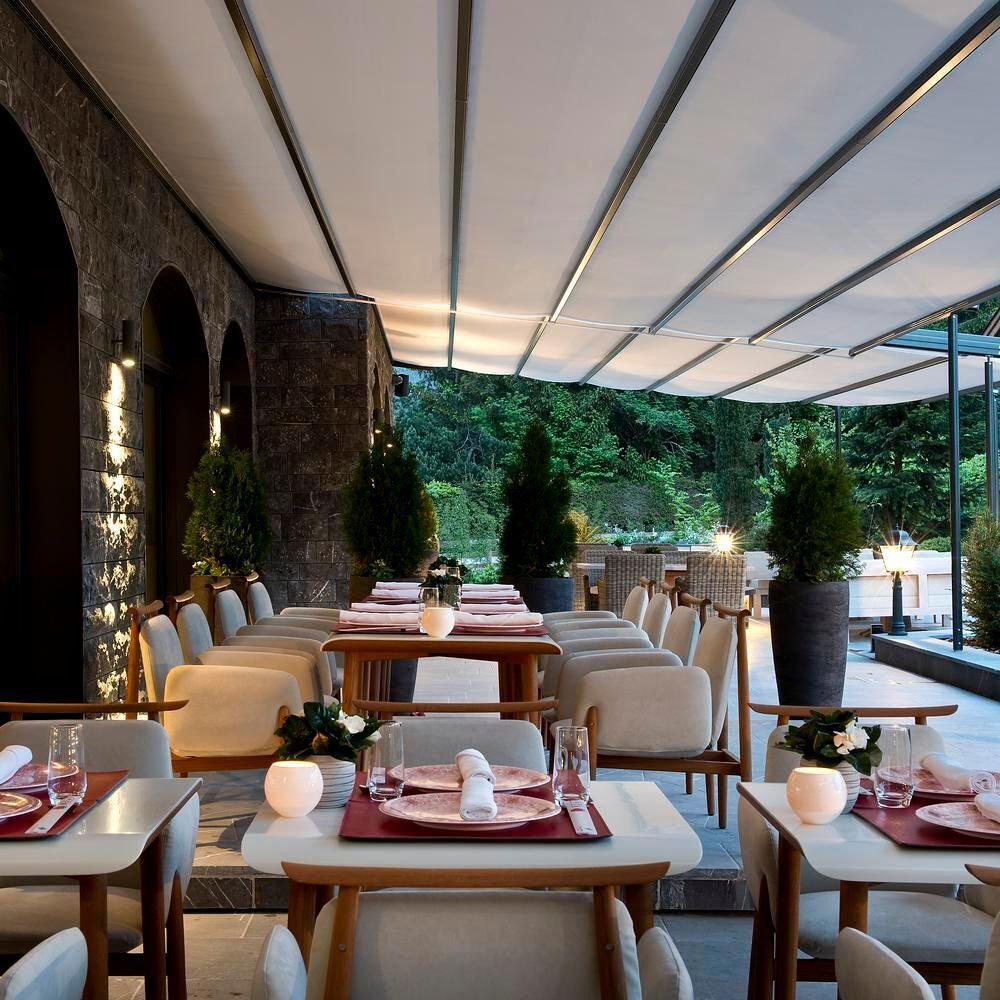
Warm and cozy with rich natural materials, plush textiles, and a lively lobby lounge featuring a fireplace, blending rustic charm with contemporary accents.