Hotel Olden

Michelin Selected
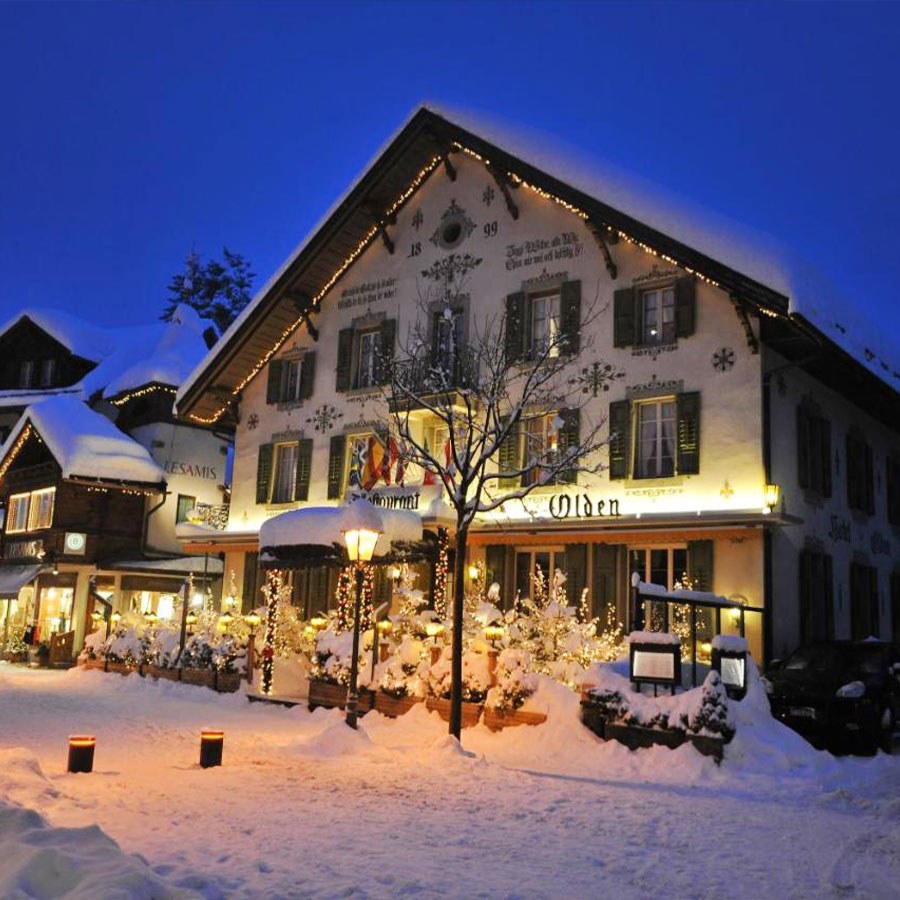
Hotel Olden occupies a quiet stretch of Gstaad's Promenade, holding Michelin Selected status in the 2025 guide, a distinction that places it within a curated tier of Swiss alpine properties where atmosphere and attentive service carry more weight than scale. For a village that draws an international crowd every winter season, Olden offers a considered alternative to the larger resort hotels along the same address.

Pearl is the En Primeur Club membership app, where members save venues, book tables and use the concierge.
Where Gstaad's Social Calendar Has Long Found Its Anchor
Gstaad operates on a rhythm that most Swiss alpine resorts do not. The village's Promenade is less a high street than a stage: a low-rise corridor of chalets, boutiques, and hotel facades where the same faces reappear season after season. Hotel Olden sits directly on that corridor, and its position is not incidental. Properties on the Promenade do not simply benefit from foot traffic, they participate in the social architecture of the village itself. The guests who choose Olden tend to know this, which is partly why the hotel's character has remained consistent across decades when much of Swiss alpine hospitality has been overhauled in pursuit of spa footage and room counts.
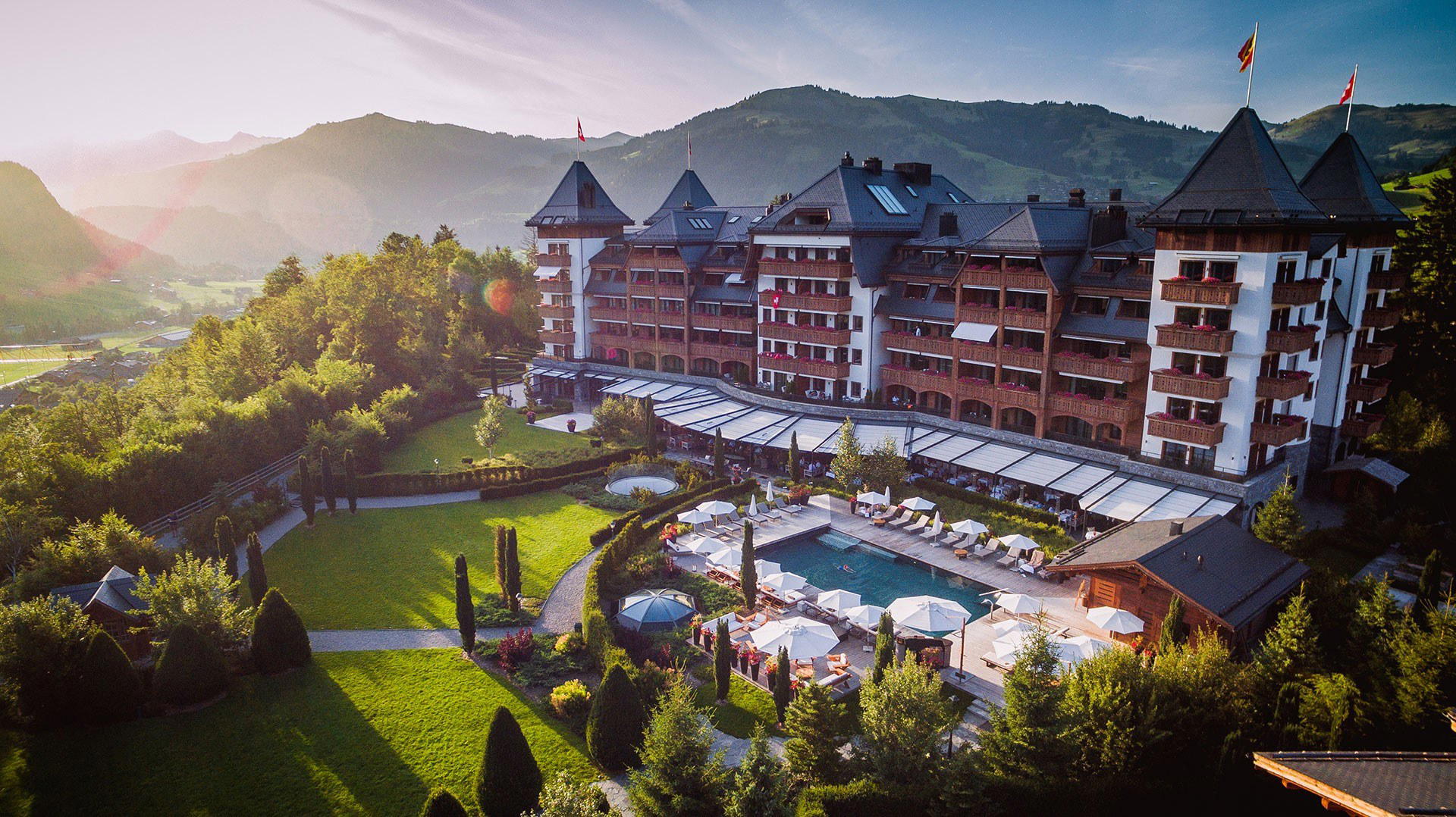
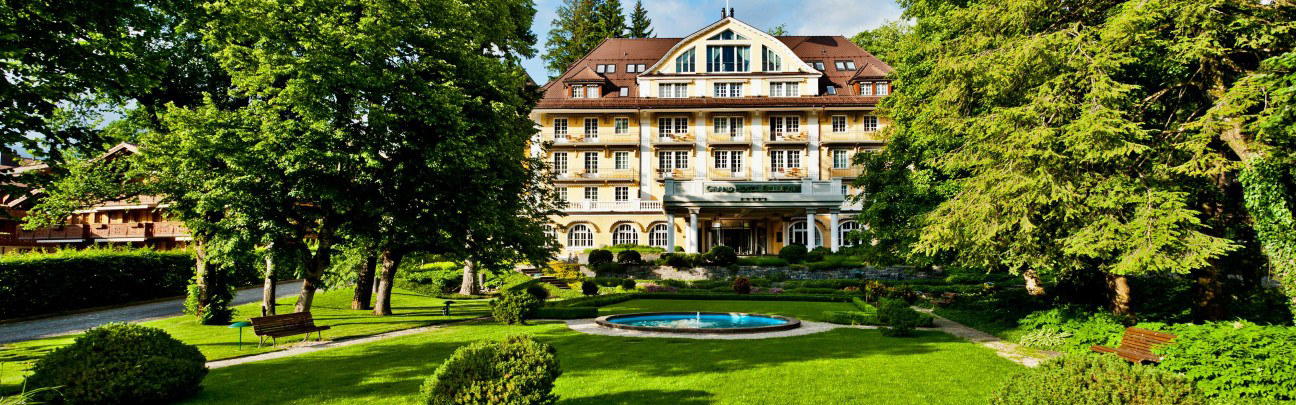
The hotel belongs to a specific category within Gstaad's accommodation tier: mid-scale by room count, but weighted toward atmosphere and familiarity over amenity breadth. That positions it differently from the larger statements on the hill. Gstaad Palace commands the skyline with ballroom scale and a history tied to European aristocracy. The Alpina Gstaad offers a contemporary wellness-forward format with considerable spa infrastructure. Le Grand Bellevue sits in a design-driven luxury register. Hotel Olden answers a different question: where does a repeat visitor who already knows Gstaad want to stay when they are not trying to impress anyone?
Michelin Selected: What the Recognition Signals
Michelin's hotel selection process, distinct from its restaurant star system, identifies properties where the overall guest experience justifies inclusion, not properties that simply clear a checklist of amenities. Hotel Olden's inclusion in the Michelin Selected Hotels 2025 guide places it in a curated Swiss alpine tier alongside properties from St. Moritz to Verbier where the standard of hospitality is considered editorially noteworthy. That is a meaningful credential in a village where reputations are formed slowly and protected carefully.
The distinction also carries a practical implication for planning. Michelin Selected properties are not assessed on scale or brand affiliation but on the quality of the experience delivered at the price point offered. For a traveller arriving in Gstaad with options ranging from Park Gstaad to Huus Gstaad and Ultima Gstaad, the selection provides a useful anchor point: Olden has been independently assessed and found to deliver above its weight class.
The Service Register at a Village Institution
In alpine hospitality, service philosophy tends to bifurcate. The large resort hotels, places like Badrutt's Palace Hotel in St. Moritz or the Victoria-Jungfrau Grand Hotel & Spa in Interlaken, deploy formal, structured service cultures with significant staff-to-guest ratios and standardised protocols. Smaller village institutions like Hotel Olden operate differently. The guest-to-staff familiarity is higher, the institutional memory longer, and the service model more likely to be anticipatory in a personal rather than procedural sense.
This matters in Gstaad particularly because the village's returning clientele expects to be recognised. A hotel that has held its position on the Promenade across multiple seasons accumulates a guest history that larger, higher-turnover properties cannot replicate. Regulars at Olden are not checking into a brand. They are returning to a specific place with specific people, and the continuity of that relationship is part of what the hotel offers. It is a model that depends entirely on staff retention and institutional culture rather than on training manuals, and it is considerably harder to manufacture than a well-equipped spa wing.
For first-time visitors to Gstaad, that same dynamic can feel unexpectedly warm. Hotels of this type tend to extend their internal familiarity outward: staff who know the village's rhythms, its seasonal schedules, and its restaurant tables with any reliability are more useful than a concierge desk managing requests through third-party booking platforms. Properties like Hotel Spitzhorn and Miiro The Mansard occupy adjacent niches in Gstaad's smaller-hotel tier, but Olden's Promenade address and its longevity in the market give it a specific social currency that newer entrants have not yet accrued.
Gstaad in Context: Where Olden Fits the Broader Alpine Picture
Switzerland's premium alpine hotel stock is dense and competitive. The The Chedi Andermatt in Andermatt represents the contemporary international-brand model applied to a Swiss alpine village. Bürgenstock Resort in Bürgenstock is a large-footprint destination property with lake views and extensive facilities. Mandarin Oriental Palace, Luzern in Lucerne anchors its appeal in brand cachet and urban lakefront position. Hotel Olden is none of these things, and that is precisely its competitive argument. It offers a Gstaad-specific experience that does not translate to another address: the Promenade position, the village scale, and a service culture built on seasonal recurrence rather than branded standards.
For travellers who use Gstaad as a node in a broader Swiss itinerary, arriving from The Woodward in Geneva, moving toward Baur au Lac in Zürich, or comparing against Grand Resort Bad Ragaz in Bad Ragaz, Hotel Olden reads as the village-character option. It does not compete with those addresses on facilities. It competes on place and on the specific social texture that a central Promenade hotel in Gstaad can offer. Our full Gstaad restaurants guide maps the broader village dining and hospitality scene for those planning a longer stay.
Planning a Stay: What to Know Before Booking
Gstaad's core season runs from mid-December through late March, with a secondary peak in July and August when the summer festival programme draws a different but equally international crowd. Both windows compress availability across all Promenade properties, and Hotel Olden's room count means it fills earlier than the larger hotels. Booking two to three months ahead for peak winter dates is standard practice for any Michelin Selected property in a village of this size. For context, comparable properties in St. Moritz and Zermatt, including Matterhorn FOCUS in Zermatt, operate on similar advance-booking windows during their respective peaks.
Gstaad is served by the MOB Golden Pass railway from Montreux and Zweisimmen, with the village station a short walk from the Promenade. Direct road access from Geneva takes approximately two hours depending on conditions. For international arrivals, Geneva Airport is the primary gateway, with Zürich Airport requiring a longer transfer. Given the hotel's central position, guests arriving without a car will find the Promenade location an advantage rather than a constraint.
Category Peers
Comparable venues nearby, for context on price, style, and recognition.
| Venue | Cuisine | Price | Awards | Notes |
|---|---|---|---|---|
| Hotel OldenThis venue (the venue you are viewing) | traditional chalet-style boutique | Not listed | Michelin Selected | Not listed |
| Huus Gstaad | Classic Alpine chalet with modern high-tech design | $300–500 | Michelin Selected | Saanen |
| Miiro The Mansard | Contemporary alternative to grand five-star Alpine palaces; relaxed yet refined boutique hotel built by Swiss craftsmen. | $750–1,000 | 1 Michelin Key · Mr & Mrs Smith Seal of Approval | Gstaad Promenade |
| Ultima Gstaad | rustic Swiss chalet with contemporary luxury | $1,000–1,500 | 1 Michelin Key | Gstaad |
| Hotel Spitzhorn | Modern alpine chalet with 4-star infrastructure in a 5-star setting | $300–500 | Michelin Selected | Saanen |
| Le Grand Bellevue | Turreted tower rooms and chalet-style suites in a grand early 20th-century palace exterior with modern interiors. | $1,000–1,500 | 2 Michelin Keys · La Liste Top Hotels | Gstaad Promenade |
Recognition history
Dated appearances from independent guides and award organizations, with the underlying list record or original source where available.
Michelin Selected
Michelin
Continue exploring
More in Gstaad
Hotels in Gstaad
All hotels in Gstaad →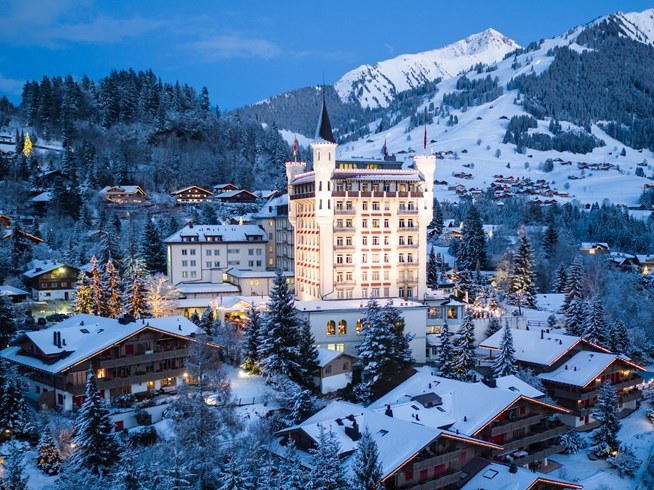
Bars in Gstaad
Browse all →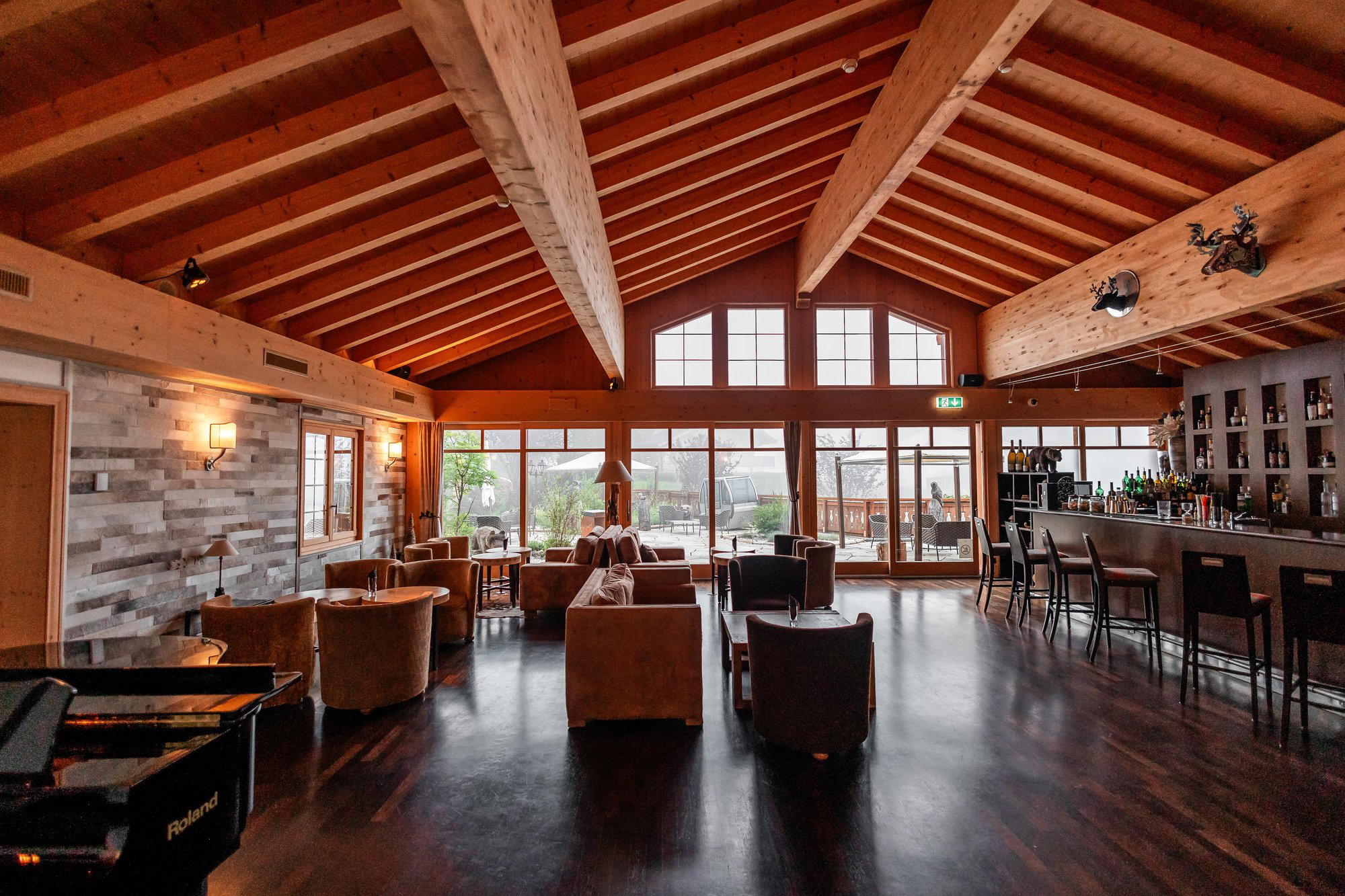



Details
- Classic
- Elegant
- Cozy
- Quiet
- Intimate
- Romantic Getaway
- Weekend Escape
- Historic Building
- Terrace
- Wi Fi
- Room Service
- Concierge
- Valet Parking
- Mountain
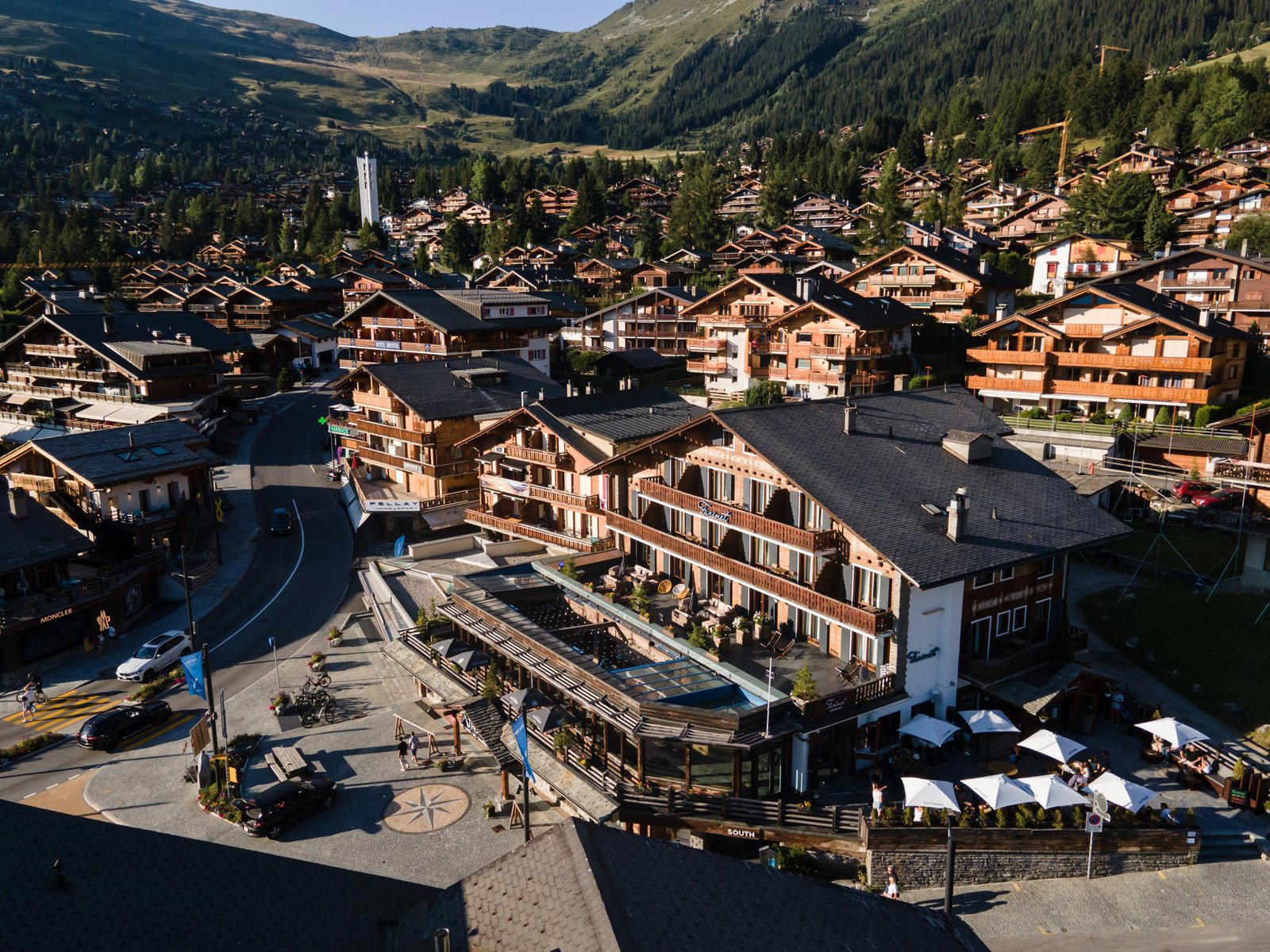
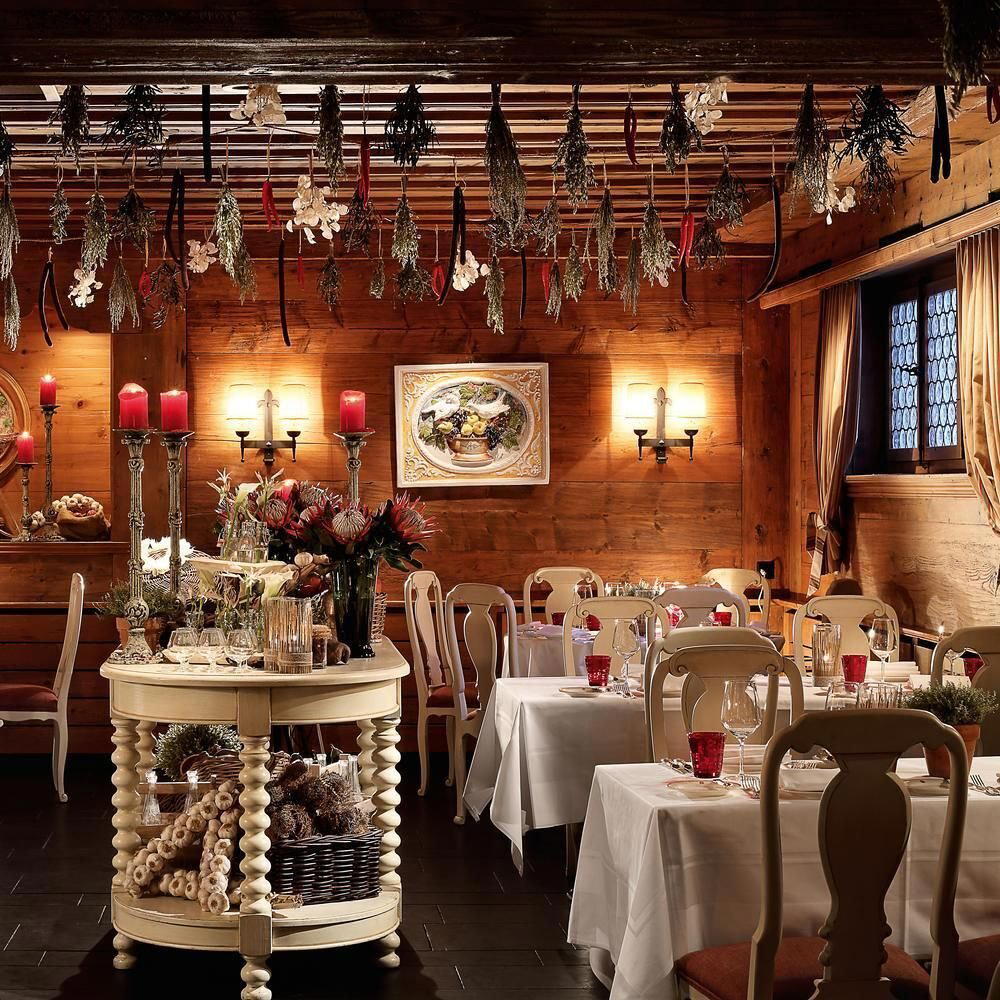
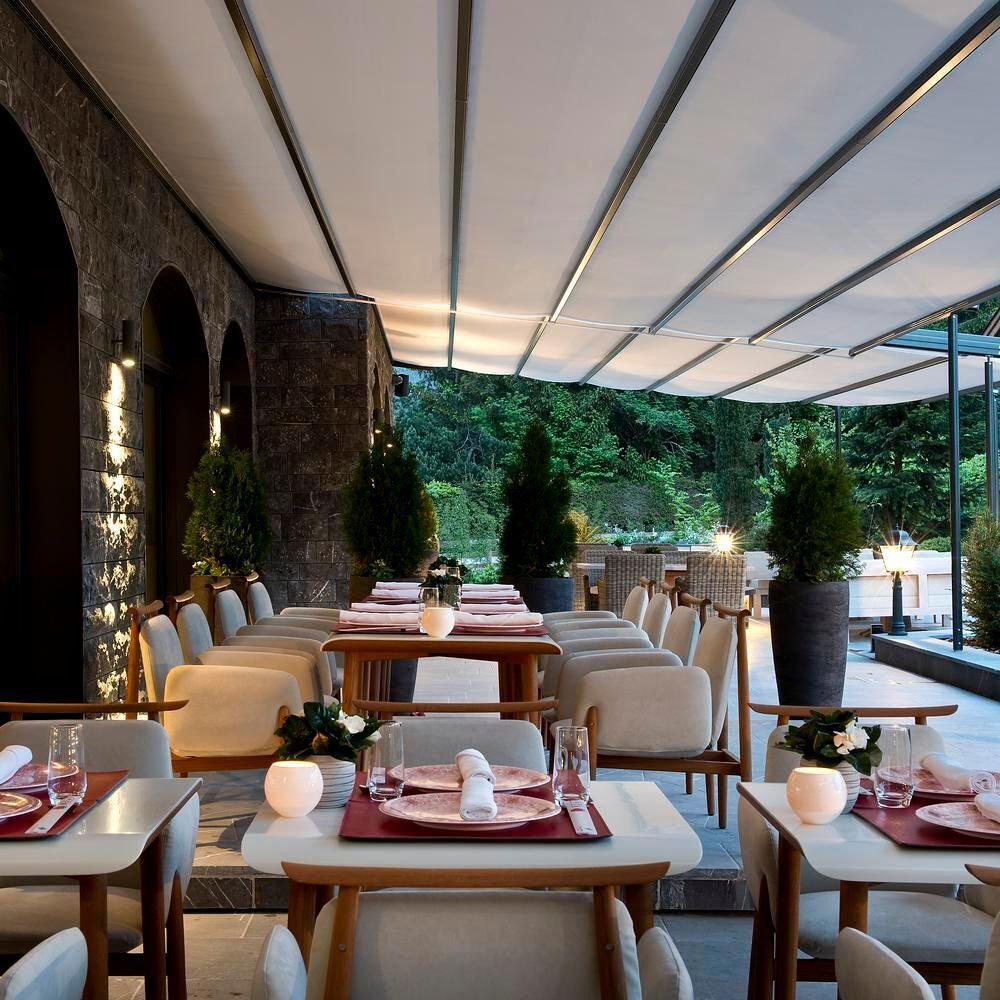
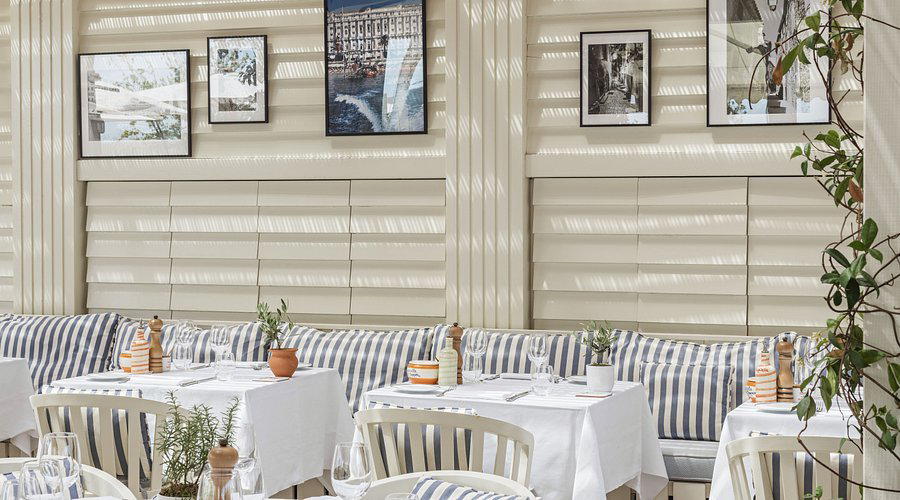
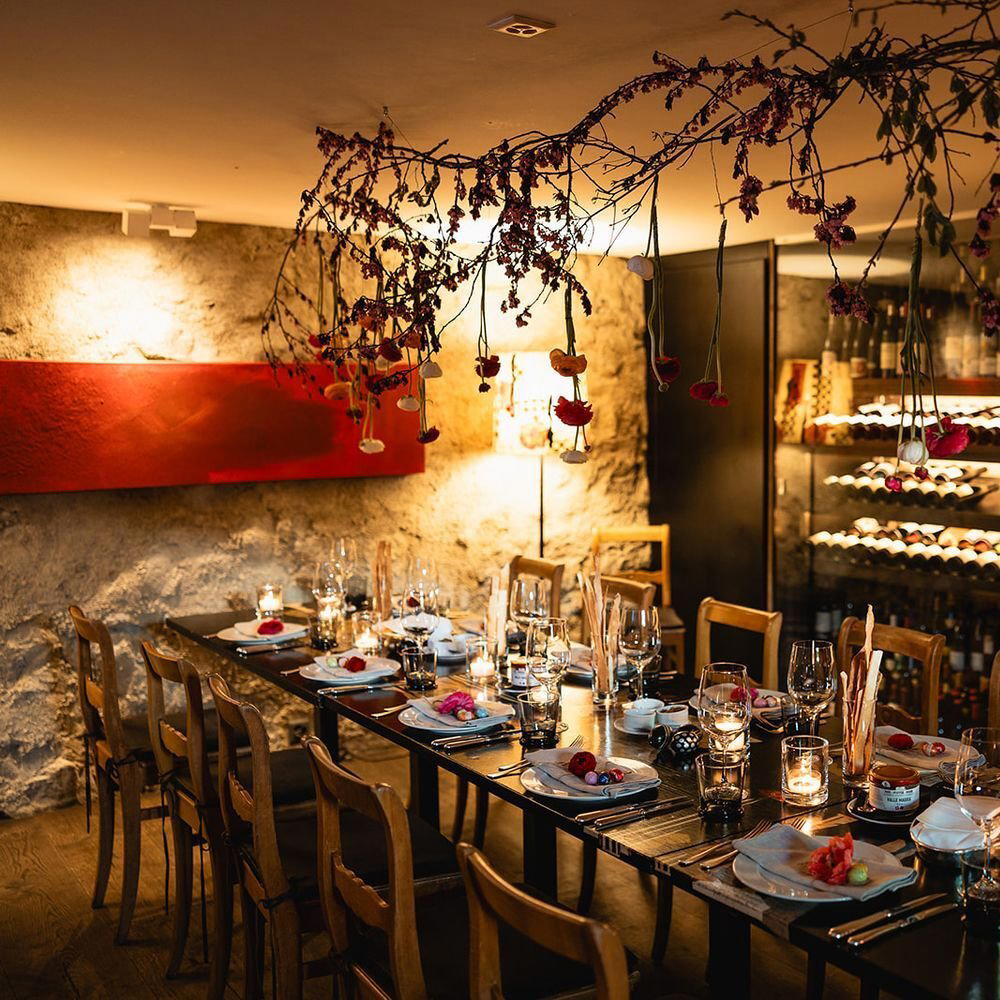
Creamy neutral tones with rustic beams, checked curtains, and Alpine motifs create a tastefully traditional yet cozy luxury atmosphere.