Iniakuk Lake Wilderness Lodge
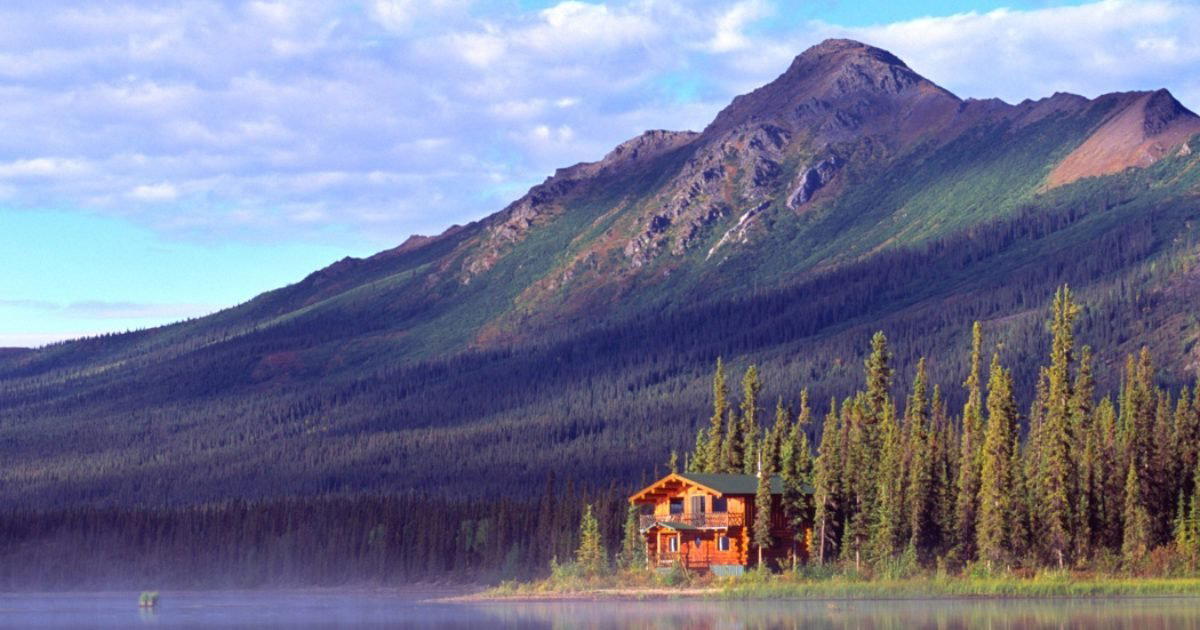
A fly-in wilderness lodge on a remote lake in Alaska's Brooks Range foothills, Iniakuk Lake Wilderness Lodge places guests in a landscape accessible only by small aircraft, with no roads connecting it to the outside world. The lodge sits in a tier of Alaskan wilderness properties defined by extreme isolation, aurora-season programming, and direct access to backcountry terrain that few travelers ever reach.

Pearl is the En Primeur Club membership app, where members save venues, book tables and use the concierge.
Where the Road System Ends
Alaska has an unusual relationship with the concept of remoteness. Most of the state sits beyond any road, and the properties that occupy that roadless interior form their own category of travel accommodation: accessible only by floatplane or bush aircraft, staffed through supply chains that depend on the weather, and designed around the reality that the wilderness is not a backdrop but the primary reason for being there at all. Iniakuk Lake Wilderness Lodge operates in this category, positioned roughly 60 miles north of the Arctic Circle in the Brooks Range foothills, reached by small aircraft from Fairbanks. The flight itself is part of the experience: the transition from the road-connected world to one where the lodge sits on a lake shore with no other structures visible in any direction takes roughly an hour of air travel over terrain that shifts from boreal forest to open tundra.
The lodge belongs to a small cohort of Alaskan wilderness properties that have moved away from the utilitarian hunting-camp model toward a more considered approach to how a building should sit within a landscape. Where older backcountry lodges in Alaska were built for function and proximity to game, a newer generation of properties has engaged more deliberately with questions of materiality, view orientation, and the relationship between interior comfort and exterior access. Iniakuk Lake occupies this middle ground, where the architecture is not a statement object but a considered response to a specific site. Compare this positioning to landscape-driven properties elsewhere in the American West, such as Amangiri in Canyon Point or Ambiente in Sedona, where the building's relationship to the surrounding terrain defines the experience. At Iniakuk, the logic is the same but the scale and isolation are considerably more extreme.
The Architecture of Necessity and Intention
Building in the Alaskan bush presents constraints that shape every design decision. Materials must arrive by air or winter ice road; foundations must account for permafrost dynamics; insulation demands are driven by temperatures that can fall well below minus forty. The result, in well-executed wilderness lodges of this type, is a vernacular that draws on log construction, steep-pitched rooflines that shed snow load, and south-facing glazing that captures low winter sun and frames the lake and mountain views that guests have traveled considerable distances to see.
The structural logic of a remote lake lodge in the Brooks Range foothills is inseparable from its aesthetic. Windows face the water and the terrain beyond it. Common spaces tend to gather around heat sources and communal dining tables, because the practical requirements of a lodge where guests share aircraft schedules and wilderness guides naturally push toward a communal format rather than the anonymous corridors of a large hotel. This is the architectural register in which Iniakuk Lake operates: small-scale, materially honest, and organized around the view rather than around interior programmatic complexity. Properties like Sage Lodge in Pray, Montana or Blackberry Farm in Walland share a similar attention to how the building mediates between guest comfort and a specific natural setting, though neither operates at this degree of geographic isolation.
Seasonality as a Structural Condition
Remote Alaskan lodges are organized around two distinct seasonal modes, and the experience at Iniakuk Lake shifts substantially depending on when a guest arrives. Summer brings near-continuous daylight above the Arctic Circle, with the sun barely dipping below the horizon at midnight. The landscape is accessible for hiking, canoeing, and wildlife observation in a way that the deep freeze of winter forecloses. Winter, by contrast, is the season that draws aurora-focused travelers: the Brooks Range foothills sit well within the auroral oval, and nights from roughly September through March offer conditions for viewing the northern lights from the lake shore, away from any light pollution. This seasonal split, between the constant-light summer and the dark-sky winter, is the primary temporal organizing principle for any visit, and it shapes the practical question of when to book.
The booking window for small-capacity wilderness lodges of this type tends to fill significantly further in advance than comparable urban properties. Travelers planning around specific phenomena, whether aurora season or the peak of the fall foliage and migration period, should expect to plan at least several months ahead. The limited accommodation inventory at a lodge of this scale means that availability in high-demand windows closes early.
How It Compares Within the Remote Lodge Category
The American market for remote wilderness lodges has developed a clear internal hierarchy. At the high-capacity end sit the lodges with floatplane fleets, multiple outbuildings, and extensive programming infrastructure. At the intimate end sit properties where the guest count is low enough that each arrival effectively takes over the lodge. Iniakuk Lake operates in this smaller-capacity register, which places it alongside properties like Post Ranch Inn in Big Sur or Little Palm Island in Little Torch Key in the sense that limited keys define the experience, even though the settings and price tiers differ considerably.
Within Alaska specifically, Iniakuk Lake sits in a tier defined by extreme access difficulty and Brooks Range proximity rather than by the coastal fishing-lodge model that dominates the state's premium lodge market. The distinction matters for how a guest should approach the trip: this is not a salmon-camp operation organized around a daily fishing program, but a broader wilderness immersion property where the programming responds to the immediate terrain of the lake and the surrounding range. Travelers drawn to landscape-first properties elsewhere, whether Amangani in Jackson Hole or Alpine Falls Ranch in Superior, will recognize the underlying philosophy, even if Alaska's specific conditions scale the commitment considerably higher.
Planning a Visit
Access from Fairbanks is by charter aircraft, and the lodge's address at 1785 Iniakuk Ave, Fairbanks, AK 99709 functions as the logistical staging point rather than the lodge's actual location. Fairbanks itself is the main hub for bush flights into the central and northern interior, and most guests arrive there by commercial air before transferring to the charter operation. International travelers connecting from major hubs will typically route through Seattle or Anchorage before reaching Fairbanks. The combination of commercial flight, overnight in Fairbanks, and bush-plane transfer means that the journey to the lodge should be budgeted as a two-day process. For travelers who want to combine the Alaska wilderness experience with more conventional luxury properties before or after, the broader EP Club portfolio includes properties at different points on the urban-to-remote spectrum: Aman New York, Raffles Boston, and Four Seasons at The Surf Club in Surfside represent the urban end of that range, while Kona Village in Kailua-Kona and Canyon Ranch Tucson sit closer to the nature-immersion model that Iniakuk Lake pushes to its logical extreme.
In Context: Similar Options
| Venue | Price | Awards |
|---|---|---|
| Iniakuk Lake Wilderness LodgeThis venue (the venue you are viewing) | $2,500+ | Not listed |
| Aman New York | Not listed | 3 Michelin Keys · World's 50 Best #87 |
| Amangiri | $1,000–1,500 | 3 Michelin Keys · World's 50 Best #45 |
| Hotel Bel-Air | $750–1,000 | 3 Michelin Keys · World's 50 Best #57 |
| The Beverly Hills Hotel | Not listed | 3 Michelin Keys · World's 50 Best #65 |
| The Carlyle, A Rosewood Hotel | $1,500–2,500 | 2 Michelin Keys · World's 50 Best #64 |
Continue exploring
More in Fairbanks
Hotels in Fairbanks
All hotels in Fairbanks →
Restaurants in Fairbanks
Browse all →
Details
- Rustic
- Scenic
- Cozy
- Quiet
- Intimate
- Romantic Getaway
- Wellness Retreat
- Weekend Escape
- Group Retreat
- Panoramic View
- Waterfront
- Wi Fi
- Concierge
- Sauna
- Mountain
Rustic, warm, and cozy atmosphere with beautiful log construction, dramatic lake and mountain views, and comfortable amenities like fireplaces and thick duvets in a serene wilderness setting.