

Michelin Selected · Design Hotels Member
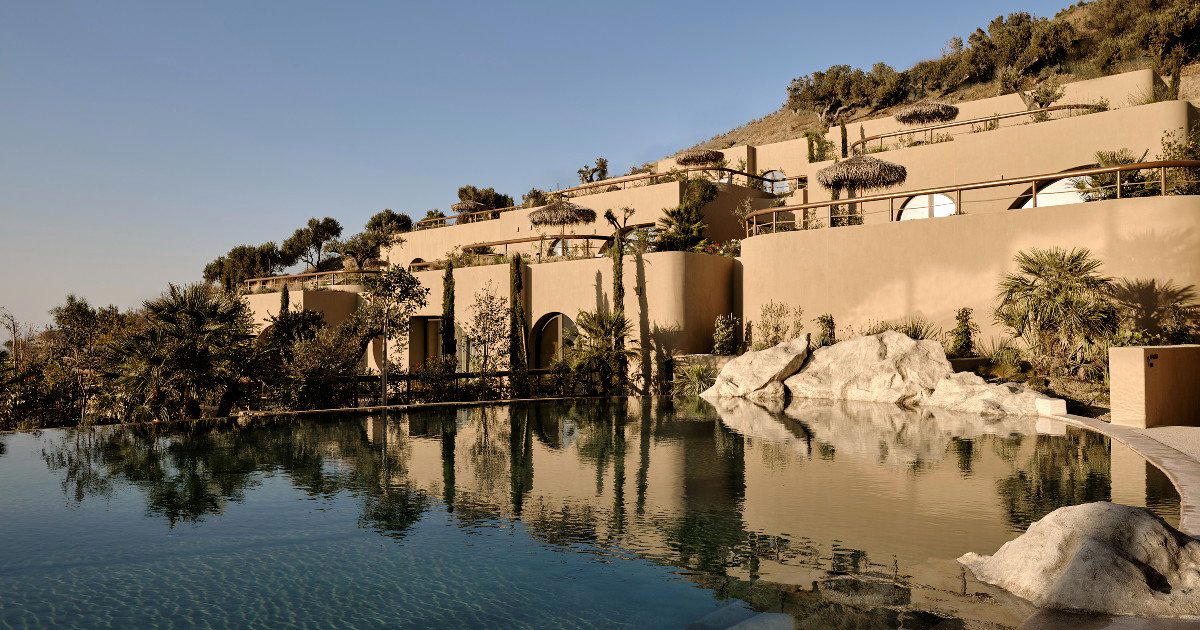
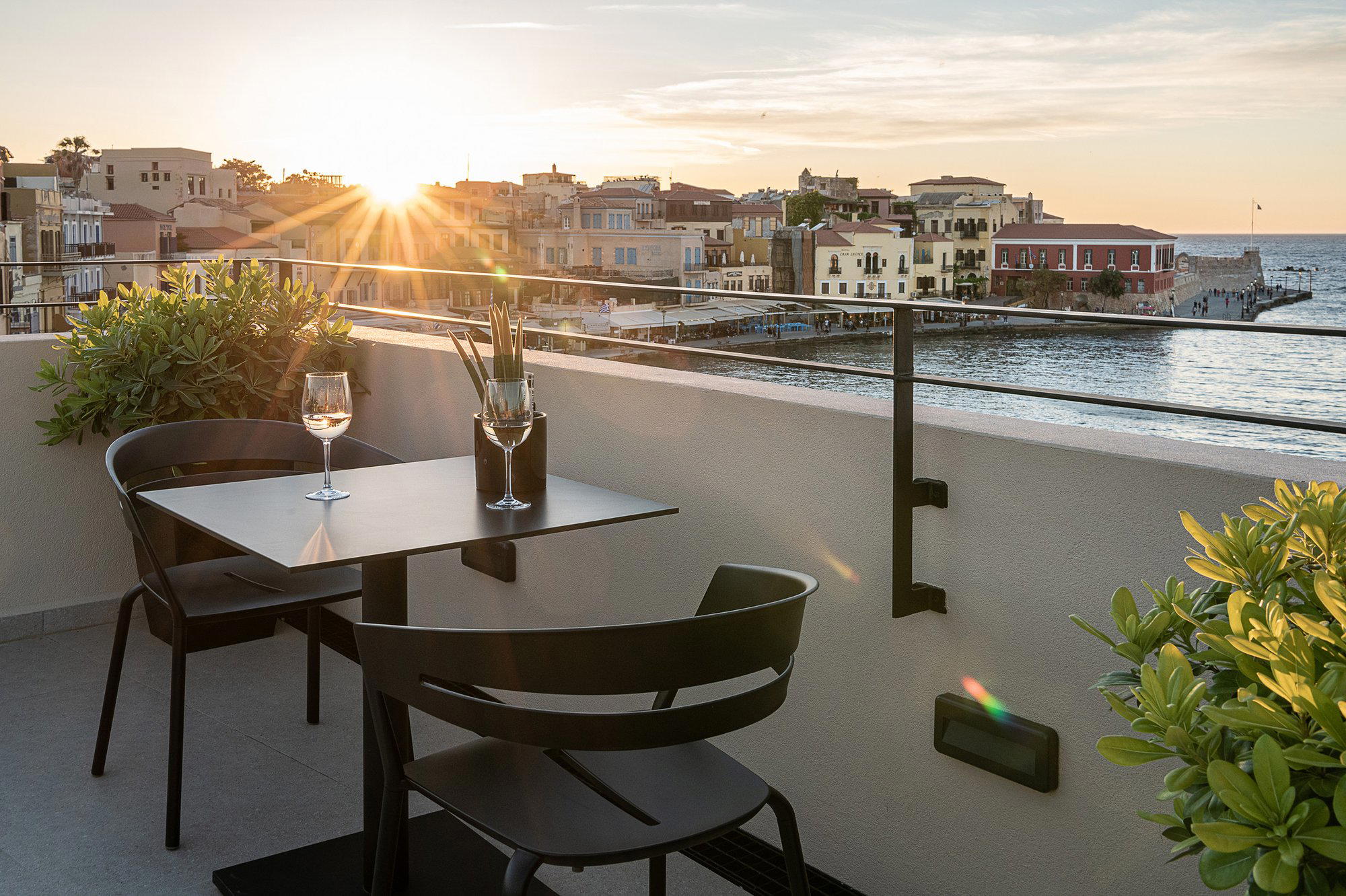
A converted tannery on Chania's waterfront, The Tanneries Hotel & Spa occupies one of the Old Town's most architecturally layered addresses, where industrial heritage and minimalist design coexist in a boutique format.

Pearl is the En Primeur Club membership app, where members save venues, book tables and use the concierge.
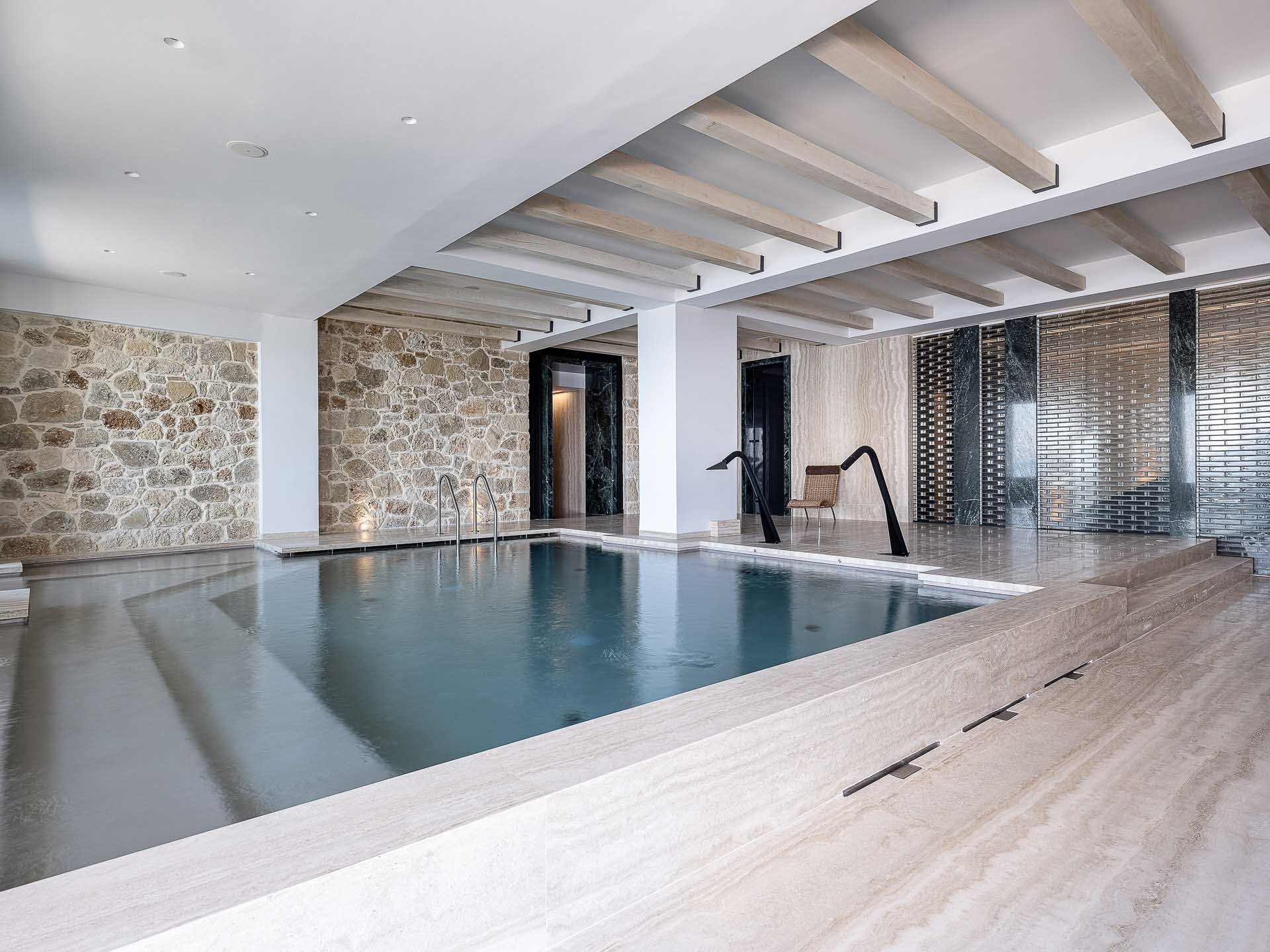
Where Industrial History Meets the Cretan Waterfront
Chania's Old Town has spent decades quietly accumulating some of the Aegean's most interesting adaptive reuse projects. Venetian arsenals converted to restaurants, Ottoman hamams repurposed as cultural spaces, and neoclassical mansions that now house boutique hotels, the neighbourhood operates as a living argument for architecture that carries its past forward. The Tanneries Hotel & Spa belongs to this tradition, occupying a former tannery on the waterfront at Vivilaki 19 and holding onto the industrial memory of its original function rather than erasing it in favour of generic resort aesthetics.
That decision to retain industrial character sets it apart from the convention-built hotel stock that dominates Crete's coastal stretches. Where properties like Cayo Exclusive Resort & Spa or Phāea Cretan Malia operate within the purpose-built resort model, The Tanneries occupies a different category altogether: boutique, historically grounded, and deliberately restrained in its design language.
The Case for Adaptive Reuse in Responsible Luxury
Across the Mediterranean, the hospitality sector has begun reckoning with what responsible development actually looks like in practice. New construction on coastlines carries a well-documented environmental cost, excavation, land clearance, the displacement of local economies in favour of imported resort models. Adaptive reuse offers a structurally different approach: working within an existing footprint, preserving embodied carbon in existing walls, and keeping a building's relationship with its neighbourhood intact.
The Tanneries sits squarely within that framework. Converting a working tannery into a functioning hotel requires decisions at every stage about what to keep, what to modernise, and where the two can coexist. The property's sleek, minimalist interior aesthetic suggests those decisions were made with restraint as the guiding principle, removing what was decorative and keeping what was structural. In a city where many boutique properties overcorrect toward a heritage-kitsch aesthetic, that restraint is its own editorial statement.
For travellers considering the environmental dimension of where they stay in Crete, the logic here is grounded in the building itself. No new land was broken. No coastline was altered. The infrastructure that supports the hotel was already embedded in the urban fabric of Chania's Old Town. That is a different sustainability argument than solar panels or towel-reuse programmes, it operates at the level of the building's existence, not its operations.
Broader Crete has no shortage of coastal properties built at scale, Abaton Island Resort & Spa in Chersonisos and Milatos Marriott Resort Crete represent that end of the spectrum. The Tanneries reads as a considered counter-position to that model, not because it rejects comfort, but because it grounds luxury in what was already here.
Chania's Old Town and the Waterfront Context
Chania's harbour district is one of the most coherent historic waterfronts in the Aegean. The Venetian lighthouse, the curved harbour wall, the narrow lanes behind the arsenals, this is an urban environment that accumulated over centuries and rewards proximity. A waterfront address in this neighbourhood does not simply mean a sea view; it means direct access to one of Crete's most architecturally layered quarters, where the Ottoman minaret of the Yiali Tzami sits alongside Venetian loggia facades and 19th-century Greek neoclassical buildings in a compressed, walkable stretch.
The hotel's address at Vivilaki 19 places it within walking distance of the central market, the archaeological museum, and the restaurant concentration around the inner harbour. For travellers whose primary interest is Chania itself rather than a beach-anchored resort stay, that positioning matters more than proximity to a pool complex. The neighbourhood is the amenity.
Travellers who want to compare the Old Town boutique experience against beach-resort alternatives in western Crete might consider Akrogiali Beach Hotel & Apartments, which operates on a different axis entirely. For the full range of what Crete's accommodation scene currently offers, our full Crete restaurants and hotels guide maps the island's options across price points and property types.
How The Tanneries Fits Into the Greek Boutique Hotel Conversation
Greece's boutique hotel sector has matured considerably over the past decade. The country now produces adaptive reuse projects, design-led island retreats, and architecturally serious small properties that sit comfortably alongside the leading in the Mediterranean. Amoudi Villas in Oia and Eréma in Milos represent the design-led island end of that spectrum. On the mainland, Amanzoe in Porto Heli and Four Seasons Astir Palace Hotel Athens operate at the top of the international luxury tier.
The Tanneries occupies its own position in that conversation, a Cretan property whose identity is built on what the building was, not on what the developer wanted it to become. That is a meaningful distinction in a market where origin stories often function as marketing devices rather than architectural realities. Here, the tannery's industrial past is physically present in the structure. The minimalist design approach frames rather than conceals it.
For travellers who have stayed at adaptive reuse properties in other cities, Aman Venice in a converted palazzo or Aman New York in the Crown Building, the comparison is instructive.
Planning Your Stay
The hotel sits at Vivilaki 19, Chania, Crete 731 33, placing it firmly within the Old Town rather than on a resort strip. Chania International Airport (CHQ) serves the western part of the island and is the practical arrival point; the drive into the Old Town is approximately 15 kilometres. Crete's peak season runs from late June through August, when the island's accommodation market tightens and waterfront properties in Chania book well in advance. Spring (April to May) and early autumn (September to October) offer more favourable booking conditions and cooler temperatures for exploring the Old Town on foot.
Pricing and booking details are not currently listed publicly. Direct contact with the property through official channels is the recommended approach for current availability. Travellers who want to compare the Old Town hotel tier against Crete's broader luxury options across the island might also consider Minos Beach Art Hotel, Mirabello Bay Luxury Resort, or Nautilux by Mage Hotels & Resorts for a sense of the island's range.
Cost and Credentials
Comparable venues nearby, for context on price, style, and recognition.
| Venue | Price | Awards | Notes |
|---|---|---|---|
| The Tanneries Hotel & SpaThis venue (the venue you are viewing) | Not listed | Michelin Selected · Design Hotels Member | Not listed |
| Numo Ierapetra Beach Resort, Crete | Not listed | Michelin Selected | Ierapetra, Barefoot luxury resort renovated in 2021 with low-profile buildings cascading to the beach. |
| Domus Blanc Boutique Hotel | $100–200 | Michelin Selected | Halepa, Luxury boutique in restored historic French consul residence |
| Domes Noruz Chania | $300–500 | Michelin Selected · Mr & Mrs Smith Seal of Approval | Agioi Apostoloi, Modern Greek design blending Cretan heritage with contemporary luxury; Venetian Arsenal-inspired architecture creating a design-forward aesthetic. |
| Stella Island Resort & Spa | Not listed | Michelin Selected | Hersonissos, Modern luxury resort designed around water as central inspiration with minimalist aesthetic and contemporary architecture. |
| Daios Cove | $300–500 | Michelin Selected · Mr & Mrs Smith Seal of Approval | Vathi, Contemporary architecture blending into rugged Cretan cliffs and cove. |
Recognition history
Dated appearances from independent guides and award organizations, with the underlying list record or original source where available.
Michelin Selected
Michelin
Design Hotels Member
Design Hotels
Continue exploring
More in Chania
Hotels in Chania
All hotels in Chania →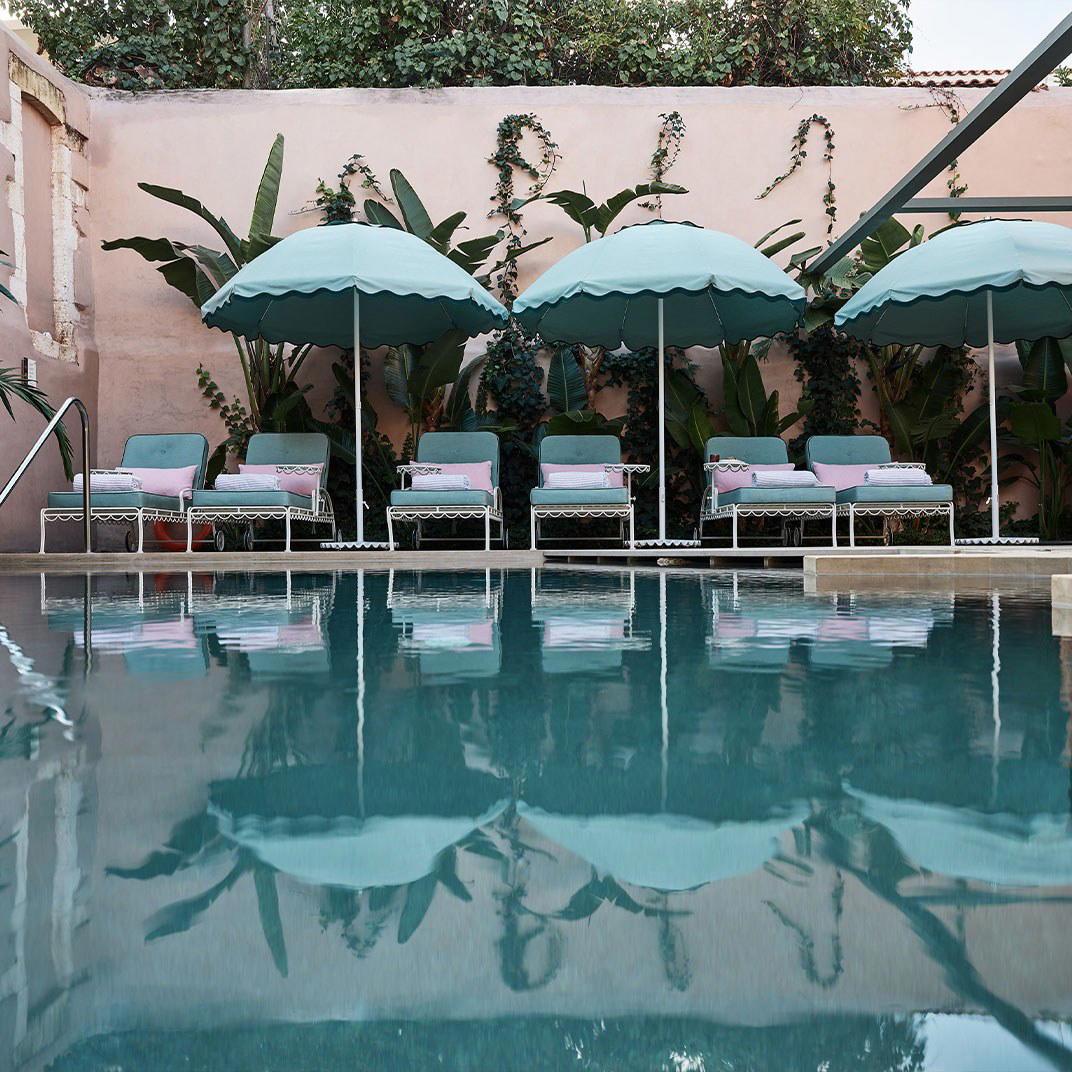
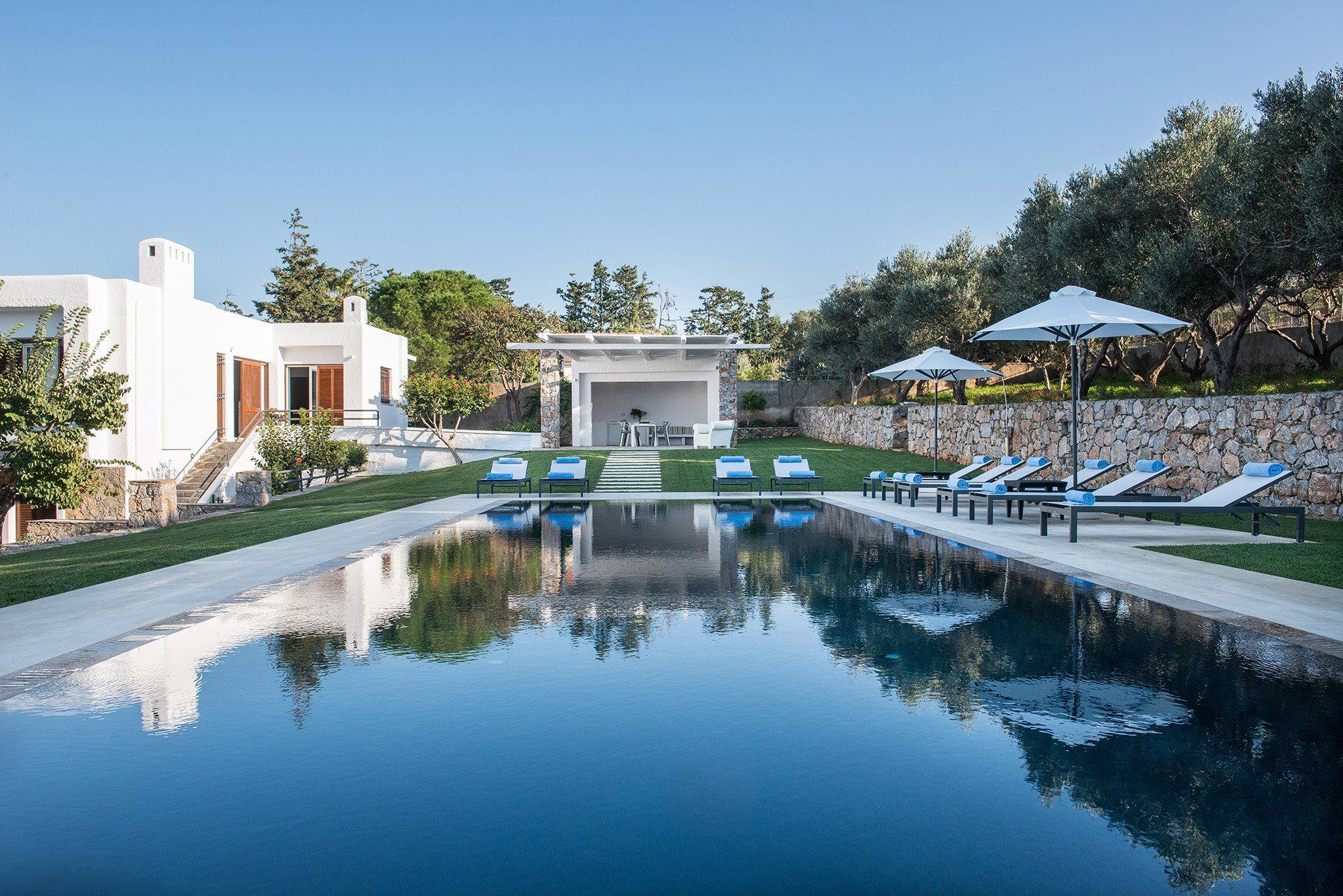
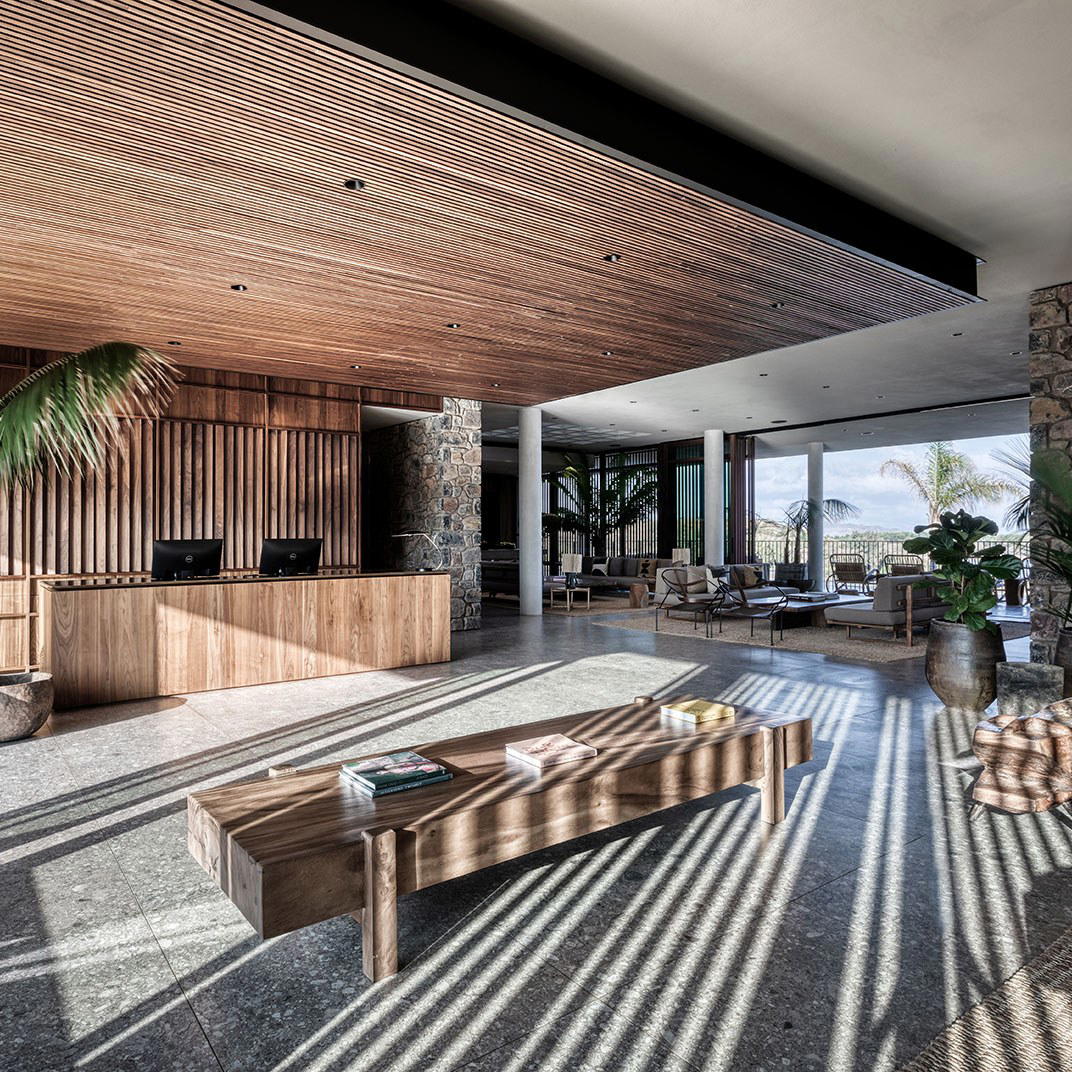
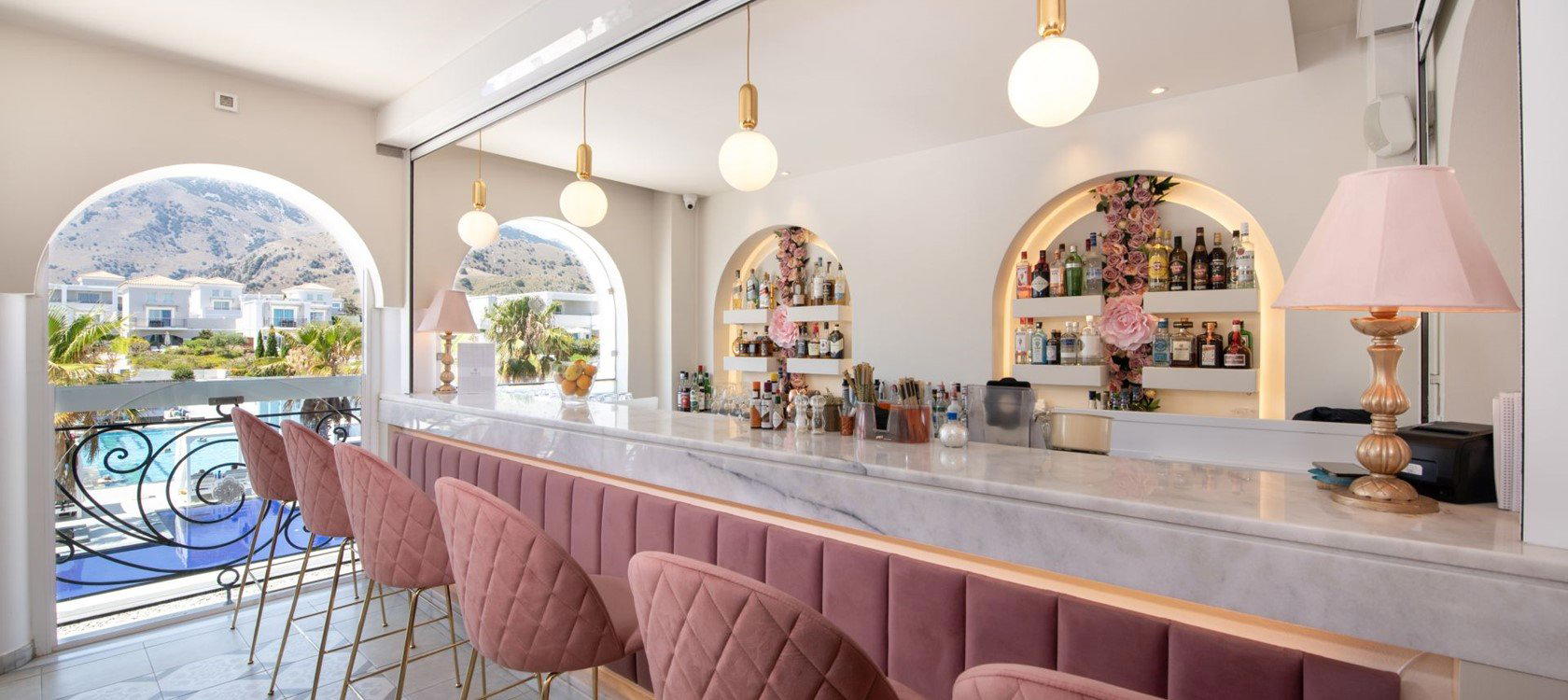
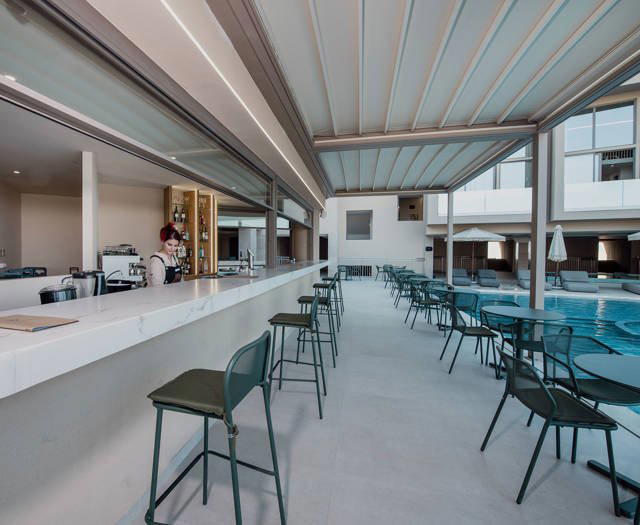

Details
- Minimalist
- Elegant
- Sophisticated
- Modern
- Romantic Getaway
- Honeymoon
- Wellness Retreat
- Waterfront
- Infinity Pool
- Destination Spa
- Panoramic View
- Spa
- Pool
- Fitness Center
- Wi Fi
- Room Service
- Concierge
- Restaurant
- Waterfront
- Elevator
- Step Free Entrance
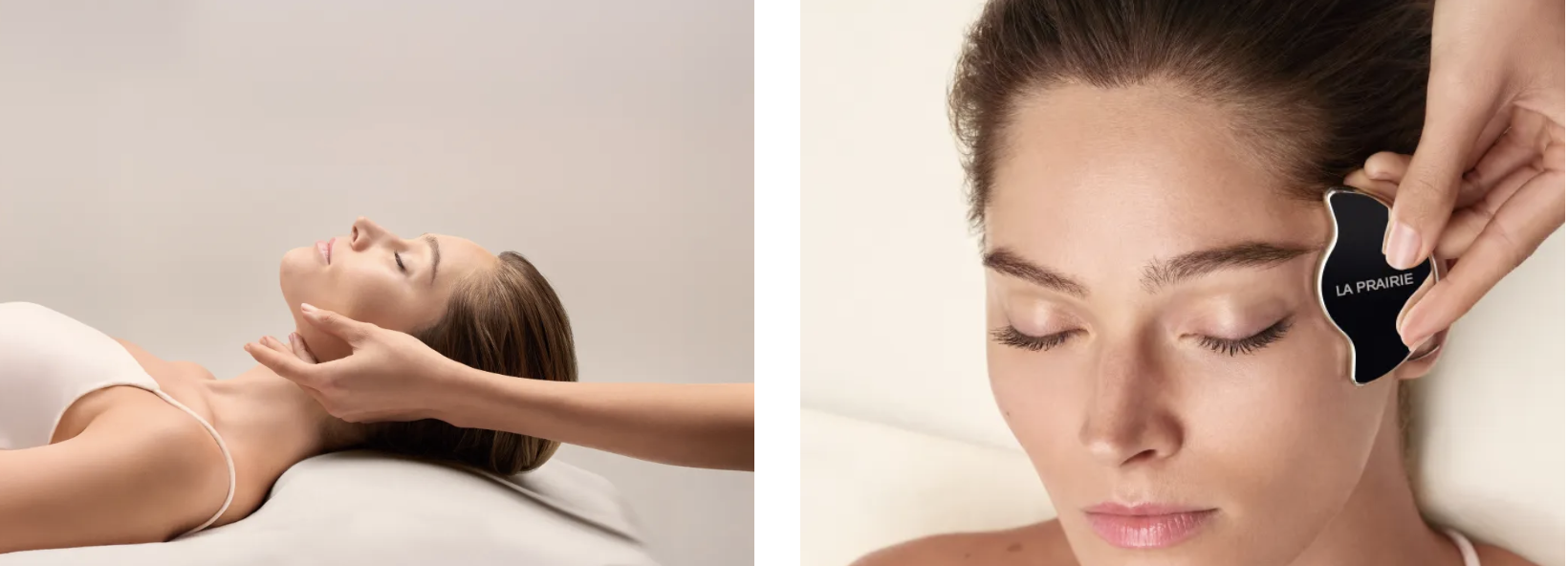
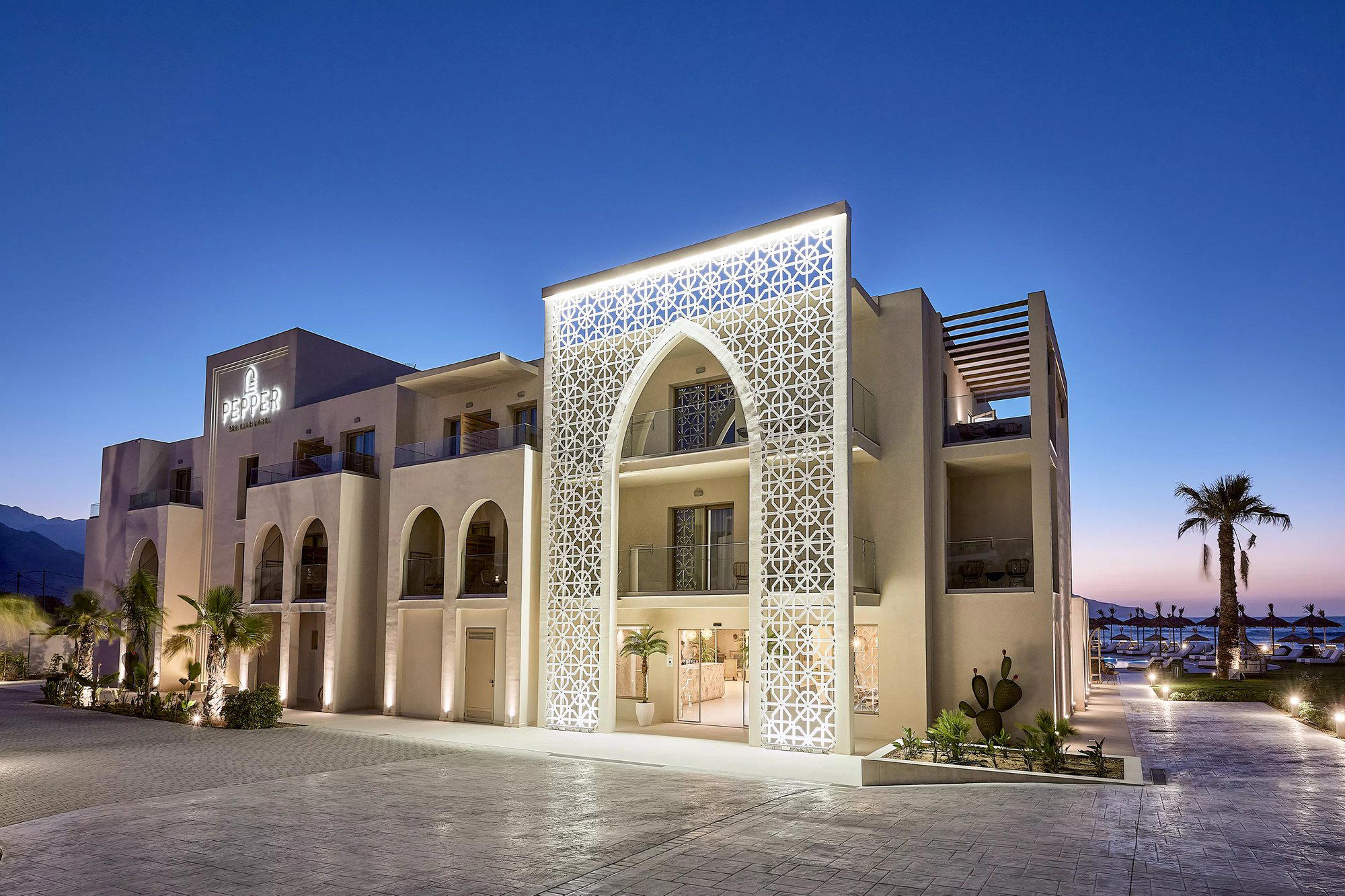
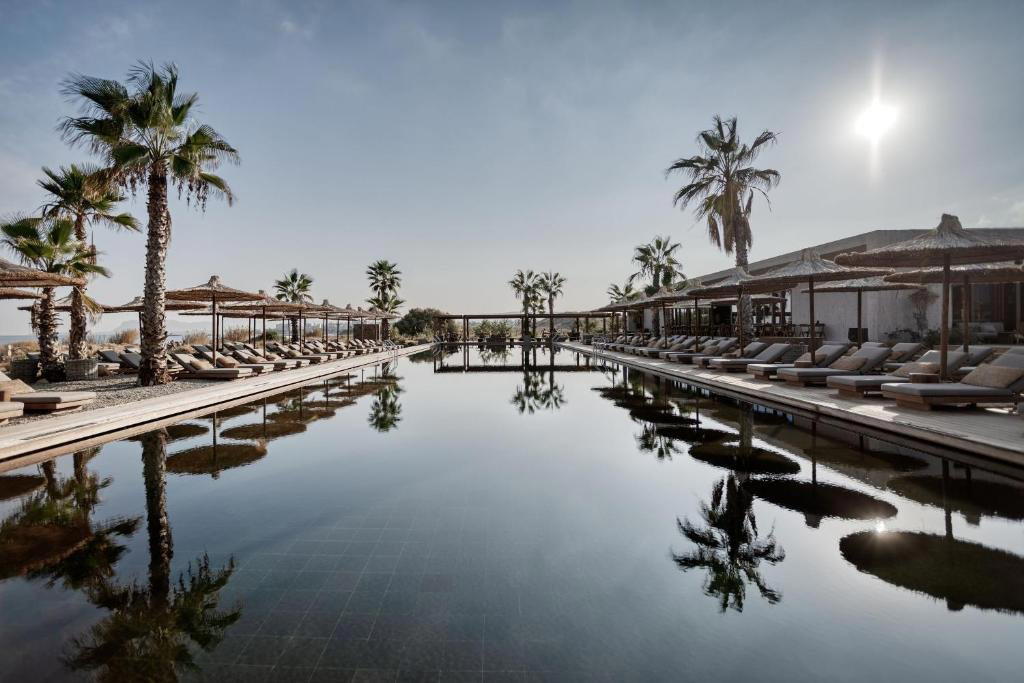
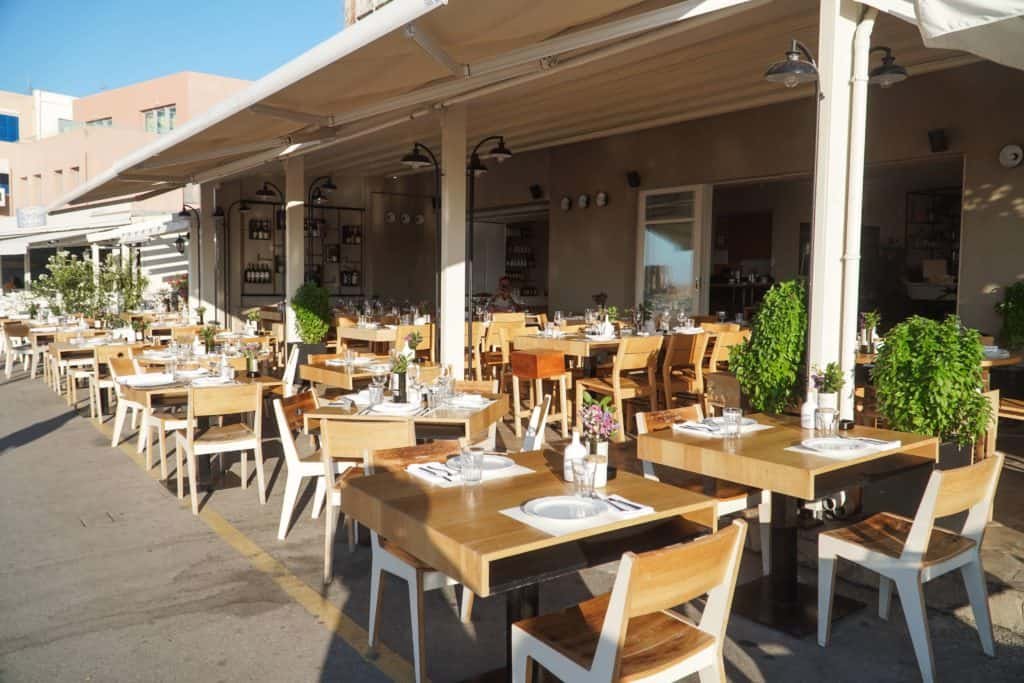
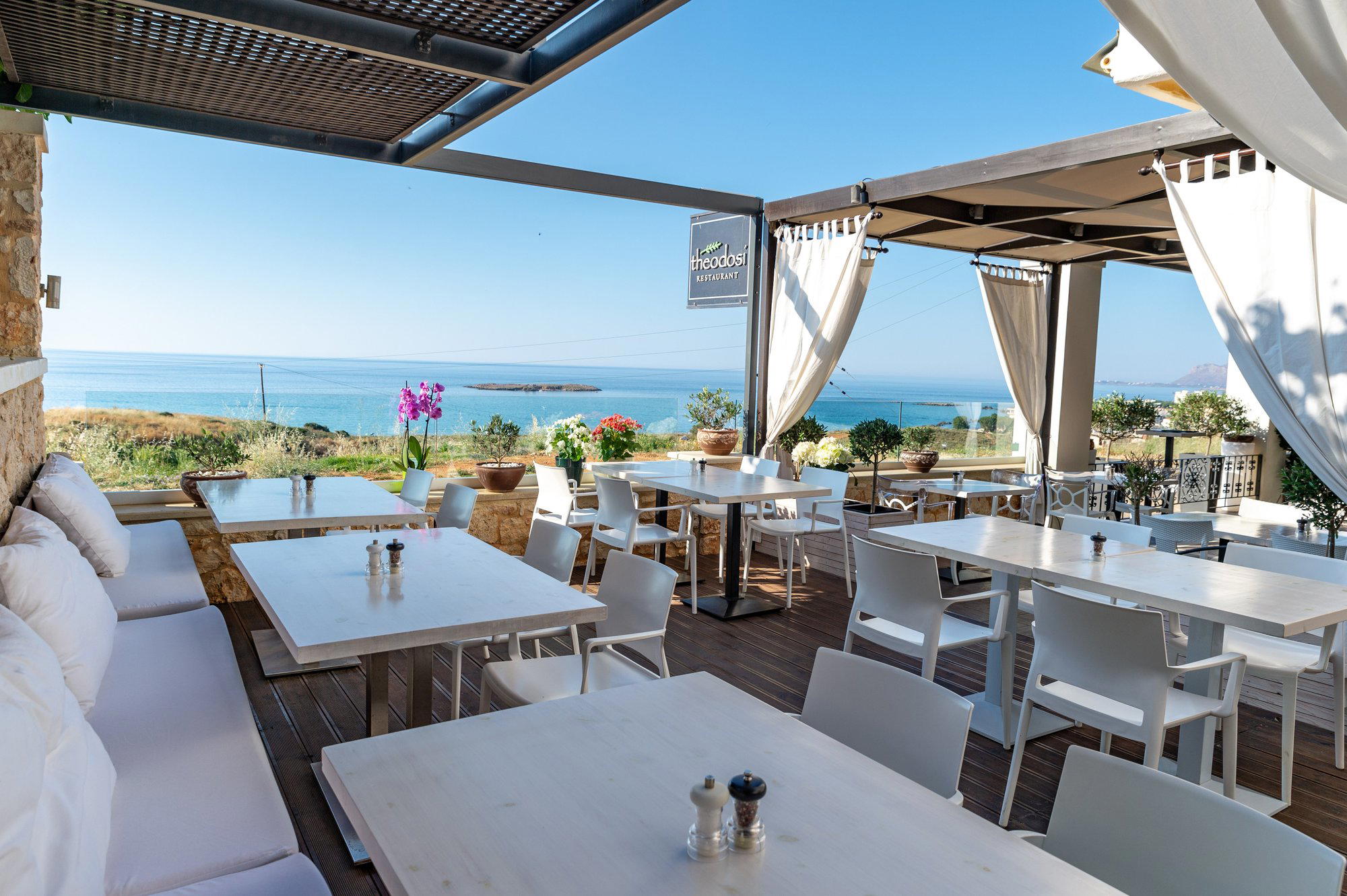
Quiet, peaceful minimalist atmosphere with natural materials, sea views, modern lighting, and relaxing spa areas.