The Ranch Malibu
The Ranch Malibu occupies a working cattle ranch in the Santa Monica Mountains, positioning itself within a narrow tier of destination wellness properties that pair genuine physical rigor with high-end accommodation. The format is week-long, all-inclusive, and structured around daily hiking, fitness programming, and plant-based meals, a combination that separates it clearly from the spa-hotel mainstream.
Pearl is the En Primeur Club membership app — saves, bookings, and concierge access live there. Same editors, same standards.
- Address
- 12220 Cotharin Rd, Malibu, CA 90265
- Phone
- +1 310 457 8700
- Website
- theranchlife.com
- Directions
- Get directions
 Saves & bookings on Pearl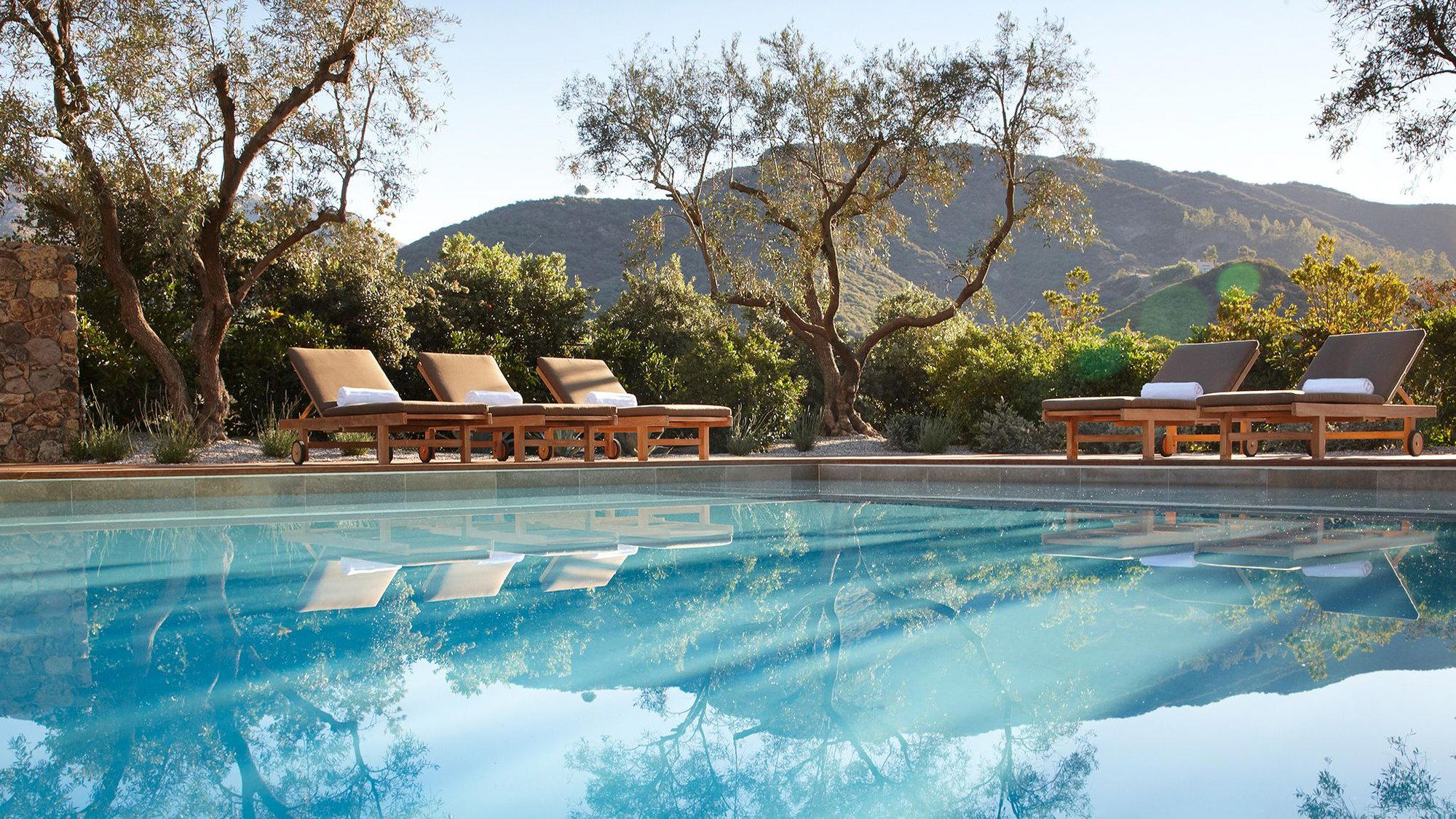
Where Malibu's Mountains Meet a Different Kind of Retreat
The Ranch Malibu is a hotel in Malibu, California, with. The road to The Ranch Malibu climbs away from Pacific Coast Highway into the Santa Monica Mountains, trading ocean-view condominiums for chaparral, live oaks, and a quiet that feels genuinely earned. The property sits on Cotharin Road at an elevation that puts the Pacific on the horizon rather than at your door, a deliberate inversion of what most people expect from a Malibu address. The physical remove is the point. This is a working ranch format in a region better known for beachfront celebrity compounds, and that contrast shapes everything about the experience before a guest even checks in.
The Ranch Malibu belongs firmly to the second category. The built environment here defers to terrain: structures are low, materials reference the ranching and agricultural history of the Santa Monica Mountains, and the acreage is used for activity rather than amenity accumulation. That architectural restraint positions it differently from properties like Hotel Bel-Air in Los Angeles, where lush grounds and poolside luxury define the offer, or Four Seasons at The Surf Club in Surfside, where a historic landmark building anchors an urban-adjacent resort formula.
Design as Program: How the Physical Space Drives the Experience
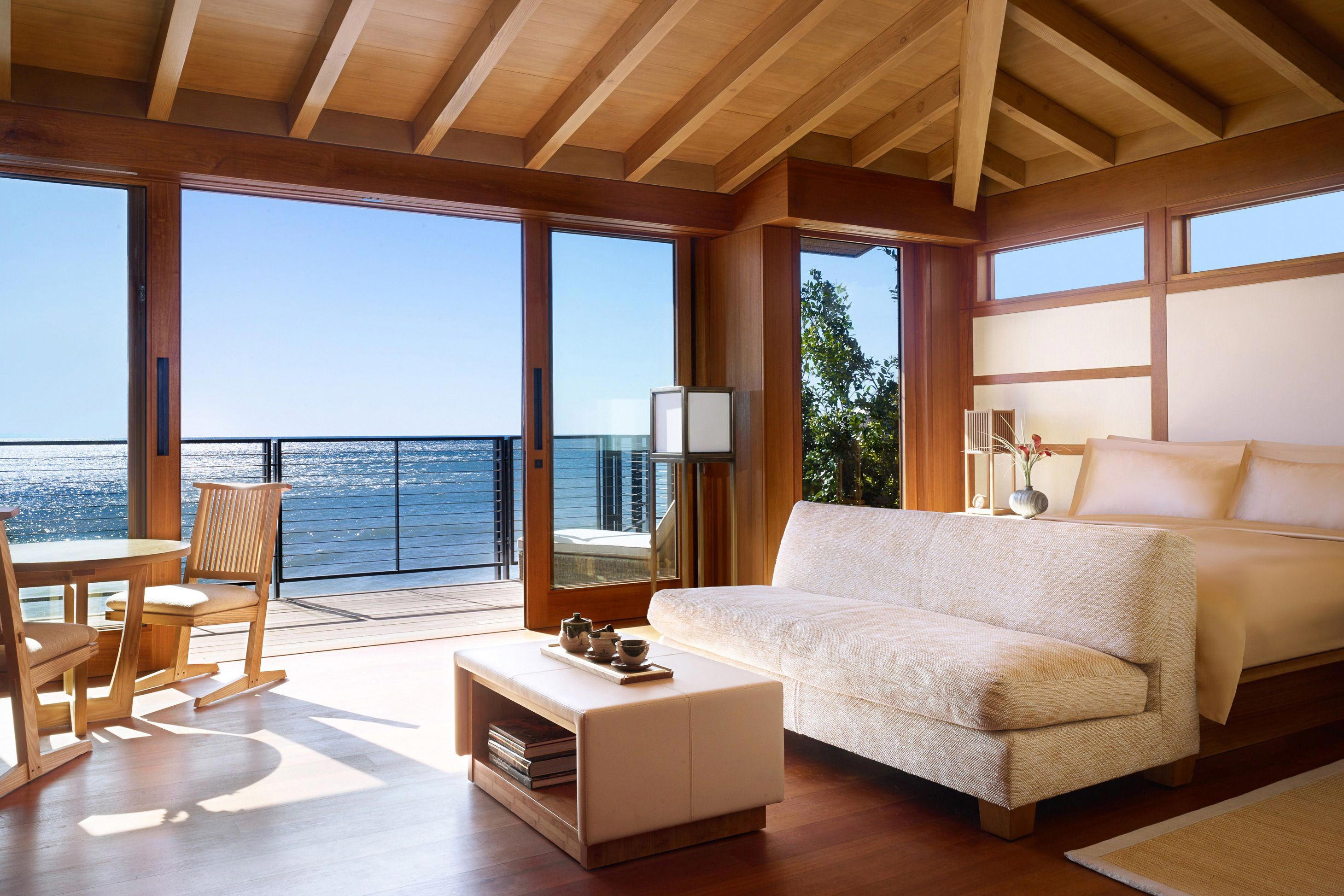
The architecture of dedicated wellness retreats rarely gets the same critical attention as boutique hotel design, but at properties operating in this format, the built environment is doing significant functional work. At the hotel, the design logic follows the program rather than the other way around. Guest accommodations are intentionally simple, calibrated to direct attention outward toward the landscape rather than inward toward room features. This approach places it in a comparable set that includes Amangiri in Canyon Point, where raw desert geology is the dominant visual experience, and Post Ranch Inn in Big Sur, where clifftop structures are engineered to dissolve into coastline scenery.
What distinguishes the hotel's physical proposition is the working-ranch vocabulary applied to a Mediterranean-climate hillside. The Santa Monica Mountains run dry and golden through most of the year, turning briefly green after winter rains, and the property reads differently against each seasonal backdrop. This is not a landscape designed to be photographed from a terrace; it is terrain meant to be moved through, which is why the trails, the communal gathering structures, and the activity zones are the load-bearing elements of the design rather than decorative additions to a hotel core.
The communal architecture follows a logic common to serious retreat formats: spaces that encourage collective experience over private withdrawal. Where properties like Blackberry Farm in Walland use vernacular Southern architecture to build a sense of agrarian community, the hotel uses the ranching vernacular of Southern California to similar effect, though the climate and landscape produce a starker, more exposed aesthetic. Stone, timber, and materials that weather honestly in the mountain sun are the palette. There is no attempt at the polished resort finish that defines properties such as Bernardus Lodge and Spa in Carmel Valley.
The Wellness-Retreat Model in Context
The hotel operates at the more committed end of that spectrum, a format that attracts guests specifically because the program is non-negotiable rather than optional. This distinguishes it from resort-spa hybrids where wellness programming sits alongside conventional hotel leisure, and places it closer in spirit to Canyon Ranch Tucson, which has operated a structured wellness-immersion model for decades and occupies a defining position in that category.
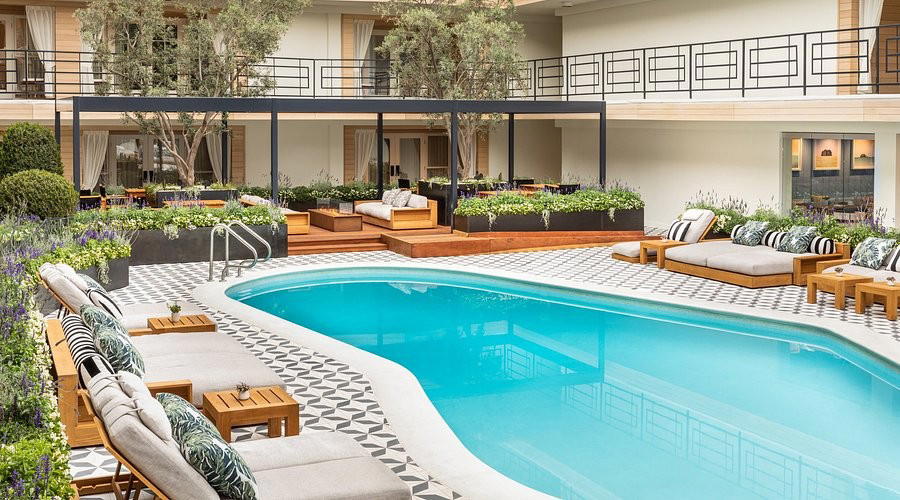
Properties at this end of the market share a design preference for self-containment. The site boundary functions as an intentional separation from the outside world, and the physical layout reinforces that separation. At the hotel, the Malibu address carries its own cultural weight, but the property uses the hillside location to achieve genuine isolation from the coastal scene below. For guests who want a Pacific-facing luxury stay closer to Los Angeles with a more conventional hotel structure, Hotel Bel-Air or properties covered in our full Ventura County restaurants and hotels guide represent a different calculus entirely.
The format also connects to a broader Western ranch tradition that has produced properties across Montana, Wyoming, and the Southwest. Sage Lodge in Pray, Amangani in Jackson Hole, and Alpine Falls Ranch in Superior each deploy landscape-first design in mountain settings. The hotel applies the same logic in a Mediterranean-climate zone within an hour of one of the largest cities in the United States, which makes the sense of removal more striking than it would be in a remote Wyoming valley.
Planning a Stay: What to Understand Before You Go
The hotel operates on a structured program format rather than a conventional hotel model, which has direct implications for how a stay should be planned. This is not a property where you arrive late, sleep in, and organize your own day. The program structure is the product, and the physical environment is designed to support that structure rather than offer alternatives to it.
The Ranch sits on Cotharin Road in Malibu, accessible from the Los Angeles area but deliberately positioned away from the commercial corridors of Pacific Coast Highway. Guests driving from Los Angeles should allow time for the mountain road approach, which is part of the psychological transition the property is designed to create. For those weighing comparable structured-retreat options at the luxury end of the American market, Canyon Ranch Tucson offers a useful point of comparison on program depth, while Amangiri represents the landscape-immersion approach in a more remote desert setting. Properties like SingleThread Farm Inn in Healdsburg or Auberge du Soleil in Napa offer California luxury in a wine-country format for those whose priorities run toward dining and terroir over structured wellness programs.
Fast Comparison
Comparable venues nearby, for context on price, style, and recognition.
| Venue | Cuisine | Price | Notes |
|---|---|---|---|
| The Ranch MalibuThis venue — the venue you are viewing | Wellness-focused regenerative ranch with private cottages and organic gardens | $$$$ | Not listed |
| Cavallo Point Lodge | Historic restoration meets contemporary eco-luxury in a national park setting. | $$$$ | Fort Baker |
| Villa Royale | Eclectic mix of old California Mission Revival architecture with mid-century modern glamour. | $$$$ | Deepwell |
| The Lodge at the Presidio | Historic boutique hotel in restored Army barracks with modern amenities. | $$$$ | Presidio |
| Carmel Valley Ranch | Luxury California ranch resort with organic modern and rustic elements. | $$$$ | Carmel Valley |
| L'Horizon Resort & Spa | mid-century modern resort | $$$$ | Palm Springs |
At a Glance
- Rustic
- Scenic
- Quiet
- Elegant
- Cozy
- Wellness Retreat
- Weekend Escape
- Group Retreat
- Panoramic View
- Garden
- Pool
- Spa
- Fitness Center
- Mountain
- Garden
- Pool
- Spa
- Fitness Center
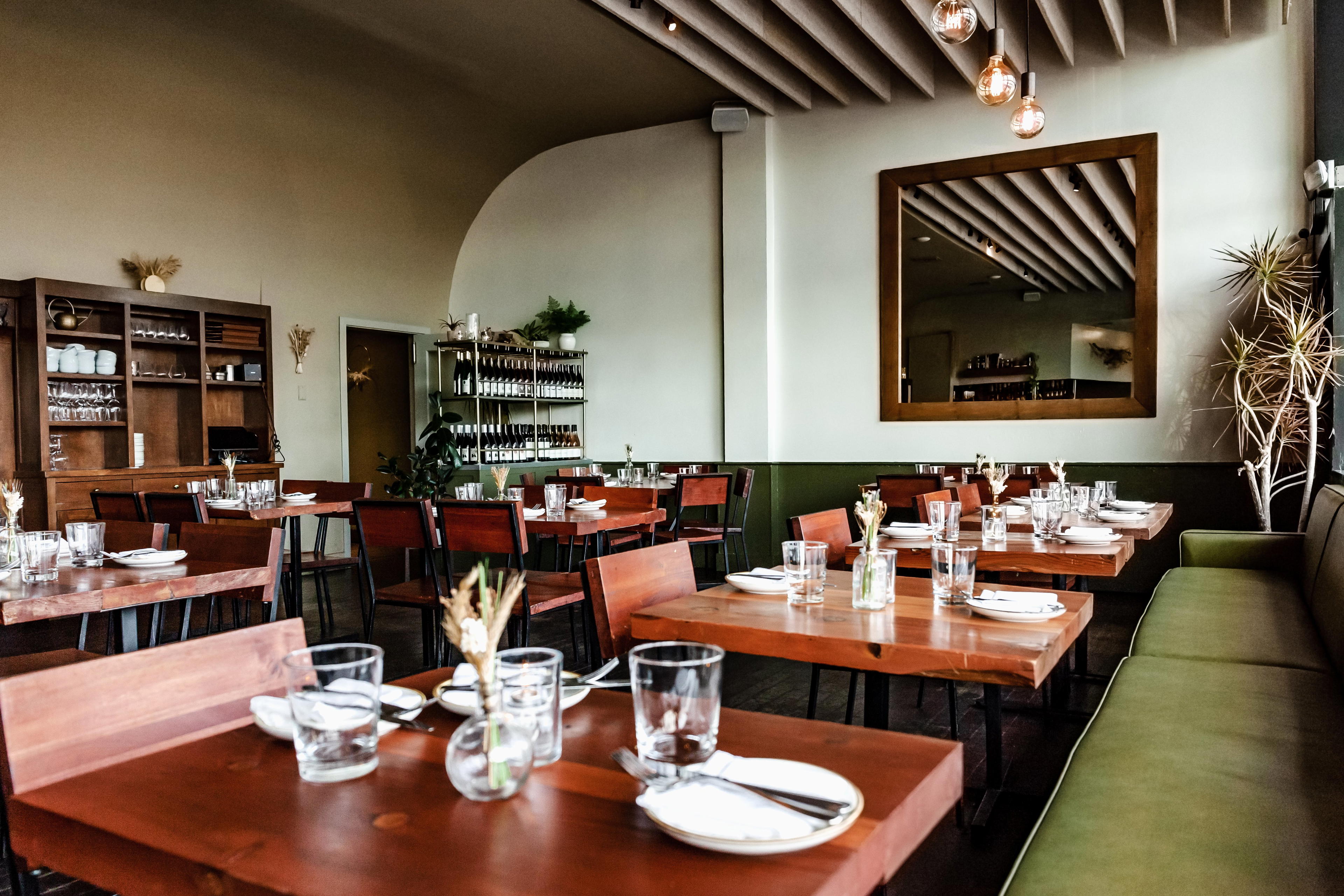
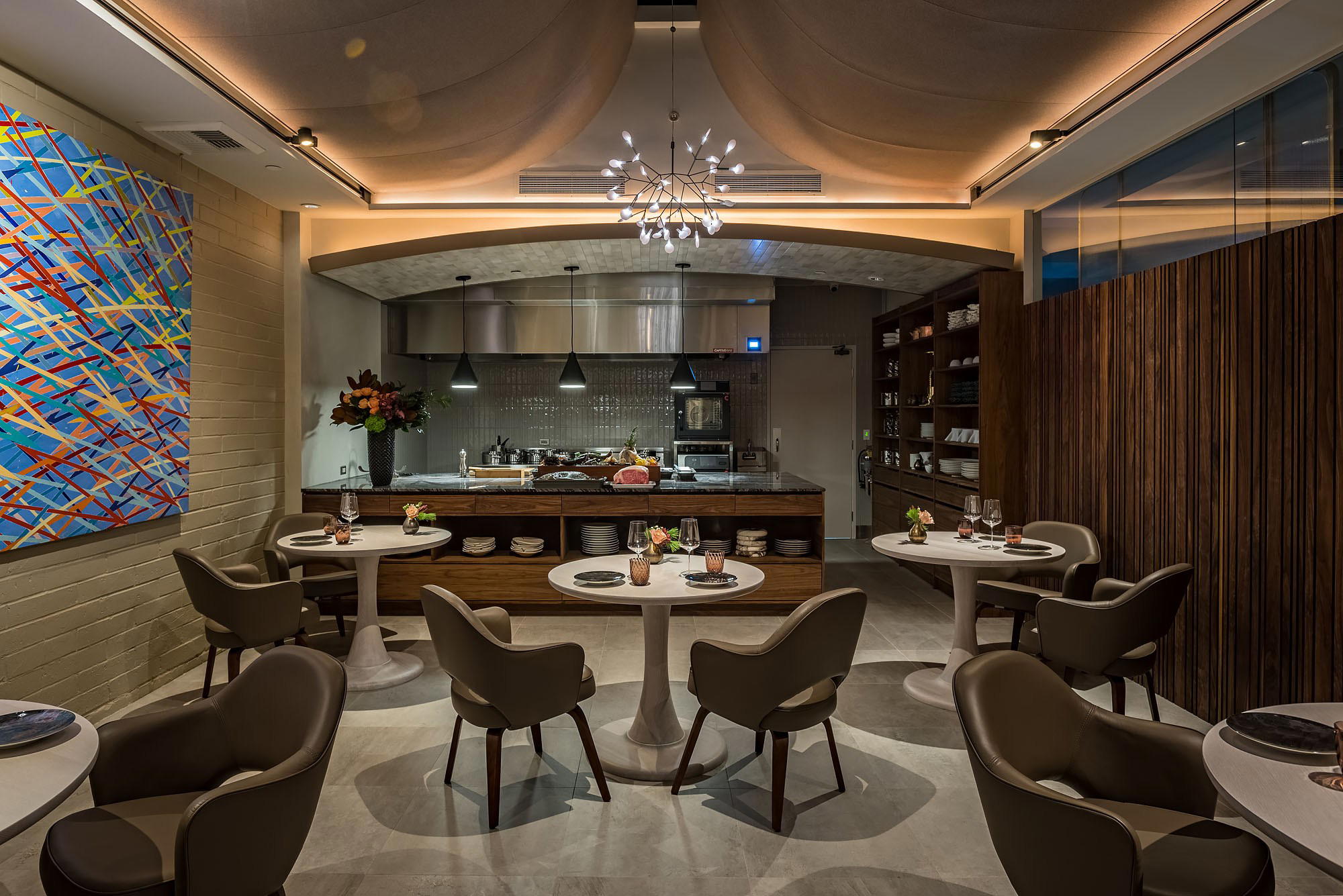
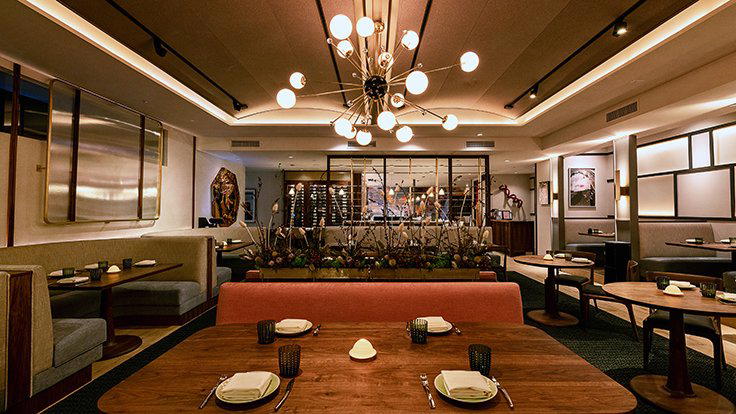
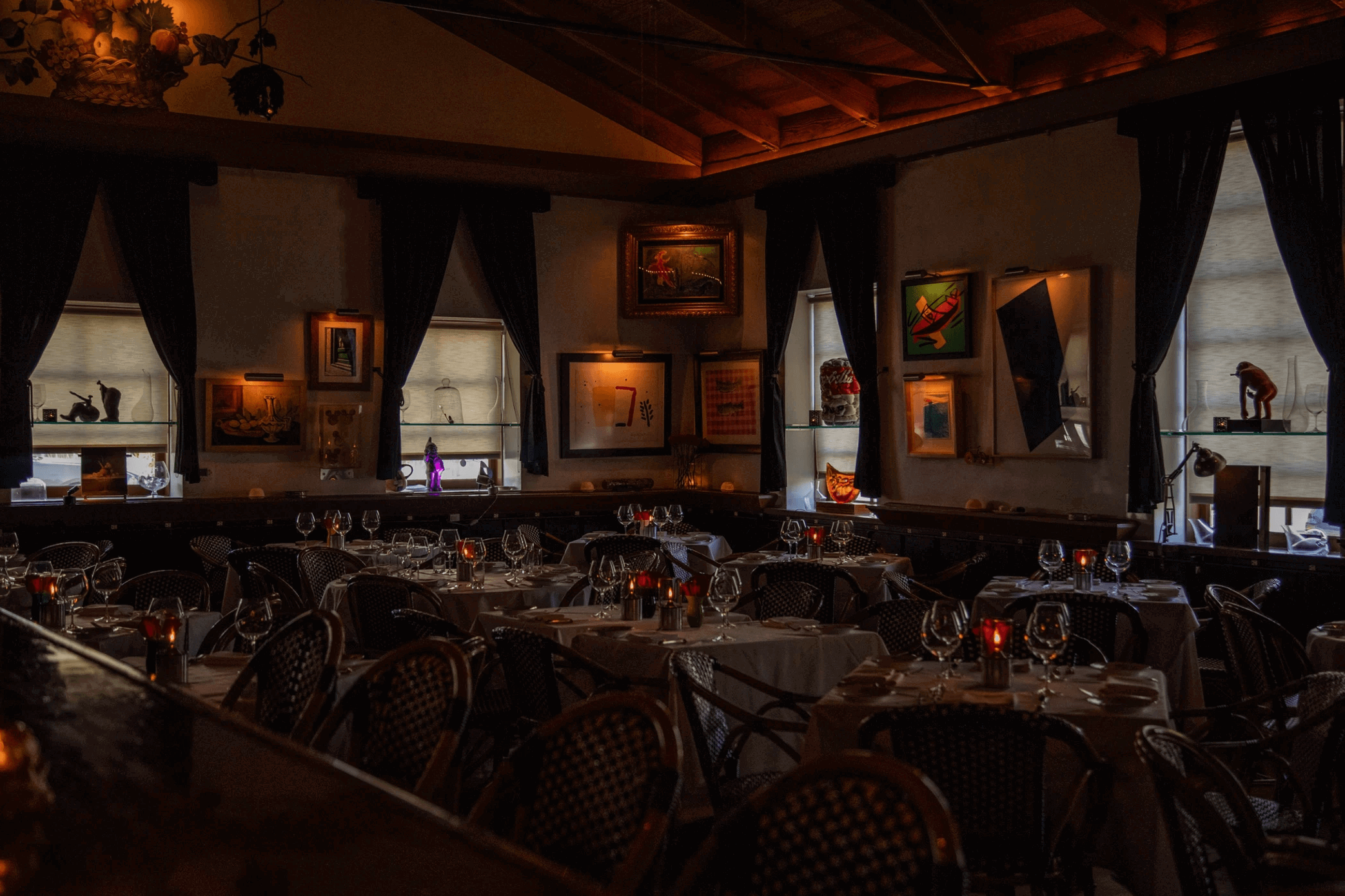
Rustic yet refined with reclaimed wood floors, limestone bathrooms, neutral palettes, and natural surroundings fostering tranquility and self-care.