The Boca Raton


Star Wine List · Virtuoso Luxury Hotel Partner
The Boca Raton has anchored South Florida's resort tradition since Addison Mizner designed the original structure in 1926. Following a comprehensive restoration completed in December 2021, the Cloister building reopened with 294 guest rooms and suites, 14 dining and drinking venues, three pools, an 18-hole golf course, and a 54,000-square-foot spa, a scale of amenity that places it firmly in Florida's grand-resort tier.

Pearl is the En Primeur Club membership app, where members save venues, book tables and use the concierge.
A Resort Built Around the Table
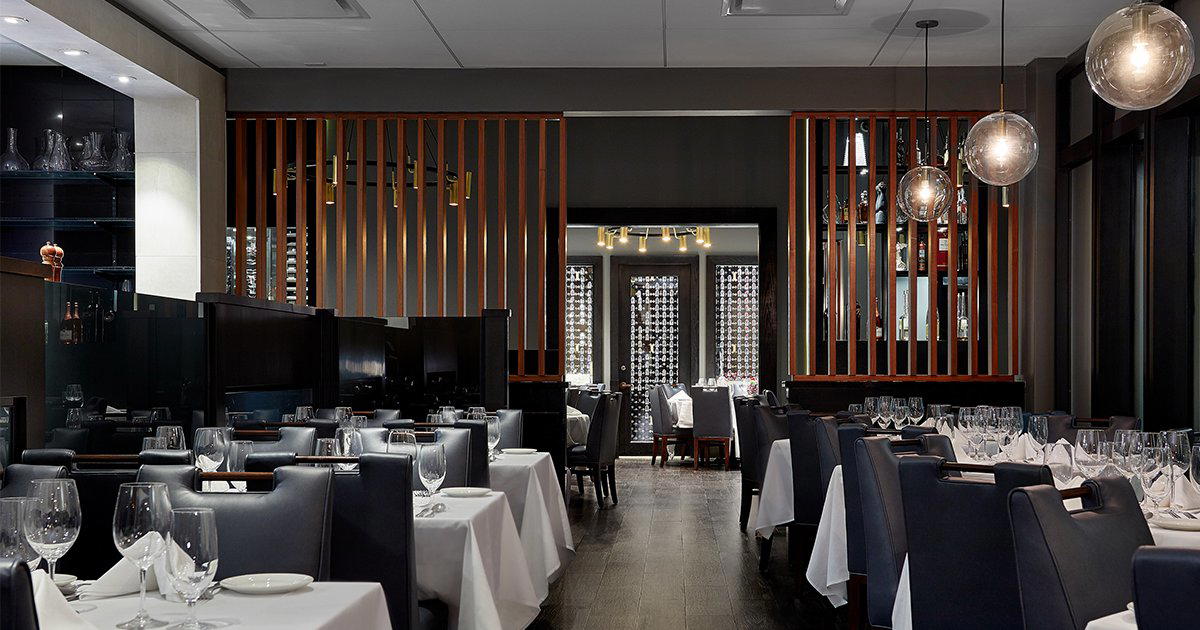
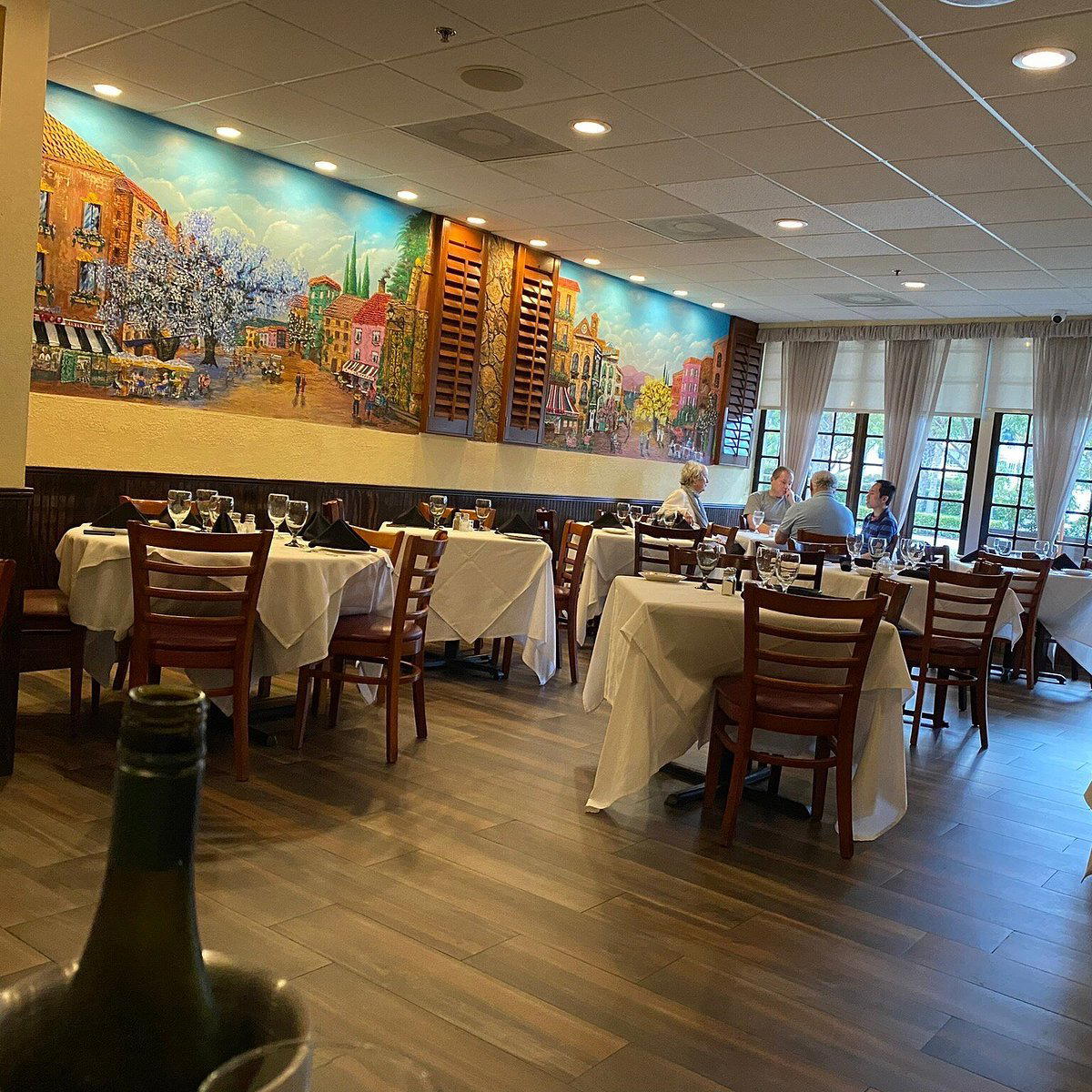
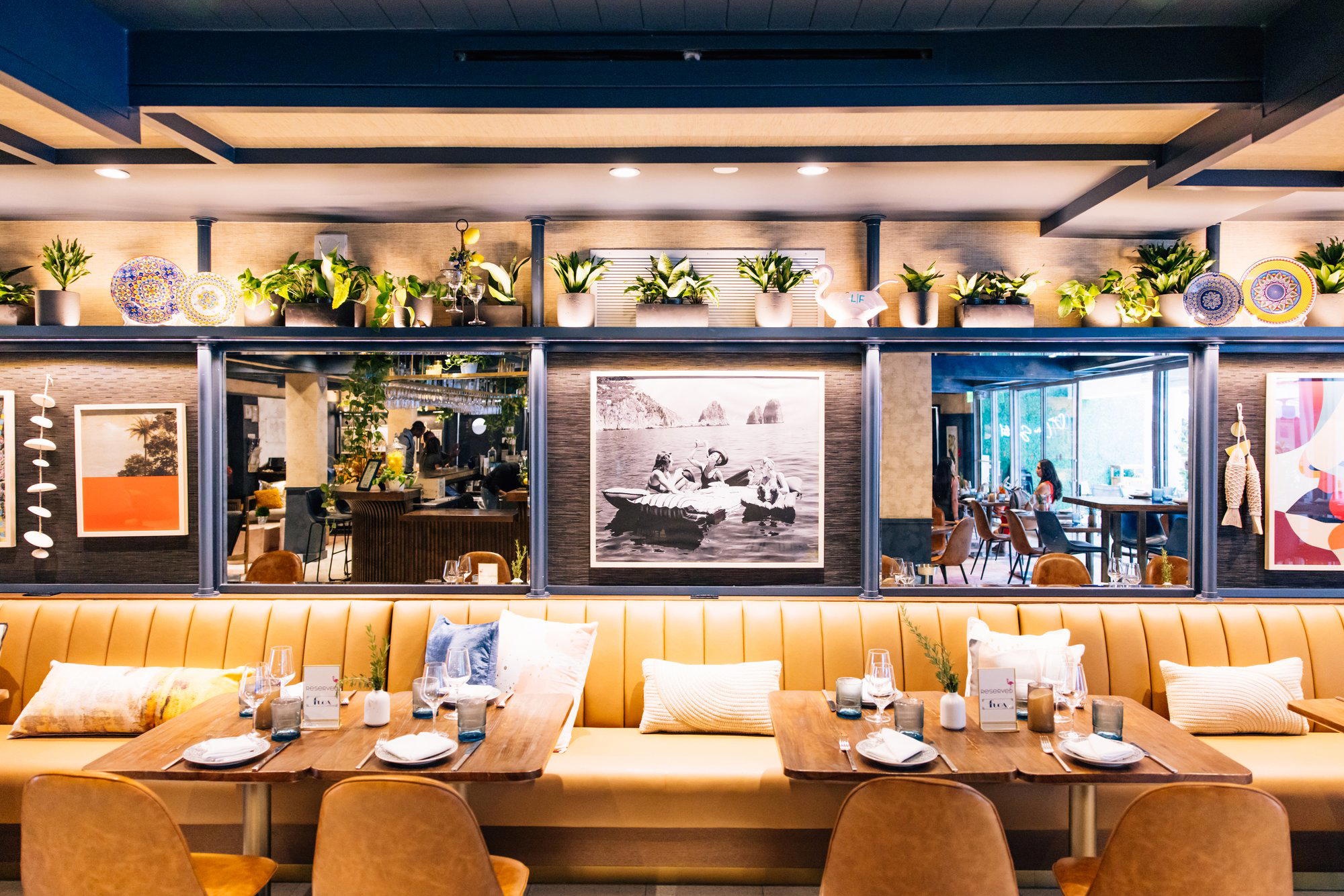
South Florida's grand resort tradition has always done its most convincing work at the dining room level. A property can commission an architect, import marble, and cut a long drive through manicured grounds, but the test of whether it genuinely functions as a destination resort, rather than simply a large hotel with aspirations, is whether guests have a credible reason to stay on property for dinner on night three. At The Boca Raton, the answer to that question is a programme of 14 restaurants, bars, and lounges that spans Italian lakeside dining at Principessa Ristorante through to the modern Japanese format of the Japanese Bocce Club. That breadth is not incidental; it reflects a deliberate strategy common to the handful of Florida resorts that compete at this scale.
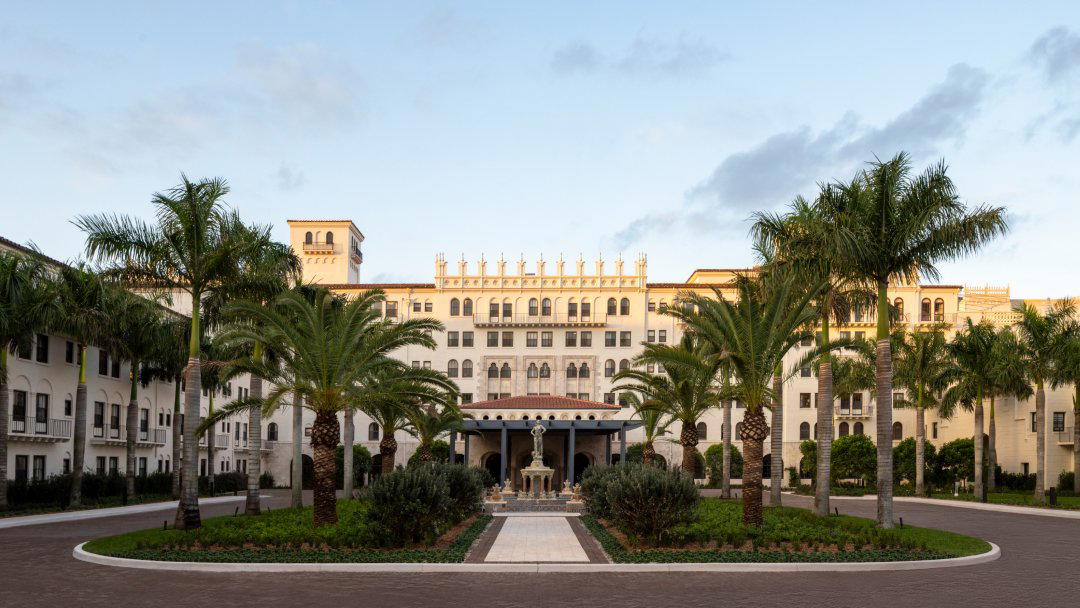
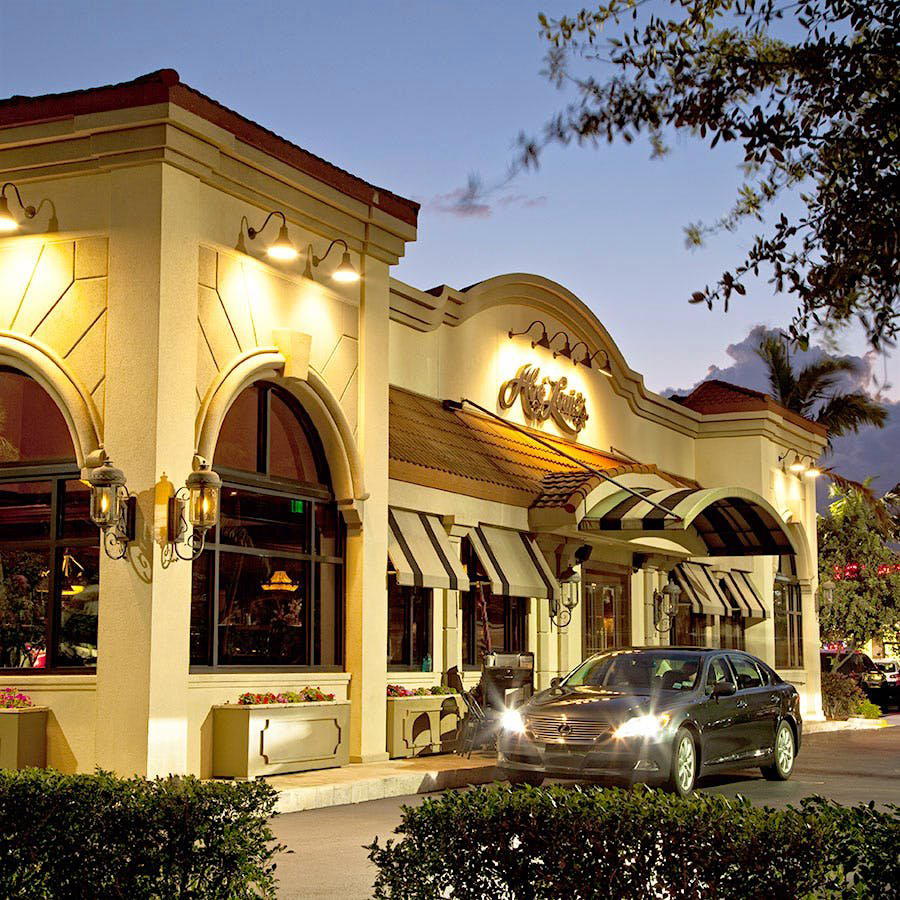
The property itself sets the scene before you reach any menu. Addison Mizner designed the original structure in 1926 as the Ritz Carlton Inn, and the Cloister building that resulted, with its Mediterranean Revival proportions and coastal white exterior, belongs to a very specific moment in Florida architectural history when the state was actively importing European grandeur and translating it into something looser, more climate-appropriate. The comprehensive restoration completed in December 2021 returned the exterior to that original gleam, while the grand entrance and main drive received extensive renovation. The effect, arriving along that approach, is of a building that has been maintained rather than merely preserved: the ambition is still legible in the stonework.
The Cloister and What 294 Rooms Means at This Scale
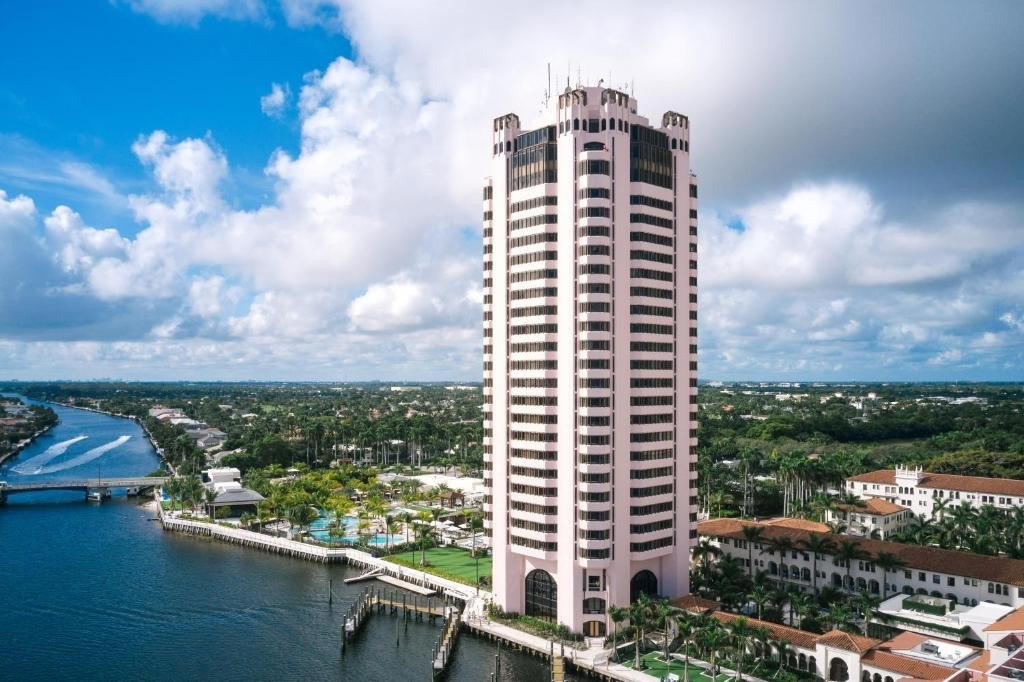
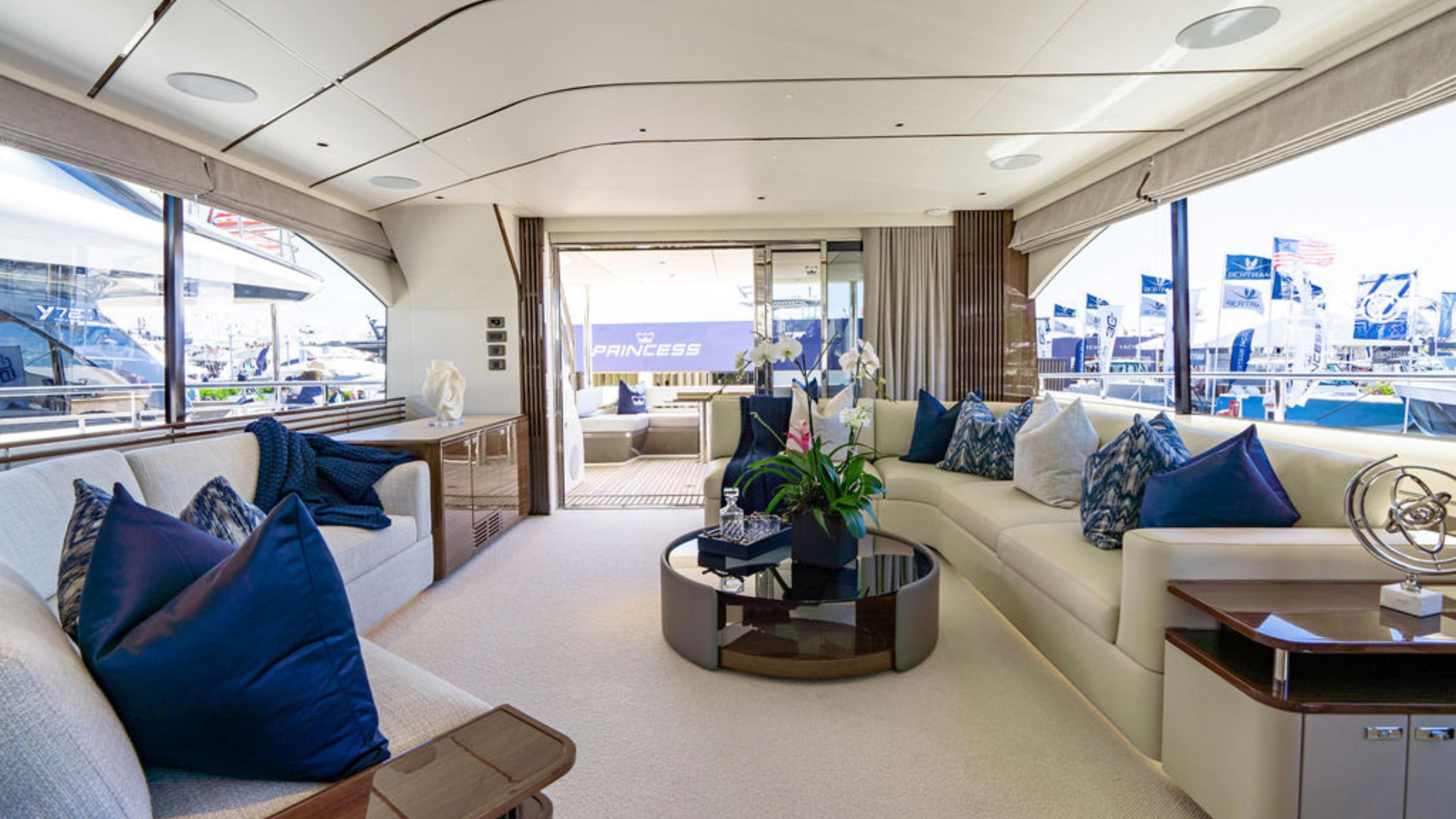
The Cloister forms the historic core of the wider resort, with 294 guest rooms and suites positioned in the Harborside section of the property. Its location within the resort is deliberately central: steps from the Golf Club, the Racquet Club, and Spa Palmera, it functions as the axis around which the rest of the amenity programme rotates. For comparison, the resort also offers accommodation at the Tower at The Boca Raton and the Bungalows at The Boca Raton, each with a distinct character and pace. The Tower appeals to guests who want higher floors and broader views; the Bungalows suit those who want a more contained, quieter residential feel. The Cloister sits between those two registers: grander in architectural terms than the Bungalows, but more connected to the resort's historic identity than the Tower.
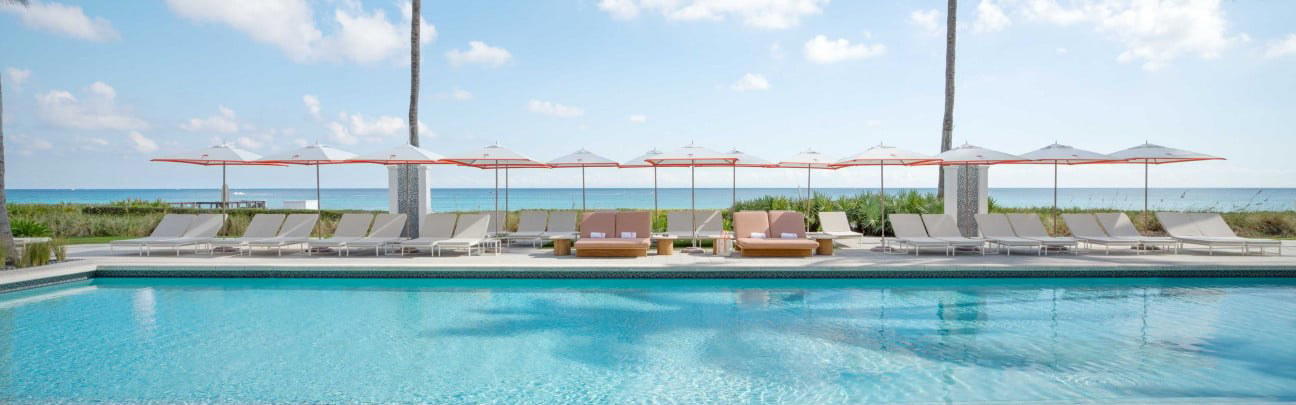
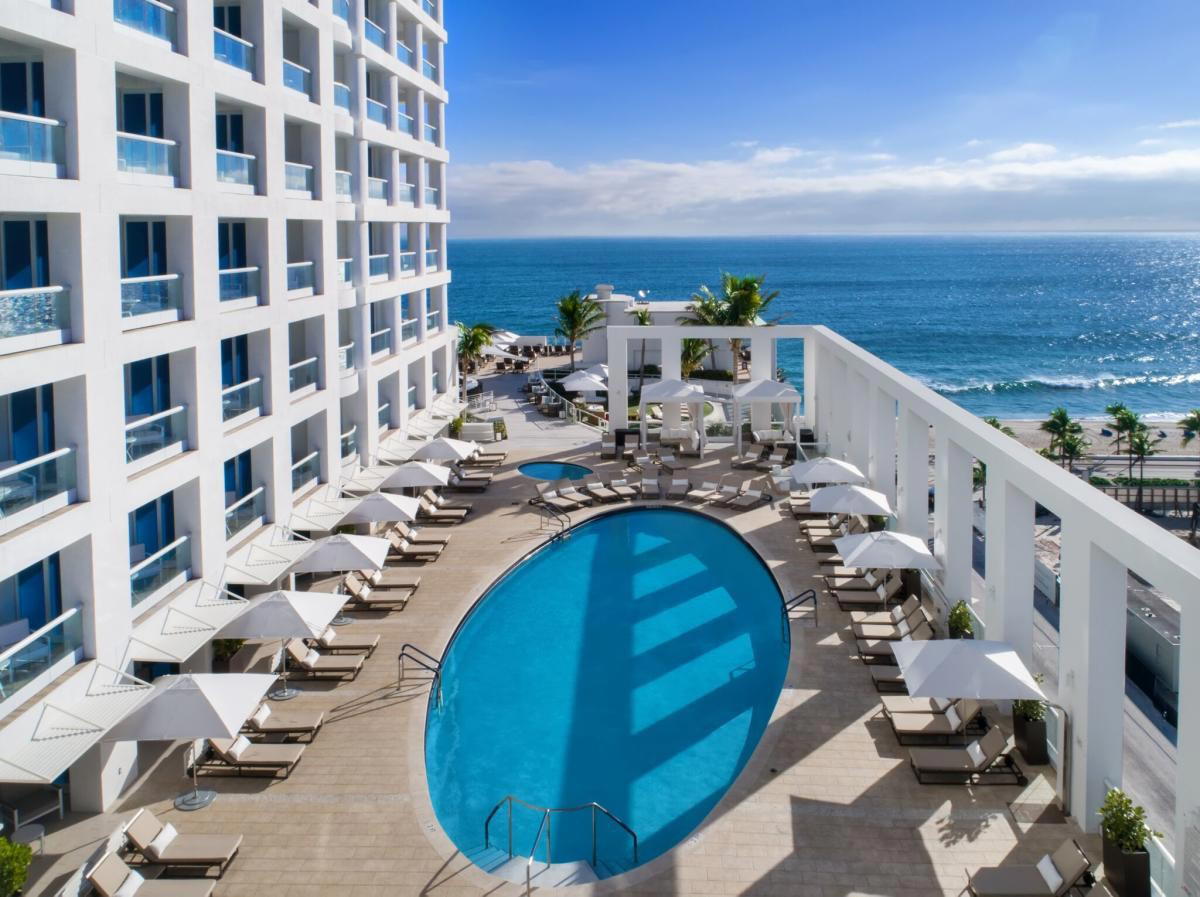
That said, the question of which building to book is inseparable from what you plan to do on property. If the dining programme is the draw, proximity to the core Harborside venues makes the Cloister a logical base. If the pool experience is the priority, the Harborside Pool Club, with three pools, a lazy river, waterslides, and luxury cabanas, is directly accessible from here. The resort's 18-hole golf course and Racquet Club, which runs 16 tennis courts and six pickleball courts, also sit within direct reach.
The Dining Programme as the Resort's Competitive Argument
Florida's luxury resort market has become increasingly stratified. At the upper end, properties compete not just on room quality or spa provision but on the credibility and variety of their food and beverage offering. The emergence of serious wine programmes at resort level is one marker of that shift, and The Boca Raton's Star Wine List recognition for 2026 places its wine operation in named company, a signal that the beverage side of the 14-venue programme has been developed with the same seriousness as the food. For context on what that recognition means, Star Wine List is an international guide that assesses wine programmes specifically, rather than restaurants as a whole. Receiving that recognition signals a list built for guests who arrive with opinions about producers, not just categories.
Among the specific venues, Principessa Ristorante and the Japanese Bocce Club occupy opposite ends of the culinary register that larger resorts typically need to serve. Classic Italian at a lakeside setting addresses the broadest possible preference set, the format is familiar, the context is attractive, and it functions as a reliable dinner option across a multi-night stay. The Japanese Bocce Club operates differently: framing itself as the resort's unofficial clubhouse, it brings a social dimension to the modern Japanese format that distinguishes it from a direct sushi-and-sashimi operation. Twelve venues beyond these two give the property a range that few comparable Florida resorts match in one location.
Each takes a different approach: the Surf Club concentrates culinary identity around a single high-profile restaurant with a named chef, while Little Palm Island runs a tighter, more intimate programme suited to its smaller scale. The Boca Raton's argument is breadth at scale, underwritten by the architectural setting that gives the property its historical authority.
Among larger US resort properties that combine historical architecture with a multi-venue dining approach, the peer conversation also touches Hotel Bel-Air in Los Angeles and, further afield, Auberge du Soleil in Napa. Neither operates at The Boca Raton's overall amenity scale, but both demonstrate that legacy properties in the US luxury segment have found sustainable identities by maintaining culinary programmes that give guests specific reasons to stay rather than venture out.
Spa Palmera and the Broader Amenity Context
At 54,000 square feet, Spa Palmera sits in the upper tier of resort spa provision by floor area. For comparison, Canyon Ranch Tucson has built an entire property identity around wellness at scale; The Boca Raton's approach is different, folding a large spa into a multi-amenity resort rather than foregrounding it as the primary draw. Guests arriving specifically for spa programming will find substantial provision, but the spa operates as one element within a broader offer rather than the organising principle of the stay.
The pool complex at Harborside reinforces this point about overall scale. Three pools, a lazy river, waterslides, and a dedicated kids club represent a family-facing amenity investment that is harder to find at properties that pitch exclusively to adult couples. The Boca Raton absorbs both demographics without appearing to have compromised for either, which is the operational achievement that grand resort formats at this size either pull off convincingly or do not.
Planning a Stay
The property is located at 501 East Camino Real in Boca Raton, Florida, placing it within a short distance of the city's central areas. Given the breadth of on-property amenity, particularly the dining programme, most guests will find a two-night minimum restricts them to sampling a fraction of the venues; three to four nights is a more practical window for engaging with the resort meaningfully. The Cloister's position within the wider resort is detailed further in our full Boca Raton restaurants guide, which maps the wider dining context of the city for guests who want to explore beyond the property. For guests considering The Boca Raton against other destination resort formats across the US, the following properties represent the range of approaches in the premium tier: Amangiri in Canyon Point, Post Ranch Inn in Big Sur, SingleThread Farm Inn in Healdsburg, Kona Village, A Rosewood Resort in Kailua Kona, and Sage Lodge in Pray. Each takes a different position on scale, culinary focus, and setting, useful reference points when mapping where The Boca Raton sits in the broader category.
Cost Snapshot
Comparable venues nearby, for context on price, style, and recognition.
| Venue | Price | Awards | Notes |
|---|---|---|---|
| The Boca RatonThis venue (the venue you are viewing) | $300–500 | Star Wine List · Virtuoso Luxury Hotel Partner | Not listed |
| Bungalows at The Boca Raton | Not listed | Virtuoso Luxury Hotel Partner | East Boca Raton, Residential-style bungalows within a historic resort |
| Mizner Plaza Hotel | Not listed | Not listed | Downtown Boca Raton (near Mizner Park), Large luxury mixed-use city hotel positioned as a game‑changing anchor at the south end of Mizner Park. |
| Tower at The Boca Raton | $1,000–1,500 | 1 Michelin Key · Forbes 4-Star | Boca Raton, Polished luxury resort tower with contemporary coastal design |
| Yacht Club at The Boca Raton | Not listed | Star Wine List · Forbes 5-Star | East Boca Raton, All-suite adults-only waterfront hotel |
| The Miami Beach EDITION | $500–750 | Michelin Selected · La Liste Top Hotels | Miami Beach, Urban resort blending boutique privacy with larger resort amenities |
Recognition history
Dated appearances from independent guides and award organizations, with the underlying list record or original source where available.
Star Wine List
Star Wine List
Virtuoso Luxury Hotel Partner
Virtuoso
Continue exploring
More in Boca Raton
Hotels in Boca Raton
All hotels in Boca Raton →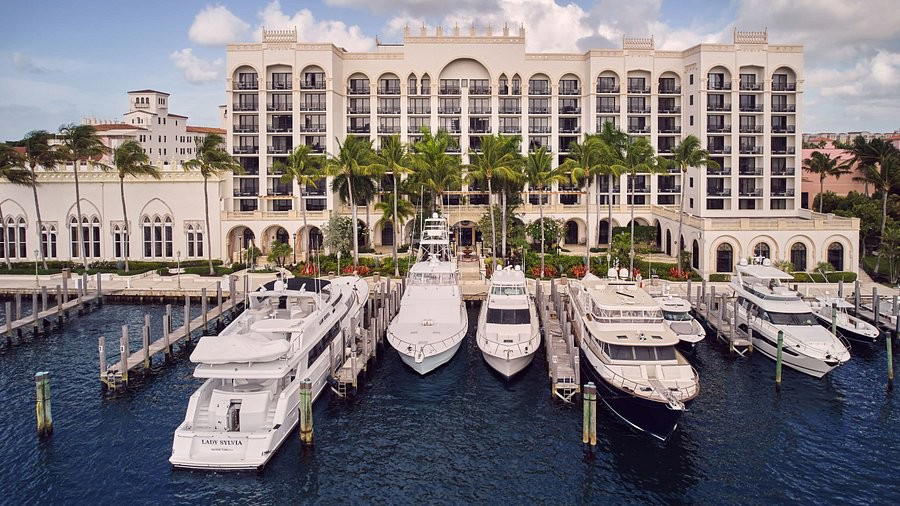
Bars in Boca Raton
Browse all →
Details
- Elegant
- Sophisticated
- Scenic
- Romantic
- Family Vacation
- Romantic Getaway
- Wellness Retreat
- Celebration
- Beachfront
- Destination Spa
- Golf Course
- Waterfront
- Rooftop Pool
- Private Dining
- Panoramic View
- Wi Fi
- Pool
- Spa
- Fitness Center
- Room Service
- Concierge
- Valet Parking
- EV Charging
- Kids Club
- Beach Access
- Golf Course
- Tennis
- Waterfront
- Garden
- Wheelchair Accessible
- Elevator
- Accessible Restroom
- Accessible Parking
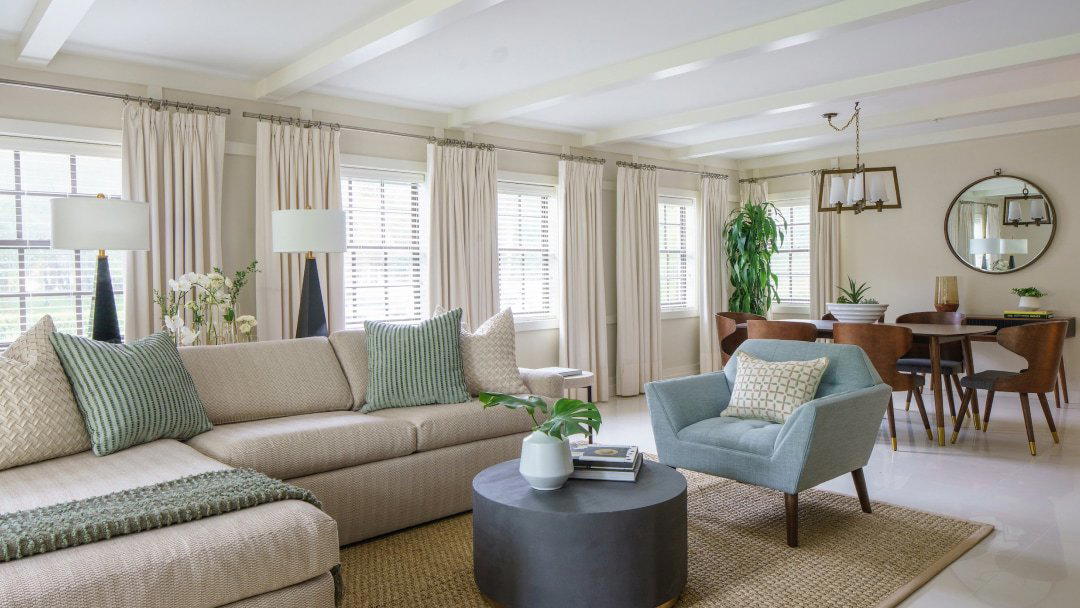
Refined Old Florida elegance with natural light, oceanfront vistas, and sophisticated design featuring marble, cerused woods, and coral velvet accents throughout public and private spaces.