Telluride Ski Resort
Telluride Ski Resort occupies one of the most geographically dramatic settings in American mountain sport, with terrain rising above 13,000 feet in the San Juan Mountains of southwestern Colorado. The resort draws serious skiers and a travel set more interested in the town's Victorian mining-era architecture and relative remoteness than in high-volume alpine infrastructure. Access is genuinely limited, which defines both the experience and the crowd.

Pearl is the En Primeur Club membership app — saves, bookings, and concierge access live there. Same editors, same standards.
- Address
- Mountain Village, CO 81435
- Phone
- (800) 778-8581
- Website
- tellurideskiresort.com
- Directions
- Get directions
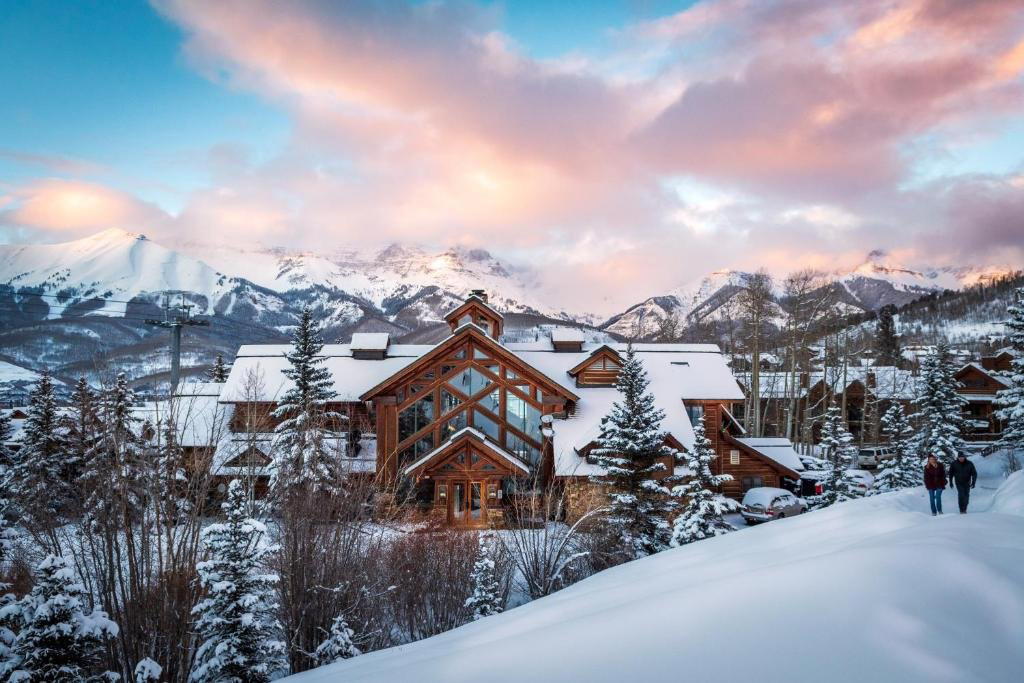
Terrain, Topography, and the Architecture of a Mountain
The physical structure of a ski resort is its most consequential design decision. At Telluride, the terrain was always the constraint and the advantage simultaneously. The San Juan Mountains impose a verticality that most Colorado resorts approximate but do not match: the resort's ridgeline sits above 13,000 feet, with a vertical drop of roughly 4,425 feet across the skiable terrain. That number situates Telluride inside a narrow group of American resorts where the mountain itself, not the lodging infrastructure or the après scene, remains the primary draw. For more on how the American West's most serious mountain destinations compare, see our full San Miguel County restaurants guide.
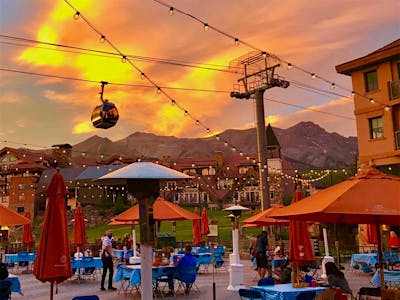
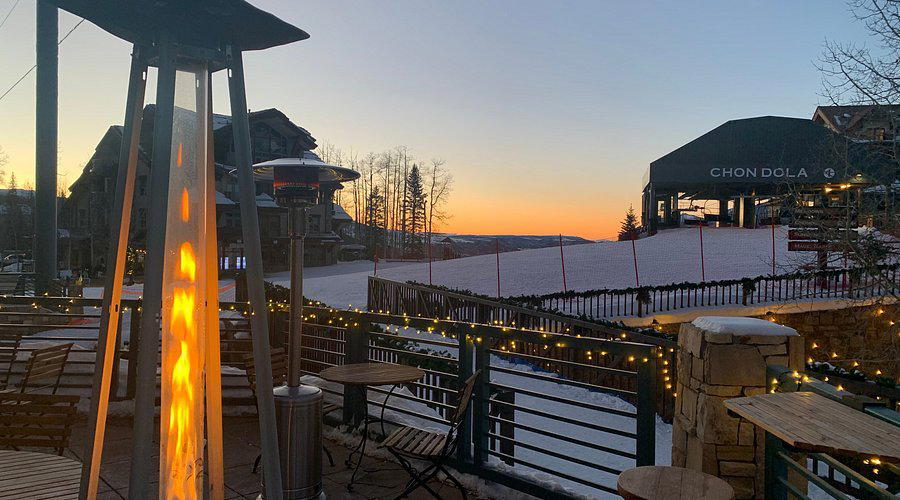
What separates Telluride architecturally from peers like Vail or Deer Valley is the box canyon it occupies. The town of Telluride sits at the canyon's floor, hemmed in on three sides by vertical cliff faces. That topography produced a resort with a gondola as its primary connection between the historic town and Mountain Village, the purpose-built resort community on the mesa above. The gondola is free, publicly operated, and runs year-round, which means the resort's design never fully separated the ski infrastructure from the surrounding civic life. The physical architecture followed the geography rather than overriding it.
Mountain Village and the Design Logic Above the Canyon
Mountain Village, where the ski area's main base operations concentrate, represents a different planning tradition from the organic Victorian streetscape below. Developed systematically from the late 1980s onward, it occupies a flatter, more exposed plateau that allows for the hotel, condominium, and retail infrastructure that the town itself cannot accommodate. The contrast between the two zones is sharp enough to define the resort's identity: Telluride town reads as a preserved mining-era settlement with a ski resort attached; Mountain Village reads as a planned alpine community that happens to have Telluride below it.
Within Mountain Village, the premium accommodation tier draws comparisons to properties like Amangani in Jackson Hole or Ambiente in Sedona, properties where design-led credentials matter as much as the outdoor program they anchor. The American mountain resort market has increasingly split between high-volume destination resorts with broad demographic targets and smaller, higher-cost properties that compete on design precision and limited-scale access. Telluride's geography enforces the latter by default: the canyon limits how many visitors the town can physically absorb.
The Atmosphere of Enforced Remoteness
Remoteness is not a marketing position at Telluride; it is a structural condition. The nearest commercial airport with significant national connections is Montrose Regional, approximately 65 miles away. Telluride Regional Airport operates with altitude and runway constraints that limit aircraft size and create weather-dependent reliability. That access calculus filters the visitor profile in ways that high-volume alpine resorts accessible from major interstate corridors do not experience.
The atmosphere that results is quieter and more self-contained than the resort's reputation might suggest. During peak season, the town operates at a scale closer to places like Sage Lodge's territory in Pray, Montana than to a Vail or Aspen at full capacity. Midweek days on the mountain involve genuinely low crowds on most terrain, a condition that properties like Blackberry Farm in Walland or Post Ranch Inn in Big Sur cultivate deliberately through limited-key formats. At Telluride, geography does the same work.
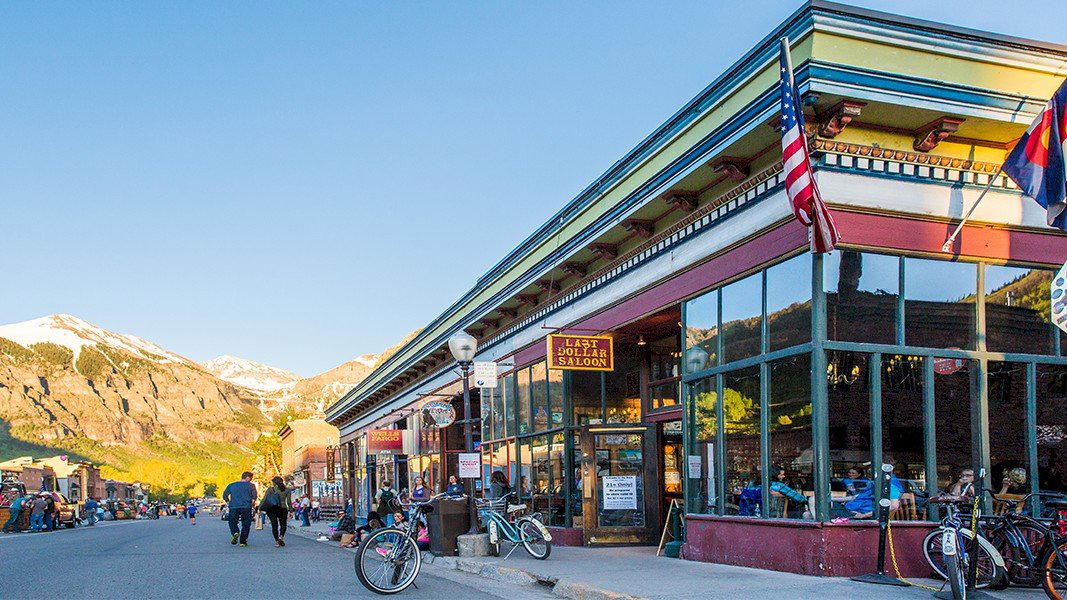
The town's Victorian commercial architecture, largely intact along Colorado Avenue, gives the base experience a material authenticity that purpose-built mountain resorts cannot replicate. Those buildings date to the silver and gold mining era of the 1870s and 1880s. That history gives the resort a physical context that extends well beyond the ski area's boundaries, and it anchors Telluride's identity in a way that Mountain Village alone could not.
Terrain Character and the Expert Skier Question
Colorado's ski market segments clearly along terrain difficulty lines. Aspen's four mountains and Vail's back bowls compete for the serious skier's itinerary, while Breckenridge and Keystone draw on Interstate 70 proximity for higher-volume, more mixed-ability traffic. Telluride occupies the serious-terrain niche without the multi-mountain scale of Aspen. Expert-oriented runs including Plunge and Spiral Stairs have carried significant reputations in the technical skiing community for decades, though conditions vary by year and snowpack.
For context on how premium mountain experiences stack against desert and coastal alternatives, consider properties like Amangiri in Canyon Point or Canyon Ranch in Tucson, which compete for the same high-cost, low-density, landscape-immersion travel market. The ski resort and the luxury desert retreat have increasingly converged around similar editorial propositions: physical drama, limited crowds, and landscape that does the experiential heavy lifting.
Planning and Access
Visitors typically fly into Montrose Regional Airport (MTJ) for road access, or into Denver International with an onward drive of approximately five to six hours depending on conditions on US-550 through Ridgway. Telluride Regional Airport (TEX) at 9,078 feet operates limited commercial and charter service and functions leading as a convenience for private aviation, where it competes with similar infrastructure at Jackson Hole's regional airport. Winter driving on the mountain approach roads requires awareness of closure conditions; the town sits at a dead-end canyon road that closes infrequently but consequentially during major storm events.
Ski season runs from late November through early April in a strong snow year, with the festival calendar extending the town's draw into summer months. The Telluride Film Festival, the Telluride Bluegrass Festival, and several other summer events fill the canyon in ways that transform the visitor mix entirely from the winter demographic.
Accommodation options range across Mountain Village's hotel and condominium stock, with the town itself offering inn and vacation rental formats inside the historic district. Ski-in/ski-out access concentrates at Mountain Village; town-based lodging trades that convenience for the architectural and social experience of Colorado Avenue. For travelers calibrating premium mountain lodging against other US alternatives, the Alpine Falls Ranch in Superior and Bernardus Lodge in Carmel Valley represent the design-led rural property comparison that helps frame where Telluride's premium tier sits price-wise relative to broader American luxury travel.
Side-by-Side Snapshot
| Venue | Price | Awards |
|---|---|---|
| Telluride Ski ResortThis venue — the venue you are viewing | $300–500 | Not listed |
| Aman New York | Not listed | 3 Michelin Keys · World's 50 Best #87 |
| Amangiri | $1,000–1,500 | 3 Michelin Keys · World's 50 Best #45 |
| Hotel Bel-Air | $750–1,000 | 3 Michelin Keys · World's 50 Best #57 |
| The Beverly Hills Hotel | Not listed | 3 Michelin Keys · World's 50 Best #65 |
| The Carlyle, A Rosewood Hotel | $1,500–2,500 | 2 Michelin Keys · World's 50 Best #64 |
Continue exploring
More in Mountain Village
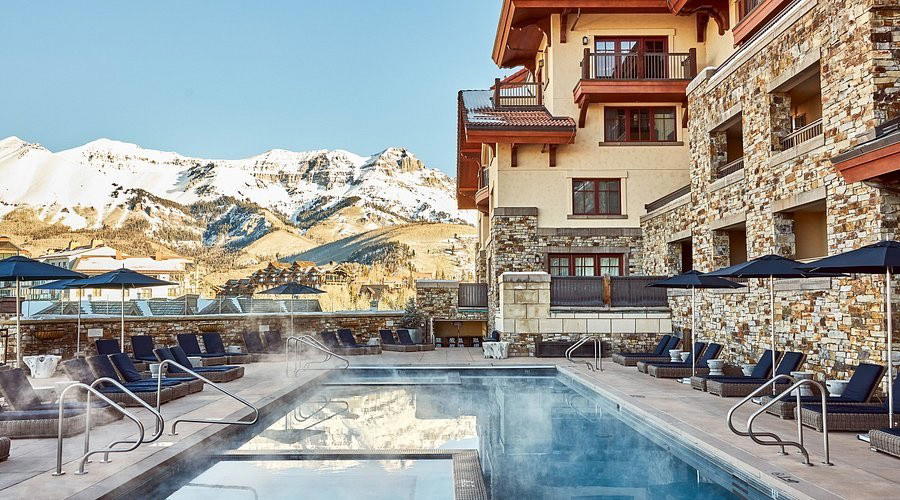
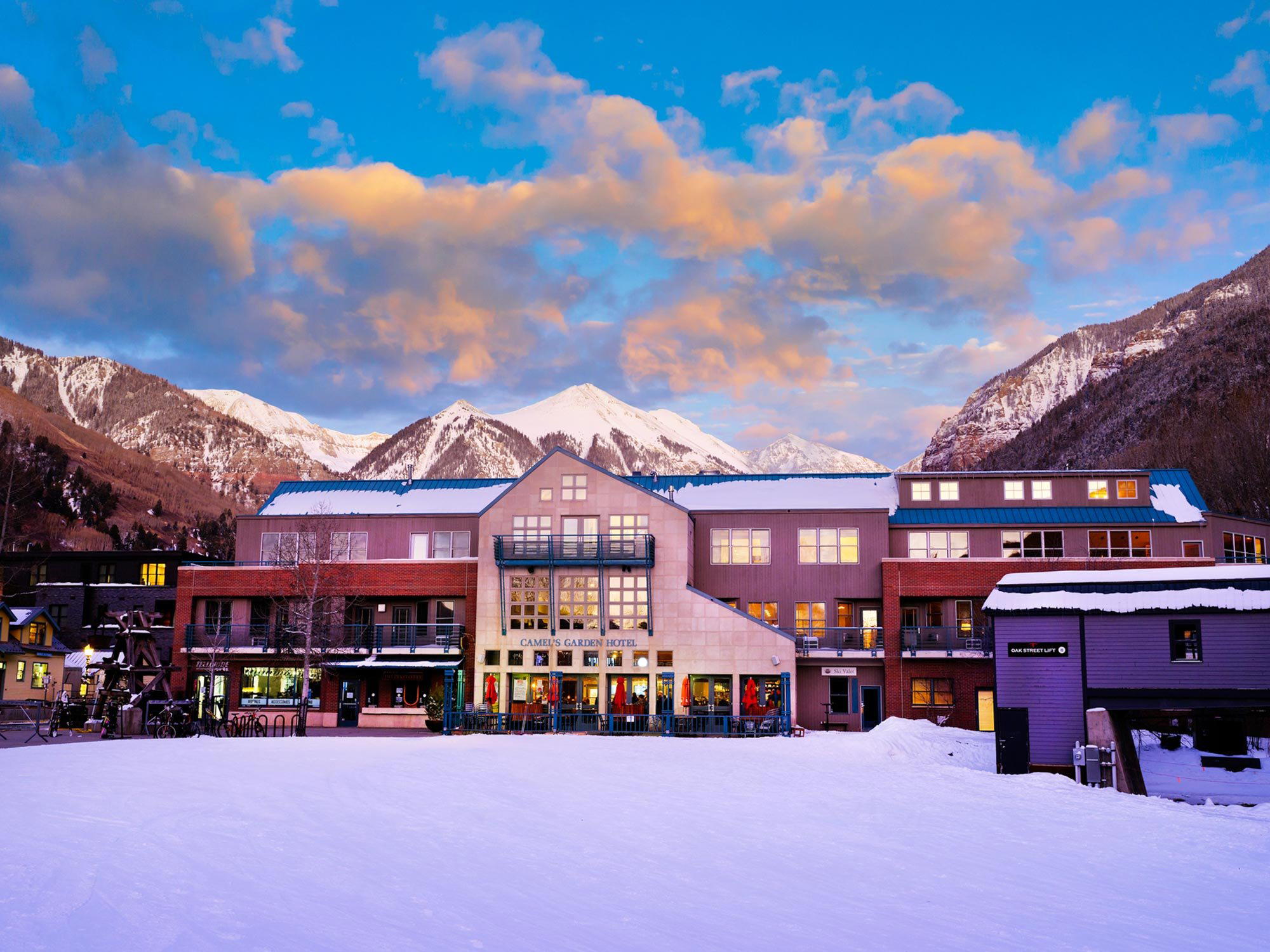
Hotels in Mountain Village
Browse all →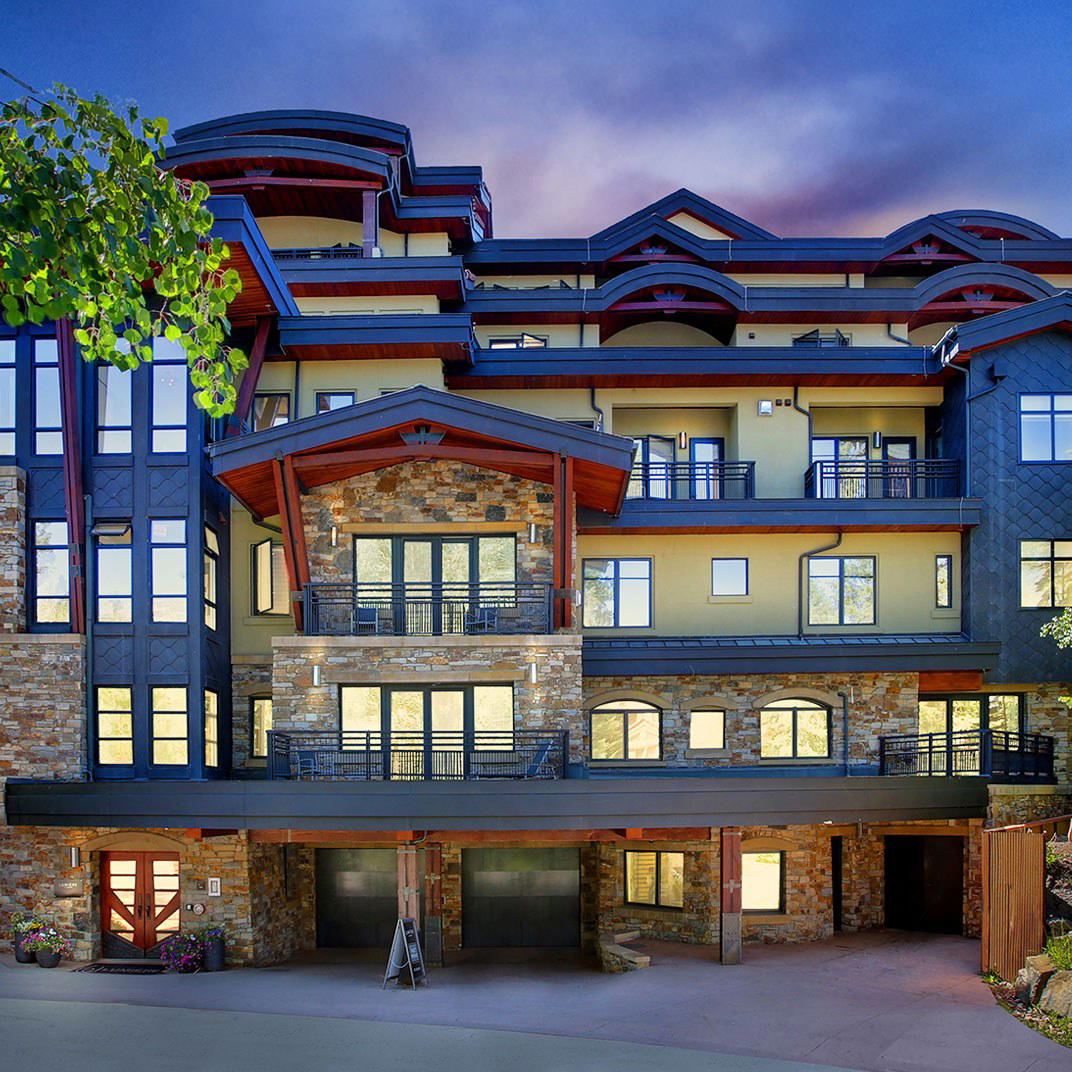
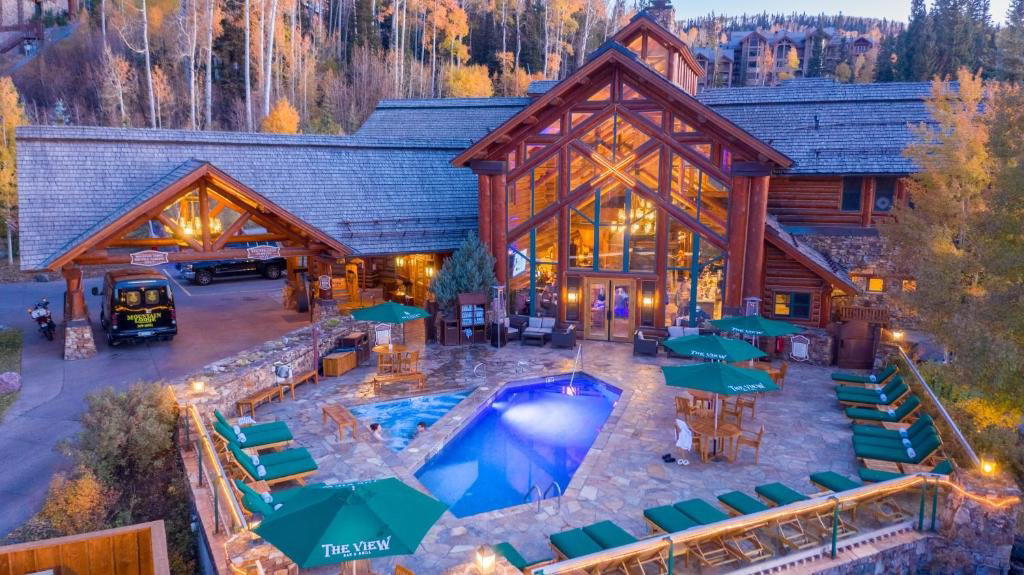
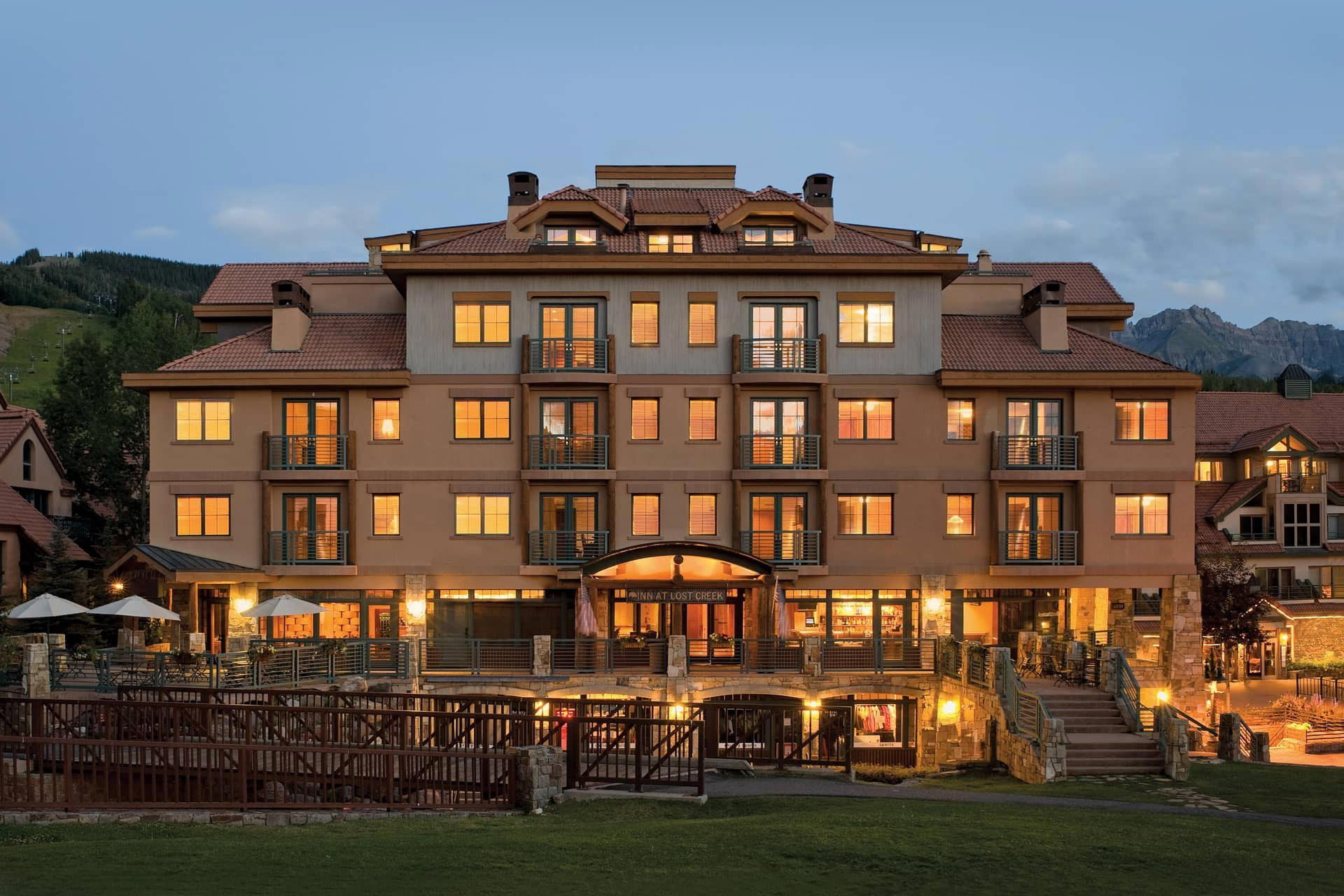
Bars in Mountain Village
Browse all →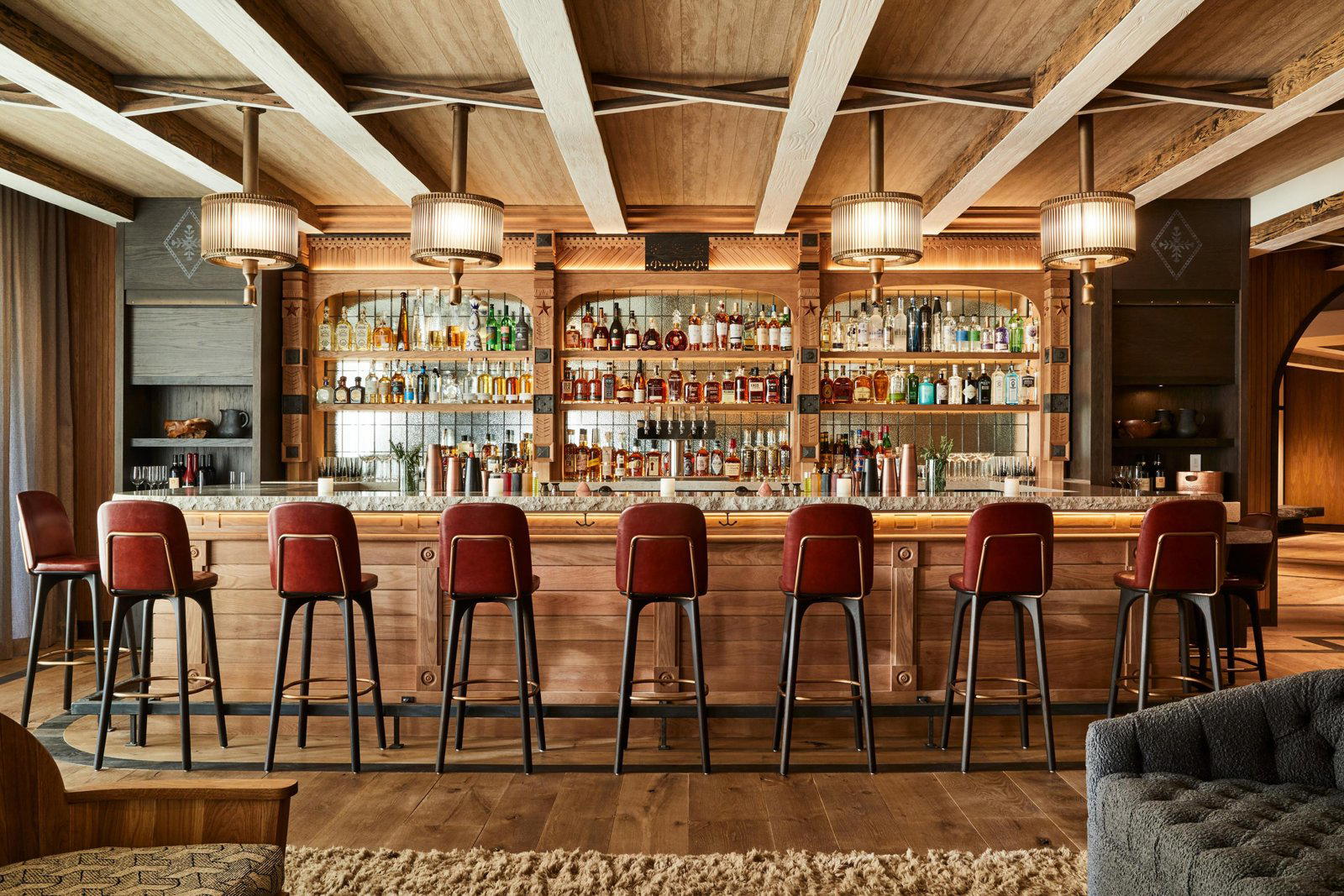
Details
- Scenic
- Well Known
- Energetic
- Rustic
- Family Vacation
- Weekend Escape
- Group Retreat
- Celebration
- Ski In Ski Out
- Panoramic View
- Golf Course
- Destination Spa
- Kids Club
- Fitness Center
- Spa
- Pool
- Hot Tub
- Restaurant
- Mountain
- Wheelchair Accessible
- Elevator
- Accessible Restroom
Current opening hours
- Monday
- 9 AM–4 PM
- Tuesday
- 9 AM–4 PM
- Wednesday
- 9 AM–4 PM
- Thursday
- 9 AM–4 PM
- Friday
- 9 AM–4 PM
- Saturday
- 9 AM–4 PM
- Sunday
- 9 AM–4 PM
Hours can change for holidays and private events. Last verified .
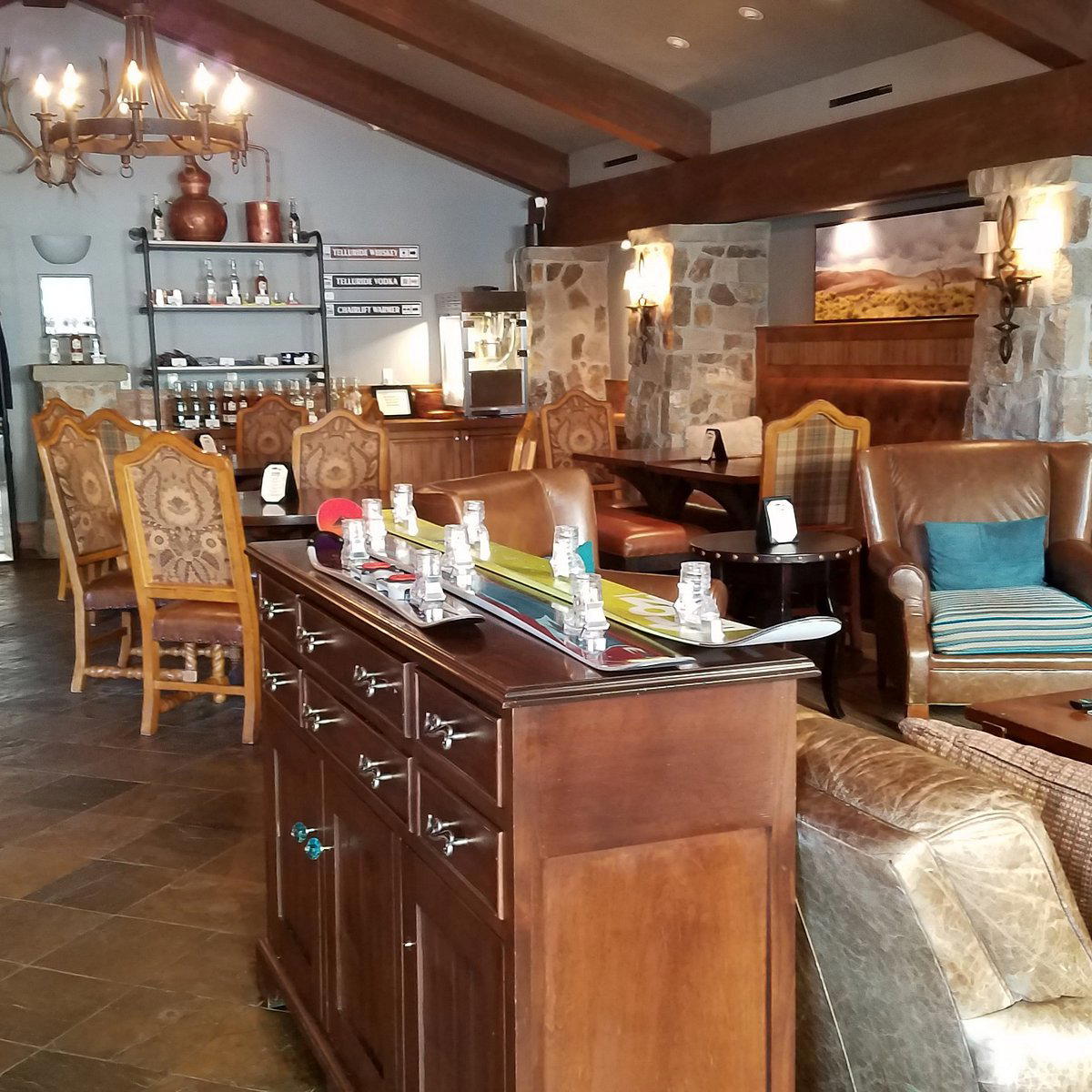
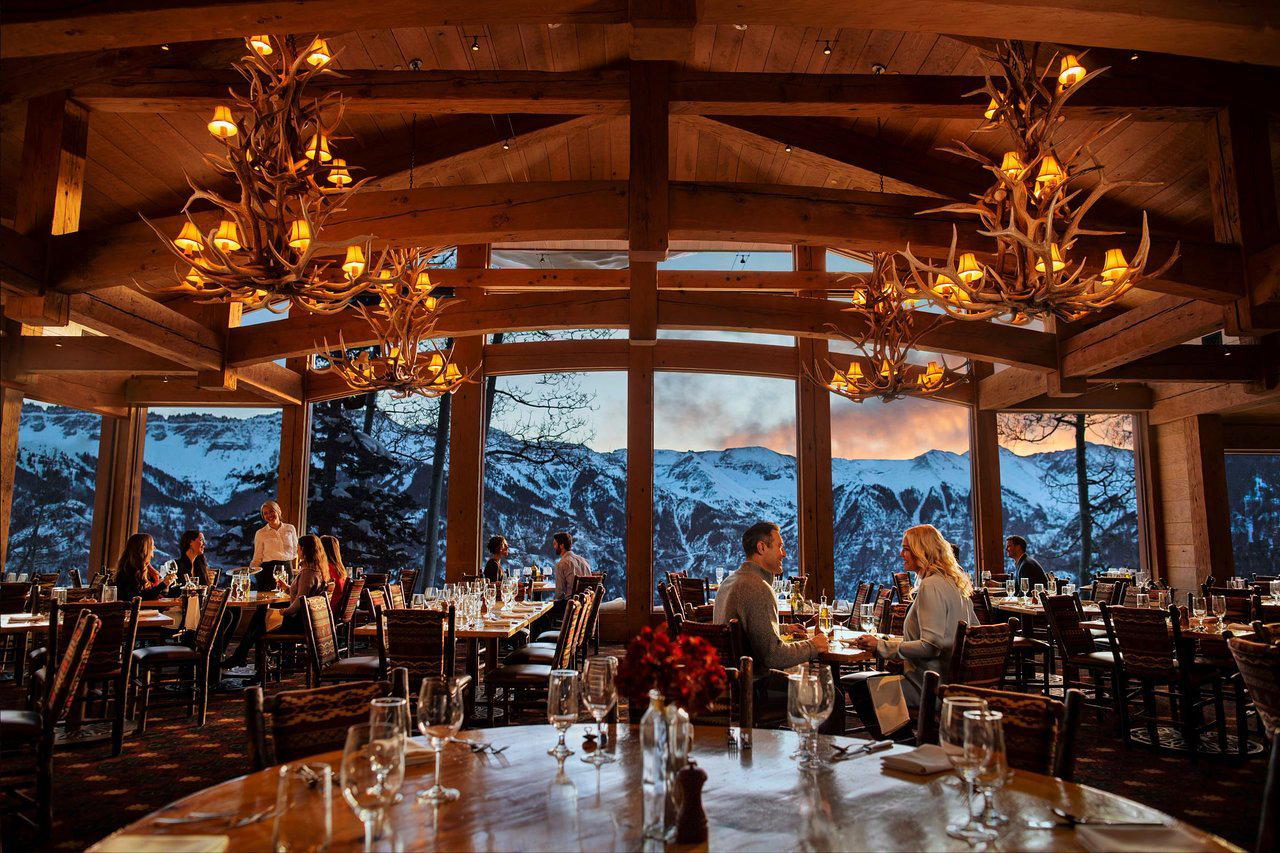
Energetic mountain atmosphere blending Victorian charm in downtown Telluride with contemporary alpine elegance in Mountain Village, featuring panoramic San Juan Mountain views and lively après-ski culture.