Mountain Lodge Telluride
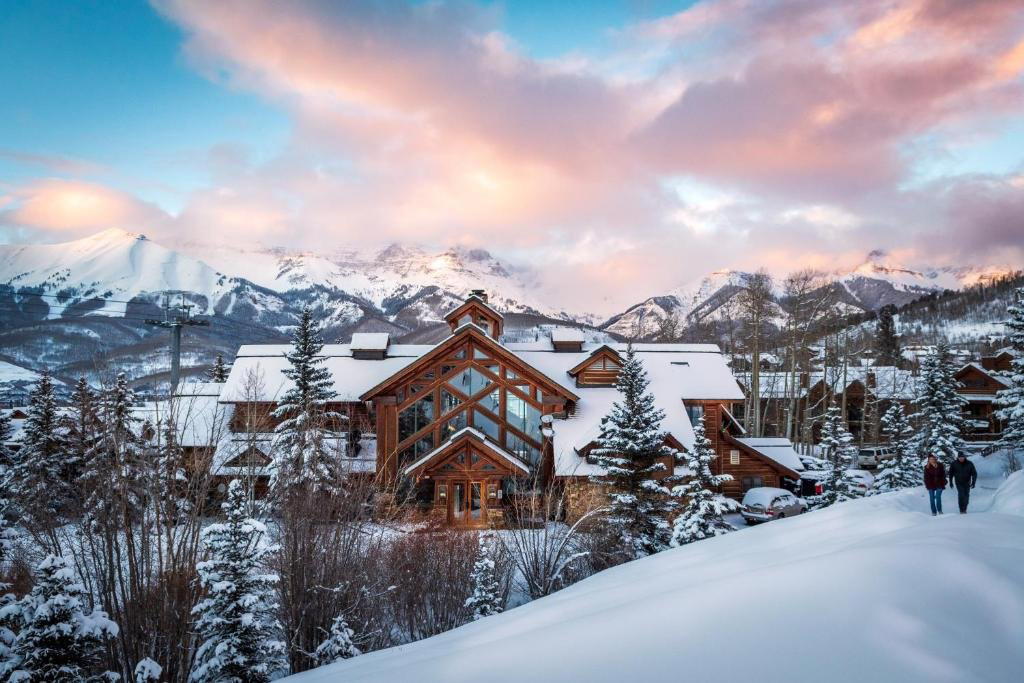
Mountain Lodge Telluride sits at 457 Mountain Village Blvd in the heart of Colorado's San Juan Mountains, occupying a position between boutique intimacy and full-service mountain resort. The lodge draws guests who want direct proximity to Telluride's ski terrain without trading away architectural warmth for hotel-scale convenience. It represents the quieter, more residential end of the Mountain Village accommodation spectrum.

Pearl is the En Primeur Club membership app — saves, bookings, and concierge access live there. Same editors, same standards.
- Address
- 457 Mountain Village Blvd, Telluride, CO 81435
- Phone
- (970) 369-5000
- Website
- mountainlodgetelluride.com
- Directions
- Get directions
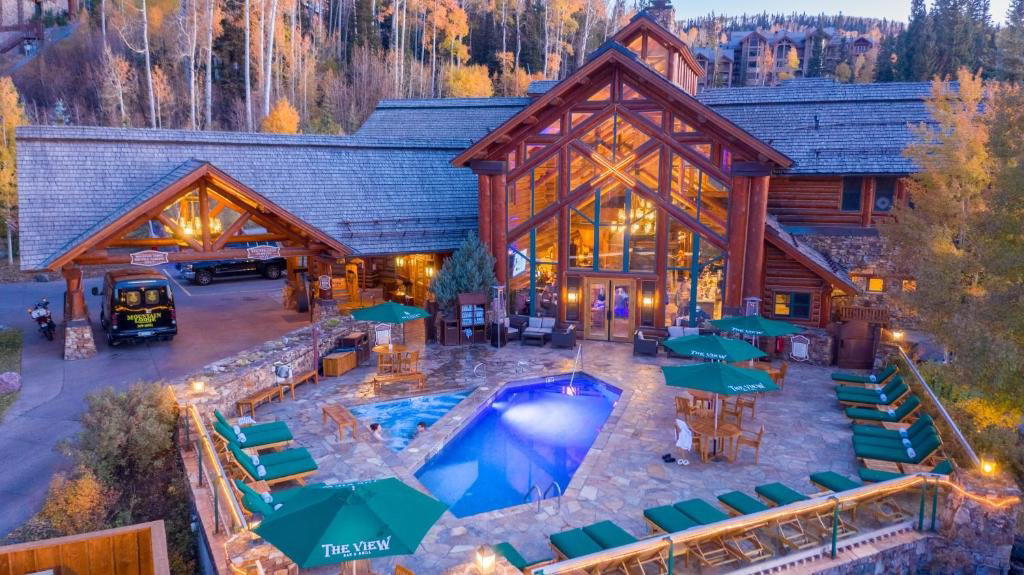
Where the San Juans Set the Design Brief
Mountain resort architecture in the American West has spent the last two decades sorting itself into competing philosophies. On one side sit the grand lodge traditions — heavy timber, cathedral ceilings, fireplaces scaled for common rooms rather than bedrooms — inherited from the great national park lodges of the early twentieth century. On the other, a newer generation of properties has pulled toward restraint: tighter footprints, natural material palettes drawn from the immediate site, and a spatial logic that treats the surrounding terrain as the primary visual event rather than a backdrop. Mountain Lodge Telluride, at 457 Mountain Village Blvd in Colorado's Mountain Village, operates inside that second current.
The elevation context here is not incidental to the design conversation. Mountain Village sits above Telluride proper, connected by the free gondola that locals treat as infrastructure rather than amenity. At this altitude, in this terrain, the San Juan Mountains do not recede politely into the distance, they press close on every sightline. Properties that attempt to compete with that scale through their own architectural drama tend to lose. The lodges that work here acknowledge the topography and arrange their interiors to frame it. The question worth asking of any Mountain Village property is how deliberately it has done that framing.
The Architecture of High-Altitude Hospitality
Colorado's mountain resort tier has historically clustered around two design registers. Vail and Aspen developed European alpine vernaculars, steeply pitched rooflines, heavy use of stone and dark timber, an aesthetic that reads as borrowed from Swiss and Austrian precedent. Telluride, by contrast, retains stronger ties to its mining-town origins, with a grid of Victorian commercial buildings in the lower town that creates a different reference point for properties trying to establish visual identity. Mountain Village, developed as the ski-access hub above the historic downtown, occupies an in-between zone: purpose-built for resort function, but subject to design pressures from both the Victorian streetscape below and the raw alpine terrain immediately surrounding it.
Lodges operating in this context that succeed tend to do so by committing to one design logic rather than hedging between them. Properties like Amangani in Jackson Hole have demonstrated that a clear material vocabulary, in that case, warm sandstone and sweeping horizontal sight lines, can create a coherent identity even within a purpose-built resort zone. Post Ranch Inn in Big Sur shows what happens when a property commits entirely to site integration, treating the architecture as a continuation of the landscape rather than an imposition on it. Amangiri in Canyon Point achieves something similar in desert terrain. The competitive pressure on Mountain Village properties comes from this broader category of design-led American wilderness lodges, not merely from neighboring ski hotels.
Scale, Intimacy, and the Mountain Lodge Positioning
Across the American mountain resort market, the properties that have built the strongest long-term reputations tend to sit at one of two scales: large enough to offer full resort programming (multiple restaurants, spa facilities, ski-in access, event infrastructure) or small enough to deliver something closer to a private house experience. The middle tier, which offers neither the depth of programming nor the intimacy of limited-key boutique stays, has come under consistent pressure from travelers willing to pay for clarity of proposition.
Mountain Lodge Telluride's address in Mountain Village places it within walking distance of the gondola base and the resort's primary ski infrastructure, a logistical advantage that removes one of the friction points endemic to Telluride travel, specifically the coordination required between the lower town and the mountain. For winter visitors, proximity to the gondola is a meaningful practical factor, and properties that offer it without requiring guests to book into large convention-oriented hotels occupy a specific and defensible position in the market. Comparable positioning questions arise at properties like Sage Lodge in Pray, where access to the surrounding terrain functions as a core part of the value proposition rather than an ancillary feature.
The broader category of design-conscious American mountain lodges, which would also include Blackberry Farm in Walland, Alpine Falls Ranch in Superior, and Ambiente in Sedona at the landscape-integration end, shares a common design challenge: how to create interiority and warmth in spaces where guests spend most of their time looking outward. The answer, across the properties that handle it well, almost always involves material honesty: wood that reads as structural rather than decorative, stone that appears load-bearing rather than applied, light sources that reinforce rather than compete with natural illumination.
Telluride's Position in the American Mountain Resort Tier
Telluride's resort market is smaller and more geographically contained than Vail or Aspen, which gives it a different character. The valley is a box canyon, accessible from the east only, which limits both development and crowds in ways that have preserved the town's Victorian fabric and kept visitor volumes below those of its better-known Colorado competitors. That containment has made Telluride a preferred destination for guests specifically seeking a less trafficked alternative, a posture that runs through the accommodation market as well, where smaller and more character-driven properties tend to outperform the segment average.
For context on how other premium American markets handle the tension between destination prestige and physical containment, properties like Bernardus Lodge in Carmel Valley and Troutbeck in Amenia offer instructive comparisons: both operate in geographically defined areas where the limited scale of the setting is itself part of the draw. Little Palm Island in Little Torch Key takes that logic to its furthest point, where physical inaccessibility becomes the primary luxury signal. Telluride's position is less extreme but structurally similar: the canyon geography imposes a ceiling on development that protects the character of the destination.
Travelers planning a Telluride visit should account for the seasonal character of Mountain Village itself. Winter dominates the resort calendar, with the ski area typically operating from late November through early April, though exact dates shift year to year. Summer sees a different but still substantial visitor wave, driven by the town's festival calendar, the Telluride Film Festival, the Bluegrass Festival, and a series of smaller events that fill the calendar from June through September. Accommodation rates and availability shift sharply between peak festival weekends and the shoulder weeks around them, and Mountain Village properties fill quickly during the major summer events. For those comparing mountain lodge options across the broader intermountain West, see our full Mountain Village restaurants guide for additional context on the local scene.
Planning a Stay
Mountain Village is served by Telluride Regional Airport, with seasonal direct service from select hubs, though many travelers route through Denver or other major airports and drive the final leg. The gondola between Mountain Village and downtown Telluride runs continuously during operating hours and removes the need for a car for most in-resort activity. Guests focused primarily on skiing will find the Mountain Village base more convenient than lower-town addresses; those wanting direct access to Telluride's restaurant and bar scene may weigh that differently. Properties across the American mountain resort spectrum that prioritize similar access trade-offs include Kona Village in Kailua Kona and Canyon Ranch Tucson, both of which have built their positioning around the logic of staying within a defined and controlled environment rather than using the property as a base for broader urban exploration.
Comparison Snapshot
| Venue | Price | Awards |
|---|---|---|
| Mountain Lodge TellurideThis venue — the venue you are viewing | Not listed | Not listed |
| Aman New York | Not listed | 3 Michelin Keys · World's 50 Best #87 |
| Amangiri | $1,000–1,500 | 3 Michelin Keys · World's 50 Best #45 |
| Hotel Bel-Air | $750–1,000 | 3 Michelin Keys · World's 50 Best #57 |
| The Beverly Hills Hotel | Not listed | 3 Michelin Keys · World's 50 Best #65 |
| The Carlyle, A Rosewood Hotel | $1,500–2,500 | 2 Michelin Keys · World's 50 Best #64 |
Continue exploring
More in Mountain Village
Hotels in Mountain Village
Browse all →
Bars in Mountain Village
Browse all →
Details
- Cozy
- Rustic
- Scenic
- Elegant
- Family Vacation
- Romantic Getaway
- Group Retreat
- Weekend Escape
- Ski In Ski Out
- Panoramic View
- Pool
- Hot Tub
- Wi Fi
- Fitness Center
- Room Service
- Concierge
- Mountain
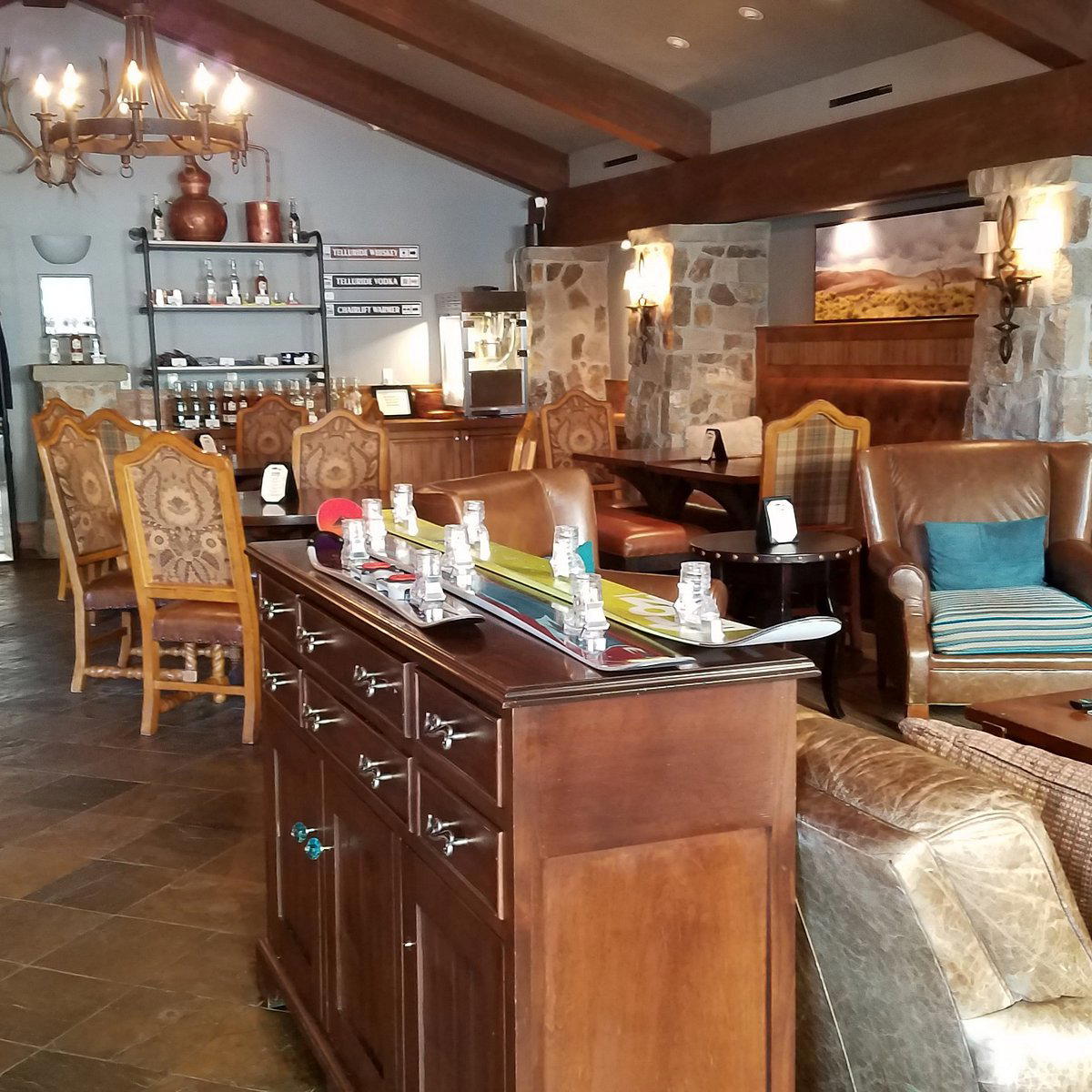
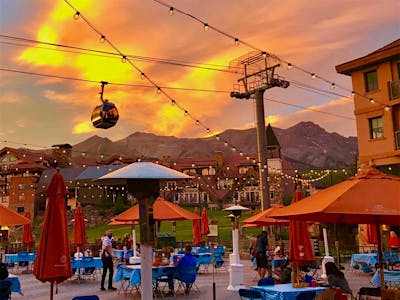
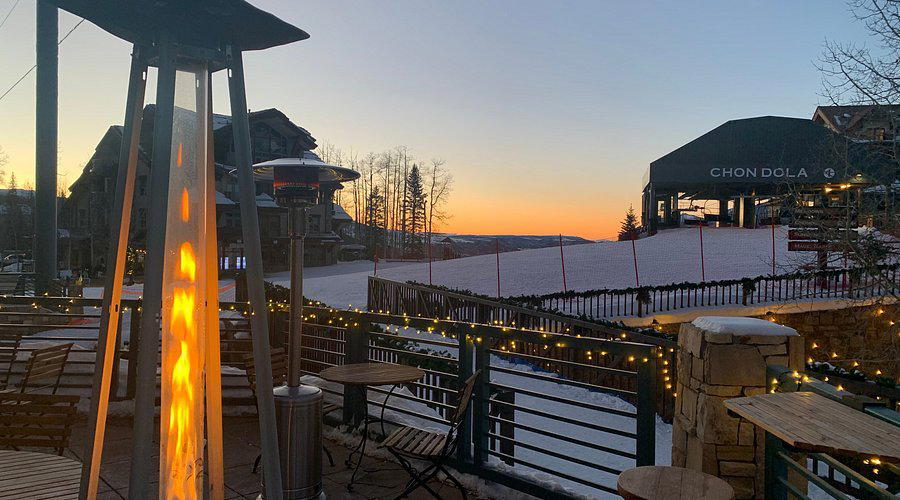
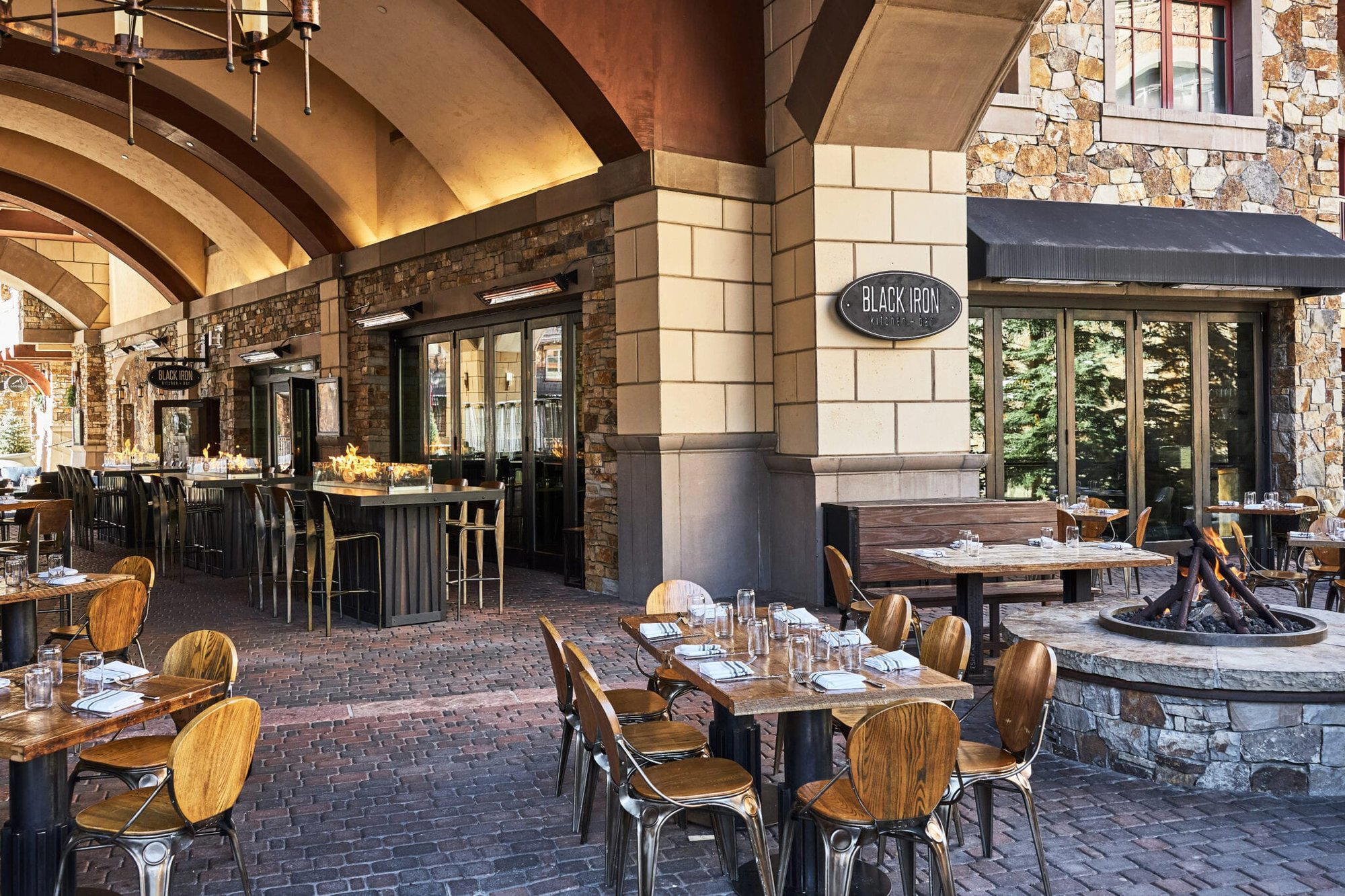
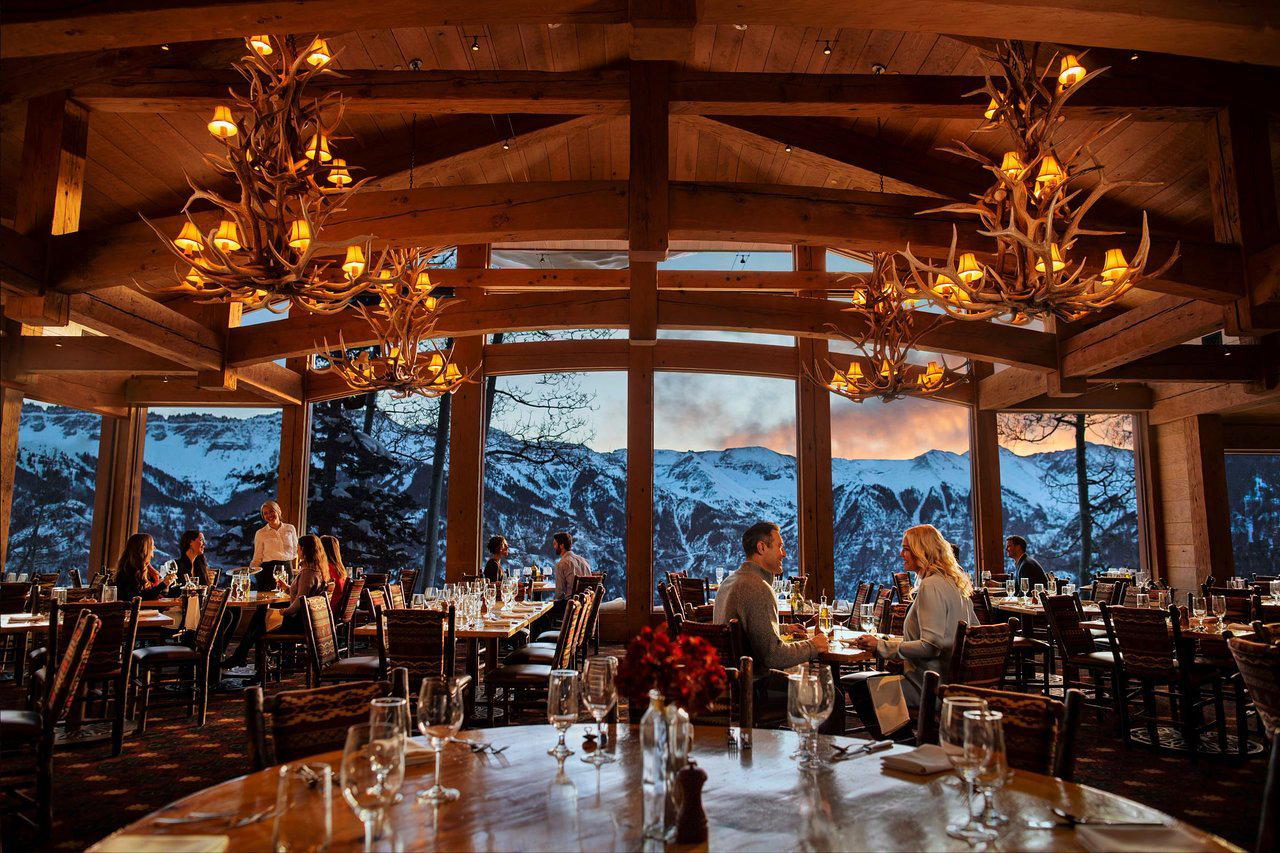
Cozy alpine retreat featuring warm Western design with soft leather furnishings, rich wood accents, and warm interiors.