
White Guide Sweden Hotels - Exceptional Level
Teater Rival occupies a historic theatre building on Mariatorget in Södermalm, positioning it closer to Stockholm's design-led, character-rich hotel tier than the grand waterfront properties along Strandvägen. The address places guests in one of the city's most locally inhabited squares, with independent cafés, vintage shops, and a neighbourhood rhythm that larger hotel clusters rarely offer.

Pearl is the En Primeur Club membership app, where members save venues, book tables and use the concierge.
Södermalm's Square and What It Means for Where You Stay
Stockholm's hotel geography divides along fairly clear lines. The waterfront stretch near Blasieholmen, home to Grand Hôtel Stockholm, draws guests who want ceremony, formal service, and a direct sightline to the Royal Palace. Further north, properties like At Six on Brunkebergstorg and Ett Hem in Lärkstaden represent a smaller, more considered tier: fewer rooms, a particular point of view, and a deliberate rejection of the convention-hotel format. Teater Rival sits in a different district entirely, on Mariatorget in Södermalm, and that address is the first editorial fact worth knowing.
Mariatorget is not a tourist square. It is where Södermalm residents walk their dogs on Sunday mornings, where the summer tables fill with locals rather than travellers consulting maps, and where the neighbourhood's self-sufficient character is most visible. Staying at this address means choosing the city's lived texture over its postcard geometry, a trade-off that Stockholm's design-conscious traveller community has been making increasingly often over the past decade, as properties anchored to authentic urban neighbourhoods have outperformed grand-address hotels on atmosphere and repeat bookings alike.
A Theatre That Became a Hotel
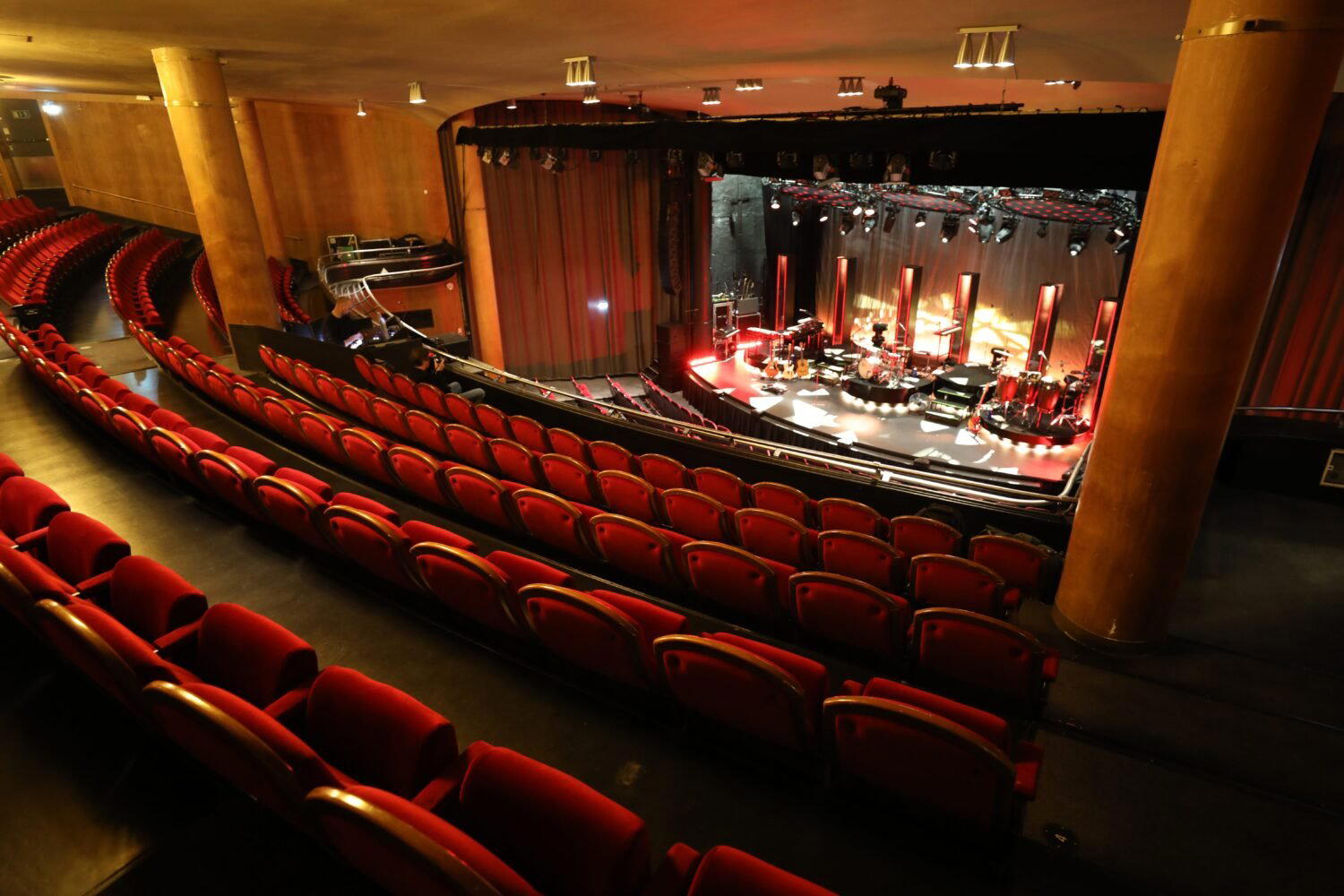
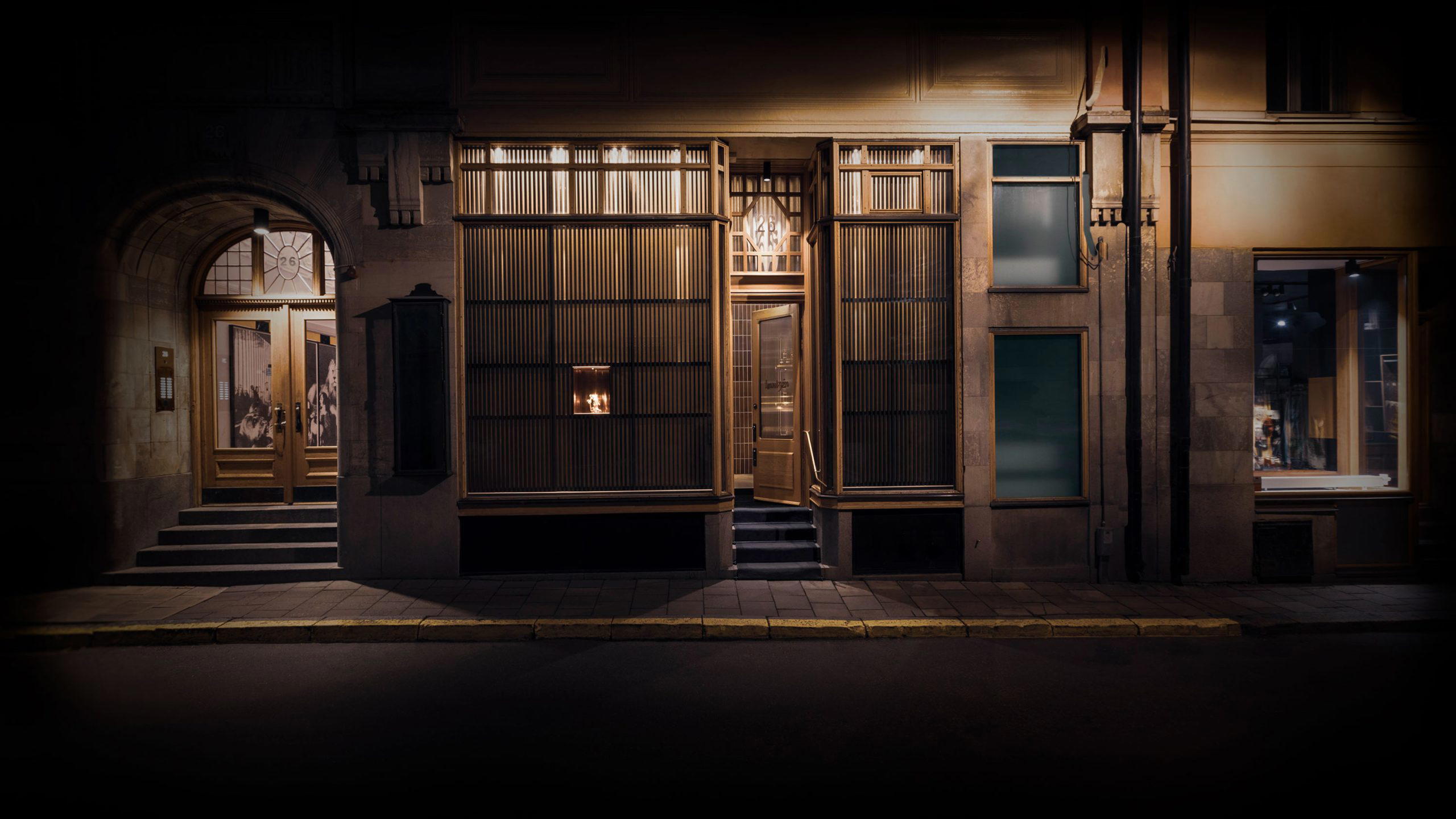
The building that houses Teater Rival was originally a working theatre, a fact that shapes everything from the lobby proportions to the way public and private space interact on site. Across European cities, the conversion of cultural-use buildings into hospitality has produced some of the most spatially interesting hotels of the past two decades: the theatrical scale of public rooms, the acoustic character of old performance spaces, and the inherent drama of high ceilings and wide corridors create an environment that purpose-built hotels rarely replicate. Stockholm has relatively few examples of this typology, which places Teater Rival in a specific niche within the city's accommodation offer.
The theatre function was not entirely retired. Rival retains a cinema and performance space within the building, which means the property operates as a cultural venue as much as a hotel. For guests, this creates an atmosphere that shifts through the day: quiet in the mornings, more animated in the evenings as the cultural calendar draws its own audience. The overlap between hotel guest and cultural visitor is part of what makes the address work as a place to stay rather than simply a place to sleep.
Service in a Neighbourhood Hotel Context
Service culture at properties positioned like Rival, mid-scale, design-aware, neighbourhood-anchored, tends to differ from the formal hospitality of grand waterfront hotels in ways that matter to specific types of travellers. At a 200-room international property, service is systematised and consistent but rarely personal. At a smaller, culturally embedded venue, the staff are more likely to function as neighbourhood guides than as traditional concierges: the relevant question is not which Michelin-starred restaurant has a table available tonight, but which of the five bars on the next block suits the mood of a Tuesday evening.
For travellers who already know Stockholm well enough to want that kind of local navigation, Södermalm is where the relevant recommendations live. The district runs from SoFo, the grid southeast of Folkungagatan that holds the city's leading independent retail and coffee culture, to the quieter residential streets near Hornstull. Mariatorget sits roughly at the district's geographical and social centre, which means the hotel's position is not incidental. It places guests within walking distance of the neighbourhood's actual rhythm without requiring them to understand it in advance.
Planning a Stay: What to Know Before You Book
Mariatorget 3 is the address, in Södermalm's western side. The square itself is served by the Mariatorget metro station on the red line, which connects directly to T-Centralen in under five minutes, a logistical fact that makes the location more central than the district's southerly position on a map might suggest. For travellers flying into Arlanda, the Arlanda Express to T-Centralen followed by a single metro stop is the standard approach and takes around 45 minutes total.
Södermalm's hotel inventory is thinner than Norrmalm or Östermalm, which means Rival operates in a less competitive local market. For specific booking windows, seasonal pricing patterns, and room availability, checking the property directly or through a trusted booking channel is advisable, as room-type availability and rate structure are not fixed data points. What is fixed is the seasonal character of the neighbourhood: Stockholm's long summer evenings, when Mariatorget's outdoor seating runs until late and the light does not fully disappear until near midnight, represent the address at its most compelling. Winter stays trade the outdoor life for the interior warmth that Scandinavian hospitality does well, and the cultural programming inside the building becomes more central to the experience.
Travellers using Stockholm as a base for wider Swedish travel will find the city well-connected. Options ranging from Arctic Bath in Harads to Görvälns Slott in Järfälla extend the itinerary north and west respectively, while coastal properties like Fjällbacka and Marstrands Kurhotell are more naturally paired with a western Sweden base like Dorsia Hotel in Gothenburg. For the Stockholm portion of a wider Nordic itinerary, our full Stockholm restaurants and hotels guide maps the city's options by neighbourhood and tier.
For travellers building a broader European itinerary around design-led, culturally embedded properties, Rival's positioning finds loose parallels in hotels like Castello di Reschio in Lisciano Niccone or Cheval Blanc Paris, not in price tier or scale, but in the principle that a hotel's address and its cultural context are inseparable from the guest experience. At the other end of the scale entirely, properties like Aman New York or Bvlgari Hotel Tokyo represent the ultra-luxury tier where cultural embedding is replaced by self-contained prestige. Rival's value proposition runs in the opposite direction: outward into the neighbourhood rather than inward toward the property itself.
At a Glance
| Venue | Price | Awards |
|---|---|---|
| Teater RivalThis venue (the venue you are viewing) | $100–200 | White Guide Sweden Hotels - Exceptional Level |
| Ett Hem | Not listed | 1 Michelin Key · World's 50 Best #89 |
| Grand Hôtel Stockholm | $300–500 | 2 Michelin Keys · Star Wine List |
| Stockholm Stadshotell | $300–500 | 1 Michelin Key · Mr & Mrs Smith Seal of Approval |
| At Six | Not listed | Michelin Selected · Star Wine List |
| Backstage Hotel Stockholm | Not listed | Michelin Selected · White Guide Sweden Hotels - Very Fine Level |
Recognition history
Dated appearances from independent guides and award organizations, with the underlying list record or original source where available.
White Guide Sweden Hotels - Exceptional Level
White Guide
Continue exploring
More in Stockholm
Hotels in Stockholm
All hotels in Stockholm →
Bars in Stockholm
All bars in Stockholm →
Details
- Lively
- Trendy
- Modern
- Well Known
- Business Trip
- Weekend Escape
- Historic Building
- Terrace
- Wi Fi
- Concierge
- Bicycle Rental
- Street Scene
- Skyline
- Elevator
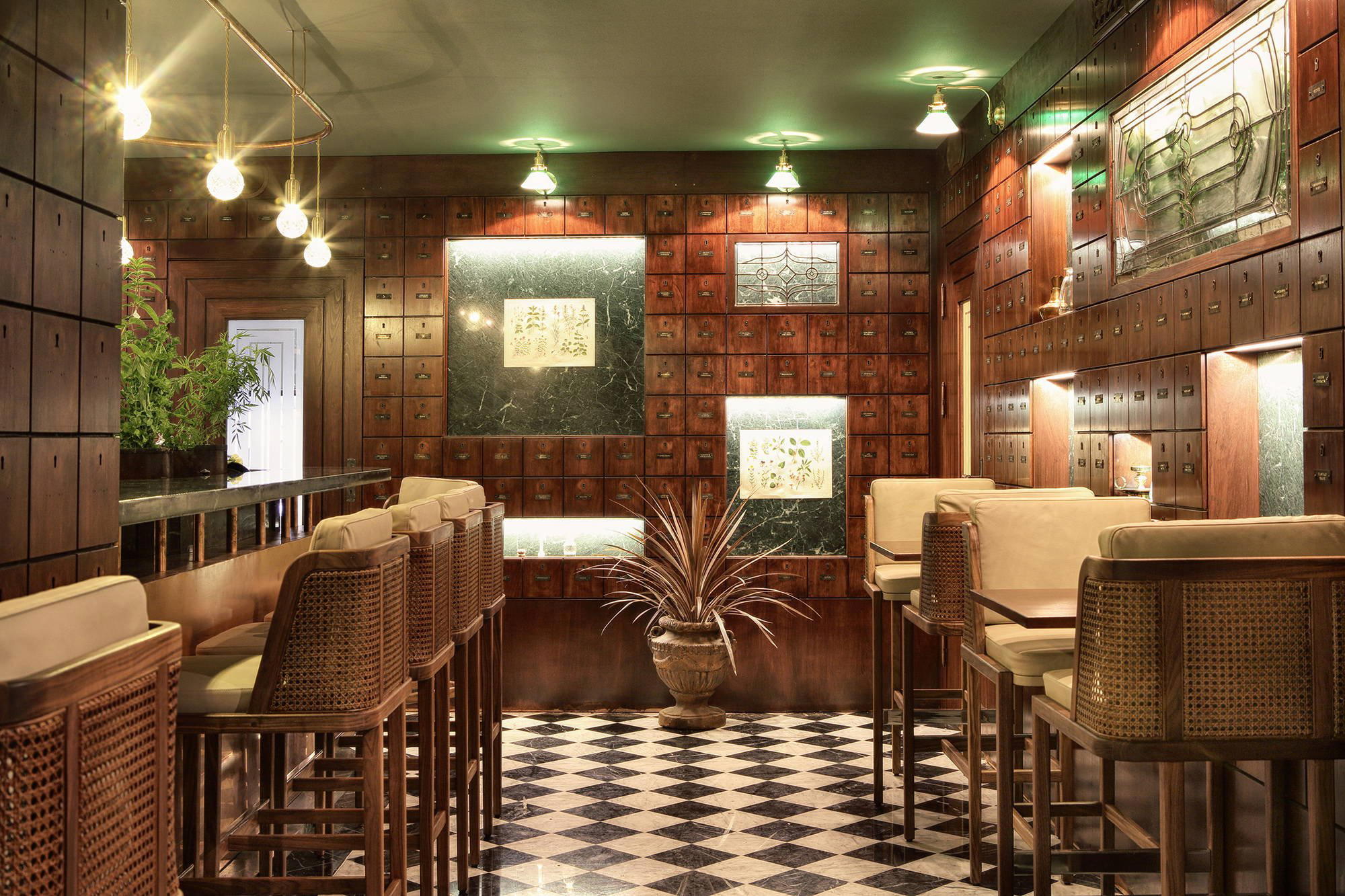
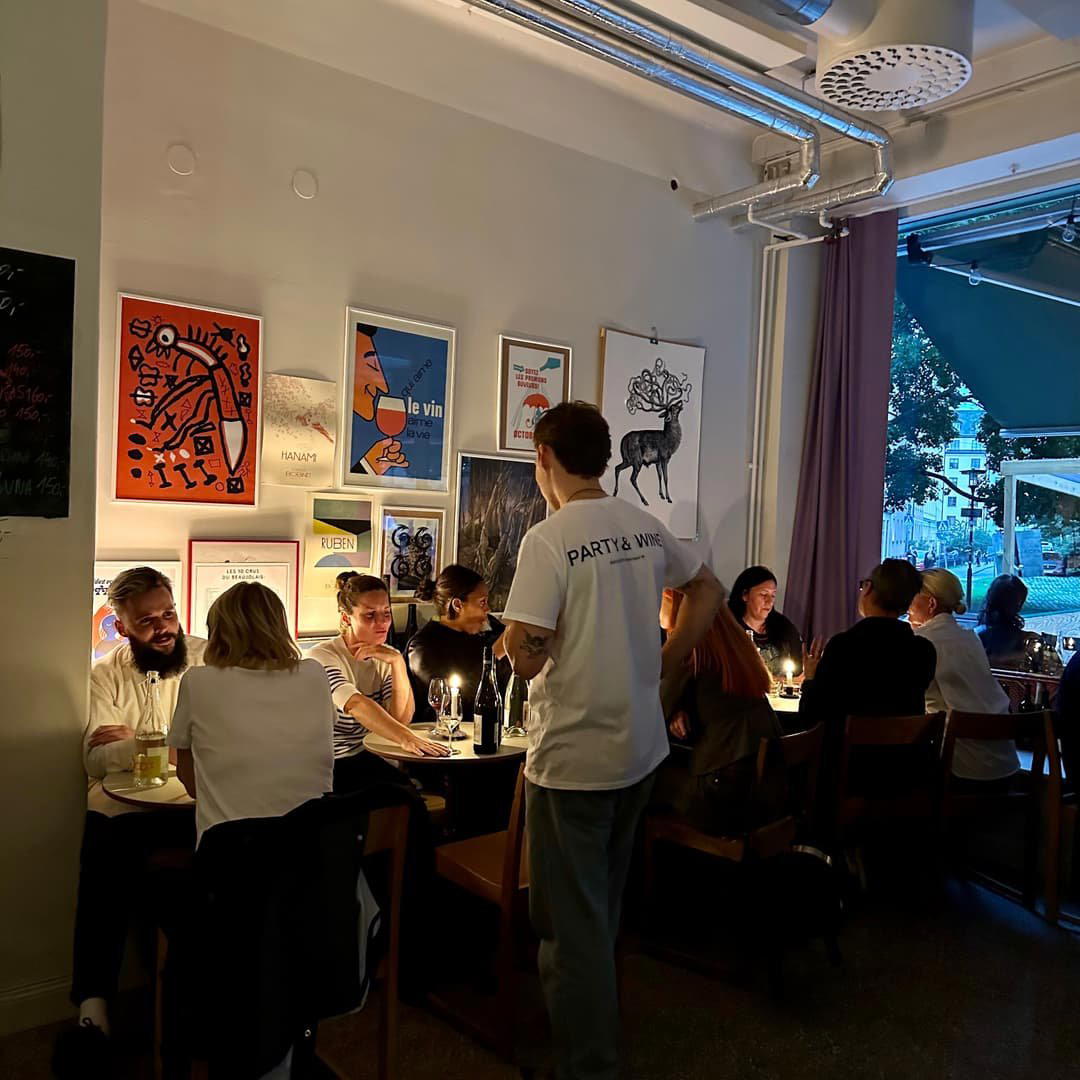
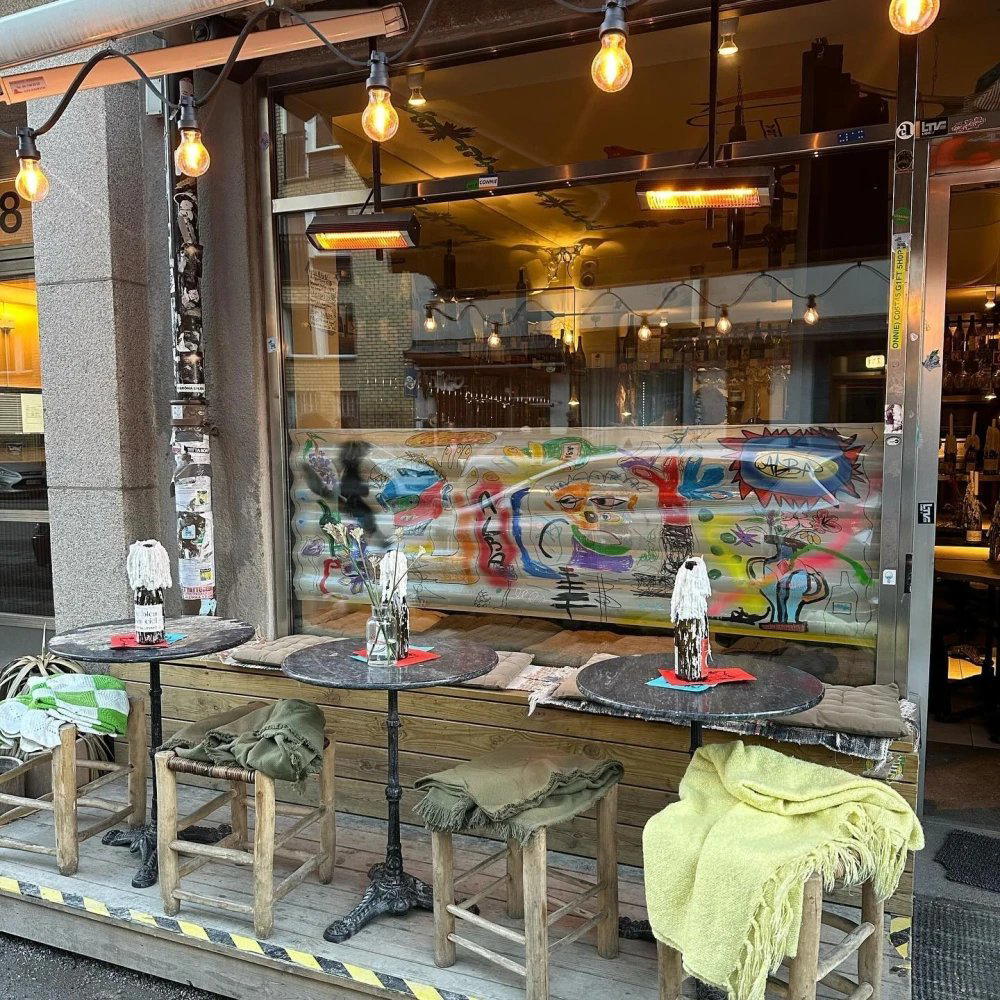
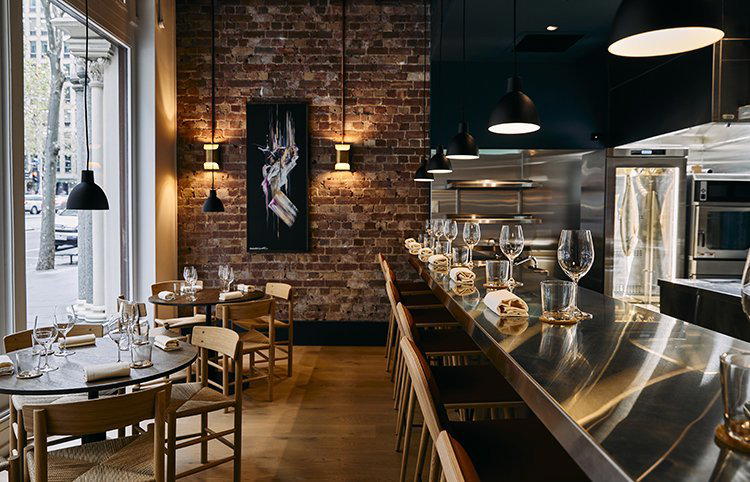
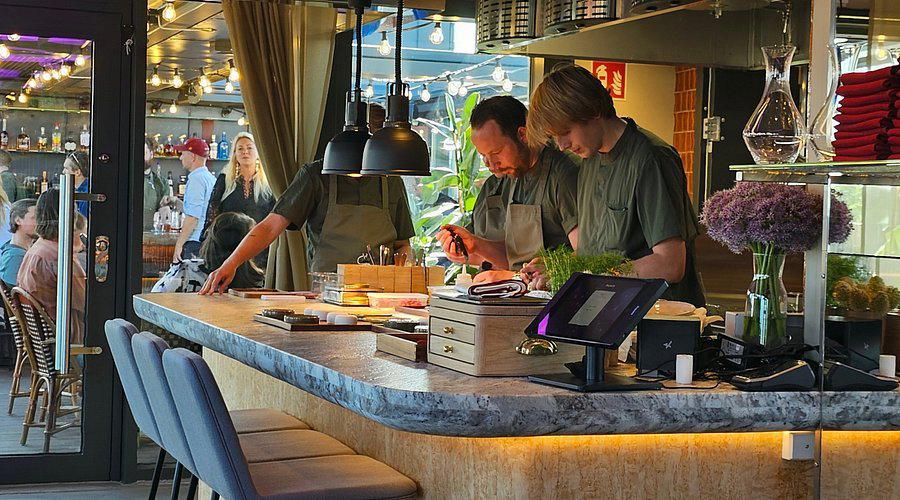
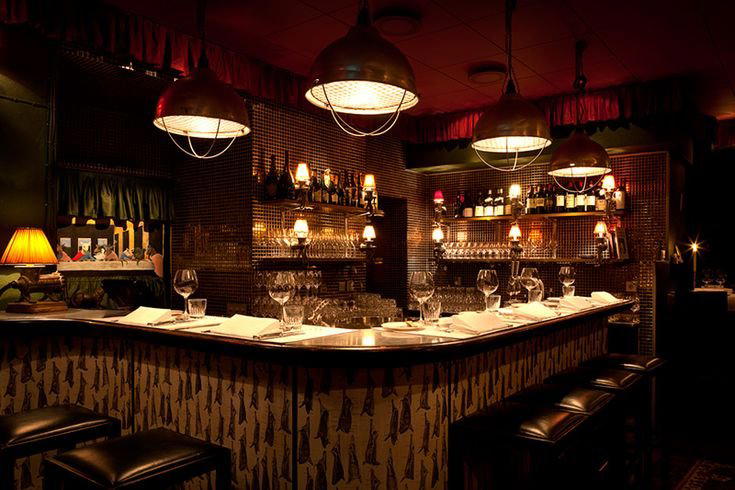
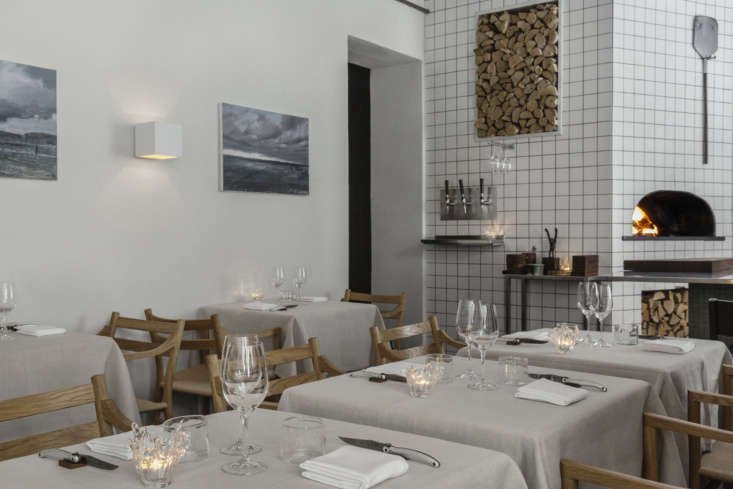
Hip, lively, and colorful with Art Deco-inspired elements, modern minimalism, bold colors, and lively social atmosphere from on-site bars and theater.