Southern Cross Club
Southern Cross Club occupies a quiet stretch of Little Cayman's southern shore at 1400 Guy Banks Road, placing it among the Caribbean's most deliberately low-key dive-oriented properties. The setting trades resort scale for direct reef access and a pace calibrated to the island itself. For travellers arriving from Grand Cayman's busier west coast, the contrast is the point.
Pearl is the En Primeur Club membership app — saves, bookings, and concierge access live there. Same editors, same standards.
- Address
- 1400 Guy Banks Rd, Blossom Village KY3-2501, Cayman Islands
- Phone
- +1 345 948 1099
- Website
- southerncrossclub.com
- Directions
- Get directions
 Saves & bookings on Pearl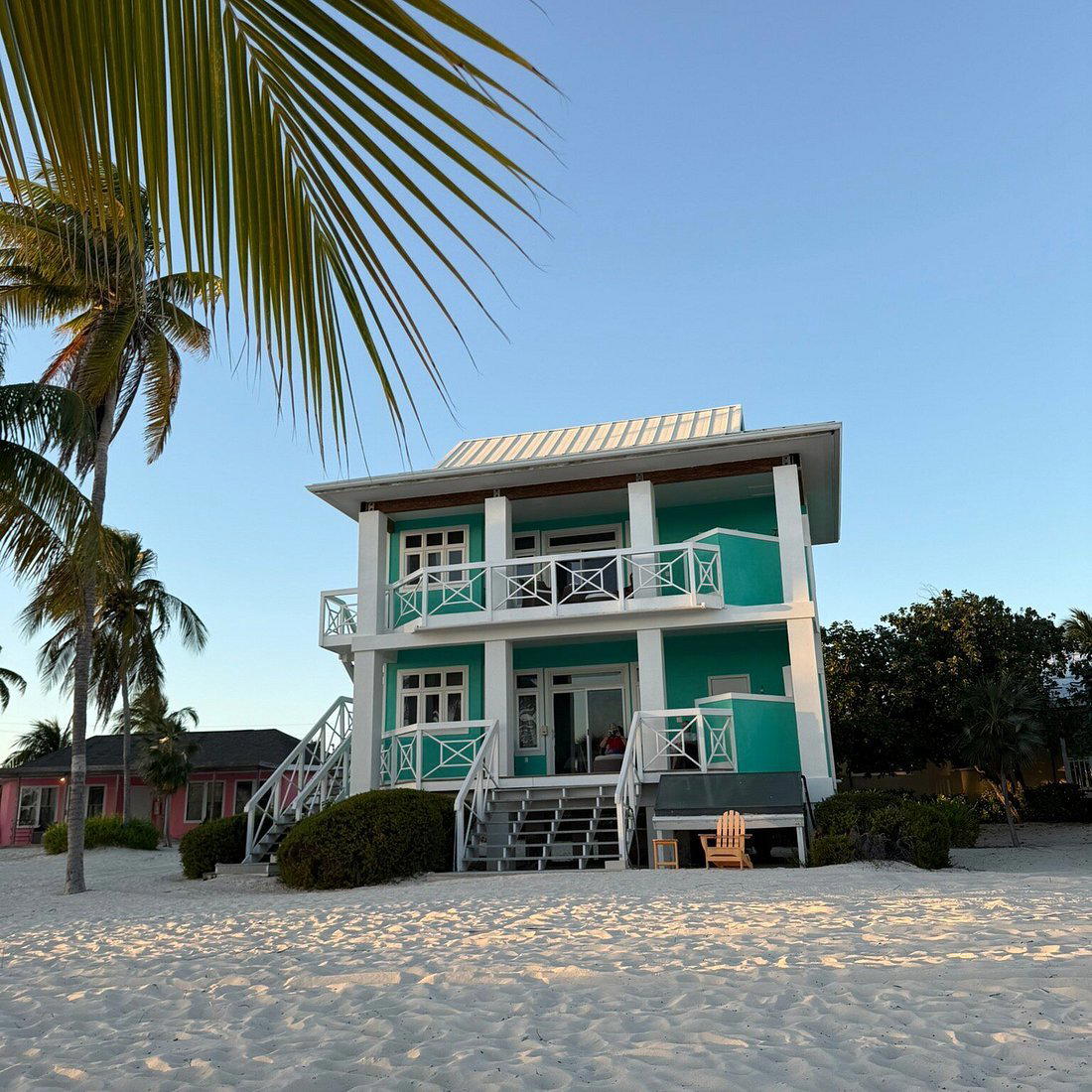
Little Cayman's Quieter Shore: The Context Behind Southern Cross Club
Little Cayman operates at a different register than its larger neighbour. Grand Cayman has the infrastructure, the Seven Mile Beach hotel corridor, and properties like the Kimpton Seafire Resort + Spa in Seven Mile Beach serving an international resort audience. Little Cayman, by contrast, has roughly 200 permanent residents, no traffic lights, and an airport runway short enough that arriving aircraft clear the road by a matter of metres. The accommodation options here belong to a completely different category: small-scale, reef-proximate, and oriented toward visitors who came specifically for what lies underwater rather than what sits poolside.
Southern Cross Club sits within that niche. Located at 1400 Guy Banks Road in Blossom Village on the island's southern coast, it addresses a segment of Caribbean travel that the larger Cayman properties cannot serve: divers and nature-focused travellers who want the smallest possible gap between their accommodation and the water.
Design by Subtraction: What the Physical Setting Communicates
The architectural language of properties on Little Cayman is largely determined by constraint. The island sits within a protected area framework, building height restrictions apply, and the infrastructure to support large-scale construction simply does not exist in the way it does on Grand Cayman or even Cayman Brac. What emerges from these constraints, at Southern Cross Club and at comparable properties nearby, is a low-rise, horizontally spread built environment that sits close to the waterline and makes no attempt to compete with the landscape around it.
This is a meaningful design posture, even if it arrives partly through necessity. Properties like Black Urchin Boutique Resort on Grand Cayman occupy a similar aesthetic register in the broader Cayman context: restrained in scale, focused on the specific experience that draws a particular kind of traveller, and designed so that the natural environment does most of the visual work. At the hotel, the southern coastal position means the view looks out toward open Caribbean water rather than toward neighbouring structures, which is the defining spatial feature of the property.
The relevant comparison set for the hotel is not the large Cayman resorts. The Little Cayman Beach Resort and Pirates Point Resort on Little Cayman occupy the same island and the same general category. The competitive differentiators within this comparable set come down to reef proximity, dive operation quality, and the specific character of the common spaces rather than room count or amenity stacking.
The Spatial Logic of a Dive-Oriented Property
Properties built around reef access organise their spaces differently than resort hotels. The dive dock or boat launch becomes a functional centre of gravity around which other spaces orient themselves. Rinse tanks, gear storage, and briefing areas are not back-of-house infrastructure but front-of-house features that signal to guests arriving that this is a place built around their primary activity. The hotel's position on Guy Banks Road, on the quieter southern coast of Little Cayman, reflects exactly this logic: proximity to dive sites rather than proximity to commercial activity is what determines the address.
This spatial approach has a long tradition in the Caribbean. Properties like Sunset House in George Town, Grand Cayman's long-running dive-centric hotel, demonstrate how a property can hold its identity over decades precisely by refusing to compete on amenity breadth and instead investing in the quality of what it was built to do. The diver-to-boat ratio, the condition of the equipment, and the knowledge of the dive staff matter far more to the relevant guest than thread count or lobby design.
At the broader end of the design spectrum, properties like Amangiri in Canyon Point show how architecture can be built to amplify a specific natural environment rather than provide an alternative to it. The principle is the same whether the setting is Utah desert or Caribbean reef: the design succeeds when it gets out of the way of the reason someone chose this particular location.
Positioning Within the Caribbean Small-Property Tier
The Caribbean accommodation market has become increasingly polarised between two models. On one side sit the large international-brand resorts, with full-service spas, multiple food and beverage outlets, and a guest experience designed to be largely self-contained. On the other side sits a smaller, harder-to-find tier of properties where the surrounding environment is the product and the built infrastructure serves it rather than competing with it. The hotel operates in the latter category.
This positioning carries specific implications for the traveller making a booking decision. Visitors to Grand Cayman have access to multiple options across the full spectrum, from the scale and service model of larger Seven Mile Beach properties to the more intimate character of boutique hotels. The decision to travel to Little Cayman at all already filters for a specific set of priorities, and the hotel's location at Blossom Village addresses that self-selected audience directly.
Planning Your Stay: Practical Orientation
Getting to Little Cayman requires a connection through Grand Cayman's Owen Roberts International Airport. Cayman Airways operates the inter-island service on small aircraft, and the runway at Edward Bodden Airfield on Little Cayman imposes a strict baggage limit that affects dive gear logistics. Most travellers flying into the Caymans via Miami, New York, or other hub cities should plan the Grand Cayman connection carefully, particularly during peak dive season when inter-island flights can fill quickly.
Little Cayman does not try to replicate urban luxury, and the hotel's address in Blossom Village is as far from a city-hotel experience as the Caymans offers.
Fast Comparison
Comparable venues nearby, for context on price, style, and recognition.
| Venue | Cuisine | Price | Awards | Notes |
|---|---|---|---|---|
| Southern Cross ClubThis venue — the venue you are viewing | barefoot luxury beach resort | $$$ | 4-Star | Not listed |
| Pirates Point Resort - Little Cayman | Casual all-inclusive beachfront cottage resort on secluded acres | $$$$ | 4-Star | Blossom Village |
| The Westin Grand Cayman Seven Mile Beach Resort & Spa | Oceanfront beach resort | $$$$ | 4-Star | Seven Mile Beach |
| The Ritz-Carlton, Grand Cayman | Luxury beachfront resort with contemporary design inspired by Cayman Islands culture and natural environment | $$$$ | 5-Star | Seven Mile Beach |
| ONE GT Grand Cayman | luxury urban residential resort | $$$$ | 4-Star | George Town |
| Dragon's Pearl | classic Cayman cottage with modern updates | $$$ | Not listed | Rum Point |
Continue exploring
More in Blossom Village Ky3 2501
Hotels in Blossom Village Ky3 2501
Browse all →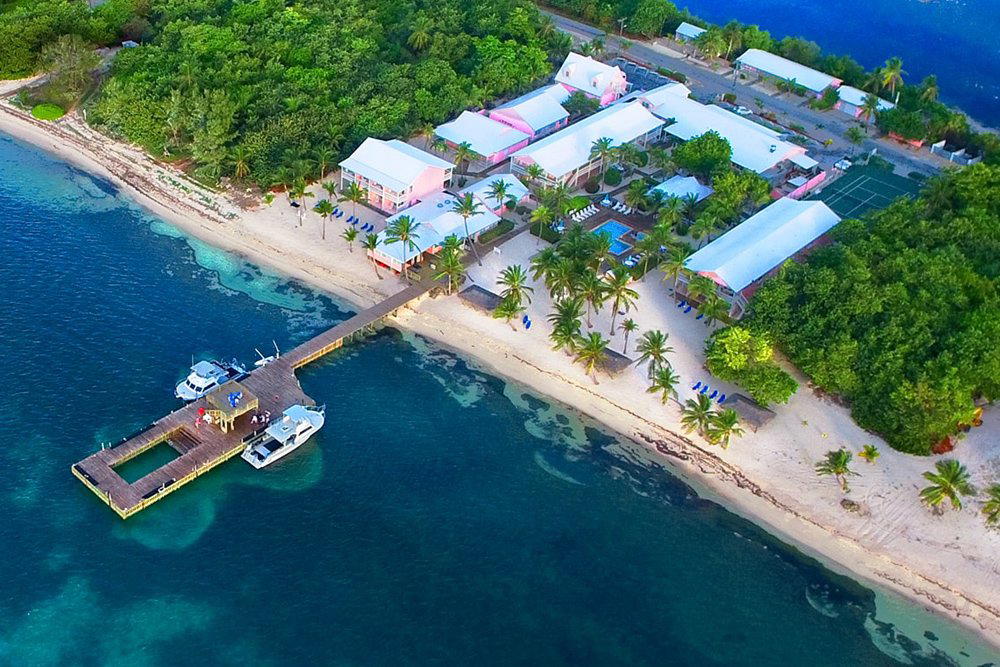
At a Glance
- Cozy
- Scenic
- Romantic
- Intimate
- Honeymoon
- Romantic Getaway
- Weekend Escape
- Beachfront
- Waterfront
- Pool
- Beach Access
- Free Parking
- Airport Transfer
- Wi Fi
- Waterfront
- Pool
- Beach Access
- Free Parking
- Airport Transfer
- Wi Fi
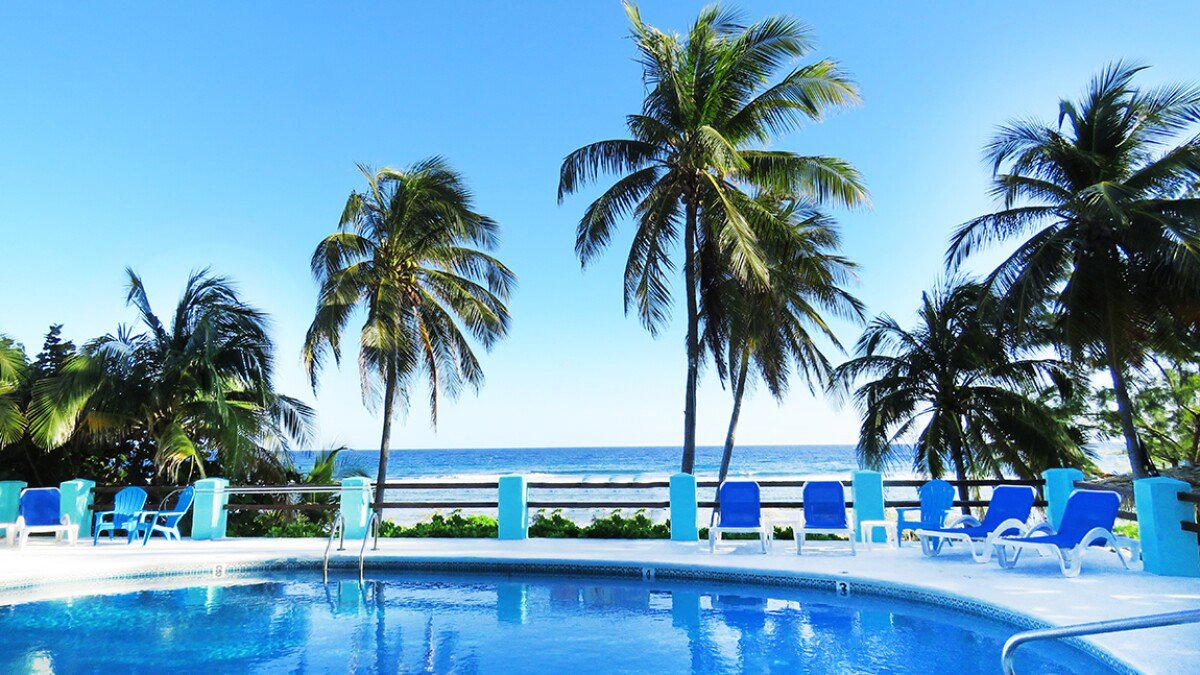
Casual, colorful Caribbean-style bungalows with open-air dining pavilion, thatched Tiki bar, and relaxed barefoot luxury atmosphere.